
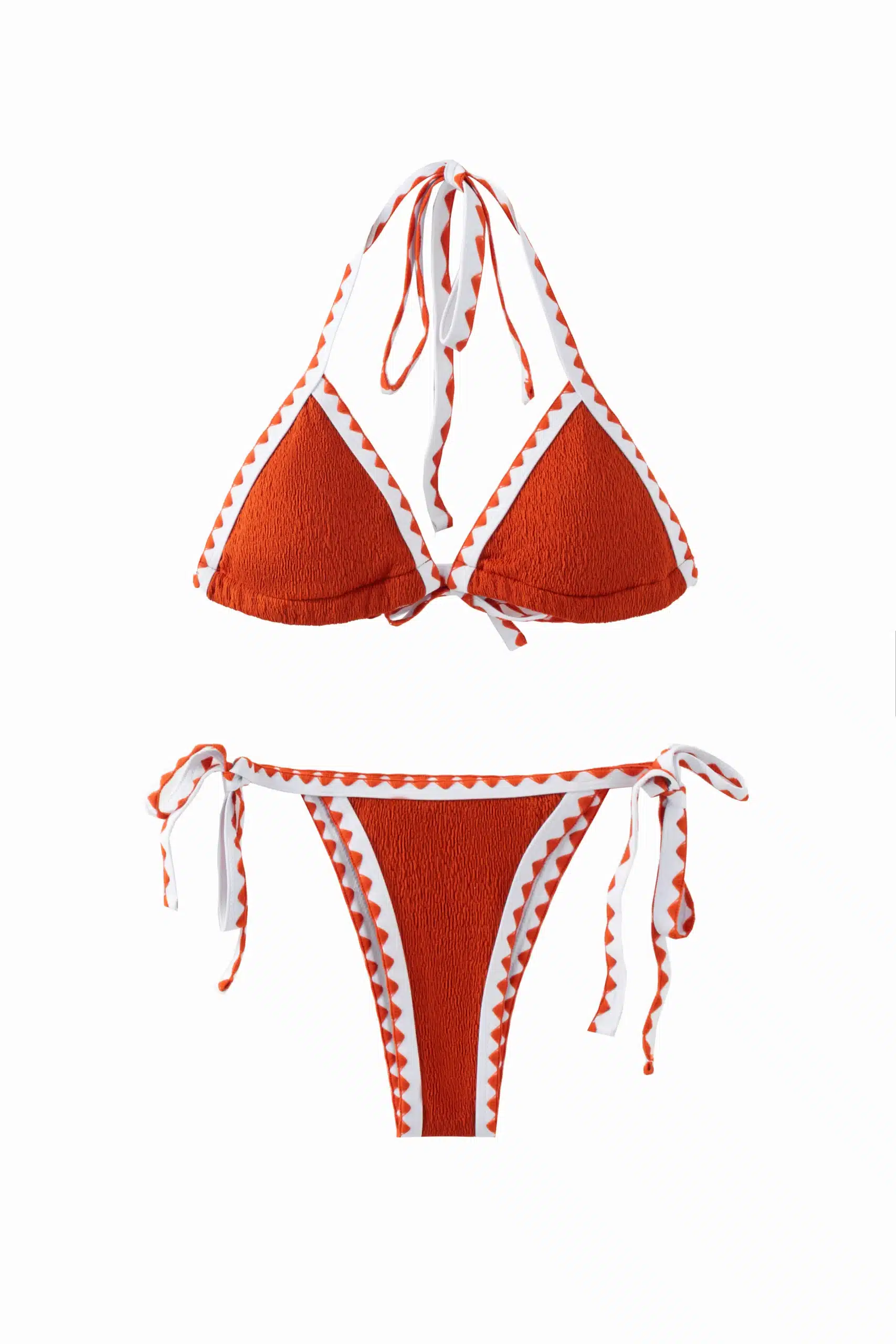
 Bikini
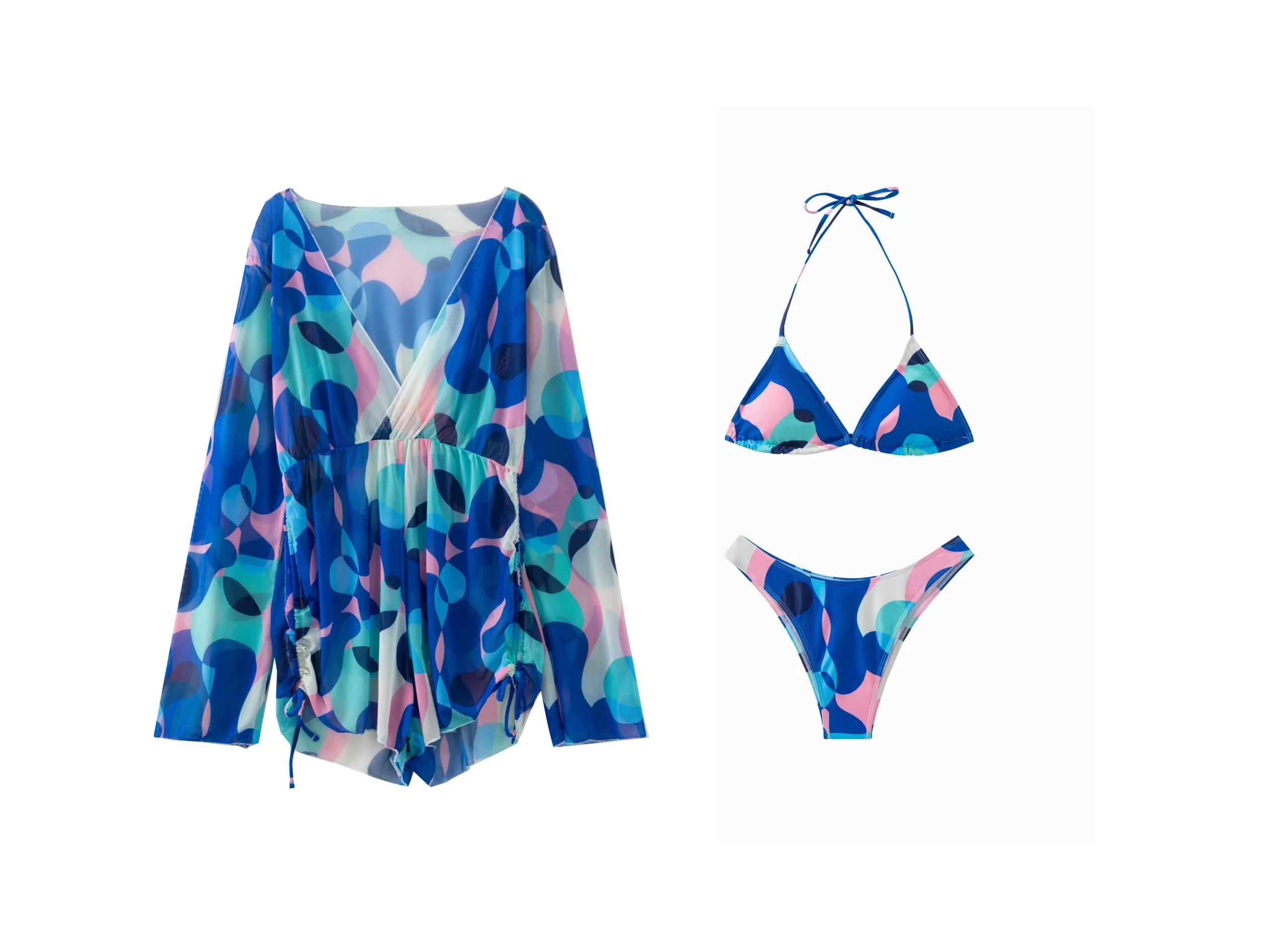 Bikini Cover-Up Set
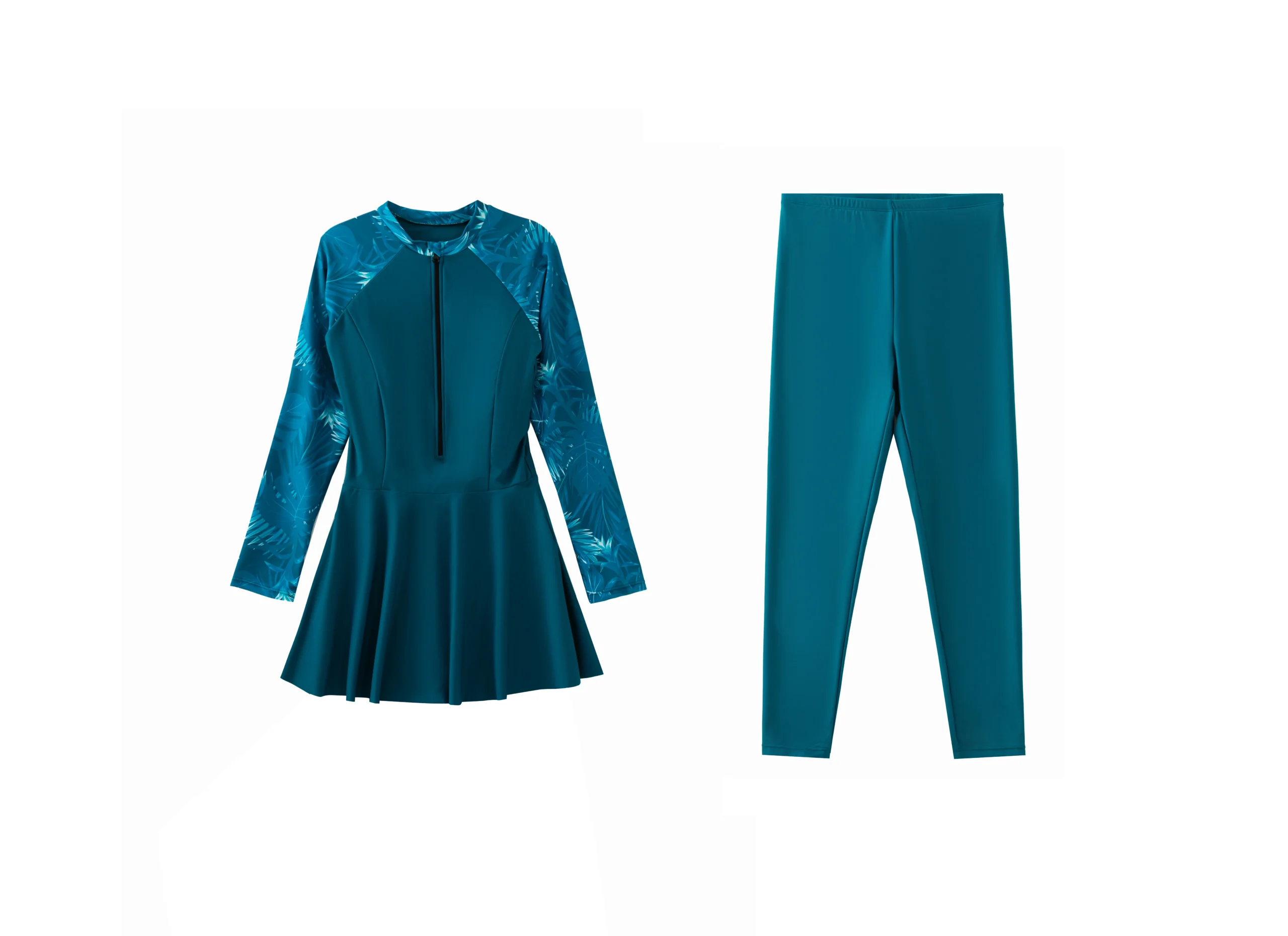 Burkini Swimwear
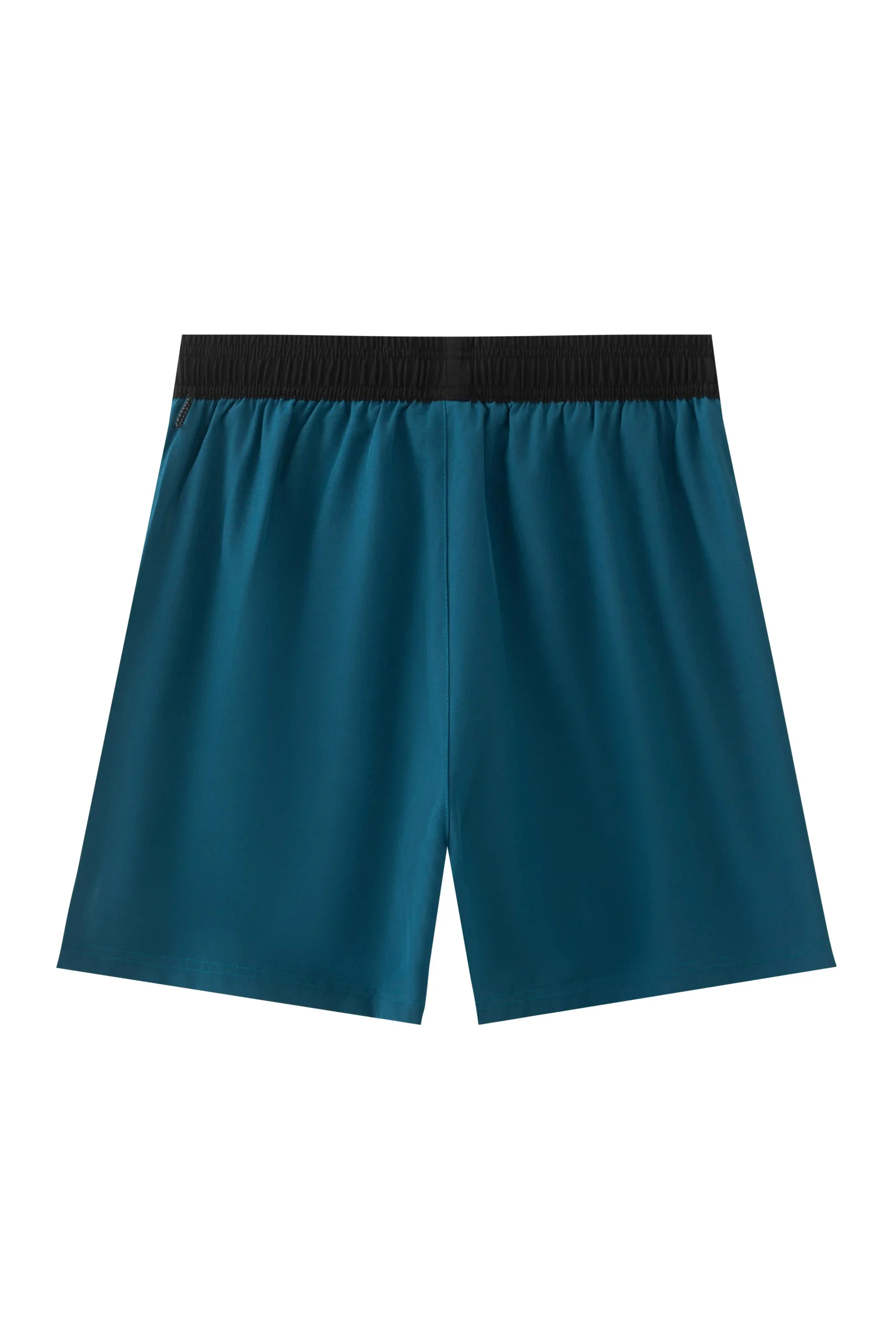 Men Swimwear
 One-Piece Swimsuits
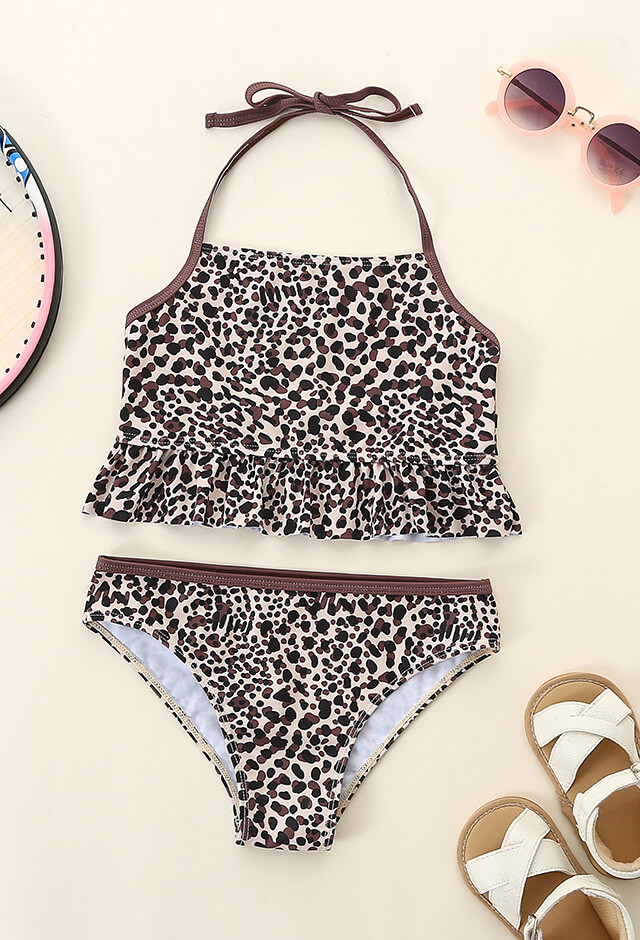 Two-Piece Swimsuits
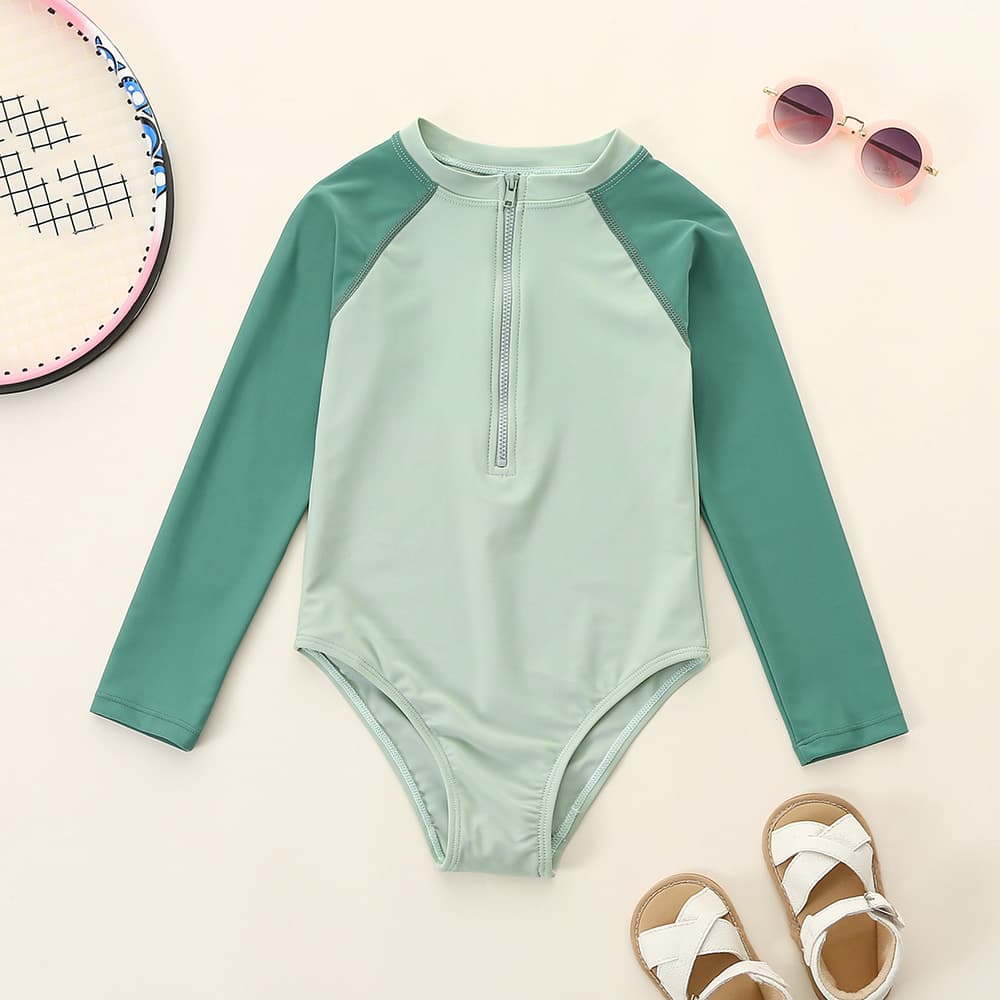 Rash Guards
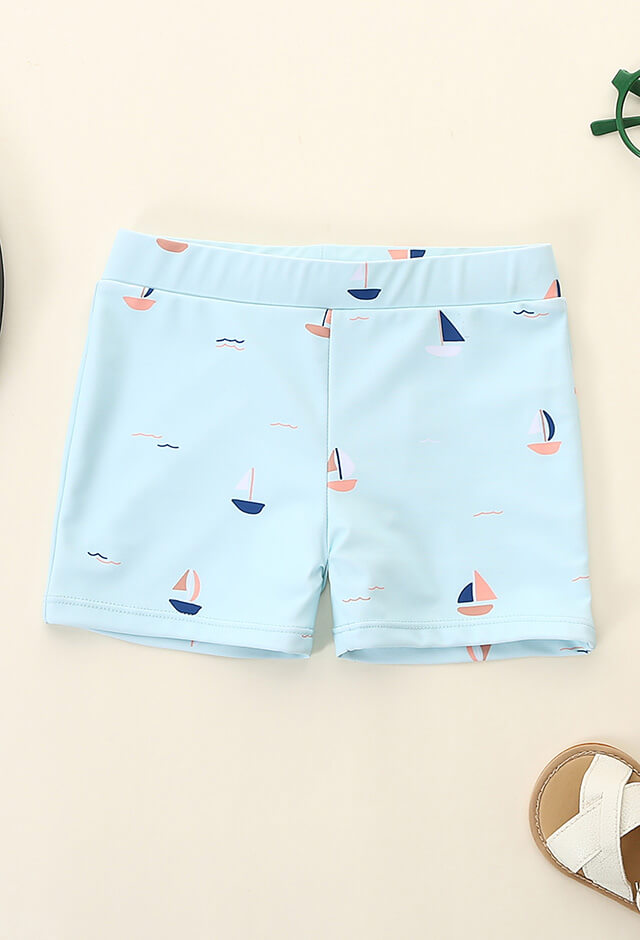 Swim Trunks
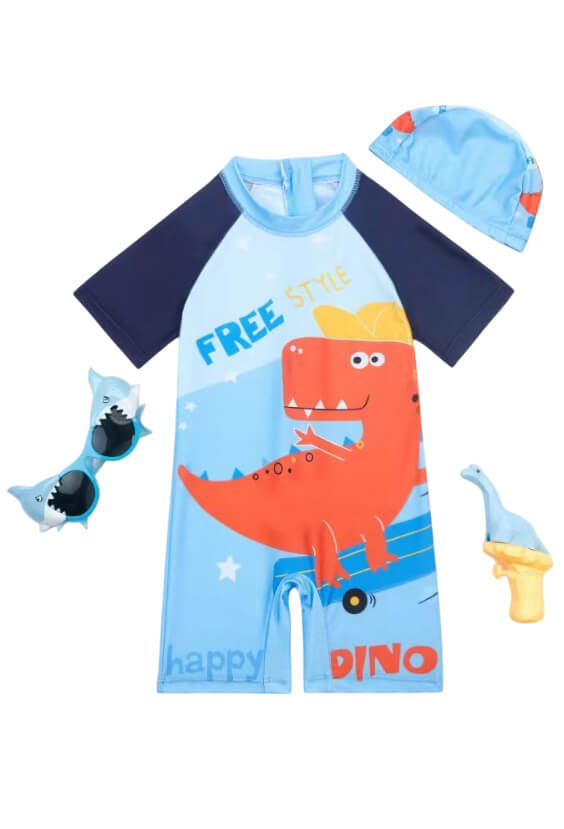 Boy Swimsuits
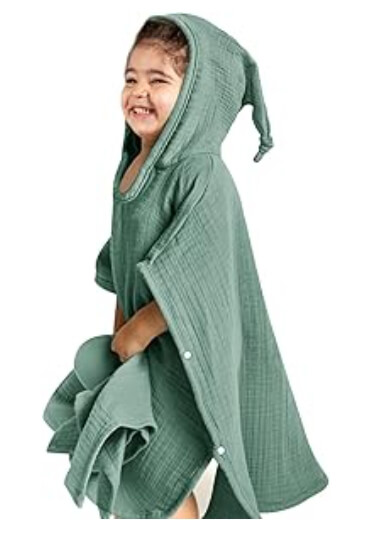 Poncho
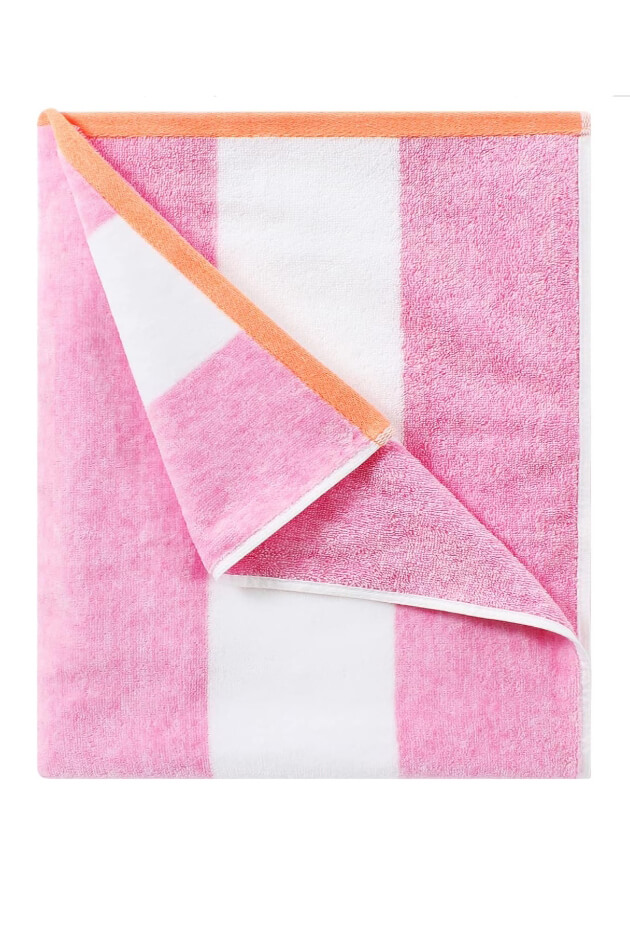 Beach Towel
 Sun Hat
The global swimwear market continues to grow as consumers demand fashionable, functional, and sustainable swimwear. From luxury bikini brands to active performance swimwear labels, every successful product starts with a professional manufacturing process.
However, many new brands don’t fully understand what swimwear manufacturing actually involves. Producing high-quality swimsuits requires much more than simply sewing fabric together. It is a specialized production process involving technical design, performance fabrics, precision pattern making, skilled sewing, rigorous quality control, and efficient supply chain management.
Whether you’re launching a new private label collection or looking for an experienced OEM manufacturing partner, understanding how swimwear is produced will help you make better sourcing decisions, reduce development costs, and bring higher-quality products to market.
In this guide, we’ll explain every stage of swimwear manufacturing, from the initial design concept to finished products ready for retail shelves.
What Is Swimwear Manufacturing?
Swimwear manufacturing refers to the complete process of transforming a swimwear design into a finished product through a series of specialized production stages.
Unlike ordinary garments, swimsuits are made using highly elastic fabrics that require precise cutting, specialized sewing machines, and experienced technicians. Every stage must ensure that the finished product offers excellent fit, durability, comfort, and performance in water.
A professional swimwear manufacturer typically provides services such as:
- Product design support
- Tech pack review
- Material sourcing
- Pattern development
- Sample production
- Fabric printing
- Bulk manufacturing
- Quality inspection
- Custom packaging
- Global shipping
Many manufacturers also offer OEM (Original Equipment Manufacturing) and ODM (Original Design Manufacturing) services, allowing brands to either produce their own designs or customize existing styles.
Why Swimwear Manufacturing Is Different from Regular Apparel
At first glance, a swimsuit may seem like a simple garment. In reality, swimwear is one of the most technically demanding apparel categories.
Unlike cotton T-shirts or woven dresses, swimwear must perform under challenging conditions, including exposure to chlorine, saltwater, sunlight, and repeated stretching.
Several factors make swimwear manufacturing unique.
Specialized Stretch Fabrics
Most swimsuits are made from high-performance blends such as:
- Nylon / Spandex
- Polyester / Spandex
- Recycled Nylon
- Recycled Polyester
These fabrics provide:
- Four-way stretch
- Shape retention
- Quick drying
- UV protection
- Chlorine resistance
- Lightweight comfort
Because stretch fabrics behave differently during cutting and sewing, manufacturers must use specialized equipment and techniques.
Precision Pattern Making
Swimwear patterns are significantly more complex than patterns for everyday clothing.
Designers must account for:
- Fabric stretch percentage
- Recovery performance
- Body contouring
- Compression
- Elastic tension
A difference of just a few millimeters can dramatically affect how the swimsuit fits.
Professional pattern makers often create multiple prototypes before approving production patterns.
Advanced Sewing Techniques
Swimwear requires sewing methods that maintain elasticity while ensuring durability.
Common stitch types include:
- Four-thread overlock
- Flatlock stitching
- Cover stitching
- Zigzag stitching
- Bartack reinforcement
These construction methods help prevent seam breakage during swimming and stretching.
High-Performance Components
In addition to fabric, every swimsuit contains multiple functional components.
These include:
- Elastic tape
- Bra cups
- Adjustable straps
- Metal rings
- Sliders
- Buckles
- Silicone grippers
- Drawcords
- Linings
Each component must withstand moisture, chlorine, and repeated wear without losing performance.
The Complete Swimwear Manufacturing Process
Although every manufacturer follows slightly different procedures, most professional factories use a structured production workflow consisting of several key stages.
Let’s examine each stage in detail.
Step 1 – Product Design
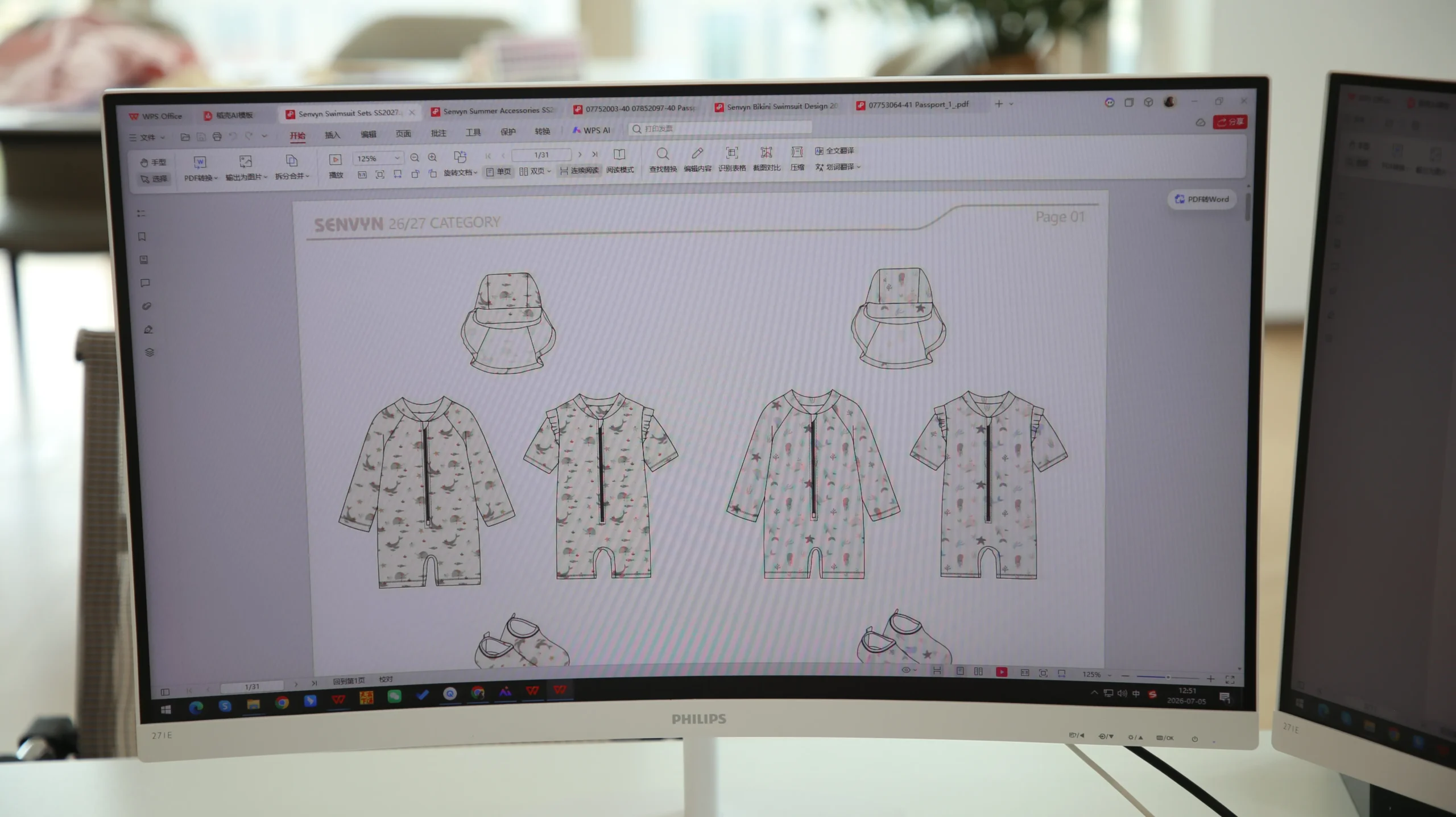
Every successful swimsuit begins with a design concept.
Designers typically start by researching:
- Fashion trends
- Consumer preferences
- Color forecasts
- Fabric innovations
- Competitor collections
During this phase, brands define:
- Target customer
- Product positioning
- Price range
- Collection theme
- Seasonal colors
The output is usually a collection of concept sketches that establish the overall design direction.
Step 2 – Tech Pack Development
Once the design has been approved, it is converted into a detailed tech pack.
The tech pack serves as the blueprint for production and includes:
- Technical sketches
- Fabric specifications
- Size charts
- Construction details
- Stitch types
- Logo placement
- Trim list
- Packaging requirements
Without a complete tech pack, manufacturers may interpret design details differently, leading to unnecessary revisions and higher development costs.
For brands new to product development, investing time in a professional tech pack can significantly improve production efficiency and sample accuracy.
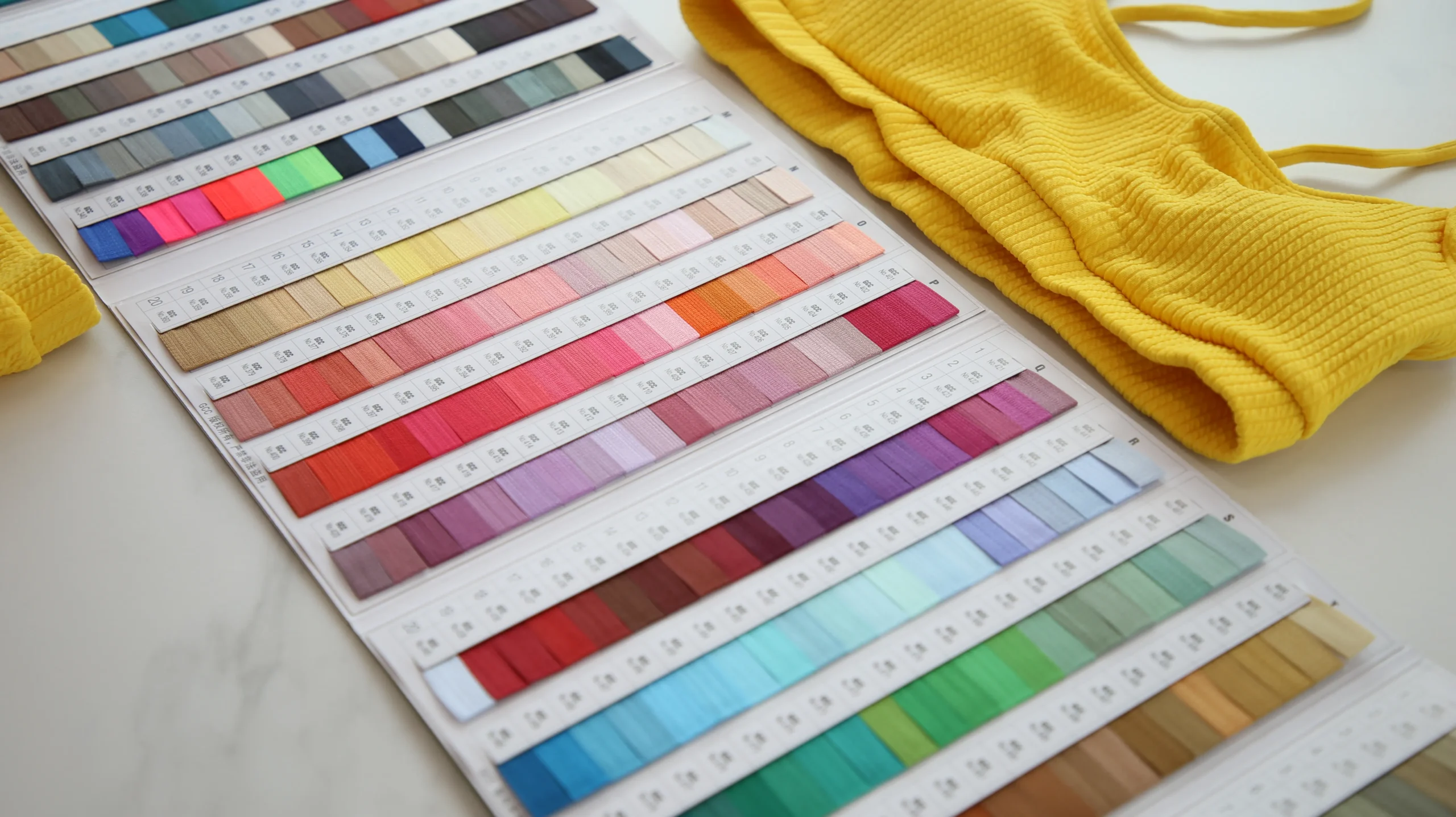
Step 3 – Material Sourcing
After reviewing the tech pack, the manufacturer begins sourcing materials.
Key materials include:
Main Fabrics
- Nylon / Spandex
- Polyester / Spandex
- Recycled Nylon
- Recycled Polyester
Linings
- Power mesh
- Stretch lining
- Lightweight tricot
Accessories
- Elastic tapes
- Bra pads
- Metal hardware
- Plastic buckles
- Drawcords
- Labels
- Hangtags
Material quality directly influences product performance, making supplier selection an important part of the manufacturing process.
Many premium brands also require certified materials that comply with international environmental and safety standards.
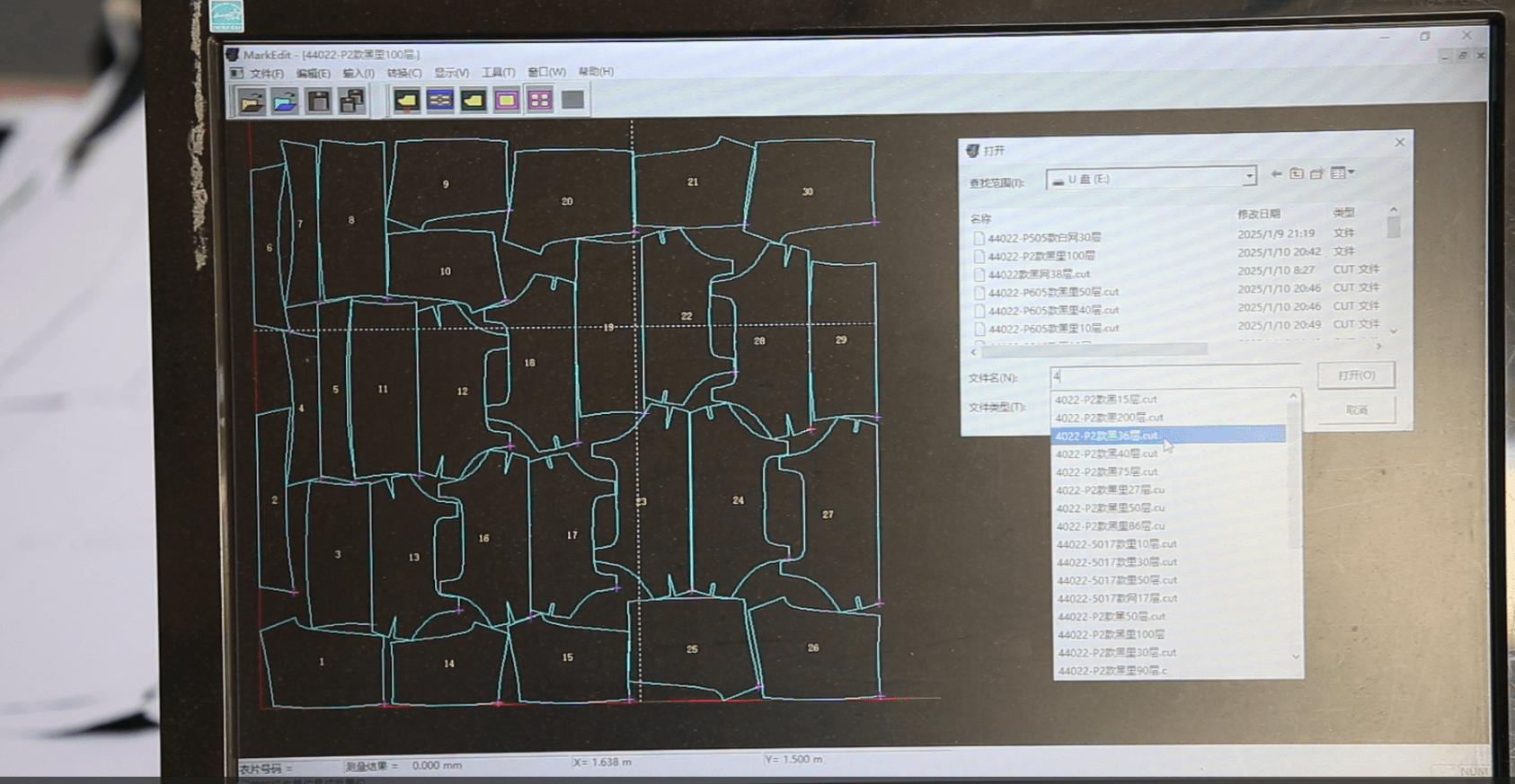
Step 4 – Pattern Making
Pattern making transforms the designer’s vision into precise production templates.
Using CAD software or manual methods, pattern makers create individual pattern pieces for each garment component.
These patterns determine:
- Fit
- Comfort
- Symmetry
- Size grading
- Fabric utilization
After completion, digital patterns are tested and adjusted before sample production begins.
Step 5 – Sample Development
Sampling is one of the most important stages in swimwear manufacturing.
The factory produces prototype garments to verify:
- Fit
- Construction
- Appearance
- Fabric behavior
- Stretch recovery
- Branding placement
Brands typically review and comment on the samples, leading to one or more rounds of revisions before final approval.
Although revisions may extend development time, they help ensure the final product meets quality expectations before bulk production begins.
Step 6 – Fabric Inspection and Cutting
Before production begins, all fabrics are inspected to ensure they meet quality standards. Skipping this step can lead to defects that affect the entire production run.
Typical fabric inspections include:
- Fabric width verification
- Fabric weight (GSM) testing
- Color consistency
- Fabric defect inspection
- Stretch and recovery testing
- Shade variation inspection
Once approved, fabrics are spread in multiple layers on automated cutting tables or manually prepared for smaller production runs.
Modern swimwear factories often use CAD marker systems and automatic cutting machines to maximize fabric utilization and reduce waste.
Because swimwear fabrics are highly elastic, cutting requires experienced operators to prevent distortion and maintain pattern accuracy.
Step 7 – Printing and Fabric Decoration
Many swimwear collections feature custom prints that reflect seasonal trends or brand identity.
Depending on the design, manufacturers may use several printing techniques.
Digital Printing
Best for:
- Complex artwork
- Photographic patterns
- Small production runs
- Multiple colors
Advantages:
- High-resolution images
- Unlimited color combinations
- Low setup cost
- Ideal for custom collections
Sublimation Printing
Suitable for polyester-based fabrics.
Advantages:
- Bright colors
- Excellent durability
- No cracking
- Lightweight finish
- Screen Printing
Common for:
- Simple graphics
- Logos
- Large production volumes
Advantages:
- Cost-effective
- Excellent color consistency
- Long-lasting prints
After printing, fabrics undergo additional inspections to ensure color accuracy and print alignment before moving to sewing.
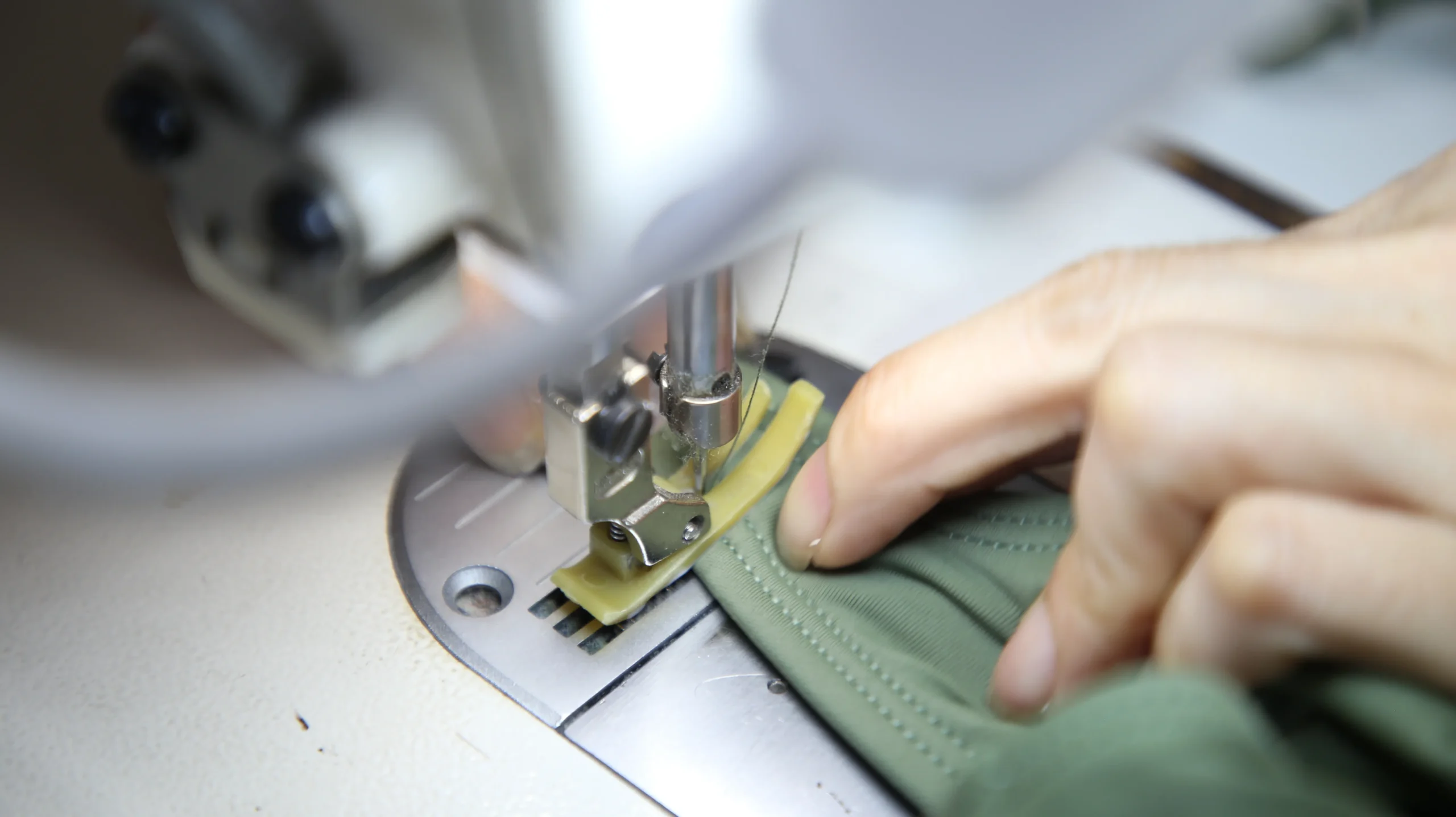
Step 8 – Sewing and Assembly
Sewing is one of the most specialized stages in swimwear manufacturing.
Unlike standard garments, swimsuits require stitches that maintain elasticity while providing strength and comfort.
The production process typically includes:
- Panel assembly
- Elastic insertion
- Cup attachment
- Strap installation
- Hardware attachment
- Logo application
- Label sewing
- Final trimming
Common industrial sewing machines include:
- Four-thread overlock machines
- Cover stitch machines
- Zigzag machines
- Bartack machines
- Flatlock machines
Experienced operators carefully control thread tension to ensure seams remain durable without restricting fabric stretch.
Step 9 – Quality Control
Quality control is integrated throughout the manufacturing process rather than being performed only at the end.
Professional swimwear factories usually conduct inspections at three key stages.
Incoming Material Inspection
Before production begins, inspectors verify:
- Fabric quality
- Color consistency
- Fabric weight
- Stretch performance
- Accessories
- Labels
- Packaging materials
In-Process Inspection
During sewing, inspectors check:
- Seam quality
- Stitch density
- Elastic placement
- Measurement accuracy
- Logo position
- Print alignment
Detecting issues early reduces waste and improves production efficiency.
Final Inspection
Before packaging, every finished garment is inspected for:
- Measurements
- Appearance
- Stitch quality
- Loose threads
- Fabric defects
- Functional testing
- Packaging accuracy
Many international buyers require inspections based on AQL (Acceptable Quality Limit) standards before shipment.
Step 10 – Packaging and Shipping
Once garments pass quality inspection, they move to the packaging department.
Typical packaging procedures include:
- Folding garments
- Applying hangtags
- Inserting care labels
- Packing into recyclable polybags
- Barcode labeling
- Carton packing
- Palletizing
- Container loading
For international shipments, factories also prepare export documentation such as:
- Commercial Invoice
- Packing List
- Certificate of Origin (if required)
- Bill of Lading
- Inspection Reports
Proper packaging protects garments during transportation and enhances the brand’s presentation when products reach retailers or consumers.
OEM vs. ODM Swimwear Manufacturing
When sourcing swimwear, brands often encounter two manufacturing models: OEM and ODM.
Understanding the difference helps you choose the right production partner.
| Feature | OEM | ODM |
|---|---|---|
| Design Ownership | Customer | Manufacturer |
| Customization | High | Moderate |
| Development Time | Longer | Shorter |
| Investment | Higher | Lower |
| Brand Exclusivity | Full | Limited |
OEM (Original Equipment Manufacturing)
OEM manufacturing is ideal for brands with their own designs and technical specifications.
The manufacturer produces products according to the customer’s tech pack, ensuring complete design ownership and exclusivity.
OEM is suitable for:
- Established fashion brands
- Premium collections
- Designer swimwear
- Innovative products
ODM (Original Design Manufacturing)
ODM manufacturing allows brands to customize existing designs developed by the manufacturer.
Typical customization options include:
- Colors
- Fabrics
- Prints
- Logos
- Labels
- Packaging
ODM is ideal for startups or brands seeking a faster time-to-market with lower development costs.
How to Choose a Swimwear Manufacturer
Selecting the right manufacturing partner is one of the most important decisions for any swimwear brand.
Consider the following factors before placing an order.
Industry Experience
Look for manufacturers specializing in swimwear rather than general apparel.
Specialized factories better understand:
- Stretch fabrics
- Swimwear construction
- Performance testing
- Fashion trends
Product Development Support
A strong manufacturer should assist with:
- Design optimization
- Tech pack review
- Material recommendations
- Pattern improvements
- Sampling
Collaborative development often results in better products and fewer production issues.
Quality Certifications
Ask whether the factory complies with recognized international standards such as:
- OEKO-TEX® certified materials
- Global Recycled Standard (GRS)
- WRAP certification
- ISO 9001 Quality Management
These certifications demonstrate commitment to product quality, environmental responsibility, and ethical manufacturing.
Production Capacity
Evaluate whether the factory can support your growth.
Questions to ask include:
- Monthly production capacity
- Minimum Order Quantity (MOQ)
- Lead times
- Sampling turnaround
- Peak season availability
Communication
Effective communication is essential throughout product development.
Choose a manufacturer that:
- Responds promptly
- Provides regular updates
- Shares production photos
- Offers transparent timelines
- Solves problems proactively
Strong communication reduces misunderstandings and builds long-term partnerships.
Common Challenges in Swimwear Manufacturing
Although professional factories have well-established production systems, several challenges are common in swimwear manufacturing.
Color Variation
Differences between dye lots can affect color consistency.
Solution:
Approve lab dips before bulk production and inspect every fabric batch.
Fit Issues
Minor measurement differences can significantly affect fit.
Solution:
Develop multiple fit samples and conduct wear testing before approving production.
Elastic Performance
Incorrect elastic tension can cause garments to feel too tight or too loose.
Solution:
Test elastic recovery during sample development and verify specifications during production.
Print Alignment
Misaligned prints can reduce product quality and increase rejection rates.
Solution:
Use placement guides in the tech pack and perform in-process inspections.
Sustainability in Modern Swimwear Manufacturing
Sustainability has become a key priority for many swimwear brands.
Leading manufacturers now offer environmentally responsible solutions, including:
- Recycled nylon fabrics
- Recycled polyester fabrics
- PFAS-free water-repellent finishes
- Water-based printing
- Recyclable packaging
- Energy-efficient production
- Waste reduction programs
Consumers increasingly expect brands to demonstrate environmental responsibility, making sustainable manufacturing an important competitive advantage.
Expert Tips for Successful Swimwear Production
After years of working with international swimwear brands, we’ve identified several best practices that consistently improve product development.
- Prepare a complete tech pack before sampling.
- Select fabrics based on performance, not just price.
- Approve fabric swatches before bulk production.
- Conduct wear testing with real users.
- Keep detailed records of sample revisions.
- Communicate changes using updated document versions.
- Inspect production during key manufacturing stages.
- Build long-term partnerships with experienced manufacturers.
These practices help reduce costs, shorten lead times, and improve overall product quality.
Conclusion
Swimwear manufacturing is a highly specialized process that combines design expertise, technical precision, advanced materials, and strict quality control to produce garments that perform well in demanding conditions.
From initial concept development and tech pack preparation to pattern making, sampling, production, inspection, and packaging, every stage contributes to the success of the final product.
For brands looking to launch or expand a swimwear collection, partnering with an experienced manufacturer can make a significant difference in product quality, development efficiency, and long-term business growth.
A knowledgeable manufacturing partner not only produces garments but also provides valuable guidance throughout the product development journey.
Ready to Develop Your Swimwear Collection?
Whether you’re creating a new swimwear brand or expanding an existing product line, Senvyn offers comprehensive OEM and private label swimwear manufacturing services tailored to your business needs.
Our experienced team supports every stage of development, including:
- Product design consultation
- Tech pack review
- Fabric sourcing
- Pattern development
- Sample production
- Bulk manufacturing
- Quality control
- Custom packaging
- Worldwide shipping
With years of experience serving brands across North America, Europe, and Australia, we help transform your ideas into high-quality swimwear products that are ready for the global market.
Contact us today to discuss your next swimwear project or request a free consultation with our product development specialists.