
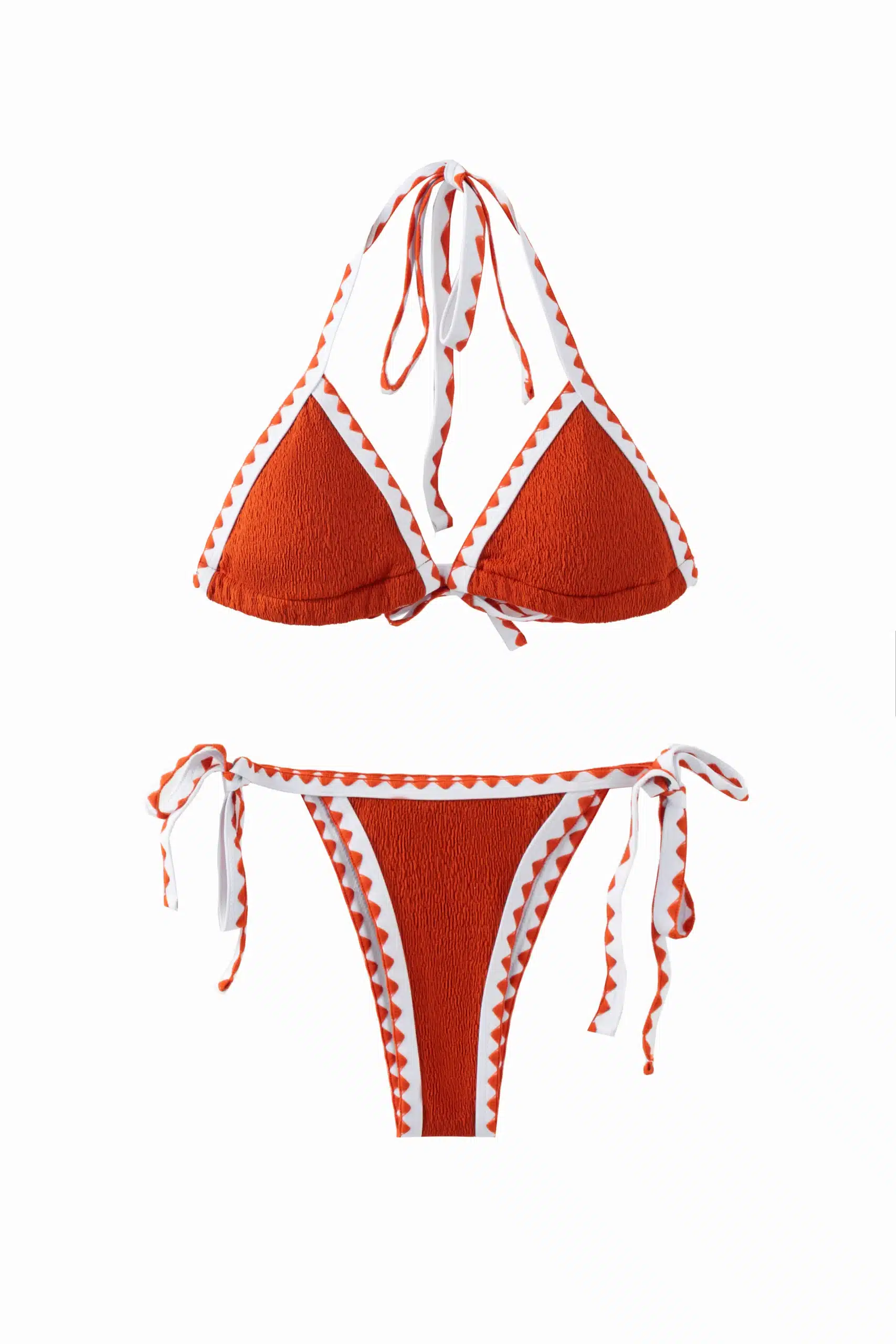
 Bikini
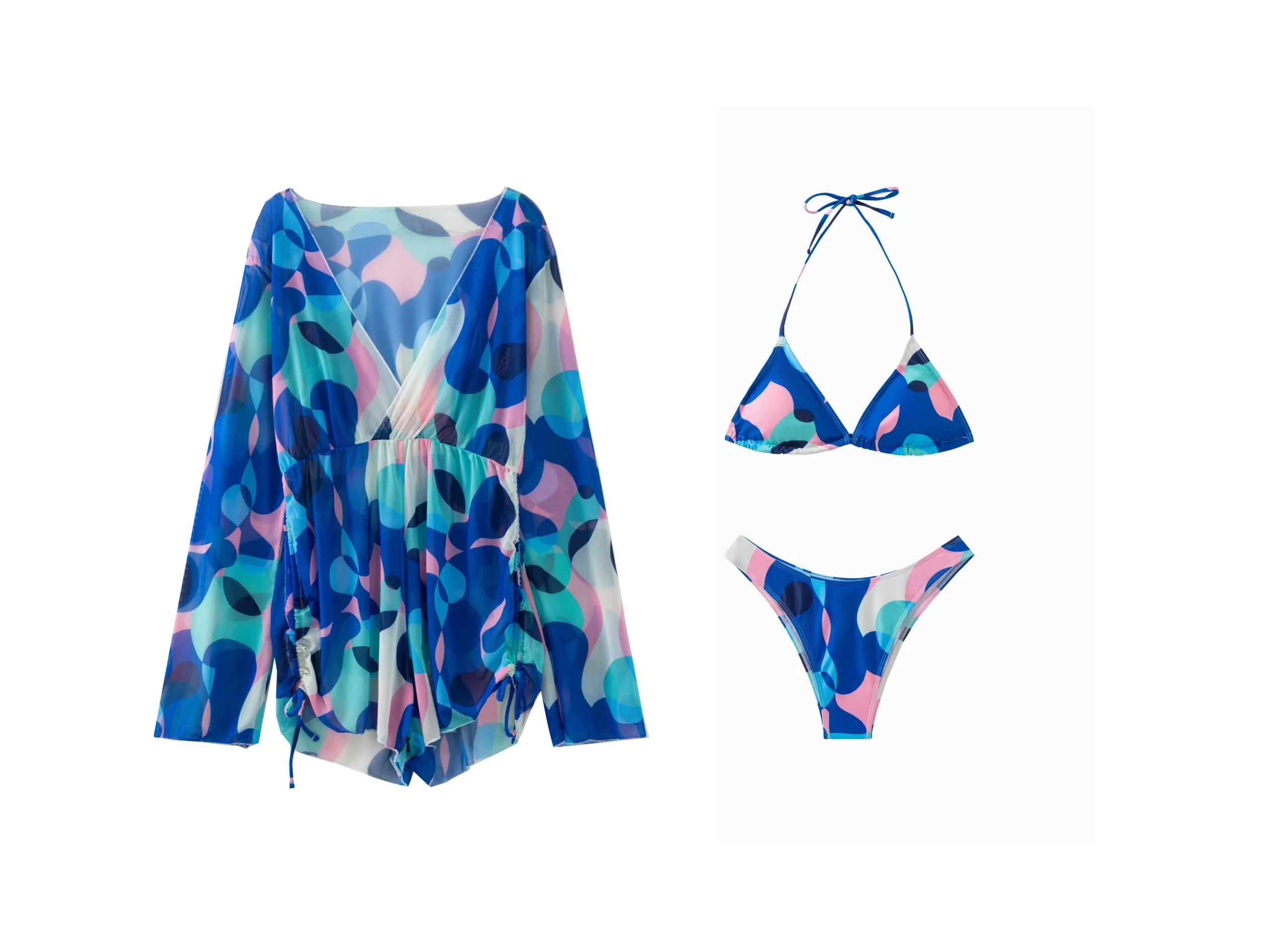 Bikini Cover-Up Set
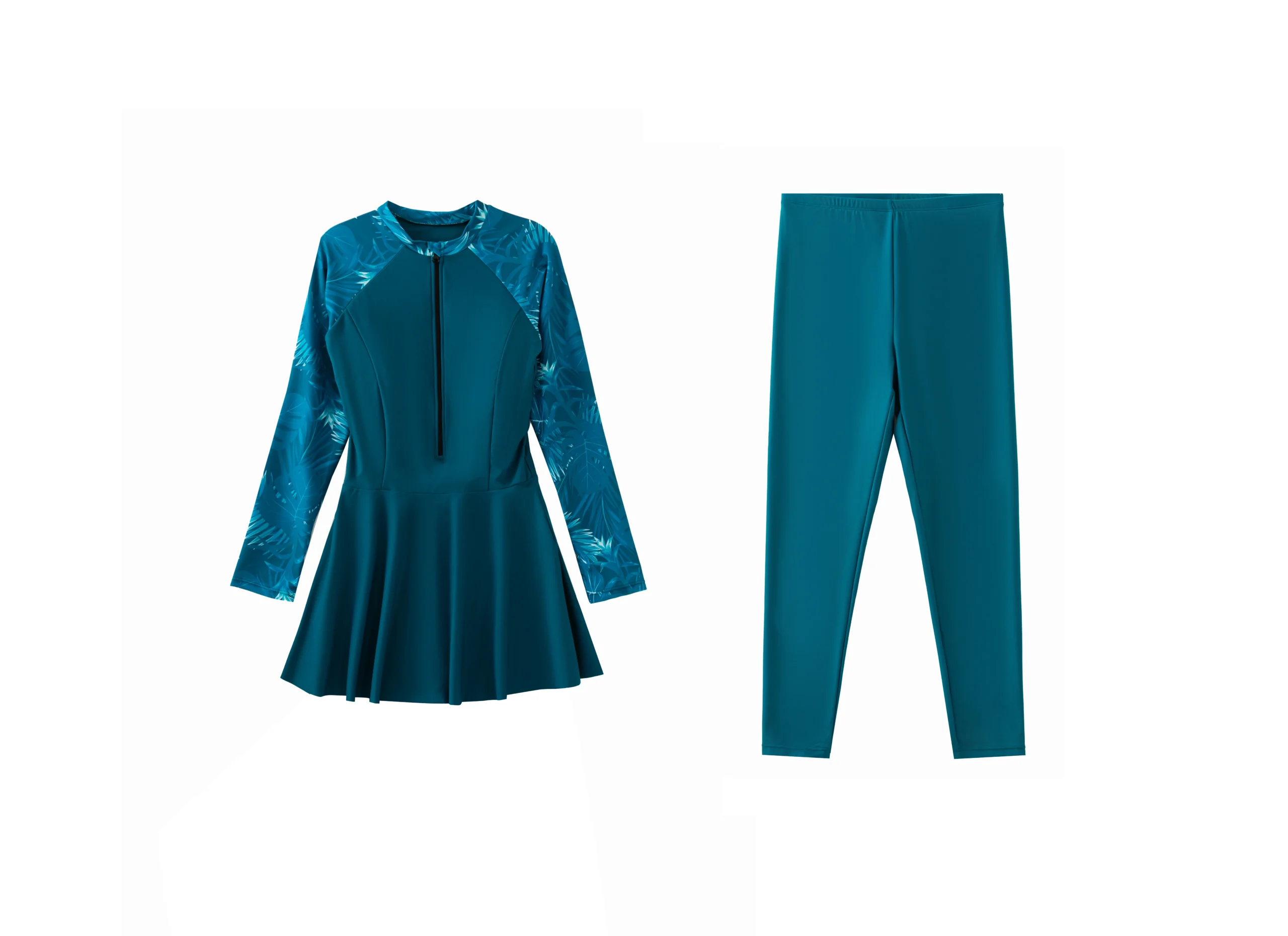 Burkini Swimwear
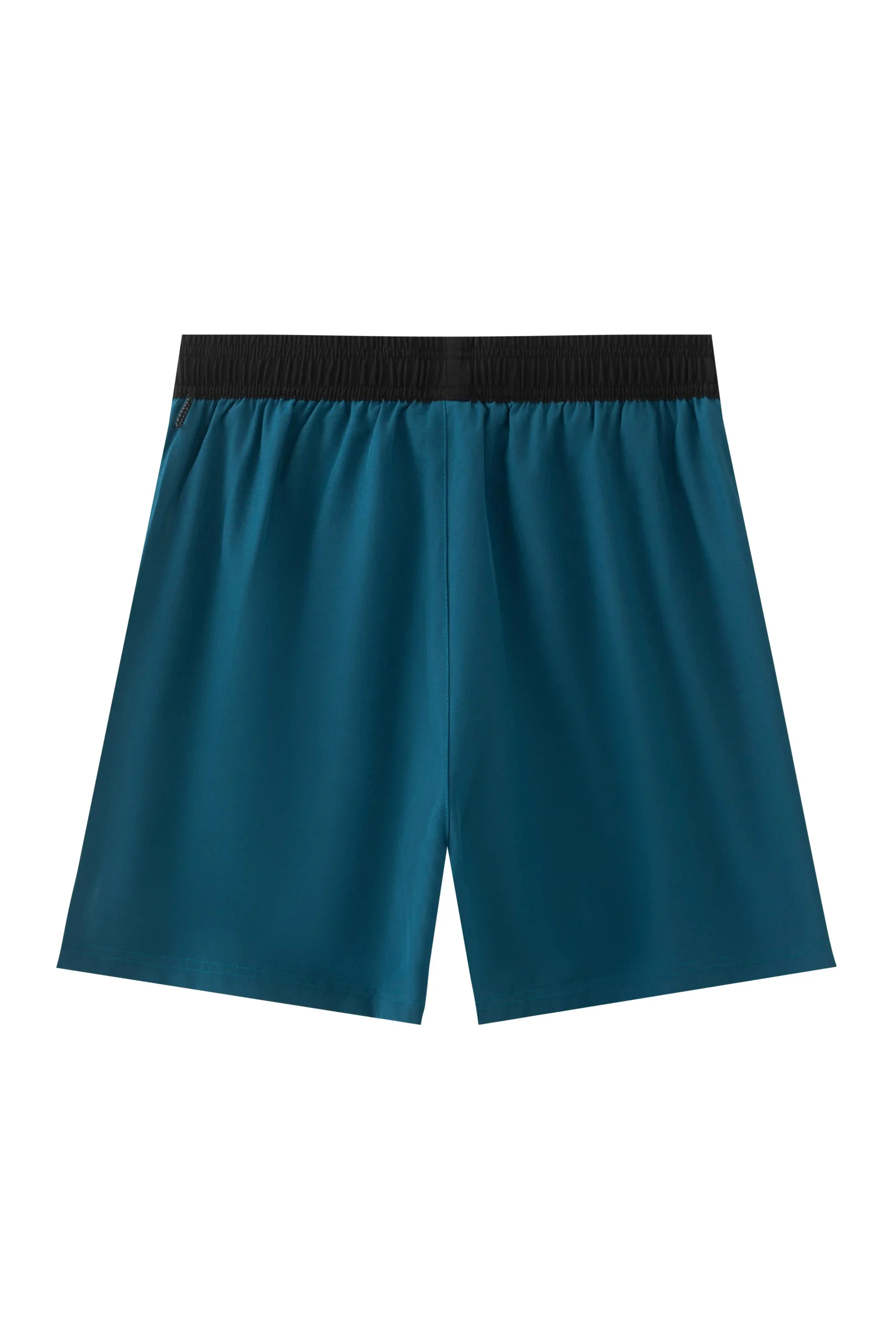 Men Swimwear
 One-Piece Swimsuits
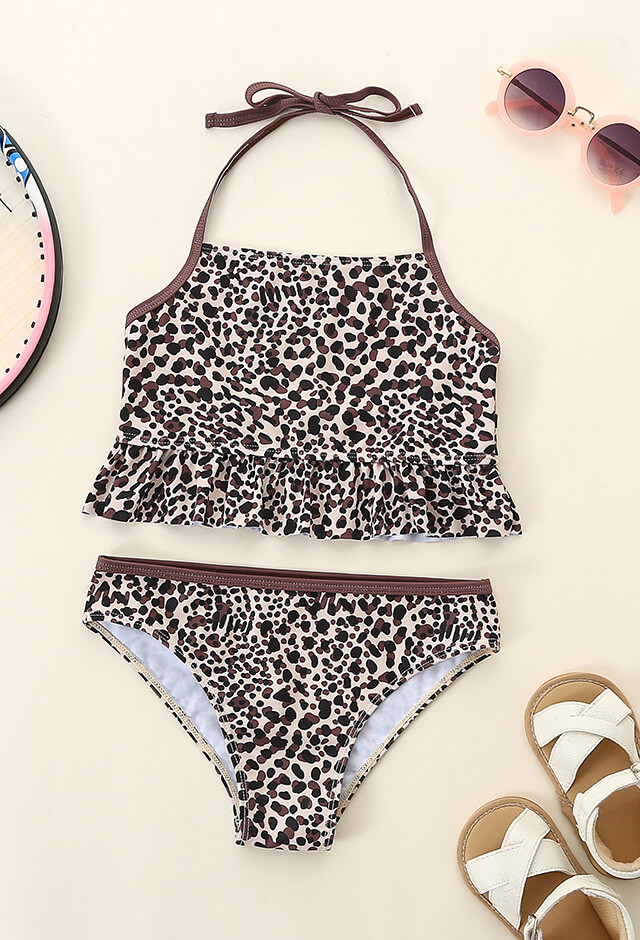 Two-Piece Swimsuits
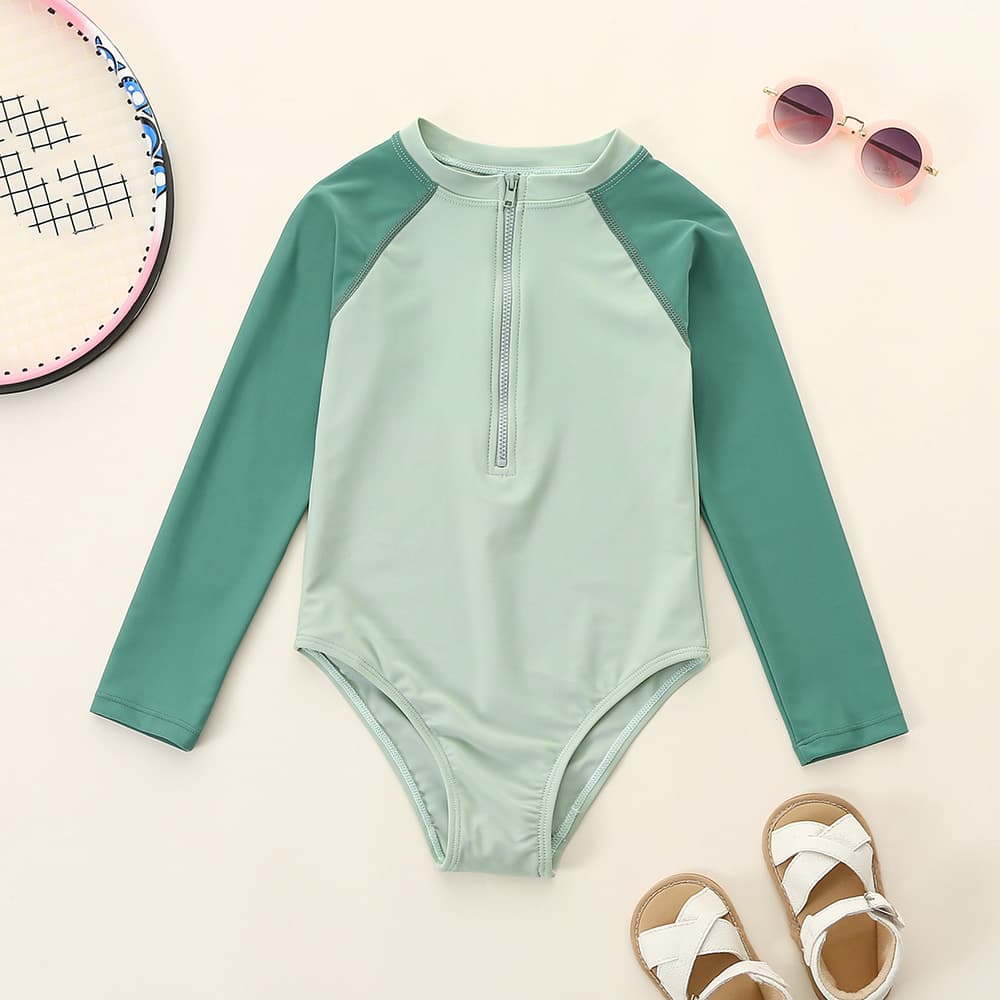 Rash Guards
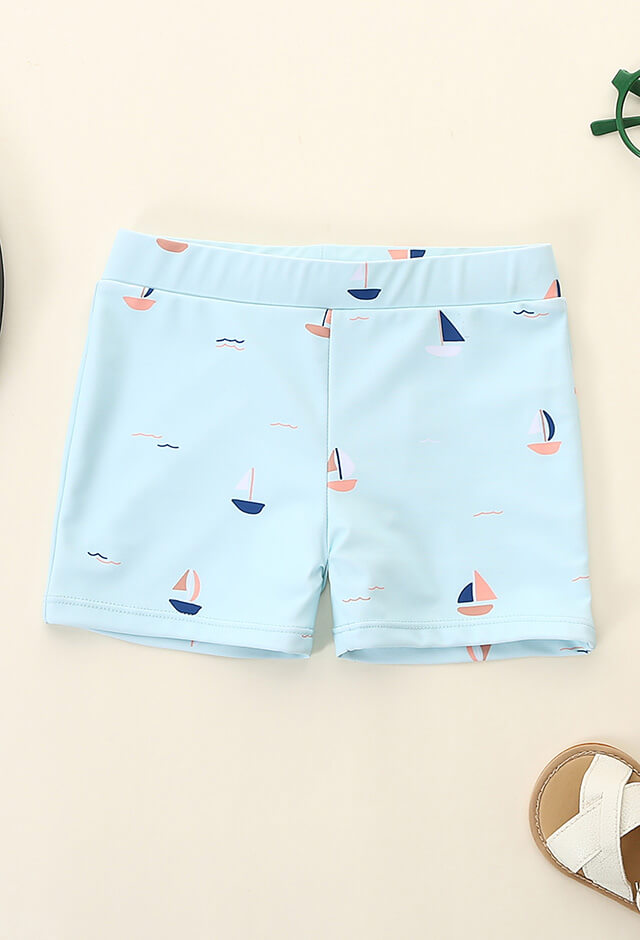 Swim Trunks
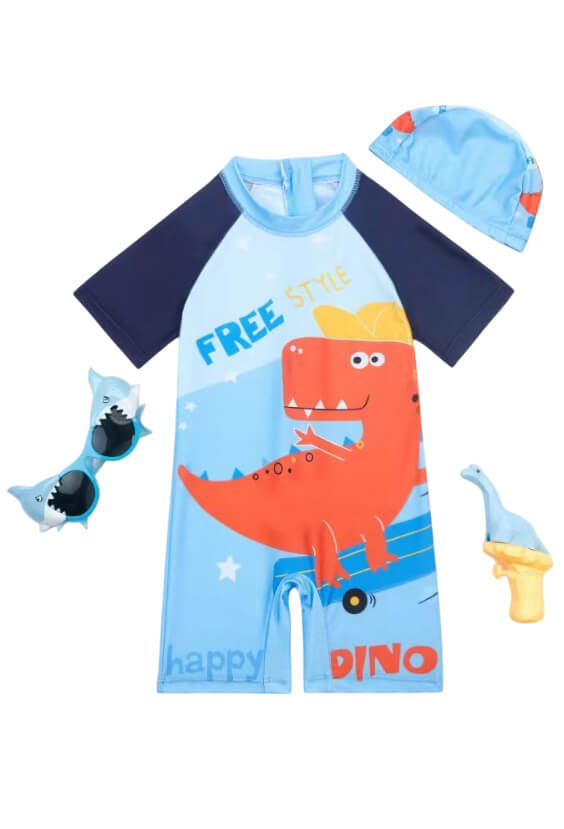 Boy Swimsuits
 Poncho
 Beach Towel
 Sun Hat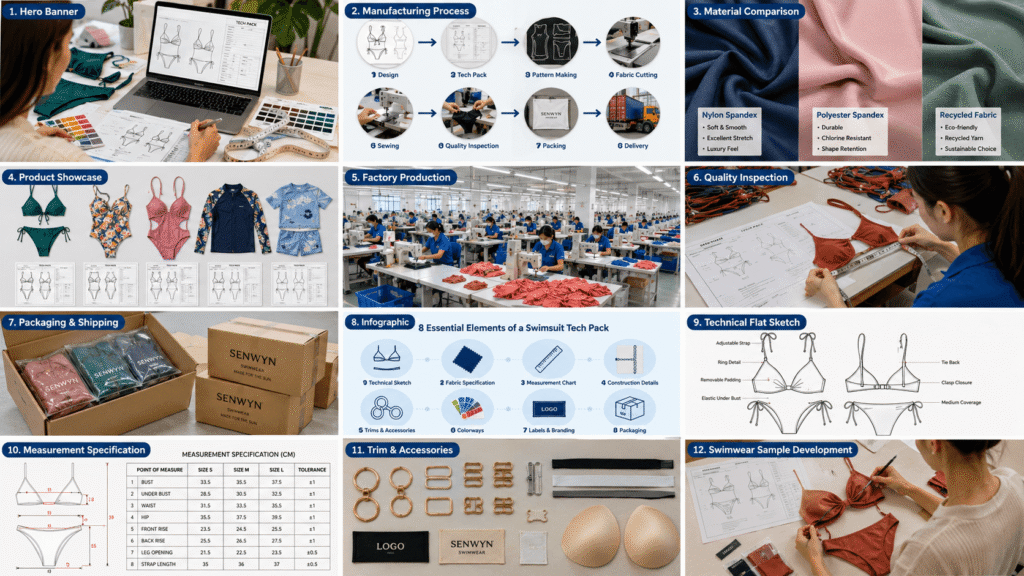
Launching a successful swimwear collection starts long before fabric is cut or the first sample is sewn. Whether you are an established fashion brand or a startup creating your first bikini collection, one document can determine the success of your production—the swimsuit tech pack.
A well-prepared tech pack acts as the communication bridge between designers and manufacturers. Instead of relying on emails, sketches, or verbal explanations, every production requirement is organized into one professional document. This minimizes misunderstandings, shortens sampling time, controls costs, and ensures that the final product matches your original vision.
For OEM and private label swimwear manufacturing, a complete tech pack is one of the most valuable tools you can provide to your factory.
In this guide, you’ll learn exactly how to create a professional swimsuit tech pack, what information it should include, and how manufacturers use it throughout the production process.
What Is a Swimsuit Tech Pack?
A swimsuit tech pack is a comprehensive technical document that contains every specification required to manufacture a swimsuit accurately.
Think of it as the blueprint for your swimwear collection. Instead of guessing how a garment should look or fit, the manufacturer follows detailed instructions provided in the tech pack.
A professional swimsuit tech pack typically includes:
- Technical sketches
- Construction details
- Fabric specifications
- Color references
- Measurement charts
- Trim information
- Logo placement
- Label requirements
- Packaging instructions
- Quality standards
Without these details, even experienced manufacturers may interpret designs differently, leading to unnecessary revisions and higher production costs.
Expert Tip: The more detailed your tech pack is, the fewer production issues you’ll encounter during sampling and bulk manufacturing.
Why Every Swimwear Brand Needs a Professional Tech Pack
Many new brands assume that a simple fashion sketch is enough to start production. In reality, sketches only show the design concept—they do not explain how the garment should be constructed.
A complete tech pack offers several advantages:
Faster Sample Development
Manufacturers spend less time asking questions and can begin pattern making immediately.
Better Cost Estimation
Clear fabric and trim specifications allow factories to provide accurate quotations.
Consistent Product Quality
Every production batch follows the same specifications, ensuring consistency across different orders.
Fewer Sampling Revisions
When measurements, stitching, and materials are clearly defined, fewer corrections are needed.
Easier Communication
Your design team, sourcing manager, and manufacturer all work from the same document, reducing misunderstandings.
For growing swimwear brands, this consistency becomes especially important when production is scaled across multiple collections.
What Should Be Included in a Swimsuit Tech Pack?
A professional swimsuit tech pack should answer every question your manufacturer might have before production begins.
Let’s explore each section in detail.
Technical Design Sketch
The technical sketch is the foundation of your tech pack.
Unlike fashion illustrations, technical sketches are clean, flat drawings that accurately represent the garment’s construction.
Include both:
- Front view
- Back view
Additional views are recommended for:
- Side profile
- Inside construction
- Cross-section of cups
- Strap adjustment
- Lining details
Your sketches should clearly identify:
- Neckline shape
- Leg opening
- Waistline
- Cup construction
- Strap width
- Hardware placement
- Seam locations
Simple black-and-white vector drawings usually work best because they emphasize construction rather than artistic style.
Fabric Specifications
Choosing the right swimwear fabric directly impacts product performance, comfort, and durability.
Rather than simply writing “nylon,” specify every important detail.
Your fabric section should include:
| Item | Exsample |
|---|---|
| Fabric Composition | 80% Nylon / 20% Spandex |
| Weight | 190 GSM |
| Stretch Direction | 4-Way Stretch |
| Finish | Matte |
| UV Protection | UPF 50+ |
| Chlorine Resistance | Yes |
| Quick Dry | Yes |
| Supplier | Optional |
| Certification | OEKO-TEX®, GRS |
If your brand focuses on sustainability, clearly specify recycled materials and certification requirements.
For example:
- Recycled Nylon
- Recycled Polyester
- ECONYL® regenerated nylon
- GRS-certified fabrics
Providing precise fabric information helps manufacturers source matching materials and maintain product consistency.
Colorways
Never rely solely on digital colors shown on computer screens.
Instead, include internationally recognized color references such as Pantone codes.
For every colorway, provide:
- Pantone Number
- Fabric Color
- Elastic Color
- Thread Color
- Lining Color
- Print Placement
- Contrast Stitching
If the swimsuit uses digital printing, include high-resolution artwork together with placement diagrams.
This eliminates color discrepancies during production and ensures that every batch matches your brand standards.
Size Chart and Measurements
Sizing is one of the most critical sections of a swimsuit tech pack.
Unlike casual apparel, swimwear requires precise measurements because stretch swimwear fabrics behave differently from woven materials.
A complete size chart should include:
- XS–XXL or custom sizing
- Finished garment measurements
- Body measurements
- Tolerance values
- Stretch direction notes
- Grading rules
Common measurement points include:
- Bust width
- Underbust
- Waist
- Hip
- Front rise
- Back rise
- Side seam
- Strap length
- Leg opening
- Cup height
Always specify measurement tolerances.
For example:
- ±0.5 cm
- ±1 cm
This helps the quality control team evaluate finished products during inspections.
Construction Details
Construction details explain exactly how every component of the swimsuit should be assembled.
This section often includes:
- Stitch type
- Seam allowance
- Binding method
- Elastic insertion
- Cup attachment
- Reinforcement areas
- Bar tack locations
- Topstitching
Common stitch types include:
- Overlock stitching
- Cover stitch
- Zigzag stitch
- Flatlock stitching
Include enlarged detail drawings whenever construction is complicated.
These close-up illustrations significantly reduce sampling errors and improve manufacturing efficiency.
Trims and Accessories
Although trims may seem like small details, they significantly influence the appearance, functionality, and durability of a swimsuit. Missing or incorrect trim specifications are among the most common reasons for sampling delays.
Your swimsuit tech pack should clearly list every trim and accessory used in the garment.
Typical swimwear trims include:
- Elastic bands
- Adjustable shoulder straps
- Metal or nylon rings
- Sliders and buckles
- Hook-and-eye closures
- Molded cups
- Bra pads
- Silicone grippers
- Decorative hardware
- Drawstrings
- Waist cords
- Eyelets
For each trim, specify:
| Item | Exsample |
|---|---|
| Material | Nylon, Zinc Alloy, Silicone |
| Color | Matte Black, Gold, White |
| Size | 10 mm, 15 mm |
| Supplier (Optional) | YKK, SBS, Custom |
| Quantity Per Garment | 2 pcs |
Whenever possible, include close-up photographs or technical drawings of custom hardware to avoid sourcing mistakes.
Logo Placement and Branding
Your branding is one of the most recognizable aspects of your swimwear collection. A professional tech pack should explain exactly how logos and labels are applied.
Common branding methods include:
- Heat transfer logo
- Silicone logo
- Rubber patch
- Embroidery
- Woven label
- Printed care label
- Satin label
For each logo, provide:
- Position
- Width and height
- Pantone color
- Printing method
- Distance from seams
- Artwork file format (AI, EPS, PDF)
For example:
Front Chest Logo
- Width: 35 mm
- Heat Transfer
- Pantone Black C
- Centered 30 mm below neckline
Including accurate measurements helps manufacturers position branding consistently across every size.
Packaging Requirements
Packaging is often overlooked during product development, but it is an essential part of the customer experience.
Your tech pack should include detailed packaging specifications, such as:
- Individual polybag size
- Barcode label location
- Hangtag design
- Folding method
- Carton dimensions
- Shipping marks
- Warning labels
- Carton quantity
For sustainable brands, specify environmentally friendly packaging materials, such as:
- Recycled polybags
- FSC-certified paper hangtags
- Soy-based printing ink
- Compostable packaging
Providing these requirements before production prevents costly repacking later.
Quality Standards
One of the biggest advantages of a comprehensive tech pack is establishing clear quality expectations.
Instead of relying on subjective opinions, manufacturers can inspect products against predefined standards.
Quality checkpoints may include:
- Fabric weight tolerance
- Color consistency
- Stretch recovery
- Stitch density
- Seam strength
- Logo durability
- Print alignment
- Measurement tolerance
- Needle detection
- Final AQL inspection
For swimwear, additional performance tests are often recommended:
- Chlorine resistance
- Saltwater resistance
- UV protection
- Colorfastness
- Pilling resistance
- Stretch recovery after washing
Including testing requirements early in the development process reduces quality disputes during bulk production.
Step-by-Step Guide to Creating a Swimsuit Tech Pack
If you’re creating your first tech pack, follow these practical steps.
Step 1: Finalize Your Design
Before creating technical documents, confirm:
- Overall silhouette
- Neckline
- Coverage
- Style details
- Intended customer
Changing the design after pattern development increases costs.
Step 2: Prepare Technical Sketches
Create clean flat drawings showing:
- Front
- Back
- Side view (optional)
- Interior details
- Construction callouts
Avoid artistic illustrations that hide structural details.
Step 3: Select Fabrics
Choose fabrics based on:
- Stretch performance
- Recovery
- Comfort
- Chlorine resistance
- UV protection
- Sustainability
Whenever possible, request fabric swatches before approving production.
Step 4: Define Measurements
Create measurement charts covering every size.
Remember to include:
- Grading
- Tolerances
- Critical measurement points
Manufacturers depend on these measurements for pattern making.
Step 6: Add Branding Information
Include every branding element, such as:
- Logos
- Labels
- Hangtags
- Packaging artwork
Attach vector files whenever possible.
Step 7: Review Before Sending
Before sharing the tech pack with your manufacturer, verify that all sections are complete.
A missing measurement or unclear fabric description can delay the sampling process.
Common Mistakes to Avoid
Many new swimwear brands experience repeated sample revisions because of incomplete tech packs.
Here are some of the most common mistakes:
Using Fashion Sketches Instead of Technical Drawings
Beautiful illustrations do not provide construction information.
Manufacturers require technical flats.
Missing Fabric Details
Simply writing “nylon fabric” is insufficient.
Specify:
- Composition
- Weight
- Stretch
- Finish
- Certification
Forgetting Measurement Tolerances
Every garment has acceptable variation.
Without tolerance values, quality inspections become inconsistent.
Ignoring Construction Details
Leaving seam construction open to interpretation often results in samples that differ from your expectations.
Inconsistent Color References
Computer screens display colors differently.
Always use Pantone color references whenever possible.
Omitting Packaging Instructions
Packaging affects shipping efficiency and brand presentation.
Include packaging specifications from the beginning of the project.
How Manufacturers Use Your Tech Pack
Once your manufacturer receives the tech pack, it becomes the primary reference document throughout the production process.
The workflow typically follows these stages:
- Product Review
- Cost Analysis
- Material Sourcing
- Pattern Making
- Sample Sewing
- Fit Evaluation
- Sample Revision
- Pre-Production Sample Approval
- Bulk Production
- Quality Inspection
- Packing
- Shipment
Every department—including purchasing, pattern making, sewing, quality control, and packaging—relies on the information provided in your tech pack.
The more detailed your document is, the smoother the production process becomes.
Expert Manufacturing Tips
After producing thousands of swimwear styles for international brands, we’ve found that successful projects share several common characteristics.
Keep Version Control
Always assign version numbers to your tech packs (e.g., V1.0, V1.1, V2.0). This prevents factories from accidentally using outdated specifications.
Use Vector Artwork
Submit logos and prints in AI, EPS, or PDF vector formats to ensure sharp printing and accurate scaling.
Provide Physical References
If you’re matching an existing product, sending a physical sample alongside the tech pack helps manufacturers understand fit, construction, and finishing details.
Approve Materials Before Sampling
Confirm fabrics, elastics, and trims before sample production to avoid unnecessary remakes.
Maintain Clear Communication
Treat your tech pack as a living document. Update it whenever specifications change and communicate revisions promptly to your manufacturing partner.
Downloadable Swimsuit Tech Pack Checklist
Before submitting your tech pack, make sure it includes:
- ✓ Technical front and back sketches
- ✓ Fabric composition and weight
- ✓ Pantone color references
- ✓ Size chart with grading
- ✓ Measurement tolerances
- ✓ Stitch and seam specifications
- ✓ Elastic details
- ✓ Trim and accessory list
- ✓ Logo placement guide
- ✓ Label artwork
- ✓ Packaging requirements
- ✓ Carton specifications
- ✓ Quality standards
- ✓ Testing requirements
- ✓ Revision history
Using this checklist can significantly reduce development time and improve first-sample approval rates.
Conclusion
A professional swimsuit tech pack is much more than a design document—it is the foundation of successful product development. From fabric selection and construction details to branding, packaging, and quality standards, every element contributes to efficient communication between your brand and your manufacturer.
Investing time in a detailed tech pack helps reduce sampling revisions, improve production accuracy, control costs, and ensure consistent quality across every order.
Whether you’re launching your first swimwear collection or expanding an established brand, a complete tech pack enables your manufacturing partner to bring your designs to life with greater precision and efficiency.
Ready to Develop Your Swimwear Collection?
At Senvyn, we specialize in OEM and private label swimwear manufacturing for brands worldwide. Our experienced product development team can help you refine your tech pack, optimize your designs for production, source high-performance fabrics, and deliver premium-quality swimwear that meets your brand standards.