
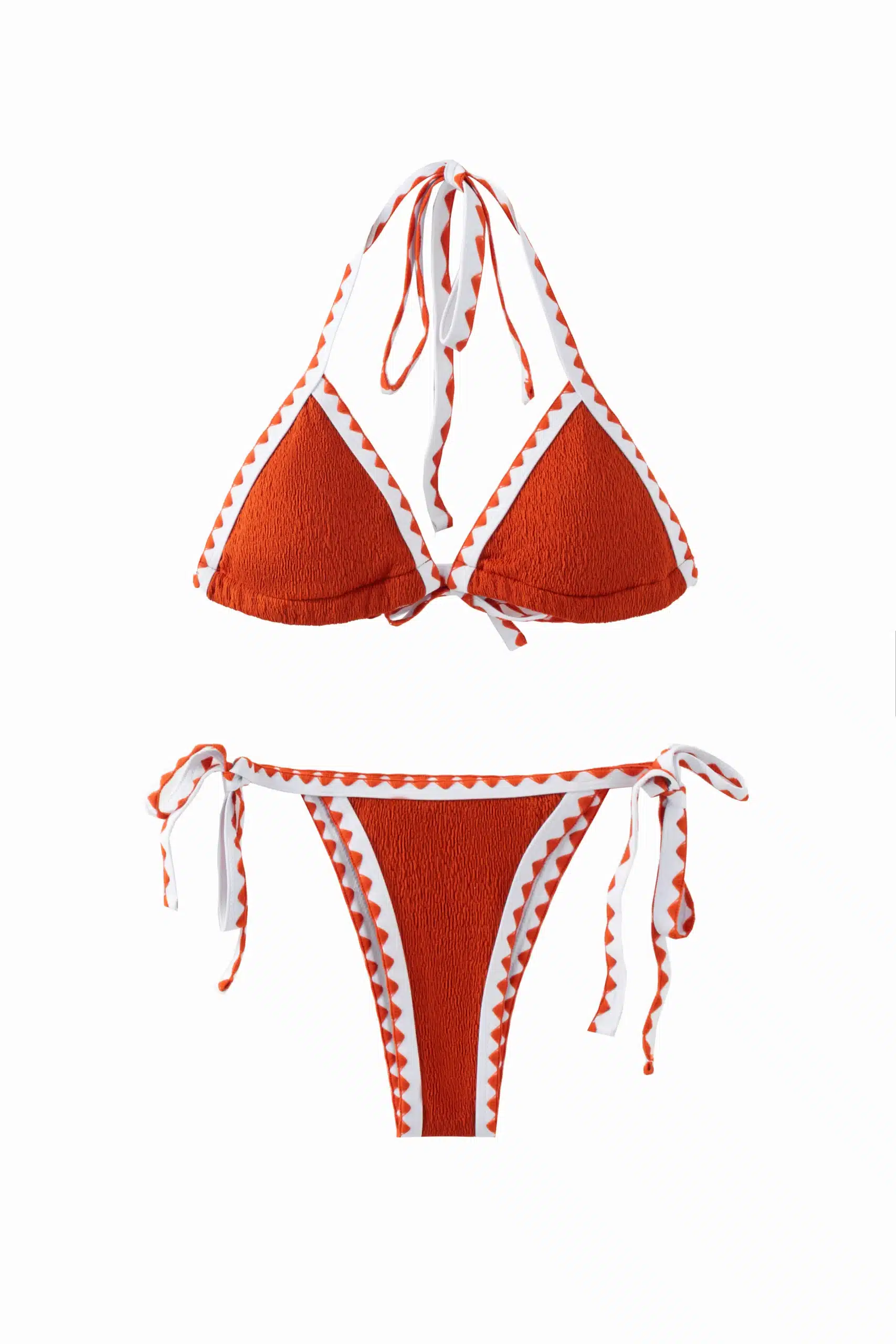
 Bikini
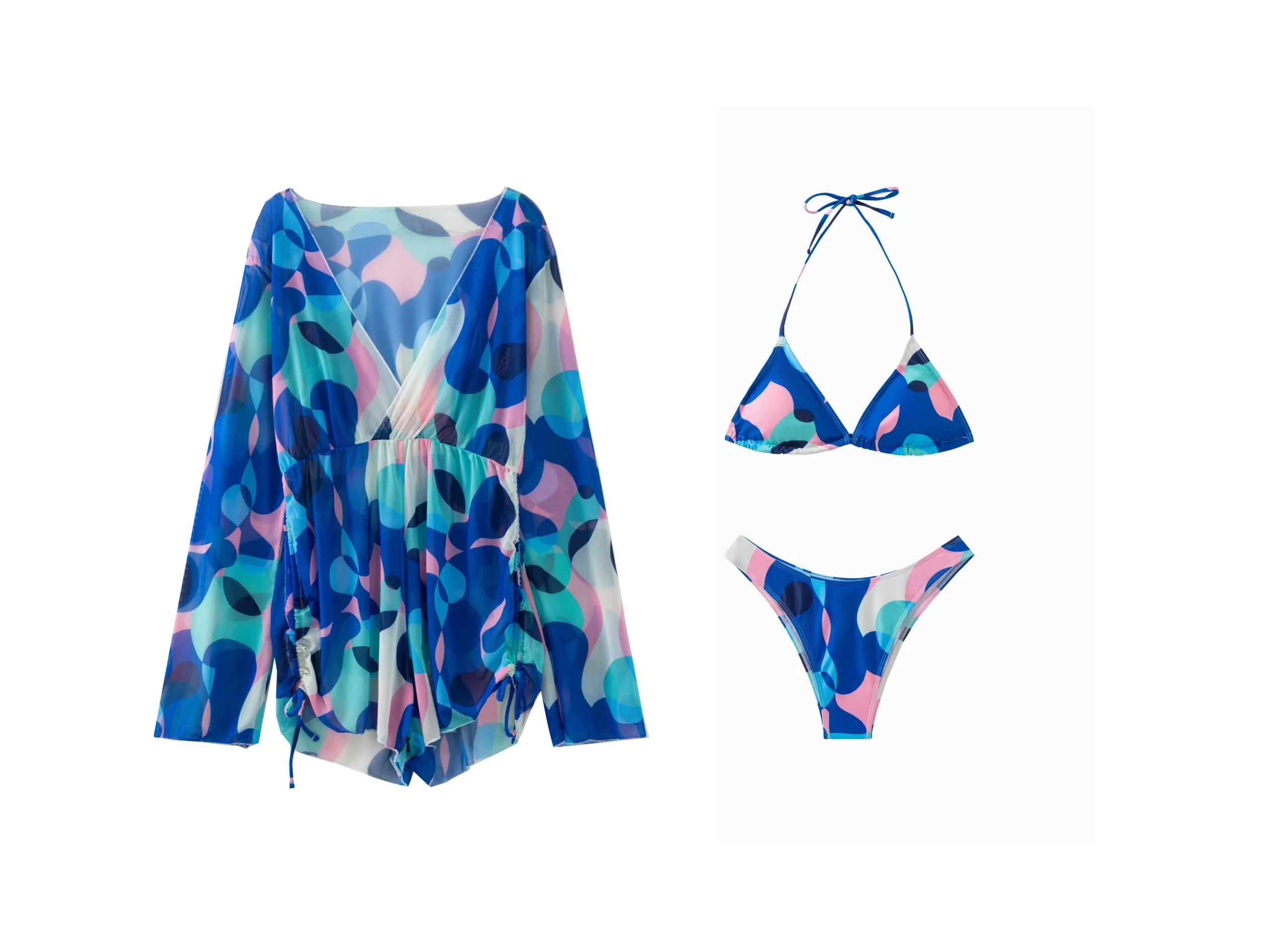 Bikini Cover-Up Set
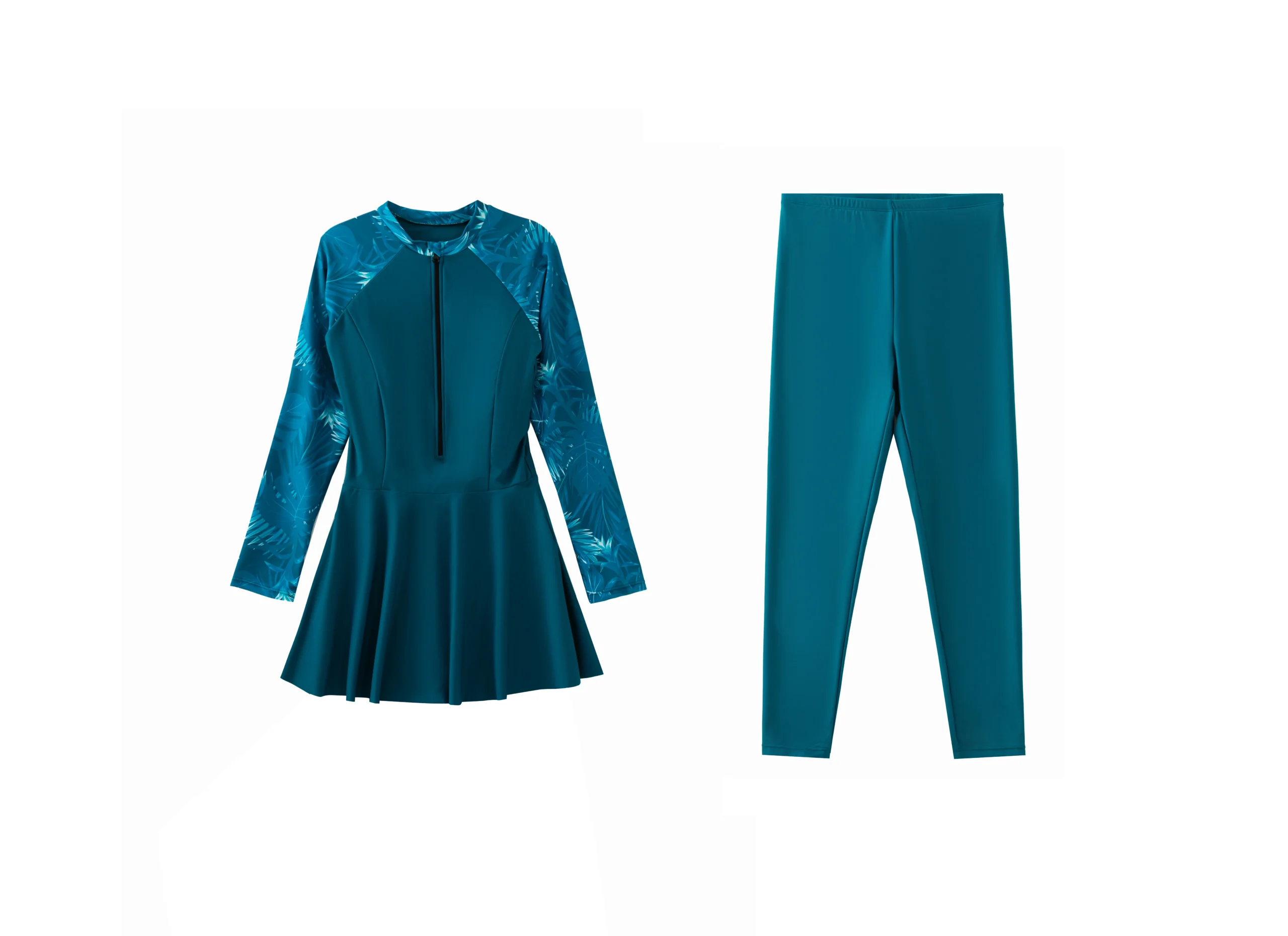 Burkini Swimwear
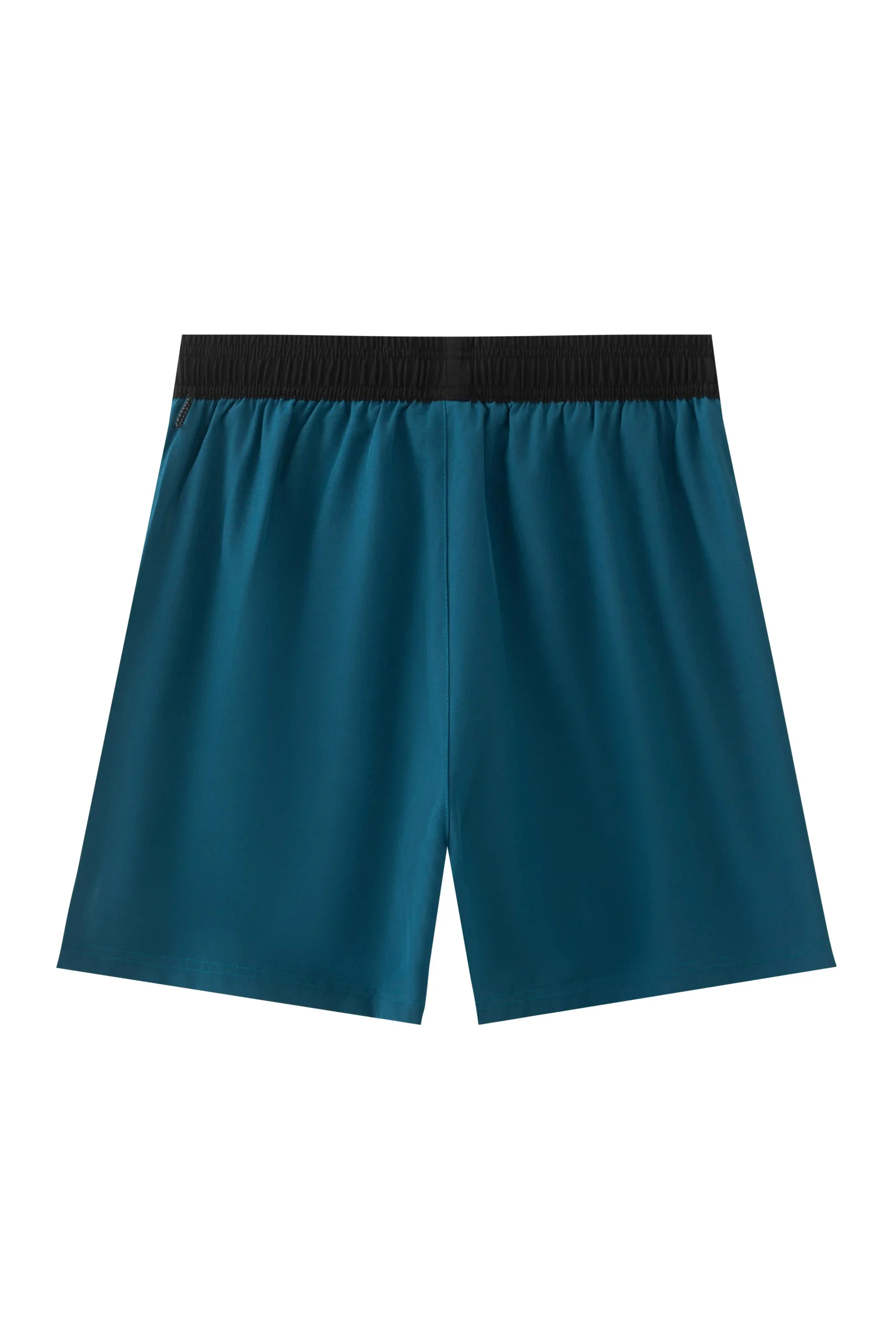 Men Swimwear
 One-Piece Swimsuits
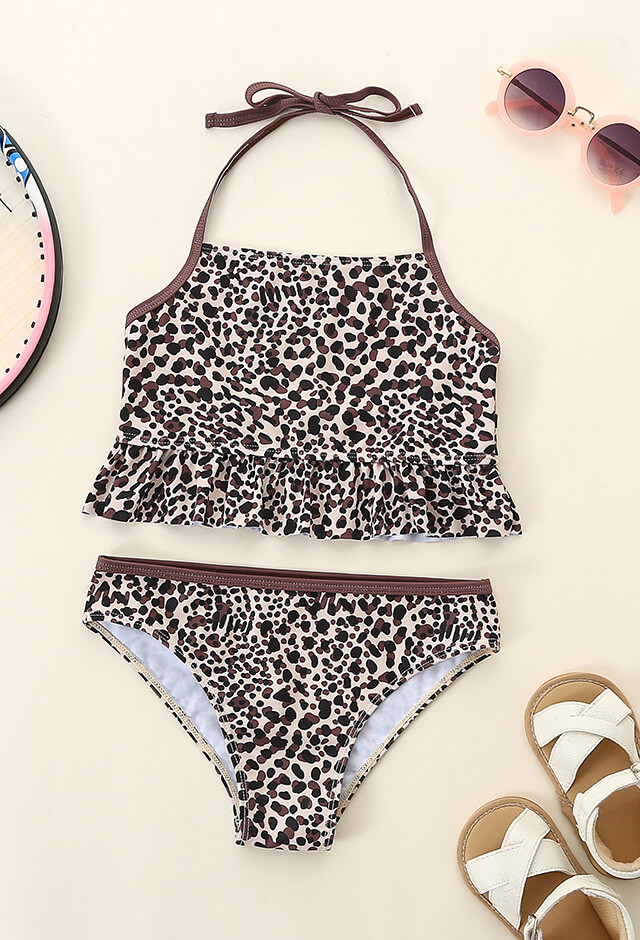 Two-Piece Swimsuits
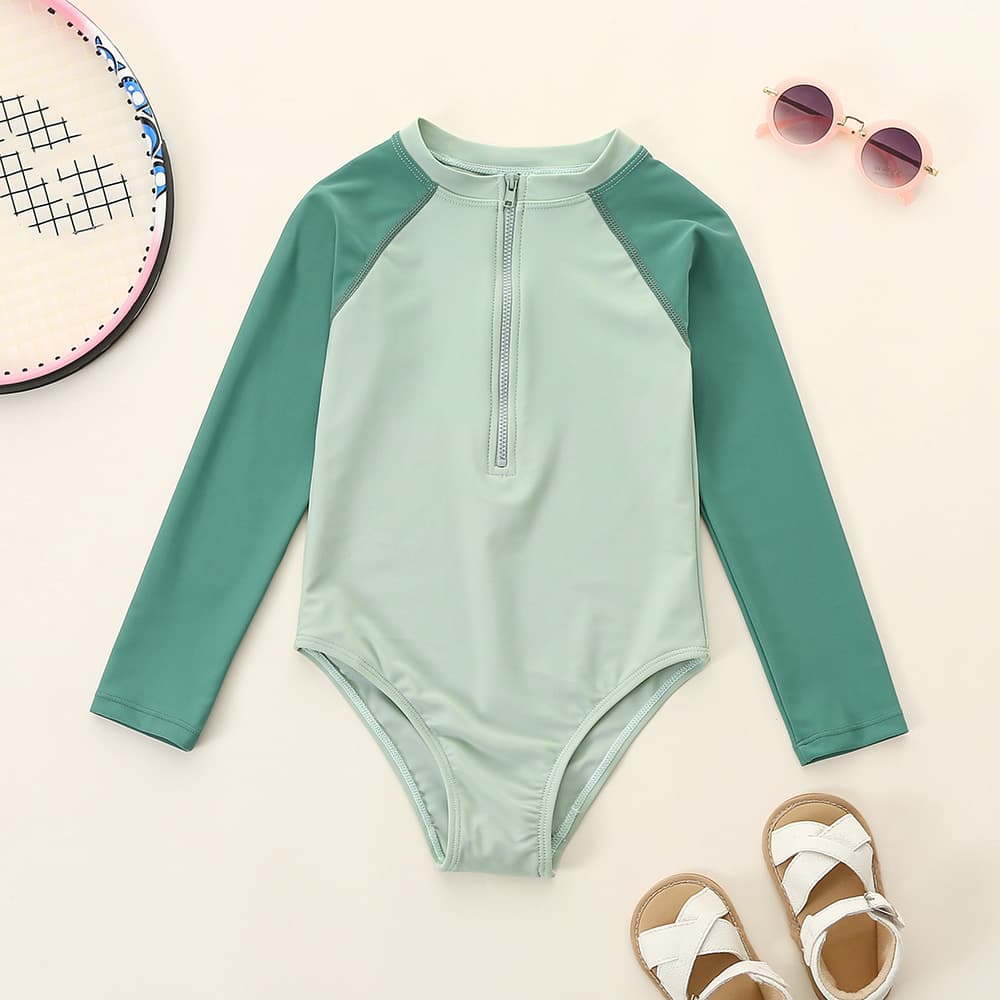 Rash Guards
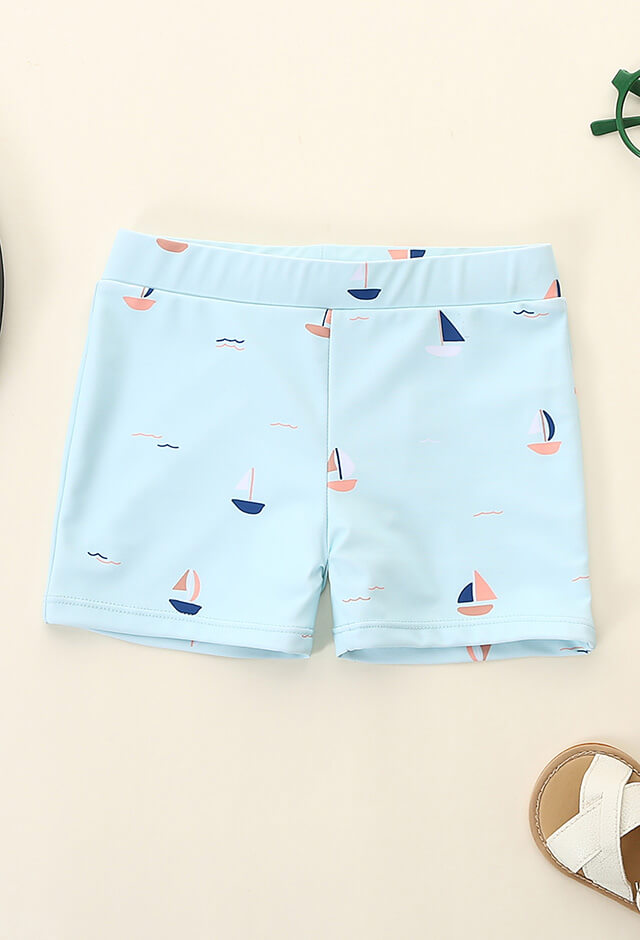 Swim Trunks
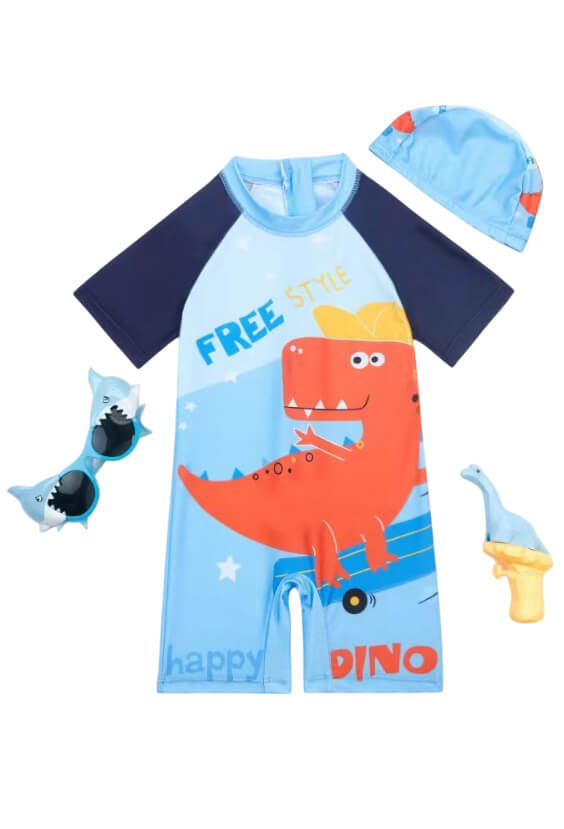 Boy Swimsuits
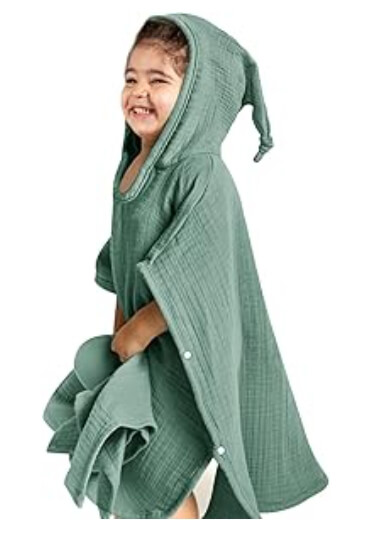 Poncho
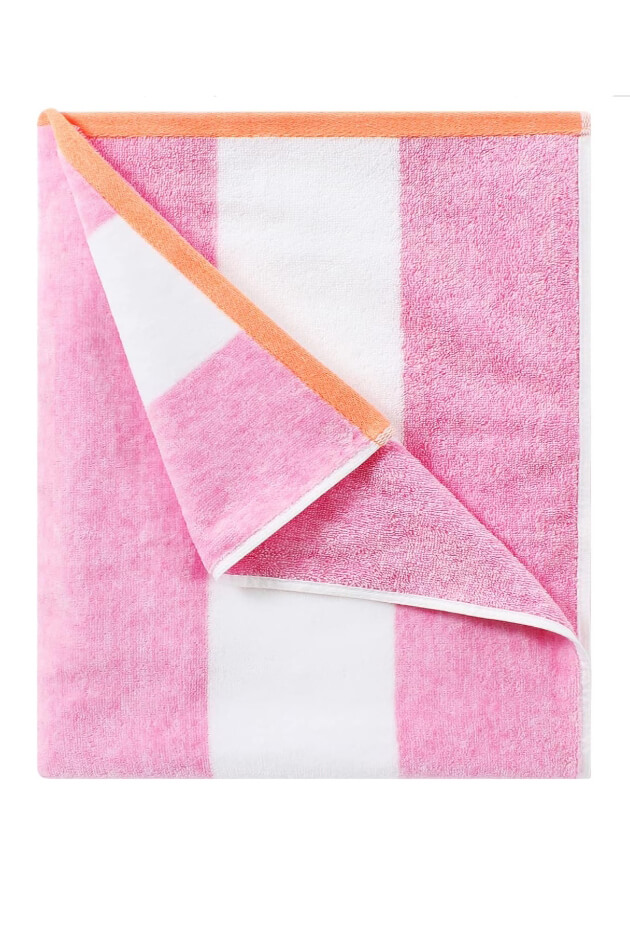 Beach Towel
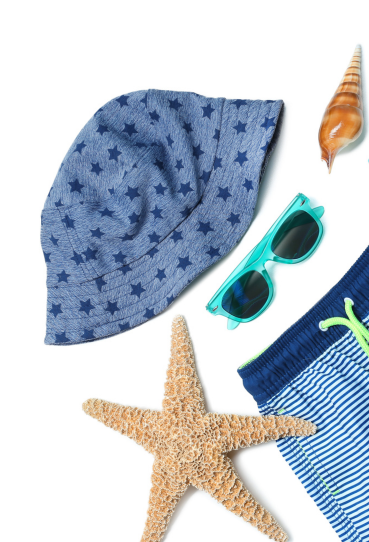 Sun Hat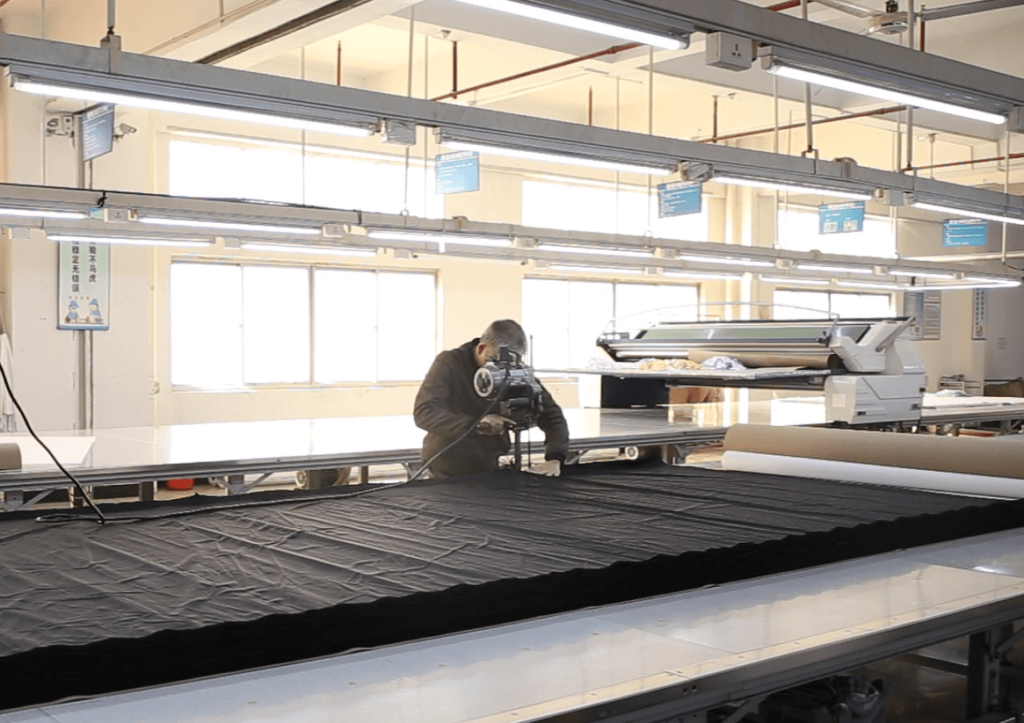
Swimwear manufacturing is a detailed process that combines fashion design, technical development, fabric performance, fit testing, sewing skills, quality control, and production management. Unlike many regular garments, swimwear must look attractive, fit closely to the body, stretch comfortably, and perform well in water, sun, chlorine, salt, and repeated washing.
For swimwear brands, understanding the manufacturing process can help reduce mistakes, improve product quality, control timelines, and communicate more effectively with manufacturers. Whether you are developing bikinis, one-piece swimsuits, rash guards, kids’ swimwear, or resort swimwear, each production stage plays an important role in the final result.
This guide explains the complete swimwear manufacturing process from design concept to bulk production.
Design Concept and Product Planning
The swimwear manufacturing process begins with a clear design concept. Before making samples, brands need to define what type of swimwear they want to create and who the product is designed for.
A good swimwear design plan usually includes:
- Product category, such as bikini, one-piece swimsuit, rash guard, swim trunks, or kids’ swimwear
- Target customer group
- Market positioning
- Style direction
- Color palette
- Print concept
- Size range
- Expected retail price level
- Production quantity
- Branding and packaging requirements
At this stage, brands may prepare sketches, reference images, mood boards, or a complete tech pack. A tech pack is especially useful because it helps the manufacturer understand the design details, measurements, materials, stitching, trims, labels, and construction requirements.
For start-up brands, even if the first design brief is simple, it is important to provide clear references and explain the product direction. This helps the manufacturer give better advice on fabric, fit, MOQ, and production feasibility.
Fabric Sourcing and Material Selection
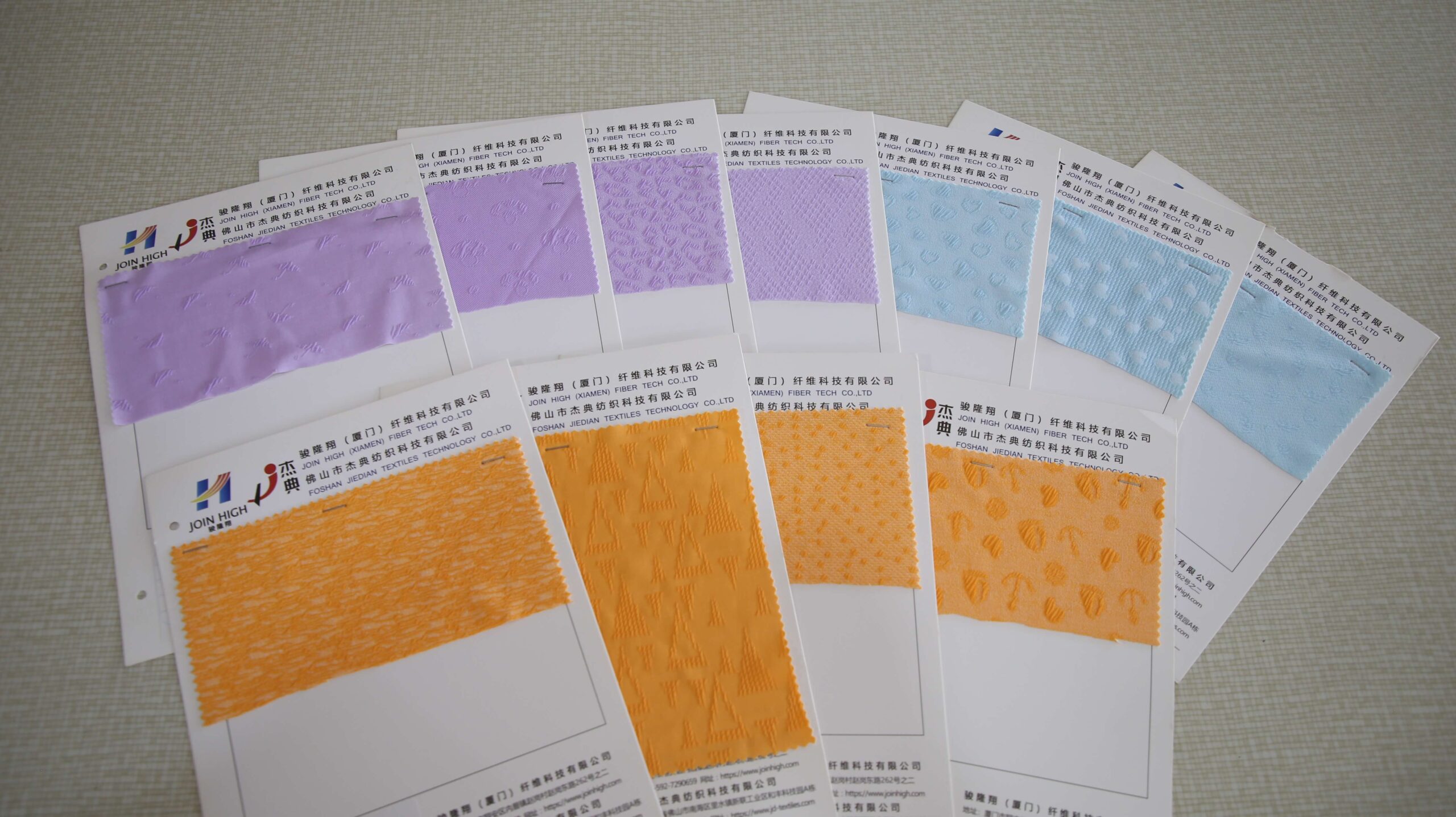
Fabric selection is one of the most important steps in swimwear manufacturing. Swimwear fabric needs to be elastic, comfortable, quick-drying, and durable enough for water activities.
Common swimwear fabrics include:
Nylon Spandex
Nylon spandex is soft, smooth, and comfortable. It is often used for premium swimwear, bikinis, and fashion swim collections because it has a refined hand feel and excellent stretch.
Polyester Spandex
Polyester spandex is widely used for printed swimwear, active swimwear, rash guards, and kids’ swimwear. It usually offers good color performance and better resistance to chlorine and sunlight.
Recycled Swimwear Fabric
Recycled nylon and recycled polyester fabrics are becoming more popular among modern swimwear brands. They are often used by brands that focus on sustainability, eco-conscious design, or European market positioning.
When choosing swimwear fabric, brands should consider:
- Fabric weight
- Stretch and recovery
- Hand feel
- Opacity
- Color fastness
- Chlorine resistance
- UV protection requirements
- Printing performance
- Lining compatibility
The right fabric choice affects not only the appearance of the swimwear but also the comfort, durability, and customer experience.

Lining, Elastic, Trims, and Accessories
Besides the main fabric, swimwear also requires lining, elastic, thread, trims, labels, and sometimes hardware accessories.
Important materials may include:
- Swimwear lining
- Rubber elastic or swimwear elastic
- Adjustable straps
- Rings and sliders
- Zippers for rash guards or wetsuit-style products
- Drawcords for swim trunks
- Eyelets and cord ends
- Logo labels
- Care labels
- Hygiene stickers
- Hang tags
- Packaging bags
Lining is especially important for bikinis, one-piece swimsuits, and light-colored swimwear. A good lining can improve comfort, coverage, and product quality. For white, pastel, beige, or neon colors, lining should be carefully tested to avoid transparency when wet.
Elastic quality also matters. If the elastic is too tight, the swimwear may feel uncomfortable. If it is too loose, the garment may not stay in place during swimming or movement.
Pattern Making
After the design and materials are confirmed, the next step is pattern making. A pattern is the technical template used to cut the fabric pieces.
Swimwear pattern making requires experience because stretch fabric behaves differently from woven fabric. The pattern must consider body shape, fabric elasticity, support, coverage, and movement.
During pattern development, the manufacturer needs to consider:
- Body measurements
- Fabric stretch percentage
- Negative ease
- Seam allowance
- Coverage level
- Support requirement
- Strap placement
- Elastic tension
- Lining structure
- Size grading rules
A small pattern change can make a big difference in swimwear fit. For example, changing the leg opening curve, strap length, or bust coverage can affect both comfort and appearance.
Sample Development
Sample development is one of the most important stages in the swimwear manufacturing process. The first sample allows the brand to review the design, fabric, fit, sewing quality, and overall product appearance before bulk production.
A swimwear sample helps brands check:
- Style accuracy
- Fit and proportion
- Fabric feel
- Stretch recovery
- Coverage
- Support
- Stitching quality
- Elastic tension
- Print placement
- Label position
- Overall workmanship
It is common to make more than one sample round. The first sample may need adjustments in measurements, fit, construction, or fabric choice. After revisions, the manufacturer can create a second sample or pre-production sample for final approval.
For swimwear brands, sample development should not be rushed. A well-approved sample is the foundation for stable bulk production.
Fit Testing and Size Grading
Fit testing is essential in swimwear production. Swimwear must fit close to the body but still allow movement, comfort, and flexibility.
Brands usually start with one base size, such as size S or M. After the base size is approved, the manufacturer grades the pattern into other sizes.
Common swimwear size ranges include:
- XS to XL
- S to XXL
- European size range
- US size range
- Kids’ size range
- Custom brand size chart
During fit testing, brands should check:
- Bust support
- Waist comfort
- Hip coverage
- Strap length
- Leg opening
- Back coverage
- Movement comfort
- Whether the garment stays in place
For kids’ swimwear, fit and comfort are especially important because children need freedom of movement. For active swimwear or rash guards, the fit should support swimming, beach sports, and outdoor activities.
Print and Color Development
Many swimwear collections use custom prints or seasonal colors. Print and color development is a key part of the manufacturing process.
Common swimwear printing methods include:
- Digital printing
- Sublimation printing
- Screen printing
- Placement printing
For custom prints, brands usually provide artwork files. The manufacturer will check the artwork size, repeat pattern, color requirements, and fabric compatibility.
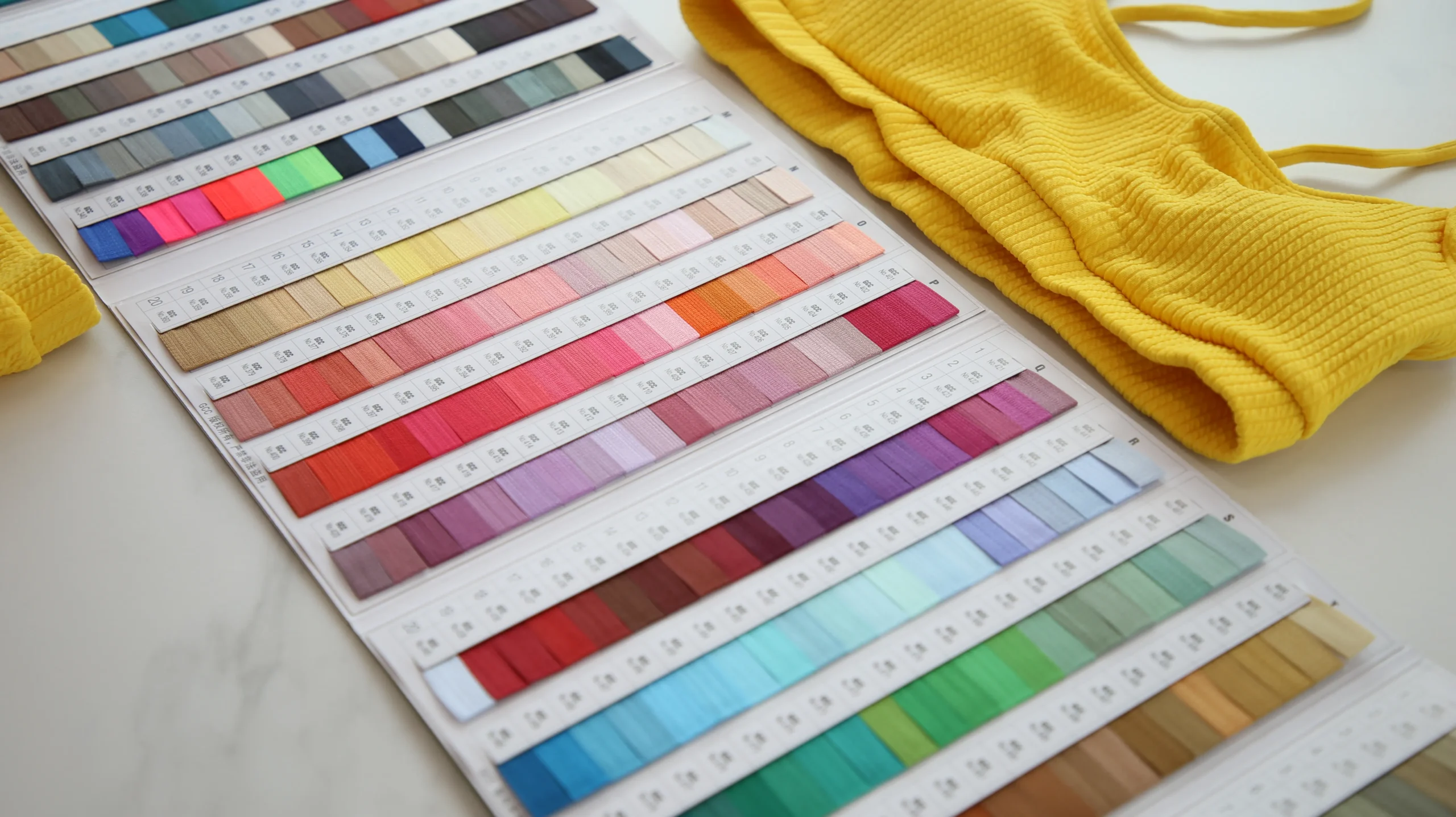
For solid colors, brands may choose existing fabric colors or develop custom colors based on Pantone references. If a custom color is required, lab dips may be prepared for approval before bulk fabric production.
Color testing is important because swimwear is often exposed to:
- Sunlight
- Chlorine
- Seawater
- Sweat
- Washing
- Sunscreen or body lotion
A professional swimwear manufacturer should help brands consider color fastness and fabric performance before production.
8. Pre-Production Sample Approval
Before bulk production begins, the manufacturer usually prepares a pre-production sample, also called a PP sample.
The PP sample should represent the final approved product, including:
- Correct fabric
- Correct color or print
- Approved measurements
- Final stitching method
- Final trims and accessories
- Correct labels
- Approved packaging details
Brands should review the PP sample carefully because it becomes the production standard for bulk orders. Once the PP sample is approved, the factory can follow it for mass production.
This stage is very important because changes after bulk production starts may cause delays, extra costs, or quality risks.
Pre-Production Sample Approval
Before bulk production begins, the manufacturer usually prepares a pre-production sample, also called a PP sample.
The PP sample should represent the final approved product, including:
- Correct fabric
- Correct color or print
- Approved measurements
- Final stitching method
- Final trims and accessories
- Correct labels
- Approved packaging details
Brands should review the PP sample carefully because it becomes the production standard for bulk orders. Once the PP sample is approved, the factory can follow it for mass production.
This stage is very important because changes after bulk production starts may cause delays, extra costs, or quality risks.
Bulk Fabric Preparation and Cutting
After the PP sample is approved, the factory prepares bulk materials. This includes main fabric, lining, elastic, trims, labels, packaging, and other accessories.
Before cutting, the fabric should be inspected for:
- Color consistency
- Fabric defects
- Width variation
- Stretch performance
- Print accuracy
- Stains or damage
Once the fabric passes inspection, the cutting process begins. Accurate cutting is important because swimwear pieces are small and stretch-sensitive. Poor cutting can affect size, shape, sewing quality, and final fit.
For printed swimwear, print placement should also be controlled carefully, especially for stripes, placement prints, logo prints, or large-scale patterns.
Sewing and Assembly
Sewing swimwear requires special skills and machines because the fabric is elastic. The stitching must stretch with the fabric without breaking.
Common swimwear sewing methods include:
- Overlock stitching
- Coverstitching
- Zigzag stitching
- Flatlock stitching
- Elastic attachment
- Binding construction
During sewing, workers need to control fabric tension, seam allowance, elastic stretch, and overall shape. If the fabric is pulled too much during sewing, the garment may become distorted. If the elastic tension is uneven, the swimwear may not fit properly.
Good sewing quality should be smooth, clean, secure, and comfortable against the skin.
Inline Quality Control
Quality control should not only happen at the end of production. A professional swimwear manufacturer usually checks quality during production as well.
Inline quality control may include:
- Checking cutting accuracy
- Checking sewing quality
- Checking elastic tension
- Checking measurements
- Checking print placement
- Checking label position
- Checking workmanship consistency
Inline inspection helps the factory find problems early and correct them before the whole order is completed. This reduces the risk of large-scale defects and production delays.
Final Quality Inspection
After production is finished, the swimwear goes through final inspection. This step ensures that the finished products meet the brand’s requirements before shipment.
Final quality inspection usually checks:
- Measurements
- Stitching
- Fabric defects
- Color consistency
- Print quality
- Elastic recovery
- Label and tag placement
- Loose threads
- Stains or marks
- Packaging accuracy
- Quantity and size ratio
For swimwear, the final product should not only look good but also stretch properly, fit comfortably, and maintain its shape.
A reliable manufacturer should have a clear quality control process to make sure each order is ready for the market.
Labeling and Packaging
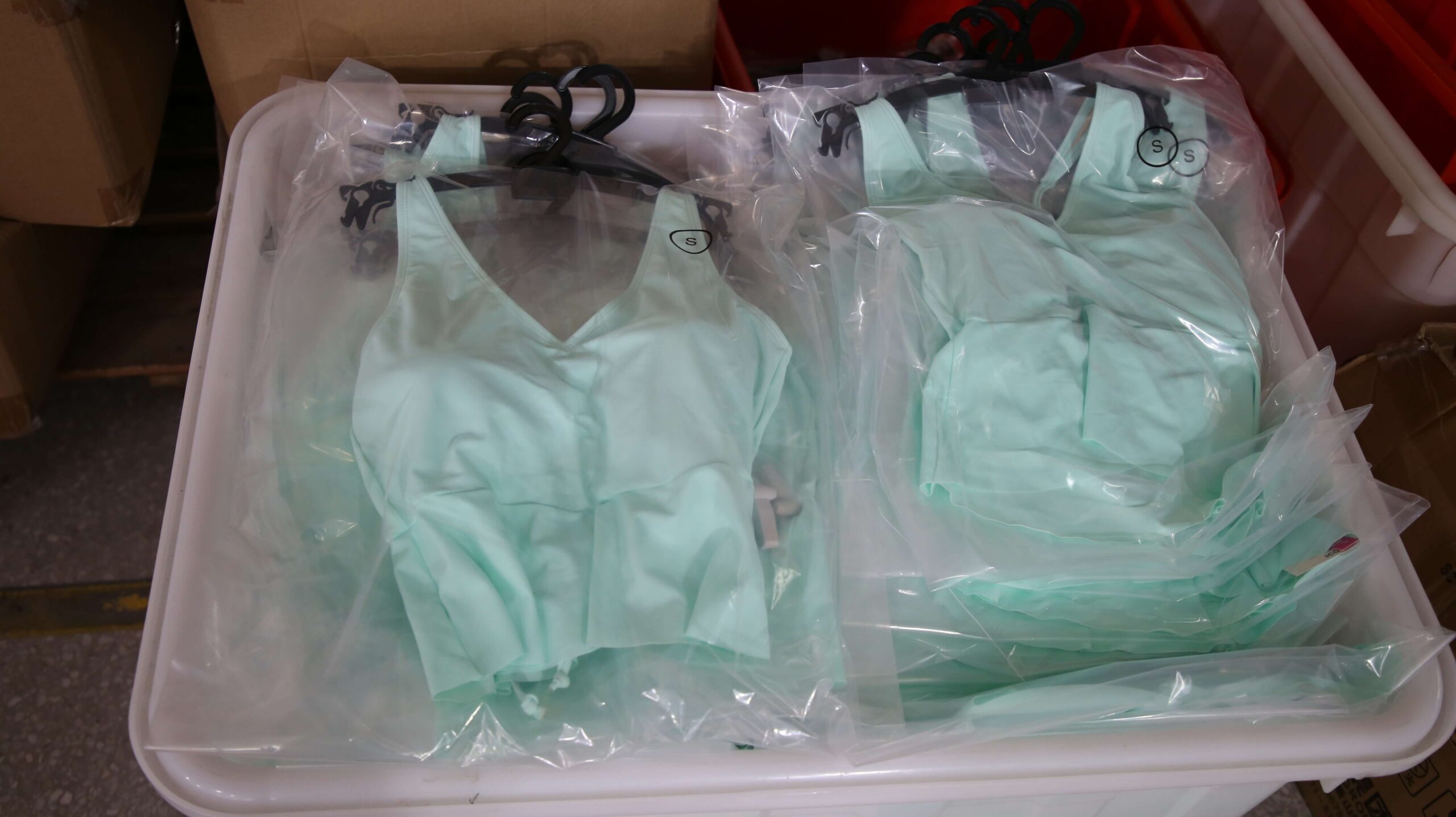
After inspection, the swimwear is labeled and packed according to the brand’s requirements.
Common packaging options include:
- Individual polybags
- Biodegradable bags
- Custom printed bags
- Hang tags
- Hygiene stickers
- Size stickers
- Barcode labels
- Carton labels
- Retail-ready packaging
For private label swimwear brands, packaging is part of the brand experience. Clean and professional packaging can help improve the perceived value of the product.
For e-commerce brands, packaging should also protect the product during storage, shipping, and delivery.
Shipment Preparation
The final stage of the swimwear manufacturing process is shipment preparation. The manufacturer will pack the goods into cartons and prepare shipping documents.
Before shipment, brands should confirm:
- Final quantity
- Carton size and weight
- Packing list
- Shipping marks
- Delivery address
- Freight method
- Required documents
- Inspection report if needed
Common shipping methods include air freight, sea freight, express delivery, or combined logistics solutions. The best shipping method depends on order quantity, delivery timeline, and budget.
How Long Does Swimwear Manufacturing Take?
The production timeline depends on design complexity, fabric availability, sample revisions, order quantity, and packaging requirements.
A general swimwear development timeline may include:
- Design discussion: 1–2 weeks
- Fabric sourcing: 1 week
- Sample development: 1 week
- Sample revision: 1–2 weeks
- Bulk production: 3–4 weeks
- Final inspection and shipment: 1–2 weeks
If the brand uses custom fabric, custom print, special trims, or complex packaging, the timeline may be longer.
To avoid delays, brands should prepare design files, artwork, size charts, label files, and packaging requirements as early as possible.
16. How to Work Better with a Swimwear Manufacturer
How to Work Better with a Swimwear Manufacturer
Good communication is key to successful swimwear production. Brands can work more efficiently with manufacturers by providing clear information from the beginning.
Helpful information includes:
- Design sketches or reference photos
- Tech pack
- Fabric preference
- Color or Pantone references
- Print artwork
- Size chart
- MOQ expectation
- Target price range
- Branding requirements
- Packaging details
- Delivery deadline
A good swimwear manufacturer should also provide professional suggestions on fabric, fit, construction, and production feasibility. The best result usually comes from close cooperation between the brand and the factory.
The swimwear manufacturing process involves many important steps, from design concept and fabric selection to sampling, fitting, sewing, quality control, packaging, and shipment. Each stage affects the final product quality and customer experience.
For swimwear brands, understanding this process can help make product development smoother and more efficient. It also helps brands communicate clearly with manufacturers, avoid unnecessary mistakes, and create swimwear that is stylish, comfortable, durable, and ready for the market.
Whether you are developing bikinis, one-piece swimsuits, kids’ swimwear, rash guards, or private label swimwear collections, choosing an experienced swimwear manufacturer is one of the most important decisions for your brand.