
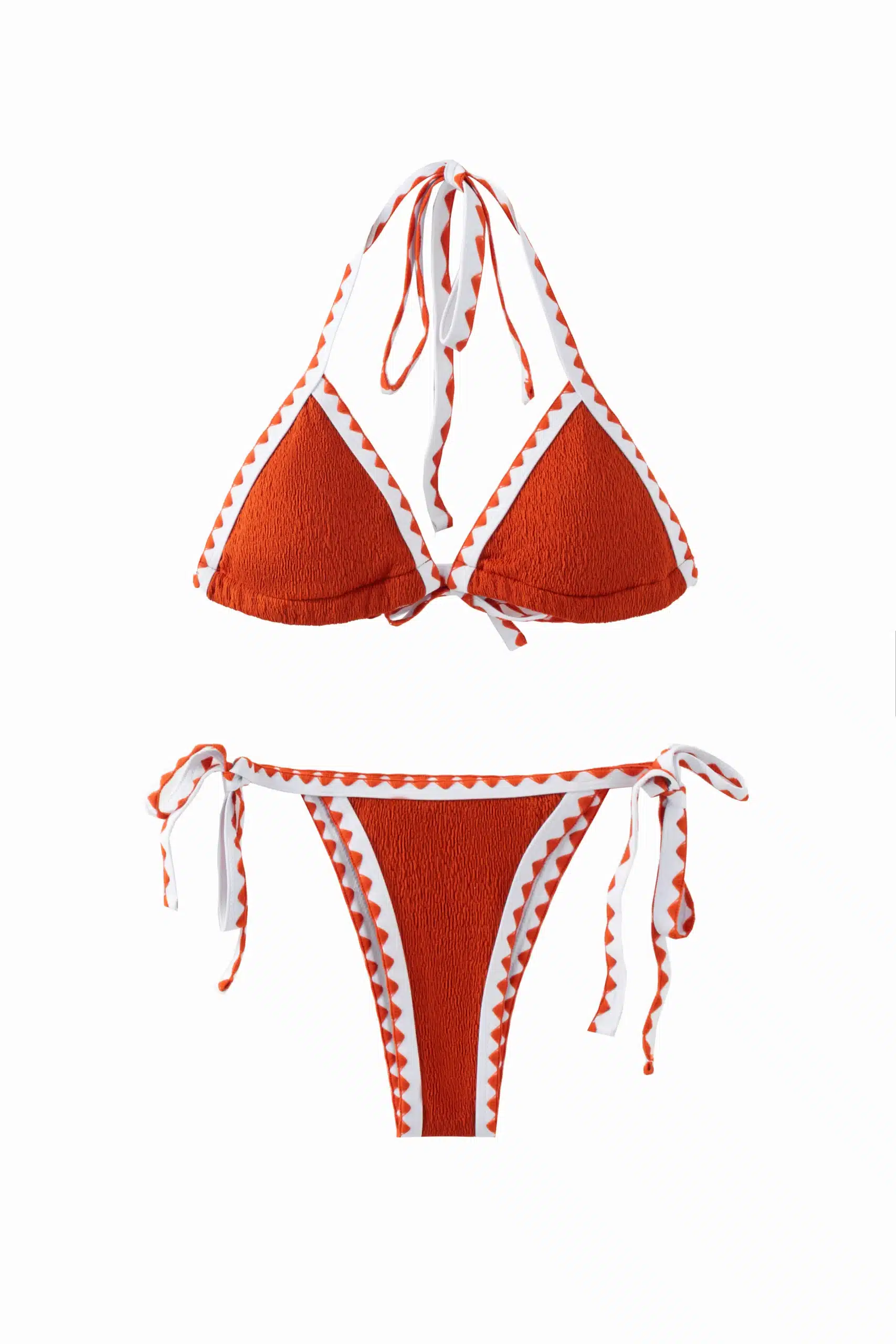
 Bikini
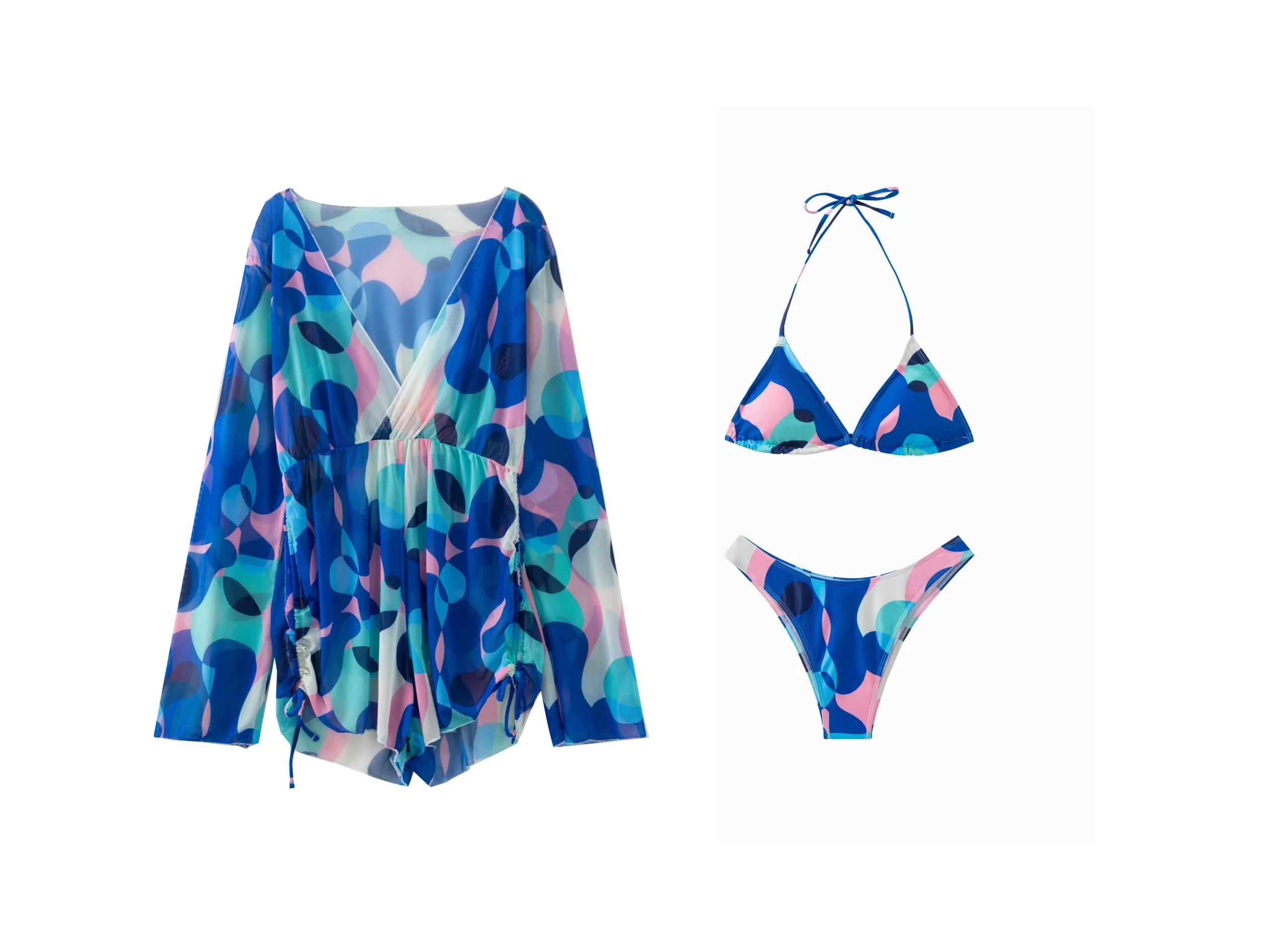 Bikini Cover-Up Set
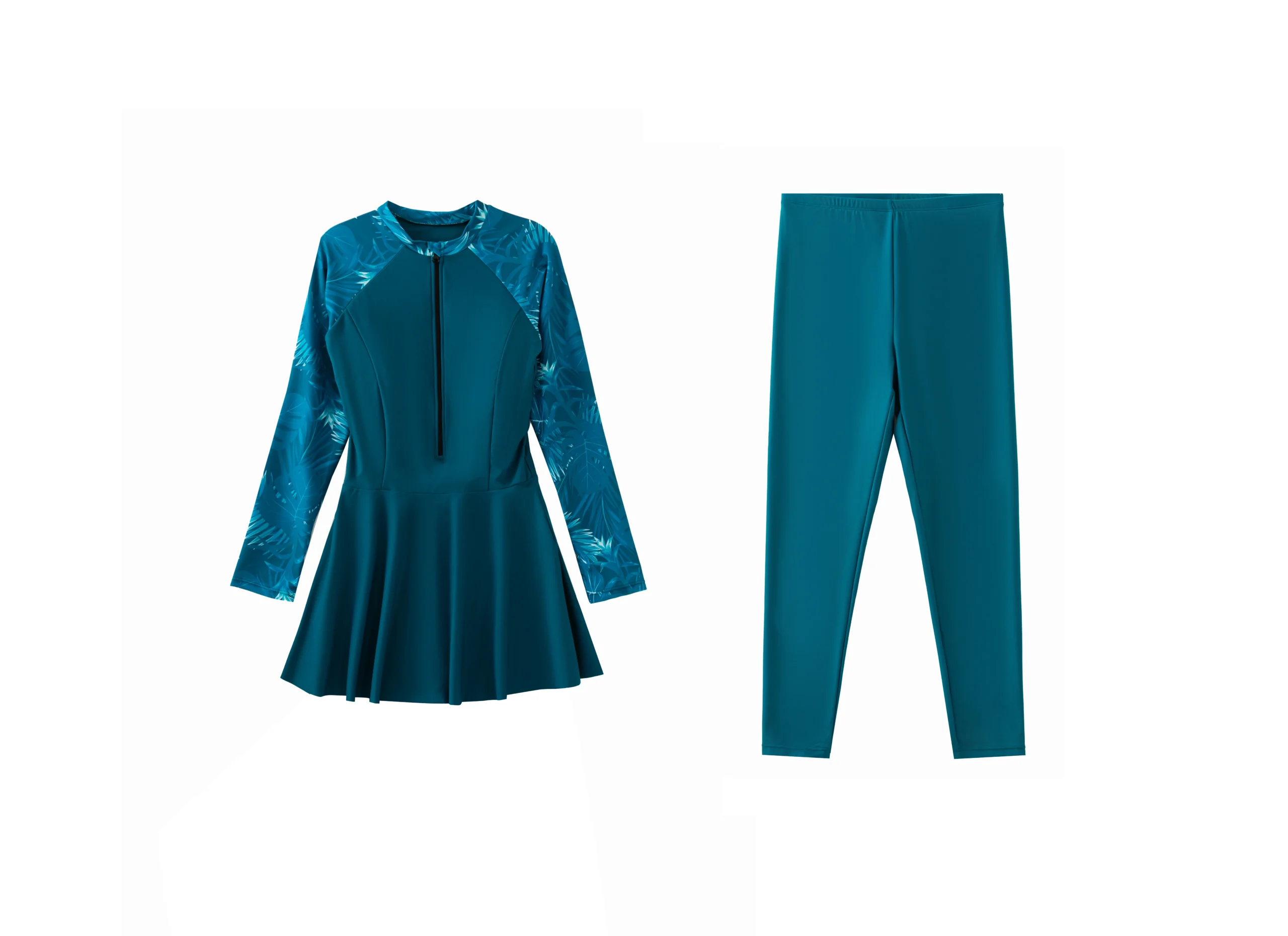 Burkini Swimwear
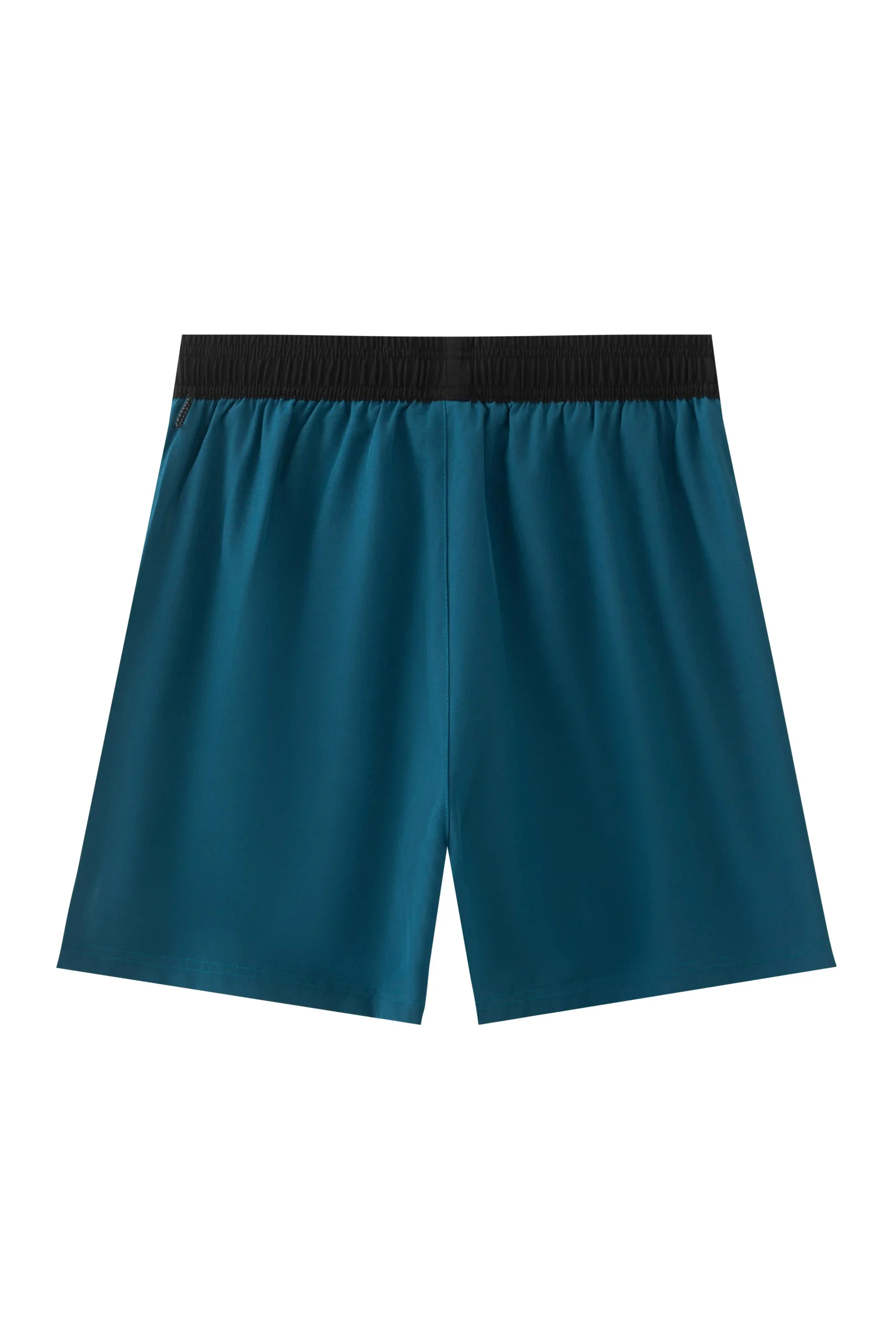 Men Swimwear
 One-Piece Swimsuits
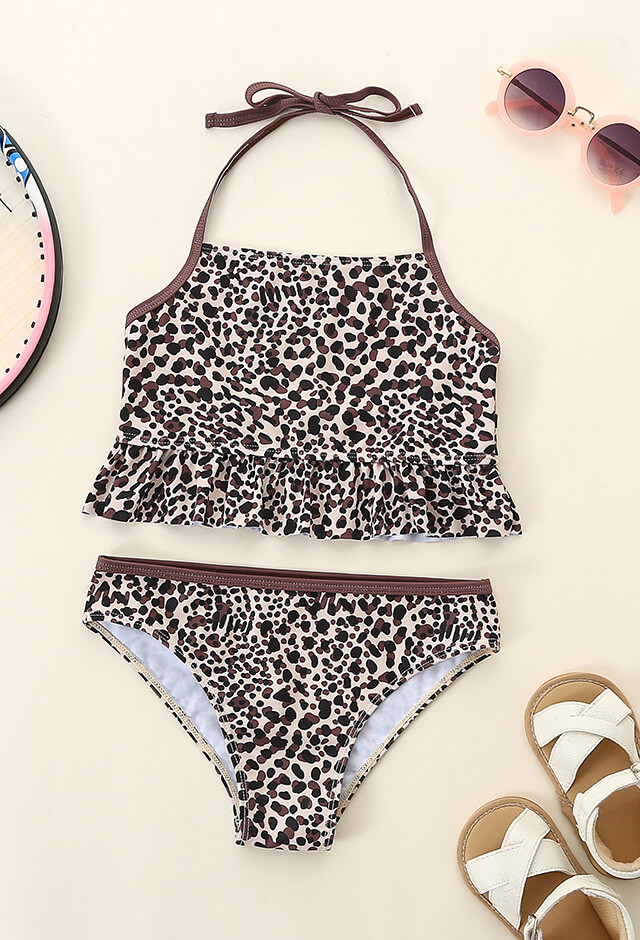 Two-Piece Swimsuits
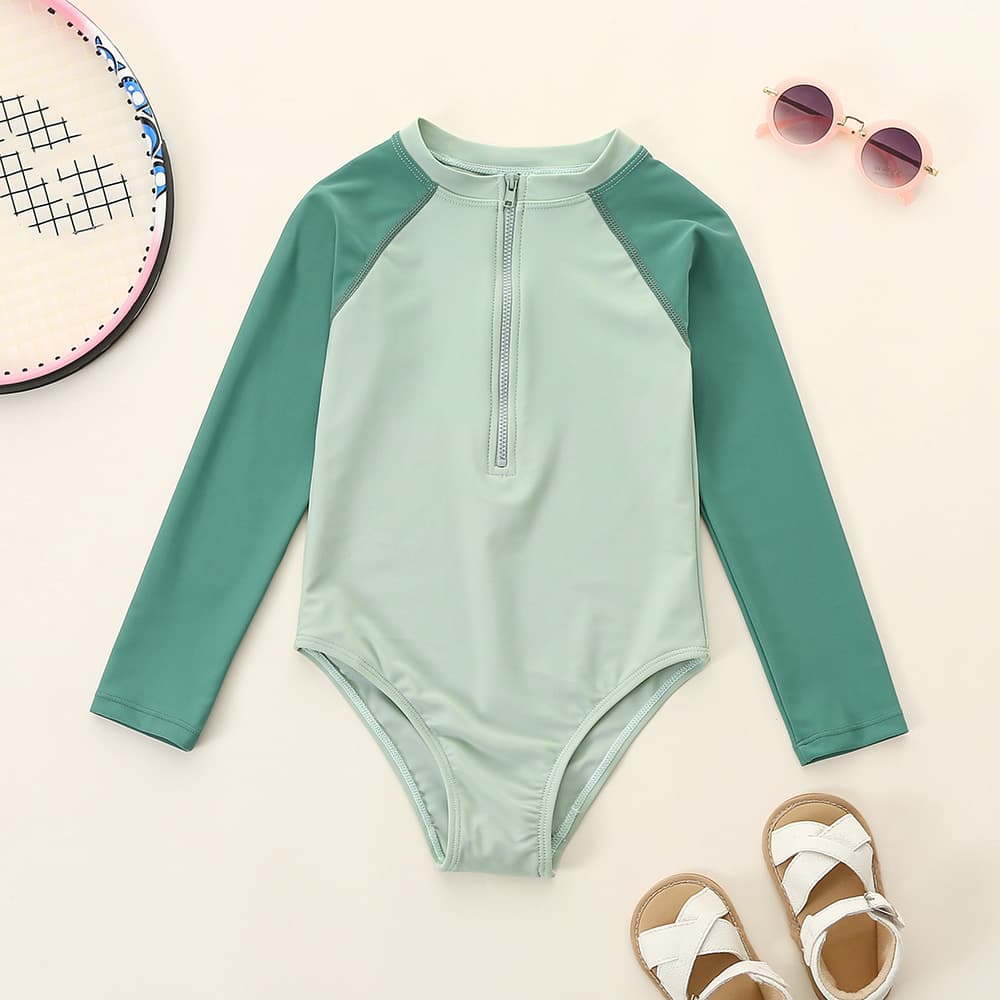 Rash Guards
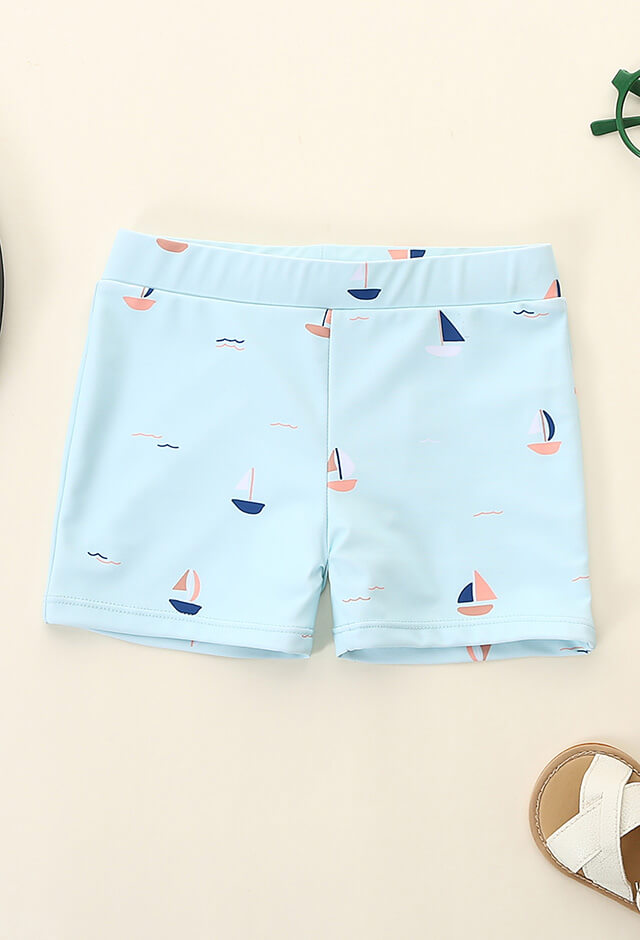 Swim Trunks
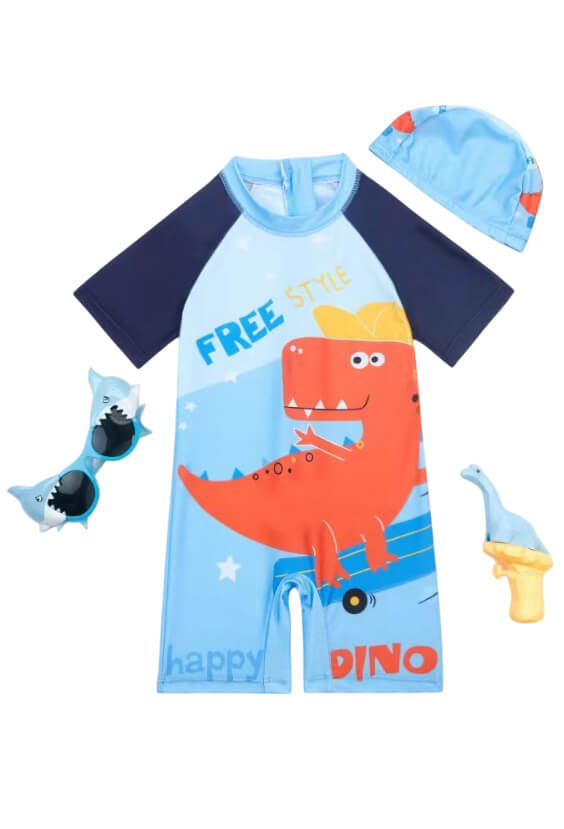 Boy Swimsuits
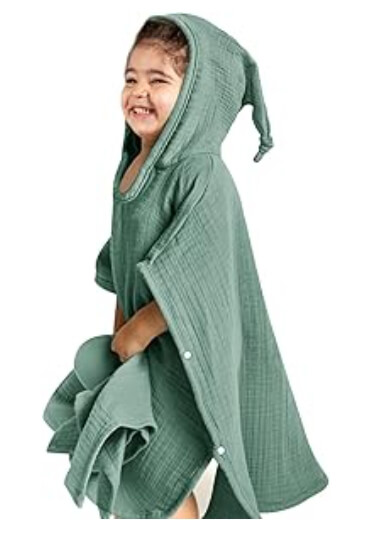 Poncho
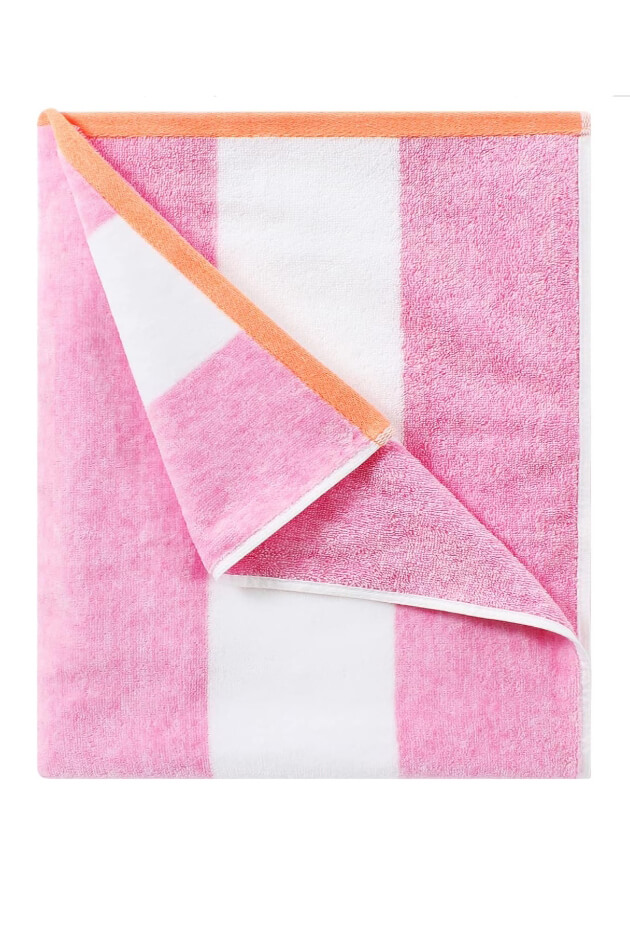 Beach Towel
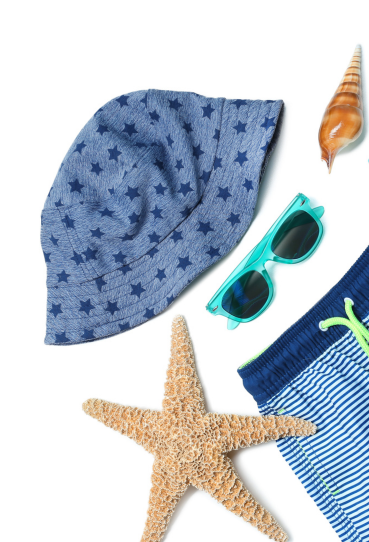 Sun Hat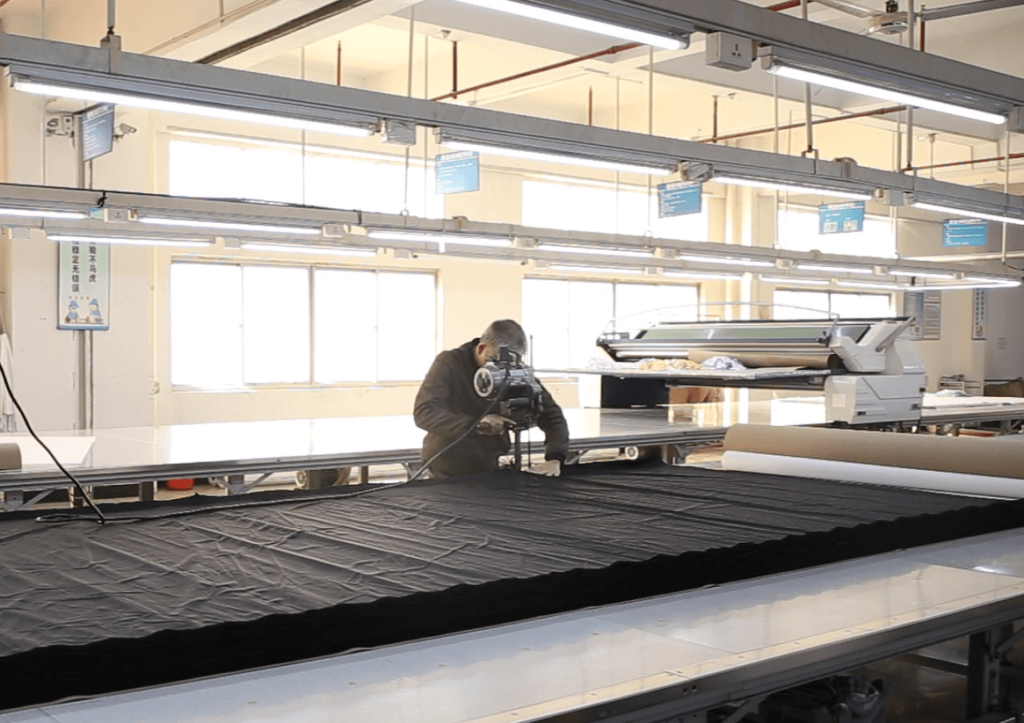
Launching a successful swimwear brand begins long before your first collection reaches customers. One of the most important decisions you’ll make is how to choose a swimwear manufacturer that can consistently deliver high-quality products, reliable service, and scalable production.
Whether you’re starting a boutique bikini label, expanding an established fashion brand, or developing a private label collection, the manufacturer you choose will directly influence your product quality, customer satisfaction, production costs, and long-term growth.
According to industry reports, the global swimwear market is expected to continue growing steadily over the next decade, driven by increasing travel, fitness activities, beach tourism, and consumer demand for sustainable apparel. As competition intensifies, brands need manufacturing partners that offer not only competitive pricing but also innovation, quality assurance, and flexibility.
This guide explains everything you need to know before selecting a swimwear manufacturer, including production capabilities, certifications, quality standards, minimum order quantities (MOQs), sampling, sustainability, and common mistakes to avoid.
By the end of this article, you’ll have a practical framework to evaluate suppliers confidently and choose a manufacturing partner that supports your brand’s long-term success.
Why Choosing the Right Swimwear Manufacturer Matters
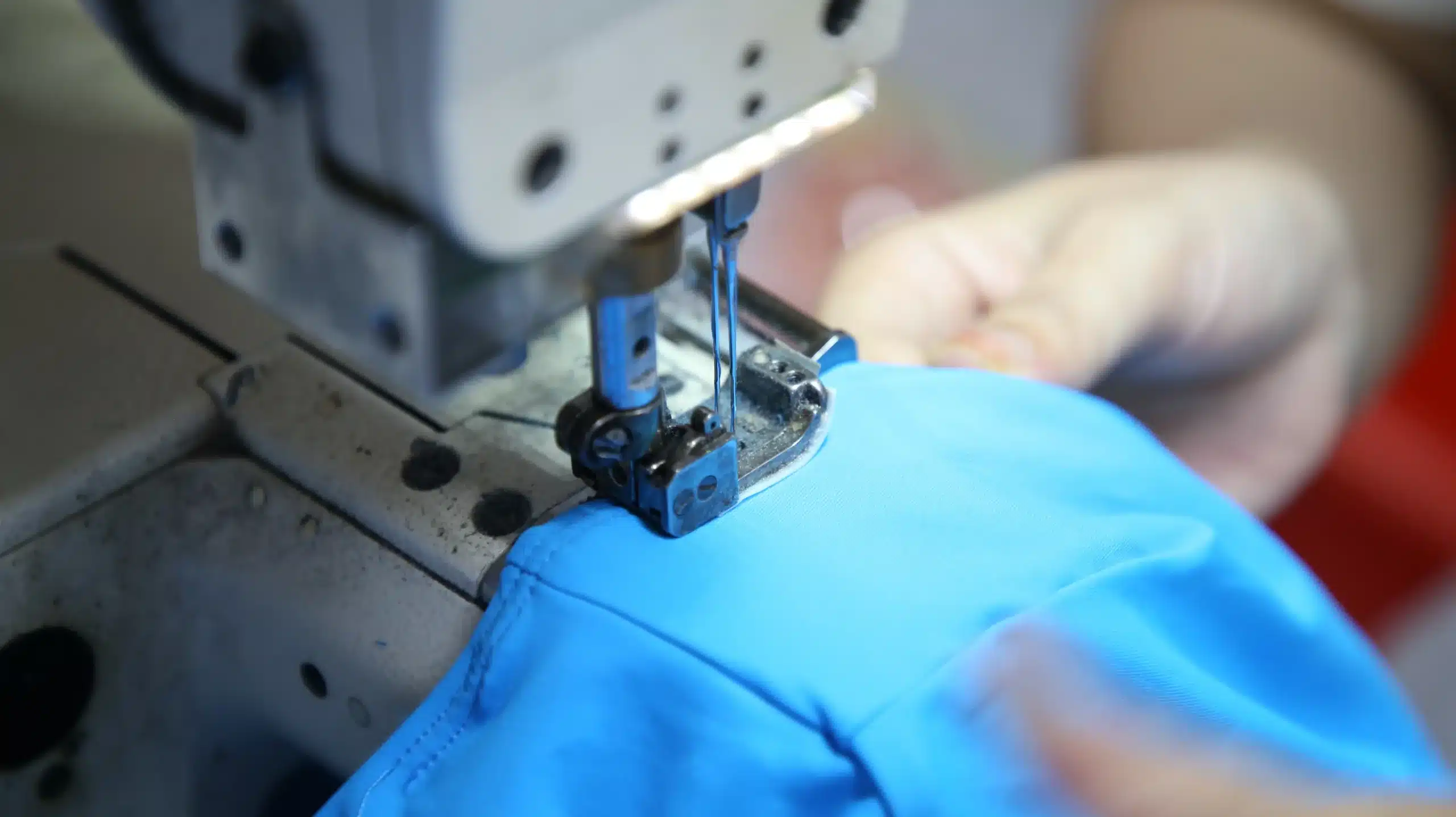
Not all manufacturers offer the same level of expertise. While many factories can produce garments, swimwear requires specialized knowledge because the products must perform under demanding conditions such as stretching, chlorine exposure, saltwater, UV radiation, and frequent washing.
A reliable swimwear manufacturer understands these technical requirements and has the equipment, skilled workforce, and quality control processes necessary to produce garments that meet international standards.
Choosing the wrong factory can result in problems such as:
- Inconsistent sizing
- Poor stitching quality
- Fabric transparency when stretched
- Color fading after washing
- Delayed shipments
- High defect rates
- Negative customer reviews
- Increased return rates
- Damage to your brand reputation
On the other hand, working with an experienced manufacturer provides several advantages:
- Consistent product quality across production batches
- Access to premium swimwear fabrics and trims
- Professional technical support during product development
- Faster sampling and production timelines
- Better communication and project management
- Opportunities to scale production as your business grows
- Lower long-term manufacturing costs through improved efficiency
Ultimately, your manufacturer becomes an extension of your brand. Customers may never see your factory, but they will experience its workmanship every time they wear your products.
Understand Your Brand Before Contacting Manufacturers
Many new entrepreneurs begin searching for suppliers before clearly defining their own business goals. This often leads to confusion, inaccurate quotations, and unnecessary delays.
Before requesting quotes, take time to answer a few important questions about your brand.
What Products Will You Sell?
Some factories specialize in fashion bikinis, while others focus on performance swimwear, children’s swimwear, surf apparel, or plus-size collections.
Clearly identify your product range, such as:
- Women’s bikinis
- One-piece swimsuits
- Rash guards
- Men’s swim shorts
- Children’s swimwear
- Maternity swimwear
- Sustainable swimwear
- Beachwear and cover-ups
The more specific your requirements, the easier it will be to find a manufacturer with relevant experience.
Who Is Your Target Customer?
Your target audience influences every manufacturing decision—from fabric selection and fit to packaging and pricing.
For example:
Luxury brands often prioritize premium Italian fabrics, refined construction, and sophisticated finishes.
Active swimwear brands require high-compression fabrics with excellent shape retention.
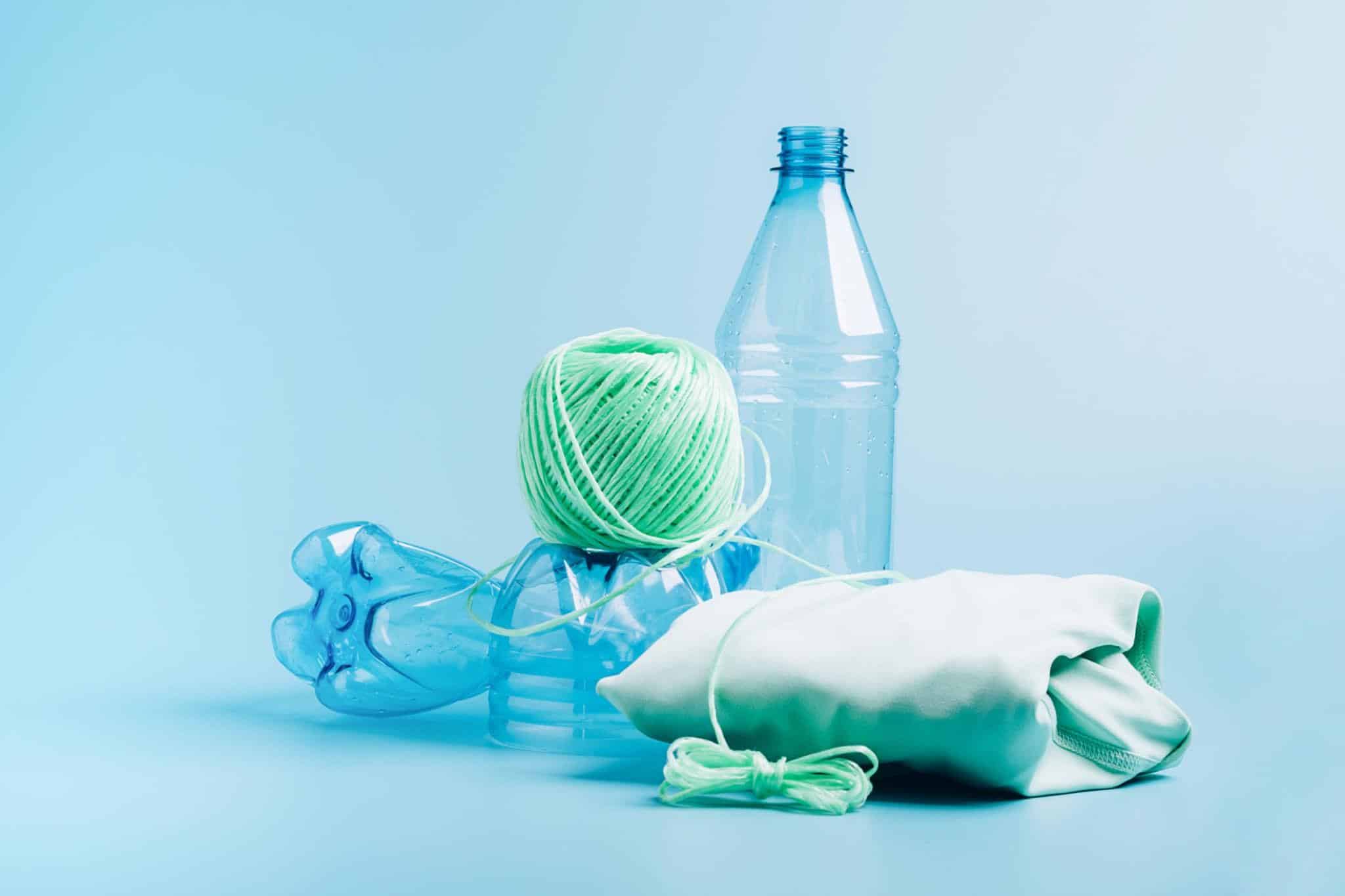
Sustainable brands may focus on recycled nylon, recycled polyester, biodegradable packaging, and certified supply chains.
Value-oriented brands typically emphasize affordability while maintaining acceptable quality standards.
Understanding your customer allows your manufacturer to recommend suitable materials, trims, and production methods that align with your brand positioning.
Determine Your Budget
Manufacturing costs vary depending on fabric quality, design complexity, order quantity, and customization requirements.
Your budget should account for more than just the unit price. Consider additional expenses such as:
- Pattern development
- Sampling fees
- Fabric sourcing
- Custom printing
- Labels and packaging
- Shipping
- Import duties
- Quality inspections
Evaluating the total landed cost rather than focusing solely on the factory price helps you make more informed sourcing decisions.
Types of Swimwear Manufacturers
Understanding the different types of manufacturers is essential before requesting quotations. Not every factory provides the same level of service, and choosing the right production model can save time, reduce costs, and improve your product quality.
OEM (Original Equipment Manufacturer)
An OEM swimwear manufacturer produces products based entirely on your specifications.
You provide:
- Tech pack
- Measurements
- Fabric requirements
- Colorways
- Trim details
- Branding
Packaging artwork
The factory manufactures exactly what you design.
Best for
- Established brands
- Designers with technical knowledge
- Brands requiring exclusive products
- Businesses with their own product development team
- Advantages
- Full design ownership
- Better brand differentiation
- Greater flexibility
- Higher perceived product value
ODM (Original Design Manufacturer)
An ODM manufacturer already has existing swimwear designs that can be modified with your logo, colors, or small design changes.
This option reduces development time significantly.
Best for
- New brands
- Small businesses
- Retailers testing new markets
- Advantages
- Faster launch
- Lower development costs
- Proven production patterns
- Lower technical risk
Private Label Swimwear Manufacturer
Private label swimwear manufacturing combines the advantages of OEM and ODM.
The manufacturer offers ready-made styles while allowing customization of:
- Labels
- Hangtags
- Packaging
- Prints
- Fabric colors
- Logos
Many successful boutique brands begin with private label collections before developing fully customized products.
Full Package Manufacturer (FPP)
Some manufacturers provide complete product development services.
Typical services include:
- Trend research
- Design assistance
- Pattern making
- Fabric sourcing
- Printing
- Sample development
- Production
- Quality control
- Packaging
- Shipping coordination
This is often the best solution for startups without an in-house technical team.
What Certifications Should a Swimwear Manufacturer Have?
Certifications demonstrate that a factory follows recognized quality, environmental, and social responsibility standards.
While certifications alone do not guarantee excellent products, they provide valuable evidence of professional manufacturing practices.
BSCI
The Business Social Compliance Initiative (BSCI) evaluates working conditions, employee welfare, and ethical manufacturing practices.
Brands selling in Europe often prefer BSCI-audited factories.
WRAP
Worldwide Responsible Accredited Production (WRAP) focuses on ethical labor practices, legal compliance, workplace safety, and environmental responsibility.
GRS (Global Recycled Standard)
If you plan to market sustainable swimwear, GRS certification helps verify that recycled materials are genuinely used throughout the supply chain.
OEKO-TEX® Standard 100
OEKO-TEX certification ensures that textiles have been tested for harmful substances, making products safer for consumers.
This certification is particularly important for children’s swimwear and premium brands.
ISO 9001
ISO 9001 demonstrates that the manufacturer has established quality management systems and standardized production processes.
Although it does not guarantee product quality by itself, it indicates a commitment to continuous improvement.
Evaluate Product Quality Before Placing an Order
Never judge a manufacturer solely by attractive product photos.
Always request samples and evaluate them carefully.
Fabric Quality
Swimwear fabrics should provide:
- Four-way stretch
- Excellent recovery
- Soft hand feel
- Chlorine resistance
- UV protection
- Colorfastness
- Durability
Premium swimwear commonly uses:
- Nylon Spandex
- Polyester Spandex
- Recycled Nylon
- Recycled Polyester
Stitching Quality
Inspect every seam carefully.
Look for:
- Even stitching
- No skipped stitches
- Smooth seam transitions
- Reinforced stress points
- Secure bartacks
Poor stitching often causes garments to fail long before the fabric wears out.
Elastic Recovery
Swimwear constantly stretches during wear.
A quality garment should quickly return to its original shape without sagging.
Test samples by stretching straps, waistbands, and leg openings repeatedly.
Printing Quality
For printed swimwear, evaluate:
- Color consistency
- Sharp details
- Registration accuracy
- Wash durability
- Stretch performance
Poor-quality printing often cracks or fades after repeated use.
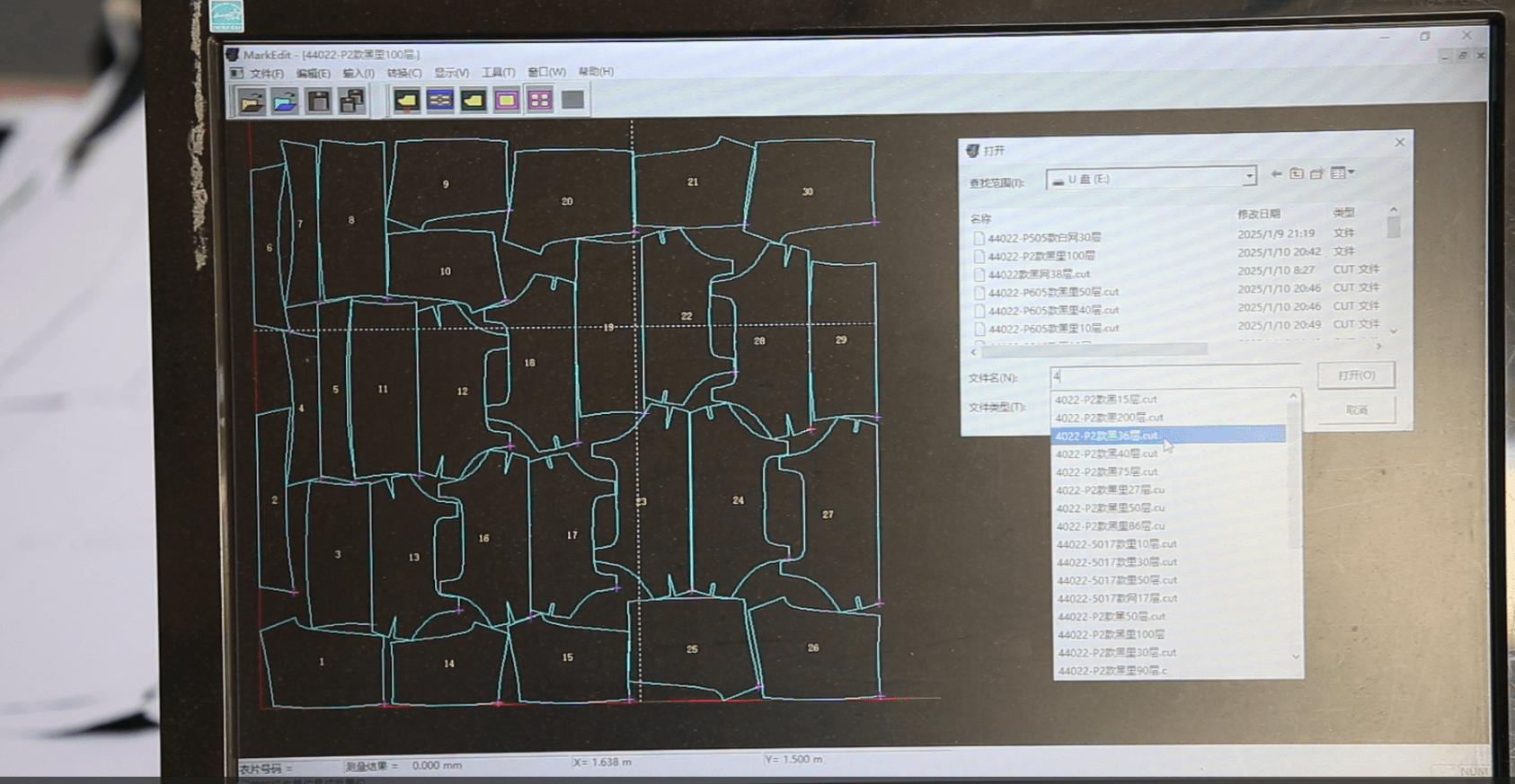
Fit Consistency
Ask for a complete size set whenever possible.
Verify:
- Cup shape
- Leg opening
- Waist measurement
- Torso length
- Strap placement
Small grading errors become much more noticeable during mass production.
Questions to Ask Before Choosing a Swimwear Manufacturer
The right questions reveal how experienced and organized a factory truly is.
Consider asking:
- How long have you specialized in swimwear manufacturing?
- What are your minimum order quantities?
- Can you produce custom designs?
- Do you provide pattern making?
- Can you source sustainable fabrics?
- What certifications do you have?
- How long does sampling take?
- What is your average production lead time?
- What quality inspections are performed?
- Can you provide customer references?
- Which countries do you export to?
- Do you offer packaging customization?
- Can you help with logistics?
Factories that answer confidently and transparently are usually easier to work with.
Red Flags to Avoid
Not every supplier advertising online is a genuine swimwear manufacturer.
Watch for these warning signs.
Extremely Low Prices
If one quotation is dramatically cheaper than all others, ask why.
Very low prices often indicate:
- Inferior fabrics
- Poor workmanship
- Hidden costs
- Inexperienced production teams
Poor Communication
Slow responses during quotation usually become even slower after payment.
Reliable manufacturers communicate clearly and consistently.
No Sampling Process
Professional factories encourage sample development before bulk production.
Avoid suppliers unwilling to produce samples.
No Factory Photos or Videos
Modern manufacturers are generally happy to show:
- Production lines
- Cutting rooms
- Sewing departments
- Quality inspection areas
- Warehouses
Transparency builds confidence.
No Quality Control System
Ask about inspection procedures.
Professional factories typically perform:
- Incoming material inspection
- In-line inspection
- Final inspection
- Packing inspection
Understanding the Sampling Process
Sampling is one of the most important stages of swimwear manufacturing.
It allows both parties to identify issues before large-scale production begins.
A typical process includes:
Step 1
Design review
Step 2
Tech pack confirmation
Step 3
Pattern making
Step 4
Fabric sourcing
Step 5
Prototype sample
Step 6
Fit comments
Step 7
Revised sample
Step 8
Pre-production sample (PPS)
Step 9
Bulk production approval
Investing time during sampling significantly reduces production risks.
Typical Swimwear Production Timeline
Although every project differs, a general timeline looks like this:
| Stage | Typical Time |
|---|---|
| Design Review | 2–5 days |
| Pattern Development | 3–5 days |
| Fabric Sourcing | 2–4 days |
| First Sample | 5–7 days |
| Sample Revision | 2–5 days |
| Bulk Production | 20–30 days |
| Final Inspection | 2–5 days |
| Shipping Preparation | 2–3 days |
Planning ahead is especially important before peak swimwear seasons.
Cost vs. Value: Don’t Choose Based Only on Price
Many first-time buyers compare manufacturers solely by unit cost.
However, the cheapest quotation rarely delivers the best value.
A slightly higher production price may include:
- Better fabrics
- Superior stitching
- Faster communication
- Lower defect rates
- Better packaging
- Reliable delivery
- Lower return rates
When evaluating suppliers, consider the total cost of ownership rather than just the purchase price.
Consistent quality often leads to stronger customer loyalty and higher repeat sales.
Why Many Global Brands Choose Chinese Swimwear Manufacturers
China remains one of the world’s leading swimwear manufacturing hubs because of its mature supply chain and extensive production expertise.
Experienced Chinese manufacturers can often provide:
- Integrated fabric sourcing
- Skilled pattern makers
- Advanced printing technology
- Competitive pricing
- Flexible MOQs
- Large production capacity
- Efficient logistics
- Strong export experience
For brands looking to scale, partnering with an experienced Chinese manufacturer can provide both operational efficiency and product consistency.
Final Checklist Before Choosing a Swimwear Manufacturer
Before signing any agreement, confirm that your manufacturer can demonstrate:
✅ Proven swimwear experience
✅ High-quality samples
✅ Stable communication
✅ Transparent quotations
✅ Reliable production timelines
✅ Strong quality control
✅ Relevant certifications
✅ Sustainable material options
✅ Professional export experience
✅ Positive customer references
A careful evaluation today can prevent costly problems during production.
Conclusion
Choosing the right swimwear manufacturer is one of the most important decisions for any swimwear brand. A dependable manufacturing partner contributes far more than production capacity—they help improve product quality, streamline development, protect your reputation, and support long-term business growth.
Instead of focusing only on the lowest price, evaluate each manufacturer based on experience, communication, technical capabilities, quality control, certifications, flexibility, and their willingness to collaborate throughout the product development process.
Whether you’re launching your first bikini collection or expanding an established international brand, taking the time to compare suppliers carefully will reduce risk and position your business for sustainable success.
The best manufacturing partnerships are built on trust, transparency, and shared commitment to quality.
Frequently Asked Questions (FAQ)
1. How do I choose the best swimwear manufacturer?
Look for a manufacturer with proven swimwear experience, strong quality control, relevant certifications, transparent communication, and the ability to provide high-quality samples before bulk production.
2. What is the typical MOQ for swimwear manufacturing?
Most manufacturers require a minimum order quantity between 100 and 500 pieces per style, although some offer
3. Should I choose an OEM or ODM swimwear manufacturer?
OEM manufacturing is ideal if you have original designs and detailed tech packs. ODM is better for brands that want to launch quickly using existing styles with custom branding.
4. How long does swimwear production take?
From sample approval to finished production, the process generally takes 20–30 days, depending on order size, fabric availability, and factory capacity.
5. What certifications should a swimwear factory have?
Common certifications include BSCI, WRAP, ISO 9001, OEKO-TEX® STANDARD 100, and GRS, depending on your quality, ethical sourcing, and sustainability requirements.
6. Can I start a swimwear brand with a low MOQ?
Yes. Many manufacturers now offer low-MOQ production, allowing startups to test new designs without committing to large inventory purchases.
7. How can I verify a manufacturer’s quality?
Request production samples, review previous projects, ask about quality inspection procedures, verify certifications, and, if possible, arrange a factory audit or third-party inspection before placing a bulk order.
8. What information should I prepare before contacting a manufacturer?
Prepare a tech pack, size specifications, design sketches, preferred fabrics, estimated order quantity, branding requirements, and your target delivery timeline.
9. Why do many fashion brands manufacture swimwear in China?
China offers a mature textile supply chain, advanced manufacturing technology, experienced workers, competitive pricing, and extensive export experience, making it one of the world’s leading swimwear production hubs.
10. What should I avoid when selecting a swimwear manufacturer?
Avoid manufacturers with unclear pricing, poor communication, no sampling process, inconsistent product quality, unrealistic lead times, or a lack of relevant certifications and references.