
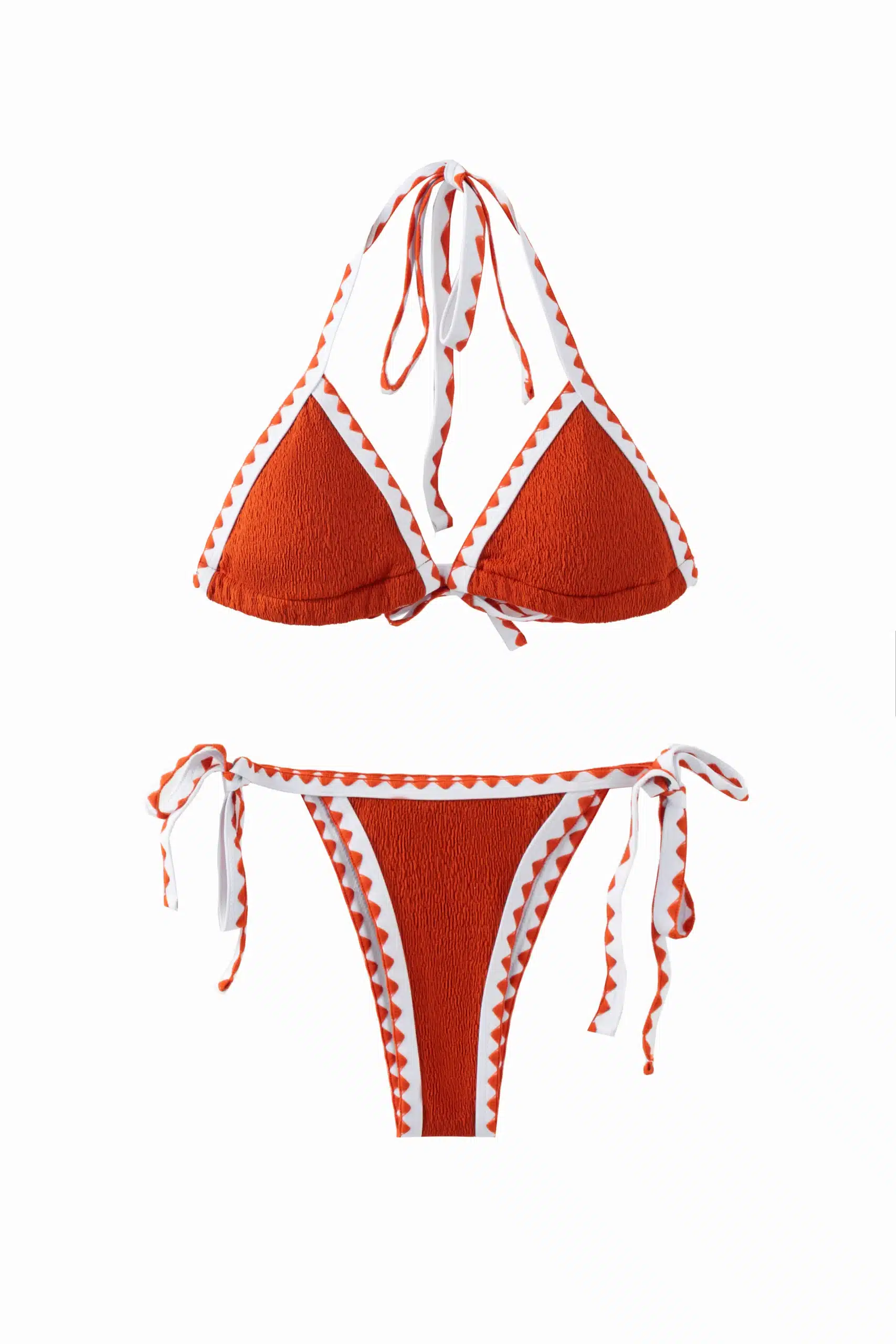
 Bikini
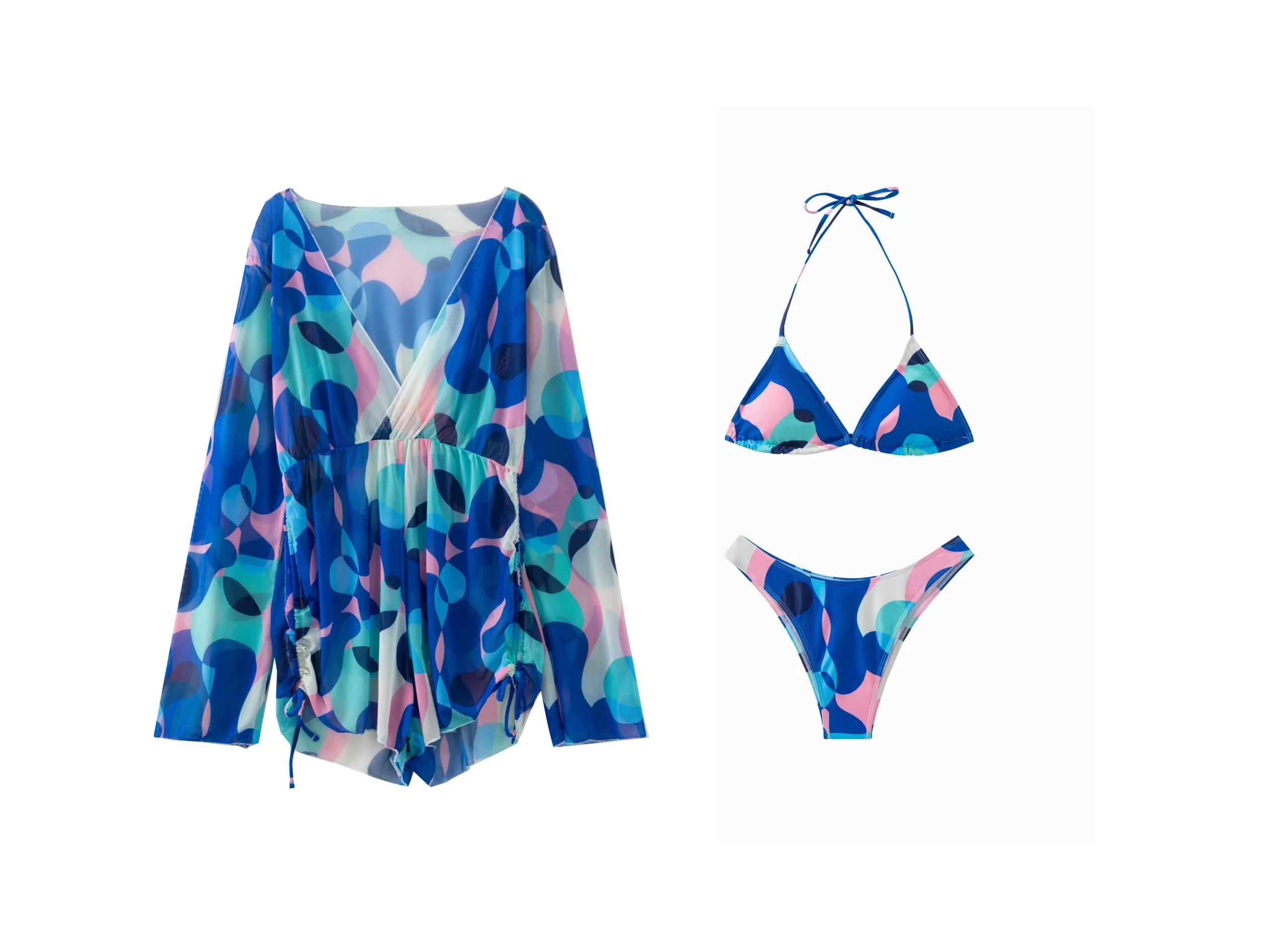 Bikini Cover-Up Set
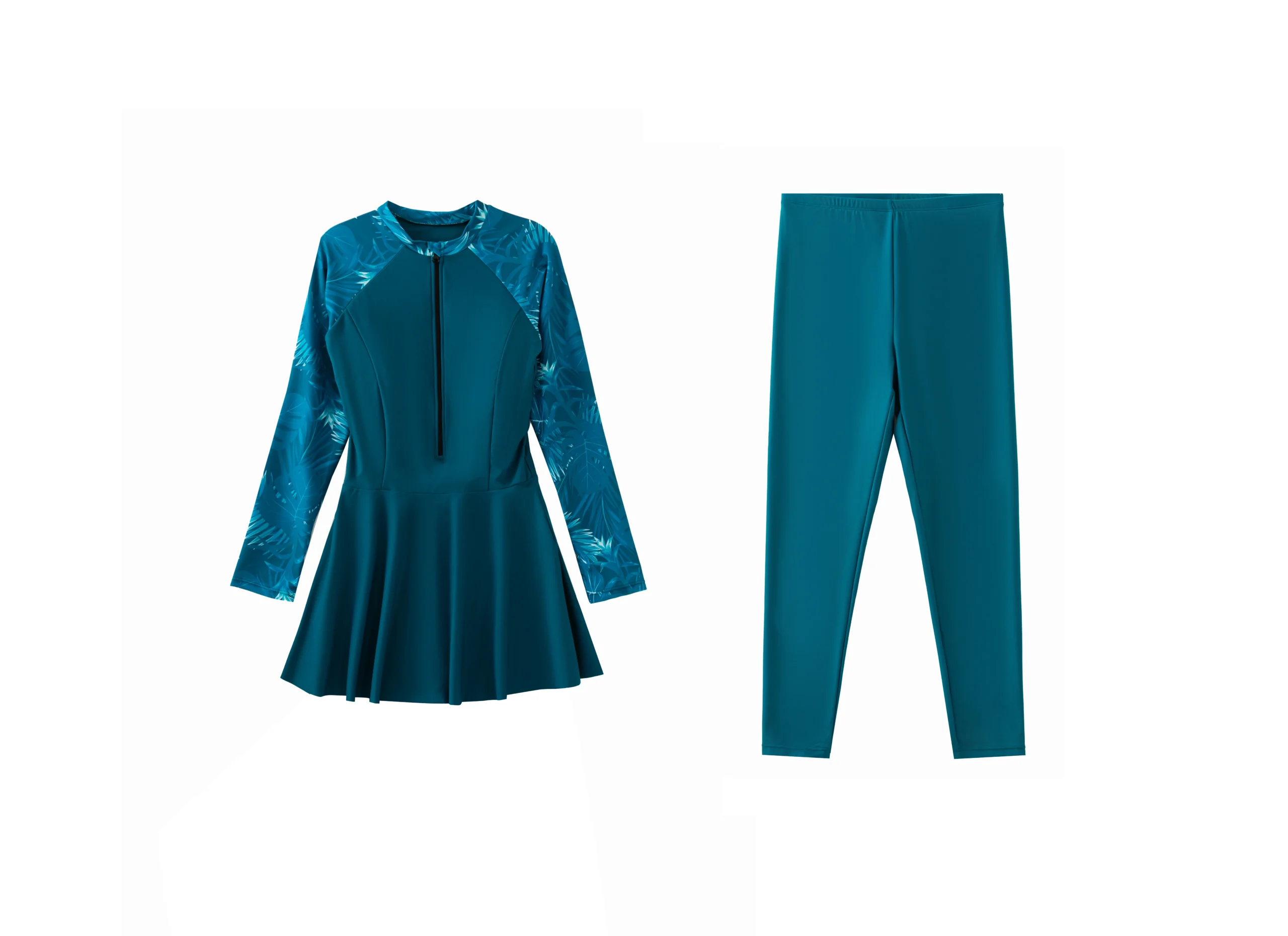 Burkini Swimwear
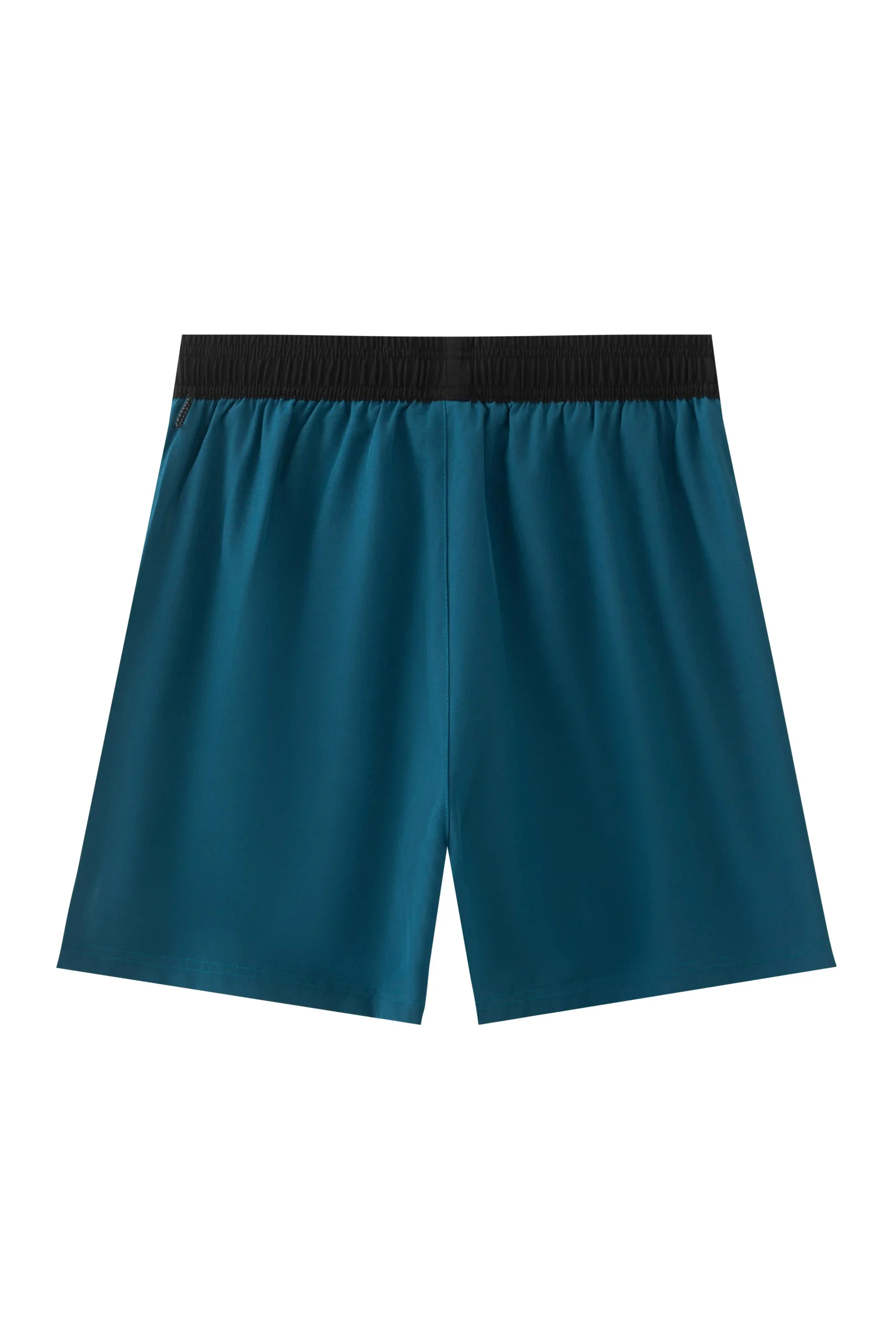 Men Swimwear
 One-Piece Swimsuits
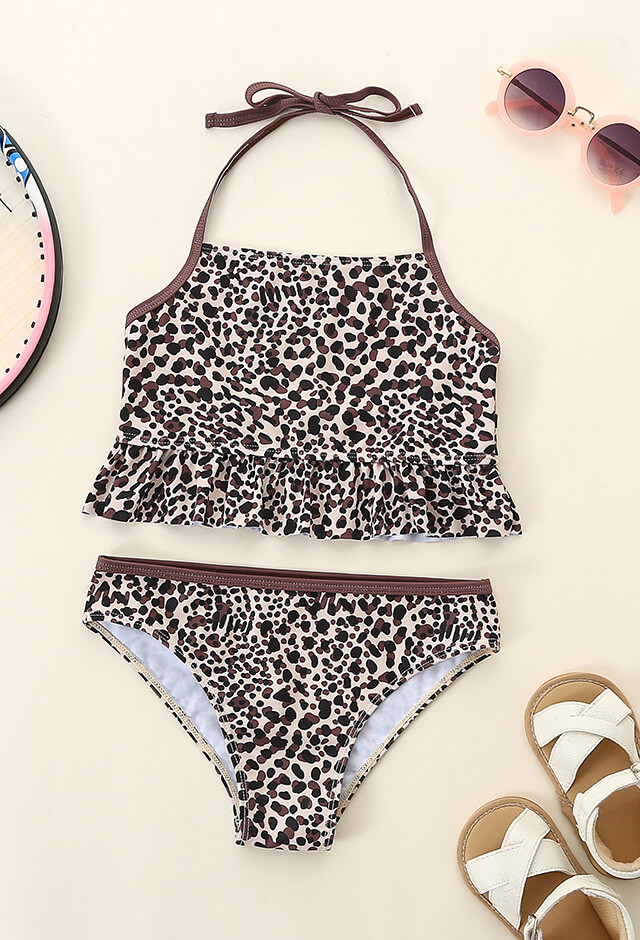 Two-Piece Swimsuits
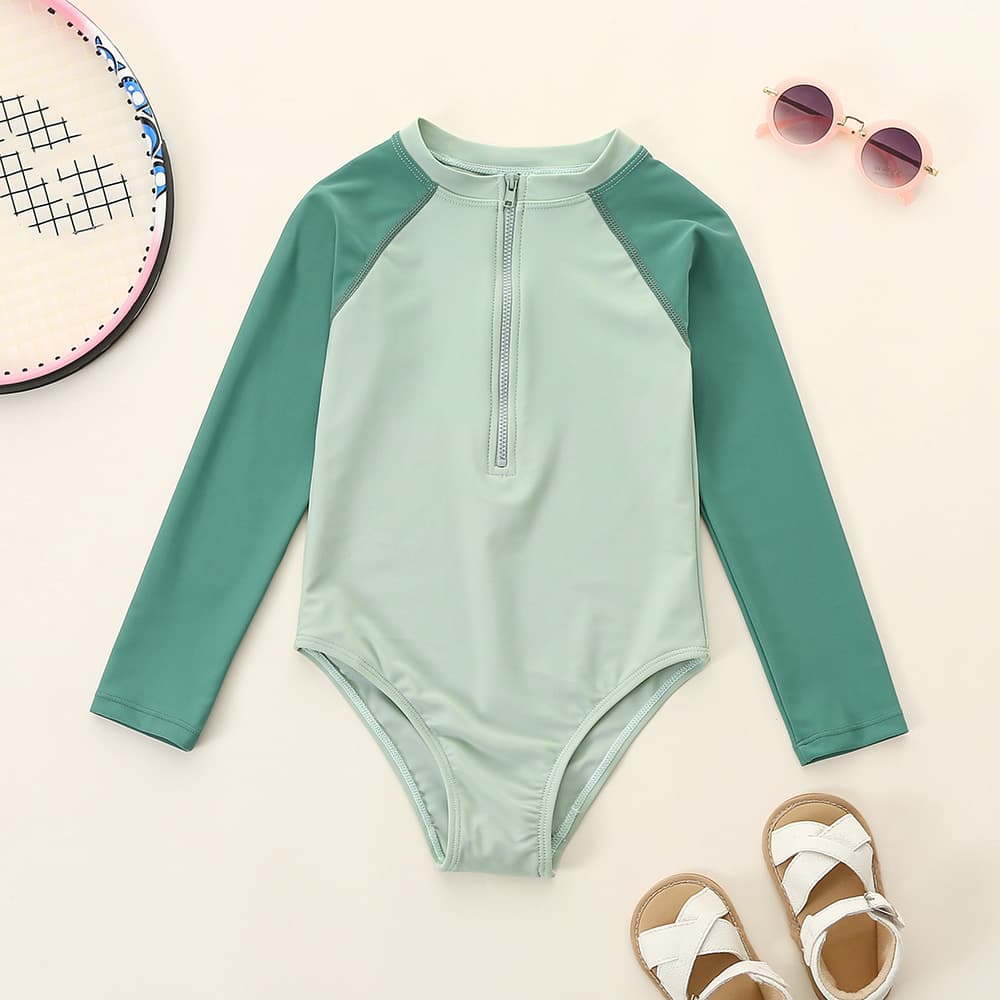 Rash Guards
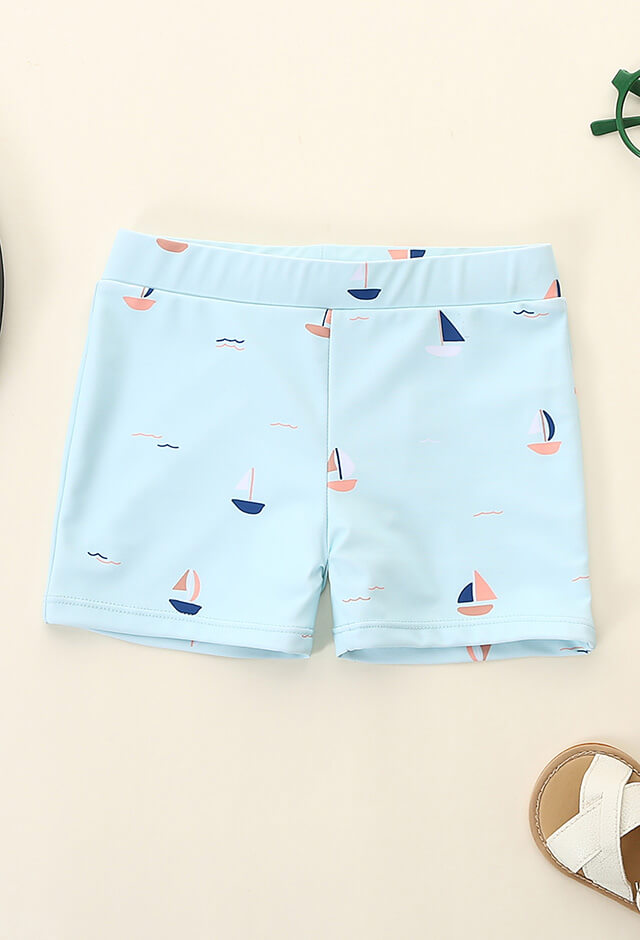 Swim Trunks
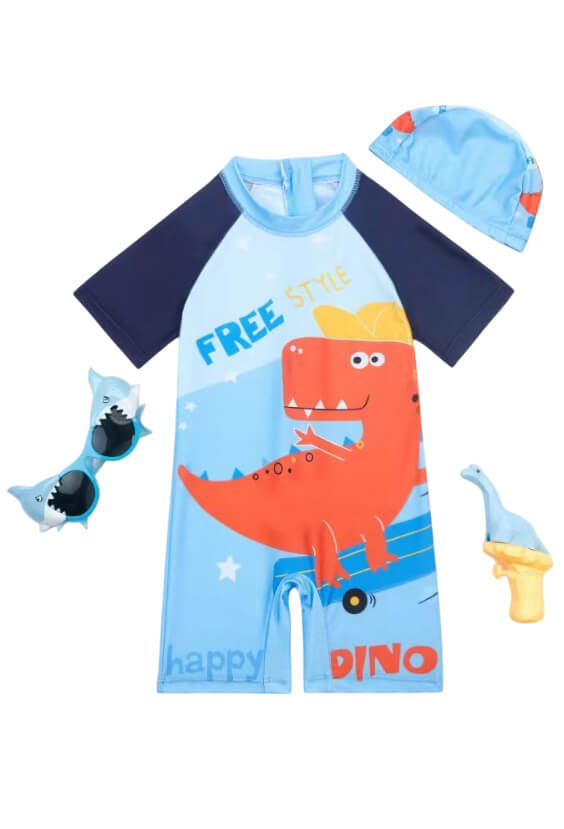 Boy Swimsuits
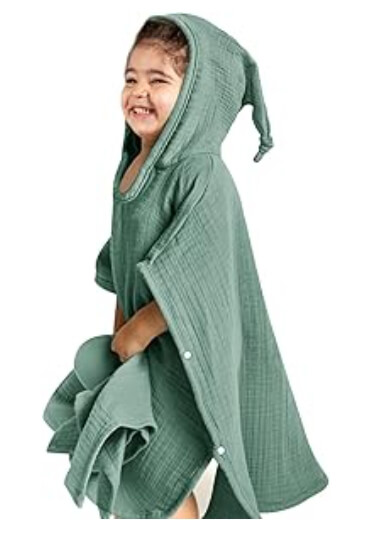 Poncho
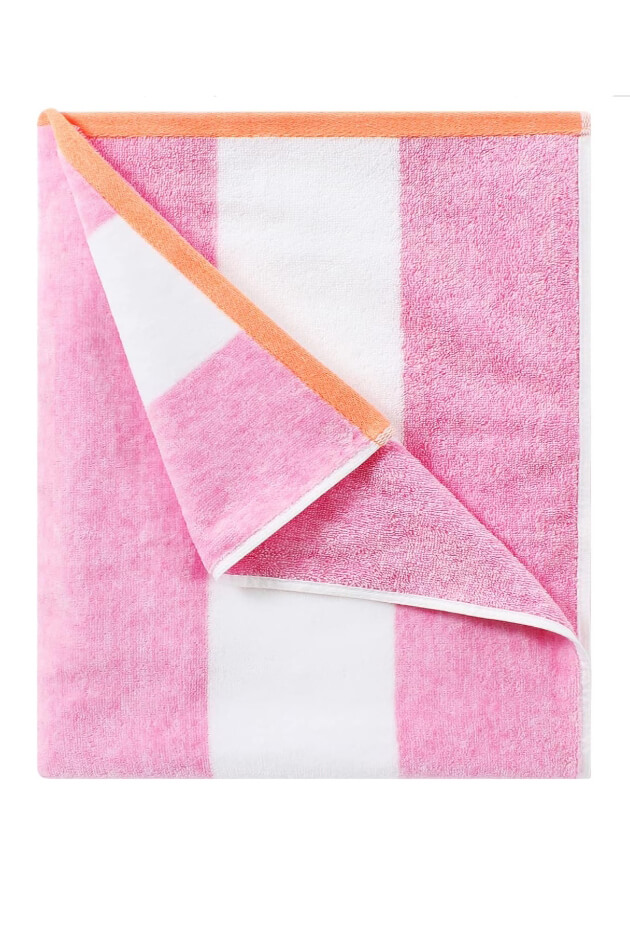 Beach Towel
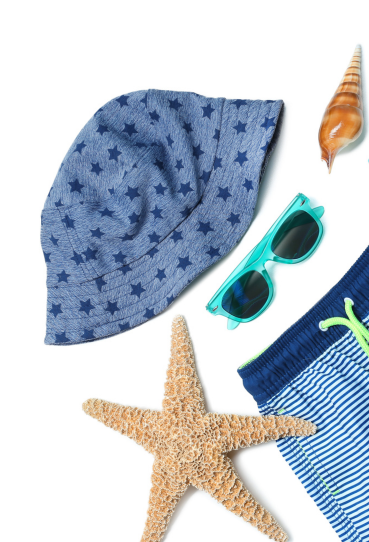 Sun Hat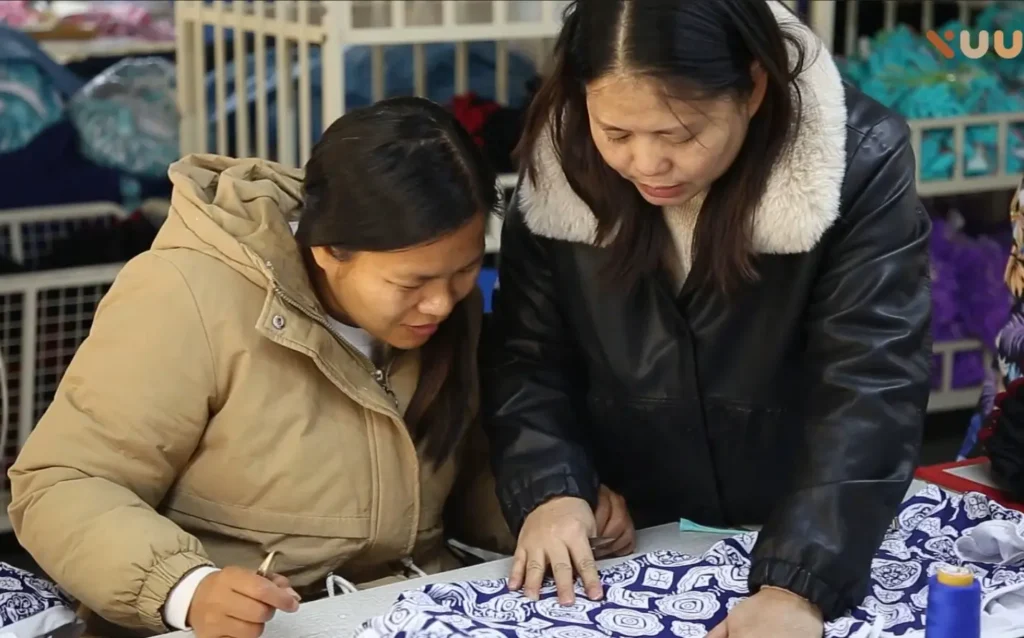
Deliver Consistent Swimwear Quality from Factory to Customer
Quality is one of the biggest factors influencing whether customers purchase from your brand again. Even the most attractive swimwear designs can damage a brand’s reputation if the products arrive with poor stitching, incorrect sizing, fabric defects, or inconsistent workmanship.
Professional quality control is not simply a final inspection before shipping—it is a systematic process that begins before production starts and continues throughout every stage of manufacturing.
At a professional Custom Swimwear Manufacturer, quality control involves inspecting raw materials, monitoring production, testing finished garments, and verifying packaging before shipment.
Whether you are launching your first swimwear collection or managing large-scale private label production, understanding the quality control process helps reduce risk, improve customer satisfaction, and build long-term trust in your brand.
This manufacturing guide explains the complete Quality Control Checklist for Swimwear Manufacturing, helping brands understand what should be inspected at every stage of production.
Why Quality Control Is Essential in Swimwear Manufacturing
Swimwear is one of the most technically demanding categories in the apparel industry.
Unlike regular garments, swimsuits must perform under challenging conditions while maintaining comfort, appearance, and durability.
Every product must withstand:
- Stretching during wear
- Saltwater exposure
- Chlorinated pools
- Sunlight and UV exposure
- Frequent washing
- Moisture and humidity
- Repeated movement
Because of these requirements, even a small production defect can significantly affect customer satisfaction.
Examples include:
- Loose stitches causing seams to open
- Fabric losing elasticity after several wears
- Uneven print alignment
- Incorrect sizing
- Twisted straps
- Poor logo application
- Color inconsistencies between production batches
Without an effective quality control system, these issues may not be discovered until products reach customers—leading to returns, negative reviews, and damage to your brand reputation.
Professional quality management minimizes these risks by identifying problems early, when they are easier and less expensive to correct.
Check out the Quality Control Checklist for Swimwear Manufacturing below
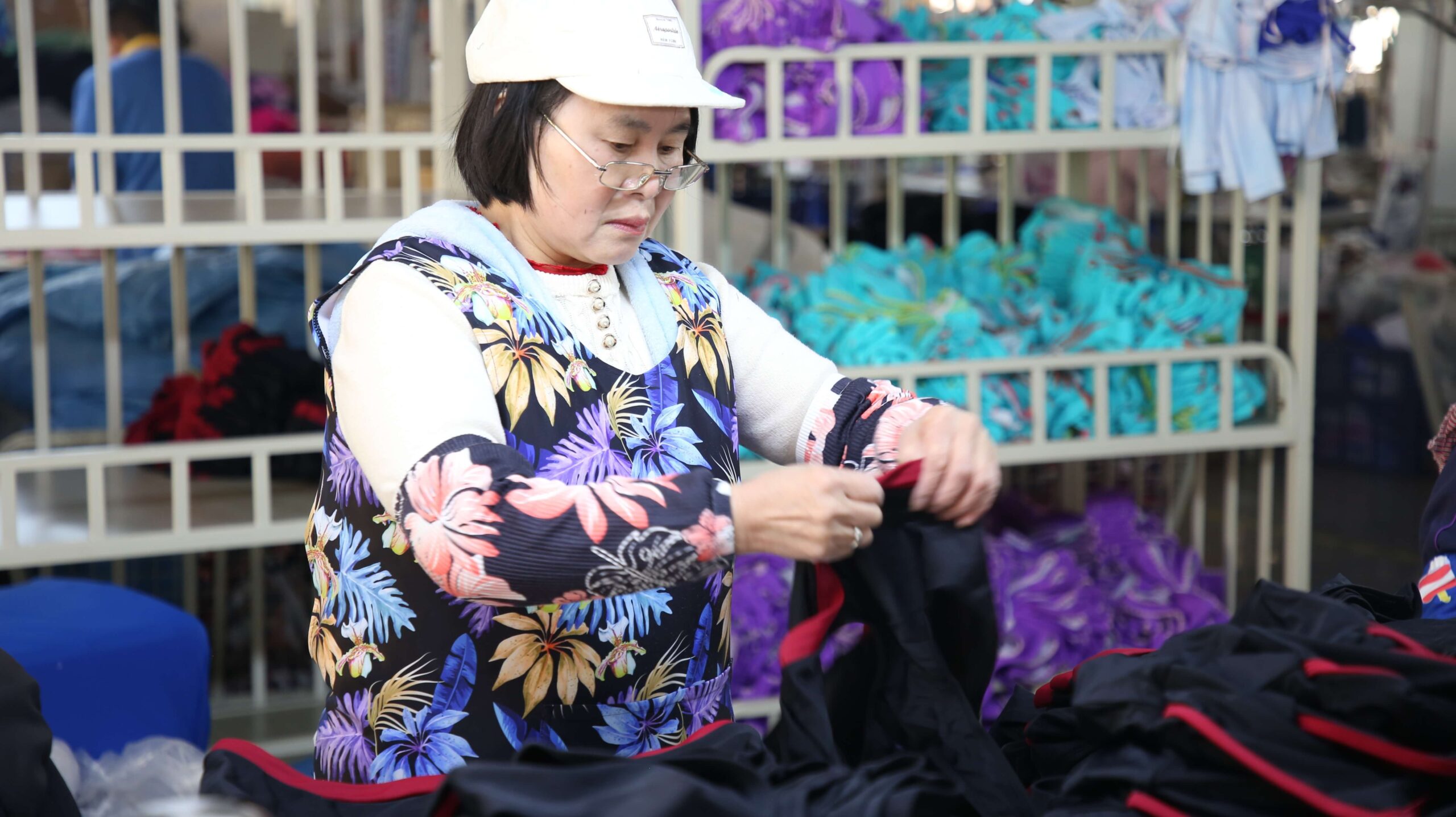
Stage 1 – Raw Material Inspection
The first step in quality control begins before production starts.
No matter how experienced the sewing team is, poor-quality materials will always result in poor-quality products.
For this reason, manufacturers carefully inspect all incoming fabrics, trims, and accessories before they enter production.
Fabric Inspection Checklist
Fabric quality has a direct impact on product performance.
Inspectors typically examine:
Fabric Color Consistency
Check that all fabric rolls match the approved color standard.
Look for:
- Shade variation
- Dye inconsistency
- Uneven coloring
- Staining
Color differences become especially noticeable when products are produced using multiple fabric rolls.
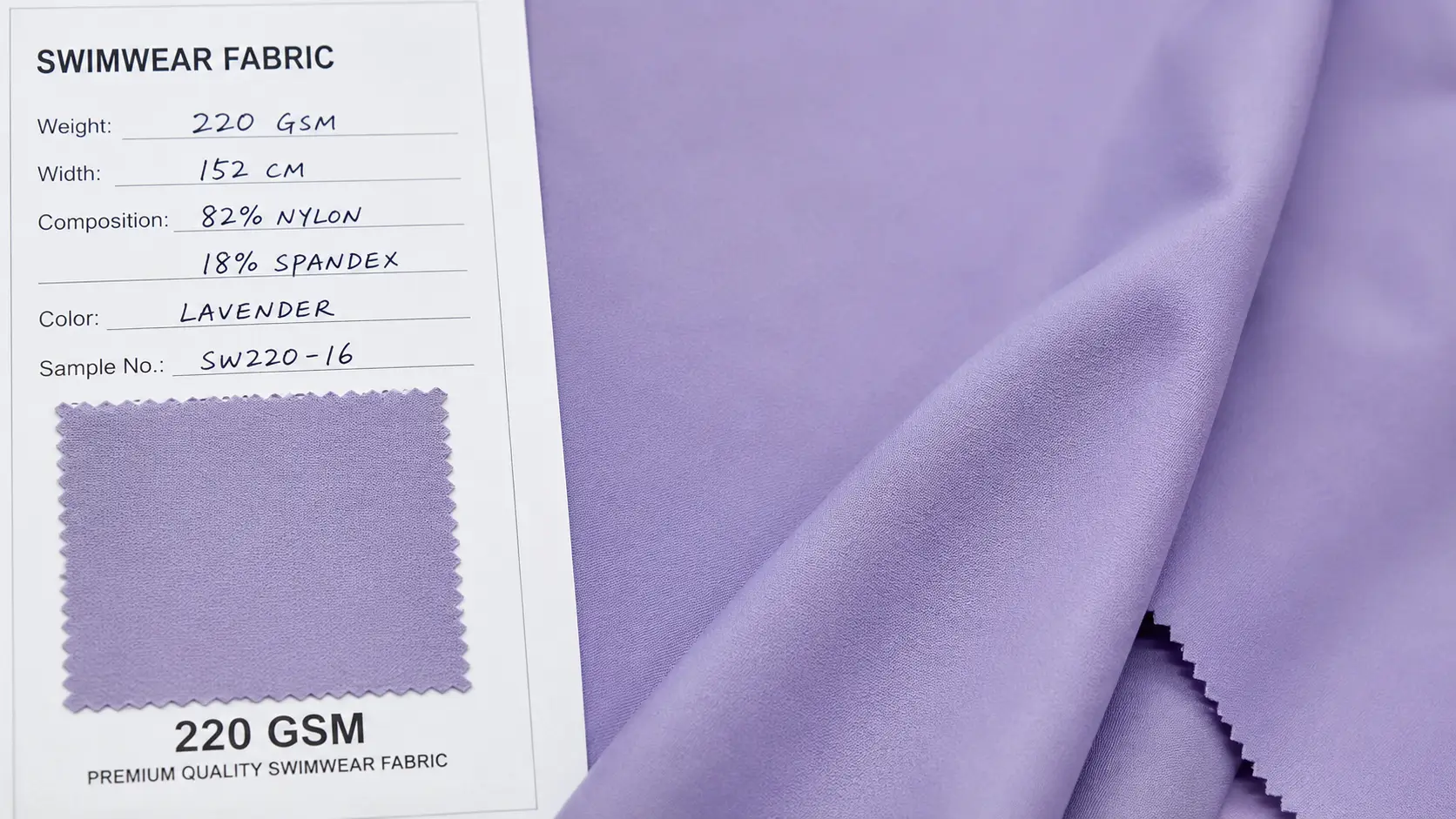
Fabric Weight
Verify that the fabric weight matches the approved specification.
Incorrect fabric weight may affect:
- Support
- Opacity
- Stretch
- Overall product quality
Stretch and Recovery
Swimwear depends on excellent elasticity.
Quality inspectors evaluate:
Four-way stretch performance
Recovery after stretching
Elastic stability
Poor recovery often leads to garments becoming loose after repeated wear.
Fabric Width
The width of each fabric roll should match production requirements.
Incorrect width may result in:
Material waste
Pattern placement issues
Increased production costs
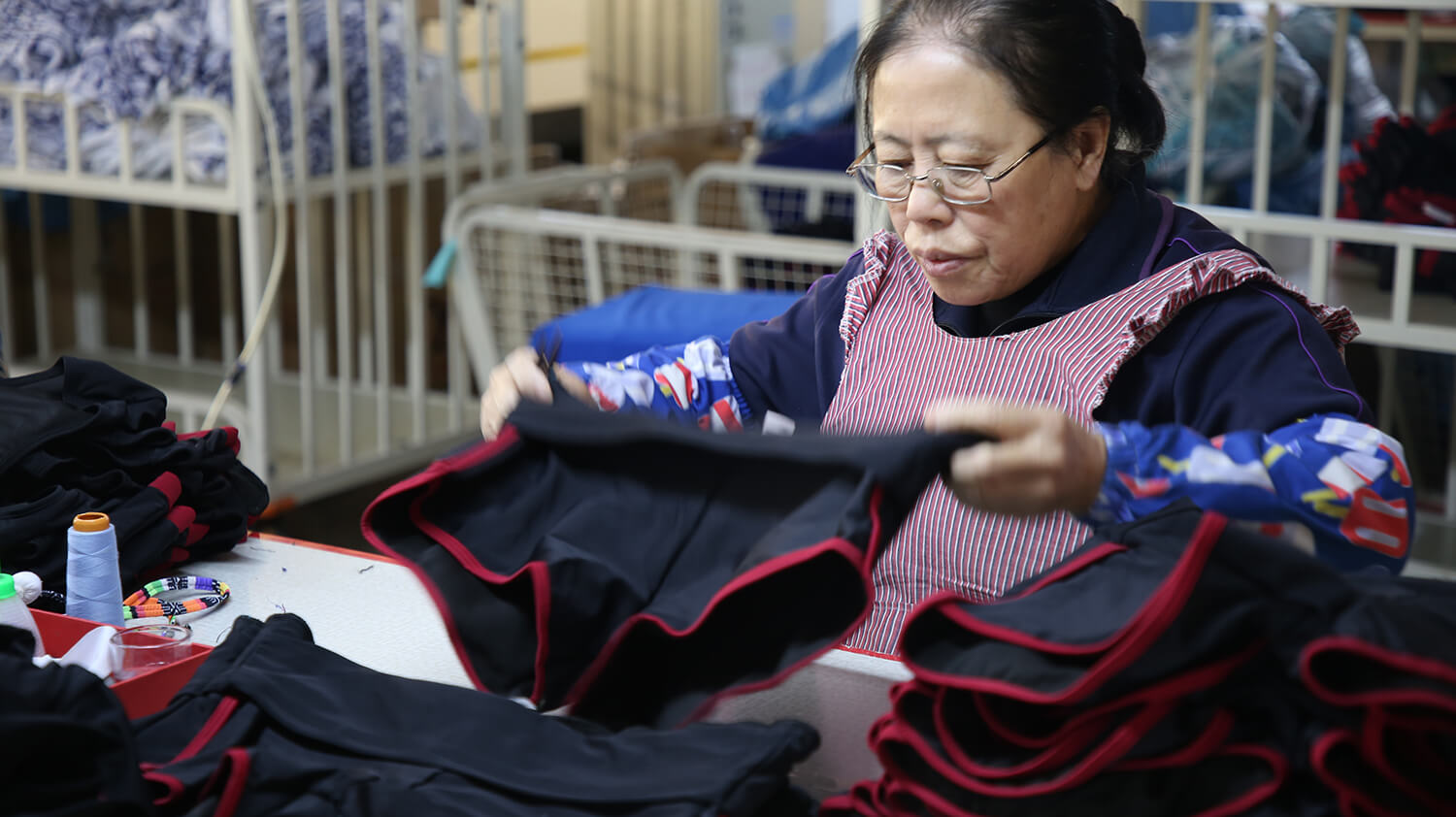
Trim and Accessory Inspection
Quality control also covers every accessory used in production.
Inspect:
- Elastic bands
- Bra cups
- Drawcords
- Metal rings
- Sliders
- Buckles
- Hooks
- Silicone logos
- Woven labels
- Care labels
Inspectors verify:
- Color consistency
- Dimensions
- Material quality
- Surface finish
- Functionality
Only approved accessories proceed to production.
Stage 2 – Pre-Production Inspection
Before cutting begins, manufacturers conduct a pre-production meeting with the production team.
The purpose is to confirm that everyone understands the product requirements and quality standards.
This stage helps prevent mistakes before large quantities of fabric are cut.
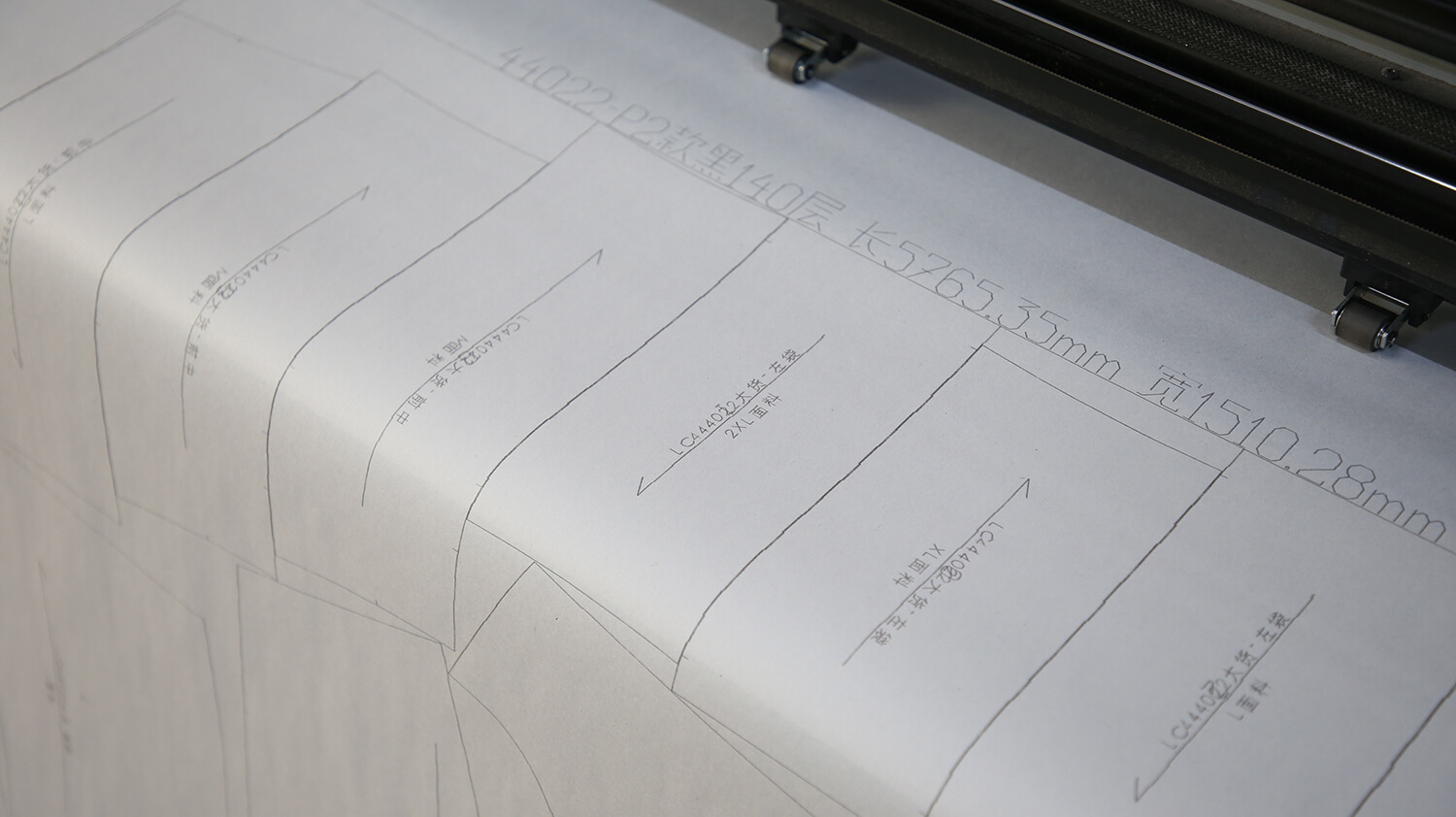
Pre-Production Checklist
The production team confirms:
Approved Sample
The approved sample becomes the quality reference for the entire production run.
Every department should review:
- Appearance
- Construction
- Measurements
- Logo placement
- Fabric
- Accessories
- Technical Pack Review
The latest tech pack should be reviewed carefully.
Verify:
- Product dimensions
- Construction details
- Sewing instructions
- Fabric information
- Packaging requirements
Only the latest approved version should be used.
Pattern Verification
Pattern makers confirm:
- Pattern accuracy
- Size grading
- Seam allowance
- Cutting lines
- Marker layout
Correct patterns ensure consistent sizing throughout production.
Machine Preparation
Before production starts, sewing equipment should be inspected and adjusted.
Check:
- Needle condition
- Thread type
- Thread tension
- Machine calibration
- Presser foot settings
Proper machine setup reduces sewing defects and improves production efficiency.
Operator Training
If the product includes special construction techniques, supervisors should train operators before production begins.
Examples include:
- Decorative stitching
- Elastic attachment
- Complex strap construction
- Special logo application
Proper training ensures consistent workmanship across all production lines.
Why Early Quality Control Saves Time and Money
Many production problems originate during the early stages of manufacturing.
Finding defects before cutting and sewing begins allows manufacturers to correct issues without wasting large amounts of fabric, labor, or production time.
For example:
Replacing an incorrect fabric roll before cutting takes only a few minutes.
Discovering the same issue after 5,000 garments have been produced could require costly rework or complete replacement.
For this reason, professional swimwear manufacturers place significant emphasis on preventive quality control rather than relying only on final inspections.
Early inspections not only improve product quality but also reduce production costs, shorten delivery times, and increase customer confidence.
Stage 3 – In-Line Production Inspection
Once bulk production begins, quality control becomes an ongoing process rather than a single inspection at the end of the production line.
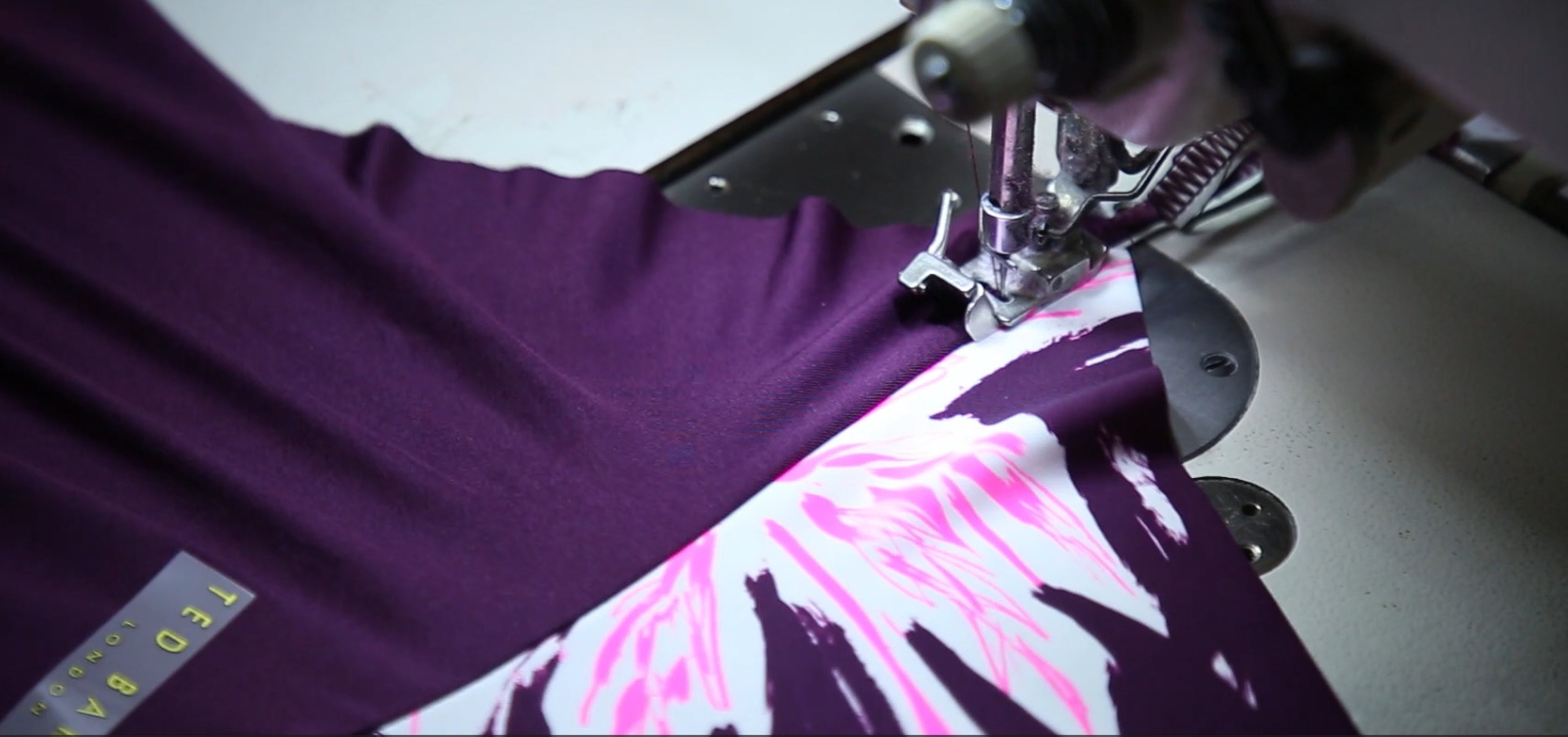
Professional swimwear factories perform in-line inspections at different stages of manufacturing to identify problems as early as possible. Correcting defects immediately helps reduce waste, improve production efficiency, and maintain consistent product quality.
Instead of waiting until thousands of garments have been completed, inspectors regularly monitor the production line and provide immediate feedback to sewing operators and supervisors.
Why In-Line Inspection Matters
In-line inspection helps manufacturers:
- Detect quality issues early
- Reduce repair costs
- Improve production consistency
- Minimize material waste
- Maintain delivery schedules
- Increase customer satisfaction
Factories that rely only on final inspections often spend significantly more time repairing defective products.
Cutting Inspection Checklist
Before sewing begins, inspectors review all cut fabric panels.
The objective is to ensure every component has been cut accurately according to the approved pattern.
Inspect the following:
Pattern Accuracy
Verify that every panel matches the approved pattern.
Check:
- Shape consistency
- Seam allowance
- Curved edges
- Symmetry
Incorrect cutting cannot usually be corrected during sewing.
Fabric Direction
Stretch fabrics have different stretch directions.
Inspectors confirm:
- Grain direction
- Stretch direction
- Print orientation
- Stripe or pattern alignment
Incorrect fabric direction can seriously affect garment fit and comfort.
Print Placement
For printed swimwear, check that every pattern piece aligns correctly.
Look for:
- Misaligned prints
- Cropped graphics
- Inconsistent placement
- Uneven repeat patterns
Accurate print matching creates a more premium finished product.
Sewing Quality Checklist
Sewing quality has one of the greatest impacts on product durability and customer satisfaction.
Every seam should be strong enough to withstand repeated stretching while remaining comfortable against the skin.
Inspectors should review the following areas.
Stitch Consistency
Check:
- Uniform stitch length
- Straight stitching
- Smooth curves
- Balanced thread tension
Uneven stitching often indicates incorrect machine settings or operator error.
Seam Strength
Swimwear is constantly stretched during use.
Inspect high-stress areas such as:
- Shoulder straps
- Side seams
- Waistbands
- Leg openings
- Crotch seams
Seams should remain secure without visible gaps or loose threads.
Thread Quality
Verify that the correct thread has been used.
Inspect for:
- Broken thread
- Loose thread ends
- Skipped stitches
- Thread color consistency
Poor thread quality can shorten the lifespan of the garment.
Elastic Attachment
Elastic components should be evenly sewn without twisting or puckering.
Inspect:
- Waist elastic
- Leg openings
- Under-bust elastic
- Shoulder straps
Uneven elastic attachment can negatively affect fit and appearance.
Lining Construction
The lining should lie flat inside the garment.
Check for:
- Wrinkles
- Twisting
- Uneven attachment
- Visible lining edges
A well-constructed lining improves comfort and enhances the overall quality of the swimsuit.
Measurement Inspection Checklist
Consistent sizing is essential for reducing customer returns.
Random garments should be measured throughout production rather than waiting until the final inspection.
Compare all measurements with the approved specification sheet.
Common measurement points include:
- Bust width
- Waist width
- Hip width
- Body length
- Strap length
- Leg opening
- Front rise
- Back rise
Measurements should remain within the agreed production tolerance.
Printing and Logo Inspection
Branding details play an important role in creating a professional product.
Inspect every printed or decorative element carefully.
Logo Placement
Confirm that logos are positioned exactly according to the approved artwork.
Check:
- Horizontal alignment
- Vertical alignment
- Distance from seams
- Consistent placement across all sizes
Even small positioning differences can affect brand presentation.
Print Quality
Inspect for:
- Blurred graphics
- Color differences
- Ink bleeding
- Incomplete prints
- Cracking
- Peeling
Prints should remain clear and vibrant after stretching.
Silicone and Rubber Logos
If silicone logos are used, verify:
- Strong adhesion
- Smooth surface
- Correct thickness
- Consistent color
They should remain firmly attached without lifting at the edges.
Accessory Inspection
Many swimwear products include decorative or functional accessories.
Inspect:
- Metal rings
- Sliders
- Hooks
- Buckles
- Drawcord tips
- Decorative charms
Check that all accessories are:
- Properly attached
- Free from scratches
- Rust-resistant
- Smooth without sharp edges
Premium accessories contribute to a better customer experience and improve the perceived value of the product.
Functional Performance Testing
In addition to visual inspections, professional manufacturers perform functional testing to ensure the product performs as expected.
Stretch Recovery Test
Stretch the garment repeatedly to verify that the fabric returns to its original shape.
Poor recovery may result in:
- Bagging
- Permanent deformation
- Reduced garment life

Seam Strength Test
Apply controlled tension to key seams.
Inspect for:
- Seam slippage
- Broken stitches
- Fabric tearing
This helps confirm that the garment can withstand normal wear.
Colorfastness Evaluation
When required, manufacturers test resistance to:
- Washing
- Chlorinated water
- Saltwater
- Perspiration
- Sunlight
Good colorfastness ensures products maintain their appearance throughout their lifespan.
Fit Verification
Random samples from production should be compared with the approved sample.
Inspect:
- Overall silhouette
- Body balance
- Strap positioning
- Leg opening
- Support level
Consistent fit across the production run is essential for customer satisfaction.
Stage 4 – Final Product Inspection
Once garments have been fully assembled, each production batch undergoes a comprehensive final inspection.
This inspection confirms that finished products meet all agreed quality requirements before packaging.
Inspectors typically evaluate:
Overall Appearance
Check for:
- Clean finishing
- Proper symmetry
- Correct color
- Professional presentation
Cleanliness
Finished garments should be free from:
- Oil stains
- Dirt
- Loose threads
- Pen marks
- Glue residue
Every product should be ready for retail presentation.
Construction Quality
Verify that all construction details match the approved sample.
Inspect:
- Stitching
- Lining
- Elastic
- Logos
- Accessories
- Labels
Size Verification
Measure selected garments from each production batch to confirm sizing consistency.
Consistent sizing helps reduce customer complaints and product returns.
Common Swimwear Quality Problems
Understanding common manufacturing defects helps brands communicate more effectively with their suppliers.
Examples include:
| Problem | Possible Cause | Recommended Solution |
|---|---|---|
| Uneven stitching | Incorrect machine settings | Recalibrate machines and retrain operators |
| Loose threads | Poor finishing | Improve thread trimming process |
| Twisted straps | Incorrect assembly | Review sewing sequence and attachment method |
| Uneven print placement | Pattern alignment issues | Improve cutting accuracy and print positioning |
| Fabric puckering | Incorrect thread tension | Adjust machine settings and test sewing parameters |
| Incorrect sizing | Pattern or grading errors | Verify measurements before cutting |
| Uneven logo placement | Manual positioning inconsistency | Use positioning templates during application |
Why Continuous Quality Control Creates Better Products
Quality should never depend on a single inspection at the end of production.
The most successful swimwear manufacturers build quality into every stage of the process—from fabric inspection and pattern verification to sewing, measurement checks, and final product evaluation.
A proactive quality management system helps brands:
- Deliver more consistent products
- Reduce costly rework
- Improve production efficiency
- Protect brand reputation
- Increase customer satisfaction
For brands building a long-term business, investing in quality control is not an additional cost—it is one of the most valuable investments in product reliability and customer trust.
Stage 5 – Pre-Shipment Inspection
The final stage of quality control takes place after production has been completed and before the goods leave the factory.
A Pre-Shipment Inspection (PSI) is one of the most important checkpoints because it provides the last opportunity to identify and correct problems before products reach customers.
Many international buyers either conduct their own inspection or hire a third-party inspection company to verify product quality.
A professional Custom Swimwear Manufacturer should fully support this process and provide access to finished products for inspection.
Pre-Shipment Inspection Checklist
Inspectors typically examine products using internationally recognized sampling methods (such as ANSI/ASQ Z1.4 or the buyer’s specified AQL standard).
The inspection should cover the following areas.
Product Quantity
Confirm that the shipment matches the purchase order.
Verify:
Total production quantity
Quantity by style
Quantity by color
Quantity by size
Incorrect quantities can create inventory shortages and delay customer deliveries.
Appearance Inspection
Randomly inspect garments from different cartons.
Check for:
- Clean appearance
- Symmetrical construction
- Consistent colors
- Correct print placement
- No visible stains
- No fabric damage
- No loose threads
Every garment should match the approved production sample.
Measurement Verification
Select random garments from each size.
Compare measurements with the approved specification sheet.
Common measurement points include:
- Bust
- Waist
- Hip
- Front length
- Back length
- Strap length
- Leg opening
- Side seam
Measurements should remain within the agreed production tolerance.
Function Test
Inspect the functional performance of the garment.
Check:
- Stretch recovery
- Elastic performance
- Seam strength
- Hook and buckle function
- Strap adjustment
- Padding position
The product should perform normally during everyday use.
Color Consistency
Compare products from different production batches.
Verify:
- Fabric color
- Print color
- Trim color
- Logo color
Consistent color is especially important for large wholesale orders.
Packaging Quality Checklist
Packaging protects products during transportation and represents the first physical interaction customers have with your brand.
Poor packaging can negatively affect customer perception, even if the garment itself is well made.
Professional manufacturers inspect packaging with the same attention given to the garments.
Individual Product Packaging
Check that every product includes the correct packaging materials.
Inspect:
- Poly bag quality
- Zipper bag quality
- Tissue paper
- Protective inserts
- Barcode labels
- Size stickers
Packaging should be clean, undamaged, and correctly sealed.
Label Verification
Confirm that all labels are accurate.
Review:
- Brand labels
- Care labels
- Size labels
- Country of origin labels
- Material composition labels
- Washing instructions
Incorrect labels may lead to customs issues or customer complaints.
Hang Tags
Inspect:
- Tag quality
- Printing accuracy
- Logo clarity
- Attachment method
All hang tags should match the approved artwork.
Carton Inspection
Shipping cartons should be checked for:
- Correct carton size
- Product quantity
- Carton strength
- Shipping marks
- Barcode labels
- Destination labels
Strong export cartons help prevent damage during transportation.
Shipping Documentation Checklist
Before shipment, manufacturers should prepare all required export documents.
Typical documents include:
- Commercial Invoice
- Packing List
- Bill of Lading or Air Waybill
- Certificate of Origin (if required)
- Inspection Report (if applicable)
- Shipping Labels
- Customs Documentation
Brands should review these documents carefully to ensure accuracy before shipment.
Buyer Quality Control Checklist
Before approving shipment, buyers should confirm the following:
Materials
✓ Correct fabric
✓ Correct color
✓ No visible defects
✓ Proper stretch performance
Construction
✓ Strong seams
✓ Clean stitching
✓ Proper lining
✓ Secure elastic
Branding
✓ Correct logo placement
✓ Correct labels
✓ Correct packaging
✓ Approved hang tags
Measurements
✓ Size accuracy
✓ Consistent grading
✓ Correct garment dimensions
Packaging
✓ Clean packaging
✓ Correct quantity
✓ Proper carton labeling
Using a standardized checklist helps ensure consistent quality across every production order.
Why Quality Control Protects Your Brand
Quality control is much more than identifying defects.
It is an investment in your brand reputation.
Consistently delivering high-quality swimwear offers several long-term benefits:
- Higher customer satisfaction
- Fewer product returns
- Stronger online reviews
- Better retailer relationships
- Lower after-sales costs
- Increased customer loyalty
For brands competing in today’s global market, consistent quality is often a stronger competitive advantage than price alone.
By working with a manufacturer that follows a structured quality management system, brands can build long-term trust with customers while reducing operational risks.
FAQ
Quality control is a systematic process of inspecting materials, production, finished garments, packaging, and shipments to ensure products meet agreed specifications and quality standards.
Quality control should begin before production starts with raw material inspection and continue throughout cutting, sewing, finishing, packaging, and shipment.
Waiting until the final inspection increases the risk of costly defects.
Quality Control (QC) focuses on identifying and correcting defects during production.
Quality Assurance (QA) focuses on creating systems and procedures that prevent defects from occurring in the first place.
Professional manufacturers implement both QA and QC to achieve consistent product quality.
For large production orders or first-time manufacturing partnerships, third-party inspections provide an additional level of confidence.
They offer independent verification of product quality before shipment.
Brands can reduce defects by:
- Providing detailed tech packs
- Approving production samples carefully
- Communicating clearly with manufacturers
- Reviewing production updates regularly
- Conducting pre-shipment inspections
Strong collaboration between the brand and manufacturer leads to more consistent quality.