
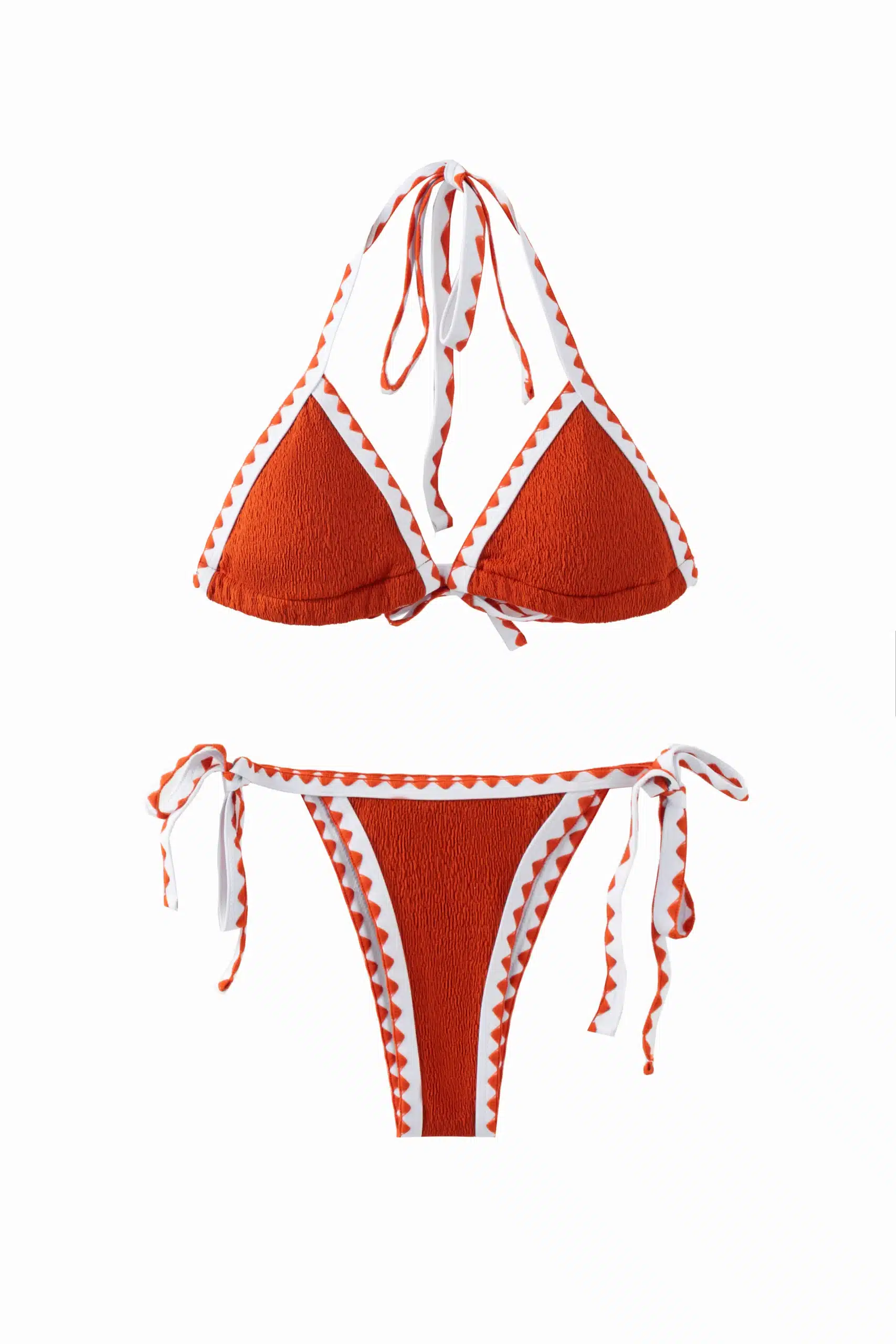
 Bikini
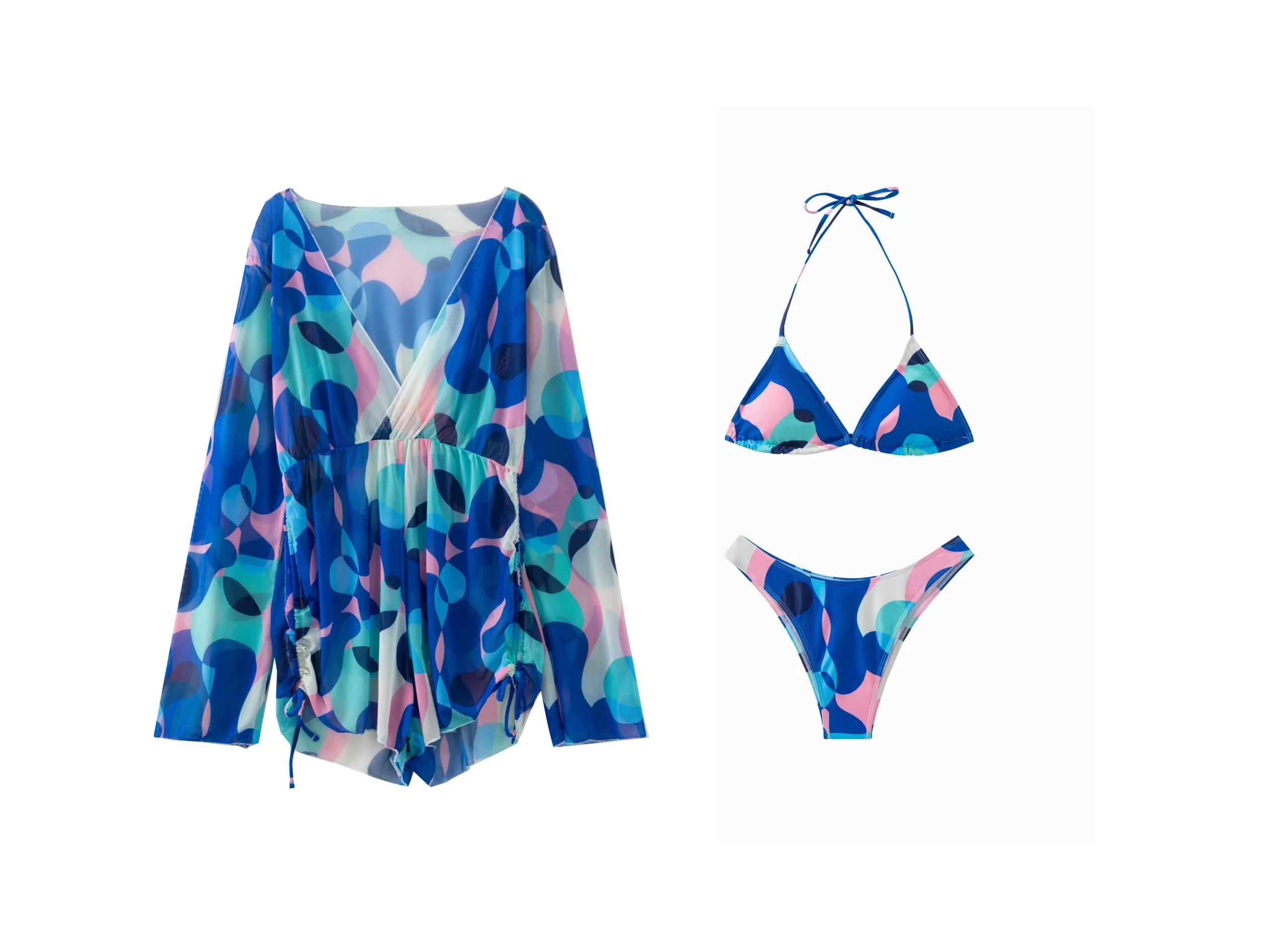 Bikini Cover-Up Set
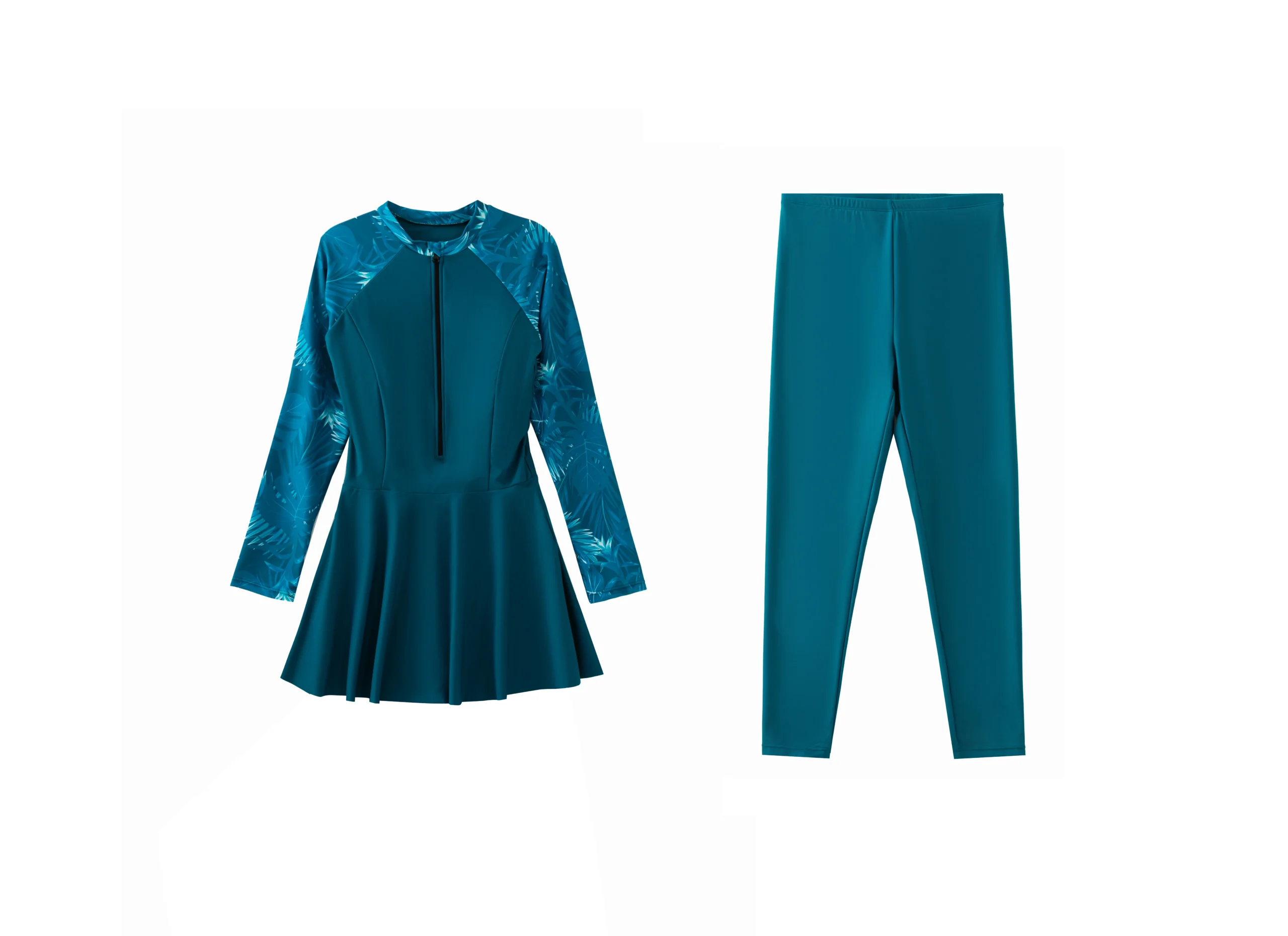 Burkini Swimwear
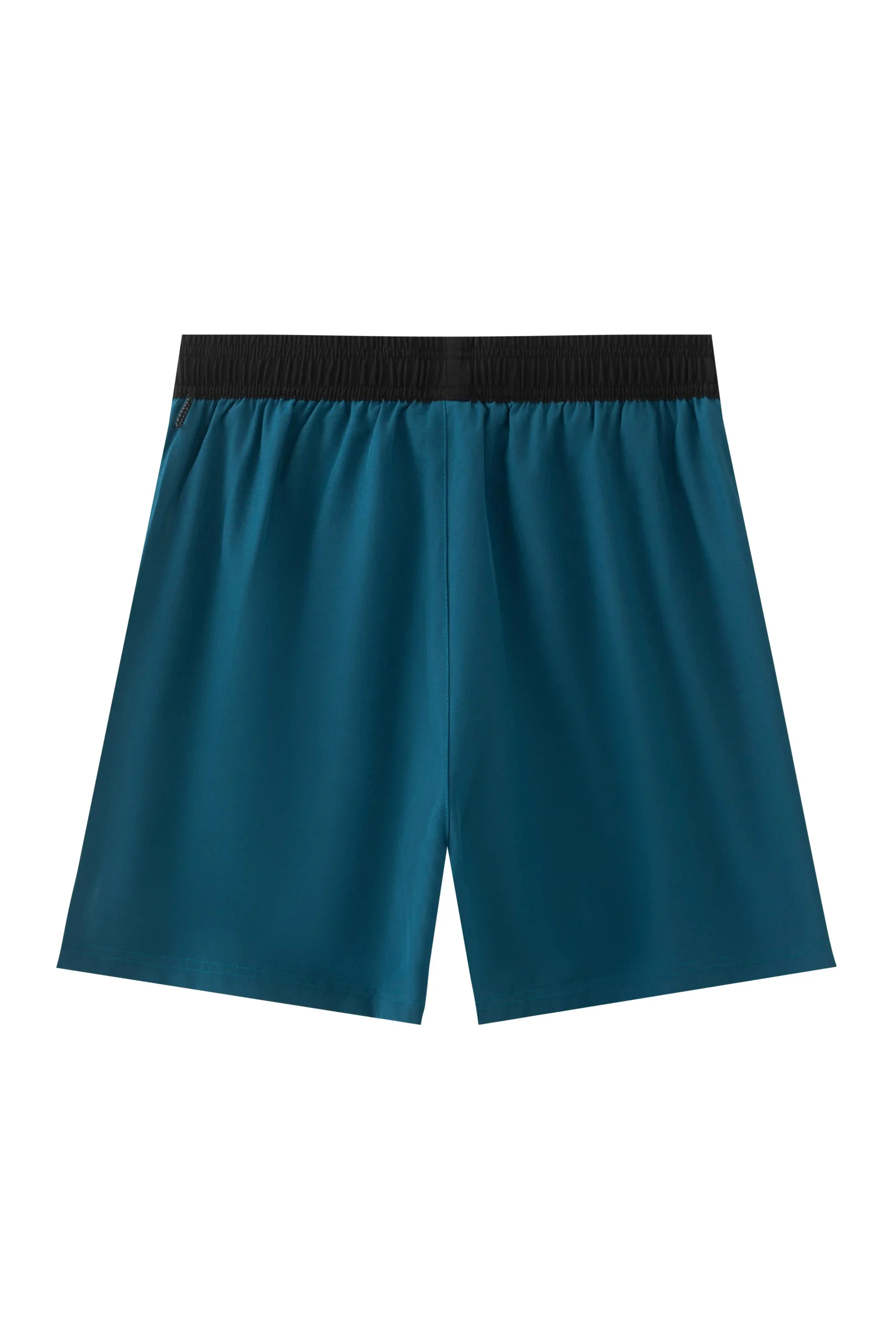 Men Swimwear
 One-Piece Swimsuits
 Two-Piece Swimsuits
 Rash Guards
 Swim Trunks
 Boy Swimsuits
 Poncho
 Beach Towel
 Sun Hat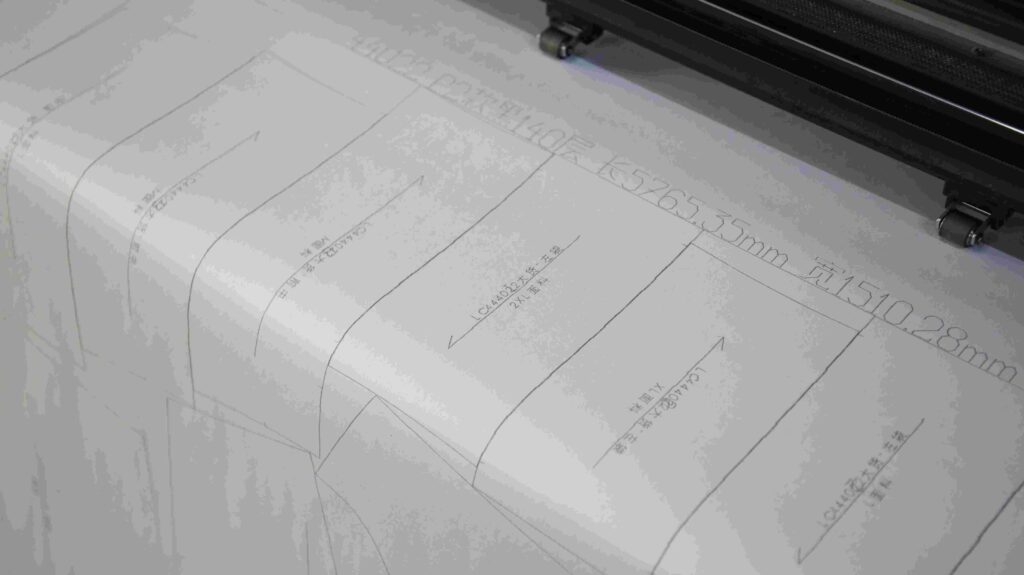
Great Swimwear Starts with the Right Pattern
A beautiful swimwear design can attract attention, but the pattern determines whether the finished product actually fits, supports, stretches, and performs correctly.
Swimwear pattern making is significantly different from pattern development for ordinary clothing. Therefore, pattern makers must carefully calculate stretch, recovery, negative ease, seam placement, support, and body movement because swimsuits are made from highly elastic fabrics and are designed to fit closely against the body.
Even a difference of only a few centimeters can dramatically change how a bikini or one-piece swimsuit fits.
Therefore, for swimwear brands, understanding basic swimwear pattern making techniques makes it easier to communicate with designers and manufacturers, evaluate samples, solve fitting problems, and develop more consistent collections.
This guide explains how professional pattern makers transform a design concept into a production-ready swimsuit pattern—from measurements and stretch calculations to fitting, revisions, and size grading.
What Is Swimwear Pattern Making?
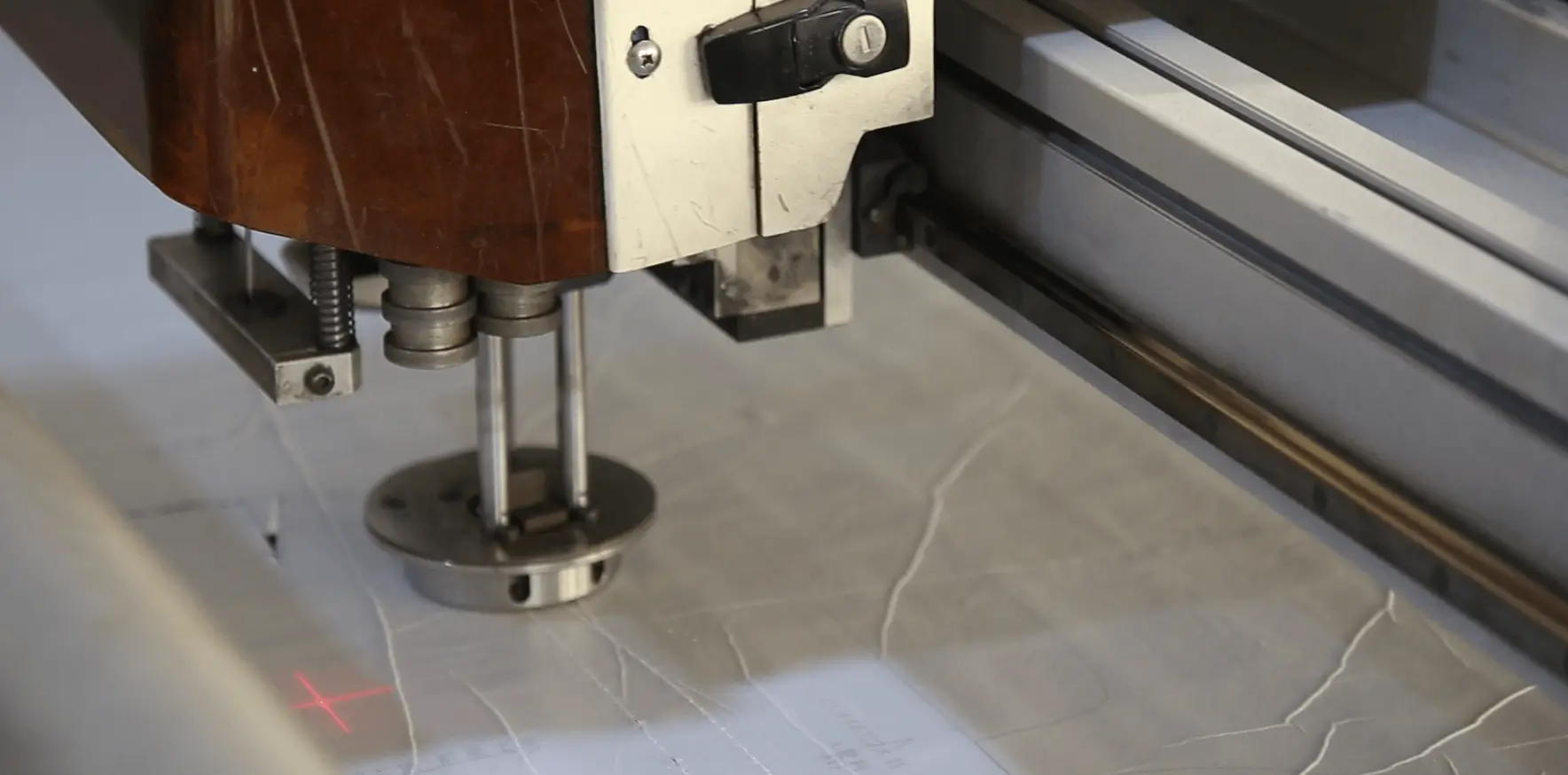
Swimwear pattern making is the technical process of converting a swimsuit design into two-dimensional pattern pieces that can be used to cut fabric and assemble the final garment.
In fact, a pattern defines much more than the basic shape of a swimsuit.
It controls:
- Garment dimensions
- Body coverage
- Bust support
- Waist positioning
- Leg openings
- Strap placement
- Seam locations
- Fabric tension
- Overall silhouette
For example, a triangle bikini top may appear simple, but the pattern maker still needs to determine:
- Cup width
- Cup height
- Neck strap position
- Under-bust coverage
- Seam allowance
- Lining construction
- Elastic allowance
- Fabric stretch reduction
Therefore, every measurement affects the final fit.
This is why professional pattern development is one of the most important stages of the swimwear manufacturing process.
Why Swimwear Pattern Making Is Different from Regular Apparel
Traditional garments usually include additional room between the body and garment. Swimwear often works in the opposite way.
The garment needs to stretch around the body while maintaining enough tension to stay in position.
This introduces several technical challenges.
1. Swimwear Uses High-Stretch Fabrics
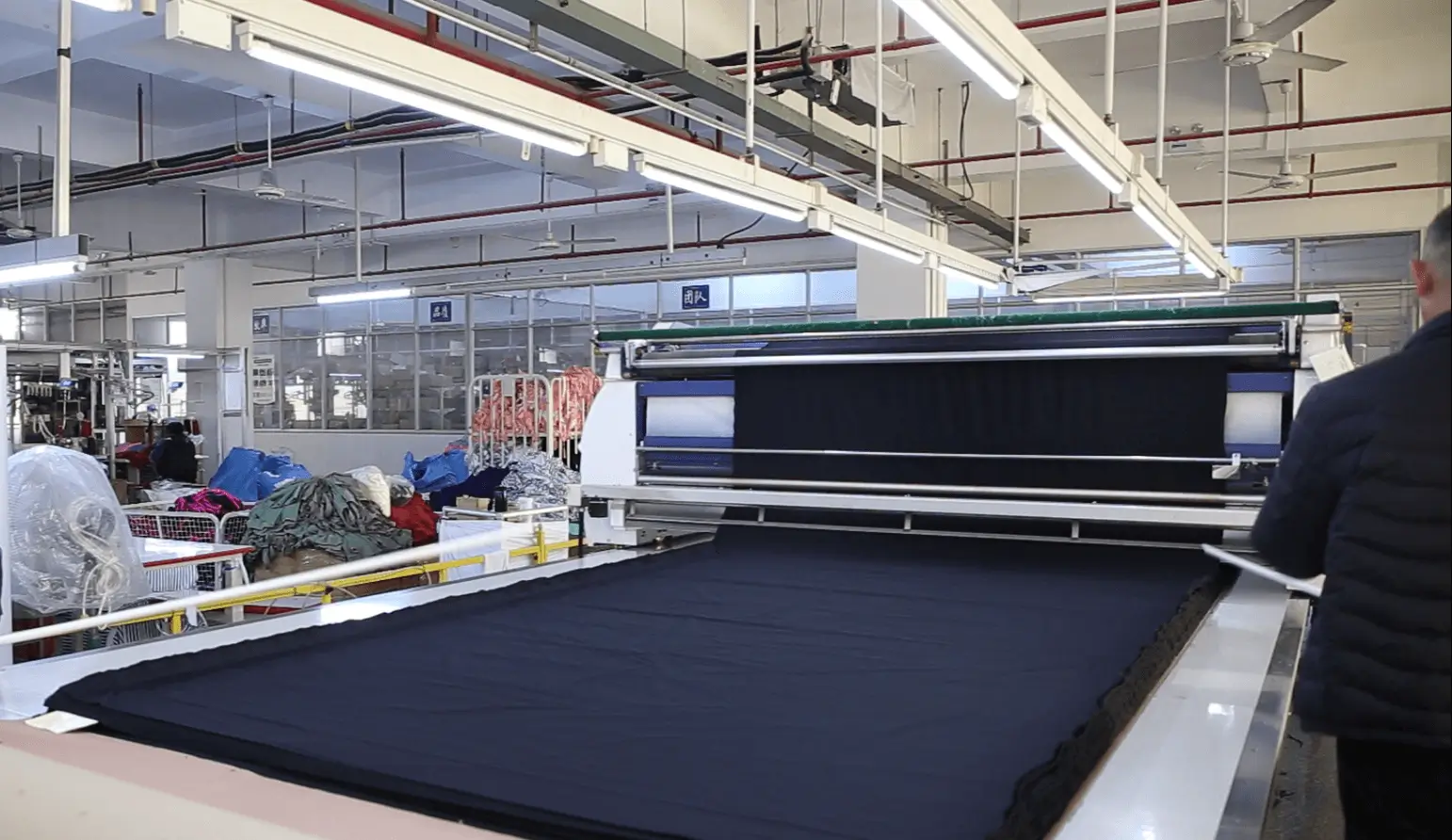
Common swimwear materials may stretch significantly in both horizontal and vertical directions.
Examples include:
- Nylon Spandex
- Polyester Spandex
- Recycled Polyester
- Recycled Nylon
- Textured stretch fabrics
- Ribbed swimwear fabrics
The pattern therefore cannot simply reproduce the customer’s body measurements.
The pattern maker must understand how much the selected fabric stretches and how effectively it recovers.
2. Swimwear Often Requires Negative Ease
Negative ease means the garment measurement is intentionally smaller than the body measurement.
For example, if a body measurement is 90 cm, the corresponding swimsuit pattern may need to be smaller so the fabric stretches to fit the body.
However, there is no universal negative-ease percentage that works for every swimsuit.
The correct amount depends on:
- Fabric composition
- Stretch percentage
- Fabric recovery
- Garment style
- Support requirements
- Lining
- Elastic construction
- Target fit
Too much negative ease may make the swimsuit uncomfortable.
Too little can create:
- Sagging
- Gaping
- Loose waistbands
- Poor bust support
Professional pattern makers therefore evaluate the actual fabric before finalizing production patterns.
3. The Garment Must Work During Movement
Swimwear is designed for active environments.
Customers may:
- Swim
- Walk
- Dive
- Surf
- Play beach sports
- Sit and stand repeatedly
A swimsuit that looks perfect on a static mannequin may behave very differently during movement.
Pattern development must therefore consider both appearance and functionality.
Technique 1 – Start with Accurate Body Measurements
Professional pattern making begins with reliable body measurements.
Incorrect measurements create incorrect patterns, regardless of how advanced the pattern-making software may be.
Common measurements for women’s swimwear include:
- Bust circumference
- Under-bust circumference
- Waist circumference
- High hip
- Full hip
- Torso length
- Front rise
- Back rise
- Shoulder width
- Bust point position
For bikini tops, additional measurements may be required for cup development and support.
For one-piece swimsuits, torso length becomes particularly important because an incorrect vertical measurement can cause pulling at the shoulders or excess fabric around the waist.
Technique 2 – Calculate Fabric Stretch Before Finalizing the Pattern
One of the most important professional swimwear pattern making techniques is evaluating fabric stretch.
Two fabrics with the same fiber composition can behave differently.
For example, two fabrics may both contain nylon and spandex, but one may have significantly more stretch or stronger recovery than the other.
Before developing the final pattern, manufacturers should evaluate:
- Horizontal stretch
- Vertical stretch
- Recovery
- Fabric weight
- Compression
- Lining behavior
Basic Stretch Percentage Concept
A simple stretch test can help demonstrate how the fabric behaves.
For example, if a 10 cm section of fabric comfortably stretches to 15 cm:
Stretch Percentage = (15 − 10) ÷ 10 × 100 = 50%
This does not automatically mean that the pattern should be reduced by 50%.
Instead, the result becomes one of several factors the pattern maker uses when determining appropriate negative ease.
Actual pattern reduction also depends on comfort, recovery, construction, and intended fit.
Technique 3 – Apply Negative Ease Strategically
Negative ease should not necessarily be applied equally to every part of a swimsuit.
Different areas have different functional requirements.
For example:
Bust Area
Requires a balance between:
- Coverage
- Support
- Comfort
- Waist Area
Usually requires enough tension to keep the garment securely positioned.
Leg Openings
Must remain secure without creating excessive pressure.
Torso
For one-piece swimsuits, vertical tension must be carefully controlled.
This is why simply reducing an ordinary clothing pattern by a fixed percentage rarely produces professional swimwear.
Pattern makers adjust different sections individually according to the design and fabric performance.
Technique 4 – Engineer Bikini Top Patterns for Support
Bikini tops require particularly careful pattern development because the garment needs to combine appearance with support.
Pattern makers consider:
- Bust volume
- Cup coverage
- Under-bust tension
- Strap positioning
- Elastic strength
- Cup construction
- Padding
- Hardware
Different bikini styles require different technical approaches.
Triangle Bikini
Triangle bikini patterns need careful control of:
- Cup width
- Cup height
- Side coverage
- Strap attachment
Small adjustments can significantly change the level of coverage.
Bandeau Bikini
Because bandeau styles may have limited shoulder support, the pattern must carefully control:
- Upper edge tension
- Under-bust stability
- Side seam fit
Some designs may require additional internal support.
Underwire Bikini
Underwire swimwear is more technically demanding.
Pattern development may need to account for:
- Cup shape
- Underwire dimensions
- Cup seams
- Support panels
- Channeling
- Strap position
These styles often require additional sample rounds before production approval.
Technique 5 – Develop Bikini Bottom Patterns Around Coverage
Bikini bottoms can look similar in flat drawings but fit very differently depending on pattern proportions.
Pattern makers adjust:
- Front rise
- Back rise
- Side width
- Leg opening
- Waist position
- Front coverage
- Back coverage
For example, a Brazilian bikini bottom requires very different back pattern proportions from a full-coverage bikini.
High-waisted bottoms require additional attention to waist tension and torso shaping.
The goal is to achieve the intended aesthetic while maintaining comfort and stability during movement.
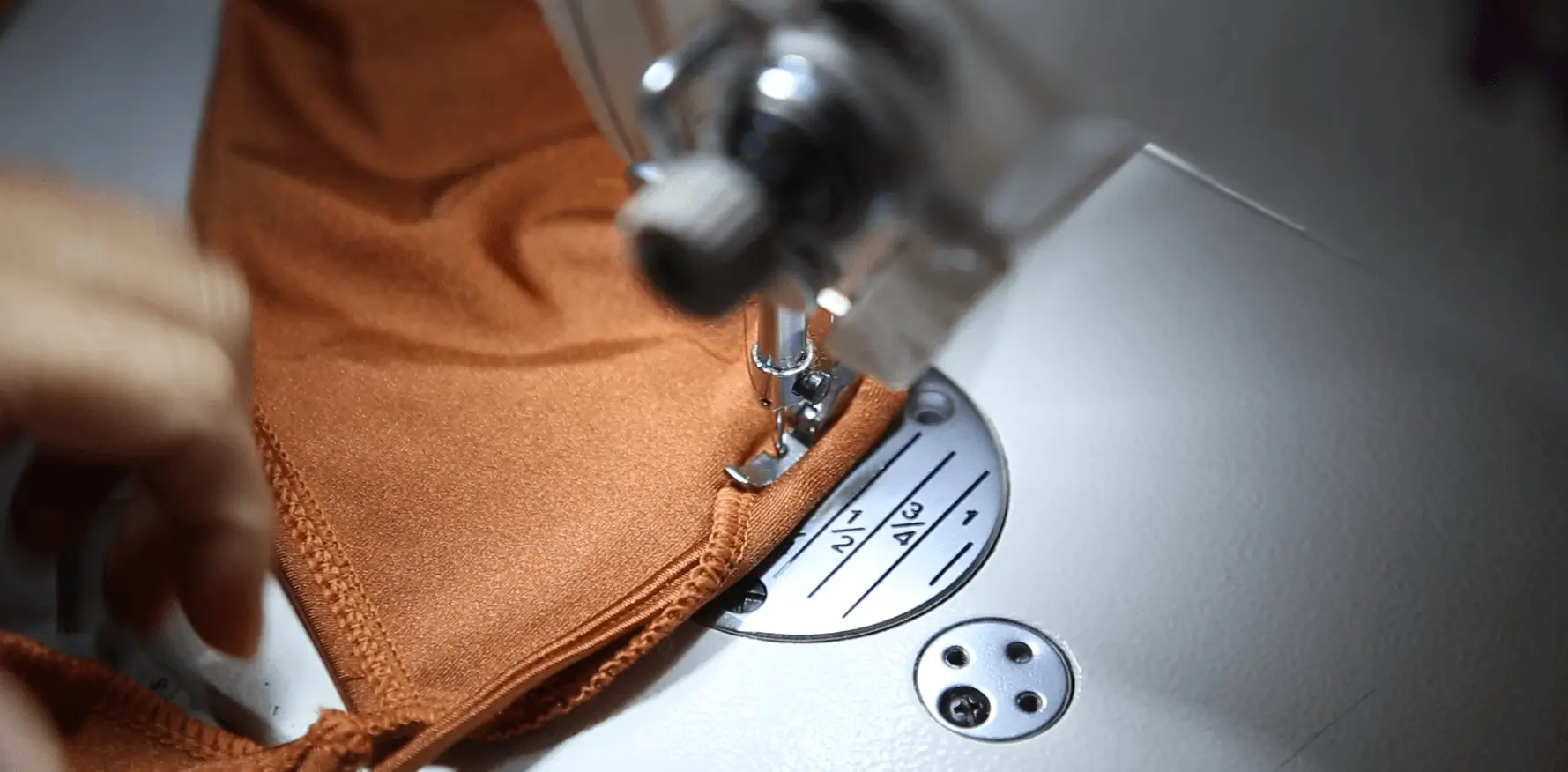
Technique 6 – Consider Elastic During Pattern Development
Elastic is a critical component of most swimwear.
It helps stabilize:
- Necklines
- Leg openings
- Waistbands
- Under-bust areas
- Straps
The elastic length usually needs to be shorter than the corresponding fabric edge so that it provides controlled tension.
However, excessive tension can create:
- Puckering
- Digging
- Distorted edges
- Discomfort
Insufficient tension may cause:
Gaping
Loose openings
Poor support
Professional manufacturers test elastic ratios during sample development rather than relying on one universal setting.
Pattern Making Is Closely Connected to Sampling
A pattern should never be considered final simply because it looks correct on a computer screen.
The true test begins when the first physical sample is produced.
During swimwear sample development, brands and manufacturers evaluate:
- Overall fit
- Coverage
- Support
- Comfort
- Fabric tension
- Strap position
- Seam placement
- Movement
The pattern maker then uses this feedback to adjust the pattern.
For many custom designs, the process may involve:
Pattern → Sample → Fitting → Revision → New Sample → Approval
This iterative approach is normal and is one of the most reliable ways to achieve consistent fit before bulk production.
Why Brands Should Care About Pattern Quality
Pattern making may happen behind the scenes, but customers experience its results immediately.
Poor patterns can cause:
- High return rates
- Inconsistent sizing
- Poor online reviews
- Uncomfortable products
- Fit complaints
- Low repeat purchase rates
Well-developed patterns contribute to:
- Better fit
- More consistent sizing
- Stronger customer satisfaction
- Easier production
- More reliable repeat orders
For brands working with a Custom Swimwear Manufacturer, pattern development should therefore be treated as a core product-development investment—not simply another technical step before sewing.
A strong pattern creates the foundation for everything that follows: sampling, grading, cutting, production, quality control, and ultimately the customer’s experience with the product.
Technique 7 – One-Piece Swimsuit Pattern Making
One-piece swimsuits are often more technically demanding than bikini separates because the pattern must control both horizontal and vertical stretch across the entire torso.
A well-developed one-piece pattern should follow the body closely without creating excessive tension at the shoulders, bust, waist, hips, or leg openings.
Pattern makers need to consider:
- Torso length
- Bust volume
- Waist shaping
- Hip measurements
- Front rise
- Back rise
- Leg opening shape
- Neckline depth
- Back coverage
- Shoulder strap length
The relationship between these measurements is particularly important.
For example, if the torso length is too short, the garment may pull uncomfortably at the shoulders and leg openings. If it is too long, excess fabric may gather around the waist or lower back.
Managing Vertical Stretch
Vertical stretch is particularly important when developing one-piece swimsuits.
The pattern maker must understand how the selected fabric behaves along the length of the body.
Too much vertical reduction can create:
- Shoulder pressure
- Excessive leg-opening tension
- Flattened bust shape
- Uncomfortable fit
Too little vertical reduction can cause:
- Wrinkles
- Sagging
- Loose waist areas
- Poor body shaping
This is why fabric stretch testing should be completed before the final pattern is approved.
Technique 8 – Balance the Front and Back Patterns
Pattern balance is an important part of professional swimwear pattern making.
The front and back pieces must work together when sewn.
Pattern makers evaluate:
- Side seam length
- Shoulder seam length
- Crotch connection
- Waist positioning
- Leg opening alignment
- Neckline balance
If corresponding seam lengths do not match correctly, production problems may occur.
These can include:
- Twisted side seams
- Uneven leg openings
- Distorted silhouettes
- Fabric puckering
Before creating samples, professional pattern makers compare connecting seams and correct discrepancies.
Technique 9 – Plan Seam Placement Carefully
Seams influence both the appearance and performance of a swimsuit.
Good seam placement can:
- Improve body shaping
- Increase support
- Improve comfort
- Create visual interest
- Simplify production
Poor seam placement may create pressure points or uncomfortable areas.
Common Swimwear Seam Locations
Depending on the design, seams may appear at:
- Side body
- Center back
- Under bust
- Cup panels
- Crotch
- Waist
- Shoulder
For performance swimwear, seam placement may also be designed to reduce friction during movement.
Technique 10 – Add the Correct Seam Allowance
Seam allowance is the additional fabric outside the stitching line that allows garment pieces to be joined together.
The appropriate seam allowance depends on:
- Sewing machine
- Stitch type
- Construction method
- Elastic application
- Fabric behavior
Consistency is extremely important.
If different pattern pieces use incorrect seam allowances, finished garment measurements may change during sewing.
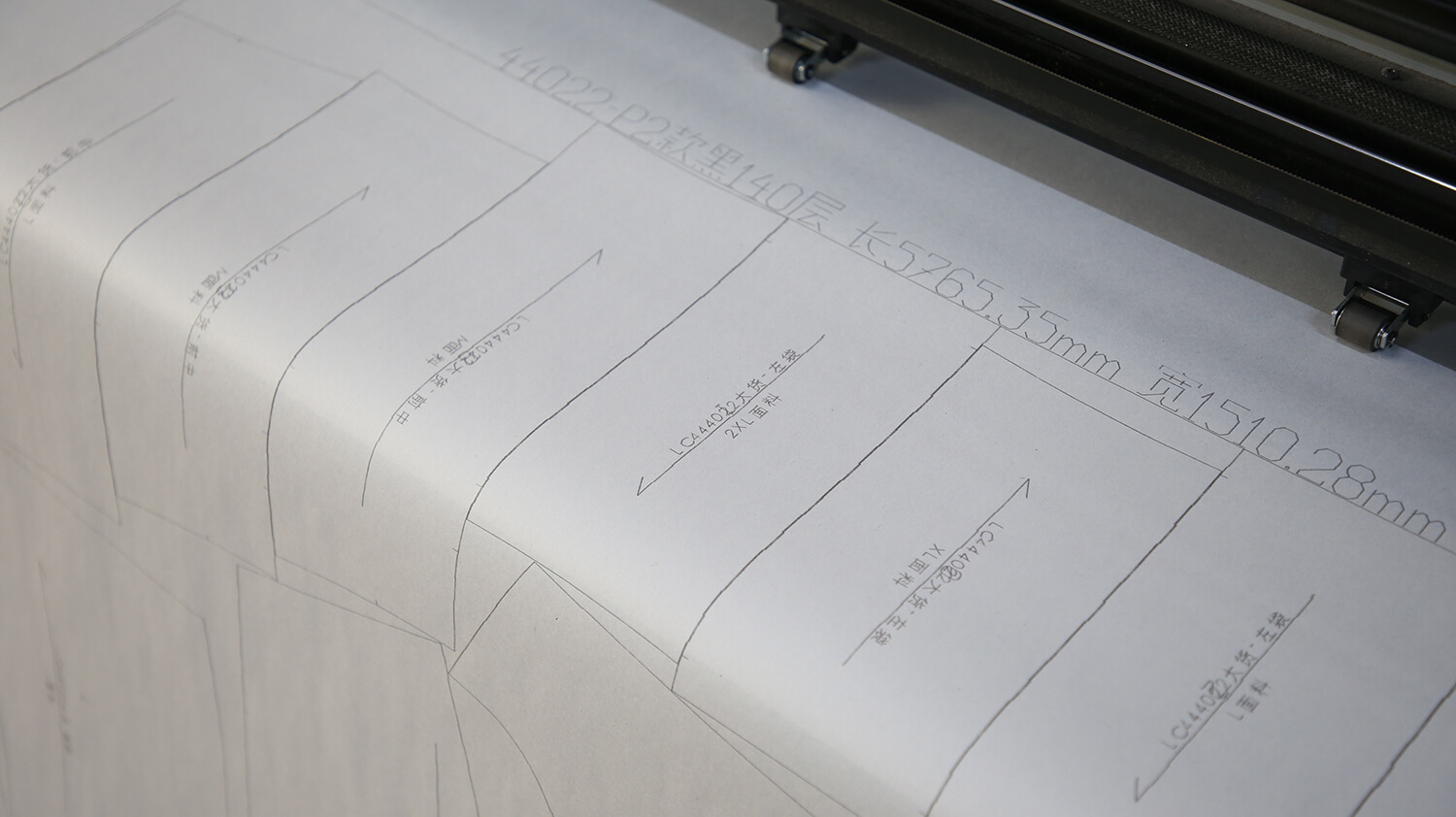
Pattern files should clearly identify:
- Cutting lines
- Stitching lines where needed
- Seam allowances
- Notches
- Placement marks
These details make patterns easier for production teams to interpret.
Technique 11 – Use Notches and Pattern Markings
Professional production patterns contain reference points that help sewing operators assemble garments correctly.
These may include:
- Notches
- Center lines
- Fold lines
- Strap positions
- Logo positions
- Elastic placement points
- Grain or stretch direction
For example, matching notches along a curved seam helps operators align two panels accurately.
Without clear markings, assembly becomes more dependent on individual operator judgment, which can increase inconsistency during bulk production.
Technique 12 – Swimwear Pattern Grading
Once the base size has been approved, the pattern must be developed into the full size range.
This process is called pattern grading.
For example, a brand may approve a medium-size sample and then require:
- XS
- S
- M
- L
- XL
- XXL
Grading is not simply enlarging or reducing the entire pattern by the same percentage.
Different areas of the body grow at different rates.
Professional grading considers:
- Bust
- Waist
- Hip
- Torso length
- Cup volume
- Rise
- Leg opening
- Strap position
Why Swimwear Grading Requires Special Attention
Stretch fabrics can hide minor pattern problems during fitting, but poor grading often becomes obvious at the smallest and largest sizes.
For example, simply scaling a medium bikini top proportionally may result in inadequate cup volume at larger sizes.
Likewise, enlarging a bikini bottom uniformly may create excessive coverage or incorrect leg-opening proportions.
Each size should preserve the intended:
- Silhouette
- Coverage
- Support
- Comfort
This is particularly important for brands offering inclusive sizing.
Technique 13 – Digital Swimwear Pattern Making
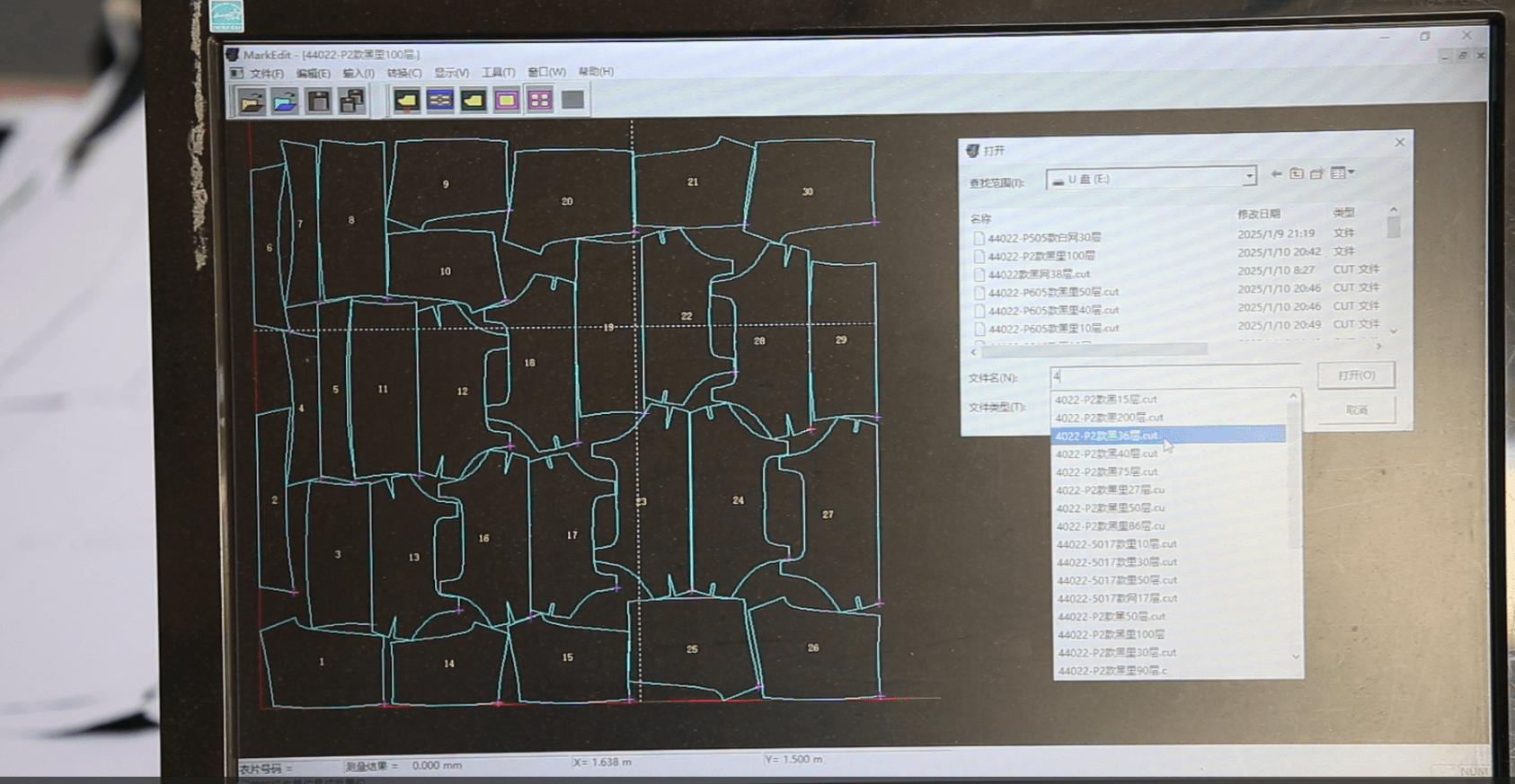
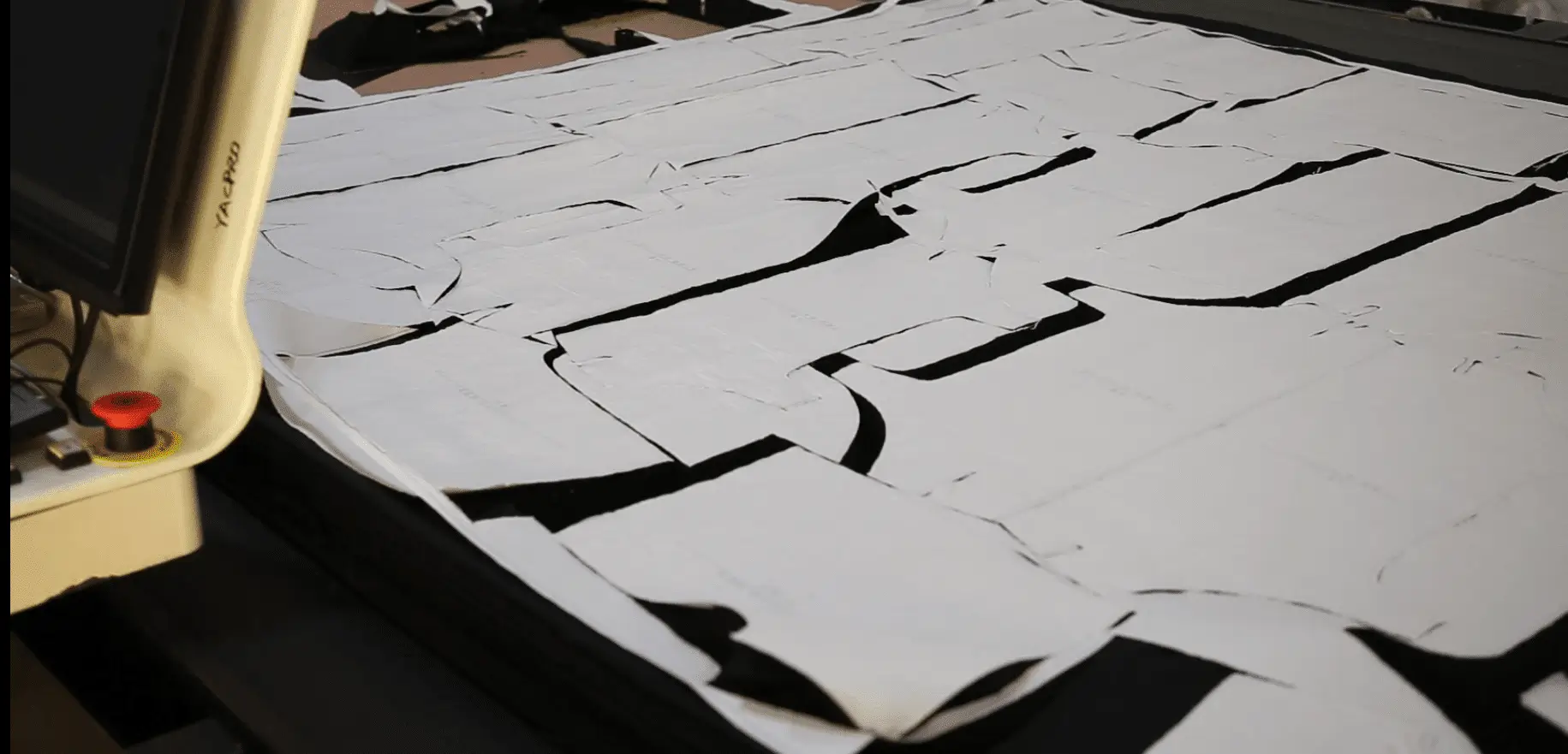
Many professional manufacturers now use CAD systems for pattern development.
Digital pattern making allows teams to create, modify, grade, and store patterns more efficiently.
Benefits include:
- Greater measurement accuracy
- Faster revisions
- More consistent grading
- Easier pattern storage
- Better communication
- Efficient marker planning
In addition, approved digital files make repeat orders easier because manufacturers can reuse established production data.
However, software does not replace an experienced pattern maker.
The system can execute measurements accurately, but the pattern maker still needs to understand:
- Human anatomy
- Fabric behavior
- Stretch ratios
- Construction
- Fit
The strongest results come from combining professional pattern-making knowledge with digital tools.
Technique 14 – Fit Testing the First Sample
Once the initial pattern is completed, the manufacturer creates a prototype.
This is where theoretical pattern development meets real-world performance.
During fitting, evaluate the garment from multiple angles.
Front Fit
Check:
- Bust coverage
- Neckline position
- Waist shape
- Front rise
- Symmetry
Side Fit
Evaluate:
- Side seam position
- Bust coverage
- Underarm fit
- Leg opening
Side seams should generally remain balanced rather than pulling noticeably toward the front or back.
Back Fit
Check:
- Back coverage
- Strap position
- Waist fit
- Fabric tension
- Wrinkles
Wrinkles can provide useful clues about where the pattern needs adjustment.
Technique 15 – Conduct Movement Testing
A swimsuit should not only fit while the wearer is standing still.
During sample testing, evaluate common movements such as:
- Raising arms
- Sitting
- Walking
- Bending
- Swimming movements
Watch for:
- Straps moving out of position
- Leg openings shifting
- Waistbands rolling
- Excessive fabric movement
- Gaping necklines
Movement testing is especially important for:
- Performance swimwear
- Rash guards
- Surfwear
- Kids’ swimwear
Common Swimwear Pattern Problems and Solutions
Understanding common fit problems can make communication between brands and manufacturers much easier.
| Pattern Problem | Possible Cause | Typical Correction |
|---|---|---|
| oose neckline | Insufficient negative ease | Reduce neckline length or adjust elastic tension |
| Shoulder straps dig in | Excessive vertical tension | Review torso length and strap length |
| Bottom rides up | Incorrect back coverage or leg shape | Adjust back pattern and leg opening |
| Waistband gaps | Insufficient waist tension | Reduce waist measurement or adjust elastic |
| Side seams twist | Pattern imbalance | Rebalance front and back panels |
| Fabric wrinkles at waist | Excess pattern length or width | Adjust torso shaping |
| Bust coverage too small | Cup pattern insufficient | Increase cup width, height, or volume |
| Leg opening feels tight | Excessive negative ease | Adjust opening dimensions or elastic tension |
These corrections should be evaluated through new samples rather than applied directly to bulk production without testing.
Pattern Revision After Fitting
After the fitting session, feedback should be documented clearly.
Avoid comments such as:
“The fit doesn’t look right.”
Instead, provide specific feedback such as:
“Increase front cup coverage by approximately 1 cm at the outer edge.”
Useful feedback can include:
- Photos
- Measurements
- Annotated images
- Fit comments
- Comparison with the approved design
The pattern maker then adjusts the digital or manual pattern accordingly.
A revised sample is produced when necessary.
Pattern Approval Before Bulk Production
Once fit, construction, and appearance have been confirmed, the final pattern should be locked for production.
Before approval, confirm:
- Base-size measurements
- Fabric
- Stretch direction
- Seam allowances
- Elastic specifications
- Pattern markings
- Size grading
- Approved sample
The approved sample and final pattern together become important production references.
The cutting and sewing teams should not make unapproved pattern changes during bulk manufacturing.
Pattern Making and Quality Control
Pattern accuracy also plays a major role in swimwear quality control.
During bulk production, inspectors can compare finished garments against approved measurements and samples.
If measurements consistently fall outside tolerance, the production team may need to investigate:
- Cutting accuracy
- Pattern files
- Sewing allowance
- Fabric behavior
- Operator technique
This connection between pattern making and quality control is one reason professional manufacturers maintain detailed production records.
Why Brands Should Keep Approved Patterns
Once you have invested time and money developing a successful swimsuit pattern, it becomes a valuable business asset.
Approved patterns make it easier to:
- Repeat successful styles
- Introduce new colors
- Develop print variations
- Create related designs
- Reduce future sampling time
- Maintain consistent sizing
For example, a successful bikini bottom block can sometimes provide a technical starting point for several future styles while still allowing the design and coverage to be adjusted.
This can make future collection development faster and more consistent.
From Pattern to Production
Professional swimwear pattern making is a combination of technical calculation, fabric knowledge, fitting experience, and repeated testing.
The process generally follows:
Body Measurements → Fabric Testing → Base Pattern → Prototype → Fit Testing → Pattern Revision → Size Grading → Final Approval → Bulk Production
Each stage helps eliminate uncertainty before large quantities are manufactured.
For brands, this is particularly important because fit problems discovered during bulk production are significantly more expensive to correct than problems discovered during sampling.
Investing in professional pattern development therefore helps improve product quality, sizing consistency, customer satisfaction, and long-term manufacturing efficiency.
FAQ
Yes.
We can use your sketch, technical drawing, reference garment, or design images as the starting point for pattern development.
You don’t necessarily need to provide production-ready patterns before starting development.
We can help with:
- Tech pack
- Technical drawing
- Reference sample
- Reference photos
- Measurement specifications
- Existing garment
If you can provide reference photos or information like below would be great help
- Front and back design
- Target size
- Body measurements
- Garment measurements
- Fabric type
- Coverage preference
- Cup construction
- Strap width
- Leg opening
- Waist height
- Desired fit
- Reference garment
- Logo and trim positions
Yes — this is exactly what the sampling stage is for.
A detailed tech pack is highly recommended.
It can communicate:
- Technical drawings
- Measurements
- Construction details
- Fabric specifications
- Color references
- Logo placement
- Trim requirements
Swimwear pattern making is the technical process of converting a swimsuit design into production-ready pattern pieces that determine the garment’s shape, fit, coverage, seam placement, and construction.
Unlike regular clothing patterns, swimsuit patterns must account for highly elastic fabrics, negative ease, stretch recovery, lining, elastic tension, and body movement.
A professional pattern becomes the foundation for sampling, grading, cutting, sewing, and bulk production.
Negative ease means that certain garment measurements are intentionally smaller than corresponding body measurements.
When the swimsuit is worn, the stretch fabric expands around the body and creates the tension needed to keep the garment securely positioned.
However, too much negative ease may create:
- Excessive compression
- Uncomfortable leg openings
- Shoulder pressure
- Fit distortion
Too little negative ease may cause:
- Gaping
- Sagging
- Loose waistbands
- Insufficient support
The correct amount should be determined according to the actual fabric, design, construction, and intended fit rather than using one fixed percentage for every product.
The number of revisions depends on design complexity and how accurate the initial specifications are.
A relatively simple style may require only minor corrections, while complex products such as structured bikini tops, underwire swimwear, or technical one-piece swimsuits may require multiple rounds.
A common workflow is:
First Pattern → Prototype → Fit Review → Pattern Revision → Revised Sample → Final Approval
The objective is not to minimize the number of revisions at all costs. The objective is to approve a reliable pattern before bulk production begins.
Sometimes, but not automatically.
Different fabrics can have different:
- Stretch percentages
- Recovery
- Compression
- Weight
- Thickness
- Surface characteristics
Changing from one fabric to another may alter the way the same pattern fits.
For example, a pattern developed for a highly flexible nylon-spandex fabric may feel significantly tighter when produced in a firmer fabric with lower stretch.
Brands should therefore test major fabric changes before approving bulk production.
In many cases, we can use an existing physical sample as a development reference.
However, the new product still needs to be evaluated for:
- Measurements
- Fabric behavior
- Construction
- Fit
- Branding requirements
For original product development, brands should also ensure they have the appropriate rights to the designs they ask a manufacturer to reproduce.