
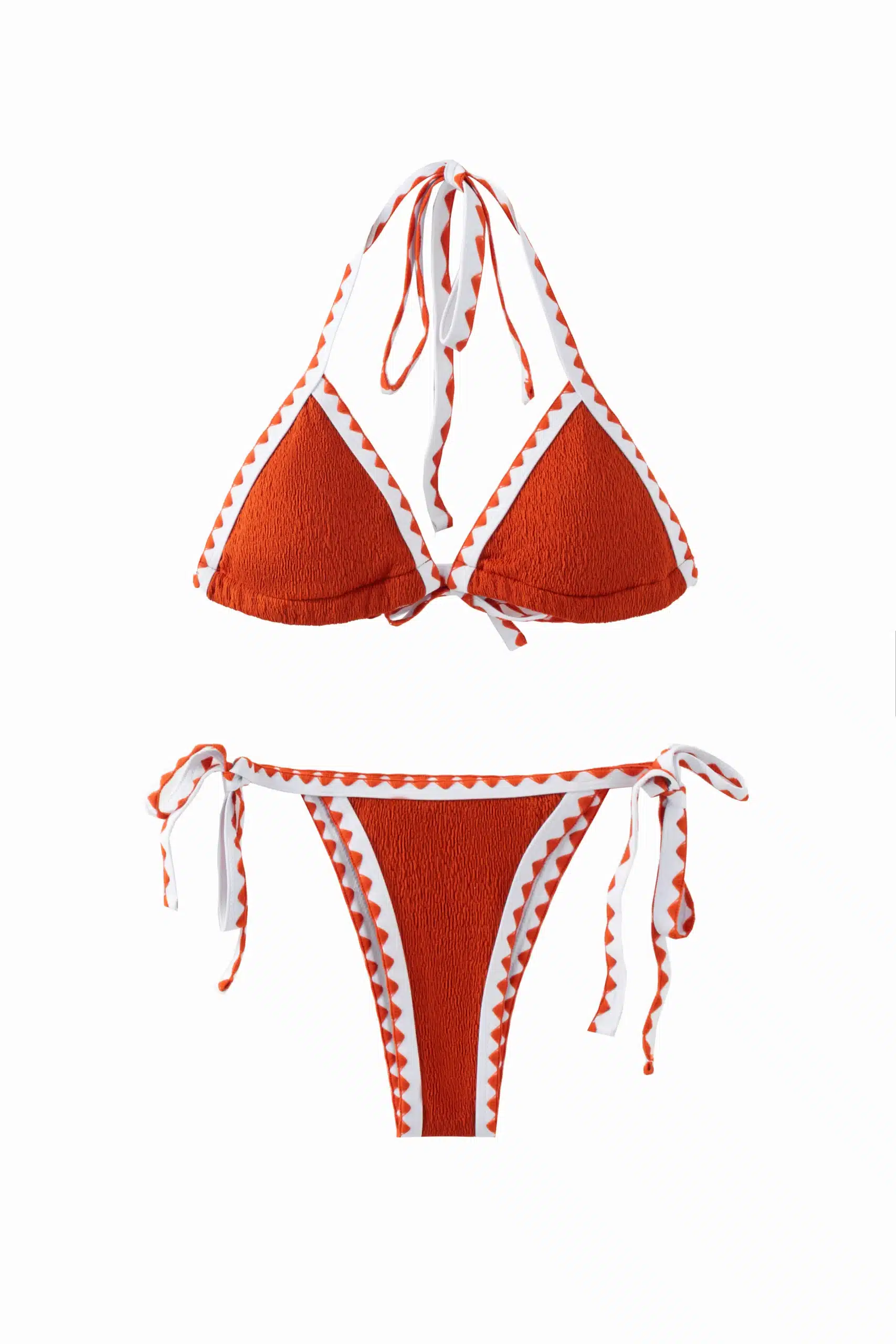
 Bikini
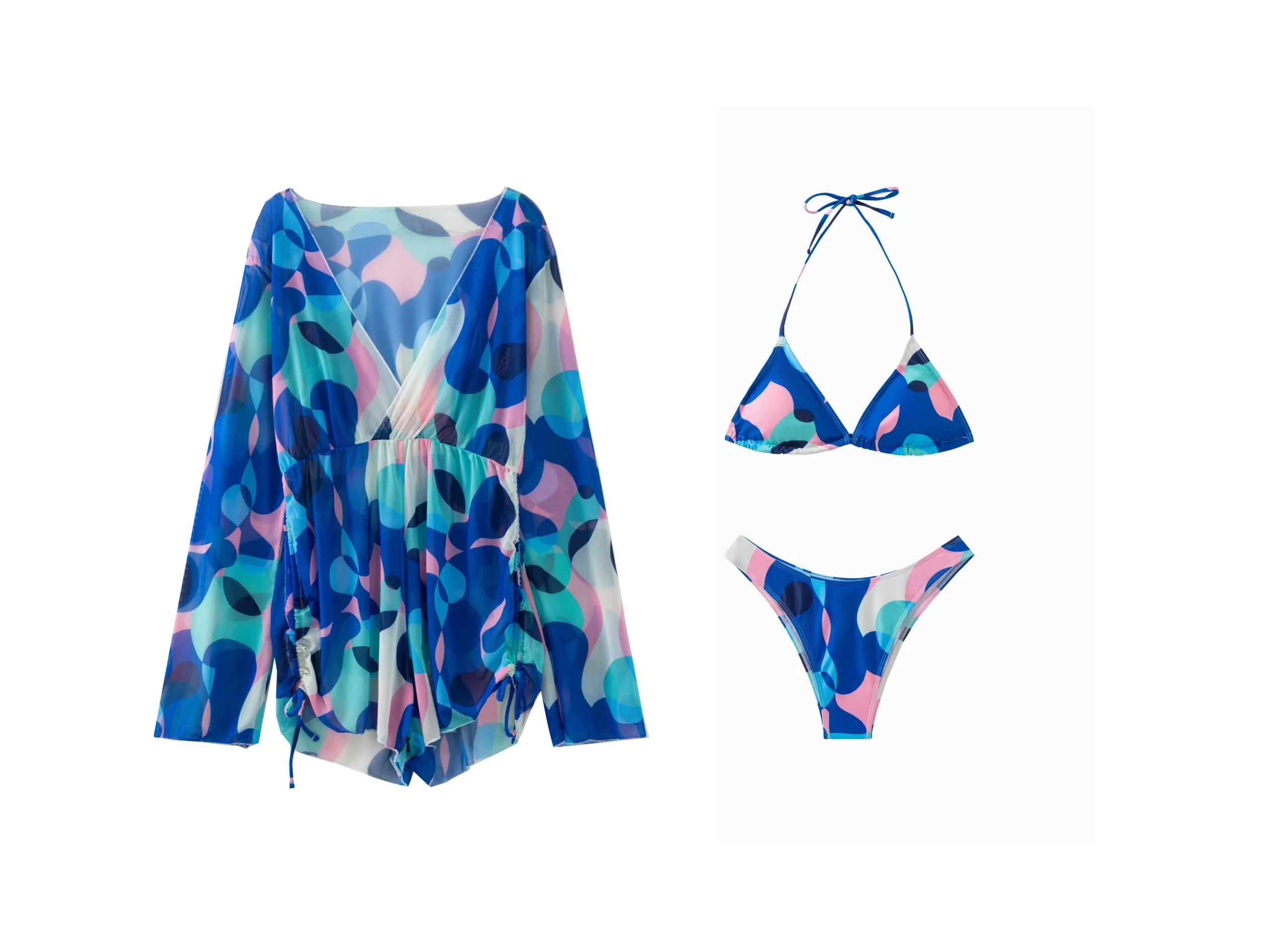 Bikini Cover-Up Set
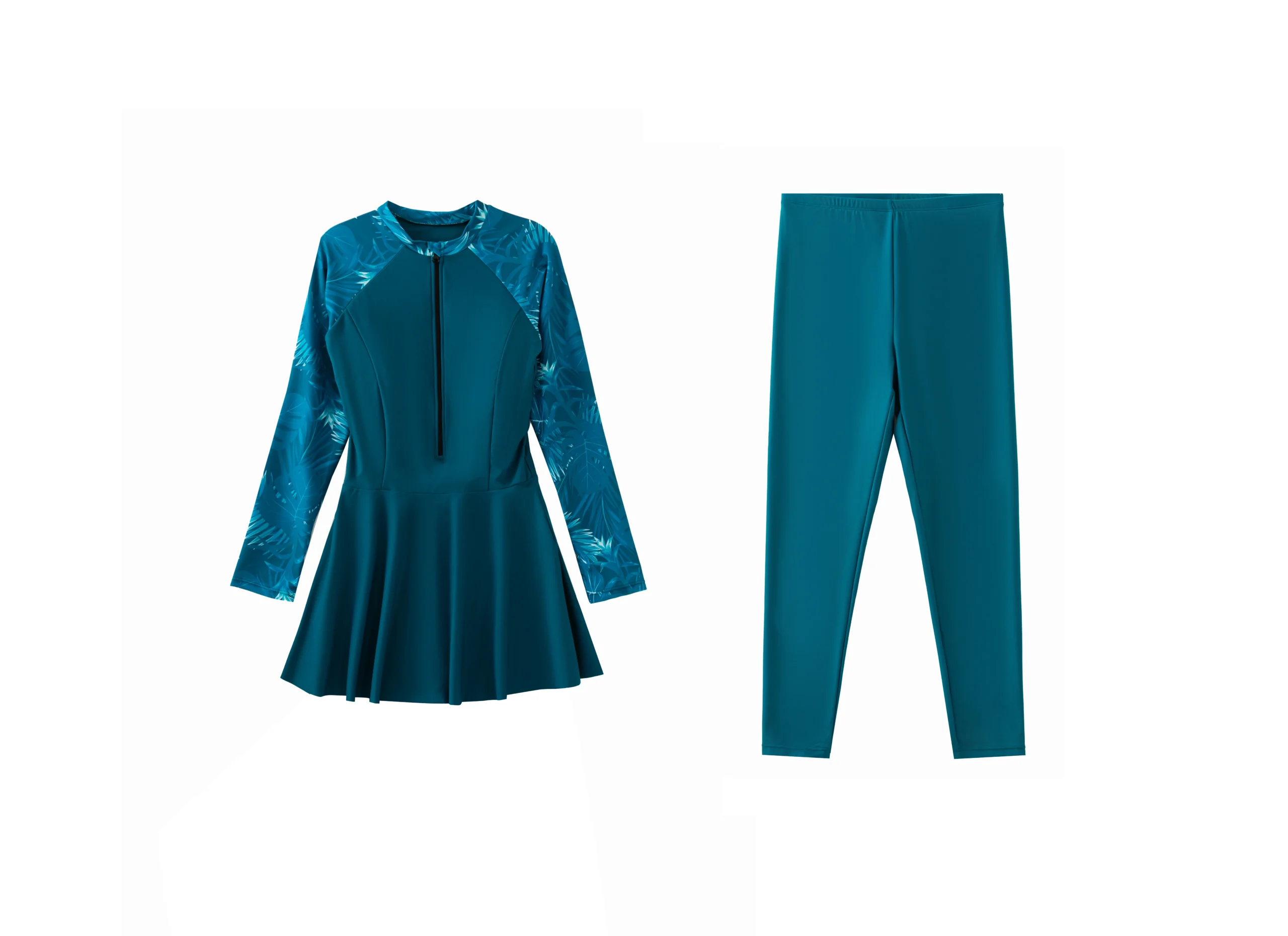 Burkini Swimwear
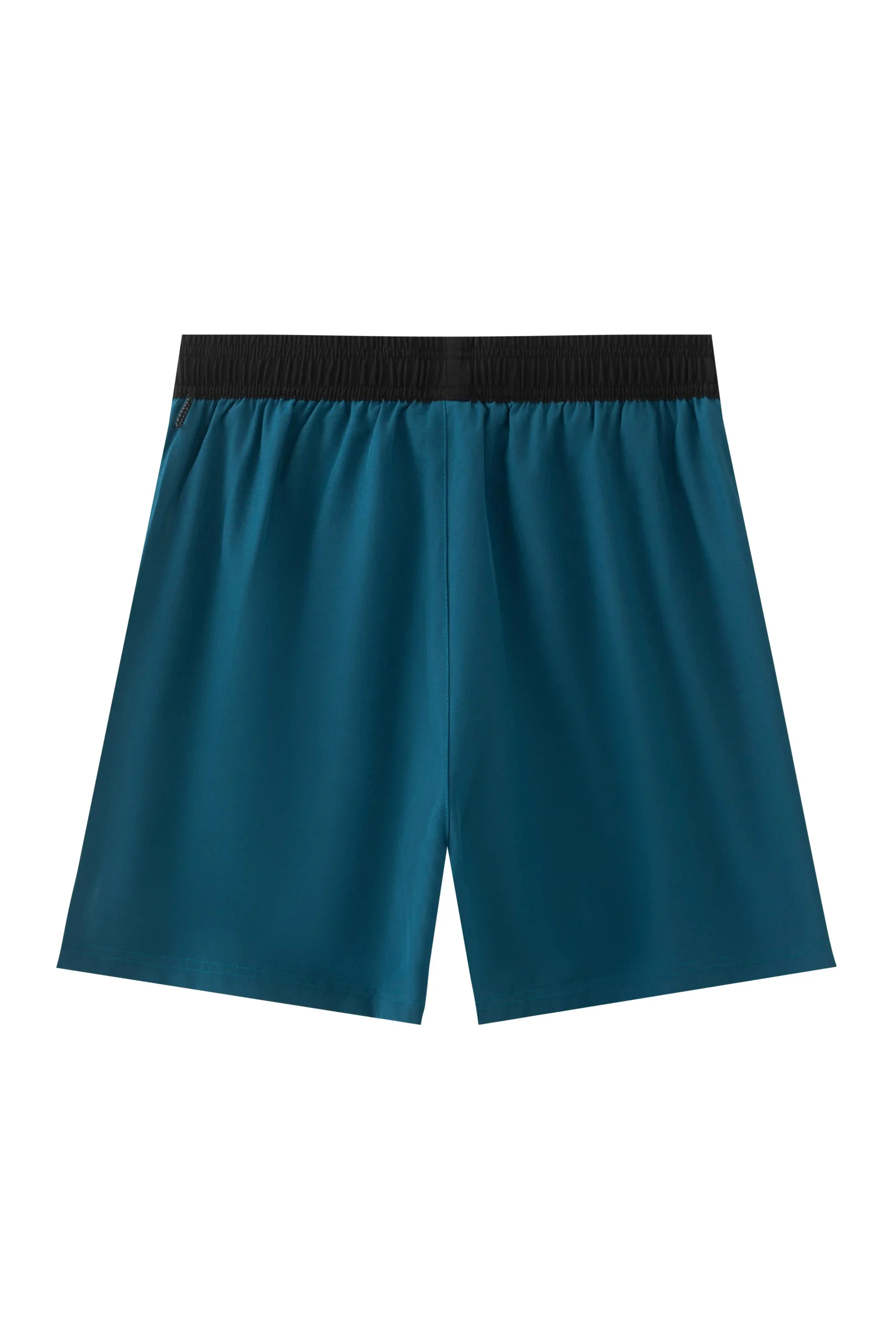 Men Swimwear
 One-Piece Swimsuits
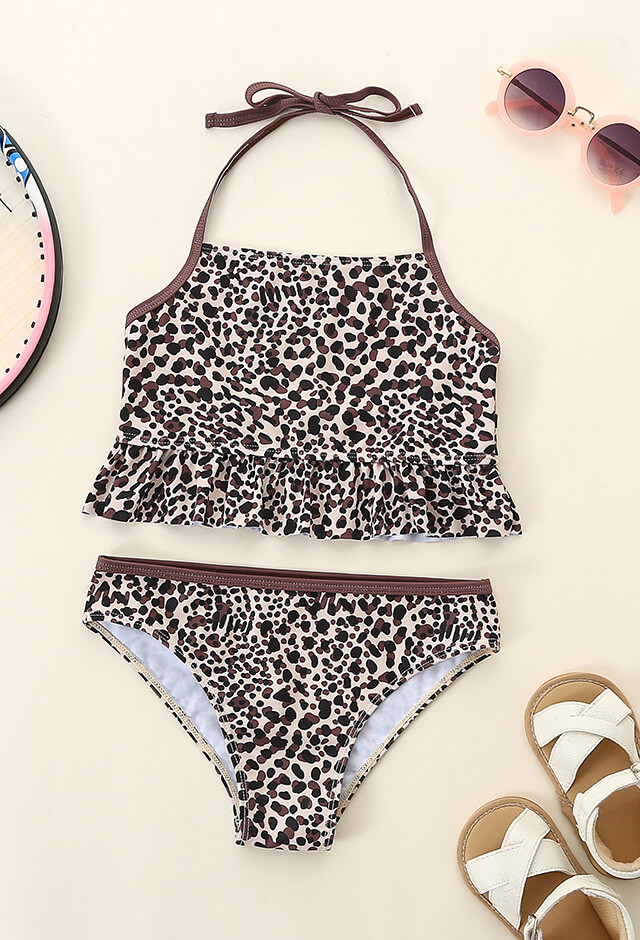 Two-Piece Swimsuits
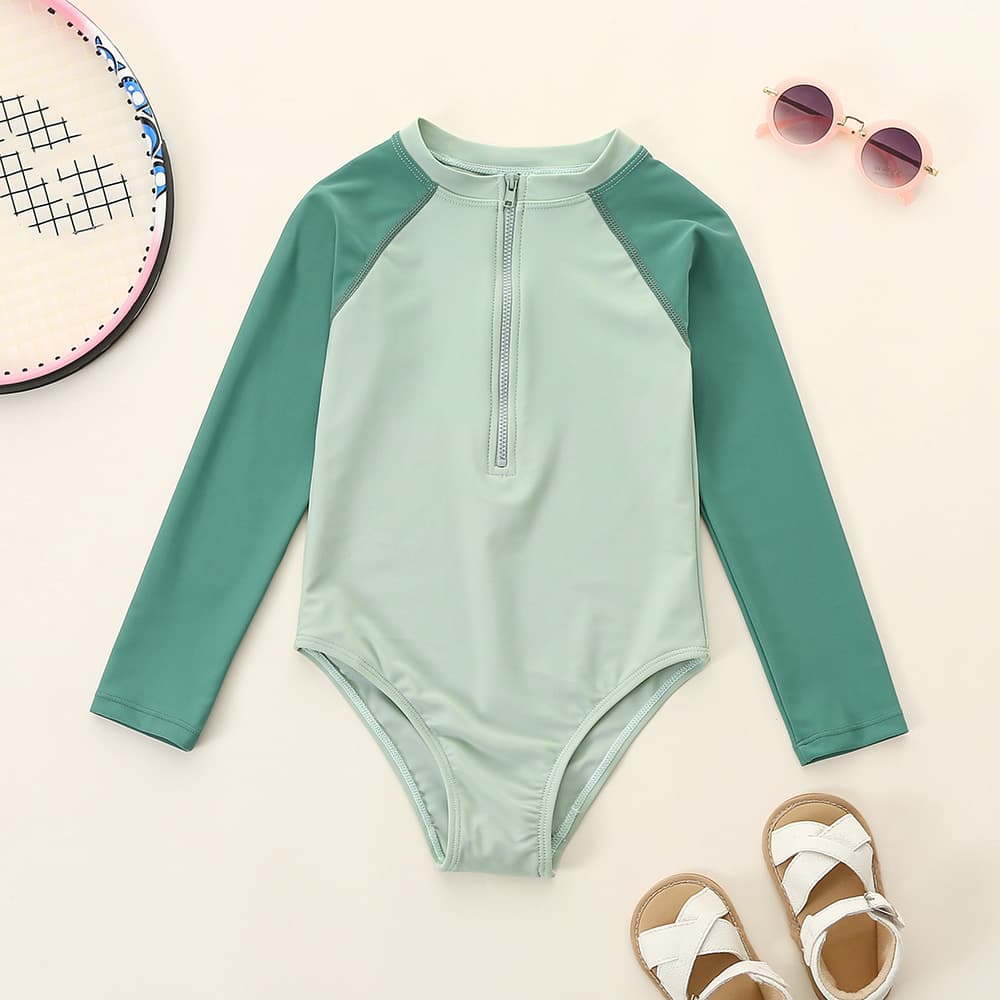 Rash Guards
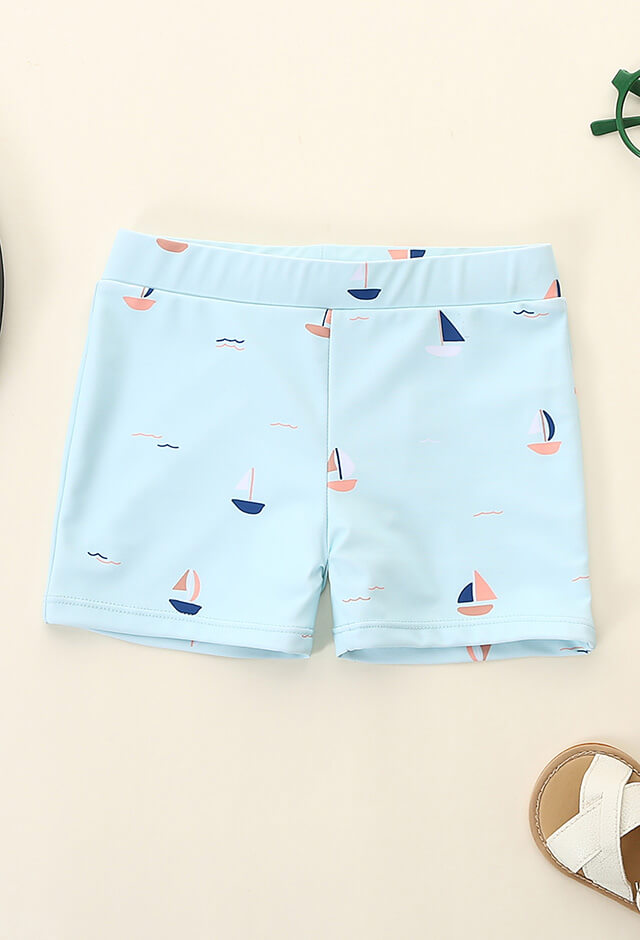 Swim Trunks
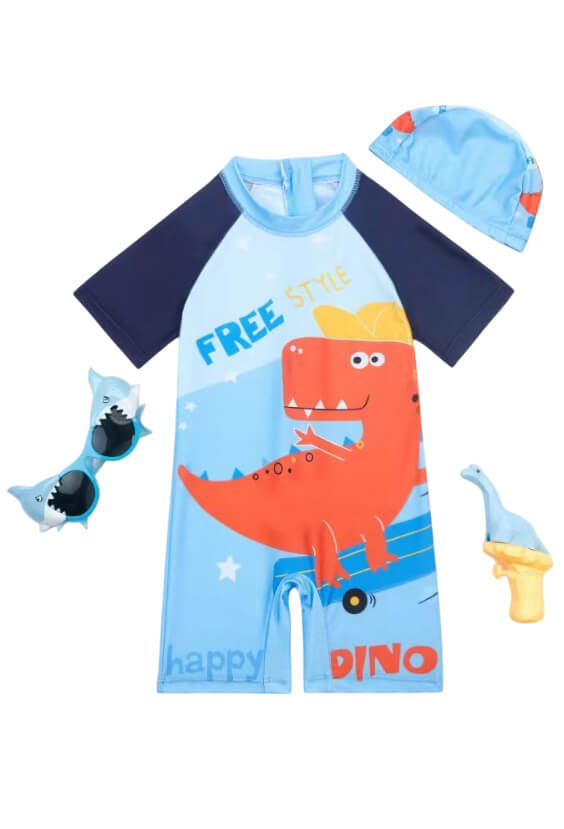 Boy Swimsuits
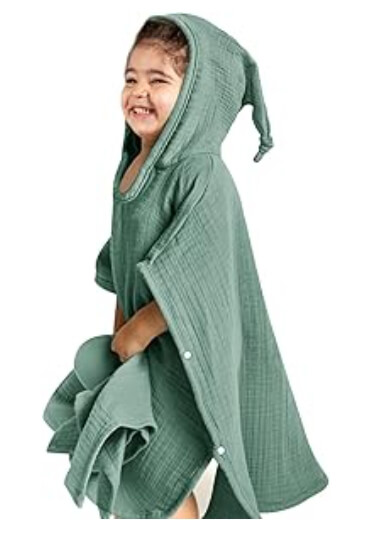 Poncho
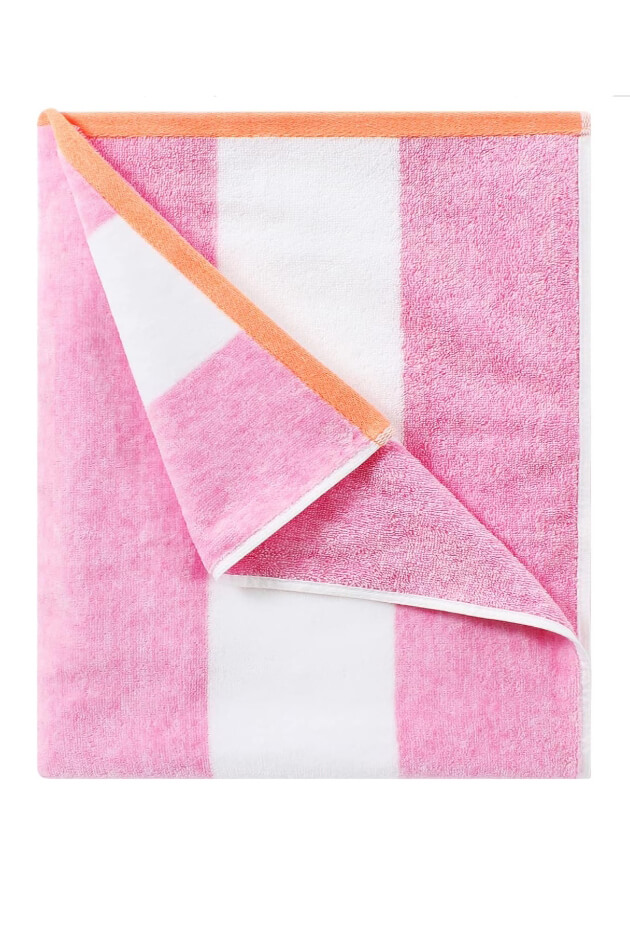 Beach Towel
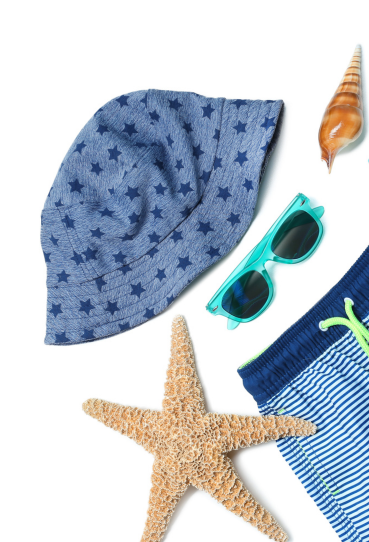 Sun Hat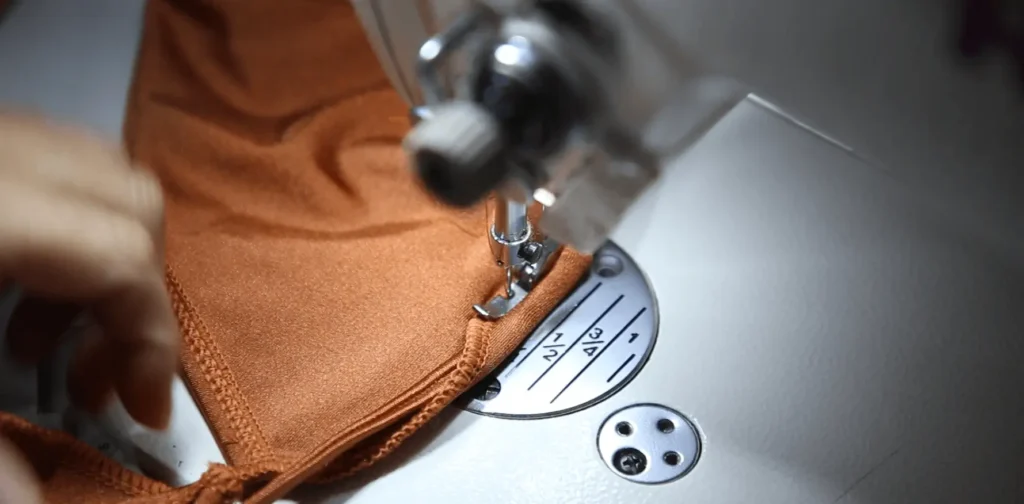
Inside the Swimwear Manufacturing Process
Have you ever wondered how a swimsuit goes from an idea on paper to a finished product ready for customers?
Behind every successful swimwear collection is a detailed manufacturing process involving design development, fabric selection, pattern engineering, precision cutting, skilled sewing, quality inspection, and professional packaging.
Unlike ordinary apparel, swimwear requires specialized manufacturing knowledge because the products must balance:
- Comfort
- Stretch performance
- Durability
- Fit
- Water resistance
- Fashion appeal
A professional Custom Swimwear Manufacturer combines technical expertise with advanced production methods to transform creative concepts into high-quality swimwear products.
This guide explains how swimwear is made step by step, helping brands understand the complete journey from initial design to final shipment.
Introduction: Understanding Swimwear Manufacturing
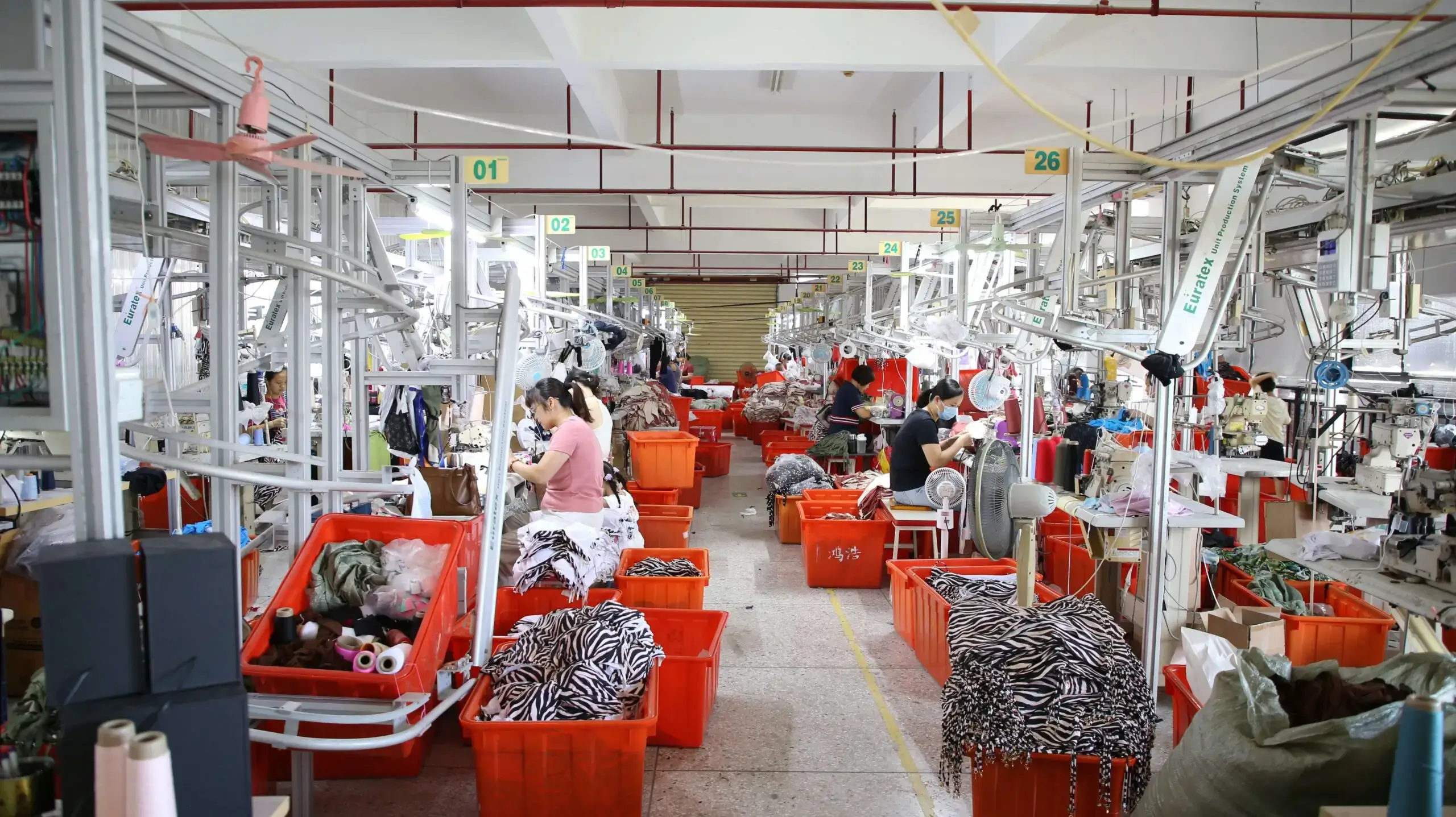
Developing swimwear is a complex process that requires cooperation between designers, product developers, pattern makers, sewing specialists, and quality control teams.
A swimsuit may look simple, but its construction involves many technical decisions.
Manufacturers must carefully consider:
- Fabric elasticity
- Body movement
- Seam strength
- Support requirements
- Printing techniques
- Size grading
- Production efficiency product.
A small mistake in any stage can affect the final
For example:
- Incorrect pattern measurements can create poor fitting.
- Unsuitable fabric can lose shape after use.
- Weak stitching can reduce product lifespan.
- Incorrect printing methods can damage appearance.
That is why professional swimwear brands work closely with experienced factories throughout the entire production process.
Step 1 – Swimwear Design Development
Every swimwear product begins with an idea.
The first stage is transforming creative concepts into production-ready designs.
Brands usually provide:
- Design sketches
- Reference images
- Tech packs
- Existing samples
- Color ideas
- Fabric preferences
Manufacturers then analyze the design and determine how it can be produced efficiently.
Design Considerations
During development, designers and manufacturers evaluate:
Product Style
Examples:
- Bikini sets
- One-piece swimsuits
- Rash guards
- Swim shorts
- Cover-ups
- Kids swimwear
Target Market
A luxury swimwear brand may focus on:
- Premium fabrics
- Elegant silhouettes
- High-end details
A sports swimwear brand may prioritize:
- Performance materials
- Compression
- Durability
Functional Requirements
Manufacturers consider:
- Support level
- Coverage
- Adjustable features
- Comfort
- Movement flexibility
Step 2 – Creating the Swimwear Tech Pack
After the design concept is confirmed, the next step is creating a detailed technical package.
A tech pack acts as a blueprint between the brand and manufacturer.
It ensures everyone understands exactly how the product should be produced.
A Professional Swimwear Tech Pack Includes:
Technical Drawings
Including:
- Front view
- Back view
- Side details
- Construction notes
Measurement Specifications
Including:
- Bust measurement
- Waist measurement
- Hip measurement
- Strap length
- Garment length
- Size grading
Fabric Information
Including:
- Material composition
- Fabric weight
- Stretch requirement
- Color reference
Construction Details
Including:
- Seam type
- Stitch method
- Lining requirement
- Padding
- Elastic specifications
Step 3 – Selecting Swimwear Fabrics
Fabric selection is one of the most important stages in swimwear production.
The fabric determines:
- Comfort
- Appearance
- Durability
- Performance
- Production cost
Common Swimwear Fabrics
Nylon Spandex
Nylon spandex is widely used for premium swimwear.
Advantages:
- Soft feeling
- Excellent stretch
- Comfortable fit
- Smooth appearance
- Premium quality
Common applications:
- Fashion bikinis
- Luxury swimwear
- Boutique collections
Polyester Spandex
Polyester blends provide excellent durability.
Advantages:
- Strong color retention
- Chlorine resistance
- Good shape recovery
- Cost efficiency
Common applications:
- Sports swimwear
- Training swimsuits
- Commercial swim products
Recycled Swimwear Fabrics
Sustainable materials are increasingly popular.
Examples:
- Recycled nylon
- Recycled polyester
- Eco-friendly performance fabrics
These fabrics allow brands to create environmentally responsible collections.
Step 4 – Pattern Making and Sample Development
Once materials are confirmed, manufacturers create patterns.
Pattern making is one of the most technical stages of swimwear production.
A good pattern determines:
- Fit
- Comfort
- Appearance
- Production efficiency
Pattern Development Process
The pattern maker analyzes:
- Body measurements
- Fabric stretch
- Design structure
- Sewing requirements
Then creates:
- Digital patterns
- Size grading
- Cutting templates
Sample Production
Before bulk manufacturing, factories create samples.
The sample allows brands to check:
- Design accuracy
- Fit
- Fabric performance
- Construction quality
- Branding details
Most professional brands complete one or more sample revisions before
Step 5 – Fabric Inspection and Cutting
After sample approval, bulk production begins.
The first production stage is fabric preparation.
Fabric Inspection
Before cutting, manufacturers inspect materials for:
- Color consistency
- Fabric defects
- Stretch performance
- Surface quality
Only approved fabrics proceed to production.
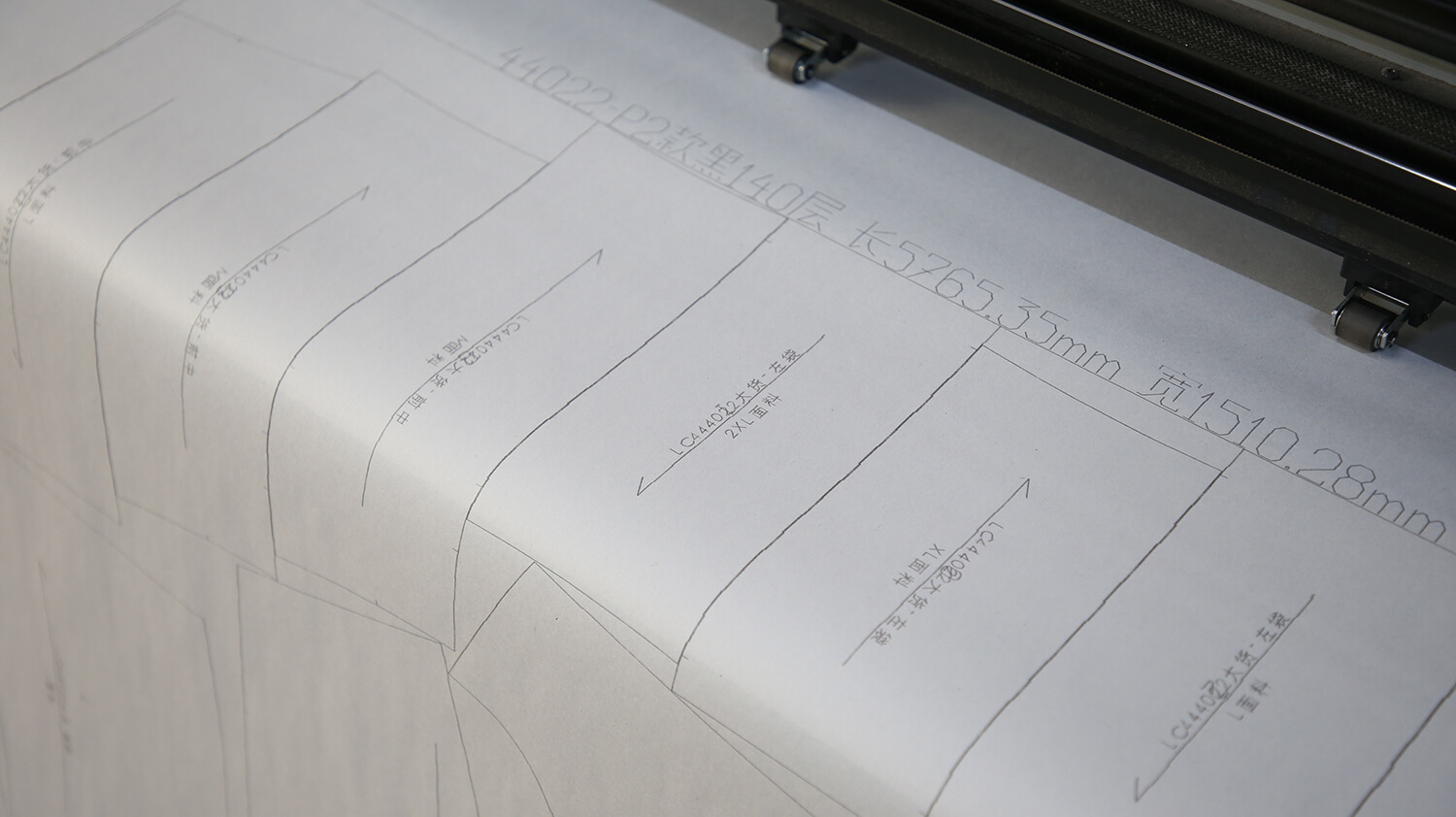
Fabric Cutting
Professional factories use:
- Manual cutting
- Digital cutting systems
- Automatic cutting machines
The goal is to achieve:
- Accurate measurements
- Minimal fabric waste
- Consistent production quality
Step 6 – Swimwear Sewing and Assembly
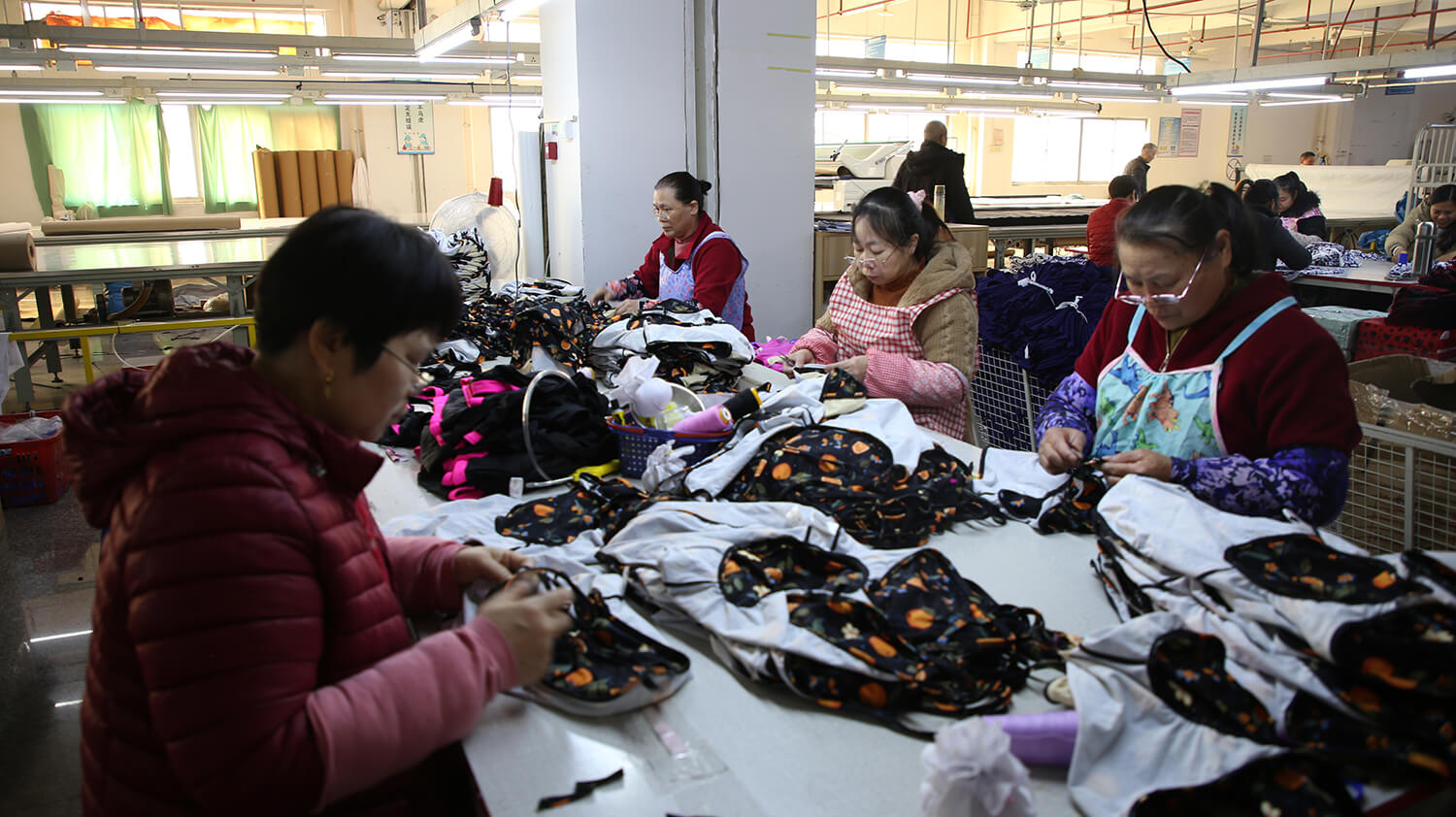
Sewing is where individual fabric pieces become finished swimwear products.
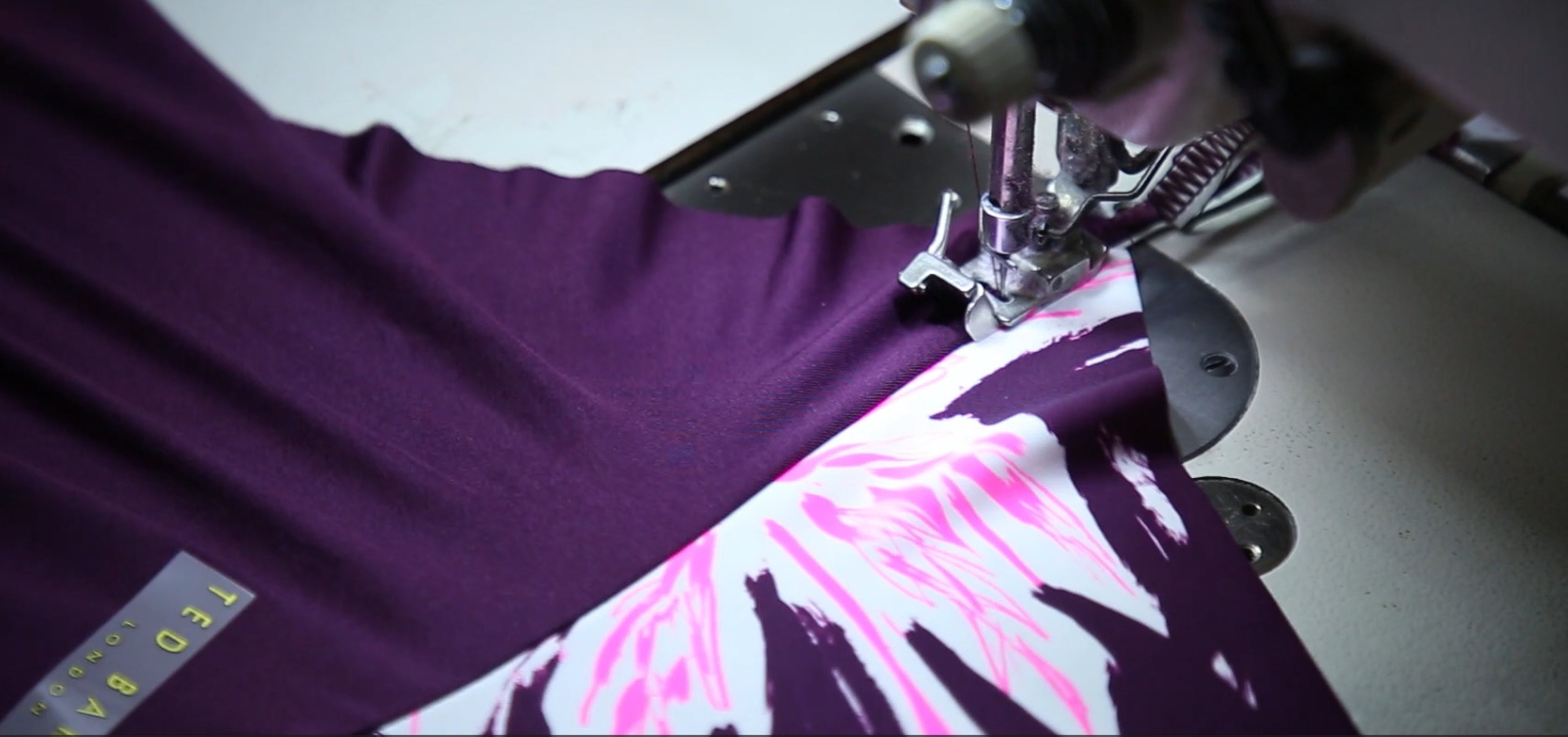
Because swimwear requires elasticity and comfort, specialized sewing techniques are used.
Common Swimwear Sewing Techniques
Overlock Stitching
Used for joining stretch fabrics.
Benefits:
- Flexible seams
- Clean finishing
- Better durability
Cover Stitching
Used for:
- Hems
- Edges
- Elastic finishing
Reinforced Stitching
Used in areas requiring extra strength:
- Straps
- Waistbands
- High-stress areas
Step 7 – Adding Branding and Custom Details
After basic construction, manufacturers add customized brand elements.
Options include:
- Printed logos
- Silicone labels
- Woven labels
- Hang tags
- Custom packaging
These details help transform a standard product into a unique branded collection.
Step 8 – Swimwear Printing and Decoration Process
After the basic swimsuit construction is completed, manufacturers add customized design elements that help brands create unique products.
Printing and decoration methods play an important role in swimwear because they directly affect:
- Visual appeal
- Brand identity
- Product positioning
- Customer perception
Different fabrics and designs require different decoration techniques. A professional Custom Swimwear Manufacturer will recommend the most suitable method based on the product requirements.
Common Swimwear Printing Methods
Digital Sublimation Printing
Digital sublimation printing is one of the most popular methods for modern swimwear production.
This process transfers designs directly into the fabric using heat.
Advantages:
- Bright and detailed colors
- Full-print capability
- Smooth fabric surface
- No peeling or cracking
- Suitable for complex patterns
Common applications:
- Tropical prints
- Floral designs
- Abstract patterns
- Geometric artwork
- Custom brand graphics
Sublimation printing is especially popular among fashion swimwear brands because it allows unlimited creative possibilities.
Screen Printing
Screen printing is commonly used for simple graphics and logos.
Advantages include:
- Cost-effective for larger quantities
- Strong color coverage
- Durable printing results
Common applications:
- Brand logos
- Text graphics
- Simple patterns
- Promotional swimwear
Heat Transfer Printing
Heat transfer printing applies designs using heat and pressure.
It is commonly used for:
- Small logos
- Performance labels
- Decorative details
Advantages:
- Clean appearance
- Suitable for small details
- Flexible application
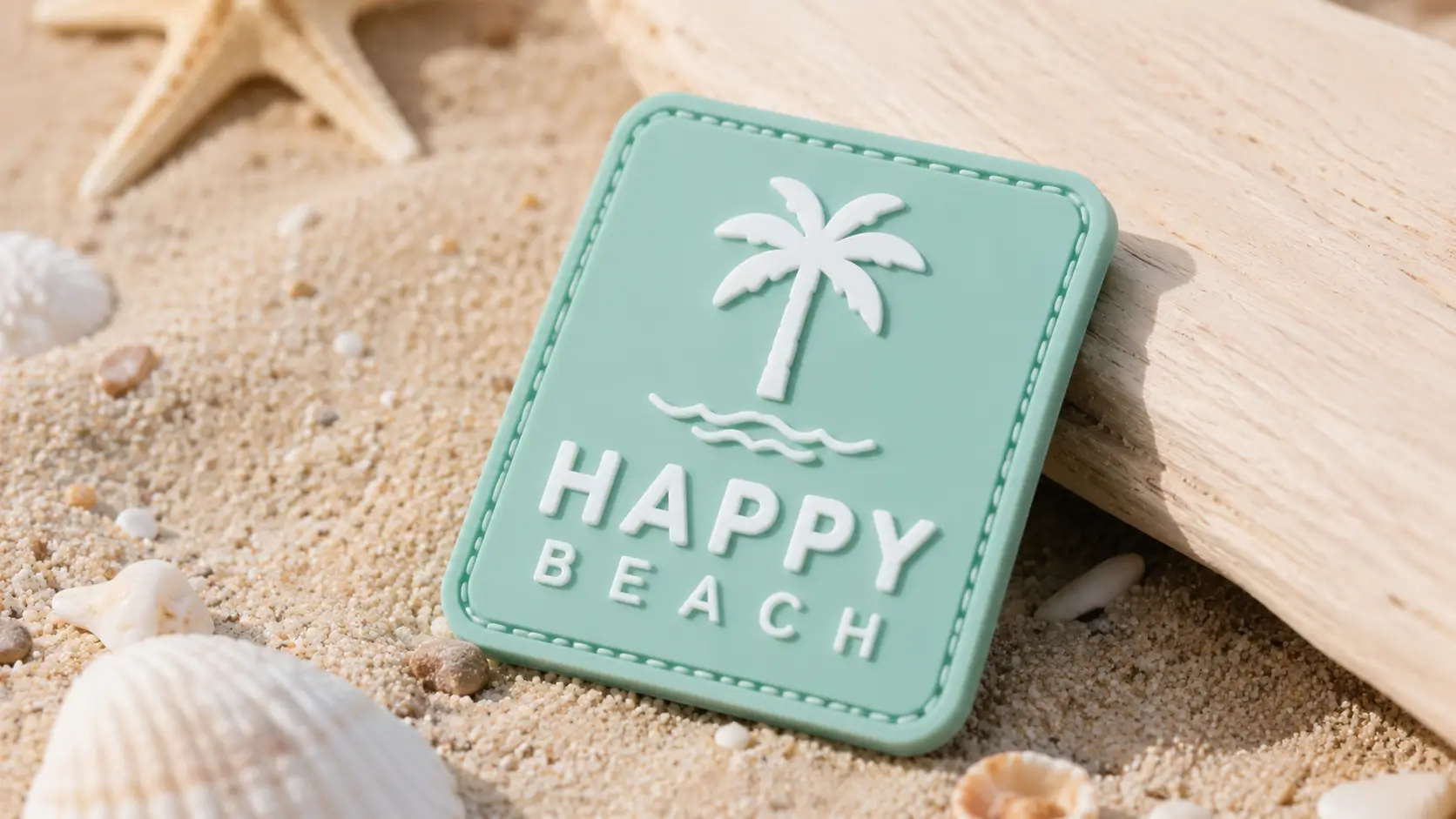
Silicone Logo Application
Silicone logos create a premium three-dimensional appearance.
They are commonly used by:
- Luxury swimwear brands
- Surf brands
- Activewear companies
Benefits:
- Waterproof
- Flexible
- Durable
- Premium visual effect
Step 9 – Swimwear Quality Control Process
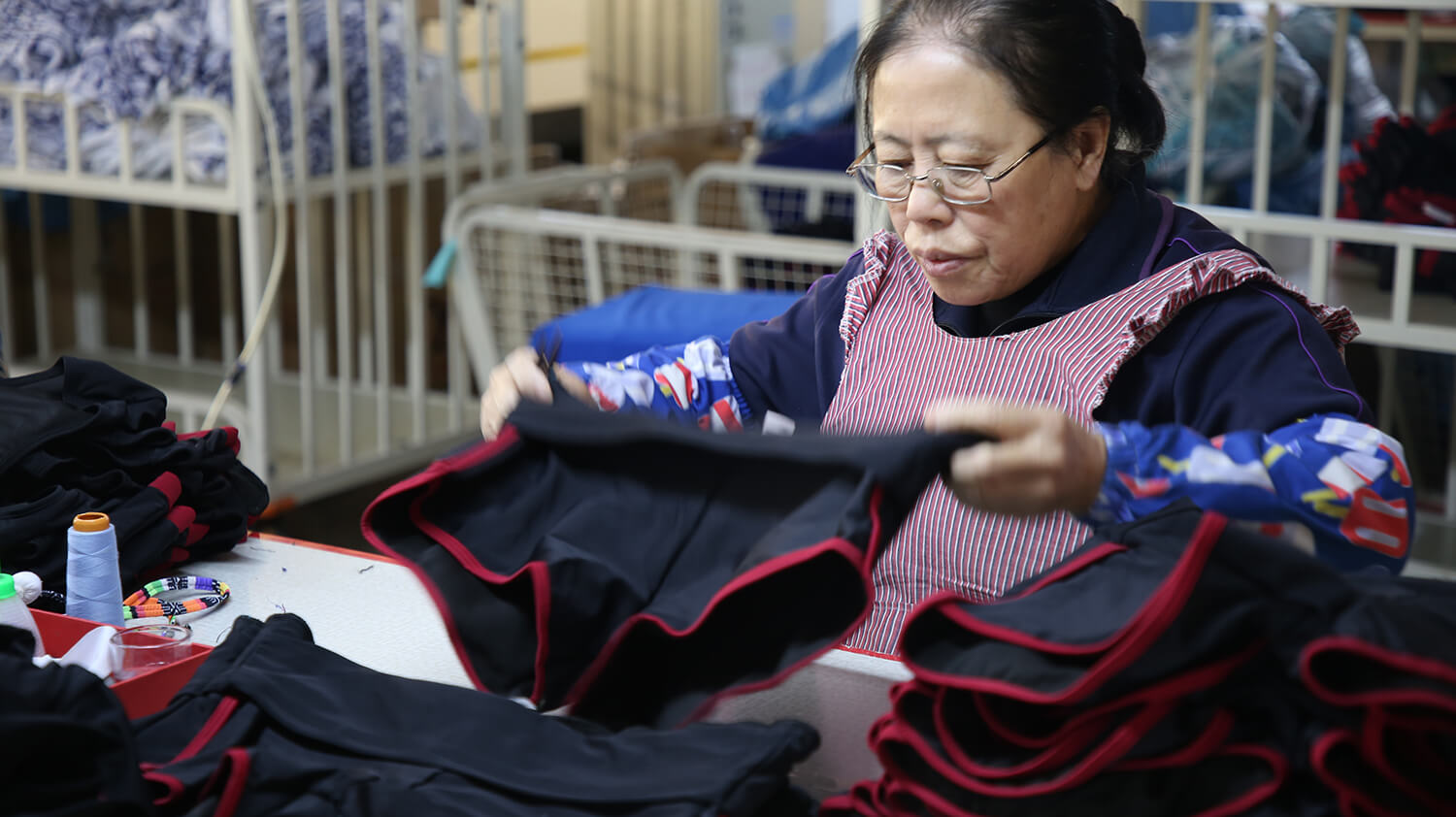
Quality control is one of the most important stages in swimwear manufacturing.
A professional factory does not wait until the end of production to inspect products.
Instead, quality checks are performed throughout the entire manufacturing process.
A reliable Swimwear Manufacturer should have a structured quality control system covering materials, production, and final products.
Stage 1: Incoming Material Inspection
Before production begins, all materials are checked.
This includes:
Fabric Inspection
Manufacturers check:
- Fabric color
- Surface defects
- Stretch performance
- Fabric weight
- Elastic recovery
Accessories Inspection
Additional components are also reviewed:
- Elastic bands
- Padding
- Buckles
- Metal accessories
- Labels
- Packaging materials
Material inspection helps prevent quality problems before production starts.
Stage 2: Production Line Inspection
During manufacturing, inspectors monitor each production stage.
Key inspection points include:
Cutting Accuracy
Checking:
- Pattern alignment
- Size accuracy
- Fabric placement
Incorrect cutting can create fitting problems later.
Sewing Quality
Inspectors check:
- Stitch consistency
- Seam strength
- Thread quality
- Elastic attachment
Swimwear requires strong but flexible seams because the garments are constantly stretched during use.
Construction Details
Quality teams verify:
- Lining position
- Padding placement
- Strap attachment
- Logo position
- Overall symmetry
Stage 3: Final Product Inspection
Before shipment, finished products undergo final inspection.
Typical checks include:
Appearance Inspection
Review:
- Overall design
- Color accuracy
- Print quality
- Clean finishing
Measurement Inspection
Products are measured against approved specifications.
Common measurements:
- Bust
- Waist
- Hip
- Length
- Strap position
Functional Testing
Products may be tested for:
- Stretch recovery
- Seam strength
- Elastic performance
- Comfort
Step 10 – Swimwear Packaging Process
Packaging is often the final physical touchpoint between your brand and your customer.
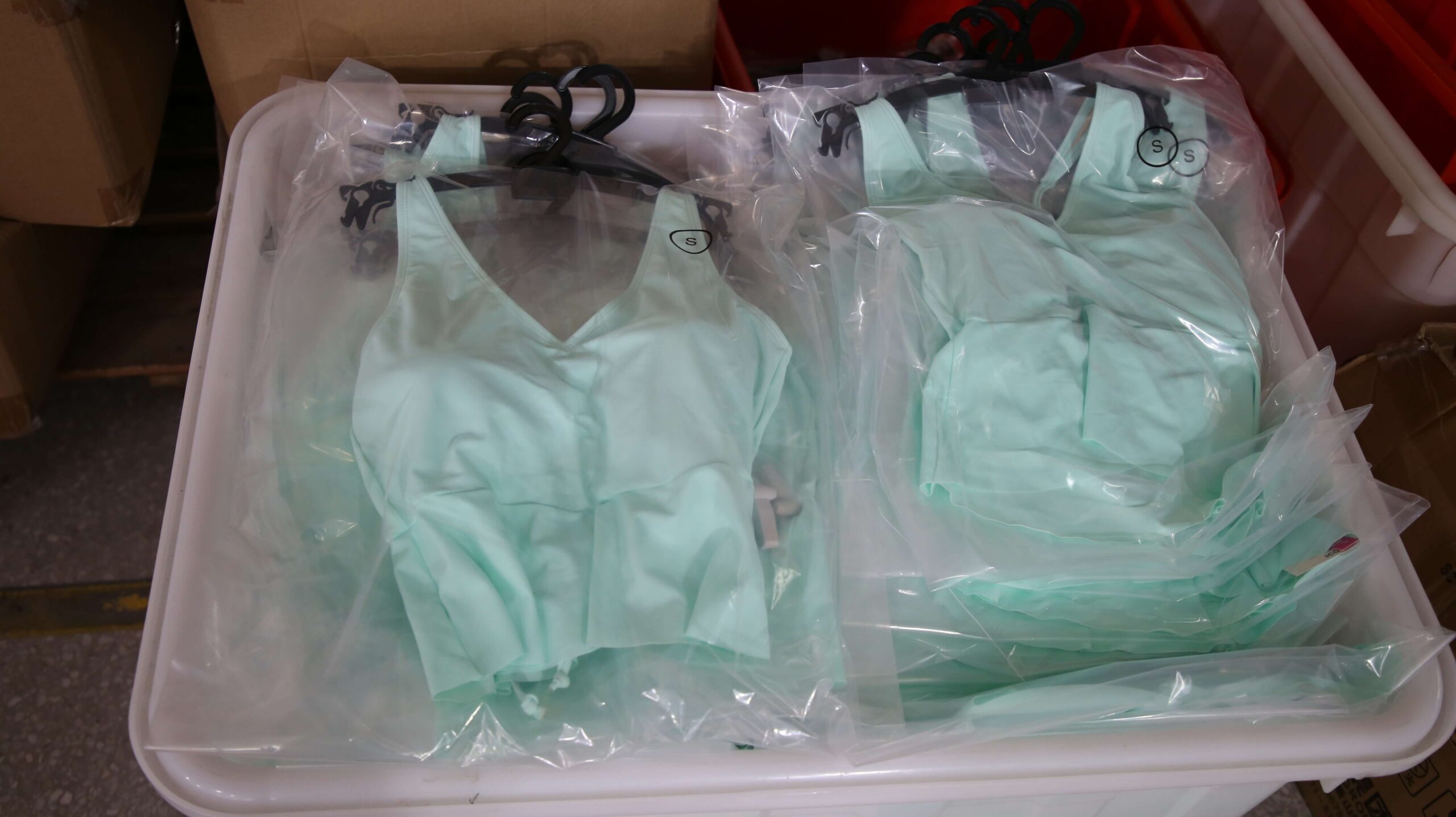
Professional packaging helps protect products while creating a premium customer experience.
Common Swimwear Packaging Options
Individual Poly Bags
Common for:
- Wholesale orders
- Retail distribution
Options include:
- Standard poly bags
- Frosted bags
- Recyclable bags
Custom Retail Packaging
For premium brands, manufacturers can provide:
- Printed boxes
- Custom zipper bags
- Tissue paper
- Brand cards
- Stickers
- Hang tags
Sustainable Packaging
Many modern swimwear brands are moving toward environmentally responsible packaging.
Options include:
- Recycled materials
- Kraft paper packaging
- Compostable bags
- Minimal packaging solutions
Sustainable packaging helps brands communicate environmental values to customers.
Step 11 – Shipping and Global Delivery
After packaging approval, products are prepared for shipment.
A professional swimwear factory should support international delivery requirements.
Common Shipping Methods
Express Shipping
Best for:
Samples
Small orders
Urgent deliveries
Advantages:
Fast delivery
Door-to-door service
Air Freight
Suitable for:
Medium-sized orders
Time-sensitive shipments
Sea Freight
Best for:
Large production orders
Advantages:
Lower cost
Suitable for bulk manufacturing
Complete Swimwear Production Timeline
The total manufacturing timeline depends on product complexity, order quantity, and customization requirements.
A typical timeline looks like this:
| Stage | Estimated Time |
|---|---|
| Design Review | 2–3 days |
| Fabric Selection | 2–3 days |
| Pattern Development | 3–4 days |
| Sample Production | 5–7 days |
| Sample Revision | 5–7 days |
| Bulk Production | 20–30 days |
| Quality Inspection | 2–5 days |
| Packaging & Shipping | Depends on destination |
Brands should plan production schedules carefully, especially before:
- Summer collections
- Holiday seasons
- Resort seasons
- Major sales campaigns
Why Understanding the Maufacuring Process Matters
Knowing how swimwear is made helps brands make better decisions.
It allows you to:
- Communicate effectively with factories
- Estimate realistic timelines
Control product quality - Avoid unnecessary costs
- Build stronger collections
A successful swimwear brand is not created only through great designs. It requires a reliable production system behind every product.
By understanding every step—from fabric selection and pattern development to quality control and shipping—you can work more effectively with your manufacturing partner and create products customers love.
FAQ
The complete swimwear production timeline depends on the product complexity, materials, order quantity, and customization requirements.
A typical process includes:
- Design confirmation: 2–3 days
- Fabric sourcing: 3–4 days
- Pattern development: 3–5 days
- Sample production: 5–7 days
- Sample revision: 5–7 days
- Bulk production: 20–30 days
- Quality inspection and shipping preparation: 2–5 days
For new swimwear brands, it is recommended to begin product development several months before the planned launch date to allow enough time for sampling, revisions, and production.
Most swimwear is made from stretch fabrics designed to provide comfort, durability, and shape retention.
Common materials include:
Nylon Spandex
Popular for premium fashion swimwear because of:
- Soft hand feel
- Excellent elasticity
- Comfortable fit
- Smooth appearance
Polyester Spandex
Often used for:
- Sports swimwear
- Performance products
- High-volume production
Benefits include:
- Chlorine resistance
- Better durability
- Strong color retention
Recycled Fabrics
Increasingly used by sustainable brands.
Examples:
- Recycled nylon
- Recycled polyester
The best fabric choice depends on your target market, product positioning, and performance requirements.
Minimum order quantities (MOQ) vary depending on:
- Product type
- Fabric selection
- Printing method
- Customization level
- Factory requirements
Many modern manufacturers offer flexible MOQ solutions for startups and emerging brands.
Working with a Low MOQ Swimwear Manufacturer allows brands to test new designs, reduce inventory risk, and scale production based on market demand.
Yes.
Professional swimwear manufacturers can develop products based on:
- Design sketches
- Tech packs
- Reference samples
- Inspiration images
- Existing products
Manufacturers can help transform ideas into production-ready products through:
- Pattern development
- Fabric selection
- Sample creation
- Technical adjustments
OEM Swimwear Manufacturing
OEM means the manufacturer produces products according to your specifications.
You control:
- Design
- Materials
- Branding
- Product details
Private Label Swimwear
Private label allows brands to customize existing styles or manufacturer-developed designs with their own branding.
This option is often faster for brands that want to launch collections quickly.
Swimwear requires specialized production knowledge because the products must handle:
- Stretching
- Water exposure
- Body movement
- Repeated washing
- Sun exposure
Manufacturers must carefully control:
- Fabric selection
- Pattern accuracy
- Elastic performance
- Seam construction
- Fit
This is why choosing an experienced Custom Swimwear Manufacturer is important.
Professional factories use multiple quality control stages.
These include:
- Fabric inspection
- Cutting inspection
- Sewing inspection
- Measurement checks
- Final product inspection
Quality control should happen throughout production rather than only after completion.
Yes.
Many manufacturers provide complete private label solutions, including:
- Custom labels
- Hang tags
- Logo printing
- Packaging bags
- Retail boxes
- Brand cards
These services help create a complete branded customer experience.
Brands can optimize costs by:
- Starting with focused collections
- Choosing suitable fabrics
- Planning orders early
- Reducing unnecessary customization
- Working with experienced manufacturers
A good manufacturer can recommend solutions that balance quality and budget.
When selecting a manufacturing partner, evaluate:
- Industry experience
- Production capability
- Quality control system
- MOQ flexibility
- Communication
- Sampling ability
- Export experience
The cheapest supplier is not always the best choice. A reliable partner helps protect your brand reputation and long-term growth.