
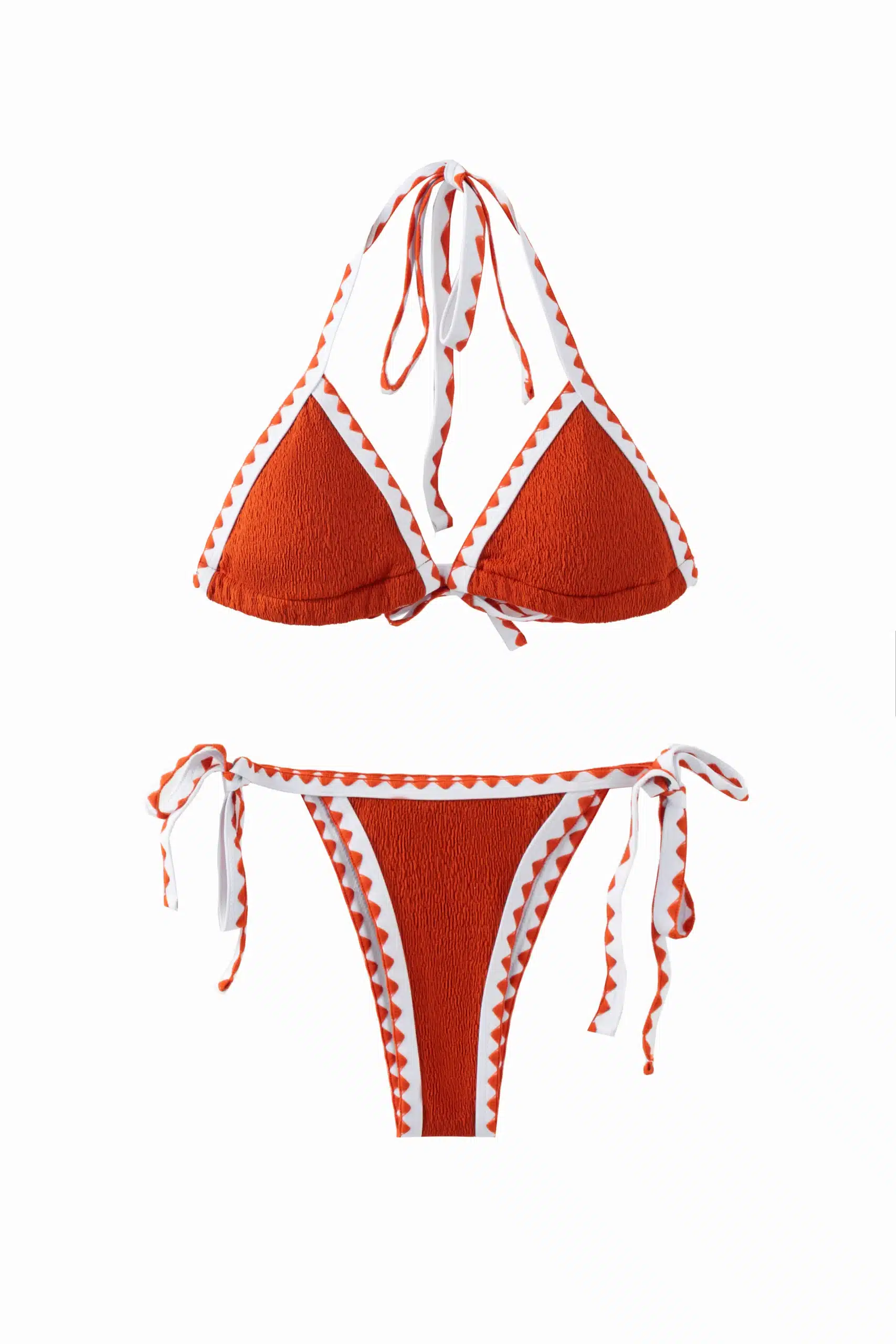
 Bikini
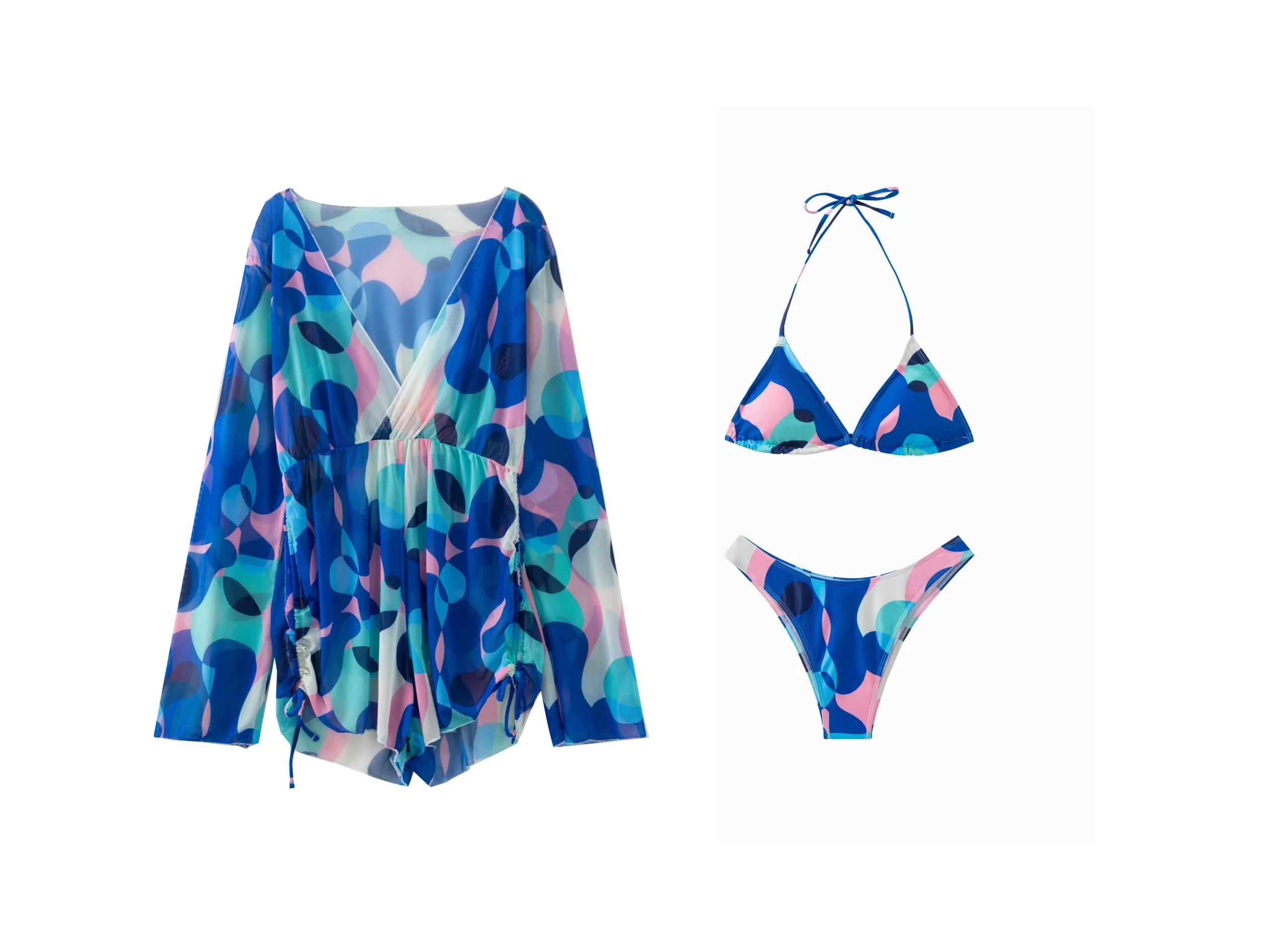 Bikini Cover-Up Set
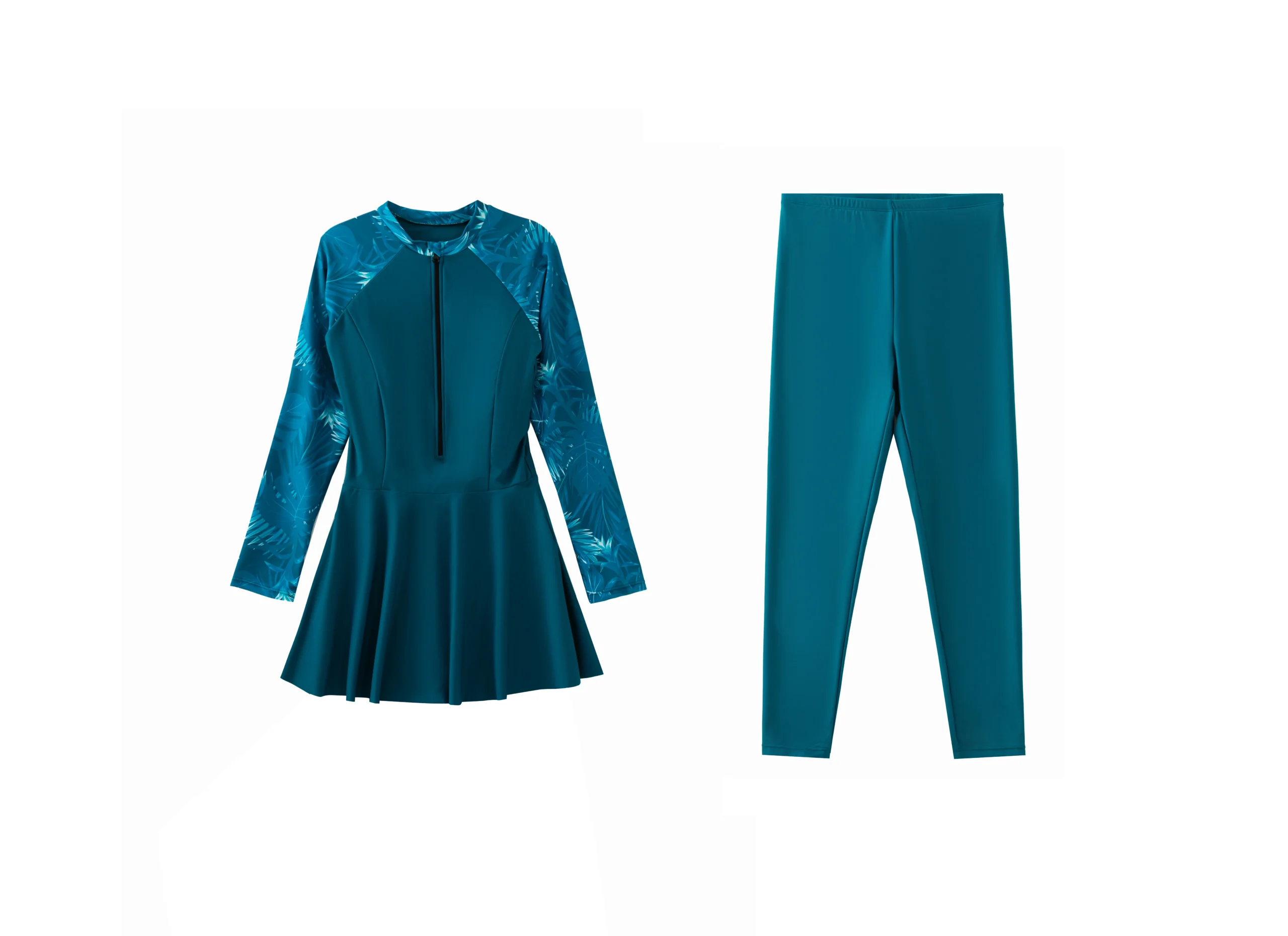 Burkini Swimwear
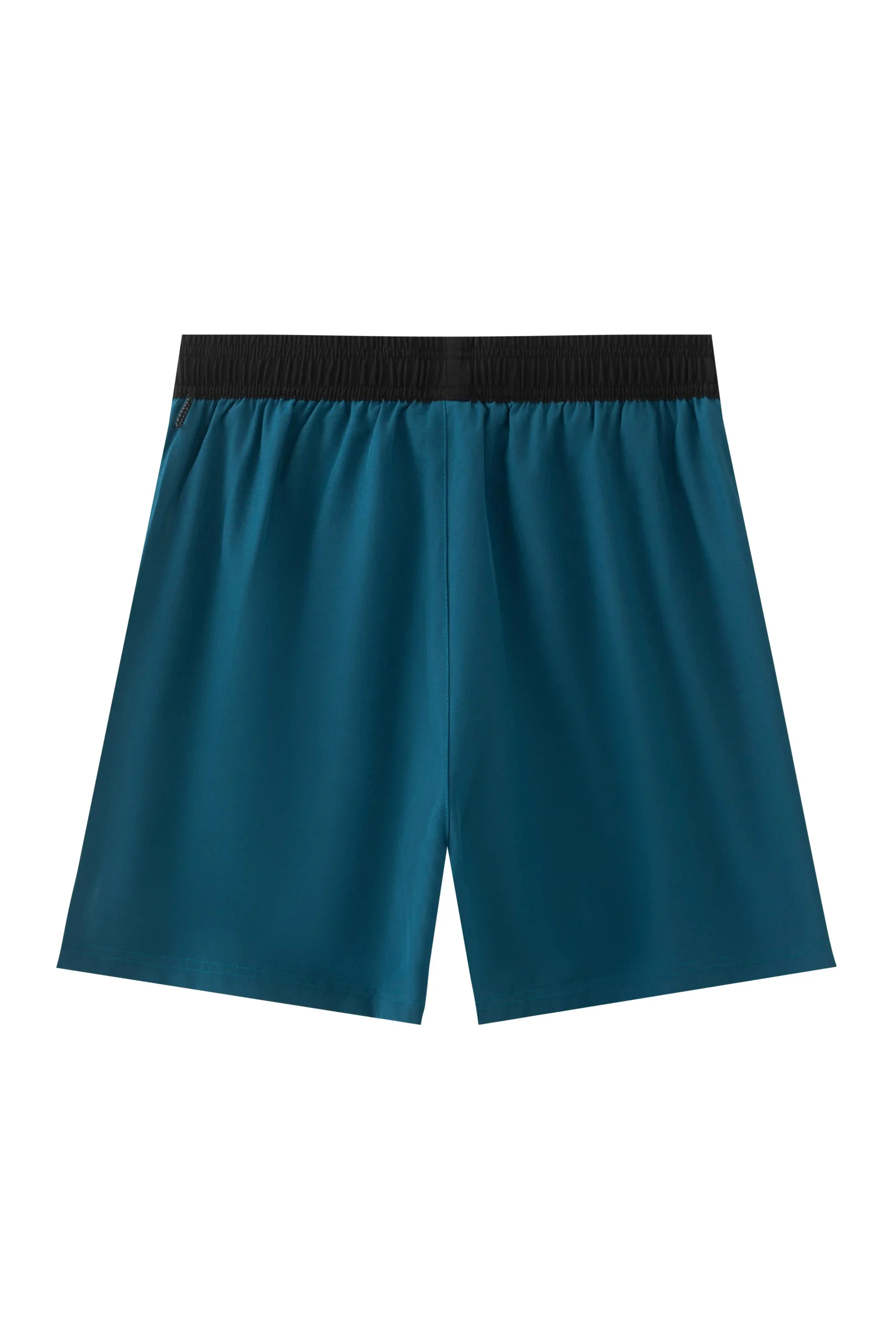 Men Swimwear
 One-Piece Swimsuits
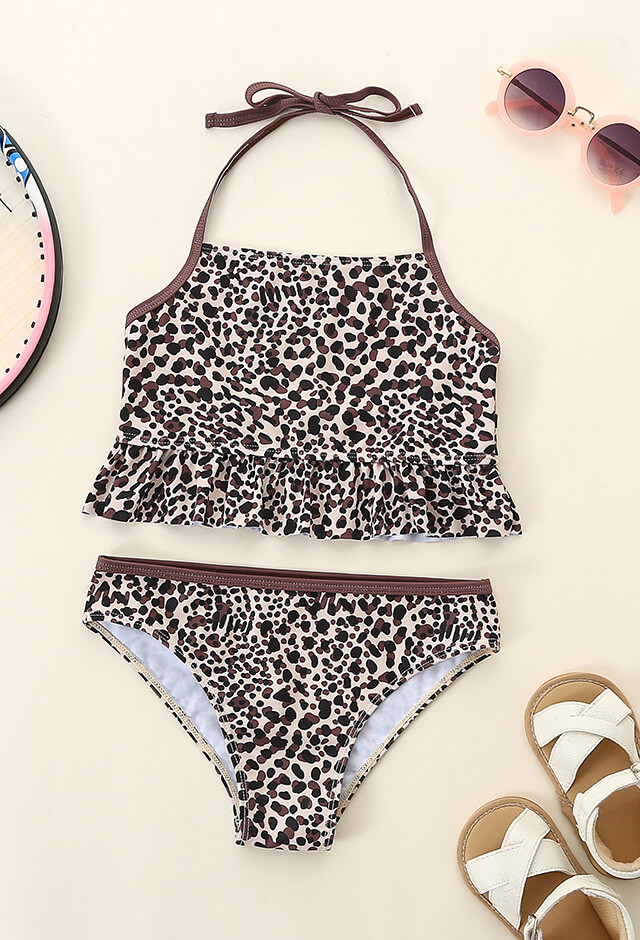 Two-Piece Swimsuits
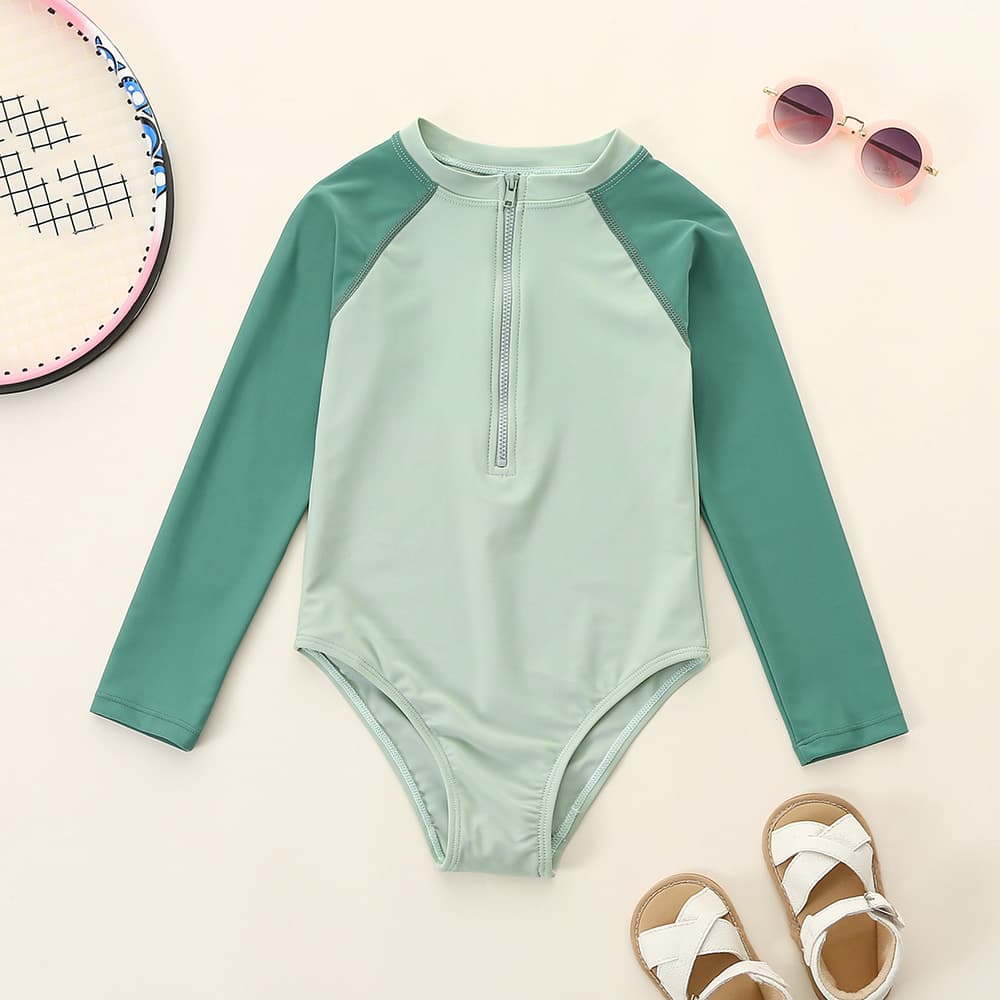 Rash Guards
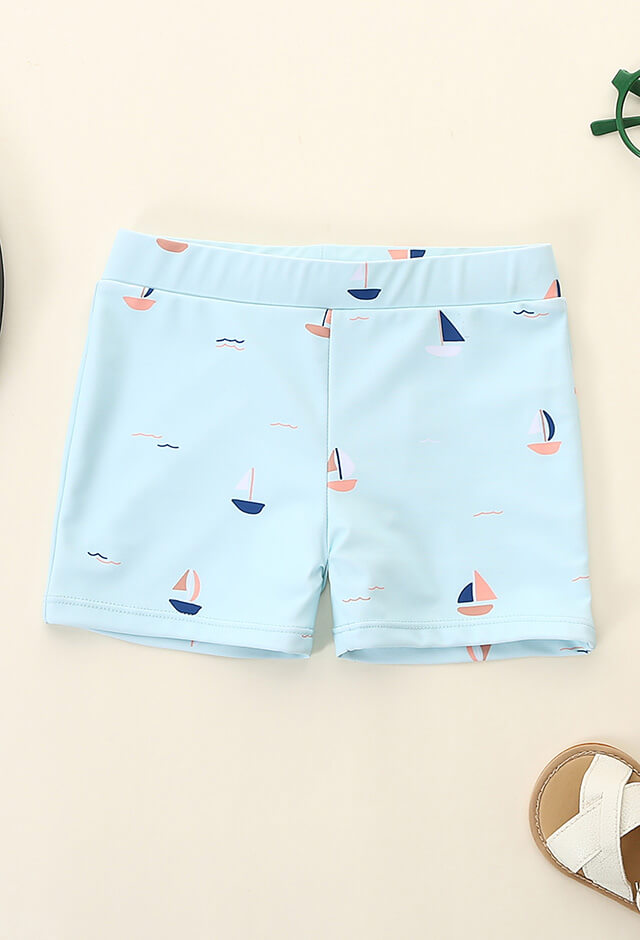 Swim Trunks
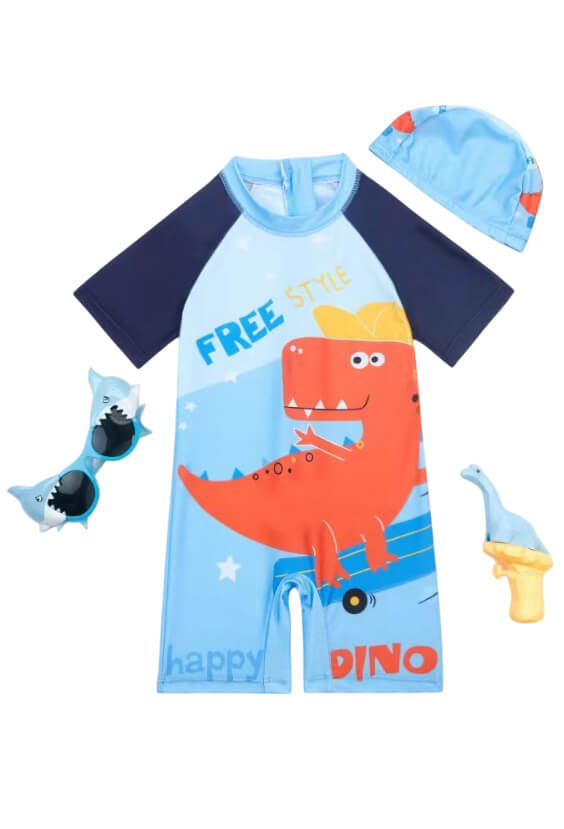 Boy Swimsuits
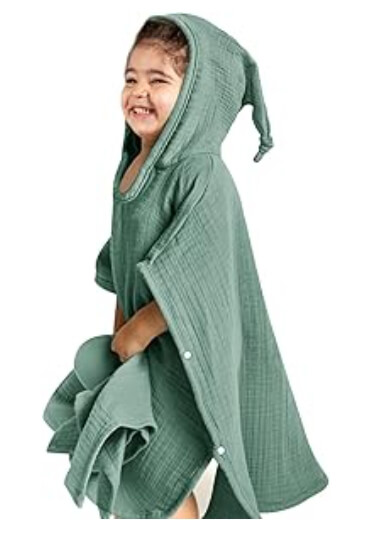 Poncho
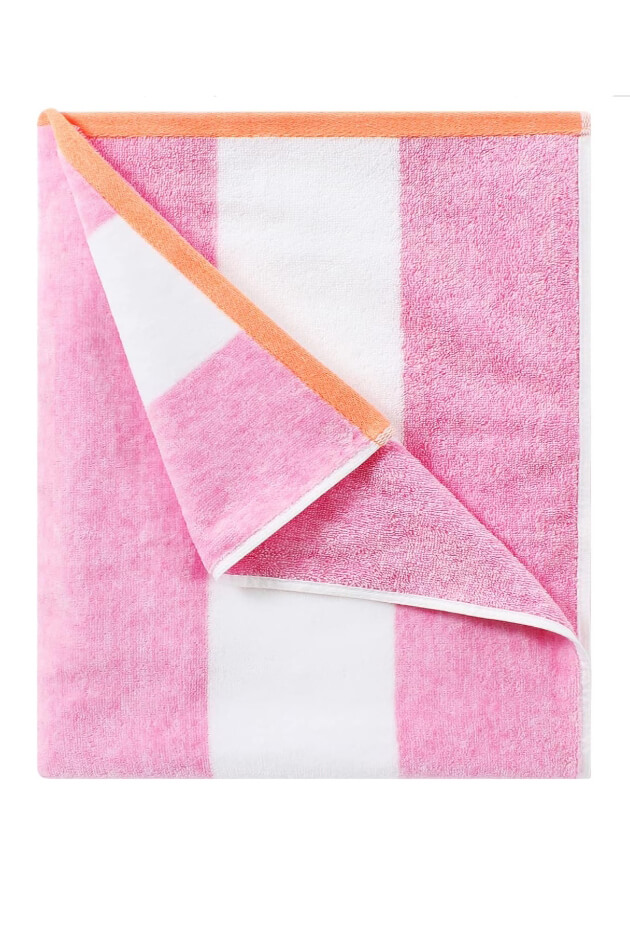 Beach Towel
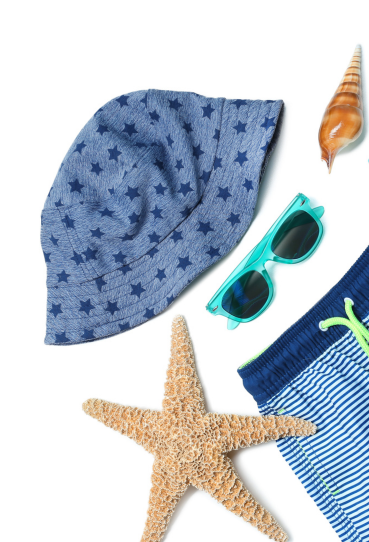 Sun Hat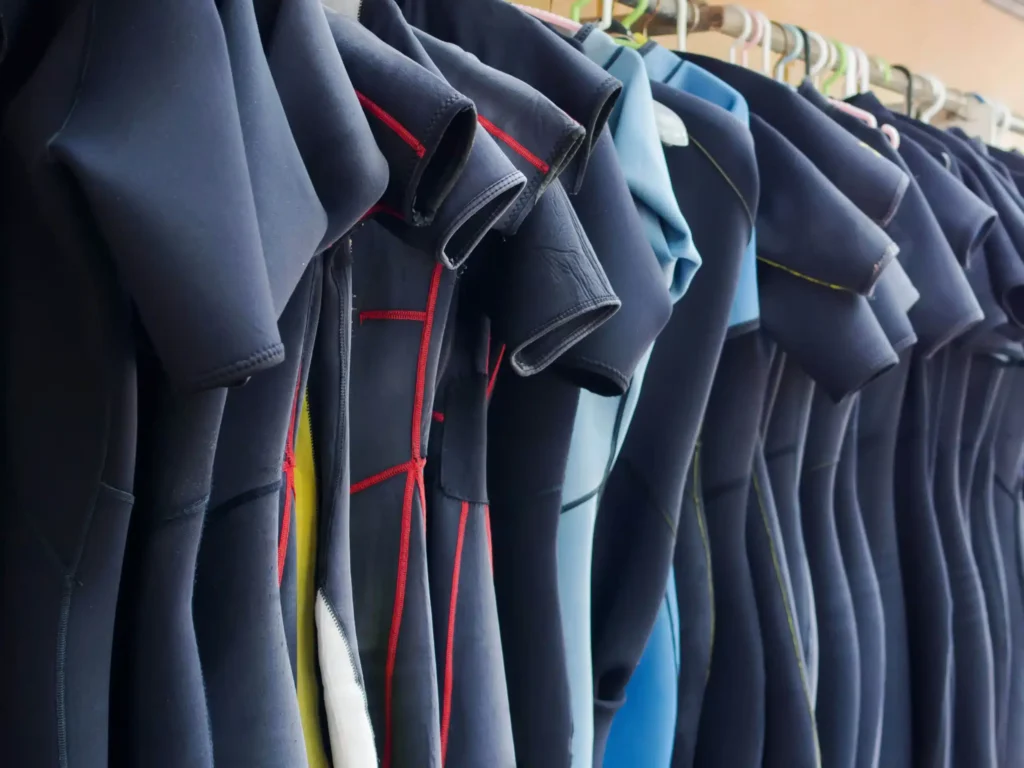
Chlorine resistant swimwear fabric has become a critical material category for brands developing performance swimwear, wetsuits, and aquatic apparel. As swimming pools, water parks, and thermal spas continue to attract millions of users worldwide, the demand for fabrics that withstand repeated chlorine exposure has never been higher. For brands, retailers, and importers, understanding chlorine resistant neoprene swimwear fabric is essential to delivering products that maintain their shape, colour, and performance over time.
This guide provides a comprehensive overview of chlorine resistant neoprene swimwear fabric—from material science and market trends to manufacturing considerations and sourcing strategies. Whether you are a brand launching a new swimwear line or an established retailer looking to upgrade your product quality, this resource will help you make informed decisions when partnering with a swimwear manufacturer.
1. Understanding Chlorine Resistant Neoprene Swimwear Fabric
1.1 What Is Chlorine Resistant Neoprene Fabric?
Chlorine resistant neoprene swimwear fabric is a specialised composite material that combines the insulating and buoyant properties of neoprene (polychloroprene rubber) with enhanced resistance to chlorine degradation. Neoprene is a synthetic rubber produced through the polymerisation of chloroprene, offering excellent elasticity, strength, compression resistance, and thermal insulation. When engineered for chlorine resistance, this material undergoes additional treatments or is laminated with chlorine-resistant outer layers to withstand the harsh chemical environment of chlorinated pools.
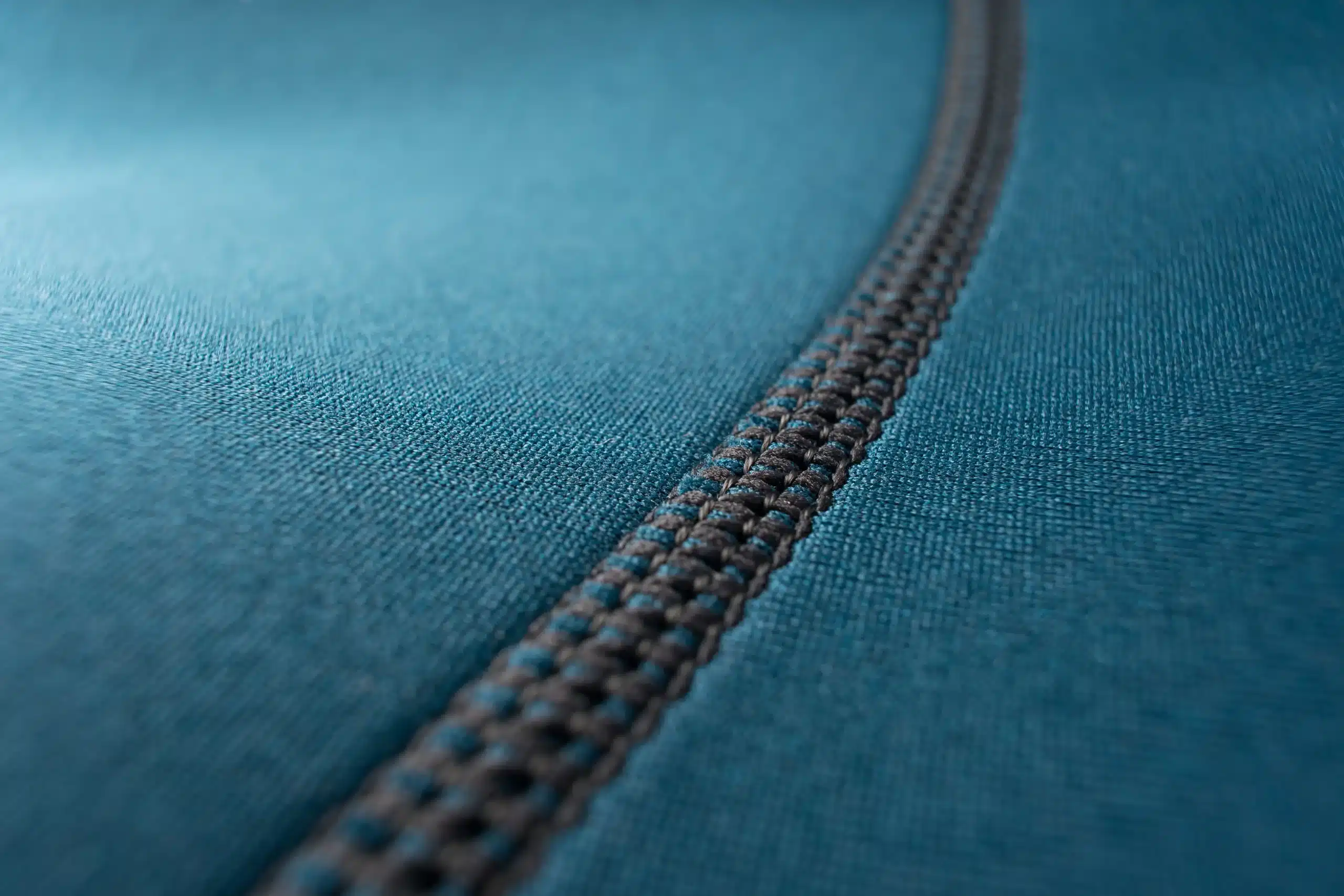
Typical chlorine resistant neoprene swimwear fabric features a three-layer composite structure: an outer layer of chlorine-resistant polyester or nylon fabric with digital or heat-transfer printing, a middle layer of foamed neoprene or TPU membrane providing buoyancy and thermal insulation, and an inner layer of skin-friendly fabric for comfort.
1.2 Why Chlorine Resistance Matters in Swimwear
Chlorine is a powerful oxidising agent essential for pool hygiene—but it is also highly destructive to textile fibres. Chlorine attacks the molecular bonds in spandex and elastane fibres, causing loss of elasticity, colour fading, fabric thinning, and eventual structural failure. For swimwear that sees regular use in chlorinated water, this degradation translates to sagging suits, faded prints, and dissatisfied customers.
Chlorine resistant swimwear fabrics are engineered to maintain elasticity and colour when garments are regularly exposed to chlorinated pool water. They are most commonly used for training swimwear, competition suits, wetsuits, and products intended for frequent pool use or hot tubs and thermal spas.
1.3 Neoprene vs. Other Chlorine Resistant Fabrics
While polyester PBT blends and Xtra Life Lycra® offer excellent chlorine resistance for traditional swimwear, neoprene provides unique properties that other fabrics cannot match. Neoprene offers thermal insulation, buoyancy, compression resistance, and a distinctive aesthetic that has become synonymous with watersports and performance swimwear.
For brands developing wetsuits, surf wear, triathlon suits, or thermal swimwear, chlorine resistant neoprene swimwear fabric is the material of choice. It provides warmth in cold water, protection from the elements, and the structural integrity required for high-performance aquatic activities.
2. Market Direction and Industry Growth
The global market for chlorine resistant fabrics and neoprene materials is experiencing significant growth, driven by increasing participation in swimming, watersports, and outdoor recreation. In 2024, the global neoprene fabric market was valued at approximately USD 2.91 billion. The broader chlorine resistant fibre market reached an estimated USD 1.85 billion in 2024 and is projected to grow at a compound annual growth rate (CAGR) of 4.50% during the forecast period.
The Chinese neoprene fabric market alone reached RMB 46.98 billion in 2025, with the global market expected to reach RMB 215.5 billion by 2032, representing a CAGR of 4.8%. The chlorine resistant swimwear market is also expanding, with global production reaching approximately 11.06 million units in 2025 at an average price of around USD 79 per unit.
These figures reflect a broader trend: consumers and brands alike are prioritising durability, performance, and longevity in swimwear. The days of disposable swimwear are ending, and chlorine resistant materials are at the forefront of this shift.
3. Key Trends in Chlorine Resistant Neoprene Swimwear Fabric
3.1 Sustainability and Eco-Friendly Alternatives
Why the market needs it: Conventional neoprene is petroleum-based and carbon-intensive. Neoprene production emits approximately 2,921 kg of CO₂ per kilogram. With increasing regulatory pressure and consumer demand for sustainable products, the industry is transitioning toward greener alternatives.
What consumers want: Environmentally conscious buyers are seeking swimwear made from sustainable materials without compromising performance. Brands that offer eco-friendly options gain a competitive advantage in an increasingly crowded market.
How it’s designed: Manufacturers are developing bio-based neoprene from renewable sources such as limestone or plant-polymer-based materials instead of petroleum. Recycled neoprene made from upcycled car tyres and plastic bottles is also gaining traction. Some manufacturers now offer GRS-certified recycled neoprene materials.
How it’s manufactured: Chlorine resistant neoprene swimwear fabric manufacturers are investing in production processes that reduce waste and energy consumption. Closed-cell foaming technologies and water-based adhesives are replacing traditional solvent-based systems.
Why it’s good for business: Sustainable swimwear commands premium pricing and attracts loyal customers. Brands that adopt eco-friendly neoprene position themselves as responsible industry players, which resonates with modern consumers and retail partners alike.
3.2 Breathable and Lightweight Neoprene
Why the market needs it: Traditional neoprene is known for its lack of breathability and moisture-wicking properties. As swimwear is worn for longer periods and in warmer conditions, the demand for more comfortable materials has grown.
What consumers want: Comfort during extended wear. Swimmers, surfers, and water sports enthusiasts need materials that do not trap excessive heat or moisture.
How it’s designed: Breathable chlorine resistant neoprene swimwear fabric incorporates perforation technologies—using moulds to punch holes of various shapes and sizes into the rubber foam, increasing airflow, reducing weight, and enhancing design appeal. Ultra-thin neoprene laminates as thin as 1mm are now available for professional swimwear.
How it’s manufactured: Advanced foaming techniques and thinner material profiles reduce overall weight while maintaining thermal properties. Manufacturers can produce neoprene in thicknesses ranging from 1mm to 5mm or more, allowing brands to specify the exact weight and insulation level required.
Why it’s good for business: Lightweight, breathable neoprene expands the addressable market beyond cold-water applications into warm-water and indoor pool environments. This versatility allows brands to develop year-round collections.
3.3 Advanced Printing and Customisation
Why the market needs it: In a competitive swimwear market, visual differentiation is essential. Brands need fabrics that can support vibrant, durable prints that withstand chlorine exposure.
What consumers want: Unique, personalised designs that do not fade or degrade after a few uses. Patterned and printed swimwear is increasingly popular across all demographics.
How it’s designed: Chlorine resistant neoprene swimwear fabric now supports heat transfer printing and digital sublimation printing technologies. These methods allow for full-colour, high-resolution designs that are bonded to the fabric surface. Chlorine-resistant printing techniques ensure colour fastness of at least Grade 4 after 200 hours of 50ppm sodium hypochlorite exposure.
How it’s manufactured: Fabric manufacturers apply printed outer layers to neoprene foam using lamination processes. The printed fabric is bonded to the rubber foam using adhesives, creating a composite material with both aesthetic appeal and functional performance. Manufacturers accept custom design patterns and can develop exclusive prints for individual brands.
Why it’s good for business: Custom-printed chlorine resistant neoprene swimwear fabric enables brands to create distinctive, identifiable collections. Exclusive prints become part of brand identity and cannot be easily replicated by competitors.
3.4 Multi-Functional Performance Fabrics
Why the market needs it: Modern swimwear must do more than just cover the body. Consumers expect UV protection, antibacterial properties, and enhanced durability alongside chlorine resistance.
What consumers want: All-in-one performance. Swimwear that protects against UV radiation, resists bacterial growth, maintains shape, and stands up to chlorine—all while looking good.
How it’s designed: Chlorine resistant neoprene swimwear fabric is being engineered with multiple functional layers. Outer layers offer UPF 50+ UV protection. Anti-microbial treatments prevent odour and bacterial growth. The neoprene core provides insulation and buoyancy.
How it’s manufactured: Manufacturers apply functional finishes during the lamination and coating processes. UV inhibitors, antibacterial agents, and chlorine-resistant treatments are integrated into the fabric structure rather than applied as surface coatings that can wash off.
Why it’s good for business: Multi-functional swimwear justifies premium pricing and reduces the need for consumers to purchase separate products for different activities. Brands offering all-in-one performance solutions capture a larger share of consumer spending.

4. Material Specifications and Options
4.1 Neoprene Types: CR vs. SBR
Understanding the different types of neoprene is essential for sourcing the right chlorine resistant swimwear fabric for your application.
CR (Chloroprene Rubber) Neoprene: This is the premium material for high-end swimwear and wetsuits. CR neoprene offers superior quality, higher elasticity, excellent weather resistance, non-yellowing properties, and waterproofing.
SBR (Styrene-Butadiene Rubber) Neoprene: This is a more cost-effective alternative that is softer and more affordable. SBR is commonly used for bags, protective gear, footwear, and general-purpose applications. While SBR is suitable for some swimwear applications, CR is preferred for products requiring maximum durability and chlorine resistance.
For brands developing premium swimwear collections, CR neoprene is the recommended choice. The higher cost is offset by superior performance, longer product life, and enhanced brand reputation.
4.2 Fabric Laminates and Outer Layers
The outer layer of chlorine resistant neoprene swimwear fabric plays a critical role in both aesthetics and performance. Common outer layer materials include:
- Polyester: Offers excellent chlorine resistance, colour retention, and printability. Polyester is the preferred outer layer for competitive swimwear and high-durability applications.
- Nylon: Provides softness and a luxurious feel but is less chlorine-resistant than polyester.
- Nylon-Spandex Blends: Popular for fashion swimwear but do not perform well in chlorinated environments. Nylon absorbs water and loses colour, while spandex breaks down quickly in chemicals.
For chlorine resistant neoprene swimwear fabric, polyester-based outer layers are the gold standard. They maintain colour and structural integrity even after hundreds of hours of chlorine exposure.
4.3 Thickness and Weight Options
Chlorine resistant neoprene swimwear fabric is available in a range of thicknesses and weights to suit different applications:
- 1mm-2mm: Ultra-thin, lightweight, suitable for performance swimwear, triathlon suits, and warm-water activities.
- 2mm-3mm: Standard thickness for thermal swimwear, spring suits, and recreational wetsuits.
- 3mm-5mm: Heavy-duty thickness for cold-water wetsuits, diving suits, and extreme conditions.
Weight typically ranges from 280-350 g/m² for standard neoprene fabrics. Lighter weights improve flexibility and comfort, while heavier weights provide greater insulation and durability.
4.4 Sustainable Material Options
For brands committed to environmental responsibility, several sustainable options are available in chlorine resistant neoprene swimwear fabric:
- Limestone-Based Neoprene: Made from calcium carbonate rather than petroleum, reducing carbon footprint.
- Recycled Neoprene: Produced from upcycled materials such as car tyres and plastic bottles.
- GRS-Certified Materials: Global Recycled Standard certification ensures traceability and environmental integrity.
- Bio-Based Alternatives: Plant-polymer-based materials that reduce dependence on fossil fuels.
These sustainable options allow brands to meet consumer demand for eco-friendly products without sacrificing the performance characteristics of traditional neoprene.
5. Manufacturing Considerations for Chlorine Resistant Neoprene Swimwear
5.1 Minimum Order Quantities (MOQ)
When sourcing chlorine resistant neoprene swimwear fabric, MOQ is a critical consideration. MOQs vary significantly between suppliers:
- Large manufacturers: May require MOQs of 500-1000 metres or more per colour/pattern.
- Specialised fabric suppliers: Often offer lower MOQs for standard materials, with higher MOQs for custom colours or prints.
- Custom orders: Typically require higher MOQs due to the setup costs for colour matching and printing.
For emerging brands or those testing new collections, working with a chlorine resistant neoprene swimwear fabric manufacturer that offers flexible MOQs is essential. Many Chinese manufacturers now offer sample quantities and small-batch production to support brand development.
5.2 Sampling and Development Process
The sampling process is a crucial step in developing chlorine resistant neoprene swimwear. A typical development timeline includes:
- Material selection: Choosing the appropriate neoprene type, thickness, and outer layer.
- Colour matching: Developing the exact colour required for the collection.
- Print development: Creating custom prints using heat transfer or sublimation techniques.
- Sample production: Manufacturing sample fabrics for testing and approval.
- Testing: Verifying chlorine resistance, colour fastness, stretch, and recovery properties.
Sample lead times typically range from 7 to 14 days for standard materials, with custom prints requiring additional time. Brands should factor sampling time into their product development calendars.
5.3 Quality Control Standards
Quality control is paramount when sourcing chlorine resistant neoprene swimwear fabric. Reputable manufacturers adhere to international testing standards:
- Chlorine resistance: ISO 105-E03 testing for colour fastness in chlorinated water.
- Tensile strength: ASTM D5034 testing for fabric strength.
- UV protection: AS/NZS 4399 testing for UPF rating.
- Abrasion resistance: ISO 12947 Martindale testing.
- Colour fastness: ISO 105-X12 and ISO 105-C06 testing.
Brands should request test reports from their chlorine resistant neoprene swimwear fabric manufacturer to verify that materials meet required specifications.
5.4 Cost Considerations
Several factors influence the cost of chlorine resistant neoprene swimwear fabric:
- Neoprene type: CR neoprene is significantly more expensive than SBR.
- Thickness: Thicker materials use more rubber and cost more per square metre.
- Outer layer: Polyester outer layers with printing capabilities add to the cost.
- Customisation: Custom colours and prints require additional setup and minimum orders.
- Volume: Larger orders benefit from economies of scale.
- Sustainability: Eco-friendly materials such as limestone-based or recycled neoprene typically command a premium.
Brands should work with their chlorine resistant neoprene swimwear fabric manufacturer to balance cost and performance requirements. In many cases, investing in higher-quality materials results in better product performance and longer customer satisfaction, ultimately reducing returns and building brand loyalty.
5.5 Production Capacity and Lead Times
When selecting a chlorine resistant neoprene swimwear fabric manufacturer, production capacity and lead times are critical factors. Established manufacturers in China operate large-scale facilities with significant production capacity. Typical lead times for production orders range from 30 to 60 days, depending on order size and customisation requirements.
Brands should plan their ordering cycles accordingly and maintain communication with their manufacturer to ensure timely delivery. Building a strong relationship with a reliable supplier helps mitigate supply chain risks and ensures consistent quality across production runs.
6. Collection Development Advice
Developing a swimwear collection using chlorine resistant neoprene fabric requires strategic planning. Here are key considerations for brands planning their product ranges:
6.1 Define Your Target Application
Determine the primary use case for your swimwear. Different applications require different material specifications:
- Competitive swimming: Focus on lightweight, low-drag materials with maximum chlorine resistance.
- Surfing and watersports: Prioritise thermal insulation, durability, and UV protection.
- Fashion swimwear: Balance aesthetics, comfort, and reasonable durability.
- Training swimwear: Emphasise maximum chlorine resistance and longevity.
6.2 Build a Cohesive Range
A well-planned collection typically includes:
- Core styles: Best-selling silhouettes in core colours with reliable chlorine resistance.
- Seasonal styles: On-trend designs in fashion colours and prints.
- Performance styles: Technical garments for serious athletes.
- Accessories: Matching swim caps, bags, and other items that reinforce brand identity.
6.3 Plan for Sampling and Testing
Allocate sufficient time and budget for sampling and testing. Rushing the development process often leads to quality issues and dissatisfied customers. Work closely with your chlorine resistant neoprene swimwear fabric manufacturer to ensure that samples meet your specifications before proceeding to full production.
6.4 Consider Sustainability Positioning
Evaluate whether your brand should pursue sustainable materials. Eco-friendly positioning can differentiate your brand and attract environmentally conscious consumers. However, sustainable materials may require higher MOQs and longer lead times, so plan accordingly.
7. Common Mistakes to Avoid
When sourcing and developing with chlorine resistant neoprene swimwear, avoid these common pitfalls:
Mistake 1: Prioritising Cost Over Quality
Choosing the cheapest material often results in poor chlorine resistance, rapid degradation, and customer complaints. Invest in quality materials from a reputable chlorine resistant neoprene swimwear fabric manufacturer. The long-term cost of returns and brand damage far exceeds the savings from cheaper materials.
Mistake 2: Ignoring Testing Requirements
Failing to test materials for chlorine resistance, colour fastness, and durability leads to unpleasant surprises after production. Always request test reports and conduct your own verification when possible.
Mistake 3: Underestimating Lead Times
Custom colours, prints, and materials require additional production time. Factor sampling, production, and shipping into your timeline to avoid collection delays.
Mistake 4: Overlooking Lining and Construction
Chlorine resistance is not just about the outer fabric. Use chlorine-resistant lining to support structure and extend overall garment life. Double stitching and reinforced seams prevent warping and stretching over time.
Mistake 5: Neglecting Colour Selection
Darker colours fade slower than lighter colours, especially when paired with high-quality dye methods. Consider colour choice as part of your durability strategy.
Mistake 6: Assuming All Neoprene Is the Same
CR and SBR neoprene swimwear have very different performance characteristics. Specify the material type required for your application and verify that your supplier is providing the correct material.
8. Product Development Recommendations
For brands developing new swimwear collections with chlorine resistant neoprene fabric, follow these recommendations:
Start with Clear Specifications
Define your material requirements in detail before approaching suppliers. Specify neoprene type (CR or SBR), thickness, outer layer material, printing requirements, and performance standards. Clear specifications help suppliers provide accurate quotes and samples.
Build Strong Supplier Relationships
Work with established chlorine resistant neoprene swimwear fabric manufacturers who have a proven track record. Visit factories when possible, request references, and maintain open communication throughout the development process.
Invest in Sampling
Allocate budget and time for thorough sampling. Test samples in real-world conditions to verify chlorine resistance, comfort, and durability before committing to full production.
Plan for Quality Control
Implement a quality control process that includes material inspection, in-production checks, and final product testing. Work with your manufacturer to establish quality standards and inspection protocols.
Consider Lifecycle Costs
While high-quality chlorine resistant neoprene swimwear fabric may cost more upfront, it delivers better value over the product lifecycle. Longer-lasting products reduce returns, build customer loyalty, and enhance brand reputation.
9. Conclusion
Chlorine resistant neoprene swimwear fabric represents a significant opportunity for brands developing durable, high-performance swimwear. With the global market for neoprene fabrics and chlorine resistant materials growing steadily, brands that invest in quality materials and reliable manufacturing partnerships position themselves for success.
Understanding the material science, market trends, and manufacturing considerations outlined in this guide will help you make informed sourcing decisions. Whether you are developing competitive swimwear, surf wear, or fashion collections, chlorine resistant neoprene swimwear fabric offers the durability, performance, and aesthetic versatility that today’s consumers demand.
Partnering with an experienced chlorine resistant neoprene swimwear fabric manufacturer ensures that your products meet the highest standards of quality and performance. With the right materials and the right partner, your brand can deliver swimwear that stands up to chlorine, looks great, and keeps customers coming back season after season.
Frequently Asked Questions
1. What is chlorine resistant neoprene swimwear fabric?
Chlorine resistant neoprene swimwear fabric is a composite material that combines neoprene rubber with chlorine-resistant outer layers. It is designed to withstand repeated exposure to chlorinated pool water while maintaining elasticity, colour, and structural integrity.
2. How does chlorine damage regular swimwear fabrics?
Chlorine attacks the molecular bonds in spandex and elastane fibres, causing loss of elasticity, colour fading, fabric thinning, and eventual breakdown. Regular swimwear can degrade significantly after just a few dozen hours of pool use.
3. What is the difference between CR and SBR neoprene?
CR (Chloroprene Rubber) neoprene offers superior quality, higher elasticity, better weather resistance, and non-yellowing properties. SBR (Styrene-Butadiene Rubber) is more affordable and softer but has lower performance characteristics. CR is preferred for premium swimwear.
4. What thickness of neoprene is best for swimwear?
Thickness depends on the application. 1-2mm is suitable for performance swimwear and warm-water activities. 2-3mm is standard for thermal swimwear. 3-5mm is used for cold-water wetsuits and extreme conditions.
5. What is the typical MOQ for custom neoprene swimwear fabric?
MOQs vary by supplier. Large manufacturers may require 500-1000 metres, while specialised suppliers may offer lower MOQs for standard materials. Custom colours and prints typically require higher MOQs due to setup costs.
6. How can I verify the chlorine resistance of swimwear fabric?
Request test reports from your supplier. Key tests include ISO 105-E03 for chlorine colour fastness, ASTM D5034 for tensile strength, and ISO 12947 for abrasion resistance.
7. Is sustainable neoprene available for swimwear?
Yes. Sustainable options include limestone-based neoprene, recycled neoprene from upcycled materials, GRS-certified materials, and bio-based alternatives from renewable sources.
8. What is the typical lead time for neoprene swimwear fabric orders?
Production lead times typically range from 30 to 60 days, depending on order size and customisation requirements. Sampling adds an additional 7-14 days.
9. How should I choose a neoprene swimwear fabric supplier?
Look for established manufacturers with proven experience, quality certifications, and transparent testing processes. Visit factories when possible, request references, and maintain open communication.
10. What colours work best for chlorine resistant swimwear?
Darker colours fade slower than lighter colours when exposed to chlorine. However, high-quality chlorine resistant fabrics with proper dye methods maintain colour across the spectrum.