
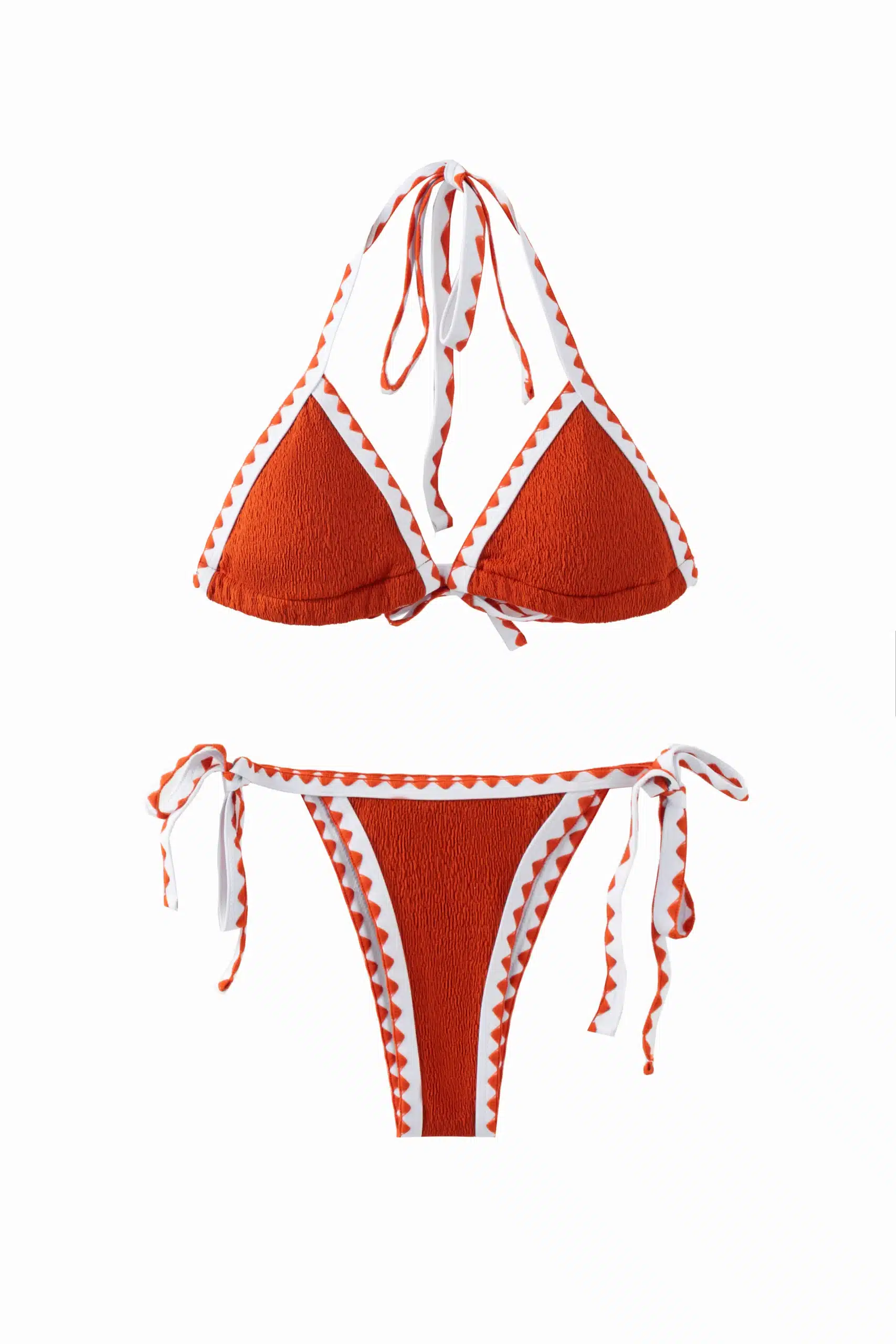
 Bikini
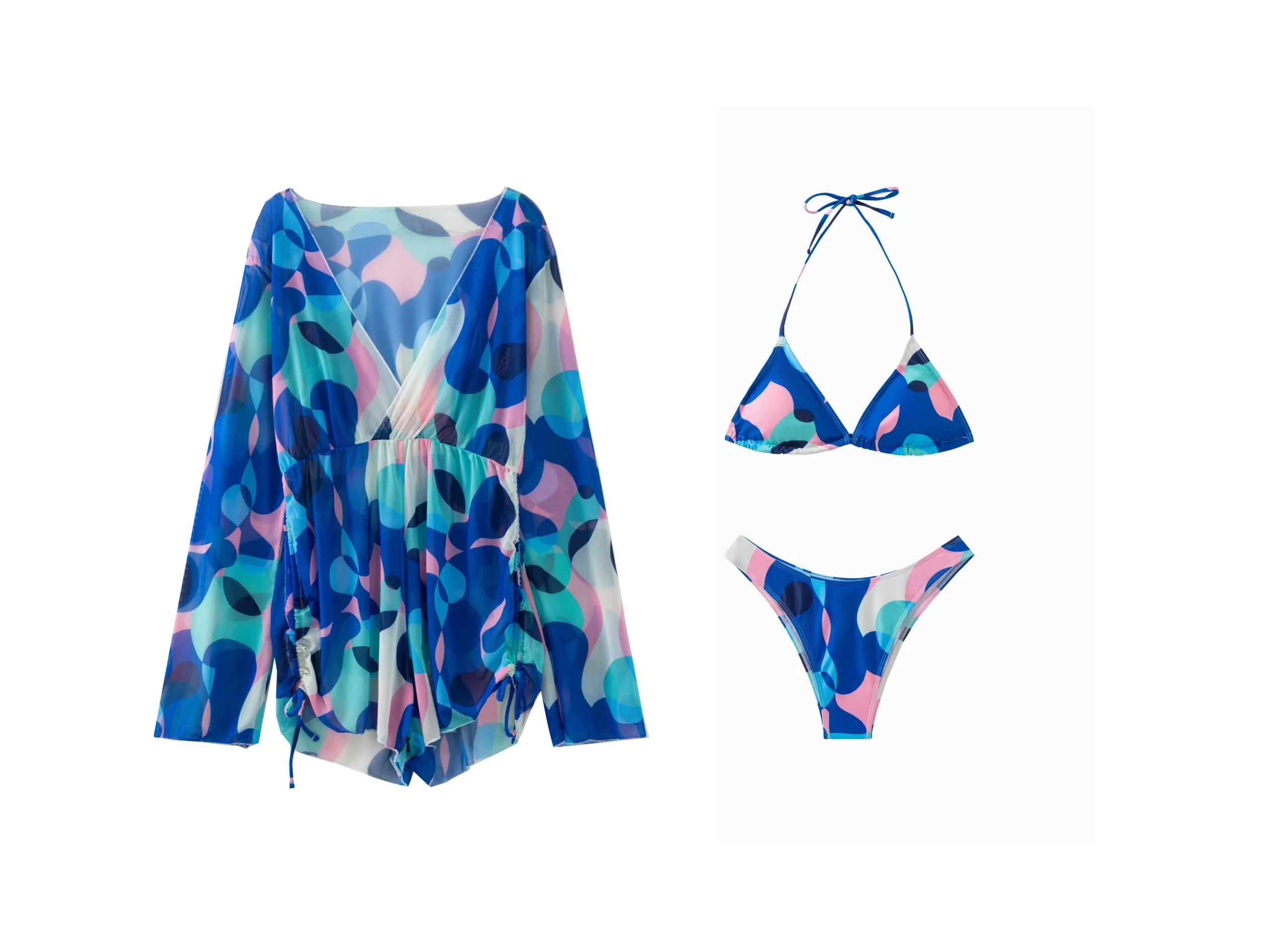 Bikini Cover-Up Set
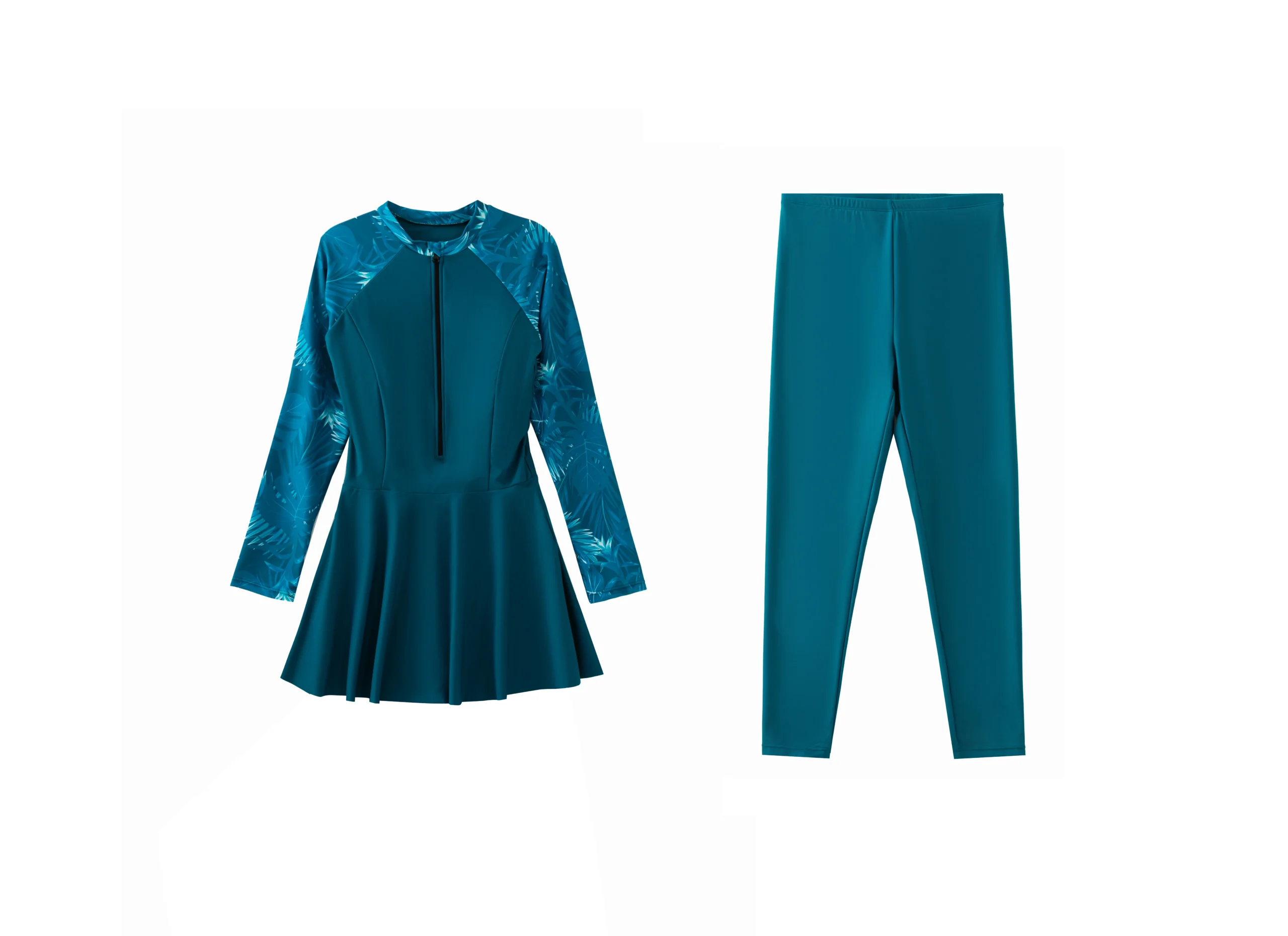 Burkini Swimwear
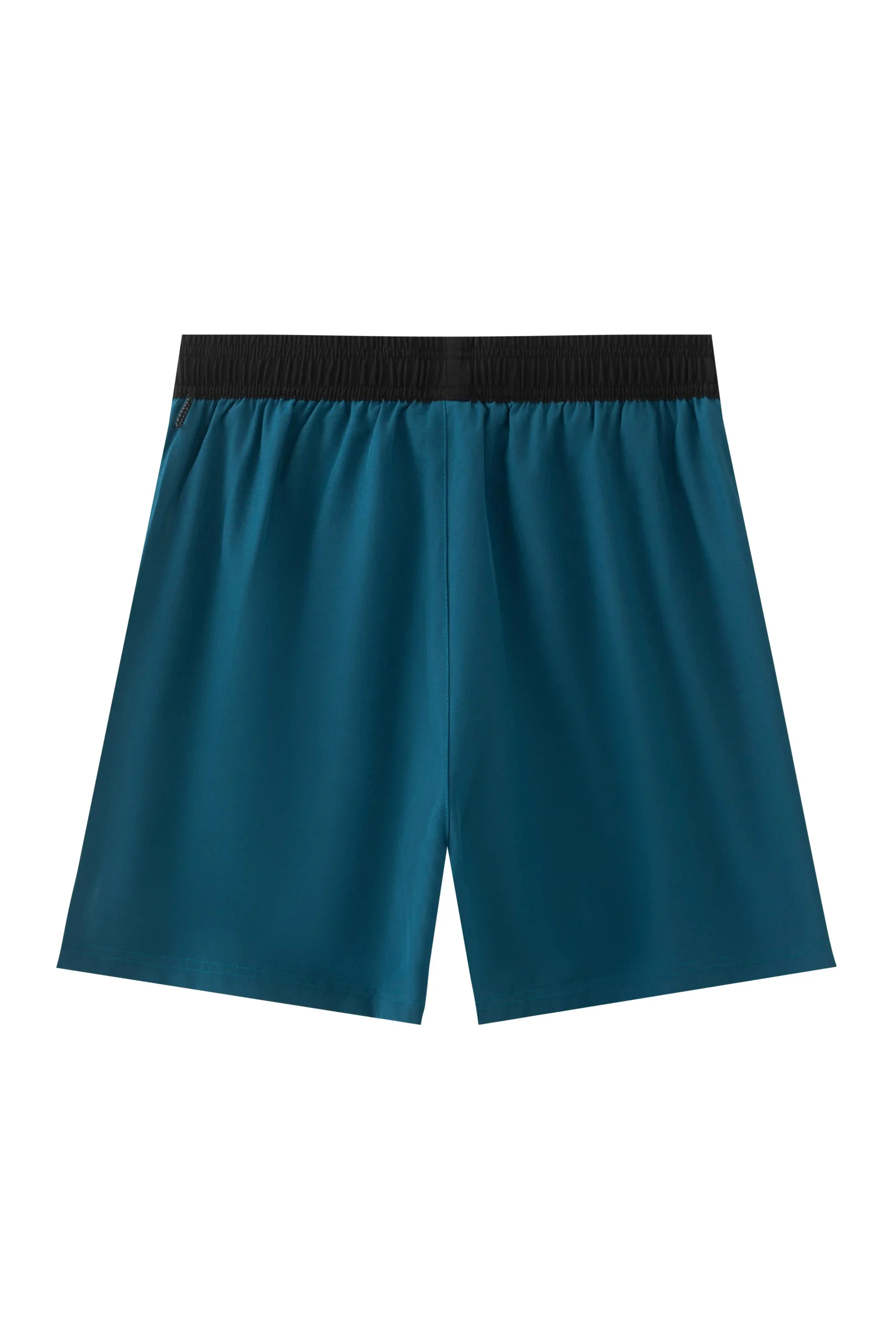 Men Swimwear
 One-Piece Swimsuits
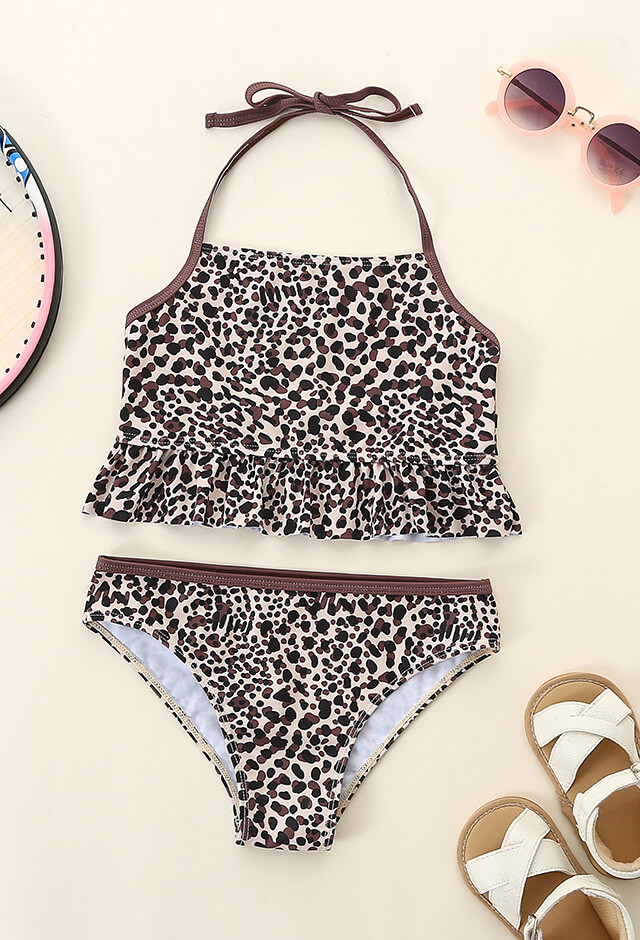 Two-Piece Swimsuits
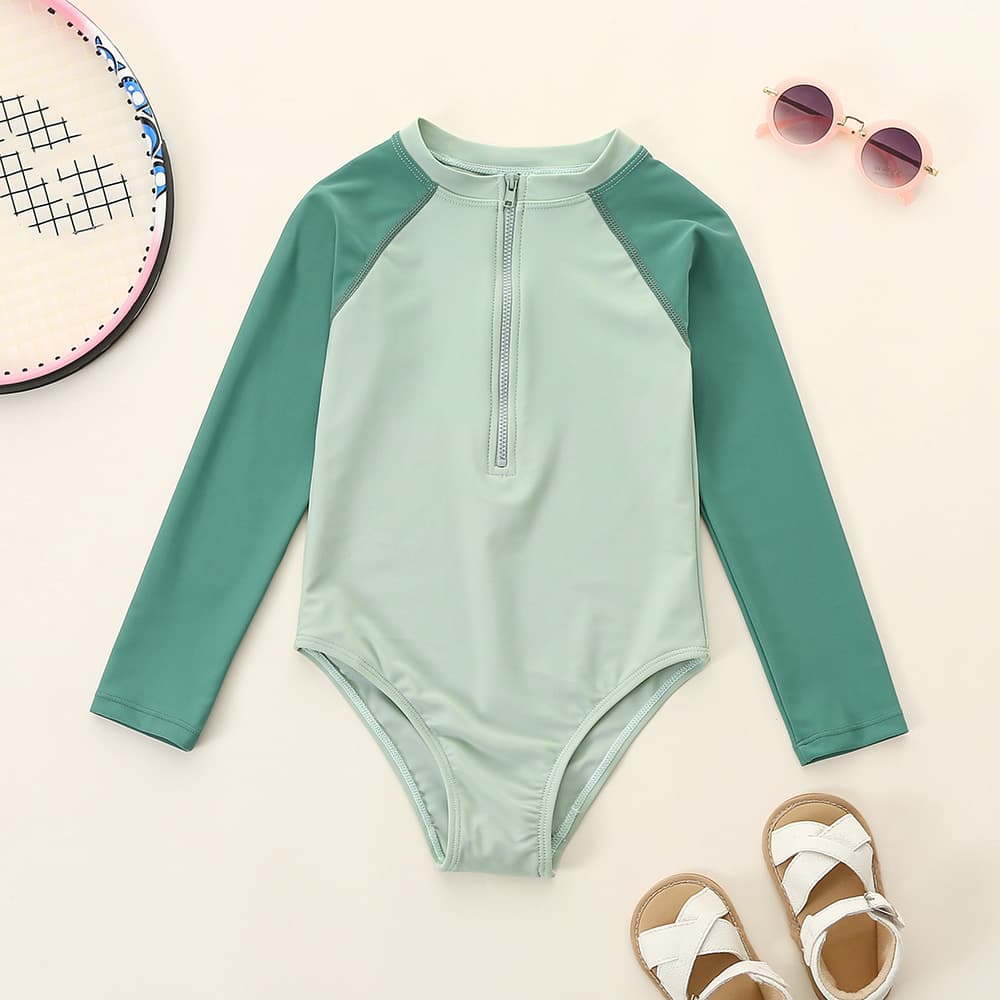 Rash Guards
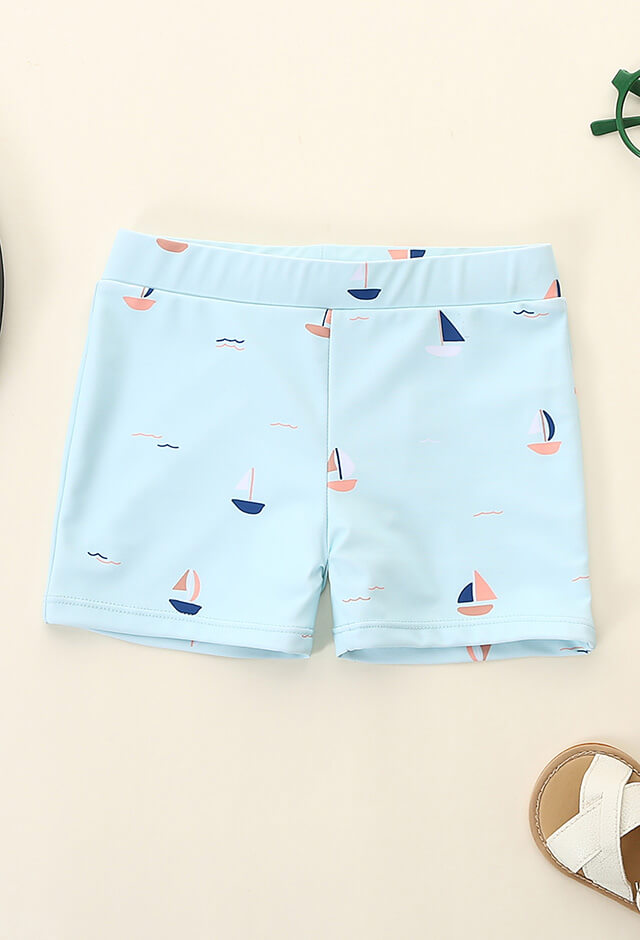 Swim Trunks
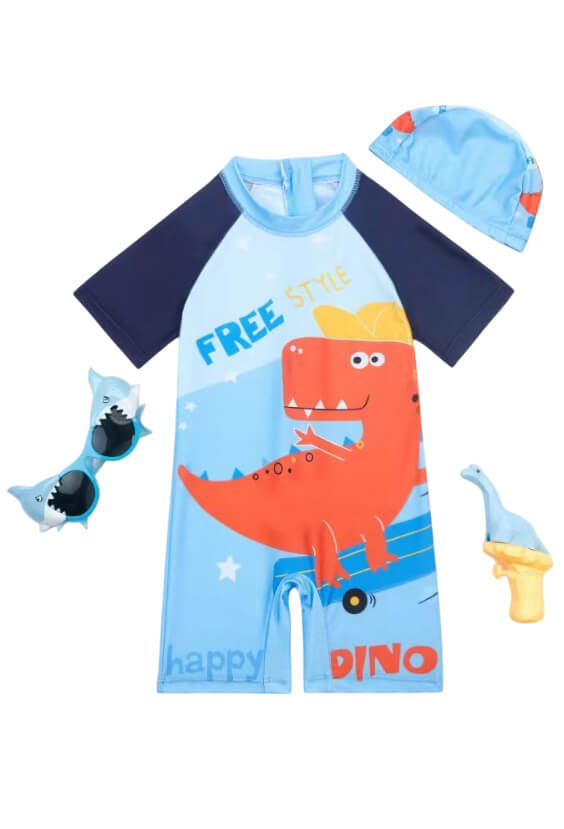 Boy Swimsuits
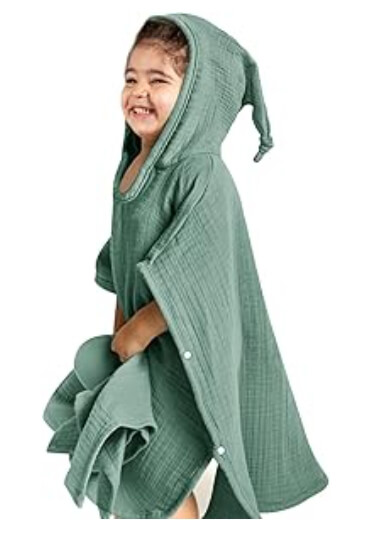 Poncho
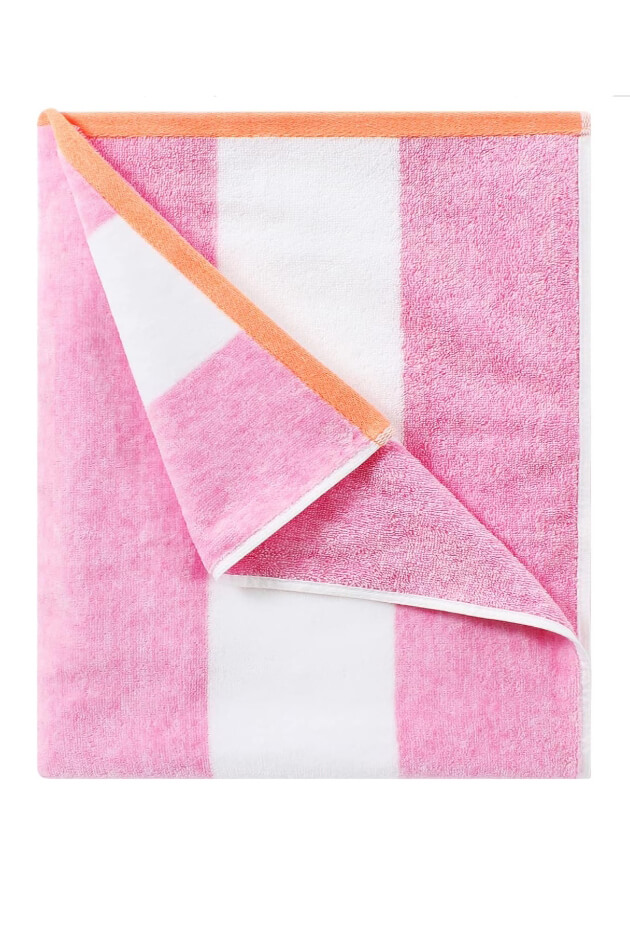 Beach Towel
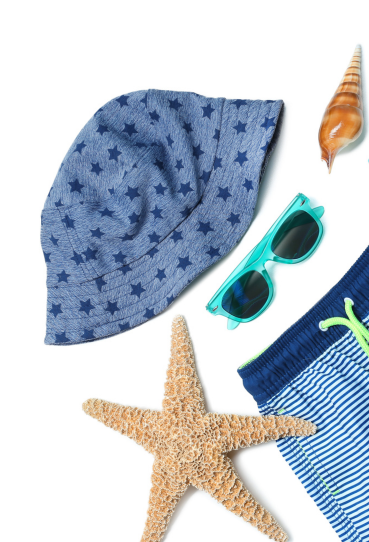 Sun Hat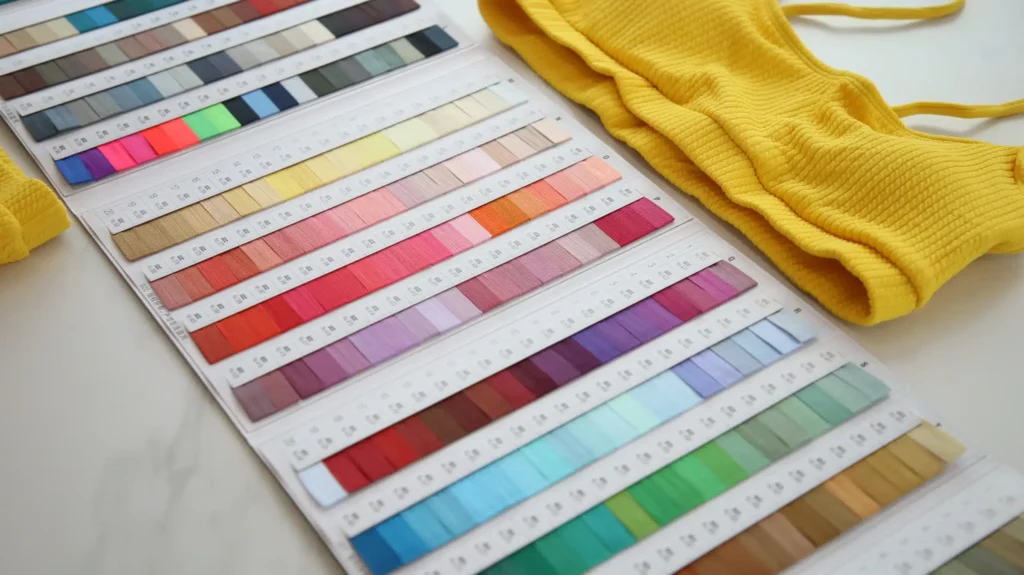
Turn Your Swimwear Idea into a Successful Brand
Launching a swimwear brand is no longer reserved for large fashion companies. With the rise of e-commerce, social media, and low MOQ manufacturing, entrepreneurs and boutique brands now have more opportunities than ever to create unique swimwear collections and reach customers worldwide.
Whether your goal is to launch a sustainable bikini line, create luxury resort wear, or build a private-label beachwear brand, success depends on more than just attractive designs. Choosing the right manufacturing partner, understanding your target market, and planning each stage of product development are essential to building a profitable and long-lasting business.
This guide walks you through every step of developing your own swimwear brand—from defining your niche to working with a reliable custom swimwear manufacturer.
Introduction
The global swimwear market continues to grow as consumers seek stylish, functional, and sustainable products for vacations, fitness, and everyday leisure.
However, many aspiring entrepreneurs underestimate the complexity of developing a swimwear brand. Unlike ordinary apparel, swimwear requires specialized fabrics, technical construction, accurate sizing, and high-quality manufacturing to ensure comfort, durability, and performance.
Without proper planning, brands often encounter problems such as inconsistent sizing, poor fabric recovery, delayed production, and excess inventory.
The good news is that these challenges can be avoided with the right strategy.
By partnering with an experienced Custom Swimwear Manufacturer, you can reduce development risks, improve product quality, and bring your collection to market more efficiently.
The following steps outline a proven roadmap used by successful swimwear brands around the world.
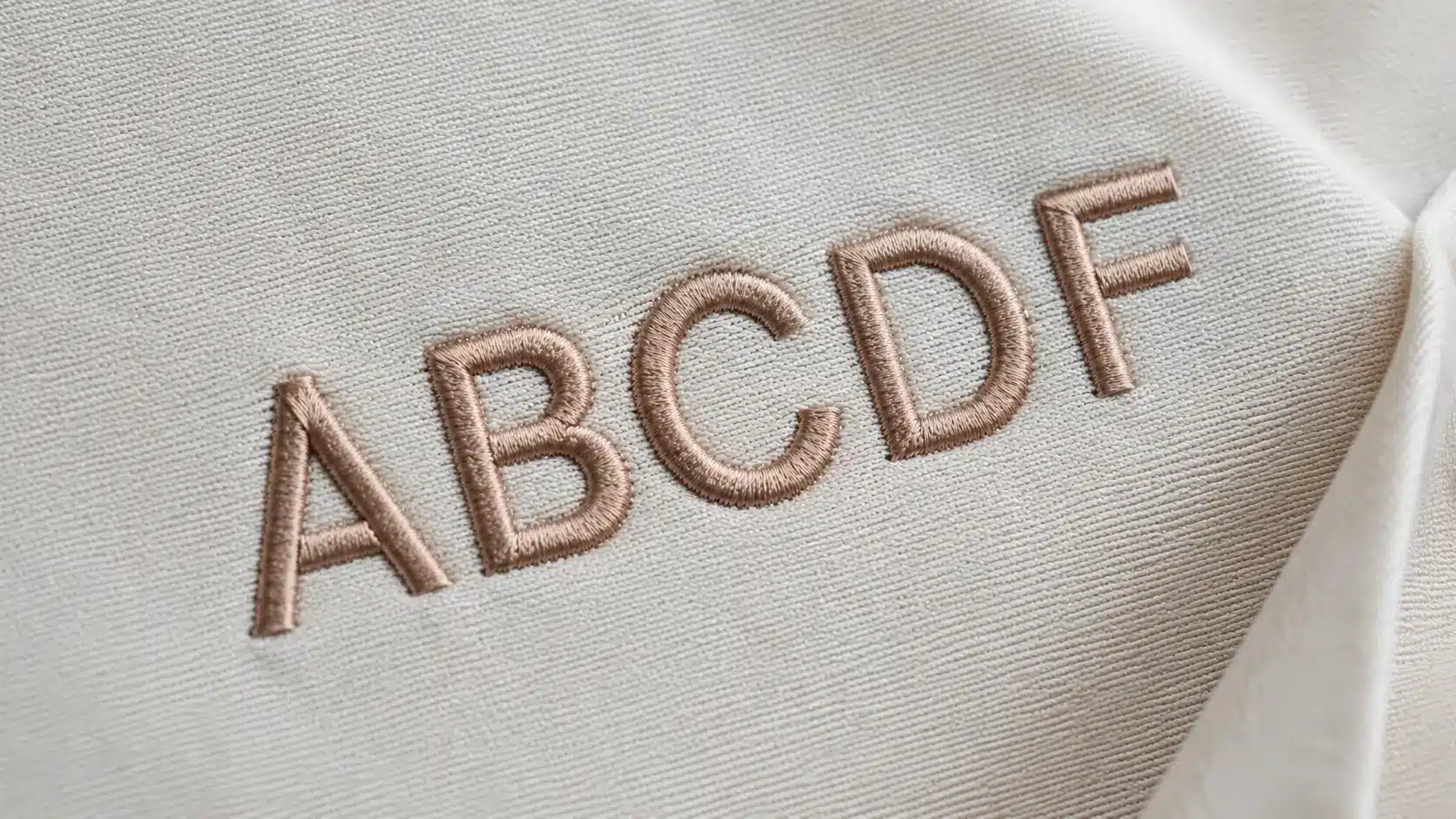
Step 1 – Define Your Brand Positioning
Every successful swimwear brand begins with a clear identity.
Before sketching your first design, ask yourself:
- Who is my ideal customer?
- What price range will my products target?
- What makes my brand different?
- Which countries will I sell to?
- What lifestyle does my brand represent?
Many new businesses make the mistake of trying to appeal to everyone.
Instead, focus on a specific niche.
Examples include:
Premium fabrics, elegant silhouettes, sophisticated branding, and higher retail prices.
Sustainable Swimwear
Eco-friendly materials, recycled fabrics, biodegradable packaging, and environmentally conscious messaging.
Active Swimwear
Performance-oriented products designed for swimming, surfing, paddleboarding, and other water sports.
Family Matching Swimwear
Matching collections for parents and children, increasingly popular among travel and lifestyle brands.
Plus-Size Swimwear
Inclusive sizing with supportive construction and flattering designs.
A clearly defined positioning helps guide every decision—from product design and fabric selection to marketing and pricing.
Tip: Study your competitors, identify market gaps, and define a unique selling proposition (USP) before investing in product development.
Step 2 – Research Your Target Market
Understanding your target audience is just as important as designing beautiful products.
Start by analyzing:
- Customer demographics
- Buying habits
- Preferred colors
- Popular styles
- Seasonal demand
- Price expectations
- Competitor strengths and weaknesses
Useful research platforms include:
- Google Trends
- TikTok
- Amazon Best Sellers
- Fashion trend reports
- Trade shows
- Customer reviews
Pay attention to recurring customer feedback.
Questions like:
- “Is the fabric comfortable?”
- “Does the sizing run small?”
- “Does it dry quickly?”
- “Is it suitable for active swimming?”
These insights help you develop products that solve real customer problems rather than simply following trends.
Market research also allows you to identify underserved niches where your brand can stand out.
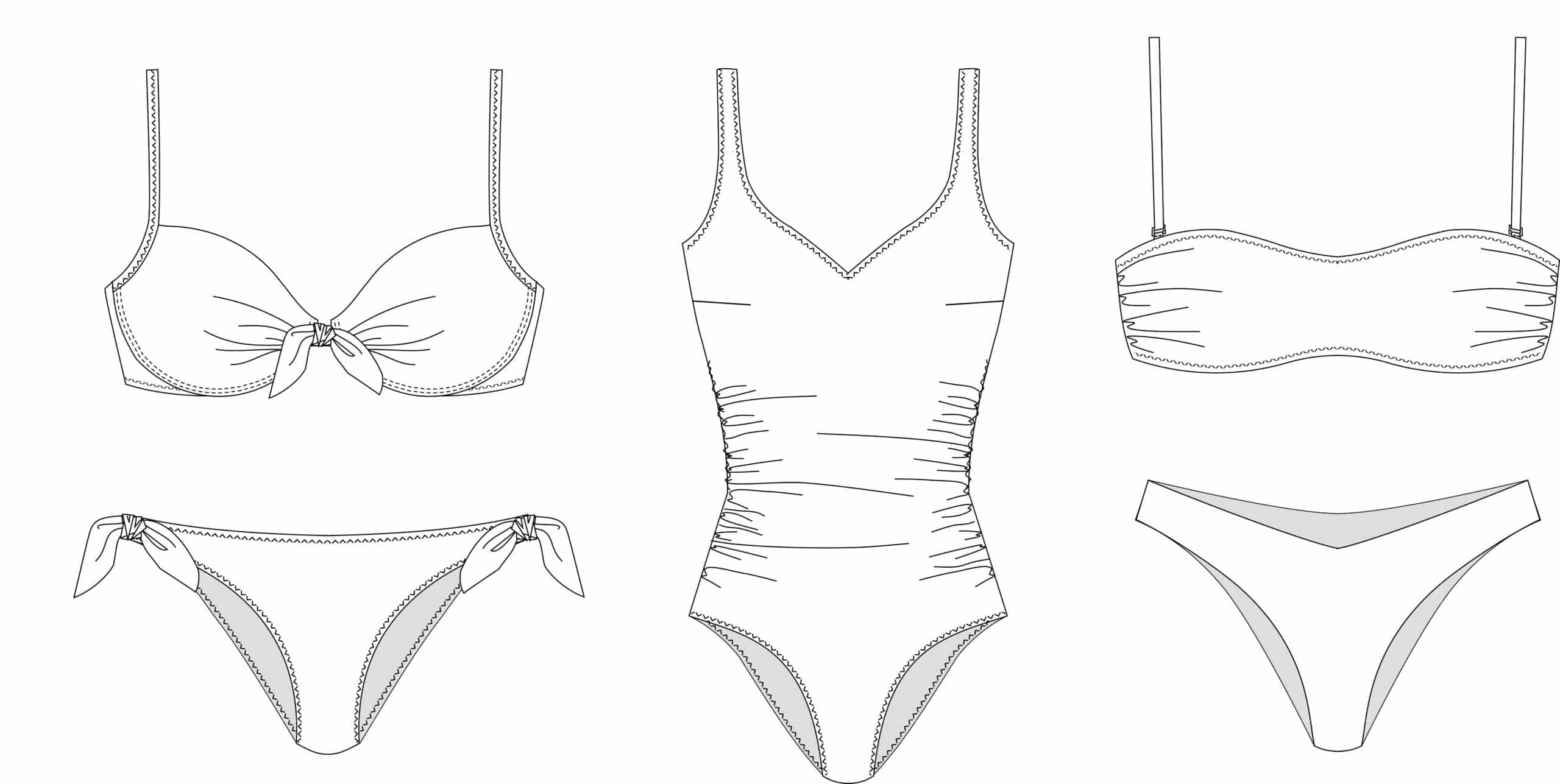
Step 3 – Design Your First Collection
Many first-time founders believe they need dozens of styles to launch successfully.
In reality, a focused collection often performs better.
A practical starting point is:
- 6–10 bikini styles
- 3–5 one-piece swimsuits
- 2–4 cover-ups
- 2–3 rash guards
- 2–3 men’s swim shorts
- Matching accessories
Rather than offering too many options, concentrate on creating a cohesive collection that reflects your brand identity.
When designing your products, consider:
Color Palette
Choose colors that work well together and reinforce your brand image.
Select fabrics that match your positioning, whether premium, athletic, or sustainable.
Size Range
Offer inclusive sizing whenever possible to appeal to a broader audience.
Technical Details
Think beyond aesthetics.
Consider:
- Adjustable straps
- Removable cups
- Built-in support
- Lining
- Seam construction
- Stretch recovery
- Chlorine resistance
- UV protection
These functional details significantly influence customer satisfaction and repeat purchases.
Branding Elements
Plan how your logo and brand identity will appear on each product.
Options include:
- Silicone logos
- Woven labels
- Heat-transfer logos
- Custom metal accessories
- Printed care labels
- Premium hang tags
- Branded packaging
Consistent branding creates a more professional appearance and strengthens customer recognition.
Why Product Development Matters
One of the biggest mistakes new brands make is rushing into production before refining their designs.
A well-developed product undergoes multiple revisions to improve fit, comfort, durability, and overall appearance.
Working closely with an experienced Private Label Swimwear Manufacturer during this stage can save both time and money.
Professional manufacturers can identify potential production challenges, recommend better construction methods, and suggest materials that align with your budget and target market.
Investing in thoughtful product development lays the foundation for a successful collection and reduces costly mistakes during bulk production.
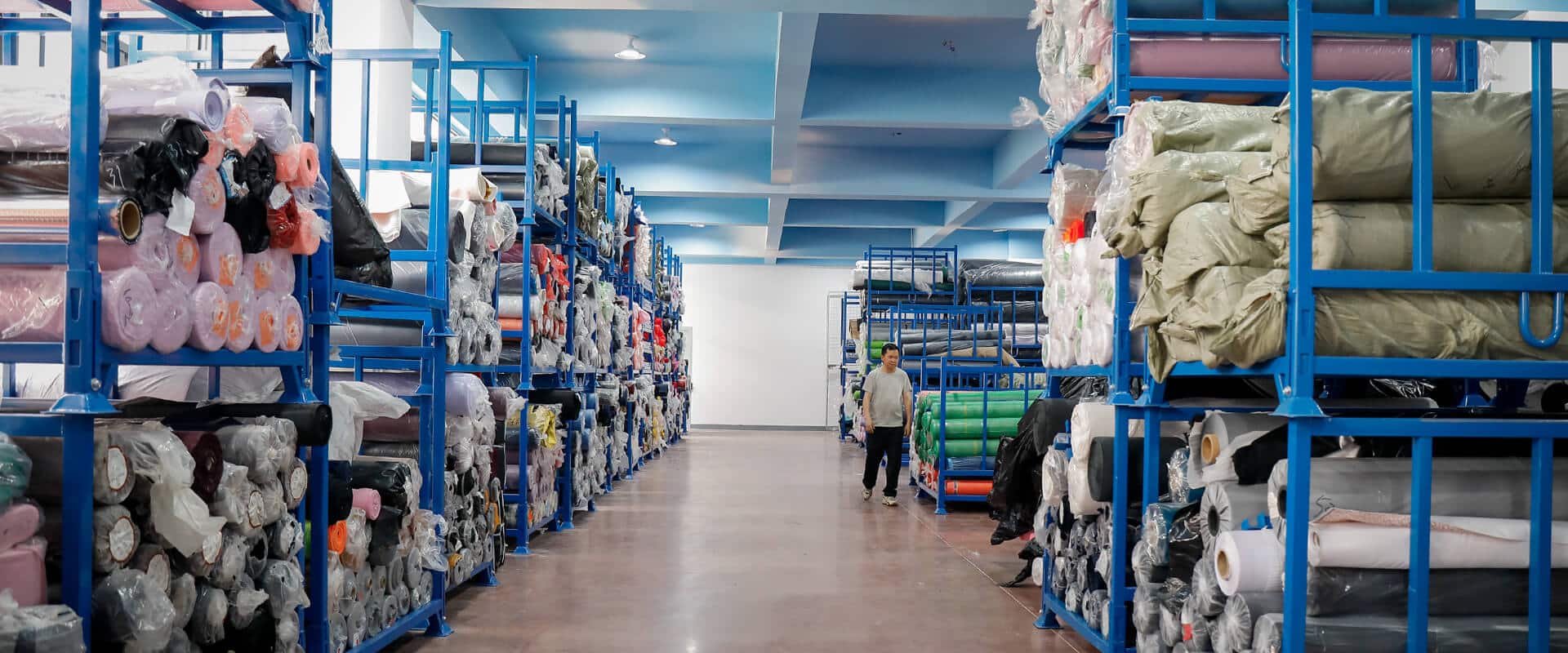
Step 4 – Choose the Right Swimwear Manufacturer
Choosing the right swimwear manufacturer is one of the most important decisions you will make when building your brand. Even the best designs can fail if production quality is inconsistent, communication is poor, or delivery schedules are unreliable.
Instead of choosing a factory based solely on the lowest price, evaluate potential manufacturing partners from a long-term business perspective.
A reliable Custom Swimwear Manufacturer should become an extension of your team, helping you improve products, solve technical issues, and support your business as it grows.
What to Look for in a Swimwear Manufacturer
Industry Experience
Manufacturing swimwear is different from producing ordinary clothing.
Swimwear requires:
- High-stretch fabrics
- Technical sewing
- Elastic recovery testing
- Waterproof accessories
- Accurate pattern development
Ask how long the factory has specialized in swimwear production and request examples of previous projects.
Product Development Support
An experienced manufacturer should be able to assist throughout the product development process.
Look for factories that provide:
- Pattern making
- Tech pack review
- Sample development
- Fabric recommendations
- Trim sourcing
- Size grading
- Production consultation
This support is especially valuable if you are launching your first collection.
Flexible Minimum Order Quantities
For new brands, flexibility is often more valuable than large production capacity.
A Low MOQ Swimwear Manufacturer allows you to:
- Test multiple designs
- Reduce inventory risk
- Preserve cash flow
- Launch collections faster
- Scale production gradually
Rather than committing to thousands of pieces, you can validate your products with real customers before placing larger orders.
Quality Control Standards
Product quality directly affects customer satisfaction, online reviews, and repeat purchases.
Ask manufacturers about their quality control process.
A professional factory should inspect:
- Raw materials
- Fabric color consistency
- Cutting accuracy
- Stitch quality
- Garment measurements
- Logo placement
- Packaging
- Finished products
Some manufacturers also support third-party inspections before shipment, providing additional confidence for international buyers.
Communication and Responsiveness
Communication is often underestimated until problems arise.
A reliable manufacturer should:
- Reply promptly to emails
- Provide production updates
- Share sample photos
- Explain technical issues clearly
- Offer practical solutions
Strong communication reduces misunderstandings and keeps projects on schedule.
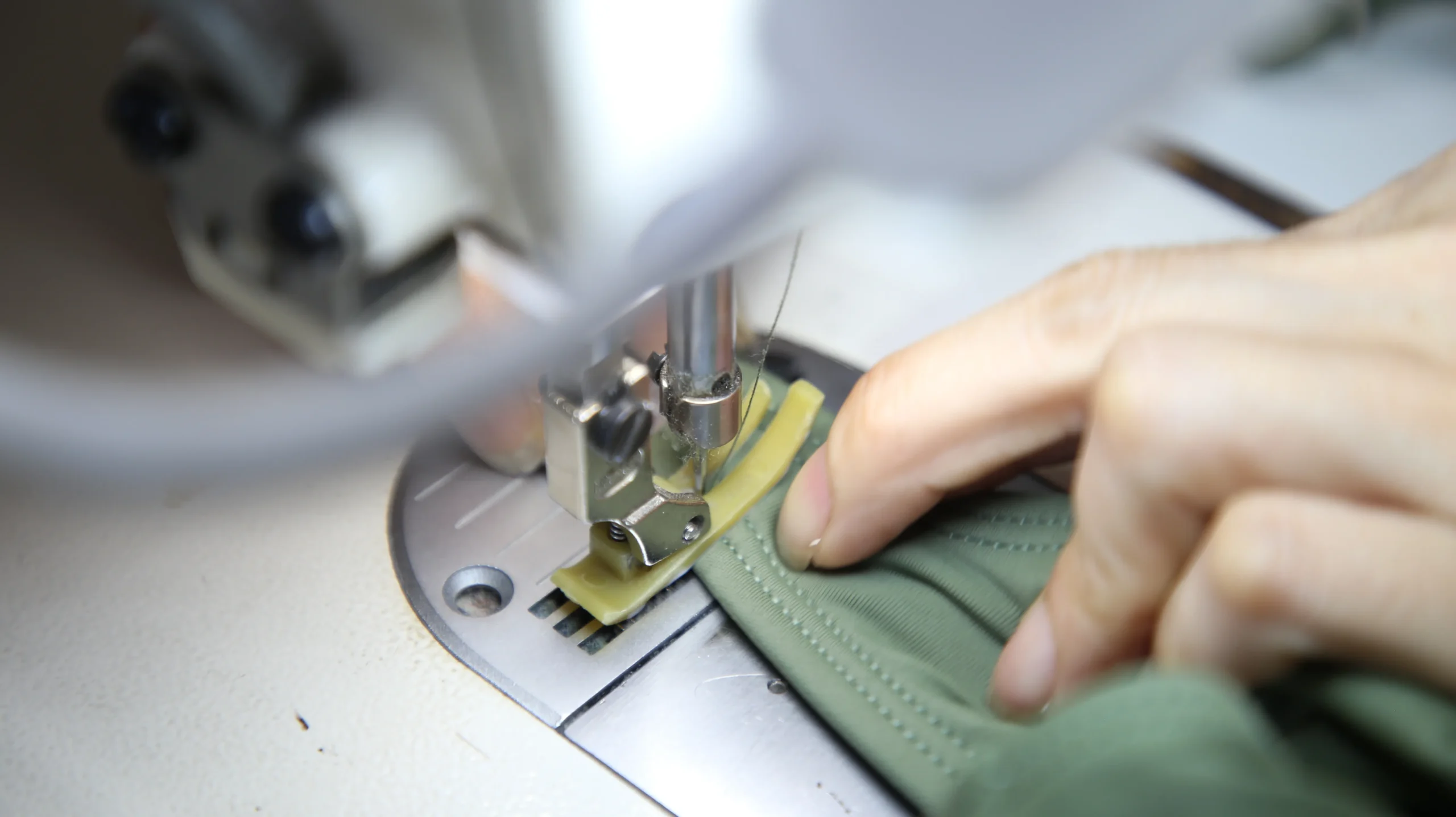
Step 5 – Develop Samples Before Mass Production
Once you have selected a manufacturer, the next step is sample development.
Never skip this stage.
A sample allows you to evaluate every aspect of your product before investing in bulk production. Even experienced brands rarely approve the first sample without revisions.
Sampling helps identify issues related to fit, construction, materials, and branding while changes are still inexpensive to make.
Evaluate the Fit
Fit is one of the most important reasons customers either love or return swimwear.
During sample evaluation, check:
- Bust support
- Waist fit
- Hip coverage
- Strap adjustment
- Overall comfort
- Leg opening
- Freedom of movement
Whenever possible, test the sample on different body types rather than relying on a single fit model.
Test Fabric Performance
Swimwear fabrics must perform under demanding conditions.
Evaluate the fabric by checking:
- Stretch recovery
- Softness
- Opacity when wet
- Drying speed
- Colorfastness
- Chlorine resistance
- UV resistance
Testing products in real swimming conditions provides valuable feedback before production begins.
Inspect Construction Quality
Carefully examine every detail of the sample.
Pay attention to:
- Stitch consistency
- Seam strength
- Lining quality
- Elastic tension
- Thread finishing
- Symmetry
- Pattern alignment
Small imperfections in a sample often become larger problems during bulk production if they are not corrected.
Review Branding Elements
Your branding should appear professional and consistent across every product.
Confirm:
- Logo placement
- Label positioning
- Hang tags
- Packaging
- Care labels
- Size labels
These details influence how customers perceive your brand.
Request Revisions
Most successful swimwear brands complete two or three rounds of sample revisions before approving production.
Do not hesitate to provide detailed feedback.
Clear communication during sampling helps prevent expensive mistakes later.
Step 6 – Prepare for Bulk Production
After approving your final sample, production moves into the manufacturing stage.
Before fabric cutting begins, both you and the manufacturer should confirm every production detail.
A professional production approval package normally includes:
- Final technical pack
- Approved sample
- Size specifications
- Color approvals
- Print approvals
- Logo artwork
- Packaging artwork
- Carton markings
- Purchase order
Having all information documented minimizes misunderstandings and ensures consistent production quality.
Typical Swimwear Production Process
Although each factory has its own workflow, most professional swimwear manufacturers follow a similar process.
1. Raw Material Inspection
All fabrics and accessories are inspected before production begins to ensure they meet quality standards.
2. Fabric Relaxation
Stretch fabrics are allowed to relax before cutting to improve measurement accuracy.
3. Precision Cutting
Computer-assisted cutting machines improve consistency while reducing material waste.
4. Printing and Decoration
Depending on your design, products may undergo sublimation printing, screen printing, heat transfer, or logo application before sewing.
5. Sewing and Assembly
Experienced sewing operators assemble each garment according to approved specifications.
Particular attention is paid to:
- Seam strength
- Elastic attachment
- Lining construction
- Reinforcement areas
6. Quality Inspection
Garments are inspected throughout production rather than waiting until the end.
This allows defects to be identified and corrected early.
7. Final Finishing
Products are trimmed, steamed if necessary, measured, and prepared for packaging.
Step 7 – Build a Strong Brand Identity
A successful swimwear brand offers more than attractive products.
Customers remember brands because of the overall experience.
Develop a consistent visual identity across every customer touchpoint.
This includes:
- Logo design
- Brand colors
- Typography
- Packaging
- Product photography
- Website
- Social media
- Marketing materials
Consistency builds trust and increases brand recognition.
Invest in Premium Packaging
Packaging is often the first physical interaction customers have with your brand.
Professional packaging enhances perceived value and creates a memorable unboxing experience.
Popular options include:
- Frosted zipper bags
- Recyclable poly bags
- Kraft paper boxes
- Tissue paper
- Thank-you cards
- Custom stickers
- Premium hang tags
Eco-friendly packaging is becoming increasingly important as consumers place greater value on sustainability.
Plan Professional Product Photography
High-quality images are essential for e-commerce success.
Your first collection should include a variety of image types, such as:
- White background product images
- Lifestyle photography
- Close-up fabric details
- Flat lay compositions
- Model photography
- Manufacturing photos
Professional photography not only increases conversion rates but also strengthens your overall brand image.
By completing these seven steps, you will have established a strong foundation for your swimwear business. However, launching a collection is only the beginning. Long-term success depends on maintaining consistent quality, listening to customer feedback, improving future collections, and building a reliable partnership with your swimwear manufacturer.

Common Mistakes New Swimwear Brands Should Avoid
Even with a great business idea, many new swimwear brands struggle because they overlook important details during product development and manufacturing. Understanding these common mistakes can help you save time, reduce costs, and avoid unnecessary setbacks.
Mistake 1 – Choosing a Manufacturer Based Only on Price
One of the biggest mistakes entrepreneurs make is selecting the factory with the lowest quotation.
While lower production costs may seem attractive, they often come with hidden risks, such as:
- Inconsistent product quality
- Delayed production schedules
- Poor communication
- Limited quality control
- Inferior fabrics and accessories
- High defect rates
Instead of focusing solely on price, evaluate the overall value a manufacturer can provide.
Ask yourself:
- Do they have experience producing swimwear?
- Can they provide development support?
- Is their communication professional?
- Do they have a proven quality control system?
- Can they grow with your business?
A reliable manufacturing partner can help your brand succeed over the long term, making them a worthwhile investment.
Mistake 2 – Launching Too Many Styles
Many first-time founders believe that offering a large product range will attract more customers.
In reality, launching too many styles often creates unnecessary complexity.
A large collection means:
- Higher development costs
- More inventory
- More photoshoots
- More marketing expenses
- More complicated inventory management
Instead, begin with a focused collection of your strongest designs.
A carefully curated range is easier to market, easier to manage, and provides valuable sales data for future collections.
Mistake 3 – Ignoring Product Testing
Never assume a sample is ready for production after a quick inspection.
Every product should be tested under real-world conditions.
Recommended tests include:
- Swimming pool testing
- Saltwater testing
- Stretch recovery
- Washing durability
- Colorfastness
- UV exposure
- Chlorine resistance
Real-world testing helps identify weaknesses before customers do.
Mistake 4 – Underestimating Branding
Beautiful products alone do not create successful brands.
Customers remember brands because of the complete experience.
Invest in:
- Professional logo design
- Premium packaging
- High-quality product photography
- Consistent visual identity
- Clear brand messaging
Strong branding increases perceived value and builds long-term customer loyalty.
Mistake 5 – Failing to Plan for Growth
Many brands focus only on launching their first collection.
Successful businesses think beyond the first order.
Develop systems for:
- Seasonal product planning
- Inventory forecasting
- Customer feedback collection
- Supplier relationships
- Quality improvement
- Marketing campaigns
Building scalable processes from the beginning makes future growth much easier.
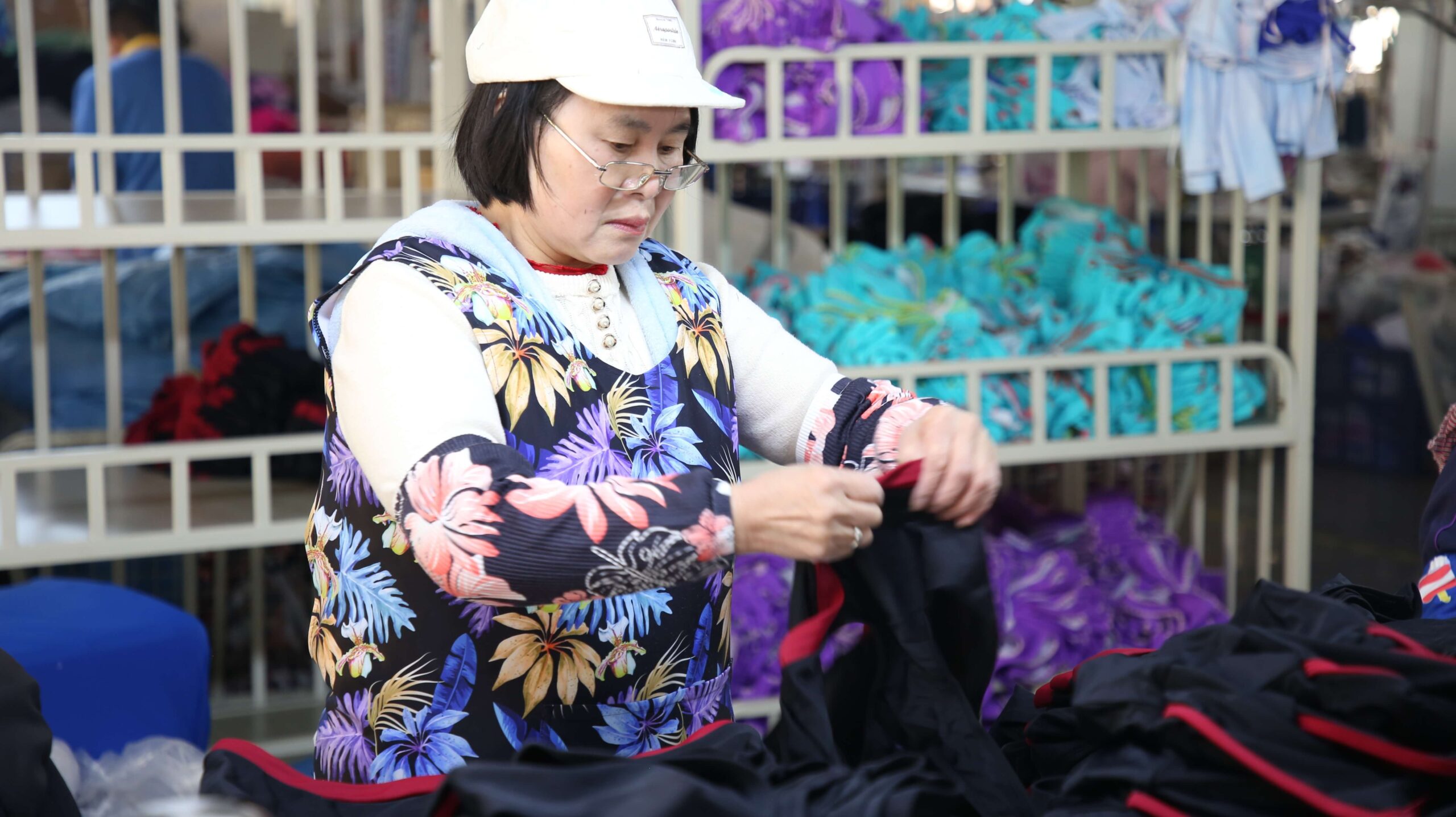
Expert Tips from Professional Swimwear Manufacturers
After working with brands around the world, experienced manufacturers often notice similar habits among successful businesses.
Here are some practical recommendations that can help your brand grow more efficiently.
Start Small and Improve Continuously
Your first collection does not need to be perfect.
Launch with a manageable number of styles, learn from customer feedback, and refine your products over time.
Many globally recognized swimwear brands started with only a handful of designs before expanding into full collections.
Invest in High-Quality Samples
Samples are not simply prototypes—they are opportunities to perfect your products before production.
Spending extra time during the sampling stage can prevent expensive production mistakes later.
Build a Long-Term Relationship with Your Manufacturer
Treat your manufacturer as a strategic partner rather than just a supplier.
Long-term partnerships often provide benefits such as:
- Faster product development
- Better pricing
- Priority production scheduling
- Improved communication
- Consistent quality
- Greater flexibility for future projects
Stay Updated with Market Trends
Consumer preferences evolve every season.
Monitor trends through:
- Fashion trade shows
- TikTok
- Industry reports
- Customer reviews
- Competitor analysis
Combining trend research with your own brand identity helps you create collections that remain relevant without simply copying competitors.
Prioritize Customer Experience
Remember that customers evaluate more than the swimsuit itself.
They also notice:
- Packaging quality
- Delivery speed
- Website experience
- Product photography
- Customer service
- Brand story
Every interaction contributes to your brand reputation.
Final Thoughts
Developing your own swimwear brand is an exciting opportunity, but success depends on much more than creating attractive designs. Careful planning, market research, product development, and choosing the right manufacturing partner all play a crucial role in building a profitable and sustainable business.
By starting with a clear brand vision, validating your products through sampling, and partnering with an experienced Custom Swimwear Manufacturer, you can confidently bring your ideas to life while minimizing risk.
Whether you’re launching your first bikini collection or expanding an existing fashion business, investing in quality, consistency, and long-term partnerships will position your brand for lasting success.
Ready to Bring Your Swimwear Brand to Life?
At Senvyn, we help startups, boutique labels, and established brands develop high-quality swimwear through flexible low MOQ production, private label services, OEM manufacturing, and end-to-end product development support.
Contact us today to discuss your project, request a sample, or receive a free manufacturing consultation.
Frequently Asked Questions
How much does it cost to develop a swimwear brand?
Costs vary depending on your collection size, fabric selection, order quantity, branding, and shipping requirements. Working with a Low MOQ Swimwear Manufacturer allows you to start with a smaller investment while testing market demand.
What is the minimum order quantity for custom swimwear?
Minimum order quantities vary by manufacturer, product type, and customization level. Many factories offer flexible MOQ options for startups and small brands.
Can I create completely original swimwear designs?
Yes. Professional manufacturers can develop products from sketches, technical packs, inspiration images, or detailed design concepts.
How long does product development take?
A typical timeline includes:
- Product development: 1–2 weeks
- Sample production: 10–15 business days
- Sample revisions: 1–2 weeks
- Bulk production: 30–45 days
- Shipping: Depends on destination
Planning ahead is especially important before peak selling seasons.
Which fabrics are best for swimwear?
Popular options include:
- Nylon Spandex
- Polyester Spandex
- Recycled Nylon
- Recycled Polyester
- Ribbed Fabric
- Jacquard Fabric
The best choice depends on your target market, product positioning, and budget.
How do I protect my swimwear designs?
While no method provides complete protection, you can:
Work with reputable manufacturers
Use confidentiality agreements where appropriate
Register trademarks and design rights where applicable
Build strong brand recognition through marketing and customer experience