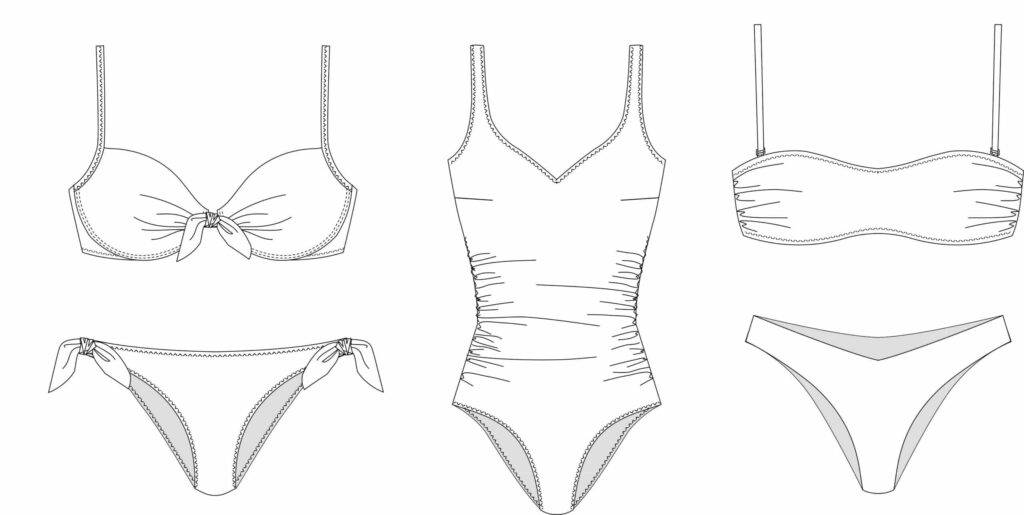
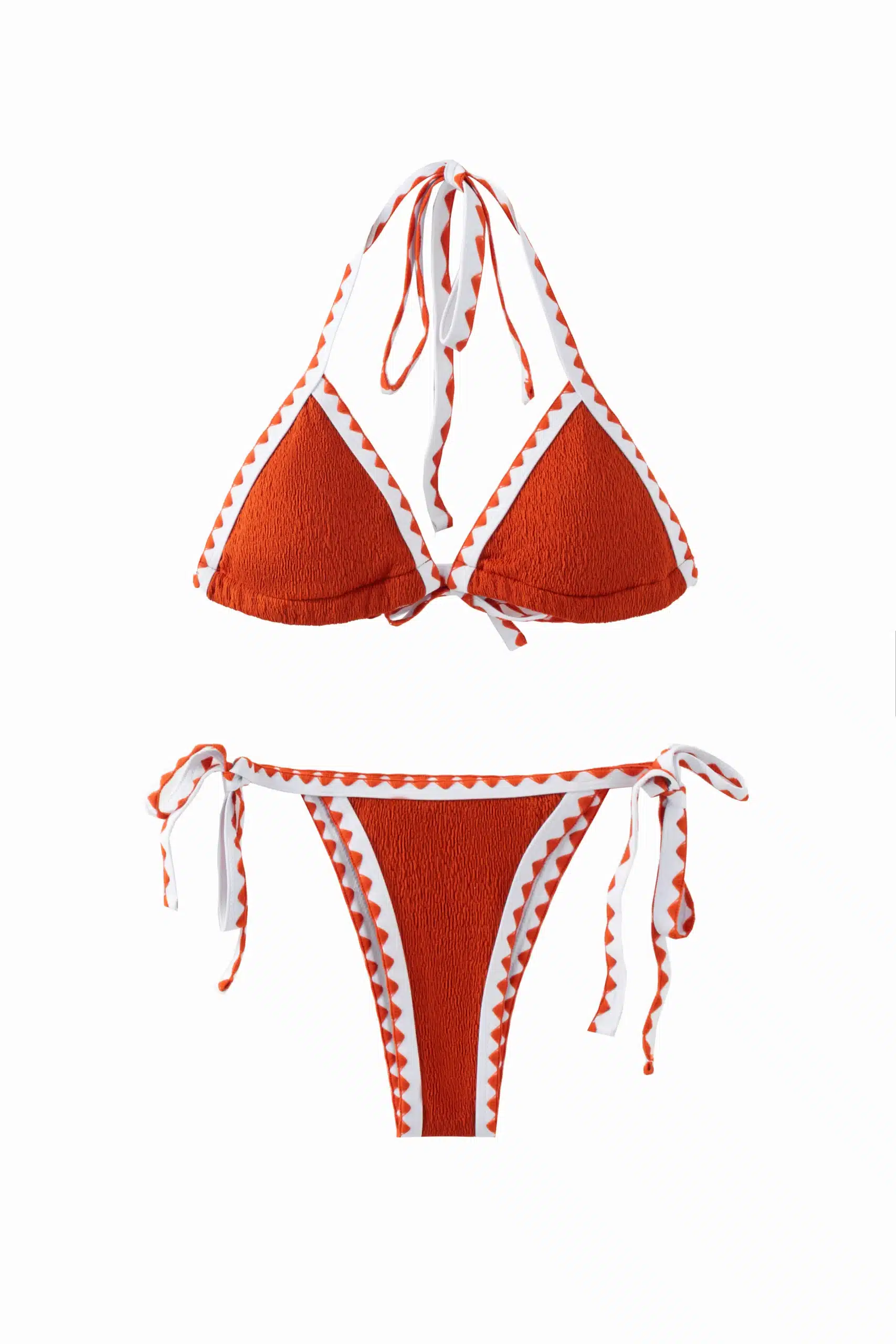
 Bikini
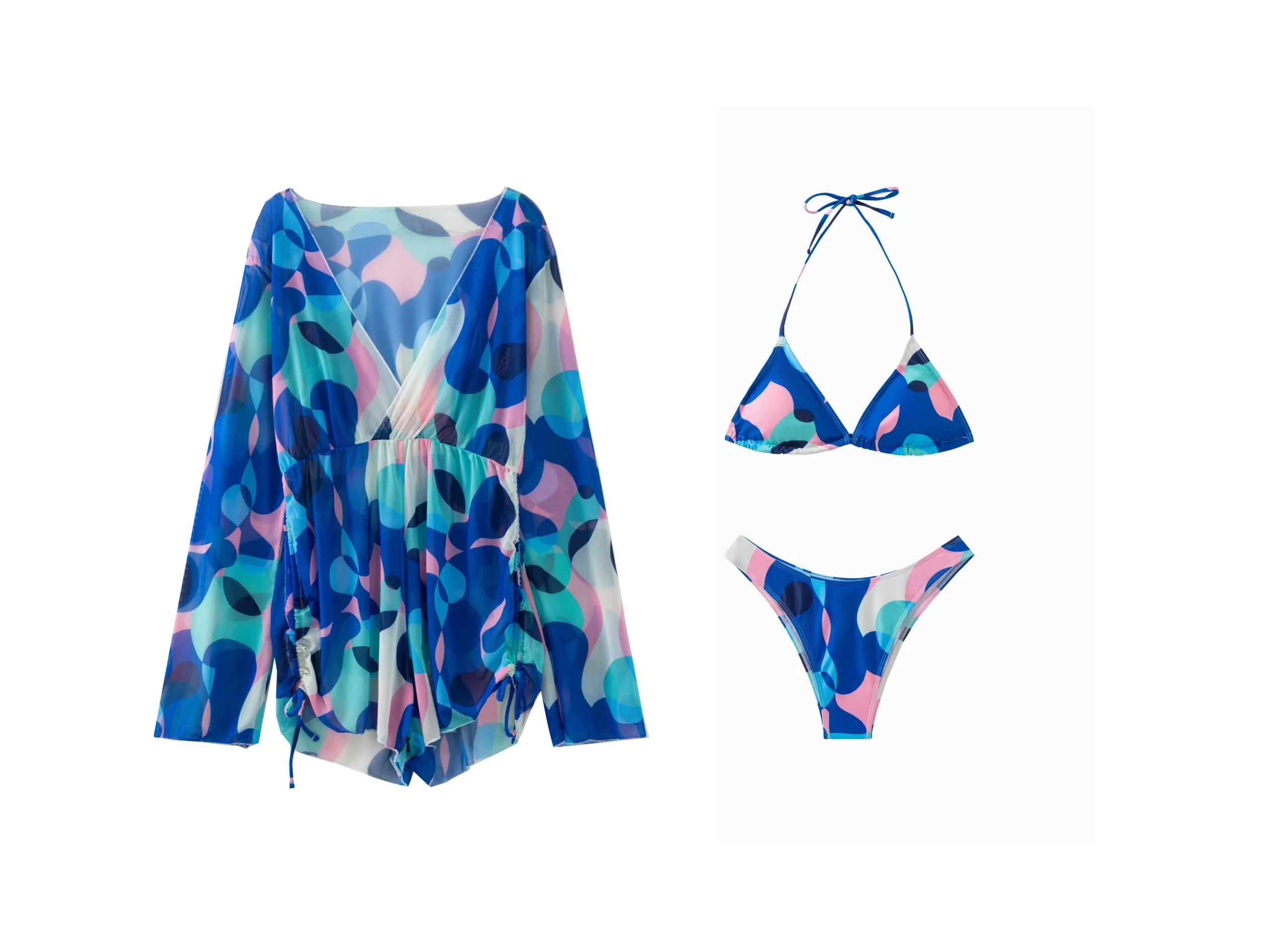 Bikini Cover-Up Set
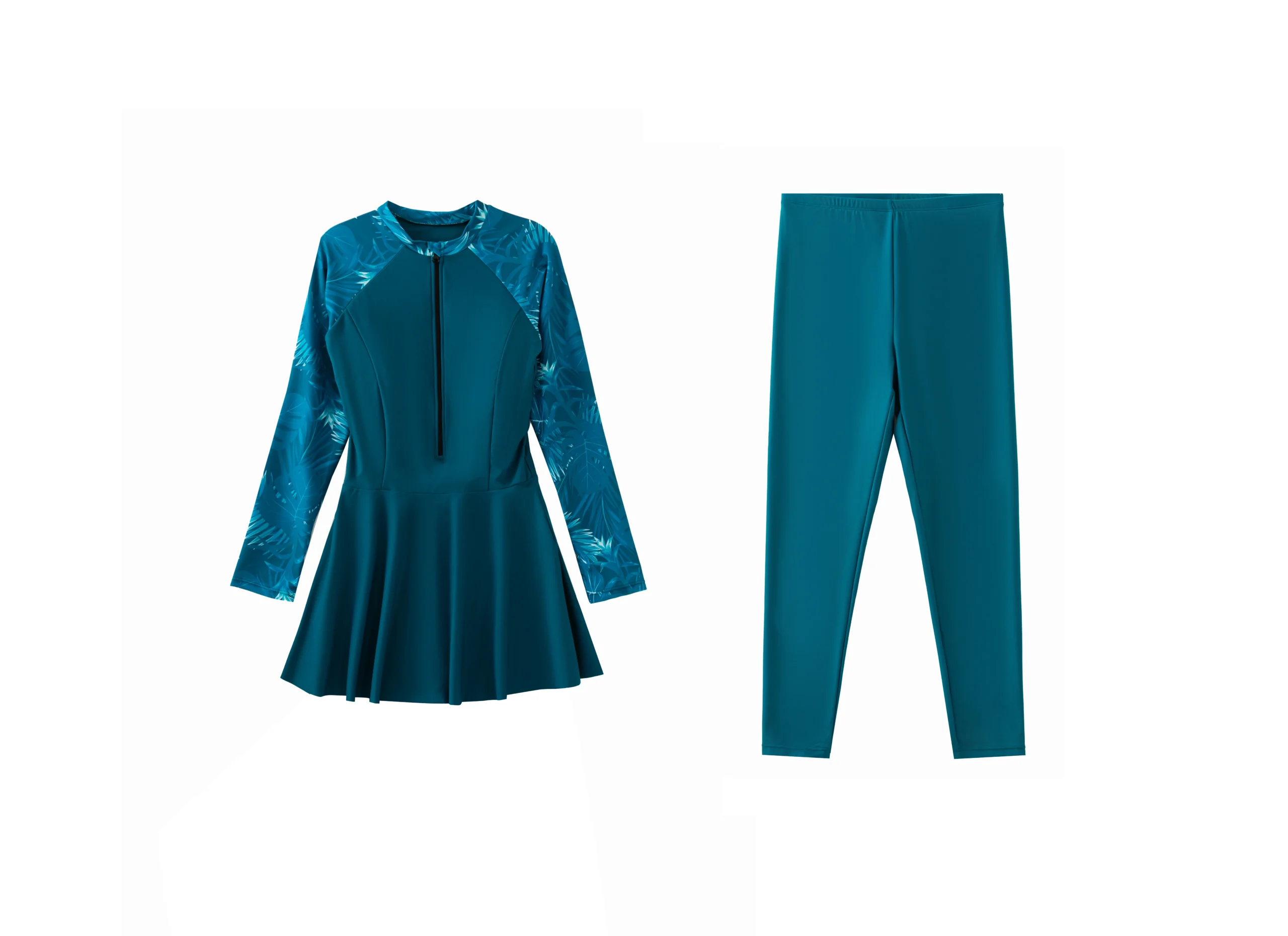 Burkini Swimwear
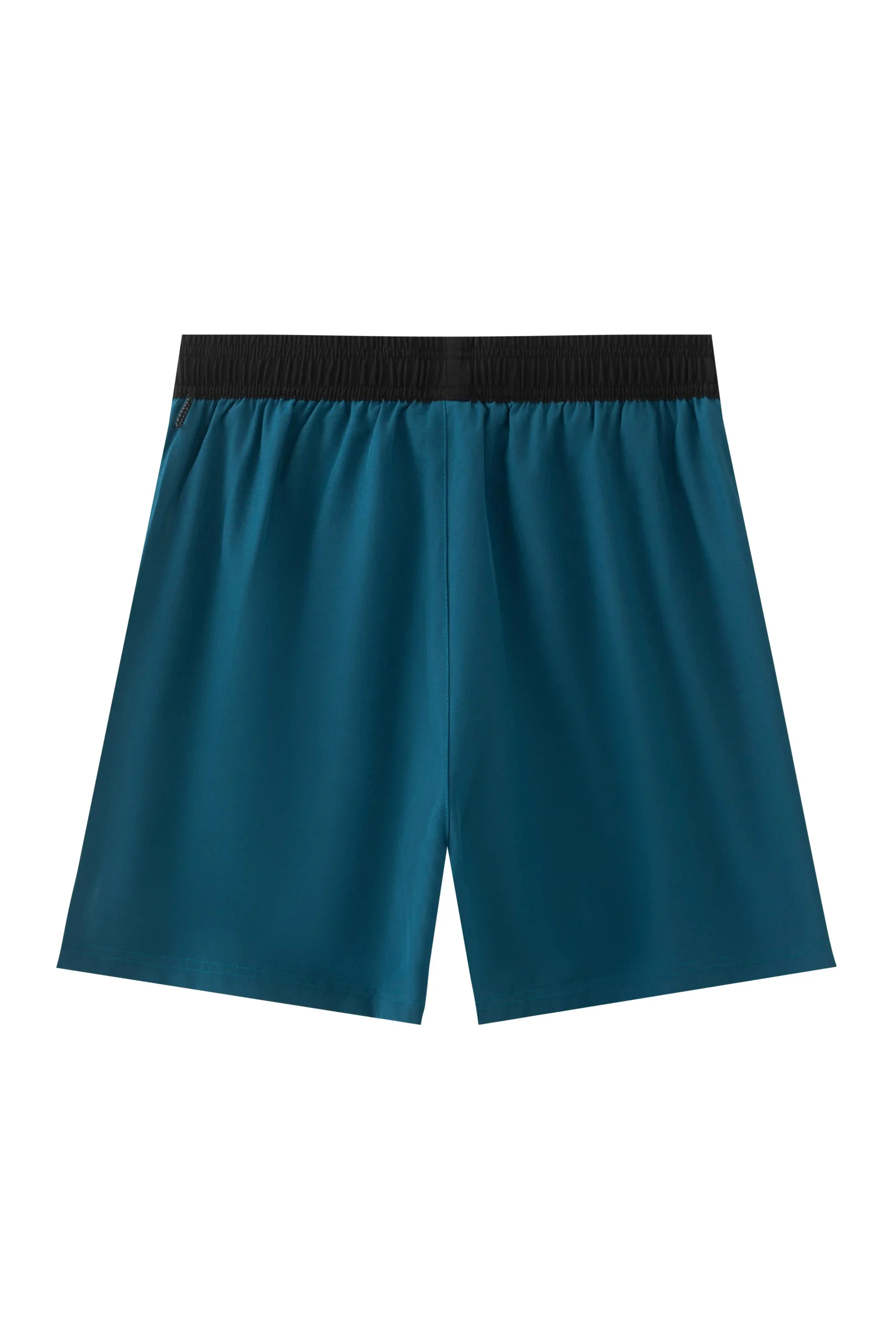 Men Swimwear
 One-Piece Swimsuits
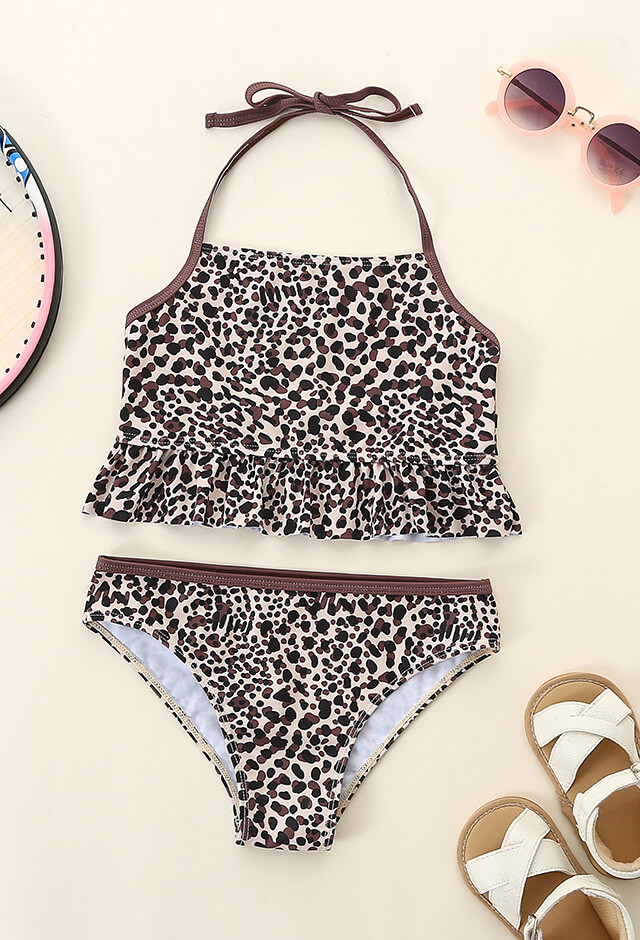 Two-Piece Swimsuits
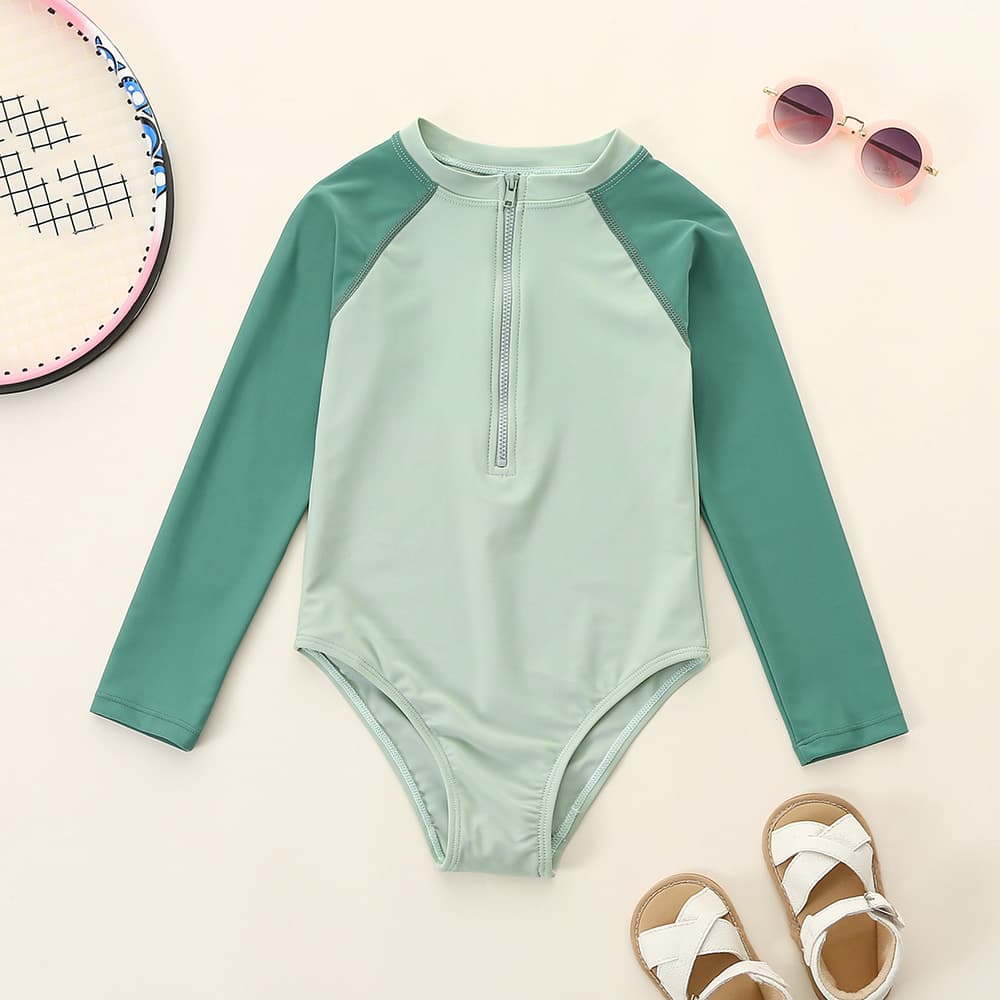 Rash Guards
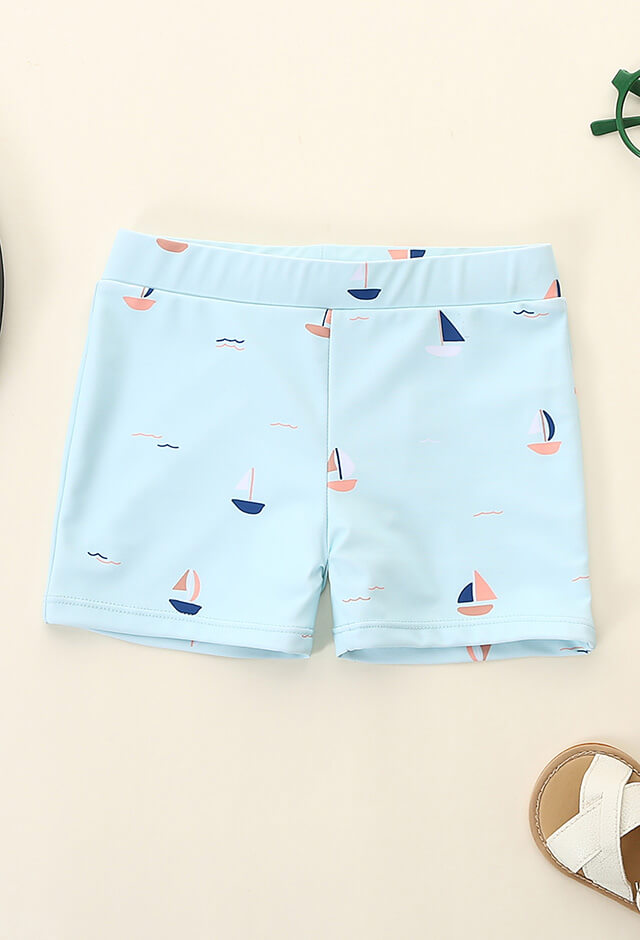 Swim Trunks
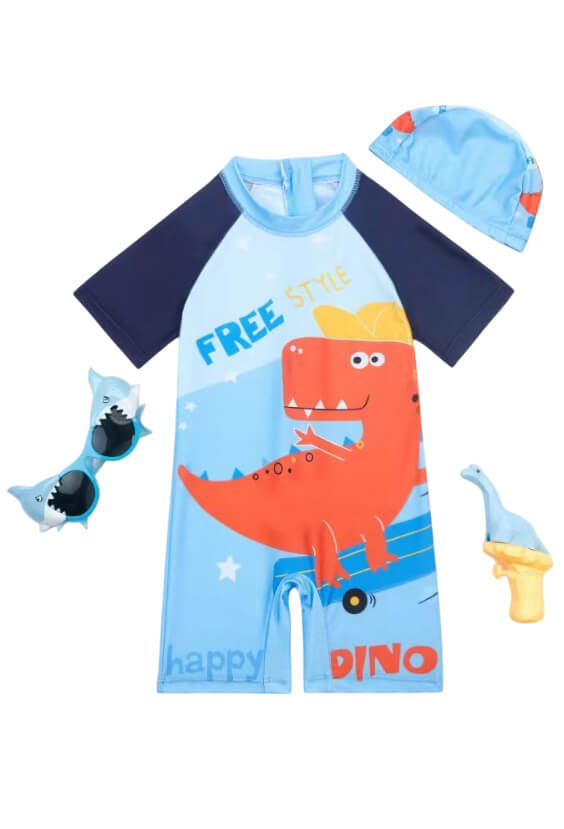 Boy Swimsuits
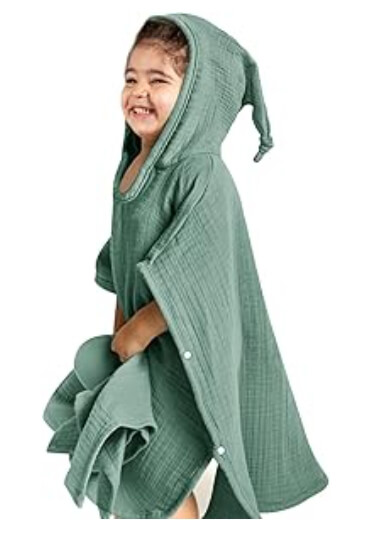 Poncho
 Beach Towel
 Sun Hat
Custom bikini manufacturing is more than simply producing swimwear. For fashion brands, resort labels, private label businesses, and start-up swimwear collections, it is a complete process that connects design, fabric performance, fit, branding, sampling, and production management.
A well-made bikini needs to look beautiful, fit comfortably, stretch properly, and stay durable after repeated exposure to water, sun, salt, chlorine, and washing. That is why choosing the right bikini manufacturer is an important step for any brand planning to develop a professional swimwear line.
In this manufacturing guide, we will walk through the key stages of custom bikini manufacturing, including design preparation, fabric selection, sample development, sizing, branding options, quality control, and bulk production.
What Is Custom Bikini Manufacturing?
Custom bikini manufacturing means producing bikini styles according to a brand’s own design, fabric, color, size range, logo, packaging, and quality requirements.
Instead of buying ready-made swimwear from stock, brands can create their own bikini collection with customized details such as:
- Bikini top and bottom styles
- Fabric composition and texture
- Solid colors, prints, or seasonal patterns
- Lining quality
- Adjustable straps, rings, sliders, and trims
- Logo labels and care labels
- Private label packaging
- Size grading and fit adjustments
This process allows swimwear brands to build a more recognizable product identity and offer styles that match their target customers.
Start with a Clear Bikini Design Concept
Before contacting a bikini manufacturer, it is helpful to prepare a clear design direction. This does not always need to be a professional technical file at the beginning, but the more details you provide, the easier it is for the manufacturer to understand your needs.
A good bikini design brief may include:
- Reference images or sketches
- Bikini top shape, such as triangle, bandeau, underwire, halter, or bralette
- Bikini bottom shape, such as high-waisted, cheeky, Brazilian, tie-side, or classic brief
- Preferred fabric type
- Color or print direction
- Target market and customer age group
- Size range
- Expected order quantity
- Branding and packaging requirements
For established brands, a complete tech pack is highly recommended. It usually includes measurements, construction details, stitching requirements, material information, artwork files, and label placement.
Choose the Right Bikini Fabric
Fabric is one of the most important parts of bikini manufacturing. Swimwear fabric must be elastic, comfortable, quick-drying, and resistant to water-related damage.
Common bikini fabrics include:
Nylon Spandex
Nylon spandex is soft, smooth, and comfortable against the skin. It is often used for premium bikini collections because it offers excellent stretch and a refined hand feel.
Polyester Spandex
Polyester spandex is popular for printed swimwear because it usually holds color well and offers good resistance to chlorine and sunlight. It is commonly used for active swimwear, resort swimwear, and printed bikini collections.
Recycled Swimwear Fabric
Many modern swimwear brands choose recycled nylon or recycled polyester blends to support more sustainable product development. Recycled fabrics are especially attractive for eco-conscious brands and European swimwear markets.
When choosing bikini fabric, brands should consider stretch recovery, opacity, weight, color fastness, hand feel, and whether the fabric performs well in both wet and dry conditions.
Bikini Lining Matters
Lining is sometimes overlooked, but it has a big impact on comfort, coverage, and product quality.
A good bikini lining should:
- Feel soft against the skin
- Provide enough coverage when wet
- Stretch well with the outer fabric
- Avoid transparency issues
- Help the bikini keep its shape
For light-colored bikinis, lining quality is especially important. White, beige, pastel, and neon colors may require stronger lining or double-layer construction to prevent see-through problems.
Develop the First Bikini Sample
After the design and fabric are confirmed, the manufacturer will usually create a first sample. This sample helps the brand check the style, fit, construction, and overall product feeling before moving into bulk production.
During sample review, brands should check:
- Overall shape and proportion
- Fit on body or mannequin
- Strap length and adjustability
- Cup coverage and support
- Bottom coverage and rise
- Stitching quality
- Elastic tension
- Fabric feel and stretch recovery
- Label and logo placement
It is normal to make adjustments after the first sample. Bikini fit is very sensitive, and even small changes in strap length, elastic tension, or bottom curve can affect the final wearing experience.
Fit Testing and Size Grading
Fit is one of the biggest challenges in bikini manufacturing. A bikini must stay secure while swimming, moving, and relaxing, but it should not feel too tight or uncomfortable.
Most brands start by confirming one base size, such as size S or M. Once the base size is approved, the manufacturer can grade the pattern into other sizes.
Common bikini size ranges include:
- XS to XL
- S to XXL
- European size range
- US size range
- Custom brand size chart
For brands selling internationally, it is important to define the target market clearly. European, North American, Australian, and Asian markets may have different fit preferences and body measurement standards.
Custom Prints and Color Development
Many bikini brands use custom prints to create a unique collection. Prints can include florals, tropical patterns, geometric designs, stripes, animal prints, abstract artwork, or brand-specific illustrations.
Common swimwear printing methods include:
- Digital printing
- Sublimation printing
- Screen printing for selected designs
- Placement printing
For solid colors, brands may choose from available fabric colors or develop custom-dyed colors. If the brand needs a specific Pantone color, the manufacturer may arrange lab dips for approval before production.
Color testing is important because swimwear is exposed to sunlight, seawater, chlorine, and washing. A professional manufacturer should pay attention to color fastness and fabric performance.
Branding Options for Custom Bikini Production
Private label bikini manufacturing allows brands to add their own identity to the product. Branding details can make a bikini collection look more professional and retail-ready.
Common branding options include:
- Woven labels
- Printed neck or back labels
- Care labels
- Size labels
- Logo heat transfers
- Hang tags
- Branded polybags
- Custom packaging
- Hygiene stickers
For premium bikini brands, packaging can also be part of the customer experience. A clean, minimal, and well-designed packaging style can help improve brand value.
MOQ for Custom Bikini Manufacturing
MOQ, or minimum order quantity, depends on the manufacturer, fabric availability, color requirements, print development, and customization level.
For custom bikini production, MOQ may vary based on:
- Whether the fabric is in stock or custom-made
- Whether the design uses solid color or custom print
- Number of styles
- Number of colors
- Size range
- Branding and packaging requirements
Start-up brands may prefer lower MOQ to test the market first, while established brands usually plan larger production quantities for seasonal launches.
When discussing MOQ with a bikini manufacturer, it is useful to share your expected style quantity, color quantity, and total order plan.
Quality Control in Bikini Manufacturing
Quality control is essential in swimwear production because bikinis need to perform well in real wearing conditions.
Important quality control points include:
- Fabric inspection
- Color consistency
- Cutting accuracy
- Stitching quality
- Elastic tension
- Seam strength
- Measurement checking
- Print placement
- Label position
- Final appearance
- Packing quality
A professional bikini manufacturer should check both appearance and function. The bikini should not only look good in photos but also fit well, stretch properly, and maintain its shape after use.
Bulk Production Process
Once the sample, fabric, color, size chart, and branding details are approved, the order can move into bulk production.
The general bulk production process includes:
- Material preparation
- Fabric inspection
- Pattern grading
- Cutting
- Printing or color matching confirmation
- Sewing
- Inline quality inspection
- Final quality inspection
- Labeling and packaging
- Shipment preparation
Clear communication during this stage is very important. Brands should confirm all final details before production begins, including approved samples, measurements, fabric quality, label artwork, packaging, and shipping requirements.
How to Choose a Custom Bikini Manufacturer
Choosing the right bikini manufacturer can save time, reduce mistakes, and improve product quality.
When selecting a manufacturer, brands should consider:
- Experience in swimwear production
- Ability to develop custom samples
- Fabric sourcing capability
- Understanding of bikini fit and construction
- MOQ flexibility
- Quality control process
- Communication efficiency
- Private label and packaging support
- Export experience
A good manufacturer should not only produce the bikini but also help the brand identify possible risks before bulk production, such as fabric transparency, weak support, poor stretch recovery, or unsuitable construction.
Final Thoughts
Custom bikini manufacturing is a detailed process that requires design clarity, fabric knowledge, fit development, branding decisions, and strong production management.
For swimwear brands, working with an experienced bikini manufacturer can help turn creative ideas into high-quality products that are ready for the market. Whether you are developing a small private label collection or planning a full seasonal swimwear launch, each step—from fabric selection to final inspection—plays an important role in the success of your bikini line.
A well-developed bikini is not only stylish. It should also be comfortable, durable, functional, and aligned with your brand identity.