
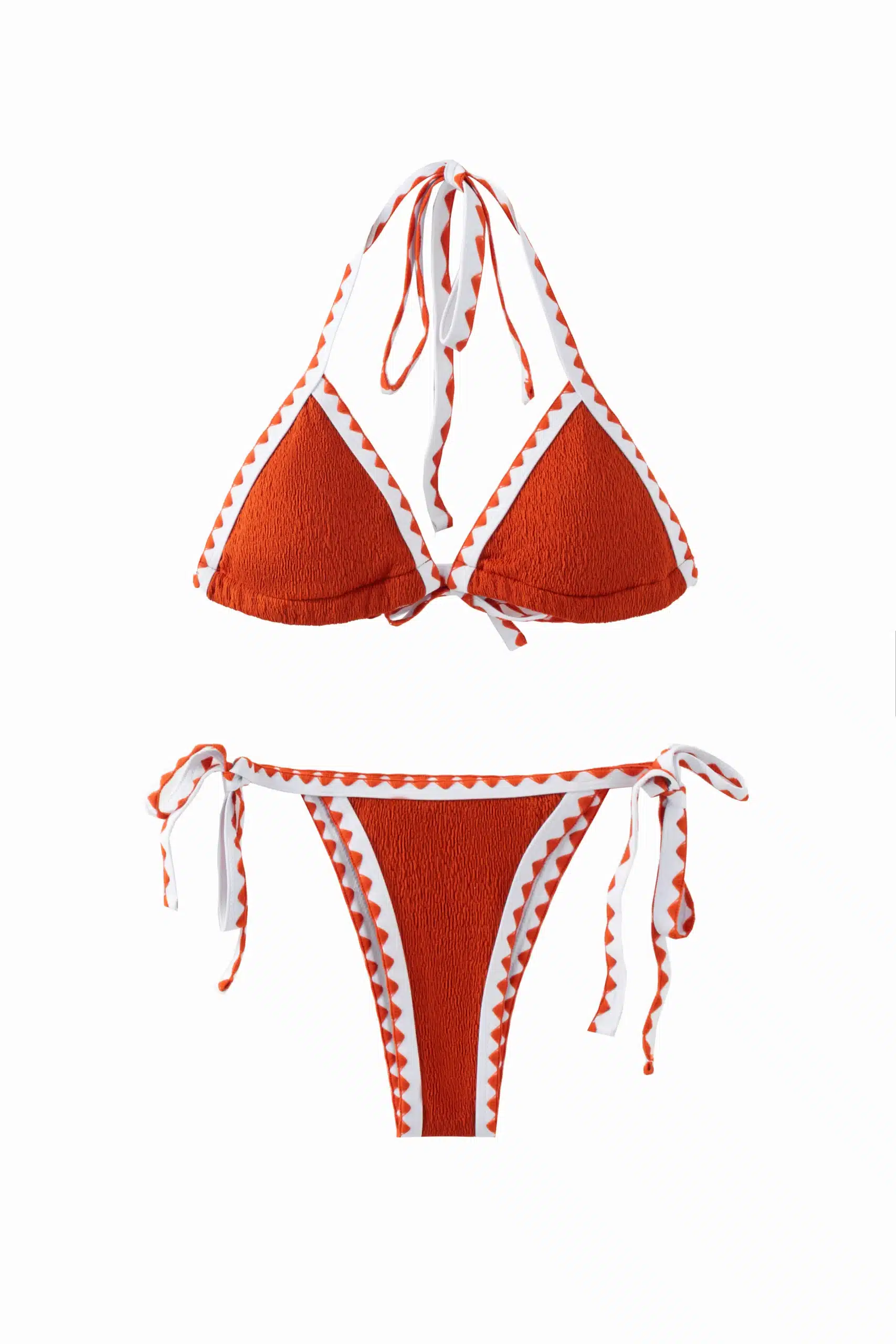
 Bikini
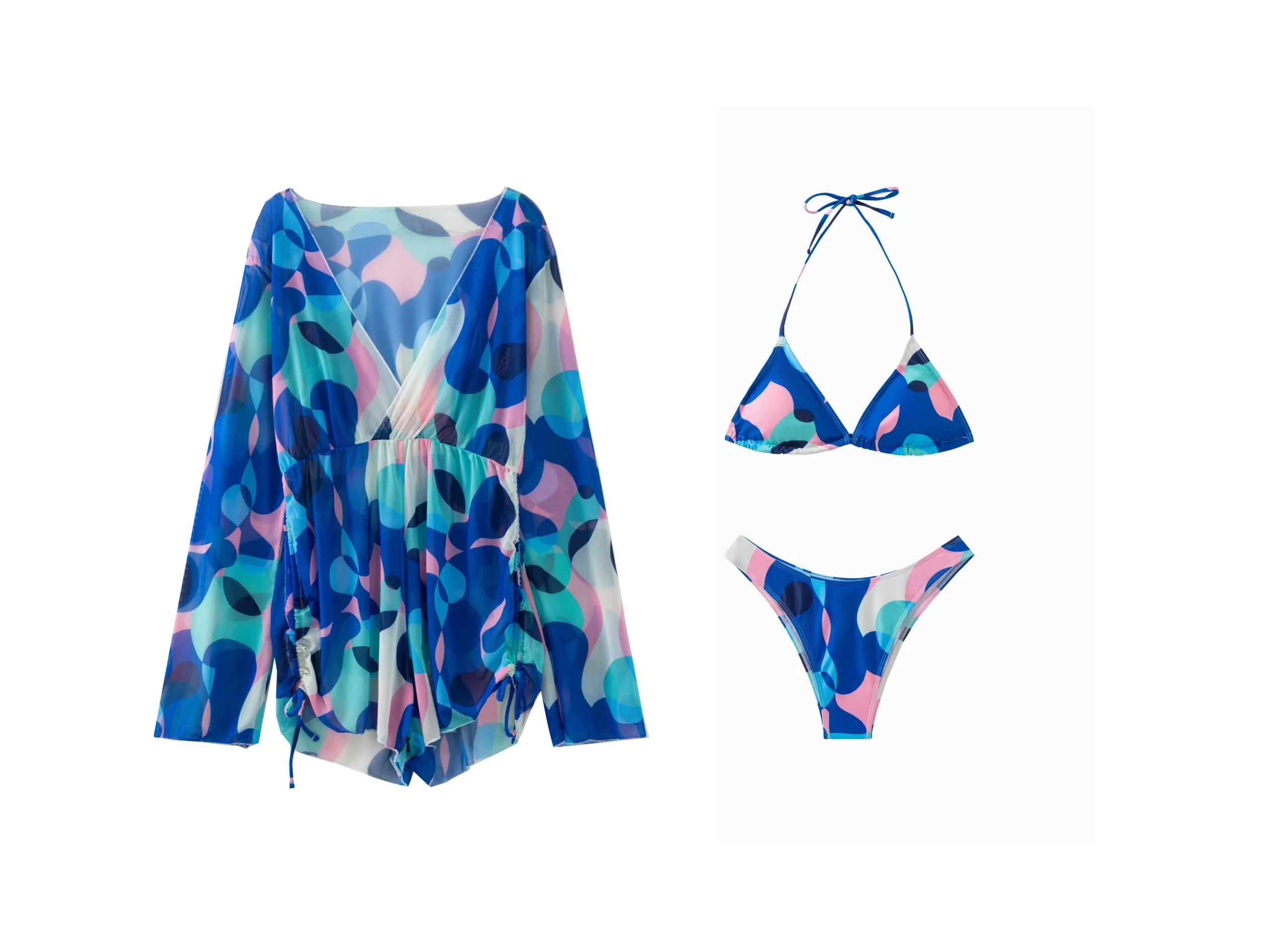 Bikini Cover-Up Set
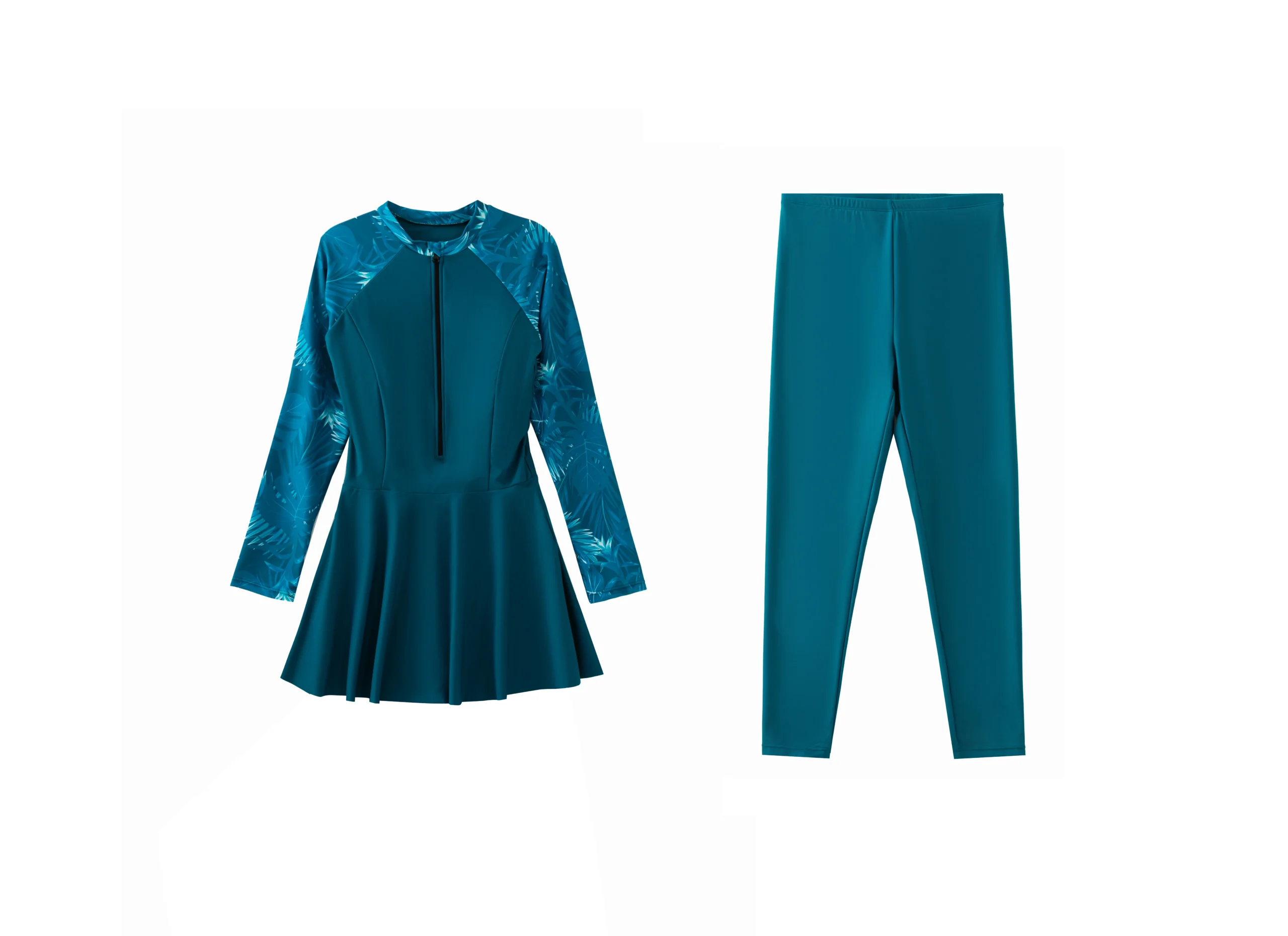 Burkini Swimwear
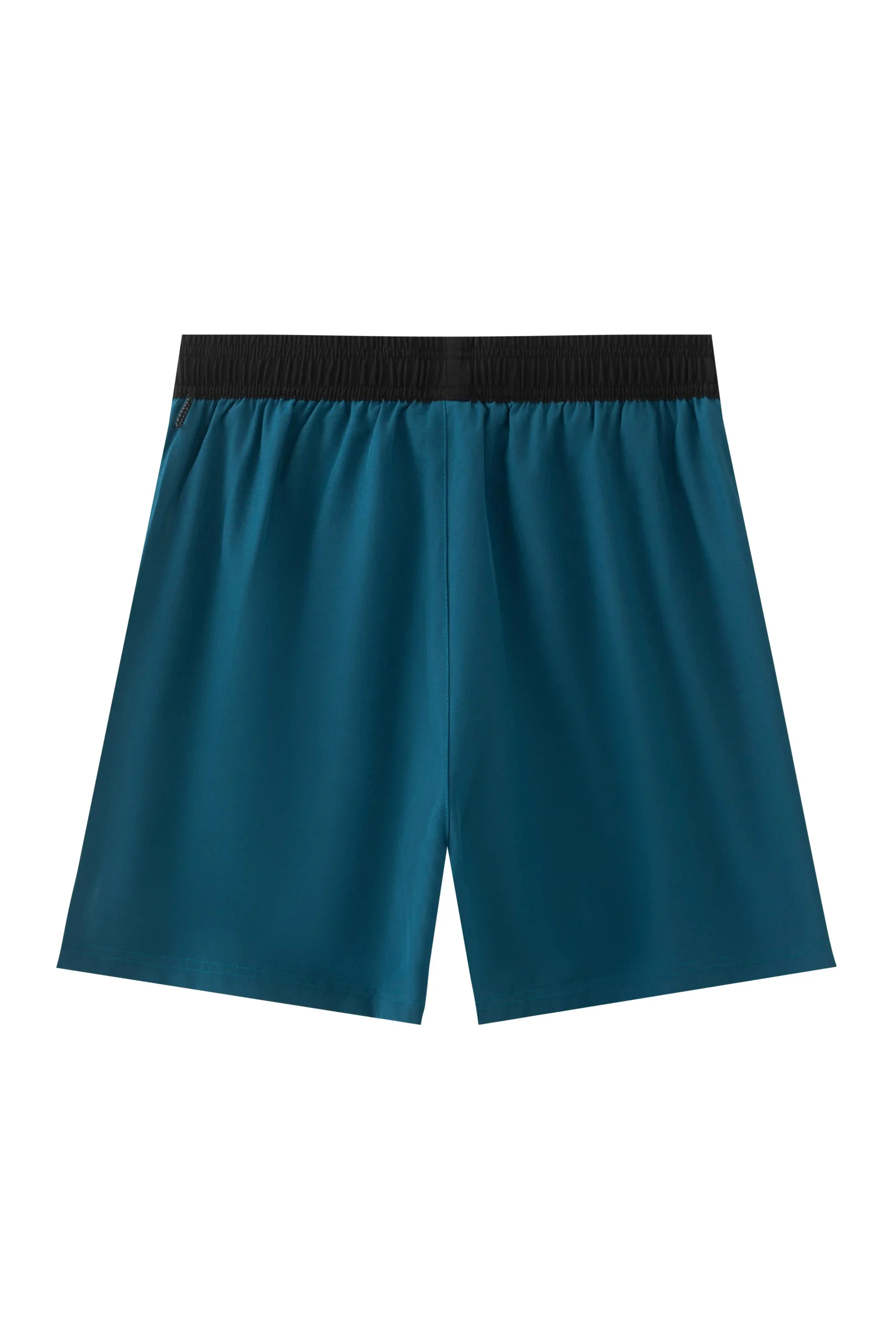 Men Swimwear
 One-Piece Swimsuits
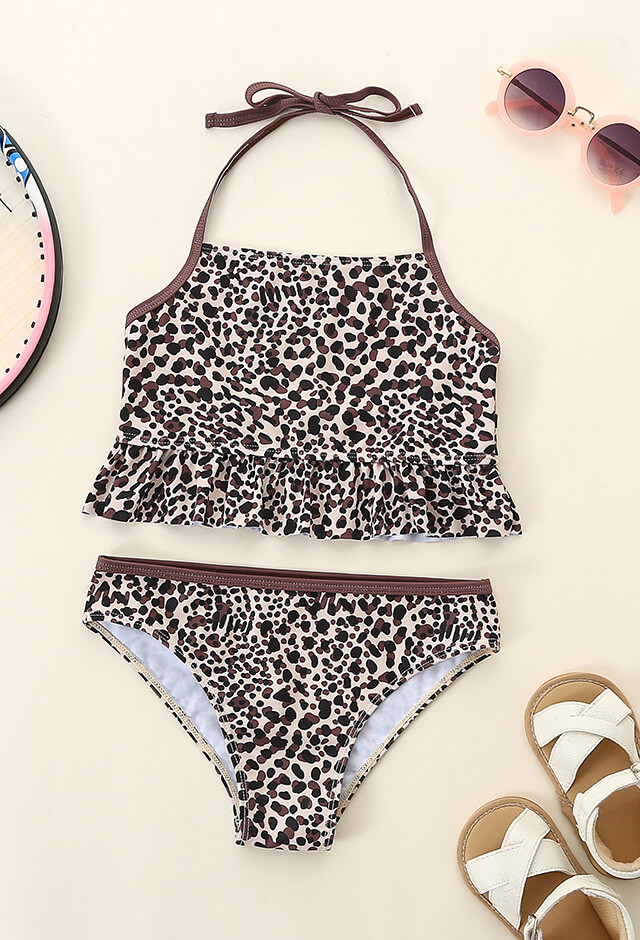 Two-Piece Swimsuits
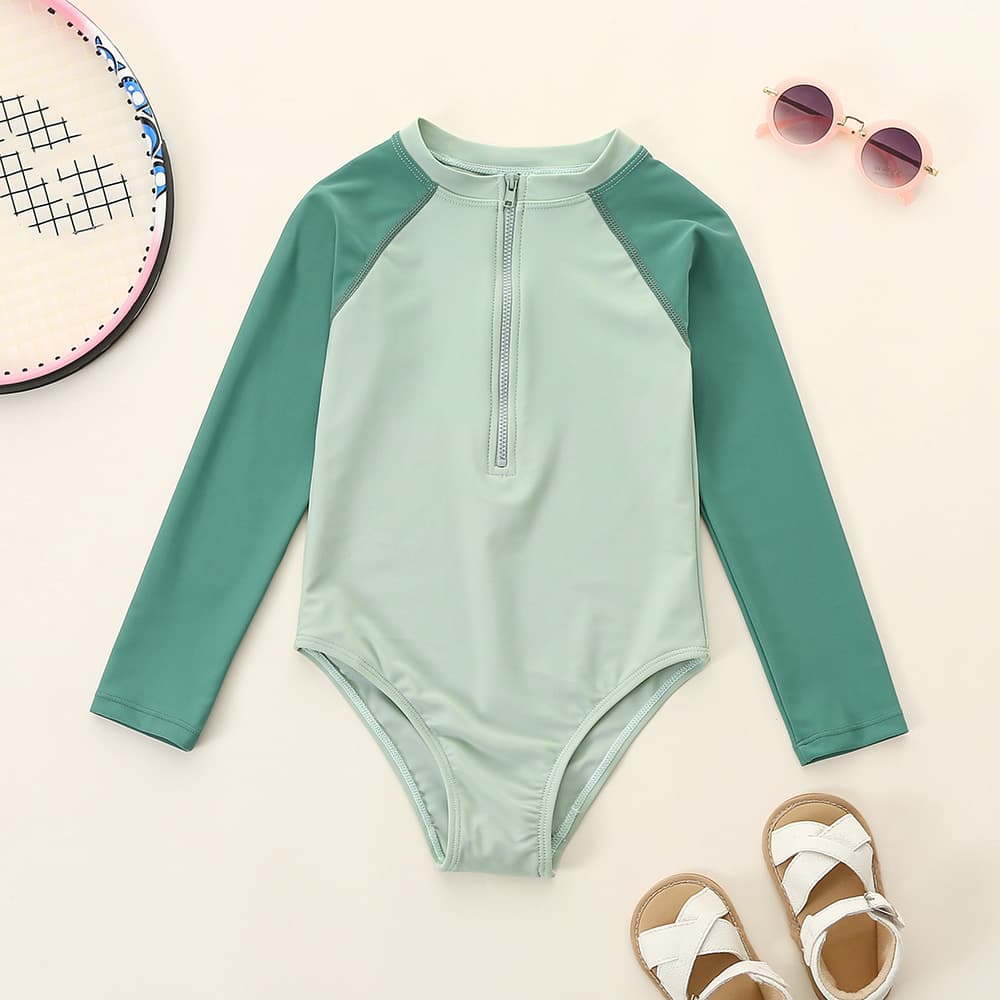 Rash Guards
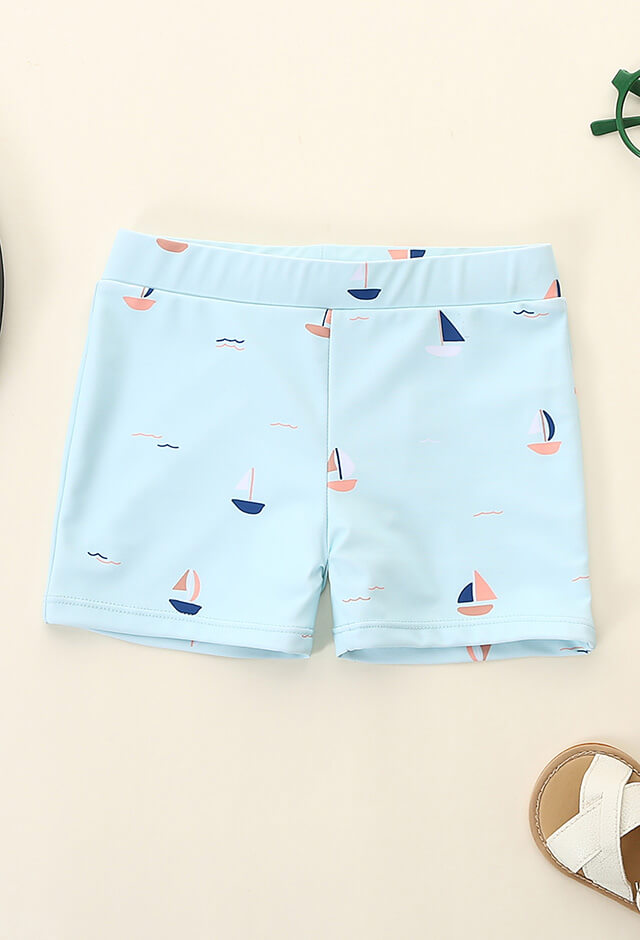 Swim Trunks
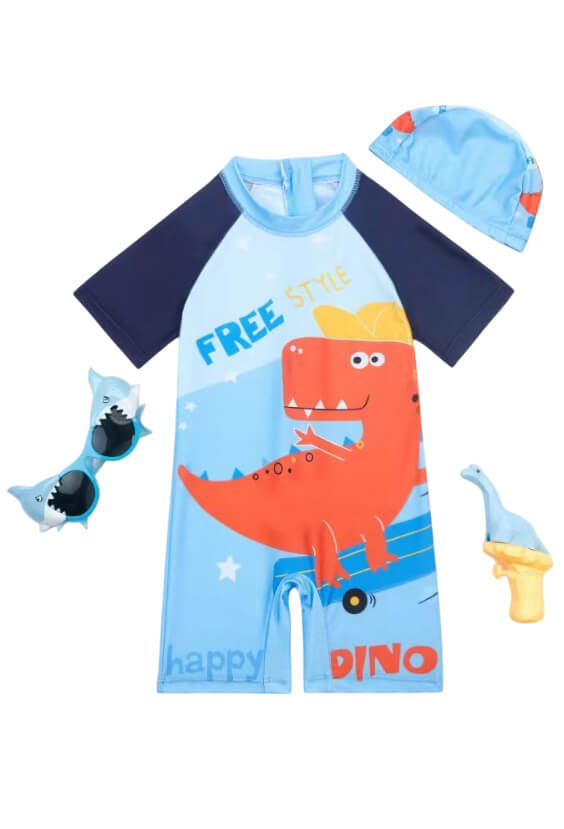 Boy Swimsuits
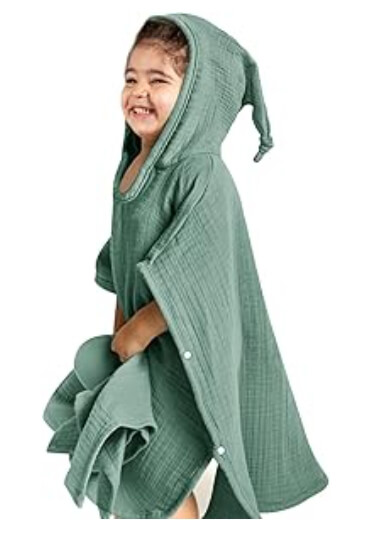 Poncho
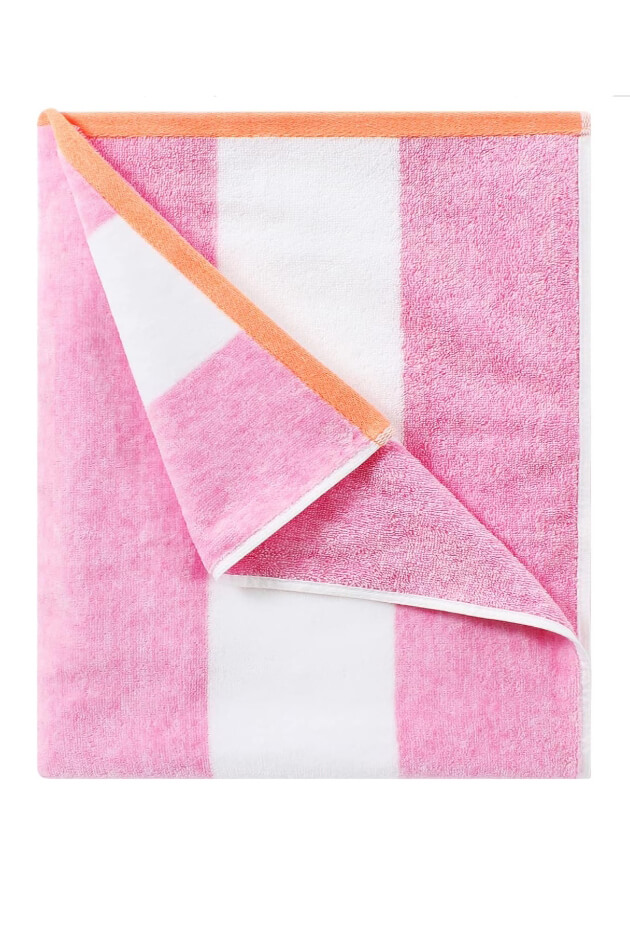 Beach Towel
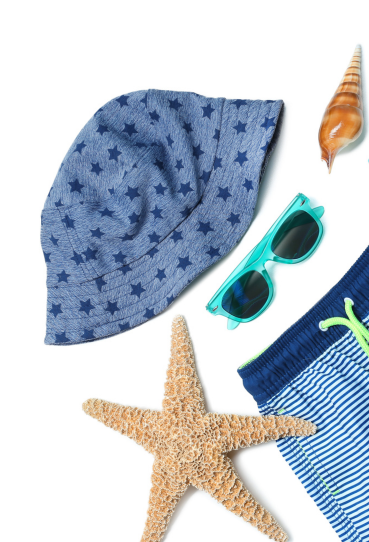 Sun Hat
How Swimwear Manufacturers Help Brands Scale Faster
Growing a swimwear brand is exciting. However, growth also creates new challenges.
A brand may start with a few styles and small orders. Then, sales increase. Suddenly, the business needs more samples, larger orders, faster launches, and better quality control.
At this stage, the right manufacturing partner becomes critical.
An experienced Custom Swimwear Manufacturer does more than sew garments. Instead, the manufacturer can support product development, material sourcing, sampling, production planning, quality control, packaging, and delivery.
As a result, brands can spend less time managing production problems. They can focus more on product strategy, marketing, sales, and customer growth.
In this guide, we explain how swimwear manufacturers help brands scale faster. We will also explore the manufacturing systems that make sustainable growth possible.
Why Scaling a Swimwear Brand Is Difficult
Launching a small collection and managing a growing brand are two very different challenges.
At the beginning, a founder may personally manage almost everything. For example, they may communicate with suppliers, approve samples, check packaging, and arrange shipments.
However, this approach becomes difficult as order volume increases.
A growing swimwear brand may need to manage:
- More SKUs
- More colors
- More sizes
- Larger orders
- Multiple seasonal launches
- More suppliers
- More quality inspections
- More customer expectations
Therefore, scaling requires more than simply increasing production quantity.
Brands need systems that can handle growth without sacrificing quality or delivery performance.
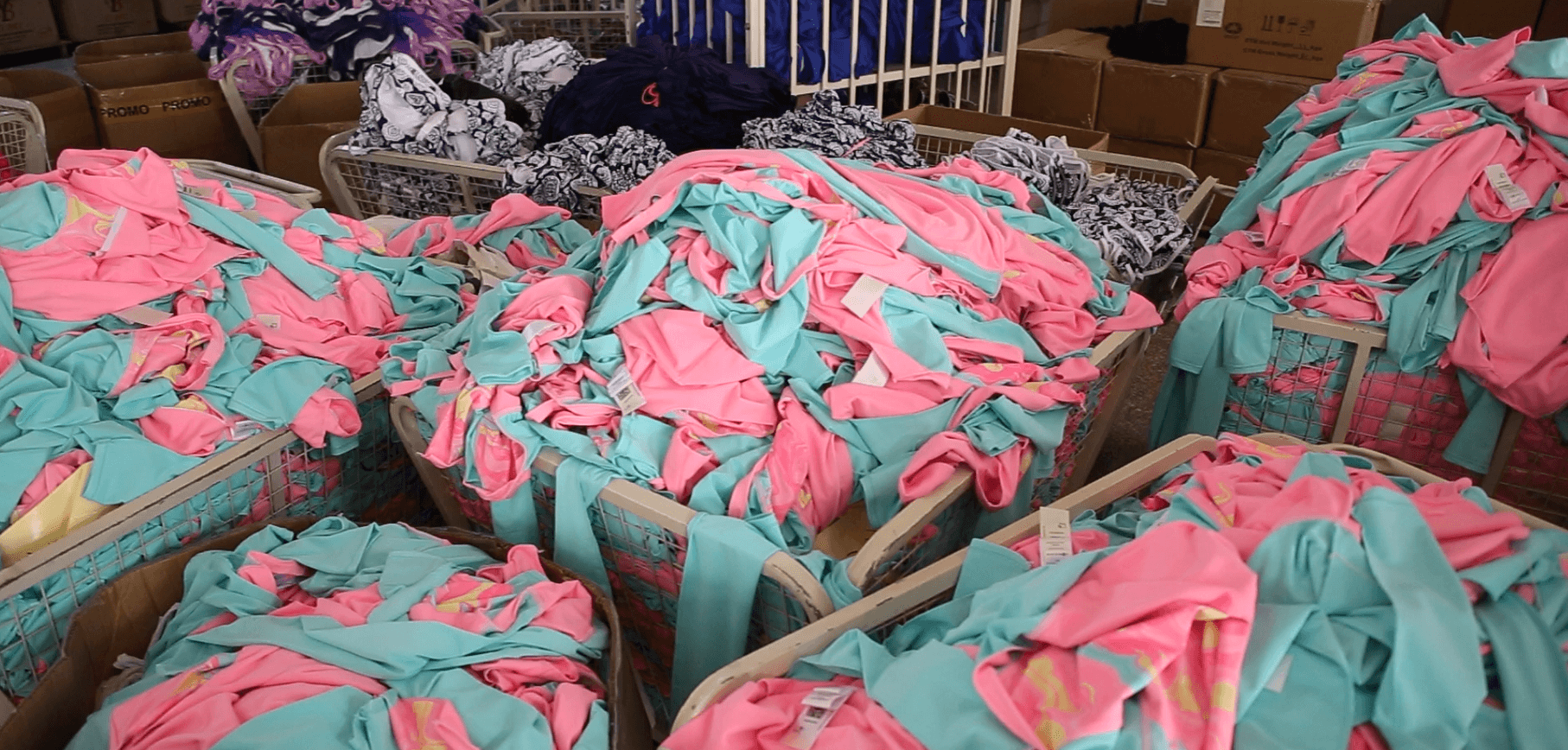
1. Manufacturers Speed Up Product Development
Product development can consume significant time.
A new swimsuit may require design review, fabric sourcing, pattern making, sampling, fitting, revisions, and final approval.
For a new brand, coordinating these steps independently can be difficult. In contrast, an experienced swimwear manufacturer may already have specialized teams for each stage.
As a result, development can become more organized and predictable.
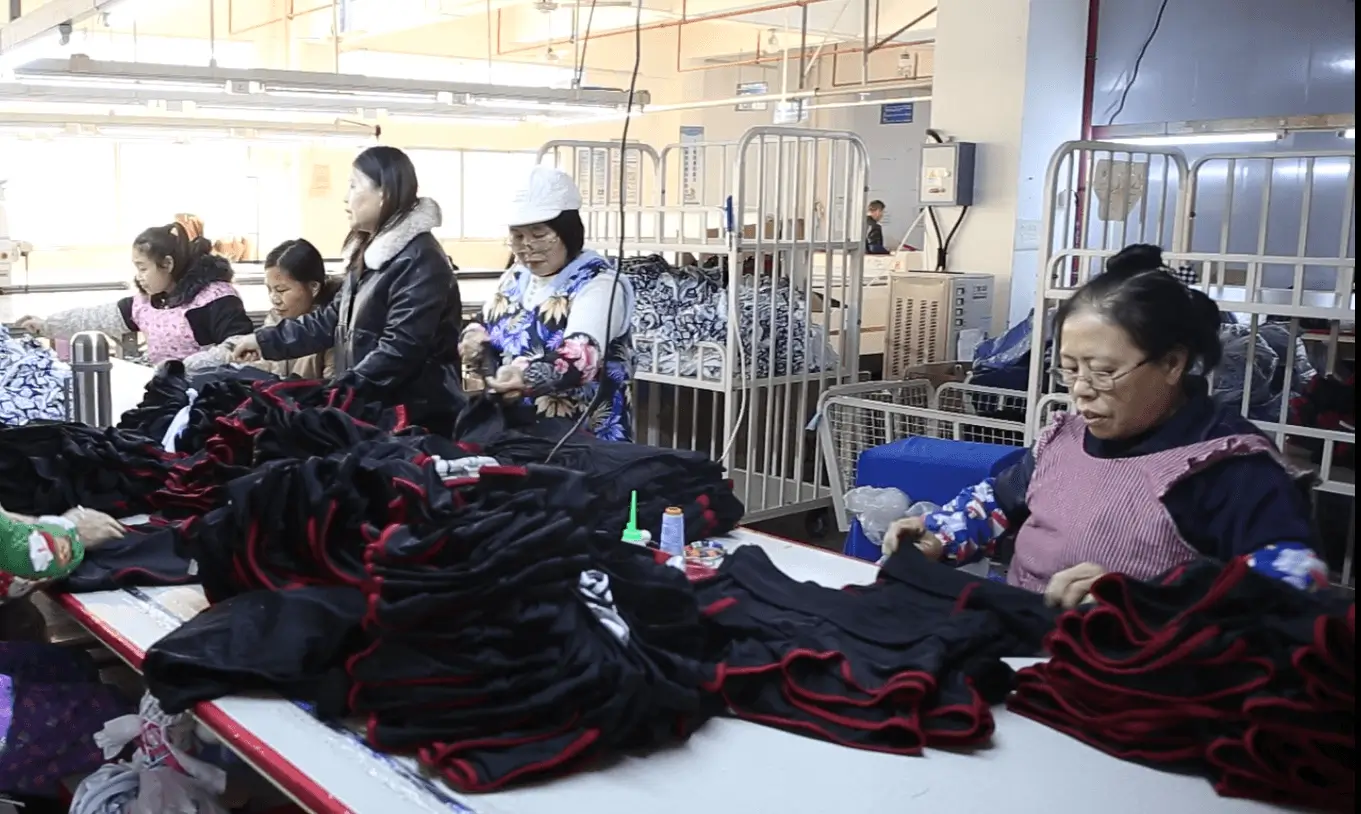
From Design Idea to Production-Ready Product
Brands usually begin with one or more of the following:
- Tech packs
- Technical sketches
- Existing samples
- Reference images
- Fabric ideas
- Product concepts
Next, the manufacturer reviews the design from a production perspective.
For example, the development team may identify a construction detail that would be difficult to manufacture consistently. In that case, they can recommend an alternative before sampling begins.
Therefore, technical feedback at an early stage can prevent unnecessary revisions later.
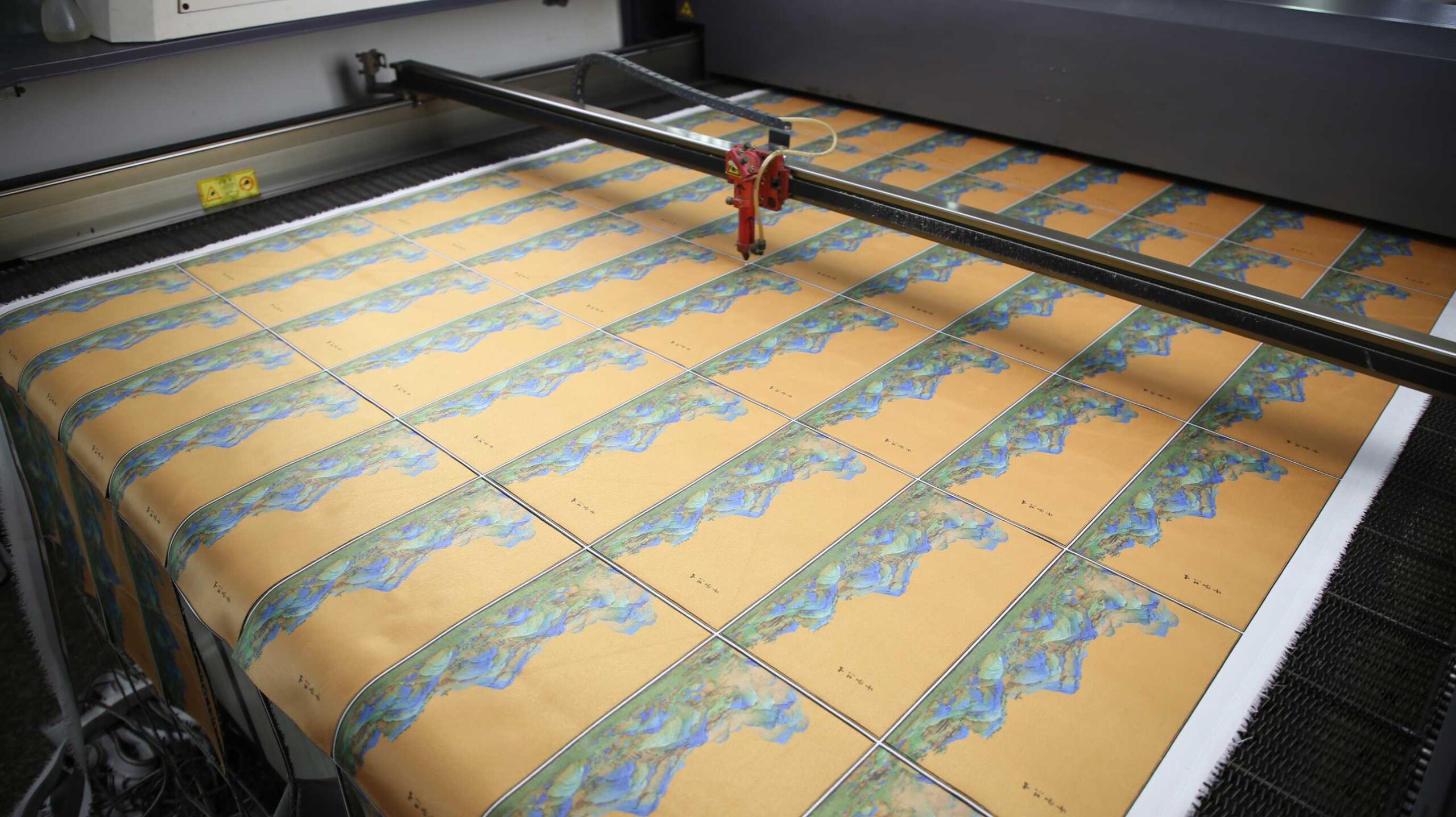
Faster Pattern Development
Pattern making is especially important in swimwear because stretch fabrics behave differently from standard apparel fabrics.
Experienced pattern makers understand:
- Negative ease
- Stretch direction
- Fabric recovery
- Bust support
- Torso length
- Coverage
- Elastic tension
Consequently, brands can move from design concepts to workable prototypes more efficiently.
More importantly, approved patterns can become valuable assets for future collections.
For instance, a successful bikini bottom block may provide a starting point for related styles. Therefore, brands do not always need to develop every new product from zero.
2. Professional Sampling Reduces Launch Delays
Sampling is another area where the right manufacturer can accelerate growth.
A slow or poorly managed sampling process can delay an entire collection. Moreover, repeated mistakes increase development costs.
A structured sampling system helps brands identify problems before bulk production.
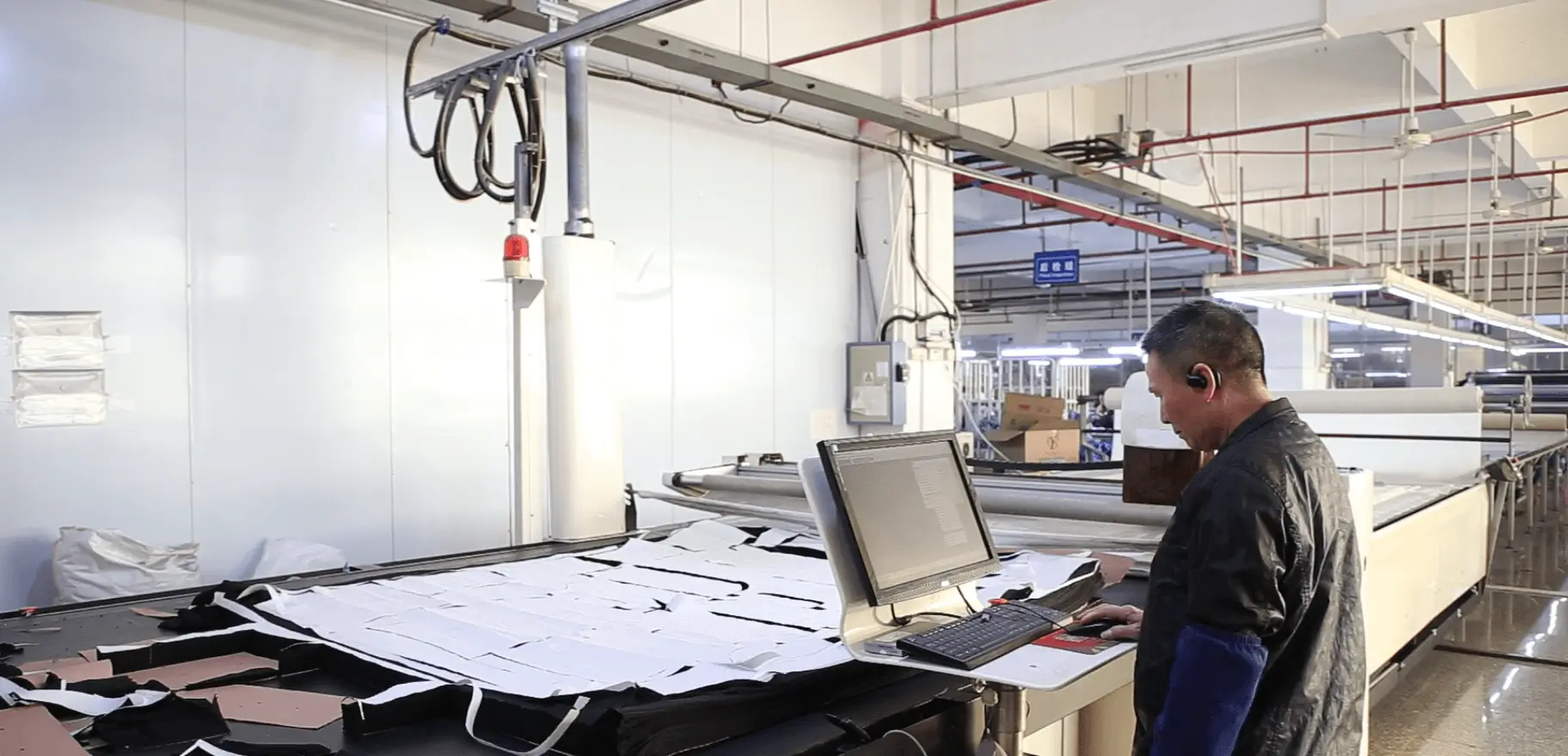
A Clear Sampling Workflow
A professional workflow may follow this sequence:
Design Review → Fabric Selection → Pattern Making → First Sample → Fit Review → Revision → Final Approval
Each stage has a clear purpose.
First, the manufacturer confirms the technical requirements. Next, the development team creates the prototype. Afterward, the brand reviews fit, construction, and appearance.
If changes are necessary, the pattern and sample can be revised before approval.
As a result, fewer unresolved problems move into bulk production.
Sample Approval Creates a Production Standard
The approved sample should become a key reference for manufacturing.
Production teams can compare bulk garments against it for:
- Fit
- Construction
- Measurements
- Color
- Logo placement
- Accessories
Therefore, sample approval is not only about product development. It also supports production consistency.
For growing brands, that consistency becomes increasingly important as order volumes increase.
3. Low MOQ Production Helps Brands Test Before Scaling
One of the biggest risks for emerging swimwear brands is inventory.
Ordering too much inventory can lock cash into products that may not sell. On the other hand, ordering too little can create stock shortages.
This is where a Low MOQ Swimwear Manufacturer can provide strategic value.
Test New Styles with Lower Inventory Risk
Instead of launching 20 styles at high quantities, a brand can start with a smaller collection.
For example, it might test:
- Three bikini designs
- Two one-piece swimsuits
- Several core colors
Then, the brand can monitor actual customer demand.
As a result, purchasing decisions can be based on sales data rather than assumptions.
Identify Winning Products Before Larger Orders
Suppose one bikini becomes significantly more popular than the others.
The brand can increase production of that design while reducing investment in slower products.
Therefore, flexible MOQ strategies can support smarter inventory management.
Moreover, this approach can help preserve working capital during the early stages of growth.
4. Reliable Fabric Sourcing Makes Expansion Easier
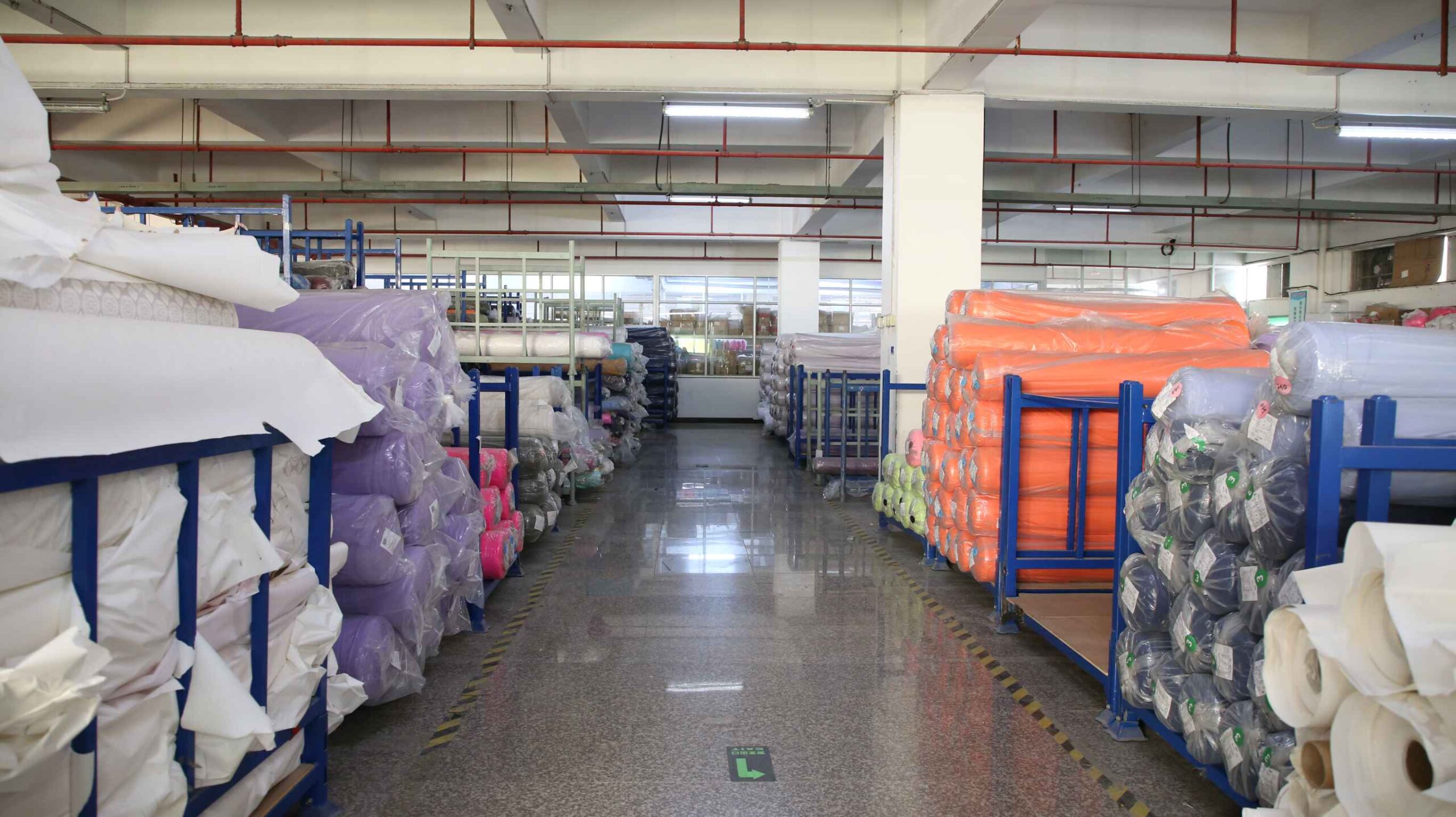
Fabric sourcing becomes more complicated as a collection grows.
A small brand may use only two or three materials. However, larger collections can require multiple fabrics, linings, elastics, trims, and colors.
Managing every supplier independently can consume valuable time.
An established manufacturer may already work with a network of textile and trim suppliers.
Consequently, brands can simplify sourcing while gaining access to more material options.
Faster Access to Suitable Swimwear Fabrics
A manufacturer may help source materials such as:
- Nylon Spandex
- Polyester Spandex
- Recycled Nylon
- Recycled Polyester
- Ribbed Fabrics
- Jacquard Fabrics
- Textured Fabrics
- Lining Materials
However, material selection should not depend on appearance alone.
The manufacturer should also consider:
- Stretch
- Recovery
- Weight
- Opacity
- Hand feel
- Performance
- Target price
Therefore, good sourcing support helps brands balance design goals with production requirements.
Material Consistency Supports Repeat Orders
Repeatability becomes critical as a brand grows.
Customers expect a successful product to remain consistent when they buy it again.
For this reason, manufacturers should maintain clear records of approved:
- Fabric codes
- Color references
- Trim specifications
- Print artwork
- Construction details
As a result, repeat production becomes easier to manage.
5. Production Planning Helps Brands Handle Larger Orders
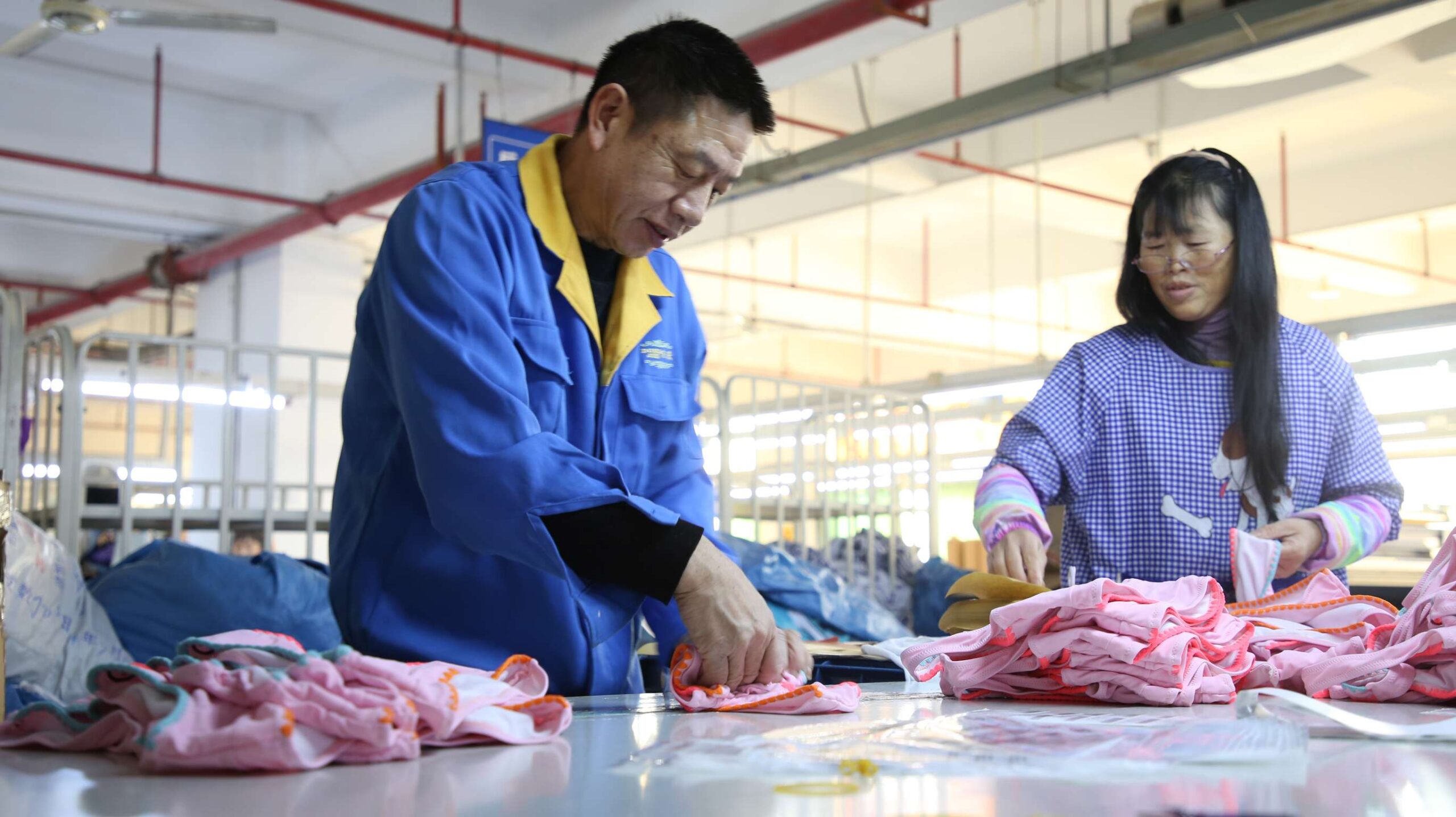
Moving from 200 pieces to several thousand pieces changes the manufacturing challenge.
The factory must plan:
- Materials
- Cutting
- Sewing lines
- Labor
- Quality control
- Packaging
- Shipping deadlines
Without good production planning, larger orders can quickly create delays.
Therefore, brands should evaluate production management capability, not only maximum factory capacity.
Capacity Should Grow with Demand
A strong manufacturing partner should support different stages of brand growth.
Initially, the brand may need flexible small-batch production. Later, it may require larger repeat orders.
Ideally, the manufacturer can support both.
This continuity reduces the need to change suppliers every time the business reaches a new stage.
Moreover, long-term manufacturing relationships can improve communication because both teams already understand the product requirements.
Seasonal Planning Reduces Production Pressure
Swimwear is highly seasonal in many markets.
Therefore, brands should avoid waiting until the last moment to place important orders.
A manufacturer can help create a production calendar around:
- Sample deadlines
- Material ordering
- Bulk production
- Inspection
- Packaging
- Shipping
For example, brands preparing summer collections should work backward from their required warehouse delivery date.
As a result, each production stage receives enough time.
6. Quality Control Protects Growth
Scaling quickly means little if quality declines.
In fact, poor quality can become more damaging as order volume increases.
A defect affecting 20 pieces may be manageable. However, the same defect across thousands of garments can become expensive.
Therefore, professional quality control is essential for sustainable growth.
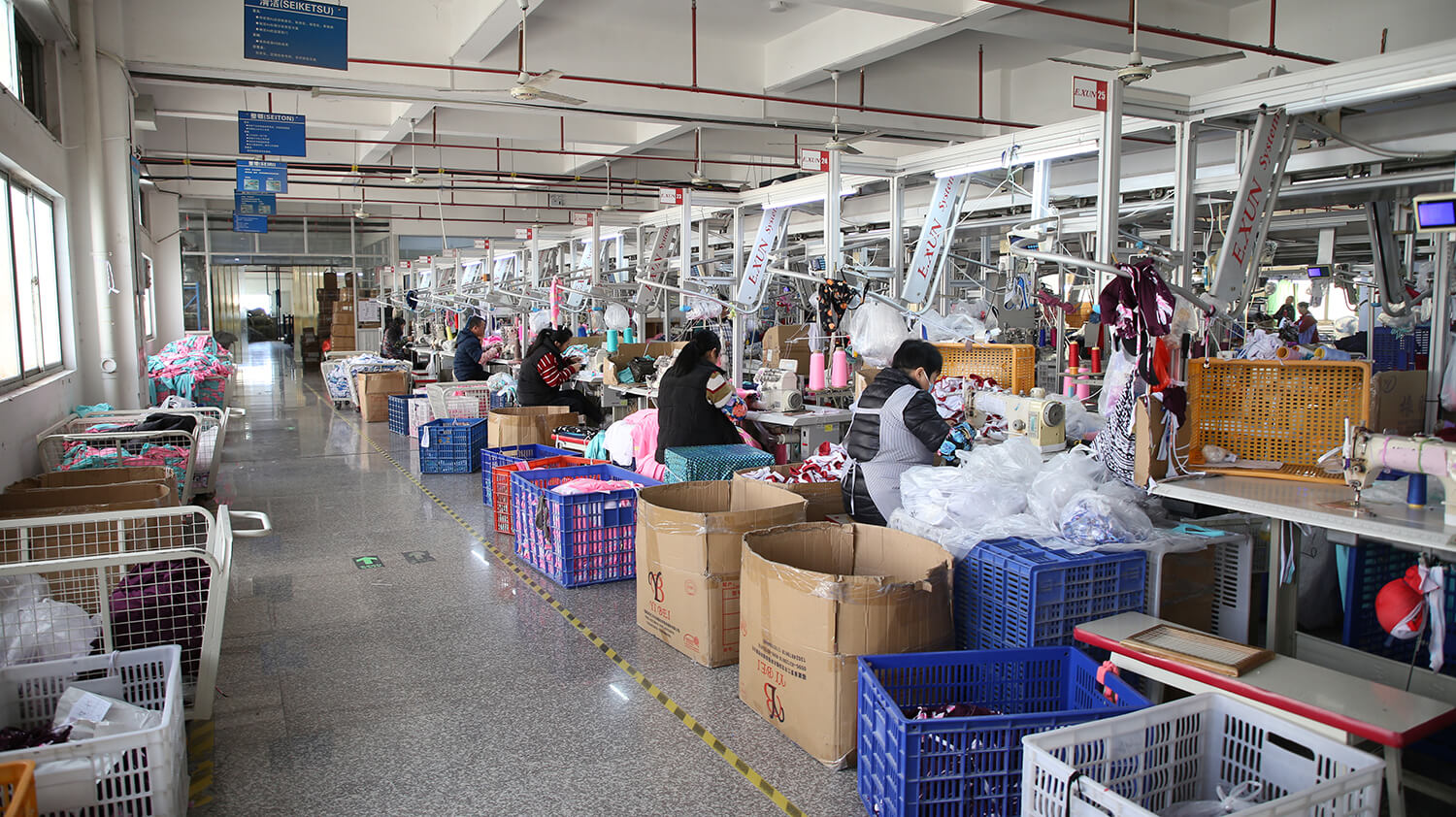
Quality Should Be Controlled Throughout Production
A strong quality system should begin before sewing.
Typical checkpoints include:
- Raw material inspection
- Pre-production review
- Cutting inspection
- In-line sewing inspection
- Measurement checks
- Final garment inspection
- Packaging inspection
- Pre-shipment inspection
This approach allows factories to identify problems earlier.
Consequently, fewer defects reach the final inspection stage.
Consistency Builds Customer Trust
Customers may forgive a brand for having a limited collection. However, they are less likely to accept inconsistent quality.
They expect:
- Reliable sizing
- Strong seams
- Accurate colors
- Good fabric performance
- Correct labels
- Clean packaging
Therefore, manufacturing consistency directly supports customer retention.
Over time, reliable products can also reduce returns, complaints, and after-sales costs.
7. Manufacturers Simplify Customization
As brands grow, they often want stronger differentiation.
For example, they may introduce:
- Custom prints
- New fabrics
- Branded hardware
- Woven labels
- Silicone logos
- Custom packaging
- Special trims
Managing these components through separate suppliers can become complicated.
Instead, a full-service Private Label Swimwear Manufacturer can coordinate several development and production steps through one workflow.
Centralized Development Reduces Communication
Imagine working separately with:
- A pattern maker
- A fabric supplier
- A printing company
- A sewing factory
- A label supplier
- A packaging supplier
Every additional supplier creates another communication channel.
By contrast, an integrated manufacturer can coordinate many of these activities internally or through established supply partners.
As a result, brands can reduce administrative work and focus on decisions that have greater business impact.
8. Better Supply Chain Management Supports Faster Growth
Growth creates supply chain complexity.
As order volume increases, small inefficiencies become more expensive.
For example, delayed fabric can stop sewing production. Likewise, incorrect labels can delay packaging.
Therefore, manufacturers need visibility across the entire production workflow.
One Production Calendar Creates Better Visibility
A structured manufacturer can connect:
Material Sourcing → Sampling → Production → QC → Packaging → Shipment
This makes it easier to identify potential delays.
Moreover, brands can plan marketing campaigns and inventory arrivals with greater confidence.
Repeat Orders Can Become More Efficient
The first production run usually requires the most development work.
However, repeat orders can move faster when the manufacturer maintains accurate records.
These records may include:
- Approved patterns
- Size specifications
- Fabric information
- Color references
- Print files
- Labels
- Packaging requirements
Therefore, maintaining organized production data is an important part of scaling.
9. Flexible Manufacturing Improves Cash Flow
Cash flow is one of the biggest challenges for growing fashion brands.
Inventory requires capital before products generate revenue.
Therefore, production strategy should support financial growth rather than work against it.
Smaller Initial Runs Can Reduce Financial Pressure
Brands can use lower quantities for:
- New designs
- New markets
- Seasonal experiments
- New colors
Then, successful products can move into larger repeat orders.
As a result, capital is allocated toward products with stronger demand.
Scaling Should Follow Sales Data
Rapid growth does not mean ordering the largest quantity possible.
Instead, brands should use actual sales information to guide purchasing.
For example, analyze:
- Sell-through rate
- Best-selling sizes
- Popular colors
- Return rates
- Customer reviews
Based on these insights, the next production order can be more accurate.
10. A Long-Term Manufacturing Partner Creates Operational Leverage
The relationship between a brand and manufacturer often becomes more efficient over time.
At first, both teams need to learn how the other works. However, repeat projects create shared knowledge.
The manufacturer becomes familiar with:
- Fit preferences
- Quality standards
- Packaging
- Target pricing
- Best-selling products
- Communication expectations
Consequently, future collections can require less explanation and fewer corrections.
Faster Communication Means Faster Decisions
Clear communication can remove significant delays from product development.
For example, experienced partners can identify whether an issue requires:
- Pattern adjustment
- Fabric change
- Construction change
- Different elastic
- Alternative trim
Instead of exchanging many unclear messages, both teams can focus directly on the solution.
Manufacturing Knowledge Becomes Part of the Brand’s Advantage
Over time, successful brands build more than a supplier list.
They build a manufacturing system.
That system includes:
- Approved products
- Reliable patterns
- Trusted materials
- Quality standards
- Production workflows
- Supplier relationships
Therefore, a strong manufacturing partnership can become an operational advantage that competitors cannot easily copy.
How to Choose a Swimwear Manufacturer for Scaling
Not every factory that can produce a sample is ready to support a growing brand.
Before selecting a long-term manufacturing partner, evaluate both current capabilities and future scalability.
Ask About Product Development
Find out whether the manufacturer can support:
- Pattern making
- Tech pack review
- Fabric sourcing
- Sampling
- Fit revisions
Strong development support can reduce the workload on your internal team.
Ask About Product Development
Find out whether the manufacturer can support:
- Pattern making
- Tech pack review
- Fabric sourcing
- Sampling
- Fit revisions
Strong development support can reduce the workload on your internal team.
Examine Quality Control
Ask how the factory manages quality before, during, and after production.
Ideally, the manufacturer should have clear procedures for:
- Incoming materials
- In-line inspections
- Measurements
- Finished products
- Packaging
In addition, ask whether third-party inspections can be supported when required.
Evaluate Communication
Good communication becomes increasingly important as your business grows.
Look for a manufacturing team that:
- Responds clearly
- Identifies problems early
- Provides realistic timelines
- Documents changes
- Keeps production information organized
Ultimately, good communication reduces uncertainty.
A Practical Scaling Roadmap for Swimwear Brands
Scaling does not need to happen in one large jump.
Instead, brands can move through several controlled stages.
Stage 1 – Validate
Start with:
- Small collection
- Focused product range
- Flexible MOQ
- Customer testing
The goal is to discover what customers actually want.
Stage 2 – Optimize
Next, improve:
- Fit
- Fabrics
- Pricing
- Packaging
- Best-selling products
At this stage, customer feedback becomes especially valuable.
Stage 3 – Repeat
Increase production of proven styles.
Meanwhile, maintain consistent quality and monitor inventory carefully.
Stage 4 – Expand
Once the core collection performs reliably, introduce:
- New colors
- New silhouettes
- New markets
- Related product categories
However, expansion should not reduce the quality of your existing best sellers.
Stage 5 – Systemize
Finally, create repeatable systems for:
- Development
- Sampling
- Purchasing
- Quality control
- Inventory
- Reordering
As a result, growth becomes less dependent on constant manual problem-solving.
Scaling a swimwear brand is not simply about producing more units.
Instead, successful growth requires a manufacturing system that can support faster development, reliable sampling, flexible production, consistent quality, and repeat orders.
The right manufacturer can reduce operational complexity at each stage.
Moreover, as the relationship develops, approved patterns, trusted materials, established quality standards, and repeatable workflows create additional efficiency.
Therefore, brands should view manufacturing as more than a purchasing function.
A reliable production partner can become part of the infrastructure that supports long-term growth.
Ready to Scale Your Swimwear Brand?
At Senvyn, we support growing swimwear brands with custom product development, sampling, flexible MOQ production, bulk manufacturing, quality control, private label solutions, and branded packaging.
Whether you are testing your first collection or preparing to increase repeat-order volume, our manufacturing process is designed to support brands at different stages of growth.
Contact Senvyn to discuss your next swimwear collection, request samples, or explore a production plan for scaling your brand.
Label Verification
Confirm that all labels are accurate.
Review:
- Brand labels
- Care labels
- Size labels
- Country of origin labels
- Material composition labels
- Washing instructions
Incorrect labels may lead to customs issues or customer complaints.
Hang Tags
Inspect:
- Tag quality
- Printing accuracy
- Logo clarity
- Attachment method
All hang tags should match the approved artwork.
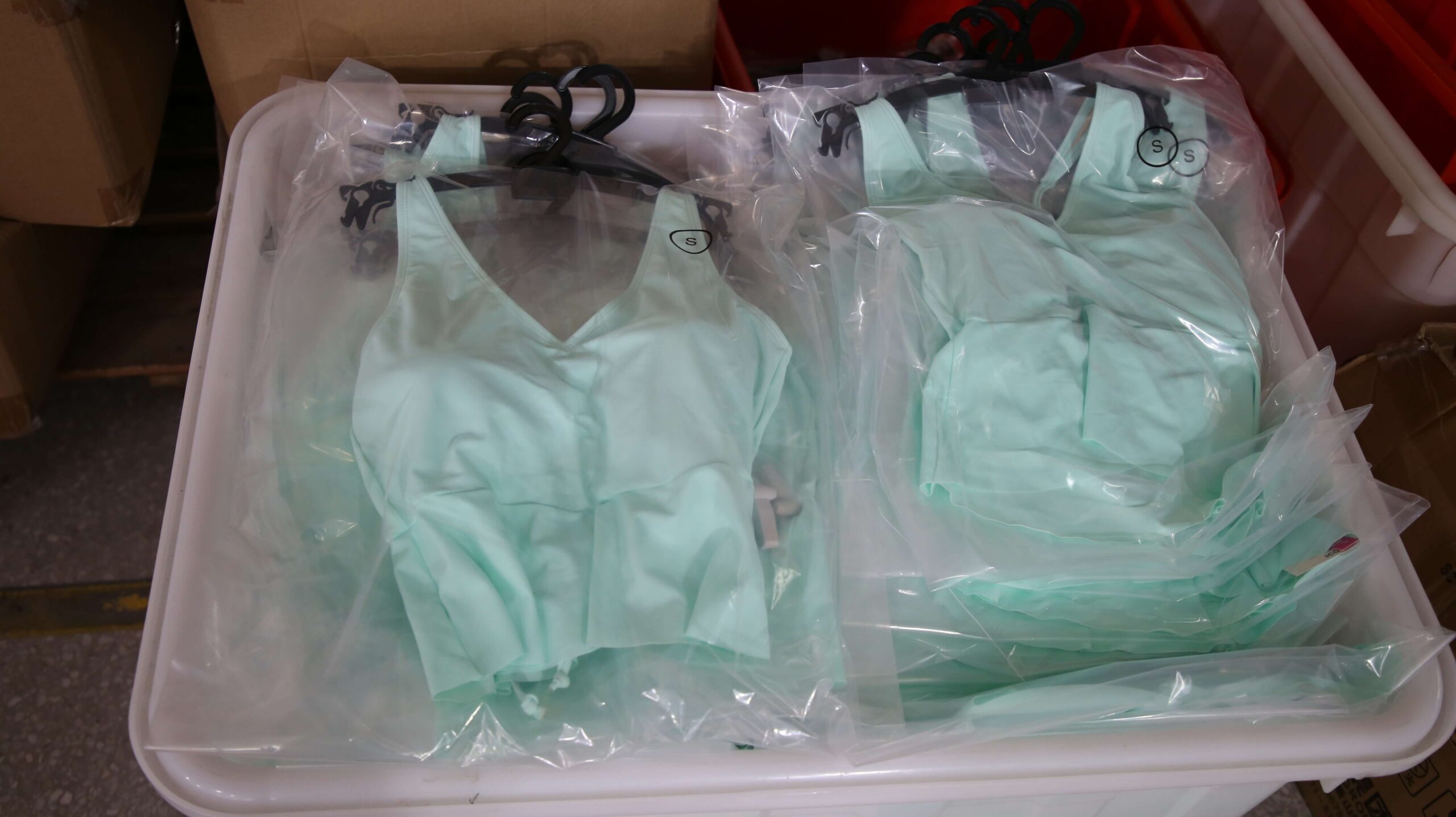
Carton Inspection
Shipping cartons should be checked for:
- Correct carton size
- Product quantity
- Carton strength
- Shipping marks
- Barcode labels
- Destination labels
Strong export cartons help prevent damage during transportation.
Shipping Documentation Checklist
Before shipment, manufacturers should prepare all required export documents.
Typical documents include:
- Commercial Invoice
- Packing List
- Bill of Lading or Air Waybill
- Certificate of Origin (if required)
- Inspection Report (if applicable)
- Shipping Labels
- Customs Documentation
Brands should review these documents carefully to ensure accuracy before shipment.
Buyer Quality Control Checklist
Before approving shipment, buyers should confirm the following:
Materials
✓ Correct fabric
✓ Correct color
✓ No visible defects
✓ Proper stretch performance
Construction
✓ Strong seams
✓ Clean stitching
✓ Proper lining
✓ Secure elastic
Branding
✓ Correct logo placement
✓ Correct labels
✓ Correct packaging
✓ Approved hang tags
Measurements
✓ Size accuracy
✓ Consistent grading
✓ Correct garment dimensions
Packaging
✓ Clean packaging
✓ Correct quantity
✓ Proper carton labeling
Using a standardized checklist helps ensure consistent quality across every production order.
Why Quality Control Protects Your Brand
Quality control is much more than identifying defects.
It is an investment in your brand reputation.
Consistently delivering high-quality swimwear offers several long-term benefits:
- Higher customer satisfaction
- Fewer product returns
- Stronger online reviews
- Better retailer relationships
- Lower after-sales costs
- Increased customer loyalty
For brands competing in today’s global market, consistent quality is often a stronger competitive advantage than price alone.
By working with a manufacturer that follows a structured quality management system, brands can build long-term trust with customers while reducing operational risks.
FAQ
Quality control is a systematic process of inspecting materials, production, finished garments, packaging, and shipments to ensure products meet agreed specifications and quality standards.
Quality control should begin before production starts with raw material inspection and continue throughout cutting, sewing, finishing, packaging, and shipment.
Waiting until the final inspection increases the risk of costly defects.
Quality Control (QC) focuses on identifying and correcting defects during production.
Quality Assurance (QA) focuses on creating systems and procedures that prevent defects from occurring in the first place.
Professional manufacturers implement both QA and QC to achieve consistent product quality.
For large production orders or first-time manufacturing partnerships, third-party inspections provide an additional level of confidence.
They offer independent verification of product quality before shipment.
Brands can reduce defects by:
- Providing detailed tech packs
- Approving production samples carefully
- Communicating clearly with manufacturers
- Reviewing production updates regularly
- Conducting pre-shipment inspections
Strong collaboration between the brand and manufacturer leads to more consistent quality.