
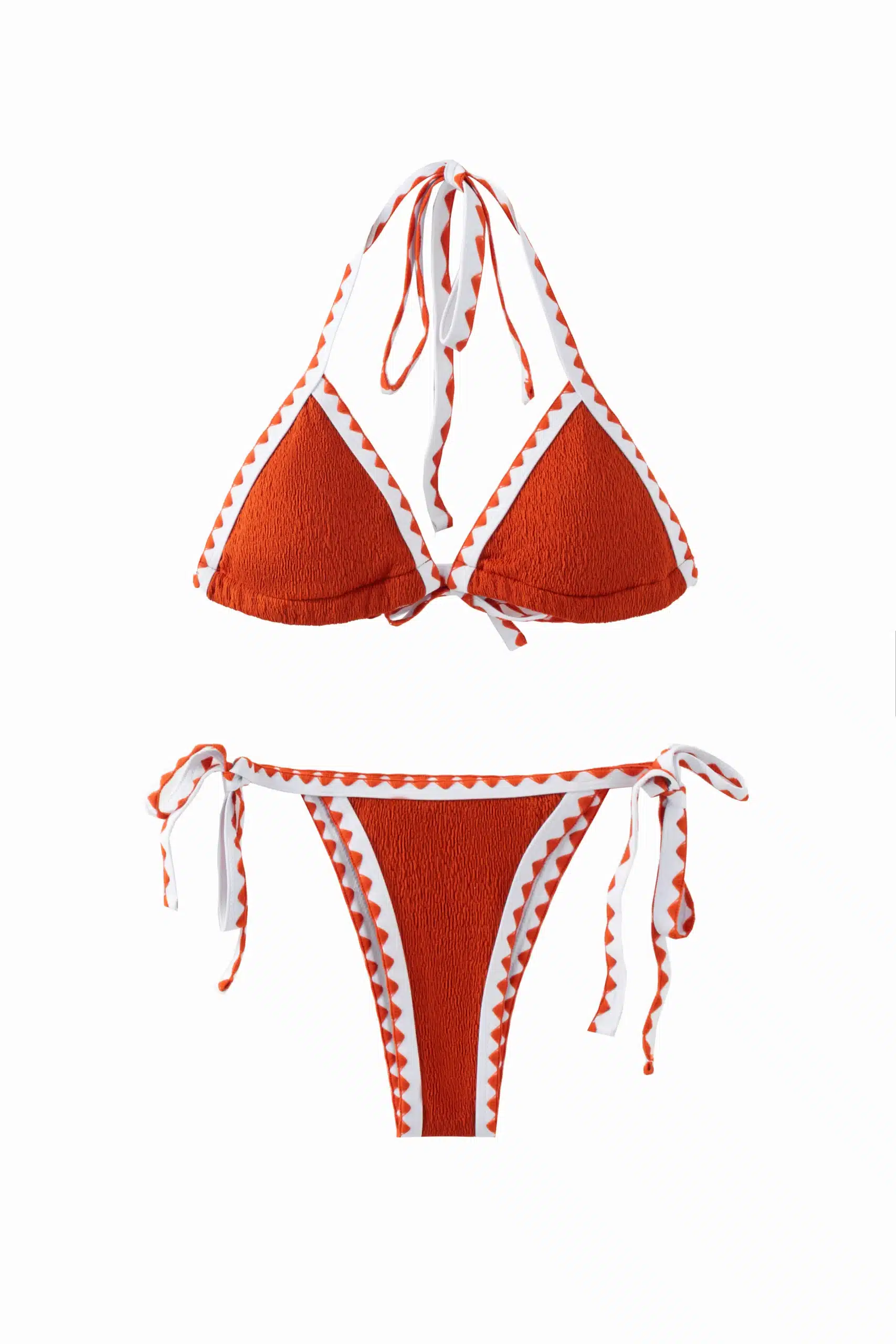
 Bikini
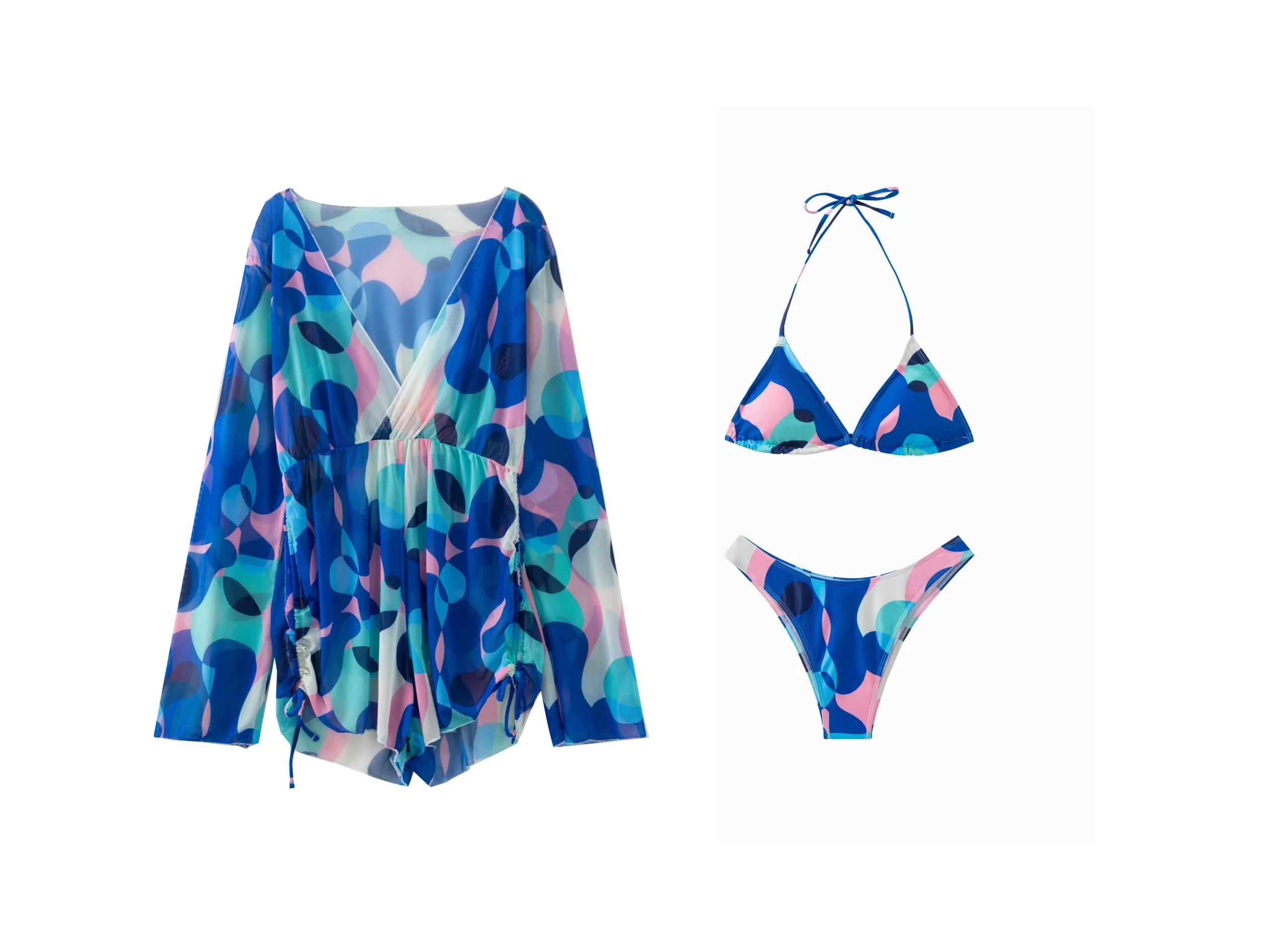 Bikini Cover-Up Set
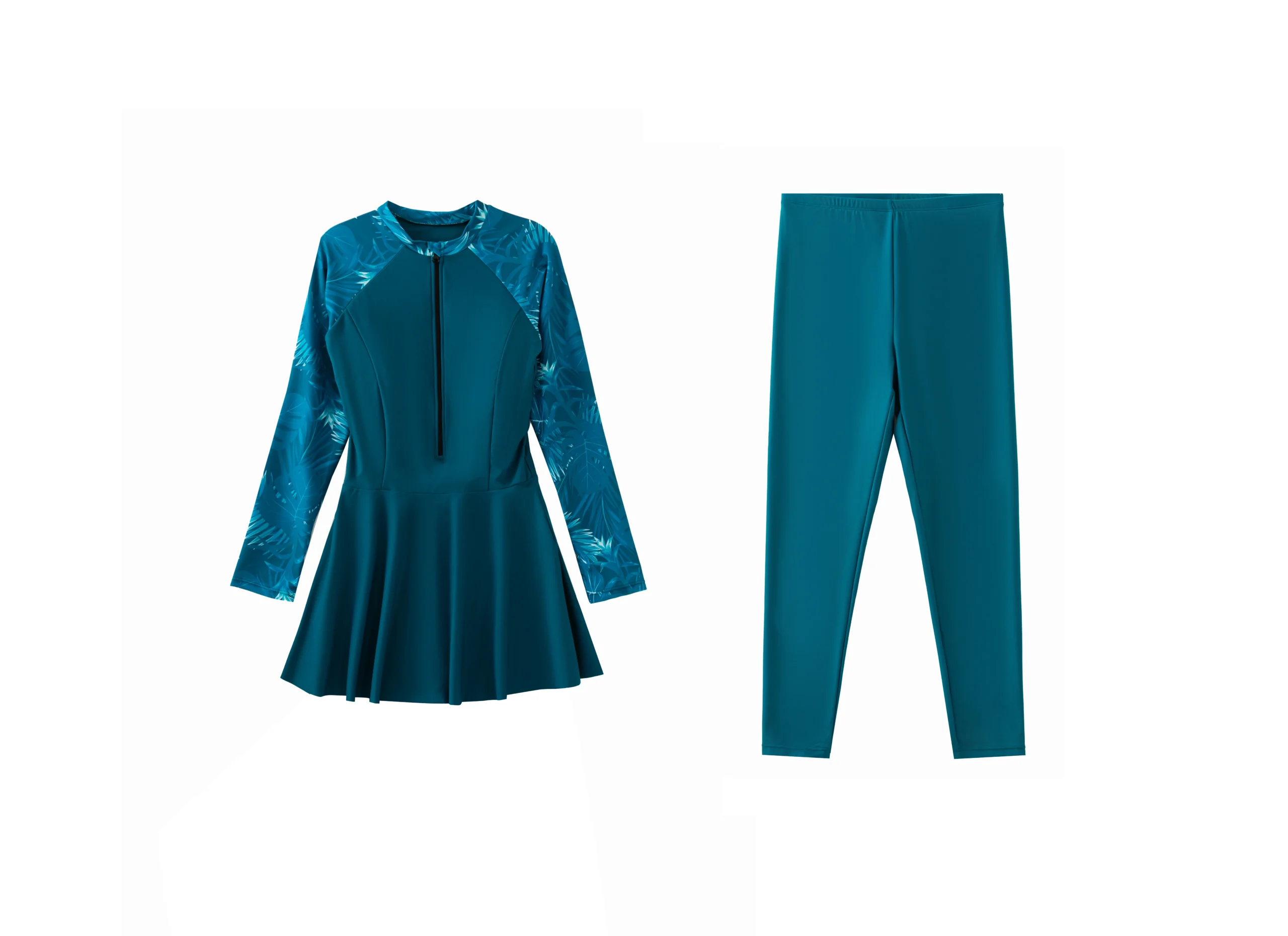 Burkini Swimwear
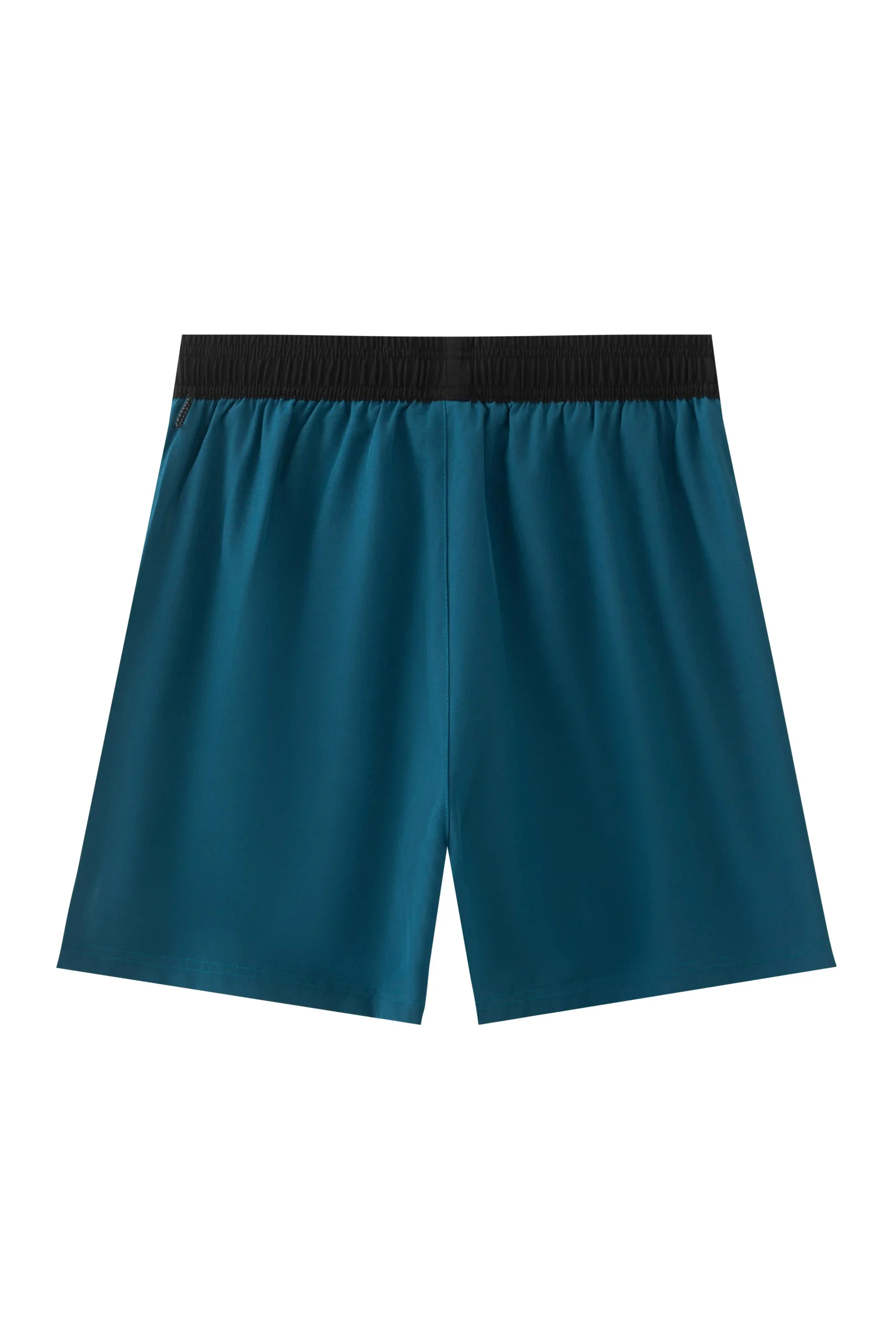 Men Swimwear
 One-Piece Swimsuits
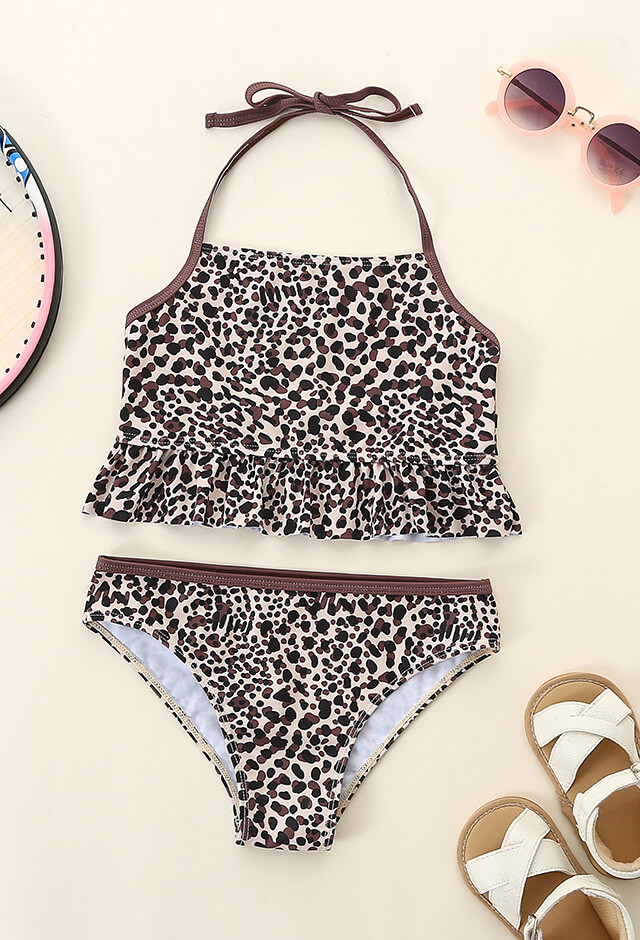 Two-Piece Swimsuits
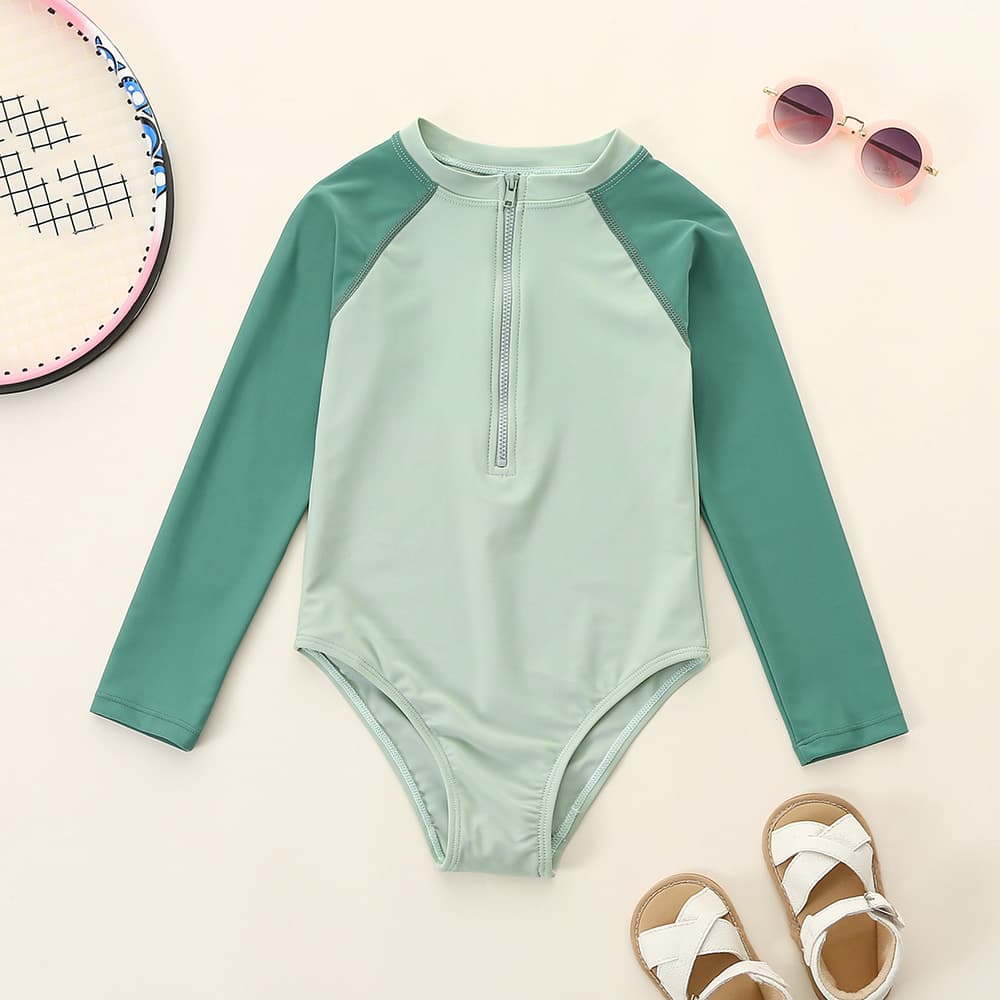 Rash Guards
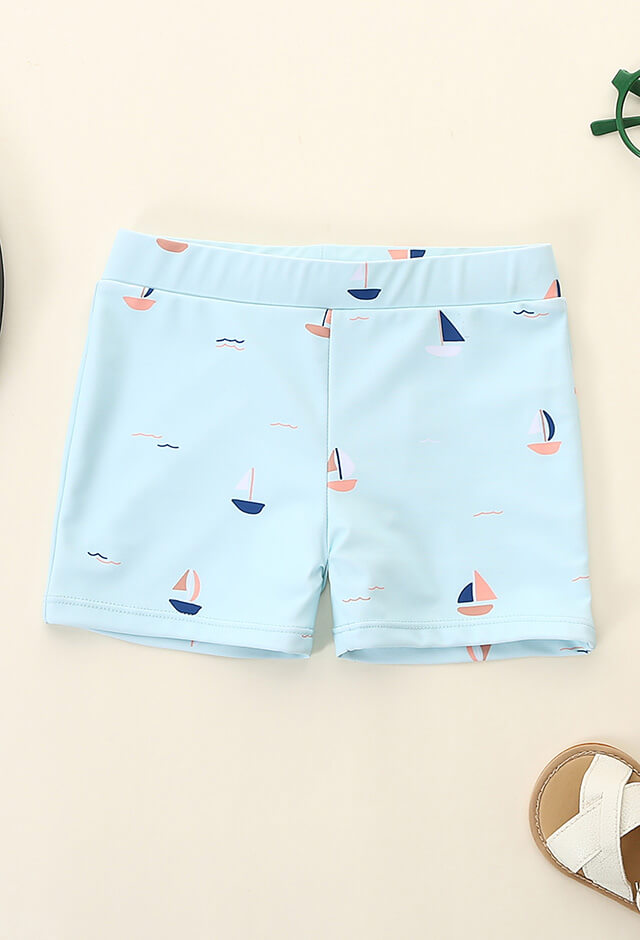 Swim Trunks
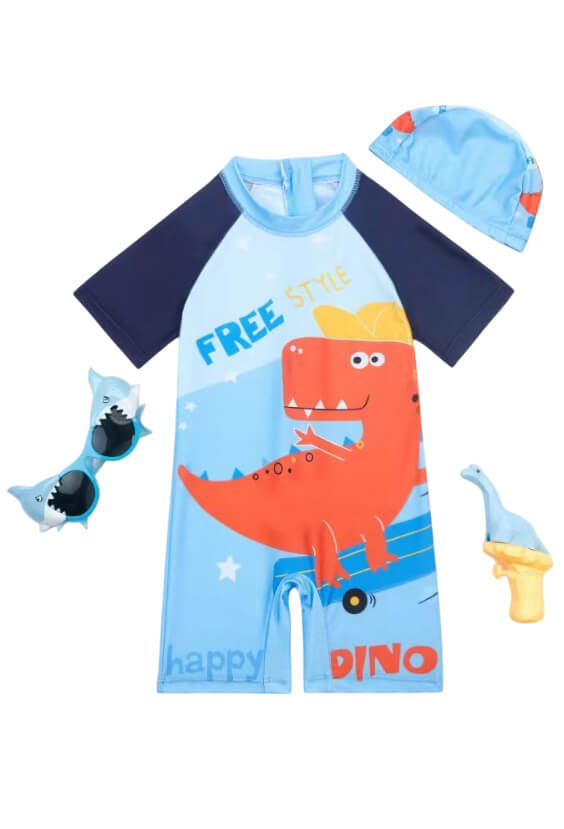 Boy Swimsuits
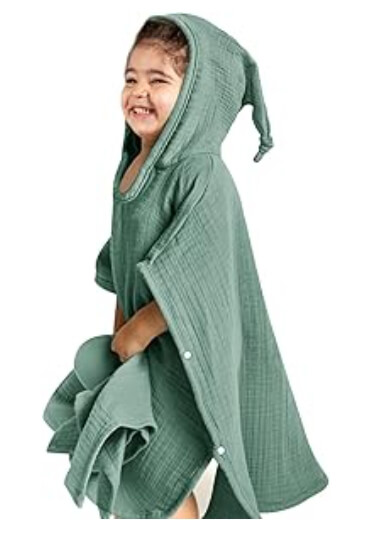 Poncho
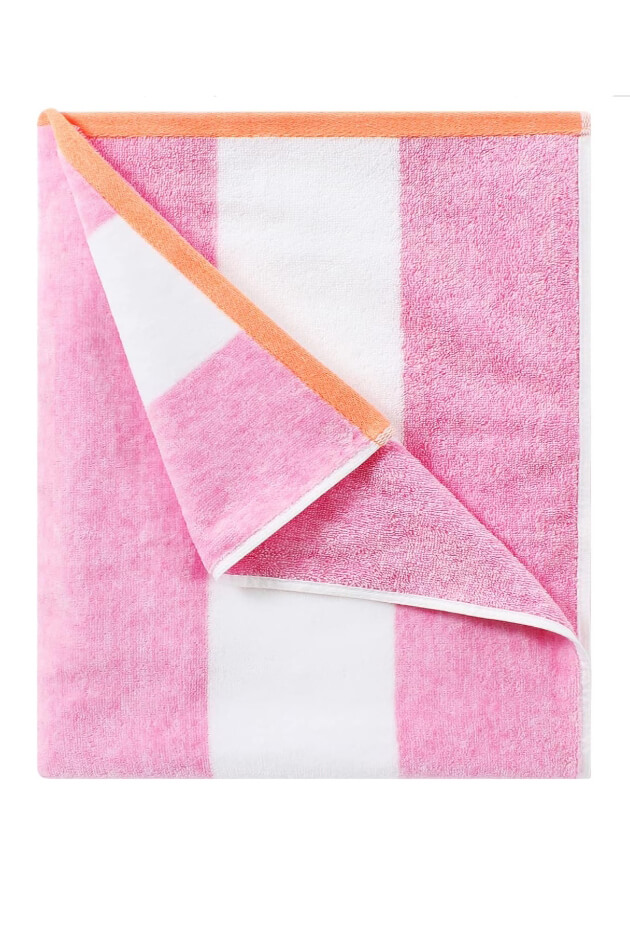 Beach Towel
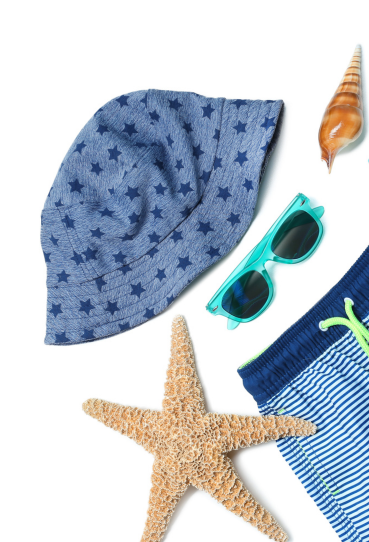 Sun Hat
Perfect Your Swimwear Collection Before Mass Production
Launching a successful swimwear collection requires more than a creative design. Before investing in bulk manufacturing, brands need to ensure that every detail—from fit and fabric performance to construction quality and branding elements—is exactly right.
This is where swimwear sampling becomes essential.
A professional sample allows brands to test their ideas, identify potential issues, and make improvements before moving into large-scale production.
For startups and established fashion companies alike, the sampling stage is one of the most important steps in working with a Custom Swimwear Manufacturer.
A well-developed sample helps brands:
- Confirm product design
- Test fabric performance
- Improve fit and comfort
- Reduce production risks
- Control final quality
- Build customer confidence
This guide explains the complete swimwear sampling process, what brands should prepare, what to evaluate, and how to successfully move from the first prototype to bulk production.
Introduction: Why Swimwear Sampling Matters
Many new swimwear brands focus heavily on design concepts, marketing strategies, and product launches. However, one of the most important stages is often underestimated: sample development.
Unlike regular apparel, swimwear requires specialized knowledge.
A swimsuit must combine:
- Fashion appeal
- Body fit
- Stretch performance
- Comfort
- Durability
- Water resistance
- Support structure
A design that looks attractive on paper may not perform well when produced.
For example:
A fabric may lose elasticity after repeated use.
A bikini top may not provide enough support.
A swimsuit pattern may not fit different body shapes correctly.
A print may appear different after production.
Stitching may fail under stretching conditions.
Professional sampling allows manufacturers and brands to solve these problems before bulk production begins.
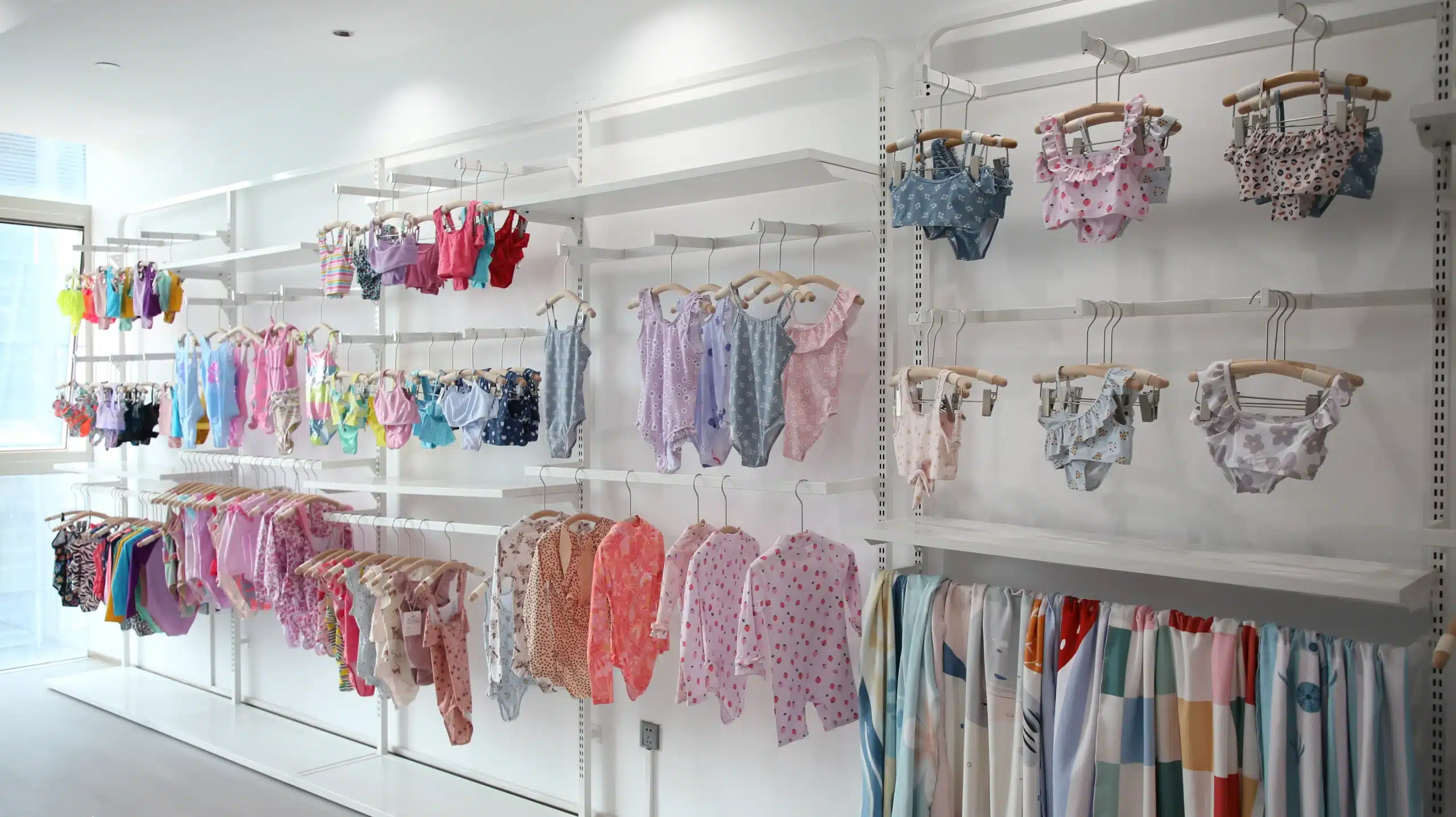
What Is Swimwear Sampling?
Swimwear sampling is the process of creating a physical prototype of a swimsuit design before full production.
During this stage, manufacturers transform design concepts into actual products by developing:
- Patterns
- Fabric selections
- Color combinations
- Printing methods
- Sewing construction
- Branding details
- Packaging elements
The sample represents the final product direction and becomes the reference standard for bulk manufacturing.
A typical swimwear sampling process includes:
- Design review
- Material selection
- Pattern development
- First prototype creation
- Fit testing
- Sample revision
- Final approval
- Bulk production preparation
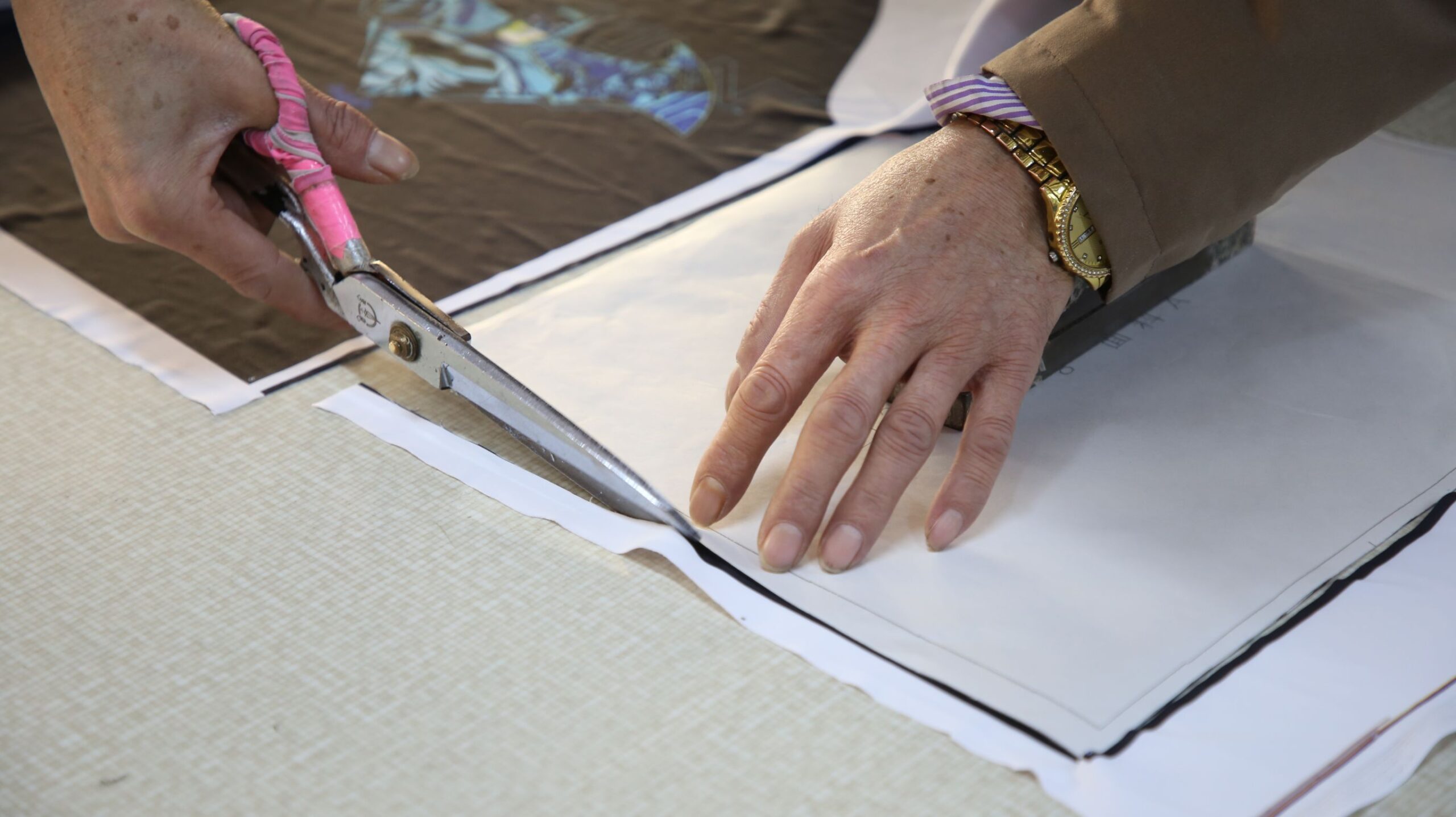
Step 1 – Prepare Your Swimwear Design Information
Before contacting a manufacturer, brands should prepare as much product information as possible.
The more detailed the information provided, the more accurately the manufacturer can develop your sample.
Create a Clear Design Concept
Your design information should include:
- Product category
- Target customer
- Brand positioning
- Inspiration references
- Preferred style direction
- Color preferences
- Functional requirements
For example:
A luxury resort brand may require:
- Premium fabrics
- Elegant silhouettes
- High-end accessories
- Sophisticated packaging
A fitness-focused swimwear brand may prioritize:
- Support
- Compression
- Chlorine resistance
- Performance materials
Understanding your positioning helps manufacturers recommend suitable solutions.
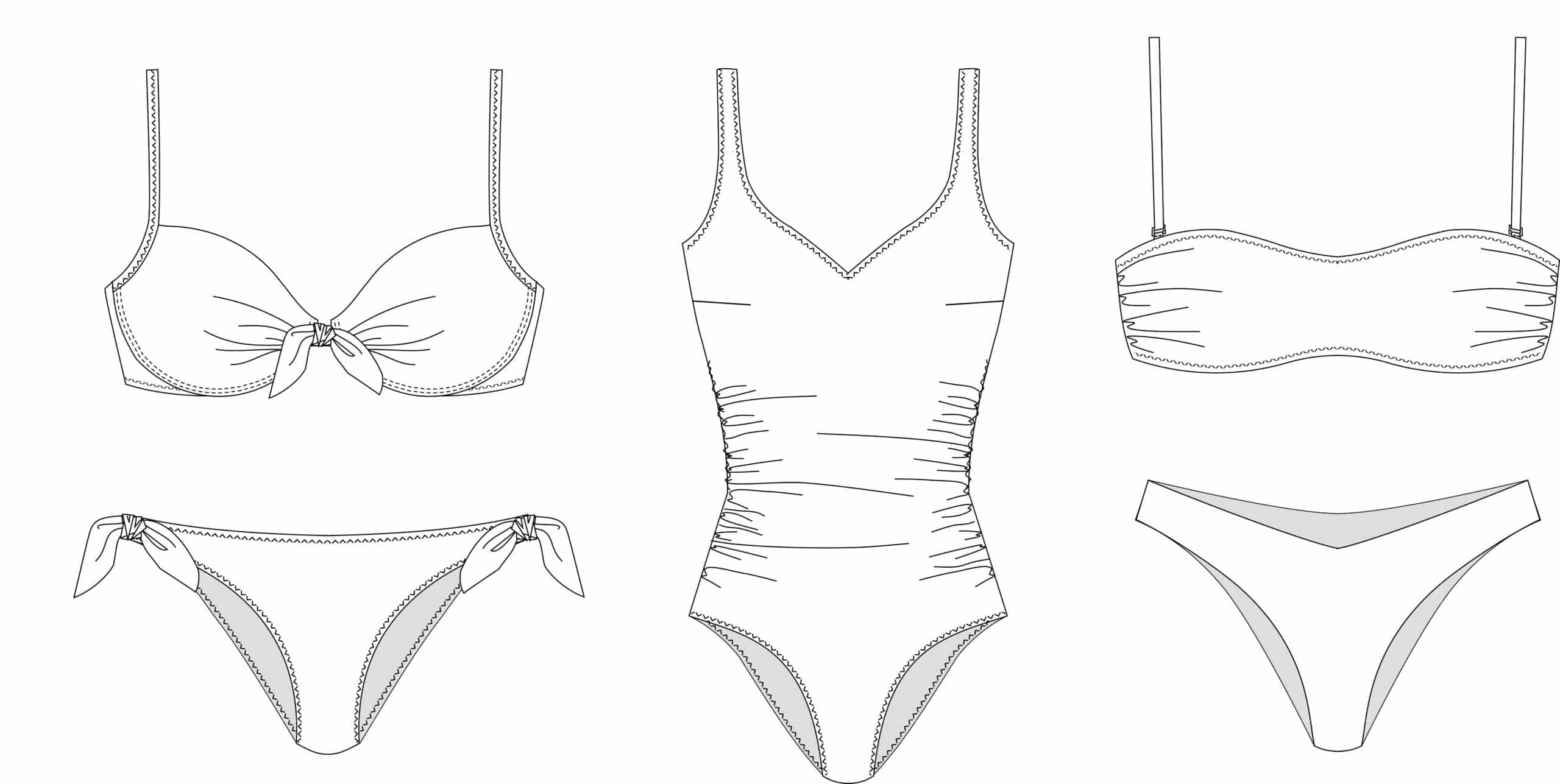
Prepare a Tech Pack
A professional tech pack is one of the most valuable documents during swimwear development.
A swimwear tech pack usually includes:
Product Sketches
Including:
- Front view
- Back view
- Side view
- Construction details
Measurements
Including:
- Bust measurement
- Waist measurement
- Hip measurement
- Strap length
- Cup size
- Leg opening
- Rise measurement
Fabric Information
Including:
- Fabric composition
- Weight
- Stretch requirements
- Color references
- Performance requirements
Construction Details
Including:
- Stitch type
- Seam placement
- Lining requirements
- Padding
- Elastic specifications
Branding Details
Including:
- Logo position
- Label size
- Hang tag design
- Packaging requirements
A complete tech pack reduces communication errors and helps manufacturers create accurate samples faster.
Step 2 – Select the Right Swimwear Fabric
Fabric selection is one of the most important decisions during sampling.
The fabric affects:
- Product appearance
- Comfort
- Durability
- Price
- Customer experience
Nylon Spandex
Nylon spandex is one of the most popular choices for premium swimwear.
Advantages:
- Soft hand feel
- Excellent stretch
- Comfortable fit
- Smooth appearance
- Premium quality
Commonly used for:
- Fashion bikinis
- Luxury swimwear
- Boutique collections
Polyester Spandex
Polyester spandex provides excellent durability.
Advantages:
- Better chlorine resistance
- Strong color retention
- Cost efficiency
- Long-lasting performance
Commonly used for:
- Sports swimwear
- Competitive swim products
- High-volume collections
Recycled Swimwear Fabrics
Sustainable fabrics are becoming increasingly popular among modern brands.
Options include:
- Recycled nylon
- Recycled polyester
- Eco-friendly performance fabrics
These materials allow brands to combine sustainability with premium product quality.
Step 3 – Create the First Swimwear Prototype
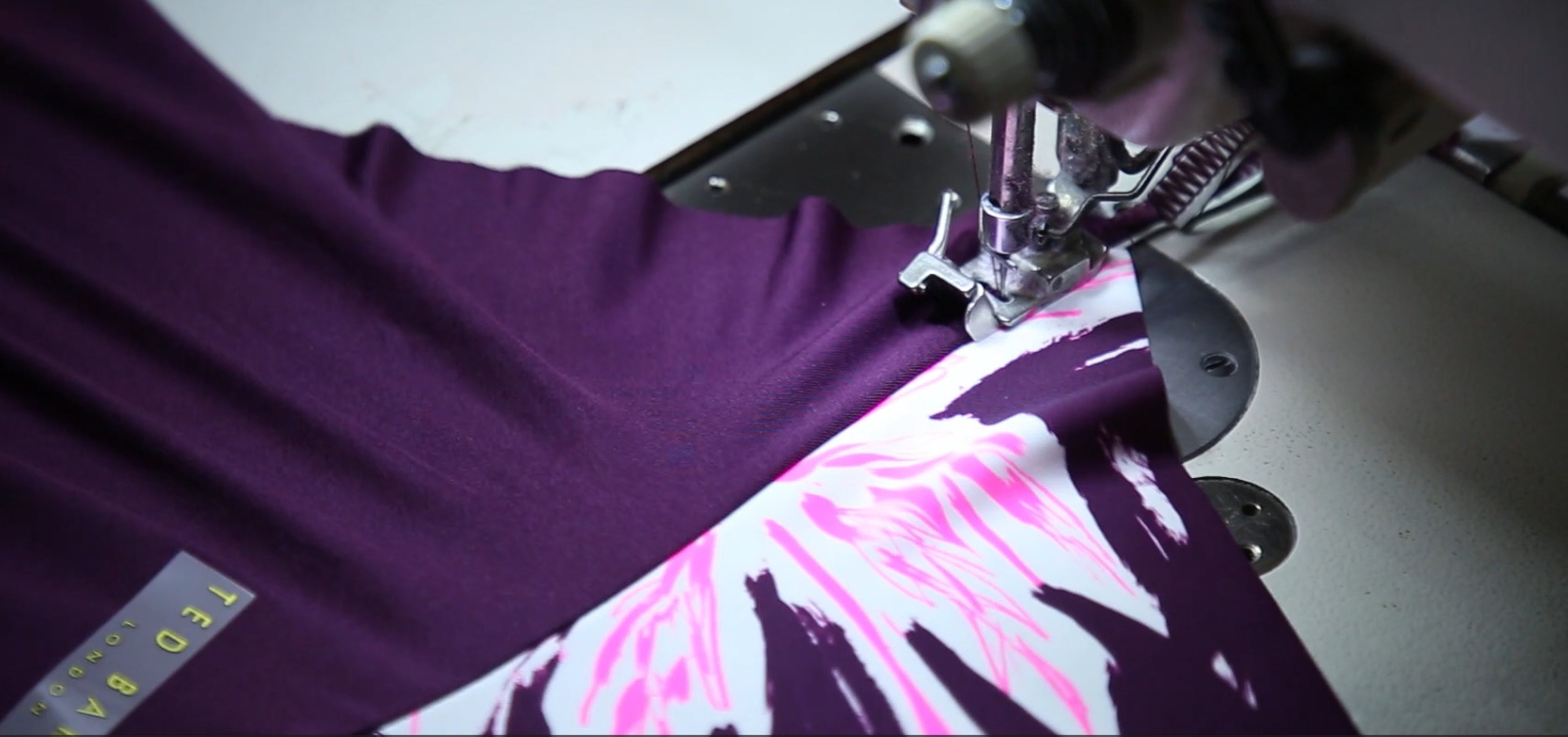
The first sample is usually called a prototype sample.
Its purpose is not necessarily perfection.
Instead, it helps identify:
- Design issues
- Construction problems
- Fit concerns
- Material compatibility
During the first prototype stage, manufacturers evaluate:
- Pattern accuracy
- Sewing methods
- Fabric behavior
- Overall appearance
Brands should expect adjustments.
Professional product development usually requires several rounds of communication between the brand and manufacturer.
Step 4 – Sample Fitting and Revision Process
After the first swimwear prototype is completed, the next stage is sample evaluation and improvement.
Many brands assume that the first sample should be ready for production. However, professional swimwear development usually requires several rounds of adjustments before reaching the final approved version.
The purpose of sample revisions is not only to fix mistakes but also to improve the overall product experience.
During this stage, brands and manufacturers work together to refine:
- Fit
- Comfort
- Construction
- Appearance
- Functionality
- Brand requirements
A strong revision process creates a better final product and reduces production risks
How Brands Should Evaluate Swimwear Samples
When receiving a sample from your manufacturer, do not only evaluate whether it looks attractive.
A professional review should include multiple areas.
1. Check Overall Design Accuracy
The first step is comparing the sample with your original design concept.
Review:
- Shape
- Silhouette
- Color
- Print placement
- Logo position
- Accessories
- Overall style
Ask:
- Does the sample match the original vision?
- Are all design details correctly applied?
- Does the product represent the brand identity?
Small differences between the design concept and final sample can affect customer perception.
2. Evaluate Fit and Comfort
Fit is one of the most important factors in swimwear success.
A beautiful swimsuit that does not fit correctly will result in customer dissatisfaction and returns.
During fitting, check:
Bikini Fit
Evaluate:
- Bust coverage
- Strap adjustment
- Cup support
- Bottom coverage
- Waist position
One-Piece Swimsuit Fit
Evaluate:
- Torso length
- Shoulder comfort
- Waist shaping
- Hip movement
- Overall body balance
Active Swimwear Fit
Evaluate:
- Compression level
- Movement flexibility
- Support during activity
Testing the sample on a real fit model provides the most accurate feedback.
3. Test Fabric Performance
Swimwear fabrics must perform under demanding conditions.
During sample evaluation, test:
- Stretch Recovery
- The fabric should return to its original shape after stretching.
Poor recovery can cause:
- Loose fit
- Sagging fabric
- Short product lifespan
Opacity When Wet
Some fabrics become transparent when wet.
Brands should test:
- Main fabric
- Lining
- Light-colored designs
Color Performance
Evaluate:
- Print quality
- Color accuracy
- Fading resistance
Especially for:
- Bright colors
- Tropical prints
- Full-print designs
Water Performance
Test:
- Swimming pool use
- Saltwater exposure
- Drying time
- Repeated washing
Real-world testing provides valuable feedback before production.
Step 5 – Communicate Sample Feedback Clearly
Effective communication between brands and manufacturers is critical during the sampling stage.
Instead of providing general feedback like:
“Make it better.”
Provide specific comments.
Examples:
❌ Poor feedback:
“The bikini does not feel right.”
✅ Better feedback:
“The bikini top needs 1 cm more coverage at the side area and stronger elastic support under the bust.”
Use Visual References
The best feedback usually includes:
- Photos
- Measurement notes
- Marked-up images
- Comparison examples
Visual communication reduces misunderstandings and speeds up revisions.
Organize Feedback by Priority
Not every issue has the same importance.
Separate feedback into:
- Must Change
Critical issues affecting:
- Fit
- Safety
- Function
- Brand requirements
- Recommended Improvement
Issues improving:
- Appearance
- Comfort
- Customer experience
Optional Adjustment
Minor details that can be considered later.
This helps manufacturers focus on the most important improvements first.
Step 6 – Common Swimwear Sampling Problems and Solutions
Even experienced brands may encounter challenges during sample development.
Understanding common problems helps you solve them faster.
Problem 1 – Incorrect Fit
Cause:
- Inaccurate measurements
- Incorrect pattern grading
- Fabric stretch differences
Solution:
Review:
- Size chart
- Pattern measurements
- Fabric elasticity
A professional manufacturer should adjust patterns based on actual fitting feedback.
Problem 2 – Fabric Does Not Match Expectations
Cause:
The selected fabric may look different from the original reference.
Examples:
- Too thin
- Too shiny
- Not enough stretch
- Different hand feel
Solution:
Request fabric swatches before sampling.
Confirm:
- Texture
- Thickness
- Stretch
- Color appearance
Problem 3 – Print Color Differences
Printed swimwear can sometimes vary from digital designs.
Reasons include:
- Screen differences
- Fabric absorption
- Printing method
- Color profile
- Solution:
Approve a physical print sample before bulk production.
Problem 4 – Logo Placement Issues
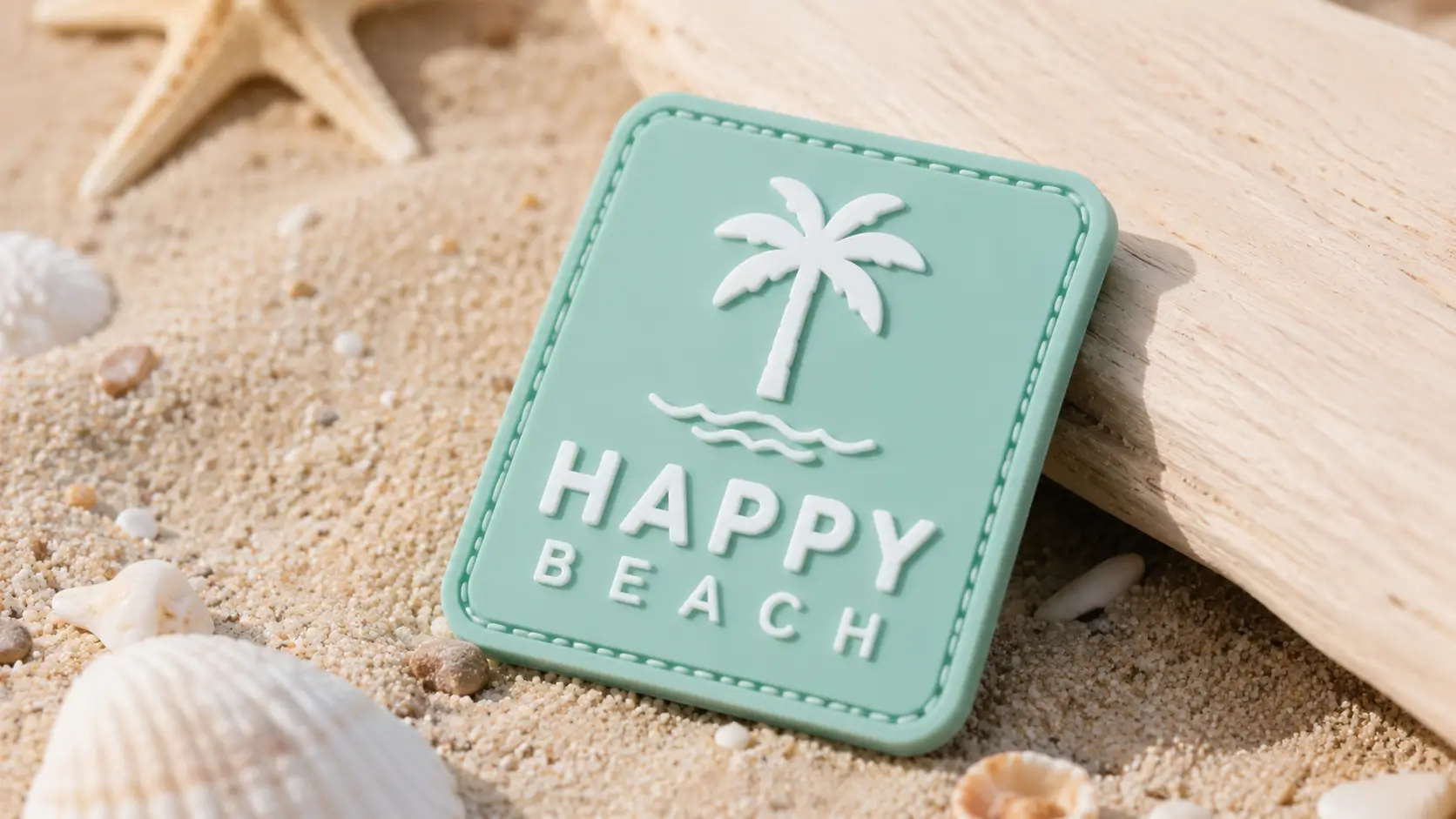
Branding mistakes can negatively affect product appearance.
Common issues:
- Wrong position
- Incorrect size
- Uneven application
Solution:
Provide clear logo specifications and approve placement before production.
Problem 5 – Timeline Delays
Sampling delays may happen because of:
- Missing information
- Slow feedback
- Fabric availability
- Multiple design changes
Solution:
Prepare complete information before development and provide feedback quickly.
Step 7 – Understand Swimwear Sample Costs
Many brands ask:
“How much does a swimwear sample cost?”
The answer depends on several factors.
Sample pricing is affected by:
- Product complexity
- Number of materials
- Printing requirements
- Accessories
- Pattern development
- Revision requirements
Factors That Increase Sample Costs
Custom Printing
Custom prints require:
- Artwork preparation
- Printing setup
- Color testing
Special Fabrics
Premium or sustainable fabrics may require additional sourcing.
Complex Construction
Examples:
- Multiple panels
- Special support structures
- Unique silhouettes
- Decorative details
Custom Accessories
Examples:
- Metal hardware
- Custom labels
- Special packaging
Although sample costs are important, they should be viewed as an investment.
A high-quality sample reduces the risk of expensive production problems later.
Step 8 – Sample Approval Before Bulk Production
Before starting bulk production, brands should provide official sample approval.
This confirms that:
- Design is correct
- Fit is approved
Materials are approved - Colors are confirmed
- Branding details are finalized
The approved sample becomes the production reference.
Manufacturers use it to maintain consistency throughout the production process.
What Should Be Confirmed Before Production?
Before bulk manufacturing begins, confirm:
Product Details
- Final design
- Size range
- Color options
- Fabric selection
Manufacturing Details
- Production quantity
- Delivery schedule
- Packaging requirements
- Inspection standards
Branding Details
- Labels
- Logos
- Hang tags
- Packaging
Clear approval prevents costly misunderstandings.
Quality Control During Swimwear Sampling
Quality control should begin during sampling—not only during bulk production.
A professional manufacturer evaluates:
Pattern Accuracy
Ensuring the design matches approved specifications.
Sewing Quality
Checking:
- Stitch strength
- Seam appearance
- Thread quality
Measurement Accuracy
Confirming:
- Size consistency
- Fit standards
- Grading accuracy
Material Quality
Checking:
- Fabric defects
- Color consistency
- Stretch performance
Early quality control helps create a stronger foundation for bulk production.
Why Sampling Is Essential for Swimwear Brands
Swimwear sampling is more than creating a prototype.
It is a process that transforms an idea into a market-ready product.
A professional sampling process allows brands to:
- Reduce manufacturing risks
- Improve product quality
- Confirm design details
- Control costs
- Build customer confidence
For startups, sampling provides an opportunity to test the market before large investments.
For established brands, sampling enables faster innovation and better product development.
Working with an experienced Custom Swimwear Manufacturer ensures that every stage—from first concept to final production—is handled professionally.
FAQ
Before approving a sample, brands should review:
Product Appearance
-
Design accuracy
-
Color
-
Print quality
-
Logo placement
Fit
-
Comfort
-
Support
-
Size accuracy
-
Body coverage
Construction
-
Stitch quality
-
Seam strength
-
Elastic performance
Material
-
Fabric feel
-
Stretch recovery
-
Wet performance
A complete review ensures the final product meets customer expectations.
The swimwear sampling process is the stage where a brand works with a manufacturer to create a physical prototype before bulk production.
The typical process includes:
- Design review
- Tech pack evaluation
- Fabric selection
- Pattern development
- First sample production
- Fit testing
- Sample revisions
- Final approval
- Bulk production preparation
Sampling allows brands to identify problems early and ensure the final product meets quality expectations.
The timeline depends on product complexity, materials, and the number of revisions required.
A typical timeline includes:
- Design review: 2–3 business days
- Fabric sourcing: 3–4 business days
- Pattern development: 2–3 business days
- First sample production: 3–7 business days
- Revision samples: 3–5 business days
For complex swimwear designs with custom prints, special fabrics, or accessories, the development process may take longer.
Starting early helps brands avoid delays before seasonal launches.
Sample costs depend on several factors:
- Design complexity
- Fabric type
- Printing method
- Accessories
- Pattern development
- Packaging requirements
A basic swimsuit sample is usually less expensive than a highly customized collection featuring:
- Custom prints
- Unique construction
- Premium materials
- Special trims
Brands should consider sampling as a product development investment rather than only an expense.
You can submit your custom design through email or our online platform. If needed, our design team can assist in creating mock-ups or refining your idea to ensure it’s production-ready.
Yes, we offer sample production so you can approve the fit, design, and overall quality before committing to the full order.
Yes.
Experienced swimwear manufacturers can recommend fabrics based on:
- Product positioning
- Target price
- Performance requirements
- Sustainability goals
- Market preferences
For example:
Luxury swimwear brands may prefer soft nylon spandex, while performance swimwear brands may prioritize durable polyester-based fabrics.
There is no fixed number because every project is different.
Many brands complete:
- First prototype sample
- Revised fitting sample
- Final approval sample
Simple designs may require fewer revisions, while complex products may require multiple adjustments.
The goal is not to create many samples—the goal is to create an approved sample that accurately represents the final production standard.
Yes.
Sample revisions are a normal part of swimwear development.
Brands commonly request adjustments to:
- Fit
- Fabric
- Color
- Print placement
- Strap length
- Support structure
- Accessories
Clear and detailed feedback helps manufacturers complete revisions faster.
Yes, many manufacturers can help brands develop products from:
- Sketches
- Reference images
- Existing samples
- Product ideas
However, a detailed tech pack improves communication and reduces development errors.
A professional Custom Swimwear Manufacturer can help transform your concept into production-ready specifications.