
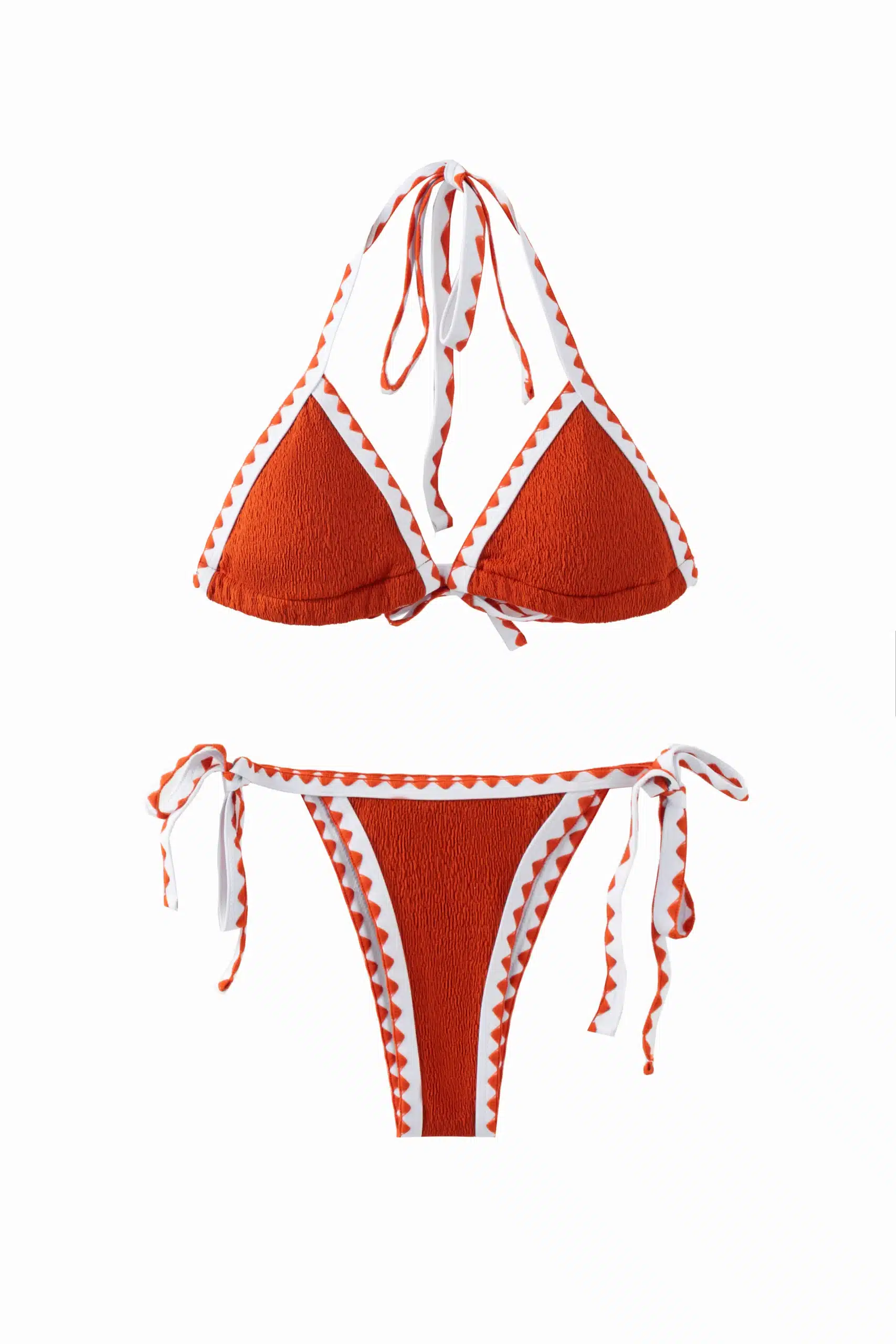
 Bikini
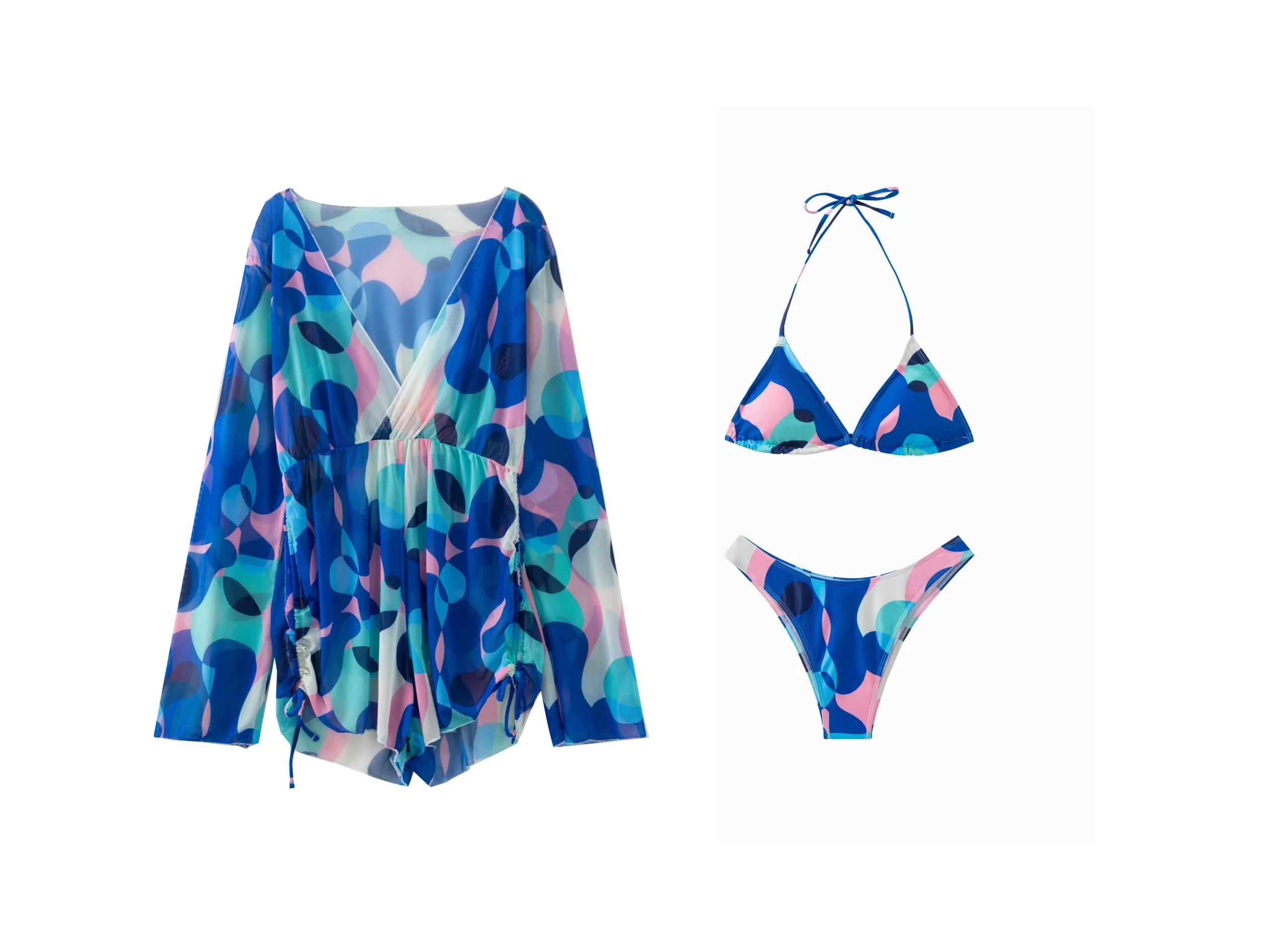 Bikini Cover-Up Set
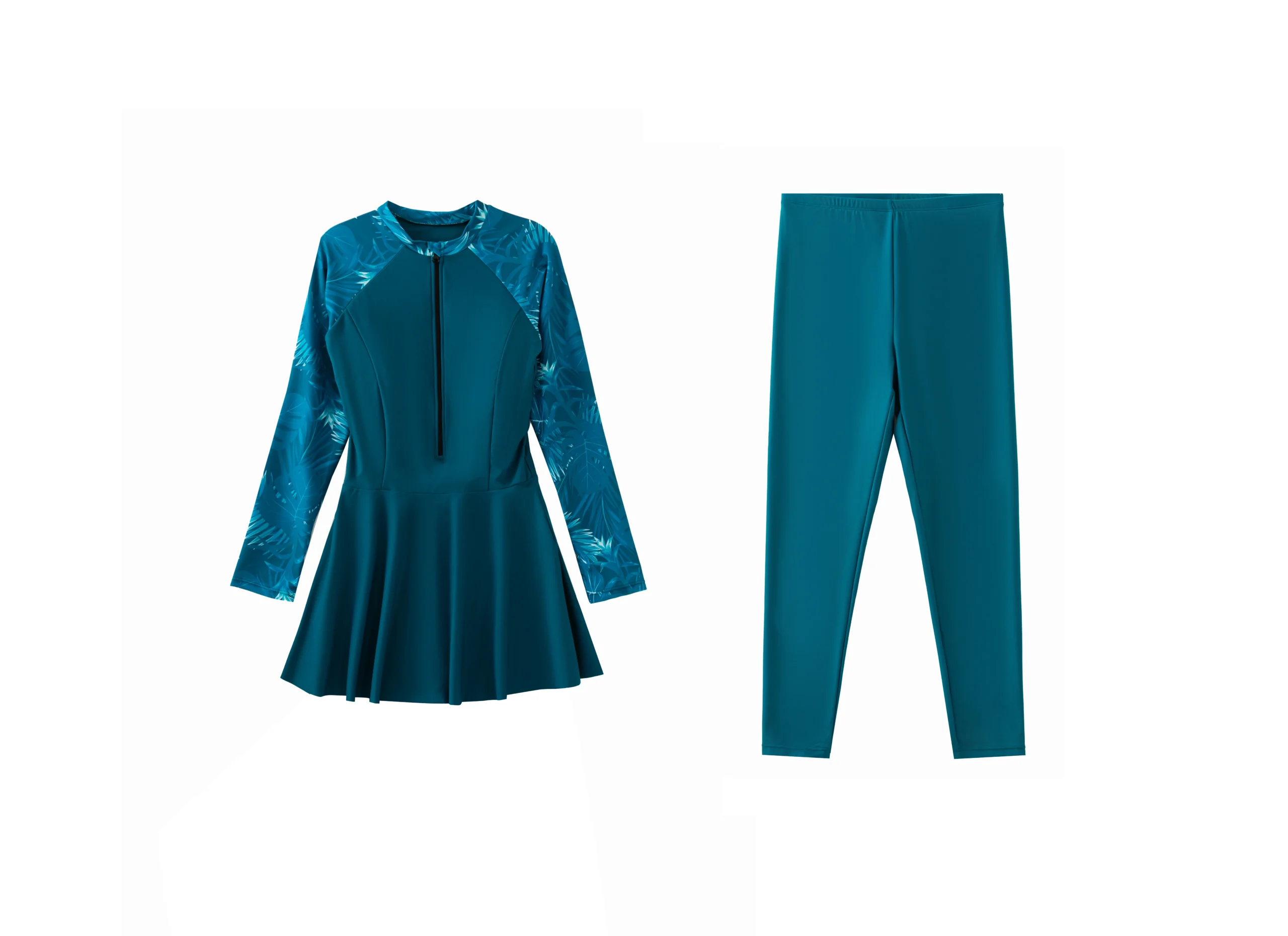 Burkini Swimwear
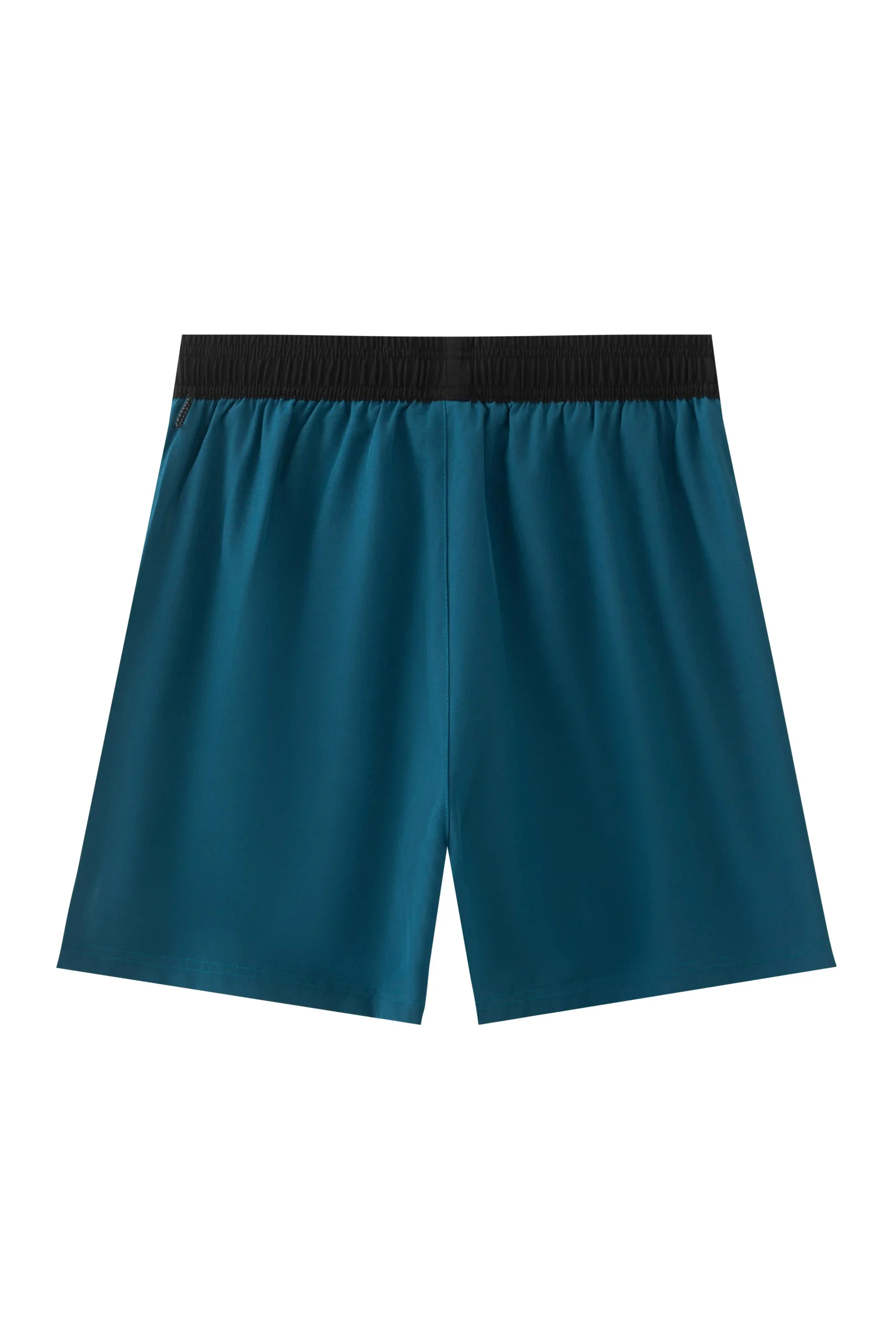 Men Swimwear
 One-Piece Swimsuits
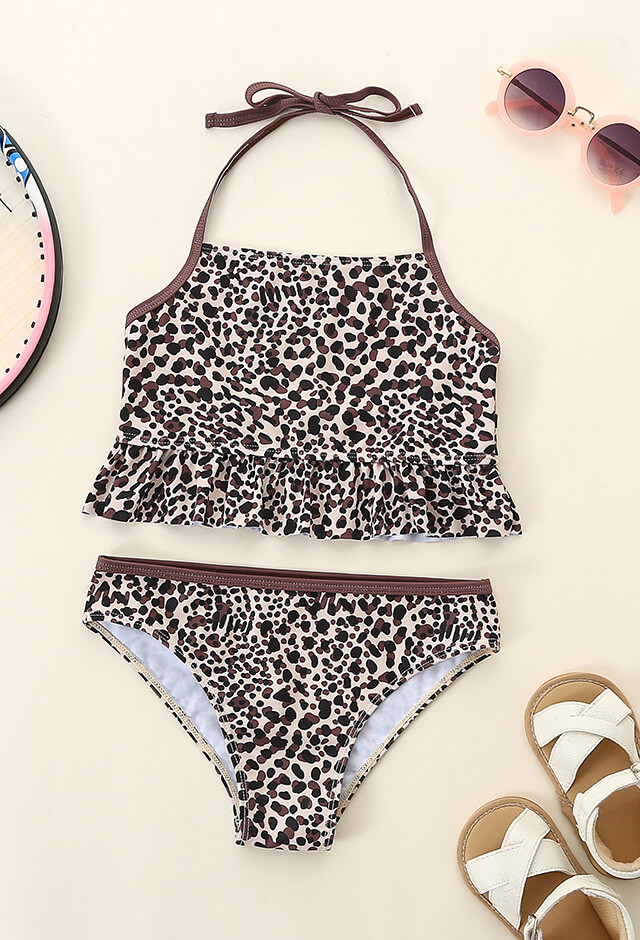 Two-Piece Swimsuits
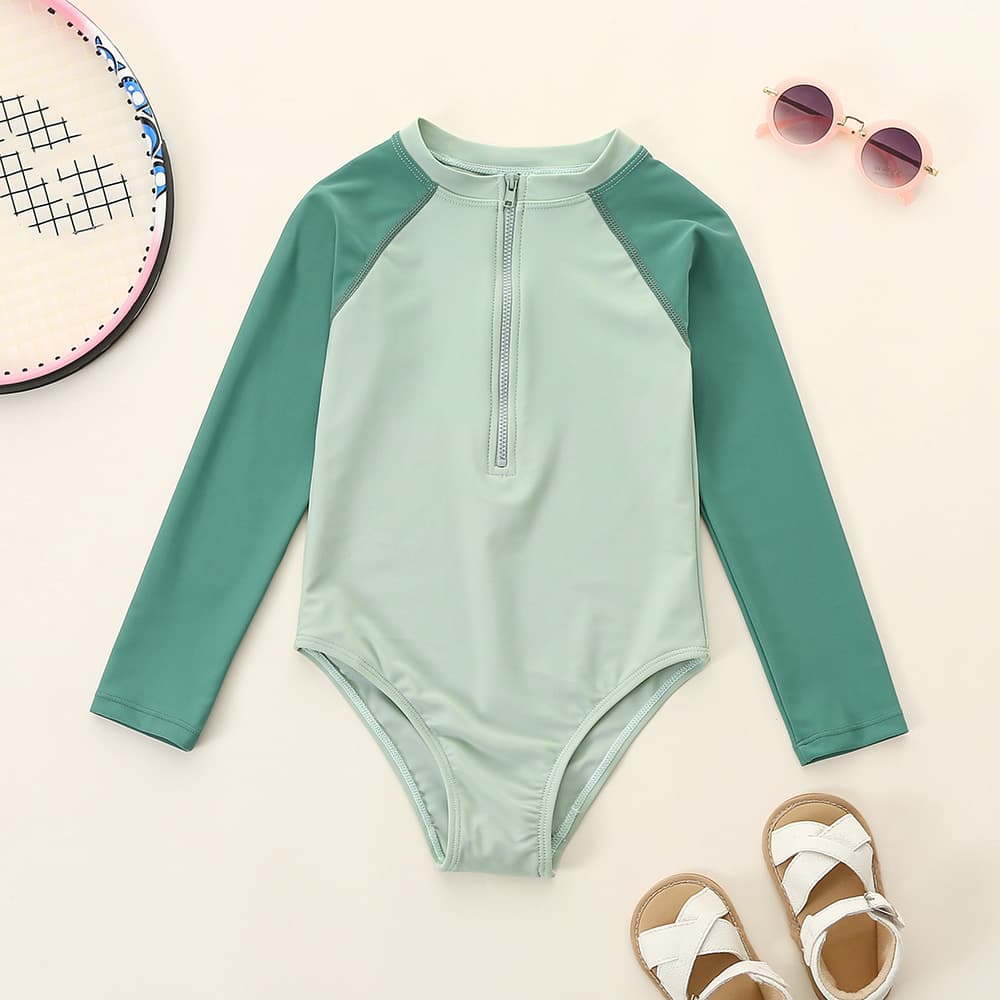 Rash Guards
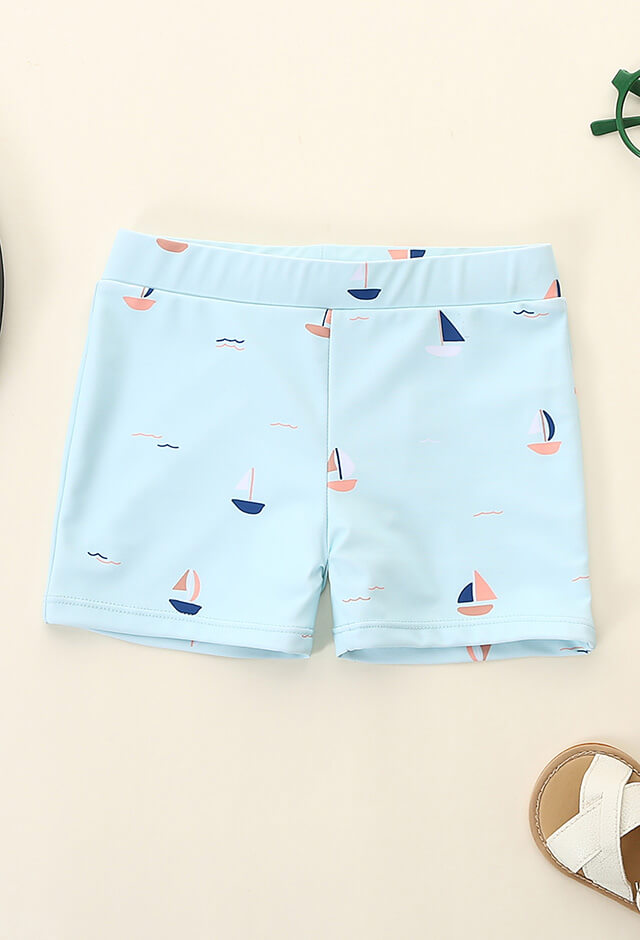 Swim Trunks
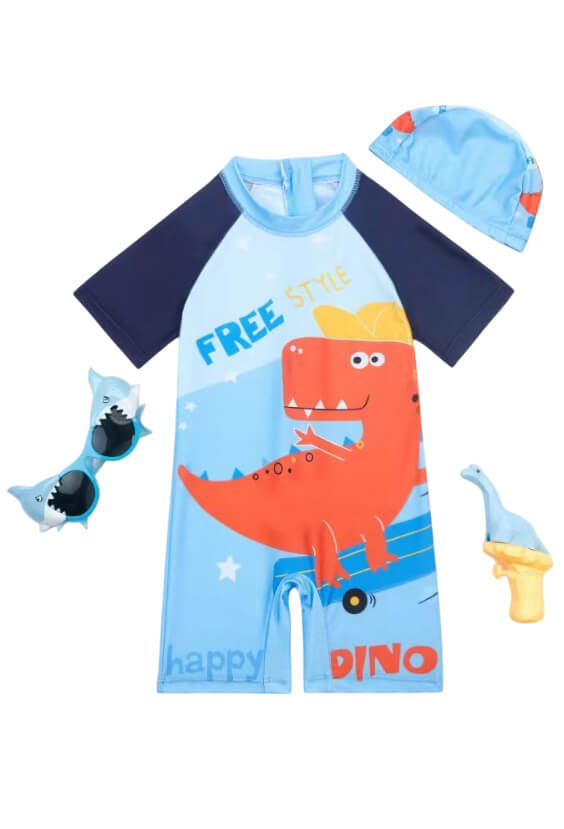 Boy Swimsuits
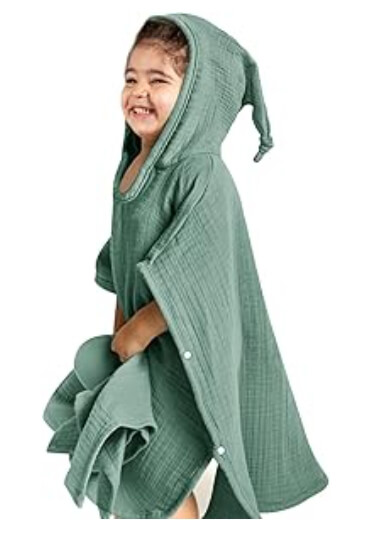 Poncho
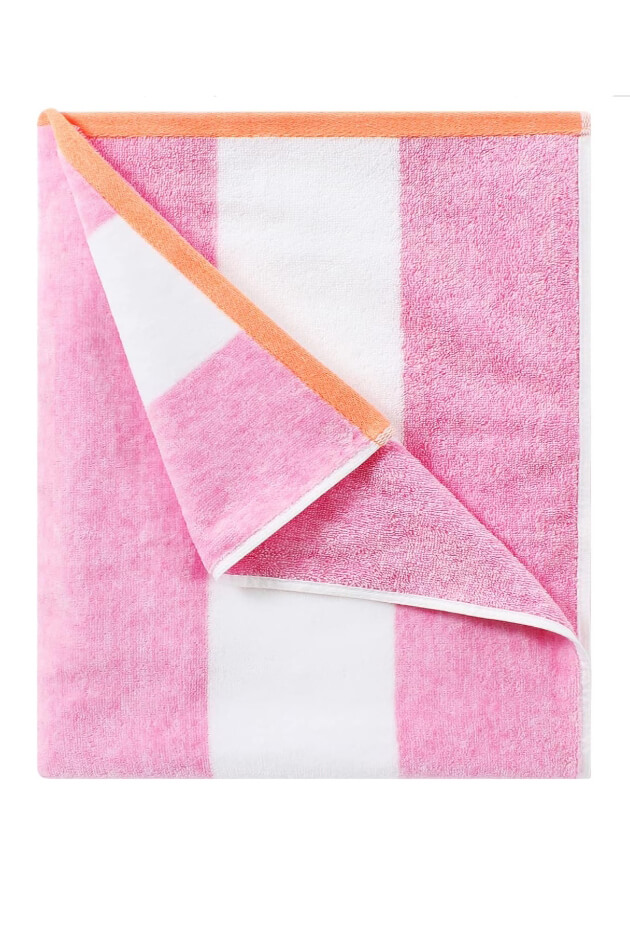 Beach Towel
 Sun Hat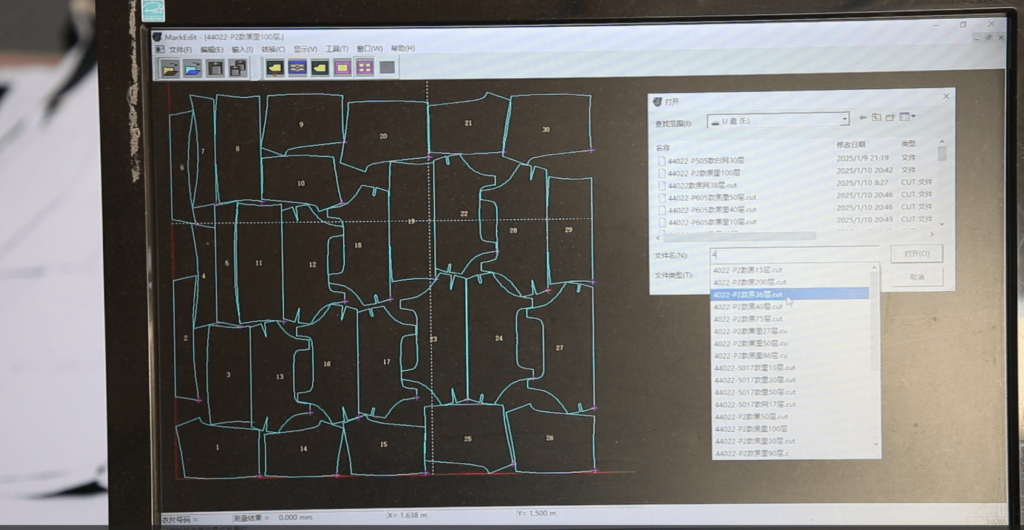
Launching a swimwear brand has never been more accessible. Thanks to the growth of private label manufacturing, entrepreneurs no longer need to invest in their own factories or build complex production networks to create high-quality swimwear. Instead, they can partner with an experienced private label swimwear manufacturer to develop collections under their own brand name while benefiting from professional manufacturing expertise.
Whether you’re starting a boutique bikini label, expanding an existing fashion business, or adding swimwear to your e-commerce store, private label manufacturing offers an efficient and cost-effective path to market. It allows brands to focus on design, marketing, and customer experience while leaving production, quality control, and logistics to experienced manufacturing partners.
The global swimwear market continues to grow, driven by rising demand for beach vacations, fitness activities, resort wear, and sustainable fashion. Consumers are also increasingly looking for distinctive products from independent brands rather than mass-market retailers. This creates significant opportunities for businesses that can launch stylish, high-quality swimwear collections quickly.
However, success depends heavily on choosing the right manufacturing partner. Not all factories provide the same level of customization, quality control, or service. Understanding how private label manufacturing works—and how it differs from OEM and ODM production—is the first step toward building a successful swimwear brand.
In this manufacturing guide, you’ll learn how private label swimwear manufacturing works, who it is best suited for, how to compare suppliers, and what to look for before placing your first order.
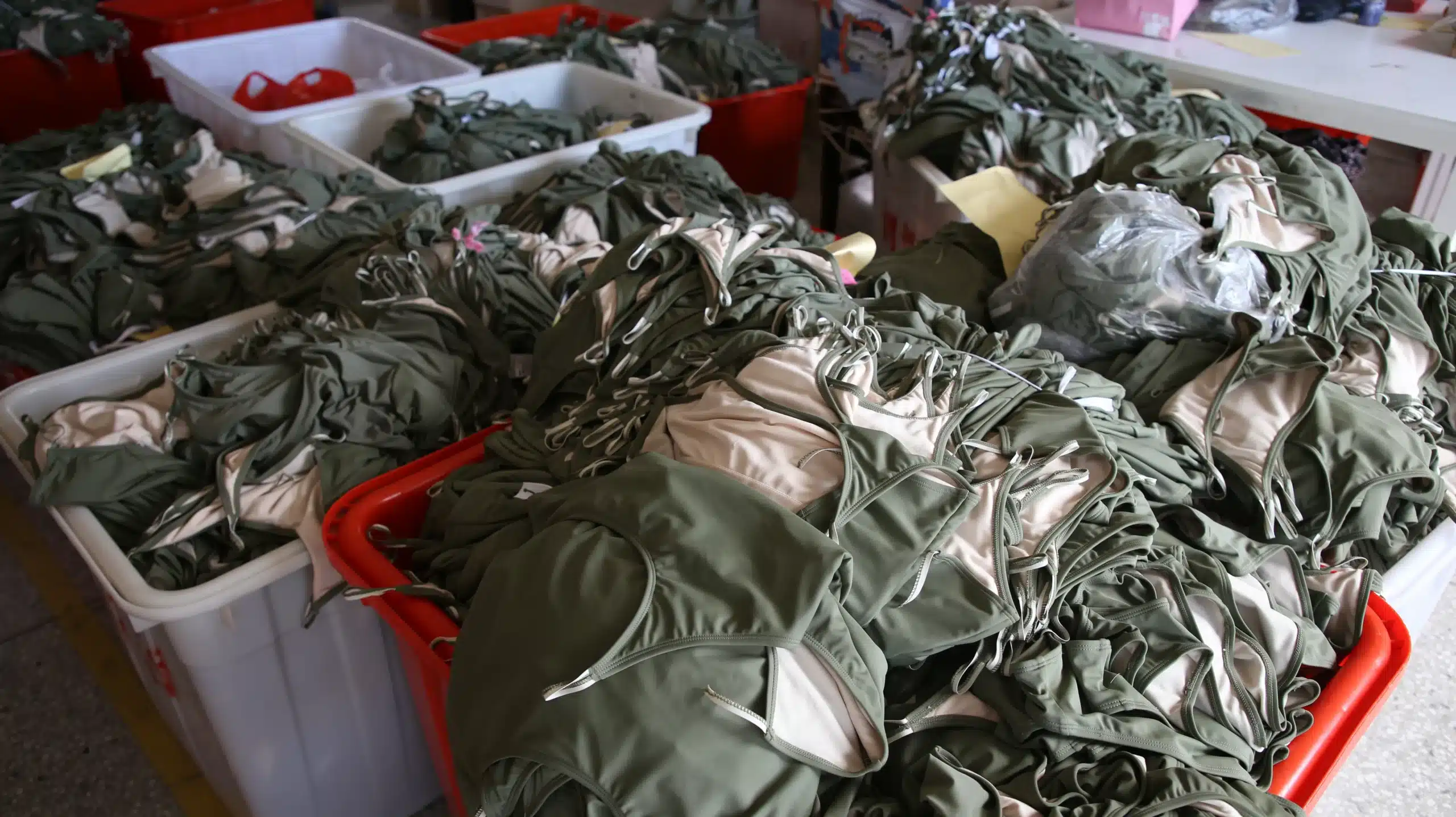
What Is a Private Label Swimwear Manufacturer?
A private label swimwear manufacturer produces swimwear that is sold under your own brand name. Instead of creating garments from scratch, the manufacturer typically offers a library of proven styles that can be customized with your branding, colors, prints, fabrics, and packaging.
This approach allows brands to enter the market faster while maintaining a professional and consistent product line.
Typical customization options include:
- Custom woven labels
- Printed neck labels
- Heat-transfer logos
- Hangtags
- Packaging bags
- Brand stickers
- Care labels
- Fabric colors
- Custom prints
- Size labels
Some manufacturers also allow moderate design modifications, such as changing necklines, adding removable pads, adjusting strap styles, or modifying hardware, giving brands additional flexibility without requiring a completely new pattern.
Private label manufacturing is particularly attractive because it combines lower development costs with the ability to create a unique brand identity.
Unlike generic wholesale products, private label swimwear enables you to establish customer recognition through consistent branding and packaging while relying on an experienced factory for production.
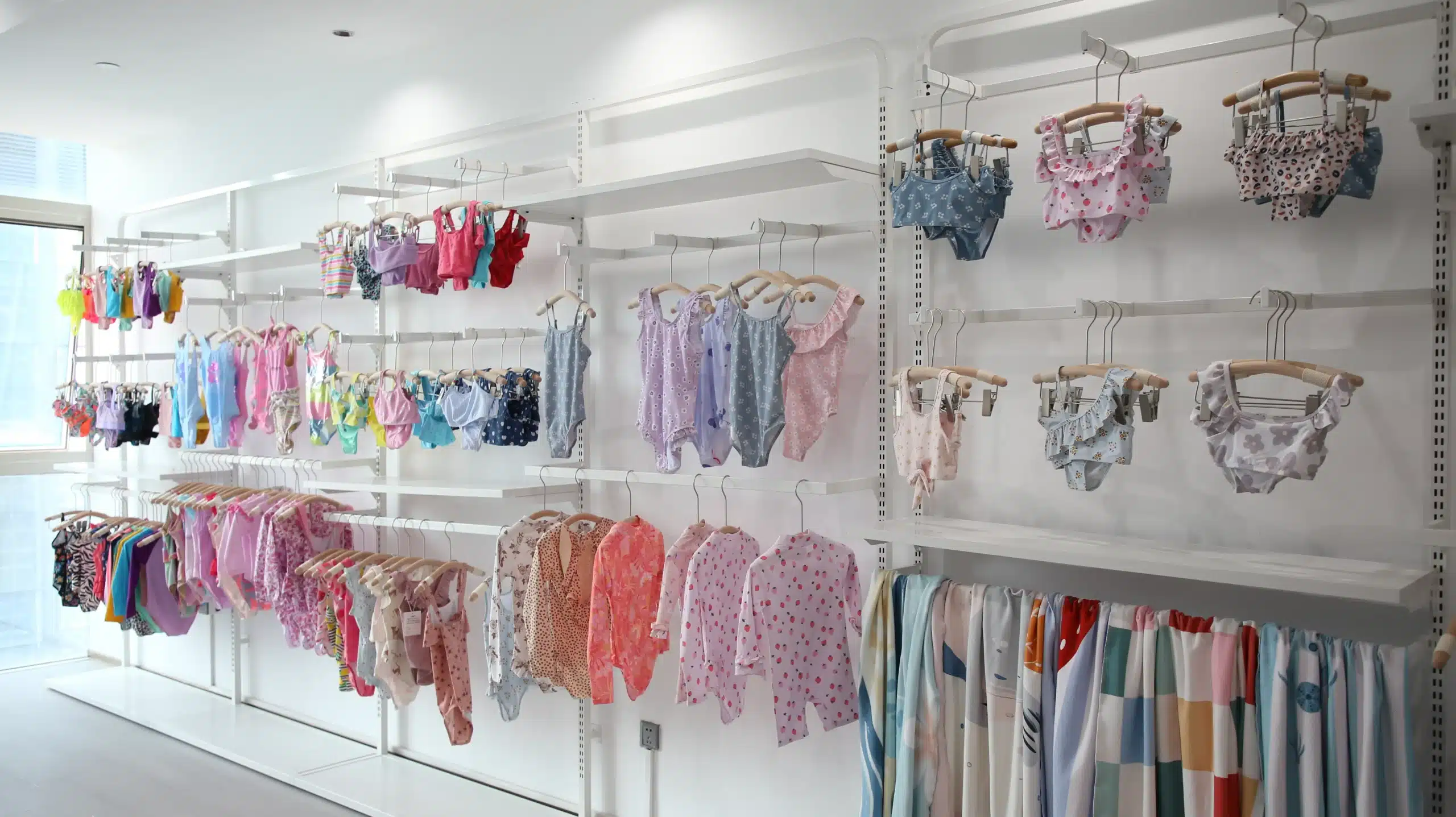
How Private Label Manufacturing Works
The private label process is generally straightforward and significantly faster than developing a fully customized collection.
A typical workflow includes:
- Choose existing swimwear styles from the manufacturer’s catalog.
- Select fabrics, colors, and prints that match your brand.
- Add your logo, labels, and packaging.
- Approve production samples.
- Begin bulk manufacturing.
- Complete quality inspections.
- Package products with your branding.
- Ship directly to your warehouse or fulfillment center.
Because the factory already has production-ready patterns and technical specifications, development time is much shorter than a traditional OEM project.
This makes private label manufacturing ideal for brands that want to respond quickly to seasonal trends or test new product categories with lower investment.
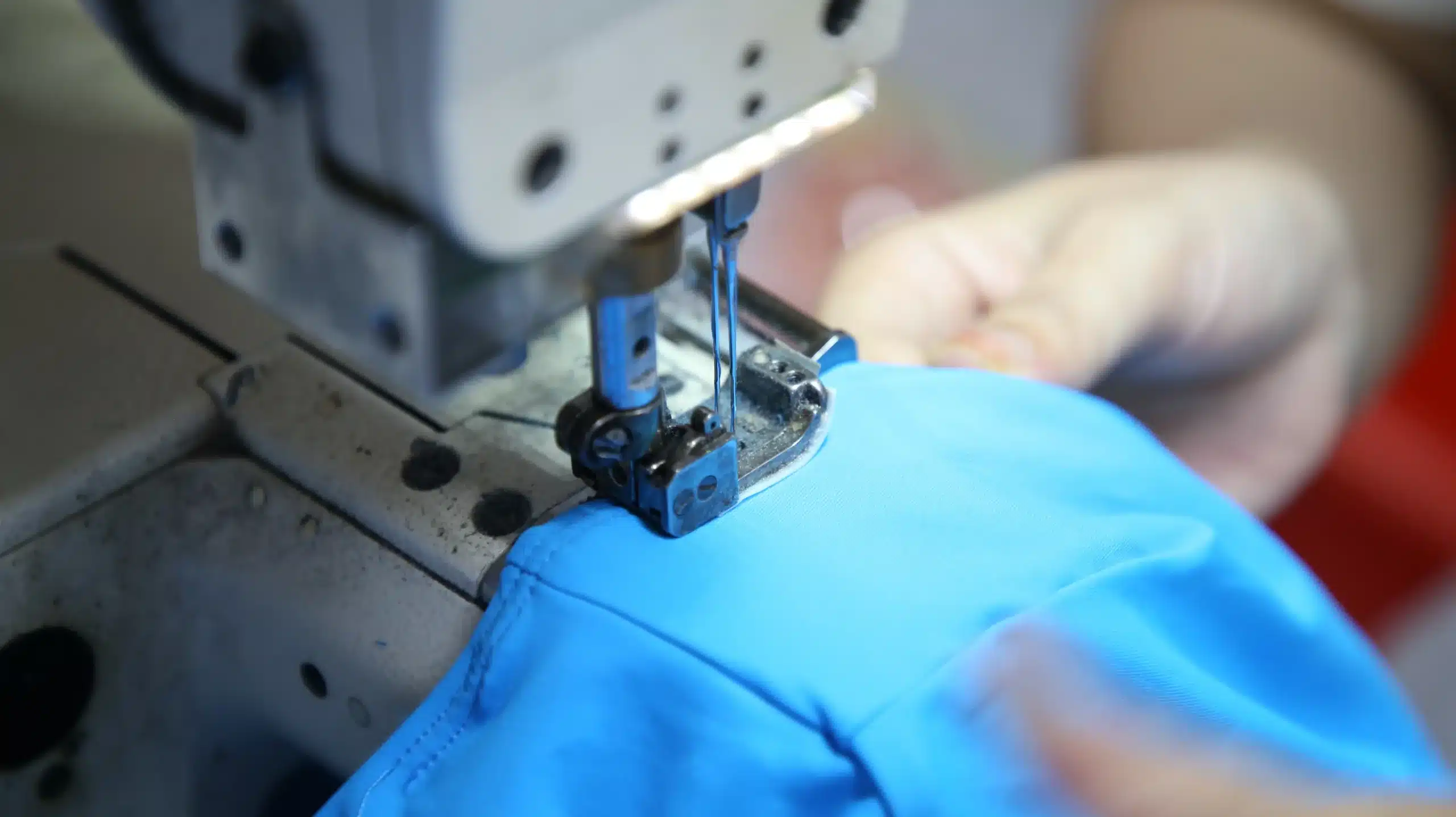
What Is a Private Label Swimwear Manufacturer?
A private label swimwear manufacturer produces swimwear that is sold under your own brand name. Instead of creating garments from scratch, the manufacturer typically offers a library of proven styles that can be customized with your branding, colors, prints, fabrics, and packaging.
This approach allows brands to enter the market faster while maintaining a professional and consistent product line.
Typical customization options include:
- Custom woven labels
- Printed neck labels
- Heat-transfer logos
- Hangtags
- Packaging bags
- Brand stickers
- Care labels
- Fabric colors
- Custom prints
- Size labels
Some manufacturers also allow moderate design modifications, such as changing necklines, adding removable pads, adjusting strap styles, or modifying hardware, giving brands additional flexibility without requiring a completely new pattern.
Private label manufacturing is particularly attractive because it combines lower development costs with the ability to create a unique brand identity.
Unlike generic wholesale products, private label swimwear enables you to establish customer recognition through consistent branding and packaging while relying on an experienced factory for production.
How Private Label Manufacturing Works
The private label process is generally straightforward and significantly faster than developing a fully customized collection.
A typical workflow includes:
- Choose existing swimwear styles from the manufacturer’s catalog.
- Select fabrics, colors, and prints that match your brand.
- Add your logo, labels, and packaging.
- Approve production samples.
- Begin bulk manufacturing.
- Complete quality inspections.
- Package products with your branding.
- Ship directly to your warehouse or fulfillment center.
Because the factory already has production-ready patterns and technical specifications, development time is much shorter than a traditional OEM project.
This makes private label manufacturing ideal for brands that want to respond quickly to seasonal trends or test new product categories with lower investment.
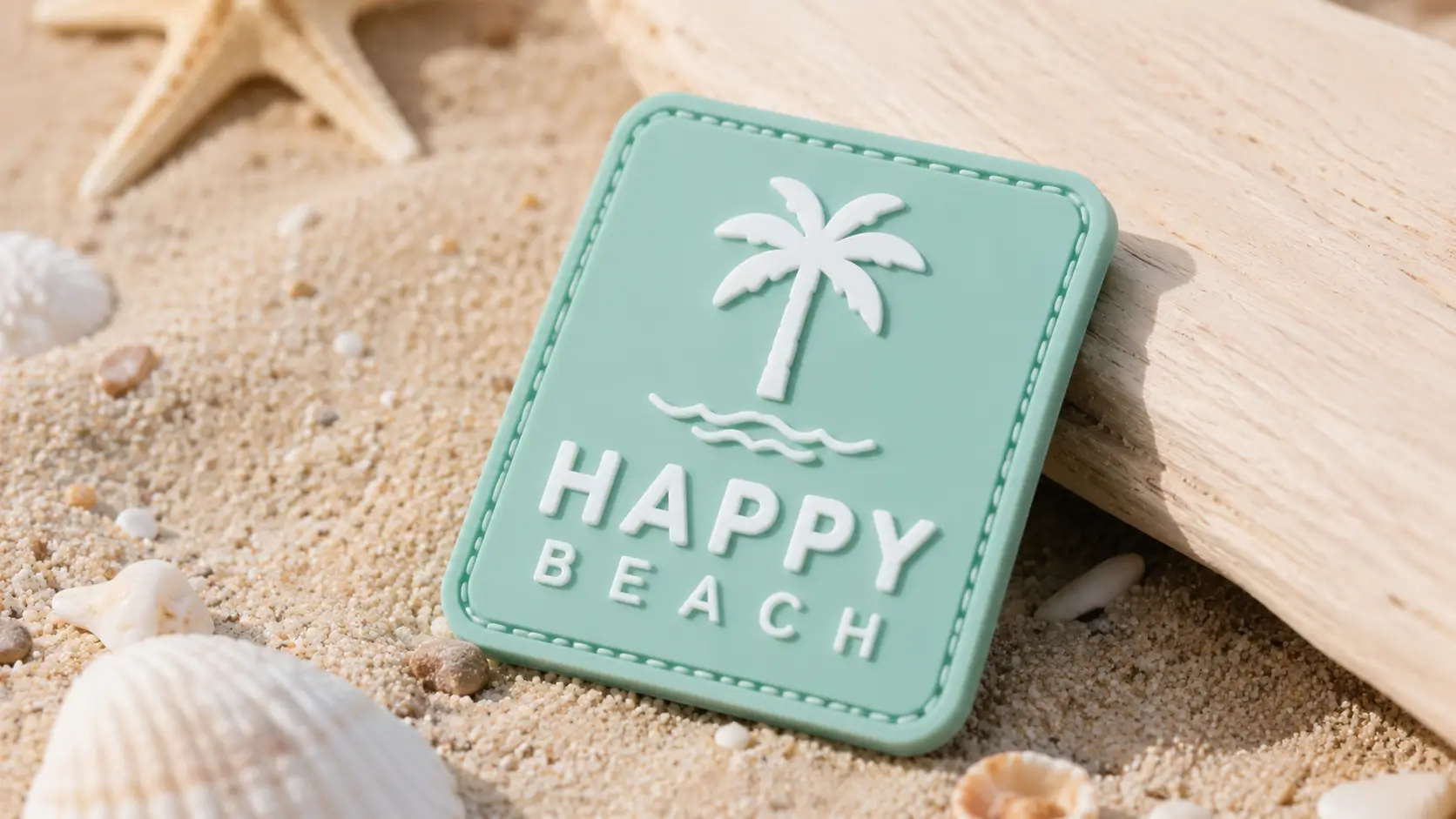
Why Private Label Manufacturing Has Become So Popular
Private label swimwear has experienced rapid growth over the past decade due to the rise of e-commerce and direct-to-consumer brands.
Today, businesses can launch globally through platforms such as Shopify, Amazon, and social media without owning physical retail stores.
Private label manufacturing supports this business model by providing:
- Faster product launches
- Lower startup costs
- Reduced product development risk
- Professional manufacturing quality
- Flexible order quantities
- Scalable production as sales grow
For many entrepreneurs, it offers the ideal balance between customization and affordability.
Private Label vs. OEM vs. ODM
One of the most common questions from new swimwear brands is how private label manufacturing differs from OEM and ODM production.
Although these terms are sometimes used interchangeably, they describe different manufacturing models with varying levels of customization.
OEM Manufacturing
OEM (Original Equipment Manufacturer) is the most customized option.
In an OEM project, the brand develops the product concept and provides detailed technical documentation, including:
- Tech packs
- Measurements
- Fabric specifications
- Trim details
- Construction requirements
- Artwork
- Packaging designs
The manufacturer produces the garments exactly according to these specifications.
OEM manufacturing offers complete creative freedom and exclusive product designs but generally requires higher development costs, longer lead times, and greater technical expertise.
It is often the preferred choice for established brands with experienced product development teams.
ODM Manufacturing
ODM (Original Design Manufacturer) is almost the opposite approach.
The manufacturer develops and owns the product designs, while the customer selects styles from an existing catalog.
Customization is usually limited to:
- Colors
- Prints
- Logos
- Labels
- Packaging
ODM allows brands to launch quickly with proven products while minimizing design and development work.
It is an excellent option for businesses that prioritize speed and lower investment over exclusive product design.
Where Private Label Fits
Private label manufacturing sits between OEM and ODM.
Like ODM, it uses proven production-ready styles to reduce development time and costs. However, it offers greater flexibility in branding and selected design elements, allowing businesses to build a recognizable identity without starting from scratch.
This balance makes private label one of the most popular manufacturing models for startups, boutique brands, and growing fashion businesses.
Benefits of Private Label Swimwear
Choosing a private label manufacturing model provides several strategic advantages for fashion brands.
Faster Time to Market
Since patterns and production processes are already established, new collections can often move from concept to production much faster than fully customized OEM projects.
This allows brands to respond quickly to seasonal demand and changing fashion trends.
Lower Development Costs
Private label manufacturing eliminates many of the upfront costs associated with creating entirely new products, making it more accessible for startups and small businesses with limited budgets.
Professional Product Quality
Established manufacturers have already refined their production techniques, helping ensure consistent sizing, construction, and quality across every order.
Build Your Own Brand Identity
One of the biggest advantages of private label manufacturing is that you own the customer relationship—not the manufacturer.
Instead of selling generic swimwear that is available to hundreds of retailers, you can create a recognizable brand through:
- Custom logos
- Branded woven labels
- Personalized hangtags
- Premium packaging
- Unique color palettes
- Exclusive print combinations
- Consistent brand storytelling
Over time, customers begin to recognize and trust your brand rather than simply purchasing a swimsuit.
Strong branding also increases customer loyalty, improves repeat purchase rates, and allows you to command higher retail prices.
Flexible Minimum Order Quantities (MOQ)
Many private label manufacturers offer lower minimum order quantities than traditional OEM factories.
This flexibility is especially valuable for:
- Startup brands
- Boutique retailers
- Seasonal collections
- Market testing
- Limited-edition launches
Instead of committing to thousands of units, brands can validate new designs with smaller production runs and scale up based on actual demand.
Lower inventory risk also helps improve cash flow during the early stages of business growth.
Easier Business Expansion
Private label manufacturing makes it easier to expand your product line over time.
Many swimwear manufacturers also produce complementary products such as:
- Beach cover-ups
- Rash guards
- Sarongs
- Beach towels
- Swim caps
- Beach bags
- Waterproof accessories
Launching matching collections under one brand creates additional sales opportunities and strengthens your market position.
Who Should Choose Private Label Manufacturing?
Private label manufacturing is not the ideal solution for every business, but it is an excellent option for many growing brands.
It is particularly suitable for:
Startup Swimwear Brands
Entrepreneurs launching their first collection often lack the technical knowledge required for full OEM development.
Private label manufacturing provides a simpler path while still allowing professional branding.
Boutique Fashion Labels
Small fashion brands can quickly expand into swimwear without investing heavily in product development.
Many boutiques begin with private label collections before transitioning to custom OEM products.
E-commerce Sellers
Online businesses need speed, flexibility, and consistent quality.
Private label manufacturing allows Shopify, Amazon, and independent e-commerce brands to launch products quickly while maintaining their own identity.
Resort and Hotel Brands
Luxury hotels, beach clubs, and resorts frequently develop exclusive swimwear collections for guests.
Private label production enables them to create branded merchandise without building internal manufacturing capabilities.
Established Fashion Companies
Even established apparel brands sometimes choose private label manufacturing when entering new product categories because it reduces development time and minimizes risk.
How the Private Label Production Process Works
Understanding the production workflow helps brands communicate more effectively with manufacturers and avoid costly delays.
A typical private label swimwear project follows these steps:
Step 1 – Product Consultation
Discuss your target market, product goals, expected order quantity, and preferred styles with the manufacturer.
This initial conversation helps determine the most suitable products and production approach.
Step 2 – Style Selection
Choose swimwear designs from the manufacturer’s existing collection.
Many factories offer:
Bikinis
One-piece swimsuits
High-waist bikinis
Rash guards
Men’s swim shorts
Children’s swimwear
Maternity swimwear
Beachwear
Selecting proven styles significantly shortens development time.
Step 3 – Fabric Selection
Choose fabrics that match your brand positioning.
Popular options include:
Nylon Spandex
Polyester Spandex
Recycled Nylon
Recycled Polyester
Ribbed Swimwear Fabric
Textured Jacquard Fabrics
Different fabrics provide varying levels of softness, durability, chlorine resistance, and sustainability.
Step 4 – Branding
Personalize your products through custom branding elements such as:
Woven labels
Printed labels
Heat-transfer logos
Hangtags
Silicone logos
Custom zipper pulls
Packaging
Barcode stickers
Care labels
Consistent branding creates a more professional customer experience.
Step 5 – Sample Development
Before bulk production begins, manufacturers prepare pre-production samples.
During this stage, evaluate:
Fit
Fabric
Color accuracy
Printing quality
Label placement
Packaging
Overall appearance
Request revisions if necessary before approving mass production.
Step 6 – Bulk Production
Once samples are approved, production begins.
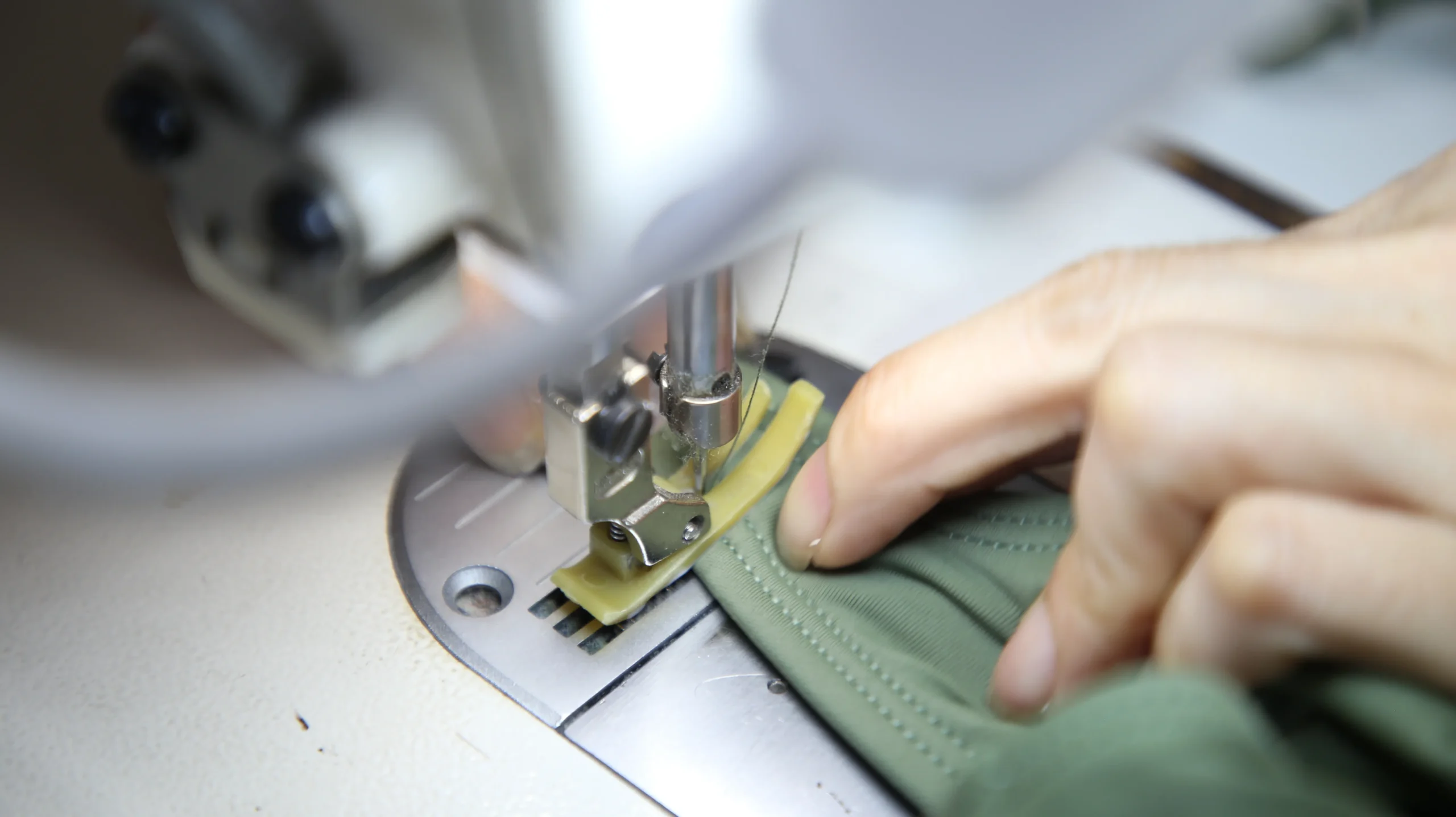
Professional manufacturers follow standardized operating procedures to maintain consistency throughout manufacturing.
Step 7 – Quality Inspection
Quality inspections typically include:
Fabric inspection
Cutting inspection
Sewing inspection
Measurement verification
Printing inspection
Final appearance inspection
Packaging inspection
A structured quality control system helps reduce defects before shipment.
Step 8 – Packaging and Shipping
Finished products are packed according to your branding requirements and prepared for international shipment.
Many manufacturers also provide logistics support and export documentation.
Choosing the Right Fabric
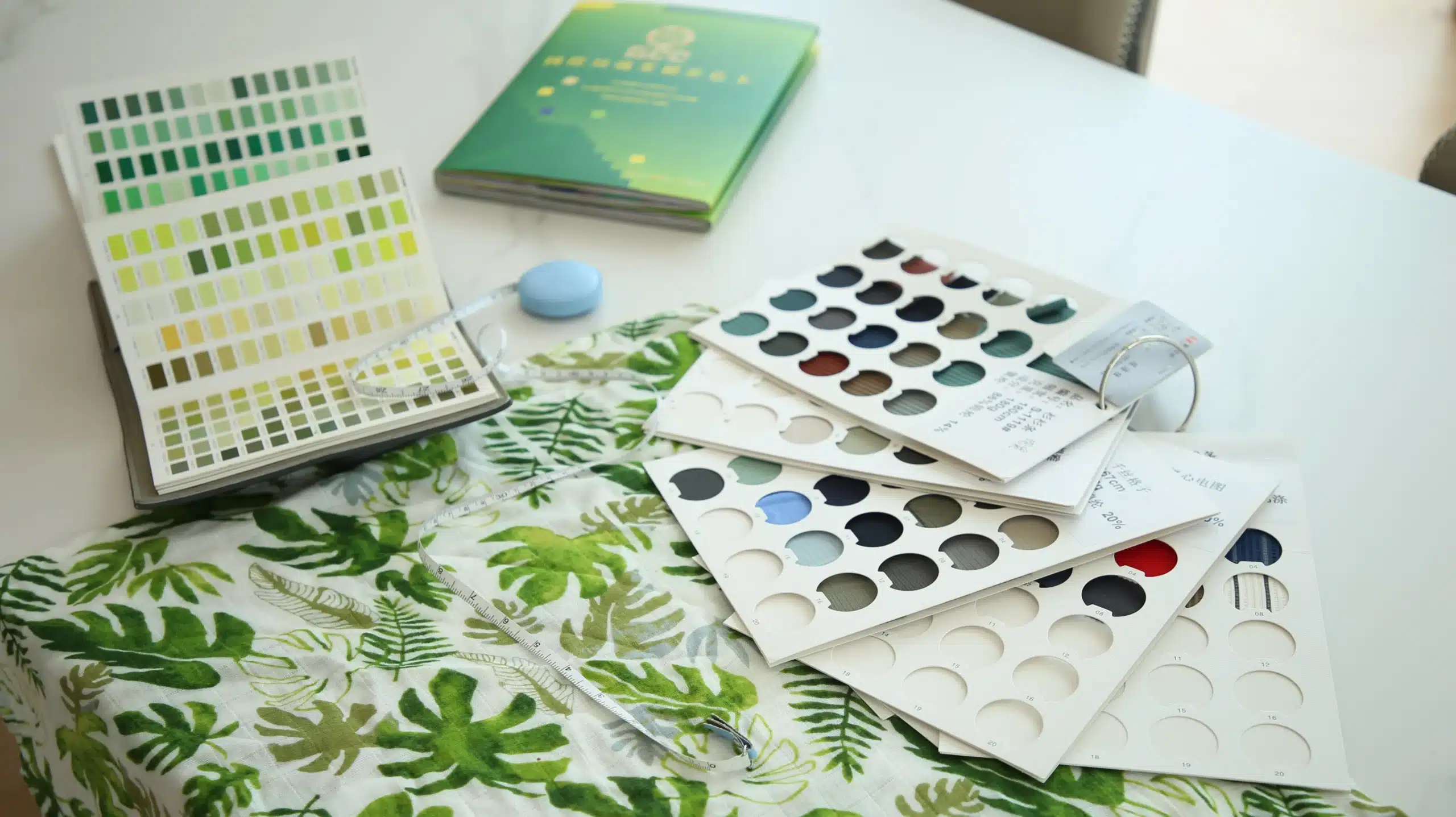
Fabric selection remains one of the most important decisions in private label manufacturing.
The right material should align with your brand’s target market and intended use.
Nylon-Spandex
Best for:
Fashion swimwear
Luxury collections
Designer bikinis
Advantages:
Soft hand feel
Excellent stretch
Rich color printing
Premium appearance
Polyester-Spandex
Best for:
Athletic swimwear
Surfwear
Frequent swimming
Advantages:
Chlorine resistance
UV resistance
Fast drying
Excellent durability
Recycled Fabrics
Ideal for brands emphasizing sustainability.
Many consumers actively seek environmentally responsible products, making recycled nylon and recycled polyester valuable additions to modern swimwear collections.
Branding and Packaging Options
Brand presentation influences how customers perceive product quality.
Most private label manufacturers can customize:
Product Branding
Woven labels
Heat-transfer logos
Neck labels
Size labels
Care labels
Retail Packaging
Recycled poly bags
Ziplock bags
Kraft paper packaging
Custom printed boxes
Tissue paper
Thank-you cards
Premium packaging enhances the unboxing experience and supports stronger brand recognition.
Certifications to Look For
A reliable private label swimwear manufacturer should demonstrate quality compliance with recognized industry standards.
Important certifications include:
- BSCI – Social compliance and ethical manufacturing
- WRAP – Responsible production practices
- OEKO-TEX® STANDARD 100 – Textile safety testing
- Global Recycled Standard (GRS) – Verification of recycled materials
- ISO 9001 – Quality management systems
These certifications help reassure buyers that production meets international expectations for quality, safety, and sustainability.
Quality Control Matters
Consistent quality is essential for building a successful swimwear brand.
Professional manufacturers typically perform inspections at multiple stages:
Incoming Material Inspection
Verifies that fabrics and trims meet approved specifications.
In-Line Production Inspection
Monitors sewing quality during manufacturing to identify problems early.
Final Inspection
Checks:
- Measurements
- Stitching
- Appearance
- Logo placement
- Labels
- Packaging
This final review helps ensure products meet agreed quality standards before shipment.
How to Choose the Right Private Label Swimwear Manufacturer
Not every supplier advertising online is a true manufacturing partner.
Before making a decision, evaluate the following factors:
Swimwear Experience
Choose factories that specialize in swimwear rather than general garment production.
Specialized manufacturers understand stretch fabrics, swimwear construction, and technical performance requirements.
Sampling Capability
A reliable manufacturer should provide professional sample development and be willing to refine samples based on your feedback.
Communication
Clear and timely communication reduces misunderstandings and keeps projects on schedule.
Responsive manufacturers are generally easier to work with throughout production.
Customization Options
Ask whether the factory can support:
- Custom prints
- Exclusive colorways
- Sustainable fabrics
- Premium packaging
- Flexible branding
Greater customization allows your products to stand out in a competitive market.
Production Capacity
Your manufacturing partner should be able to grow alongside your business.
Choosing a factory with scalable production capacity reduces the need to switch suppliers as your brand expands.
Ready to Launch Your Private Label Swimwear Brand?
At Senvyn, we help fashion brands transform ideas into market-ready swimwear collections through professional private label manufacturing services.
From premium fabric sourcing and sample development to custom branding, quality control, packaging, and worldwide shipping, our experienced team supports every stage of your project.
Whether you need a low-MOQ launch for a new brand or large-scale production for an established business, we are committed to delivering reliable quality, responsive communication, and on-time delivery.
Contact Senvyn today to request fabric swatches, discuss your product ideas, or receive a personalized quotation.
Frequently Asked Questions (FAQ)
1. What is a private label swimwear manufacturer?
A private label swimwear manufacturer produces swimsuits using existing or semi-customized designs that are branded with your company logo, labels, and packaging.
2. What is the difference between private label and OEM swimwear?
Private label uses proven factory designs with custom branding, while OEM manufacturing creates products entirely according to your original design and technical specifications.
3. Is private label swimwear suitable for startups?
Yes. Private label manufacturing is ideal for startups because it reduces product development costs, shortens lead times, and often offers lower minimum order quantities.
4. What is the typical MOQ for private label swimwear?
Most manufacturers offer MOQs ranging from 100 to 500 pieces per style, although some provide even lower quantities for new brands or sample orders.
5. Can I customize fabrics and colors?
Yes. Most private label manufacturers allow you to select fabrics, colors, prints, trims, labels, logos, and packaging while using existing garment patterns.
6. Can I use recycled fabrics for private label swimwear?
Absolutely. Many manufacturers offer GRS-certified recycled nylon and recycled polyester for brands focused on sustainability.
7. How long does private label swimwear production take?
After sample approval, bulk production typically requires 30–45 days, depending on order quantity, material availability, and factory capacity.
8. What certifications should a private label swimwear manufacturer have?
Look for certifications such as BSCI, WRAP, OEKO-TEX® STANDARD 100, GRS, and ISO 9001 to ensure quality, safety, ethical manufacturing, and sustainability.
9. How can I verify a manufacturer’s quality?
Request production samples, review previous work, evaluate quality control procedures, verify certifications, and consider conducting a factory audit or third-party inspection before placing a bulk order.
10. How do I choose the best private label swimwear manufacturer?
Compare manufacturers based on their swimwear expertise, product quality, communication, customization capabilities, certifications, sampling process, production capacity, and customer support—not just price.