
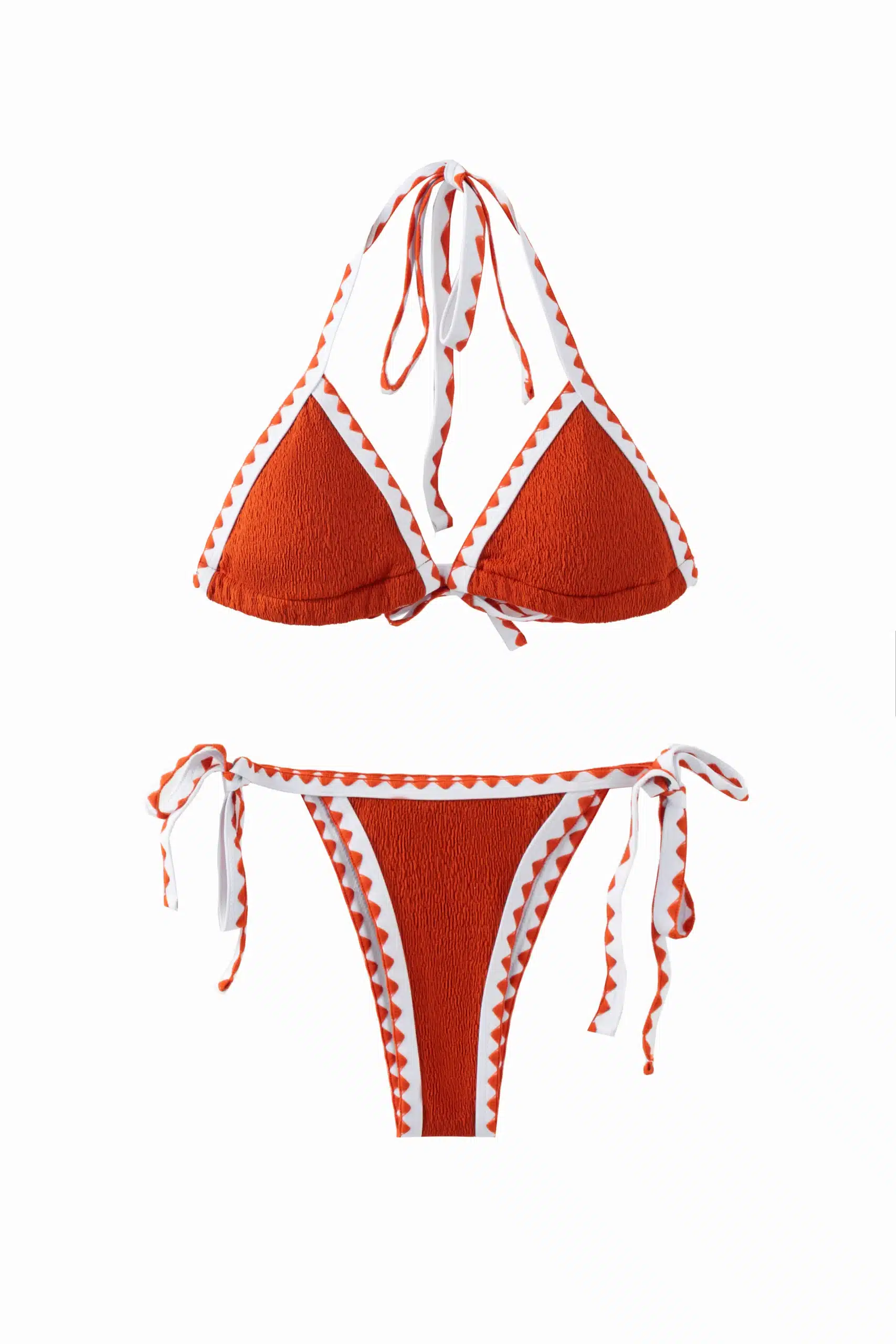
 Bikini
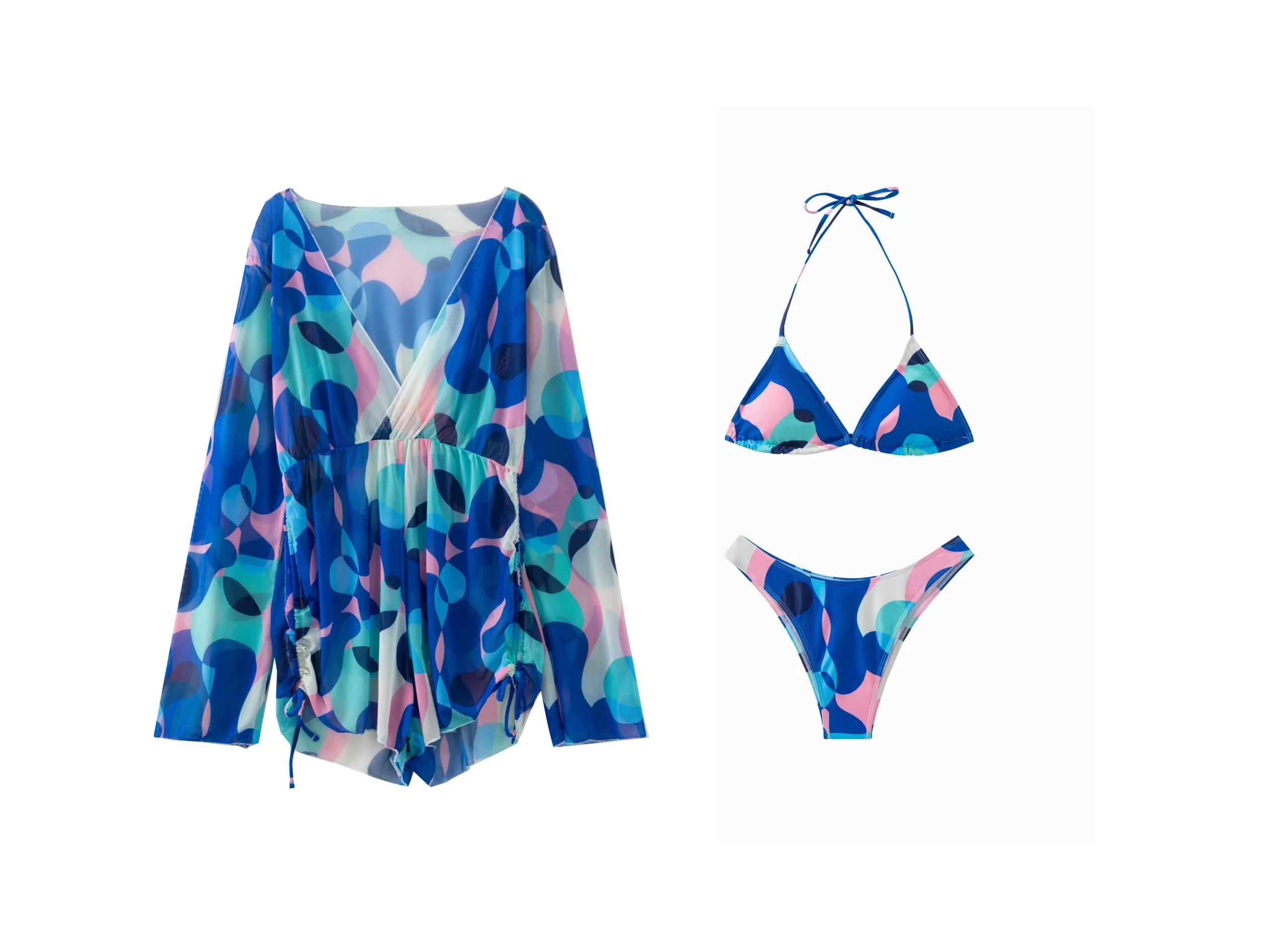 Bikini Cover-Up Set
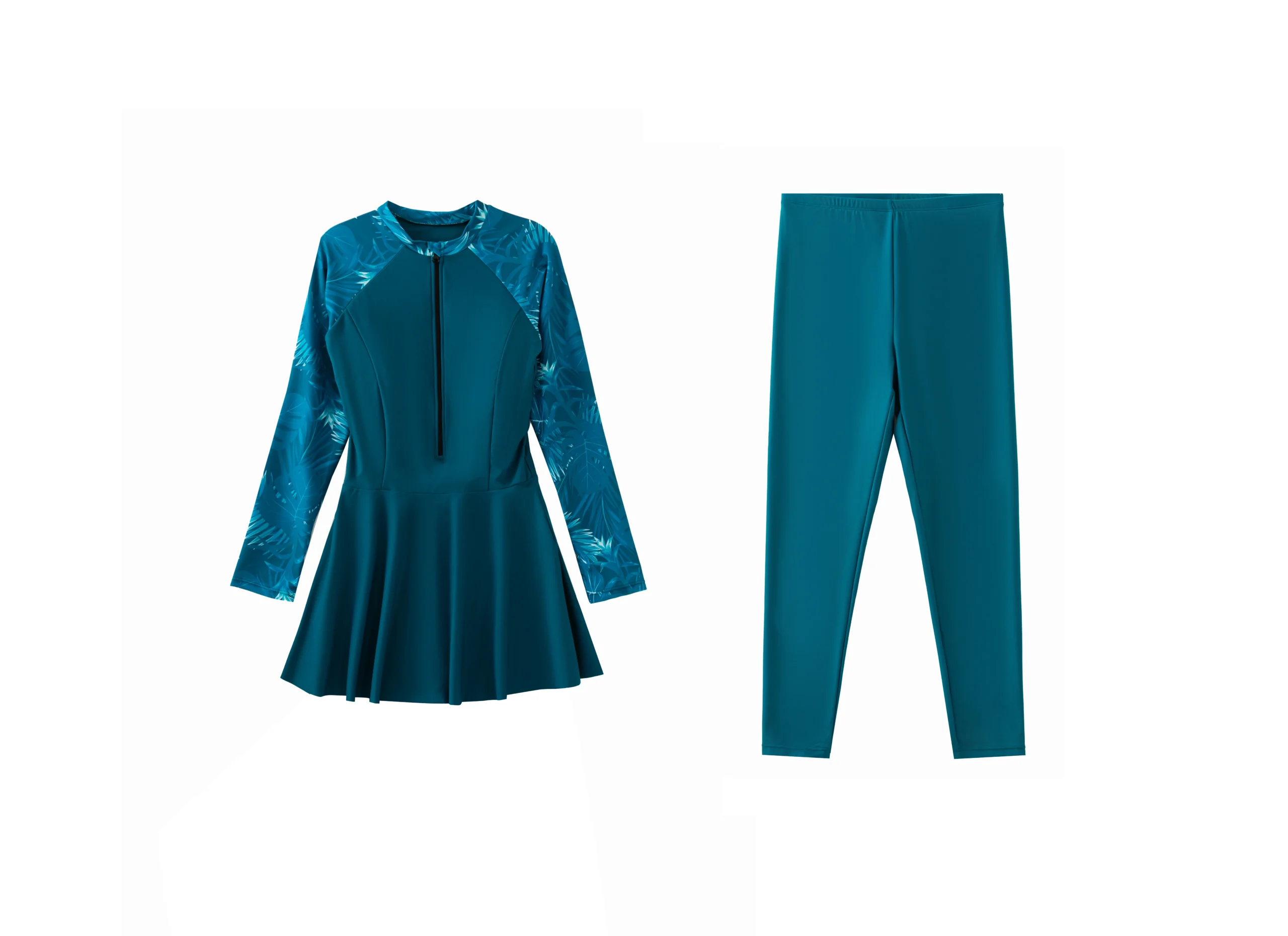 Burkini Swimwear
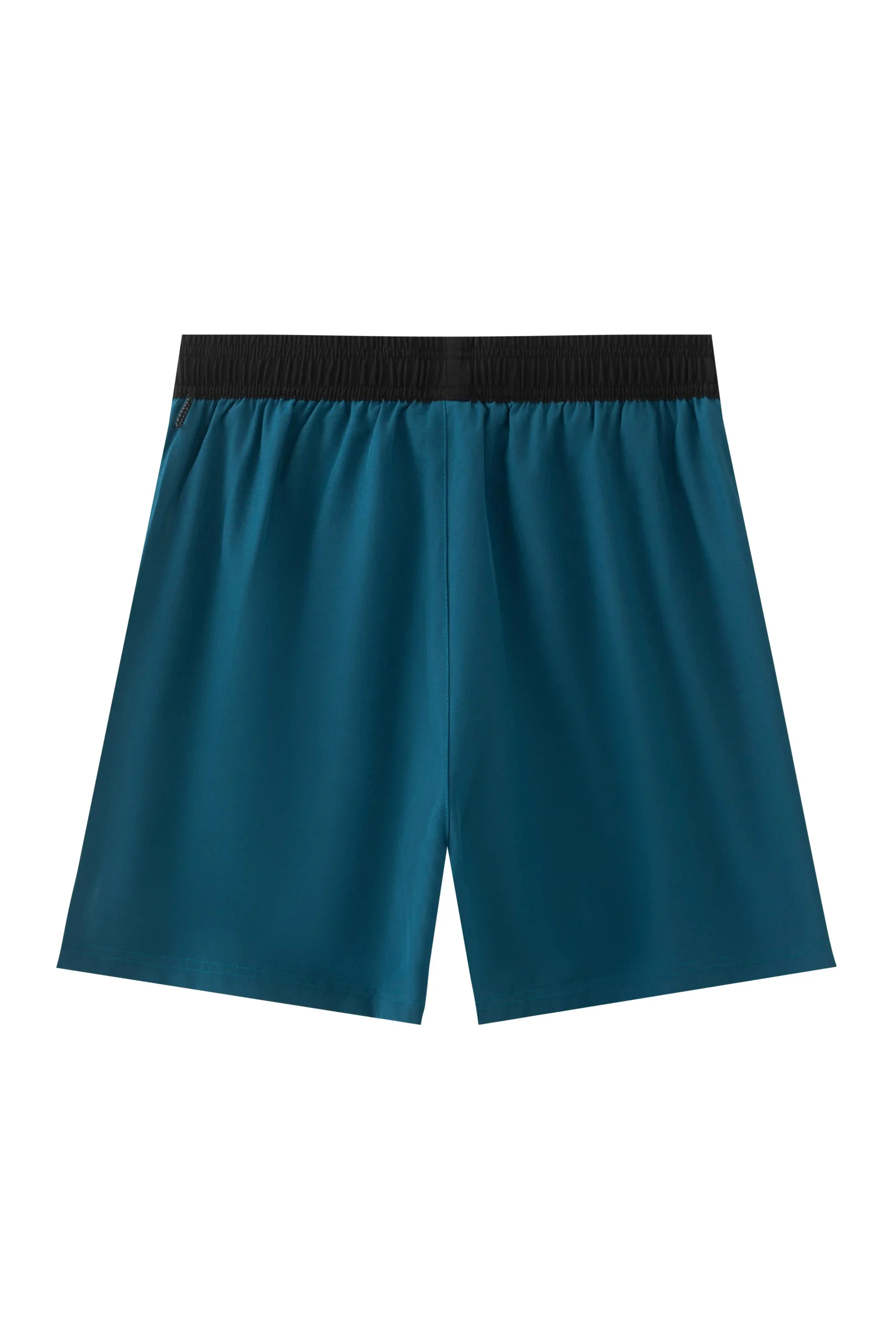 Men Swimwear
 One-Piece Swimsuits
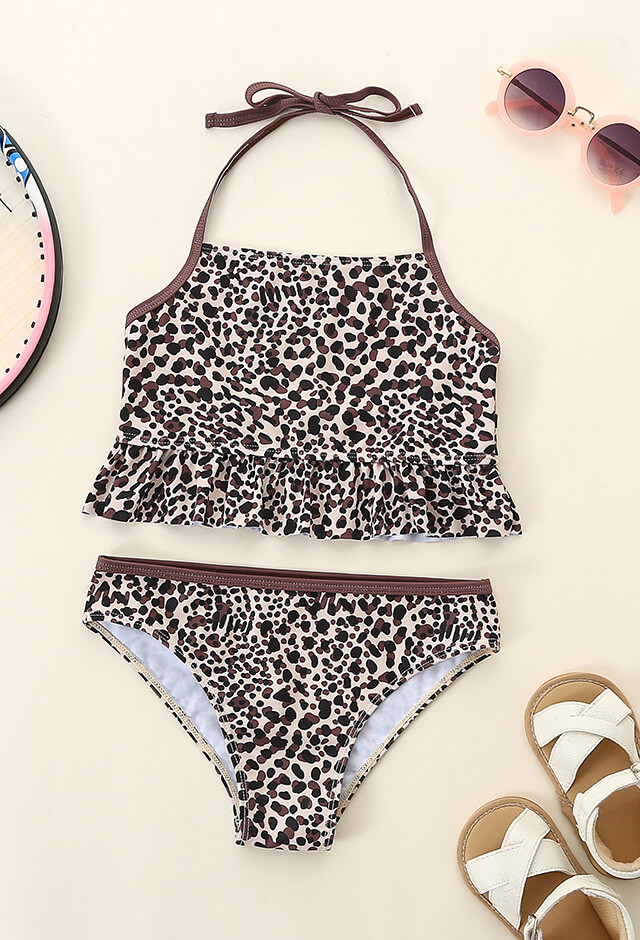 Two-Piece Swimsuits
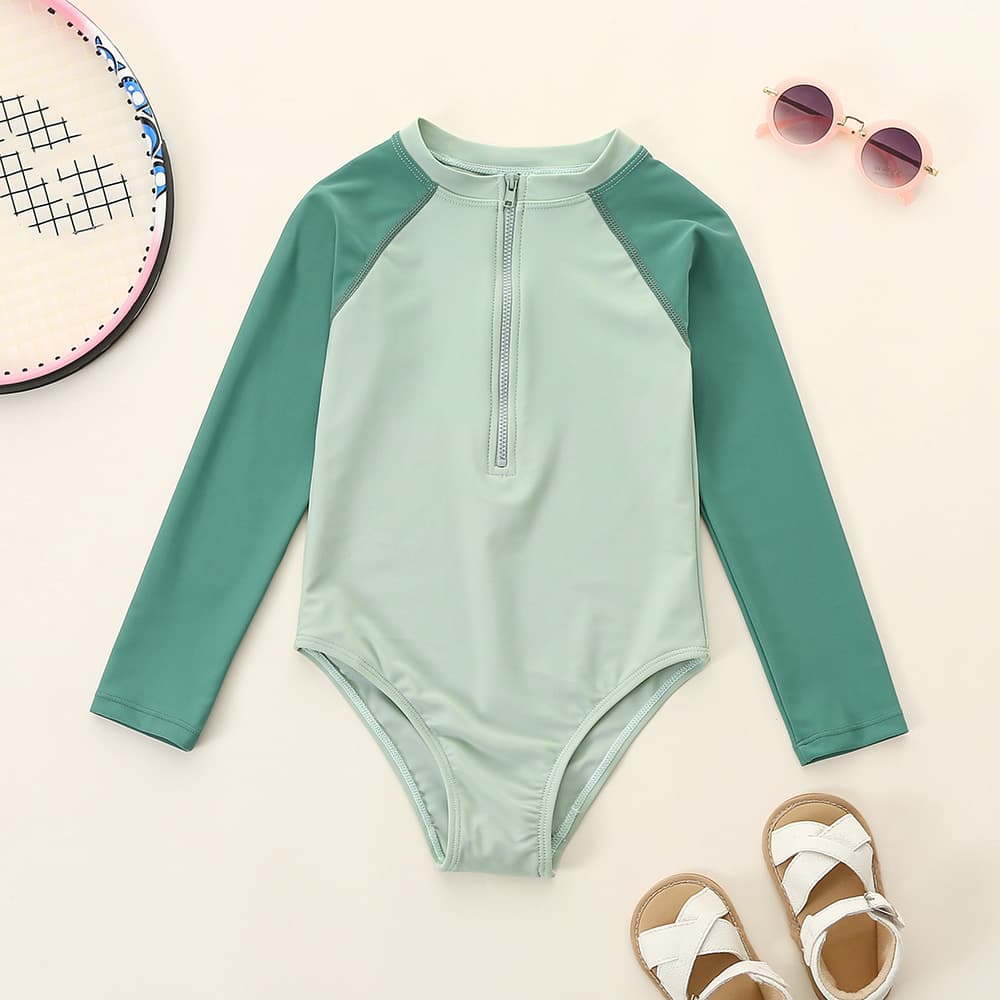 Rash Guards
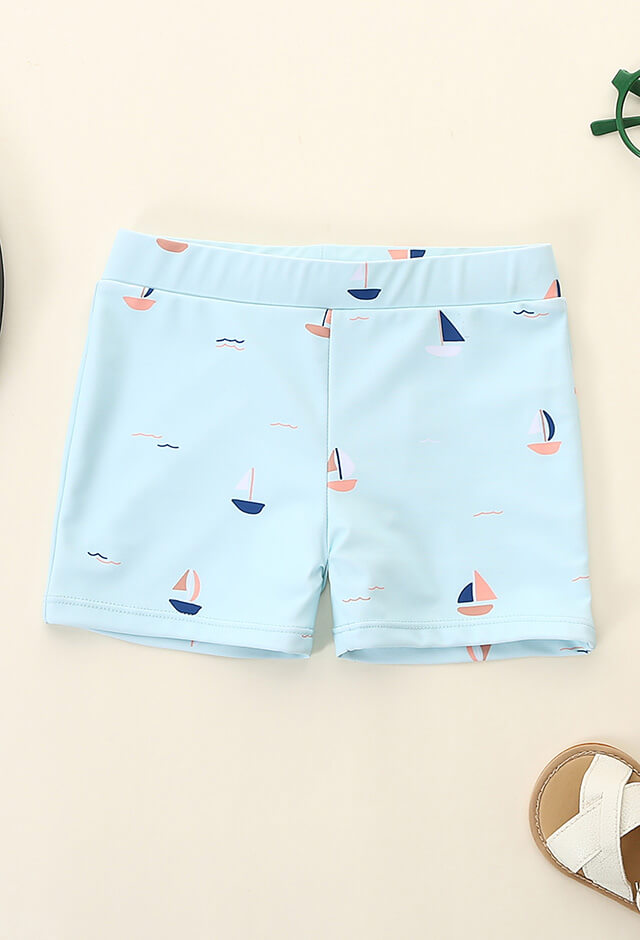 Swim Trunks
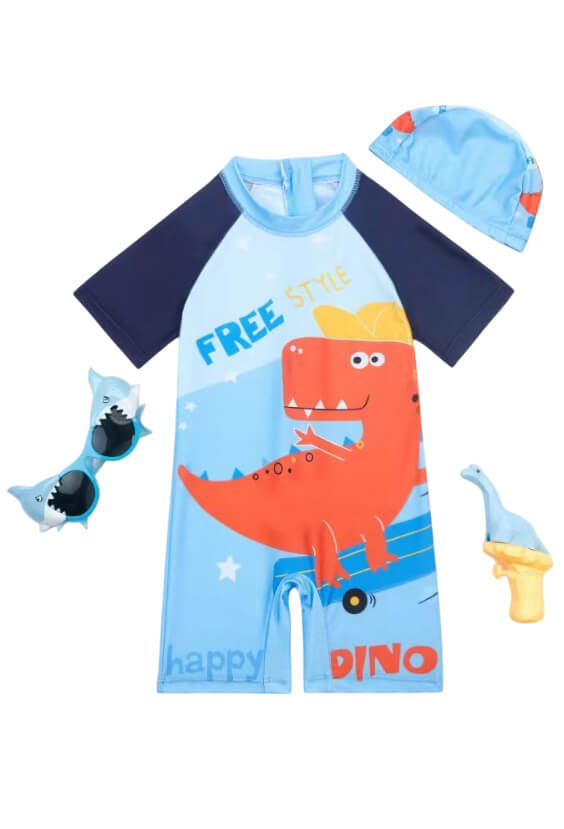 Boy Swimsuits
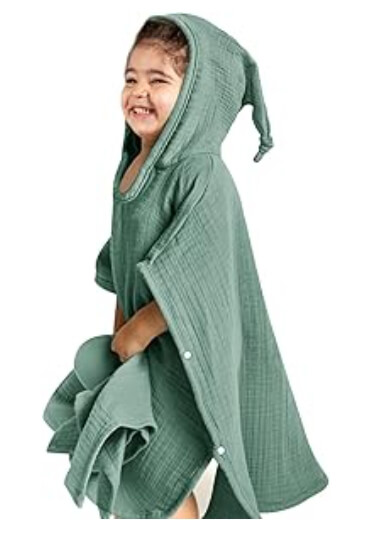 Poncho
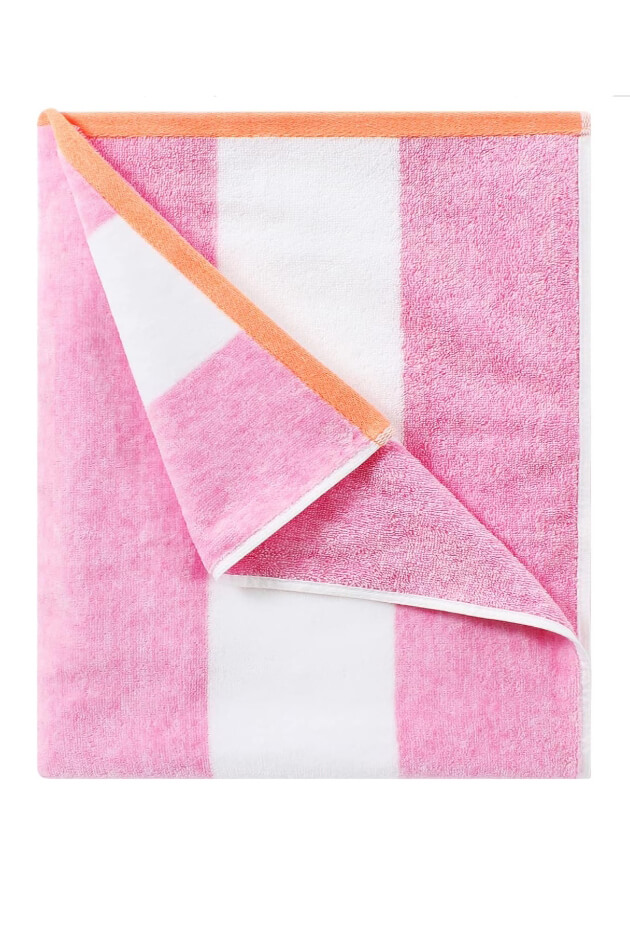 Beach Towel
 Sun Hat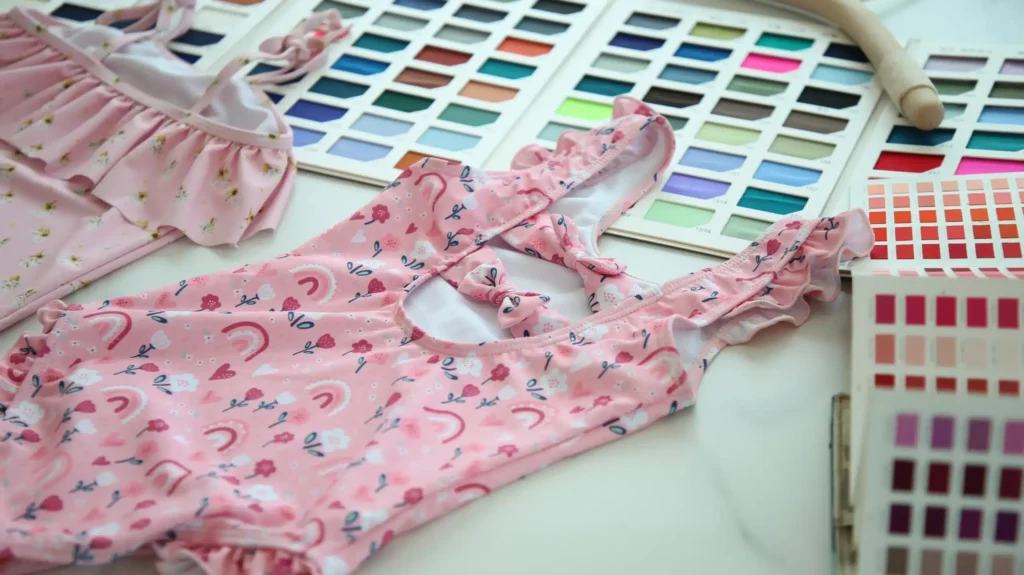
Choosing the best fabric for swimwear manufacturing is one of the most important decisions when developing a successful swimwear collection. No matter how creative your designs are, poor fabric selection can lead to uncomfortable garments, fading colors, weak elasticity, customer complaints, and expensive product returns.
Modern consumers expect far more from swimwear than attractive designs. Today’s swimsuits must combine comfort, durability, flexibility, quick drying performance, UV protection, and long-lasting color retention while maintaining their shape after repeated exposure to chlorine, saltwater, sunscreen, and sunlight.
For swimwear brands, fabric selection also directly affects manufacturing costs, production efficiency, sustainability goals, and overall brand positioning. A luxury resort collection requires very different textiles than a competitive swimwear line or an affordable fashion bikini collection.
In this comprehensive guide, we’ll explore the most commonly used swimwear fabrics, compare their advantages and disadvantages, explain the key performance indicators you should evaluate, and help you choose the ideal material for your next swimwear collection.
Whether you’re launching a new private label, expanding an established fashion brand, or sourcing products from a custom swimwear manufacturer, understanding fabric technology will help you make smarter business decisions.

Why Fabric Selection Matters
Many people believe that beautiful swimwear starts with great design. While design is certainly important, experienced manufacturers know that fabric is the true foundation of every successful swimsuit.
The fabric determines how the garment feels, performs, and lasts over time. Even the most fashionable bikini can fail if the material loses its elasticity, fades after a few swims, or becomes transparent when stretched.
Selecting the right fabric offers several long-term benefits for both brands and consumers.
Better Comfort
Swimwear sits directly against the skin and is worn during activities such as swimming, surfing, sunbathing, beach volleyball, and water sports. Soft, lightweight, and breathable fabrics improve the wearing experience and encourage repeat purchases.
Premium swimwear fabrics also provide excellent four-way stretch, allowing the garment to move naturally with the body without restricting movement.
Superior Fit and Shape Retention
One of the defining characteristics of high-quality swimwear is its ability to maintain its original shape.
Every time a swimsuit is worn, it stretches across the bust, waist, hips, and legs. Inferior fabrics gradually lose their elasticity, resulting in sagging straps, loose waistbands, and poor overall fit.
High-performance fabrics recover quickly after stretching, helping garments maintain their appearance throughout their lifespan.
Longer Product Life
Consumers increasingly expect garments to last longer.
Quality swimwear fabrics resist:
- Chlorine damage
- Saltwater exposure
- UV radiation
- Sunscreen chemicals
- Abrasion
- Frequent washing
Choosing durable materials reduces customer complaints and strengthens your brand’s reputation.
Improved Manufacturing Efficiency
Fabric quality also affects production.
Consistent textiles are easier to cut, sew, print, and inspect during manufacturing. Stable fabric construction reduces production defects and improves sewing efficiency, ultimately lowering manufacturing costs.

Nylon Spandex
Nylon-spandex remains the most widely used fabric in premium fashion swimwear.
A typical composition is:
- 80% Nylon
- 20% Spandex
although variations such as 78/22 or 82/18 are also common depending on the desired stretch and compression.
The popularity of nylon comes from its exceptionally soft texture and luxurious appearance. It offers a smooth hand feel, vibrant color reproduction, and excellent drape, making it a favorite for high-end bikinis and designer swimwear collections.
- Advantages of Nylon Spandex
- Extremely soft against the skin
- Excellent four-way stretch
- Superior elasticity and recovery
- Bright, vibrant color printing
- Smooth matte or glossy finish
- Lightweight and comfortable
- Ideal for fashion swimwear
- Excellent body contouring
Because nylon absorbs dye more effectively than polyester, it produces richer and more vivid colors, making it an excellent choice for digitally printed swimwear and bold fashion designs.
Brands focused on premium aesthetics often choose nylon because it creates a luxurious look and feel that consumers immediately notice.
Considerations
Although nylon offers outstanding comfort and appearance, it has a few limitations.
Compared with polyester, nylon is generally less resistant to chlorine and prolonged UV exposure. Swimsuits worn frequently in heavily chlorinated swimming pools may gradually lose elasticity over time if proper care instructions are not followed.
For this reason, nylon-spandex fabrics are particularly well suited for:
- Resort collections
- Fashion bikinis
- Luxury swimwear
- Boutique brands
- Lifestyle beachwear
They may be less suitable for highly competitive swimming or intensive daily pool use, where long-term chlorine resistance is a priority.
Polyester Spandex
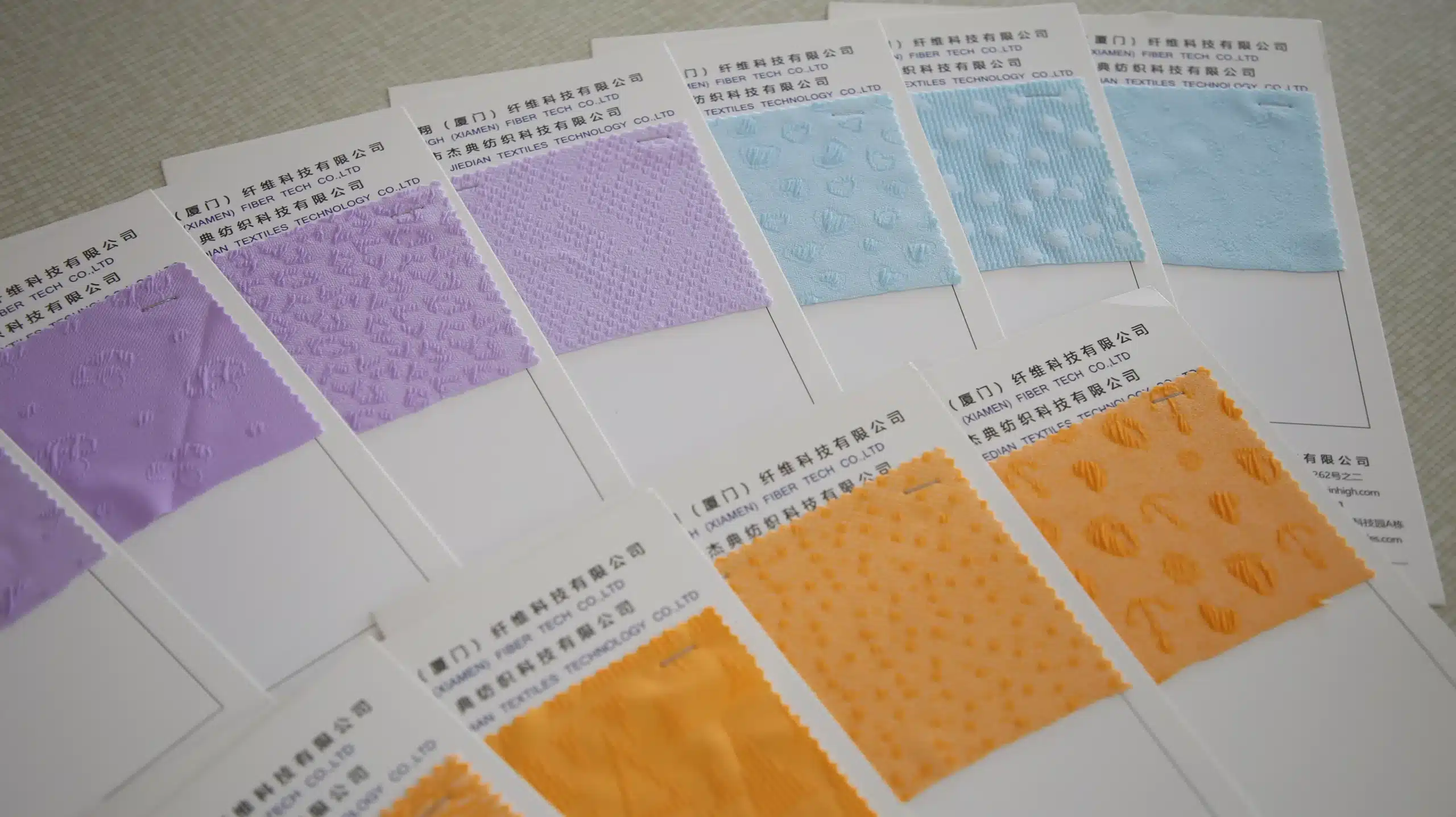
Polyester-spandex has evolved significantly over the past decade. Thanks to improvements in textile technology, it is no longer considered just a budget-friendly alternative to nylon. Today, many premium swimwear brands use high-performance polyester blends because they offer excellent durability, superior chlorine resistance, and long-lasting color retention.
A typical composition includes:
- 82% Polyester / 18% Spandex
- 85% Polyester / 15% Spandex
- 78% Polyester / 22% Spandex
The exact blend depends on the desired stretch, compression, and intended use.
Unlike nylon, polyester fibers are naturally more resistant to environmental damage. They absorb less water, dry quickly, and maintain their strength even after prolonged exposure to sunlight and pool chemicals.
Advantages of Polyester Spandex
- Excellent chlorine resistance
- Superior UV resistance
- Outstanding color fastness
- Quick-drying performance
- Strong abrasion resistance
- Less likely to fade over time
- Lower moisture absorption
- Long service life
These characteristics make polyester an excellent choice for:
- Competitive swimwear
- Athletic swimwear
- Surfwear
- Water sports apparel
- Children’s swimwear
- Resort uniforms
- Rental swimwear
Brands targeting active lifestyles often choose polyester because customers expect garments to withstand frequent use without losing shape or color.
Considerations
Although modern polyester fabrics are much softer than they were years ago, many consumers still feel that premium nylon has a slightly smoother and more luxurious hand feel.
If your brand emphasizes fashion and luxury, nylon may provide a more premium tactile experience. However, if durability is the priority, polyester is often the better long-term investment.
Recycled Nylon
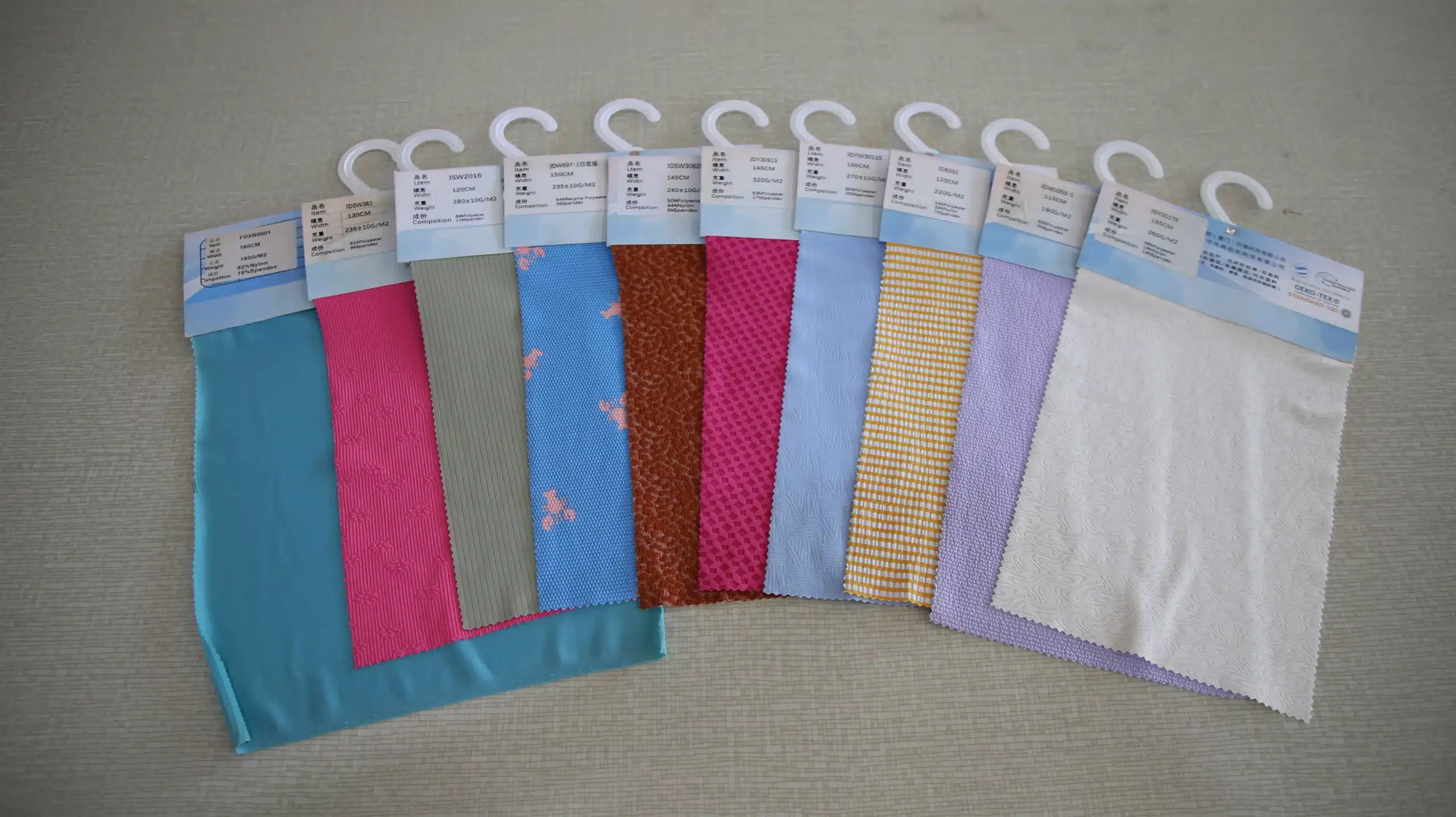
Sustainability has become one of the most influential trends in the fashion industry. More consumers now actively seek brands that minimize environmental impact while maintaining product quality.
Recycled nylon is produced by regenerating waste materials such as:
- Discarded fishing nets
- Industrial fabric scraps
- Carpet fibers
- Textile waste
These materials are processed into new nylon yarns with performance characteristics comparable to virgin nylon.
- Benefits of Recycled Nylon
- Reduces landfill waste
- Helps recover ocean plastic
- Supports circular manufacturing
- Maintains excellent elasticity
- Soft hand feel
- Premium appearance
- Lower environmental impact
Many luxury swimwear brands now use recycled nylon to combine sustainability with premium aesthetics.
When sourcing recycled materials, ask your manufacturer whether the fabric is certified under the Global Recycled Standard (GRS) to ensure traceability and verified recycled content.
Recycled Polyester
Recycled polyester is another popular sustainable option.
Unlike recycled nylon, it is commonly produced from post-consumer plastic bottles that are cleaned, processed into flakes, melted, and spun into polyester yarn.
Modern recycled polyester fabrics offer many of the same performance characteristics as virgin polyester, including:
- High durability
- Excellent chlorine resistance
- UV stability
- Quick drying
- Strong color retention
For brands focused on sustainability, recycled polyester is an excellent choice for creating environmentally responsible swimwear without sacrificing performance.
Nylon vs. Polyester: Which Fabric Is Better?
One of the most common questions from new swimwear brands is whether nylon or polyester is the better choice.
The answer depends on your target customer, intended use, and brand positioning.
| Feature | Nylon Spandex | Polyester Spandex |
|---|---|---|
| Softness | ★★★★★ | ★★★★☆ |
| Stretch | ★★★★★ | ★★★★☆ |
| Shape Recovery | ★★★★★ | ★★★★☆ |
| Chlorine Resistance | ★★★☆☆ | ★★★★★ |
| UV Resistance | ★★★☆☆ | ★★★★★ |
| Color Fastness | ★★★★☆ | ★★★★★ |
| Quick Drying | ★★★★☆ | ★★★★★ |
| Fashion Appearance | ★★★★★ | ★★★★☆ |
| Athletic Performance | ★★★★☆ | ★★★★★ |
| Sustainability Options | Excellent | Excellent |
Choose Nylon If You Want:
- Luxury fashion swimwear
- Soft premium feel
- Bright digital printing
- Boutique collections
- Designer bikinis
Choose Polyester If You Want:
- Long-lasting performance
- Chlorine resistance
- Sports swimwear
- Surf collections
- High-volume commercial products
Many brands even combine both fabrics across different collections to meet varying customer needs.
Understanding Fabric Performance
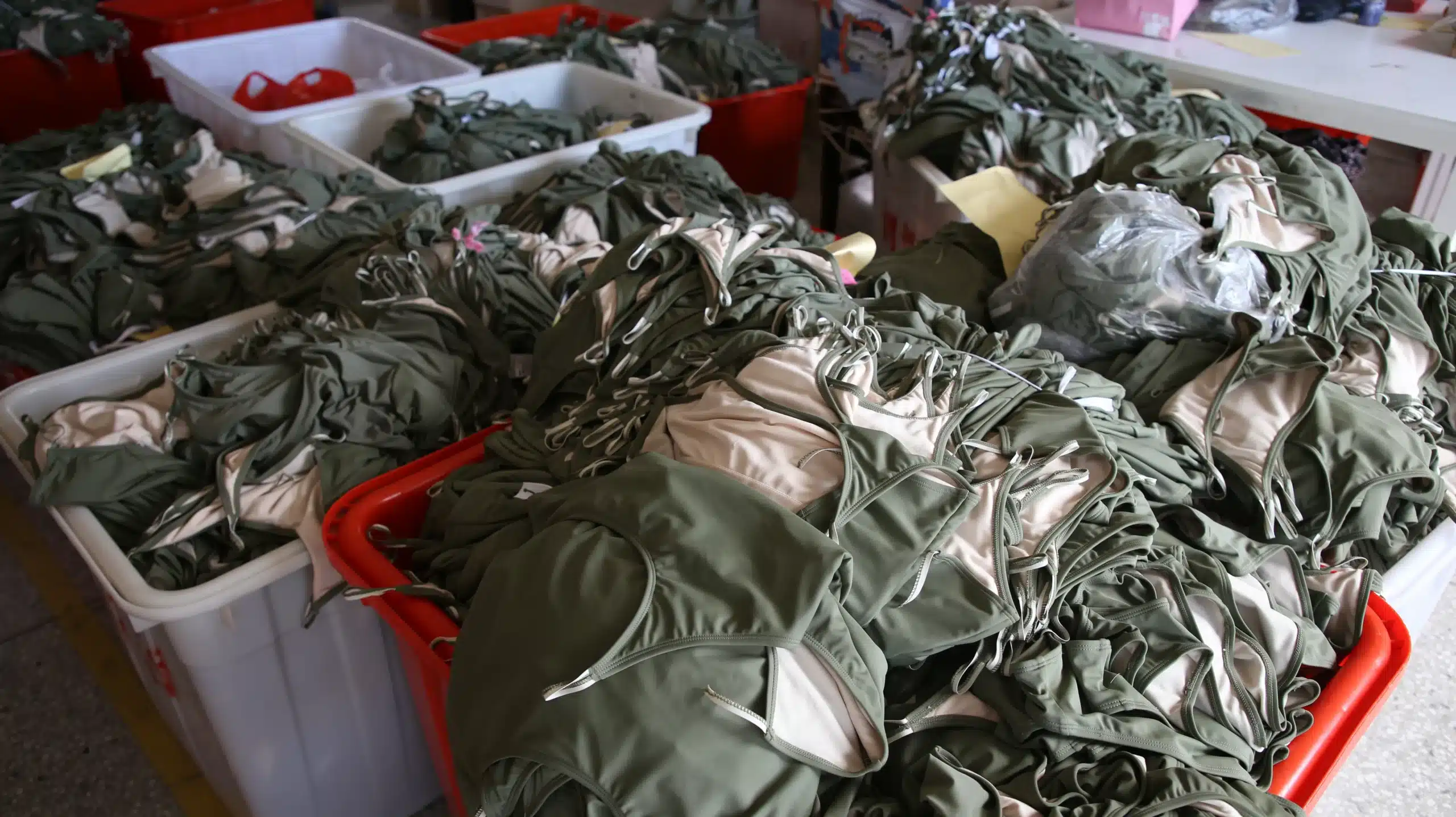
Choosing the right swimwear fabric involves more than selecting nylon or polyester. You should also evaluate key performance characteristics that determine how the garment performs during use.
Stretch
Swimwear must adapt comfortably to different body shapes and movements.
Most premium fabrics provide four-way stretch, allowing the material to expand both horizontally and vertically without restricting movement.
This is particularly important for activities such as swimming, surfing, and beach sports.
Recovery
Recovery refers to a fabric’s ability to return to its original shape after being stretched.
Poor recovery causes:
- Sagging straps
- Loose waistbands
- Misshapen garments
High-quality spandex blends should recover quickly even after repeated wear.
Chlorine Resistance
Swimming pool chemicals gradually damage fibers.
Premium performance fabrics are engineered to resist chlorine degradation, helping garments retain elasticity and color for much longer.
This feature is especially important for:
- Competitive swimmers
- Swim schools
- Resorts
- Rental programs
UV Protection
Continuous sun exposure can weaken fabrics and fade colors.
Many premium swimwear fabrics now offer built-in UV protection, helping garments maintain both appearance and performance over time.
Some fabrics also achieve UPF 50+ ratings, providing additional protection against harmful ultraviolet rays.
Color Fastness
Consumers expect swimwear colors to remain vibrant after repeated exposure to sunlight, saltwater, and washing.
Manufacturers test color fastness by exposing fabrics to:
- Washing
- Perspiration
- Seawater
- Chlorine
- Rubbing
- UV light
High-quality fabrics retain their original appearance much longer.
Breathability and Comfort
Modern swimwear should not only perform well in water but also feel comfortable on land.
Soft, breathable fabrics improve customer satisfaction and encourage repeat purchases.
Lightweight textiles with smooth surfaces also reduce skin irritation during extended wear.
Understanding Fabric Weight (GSM)
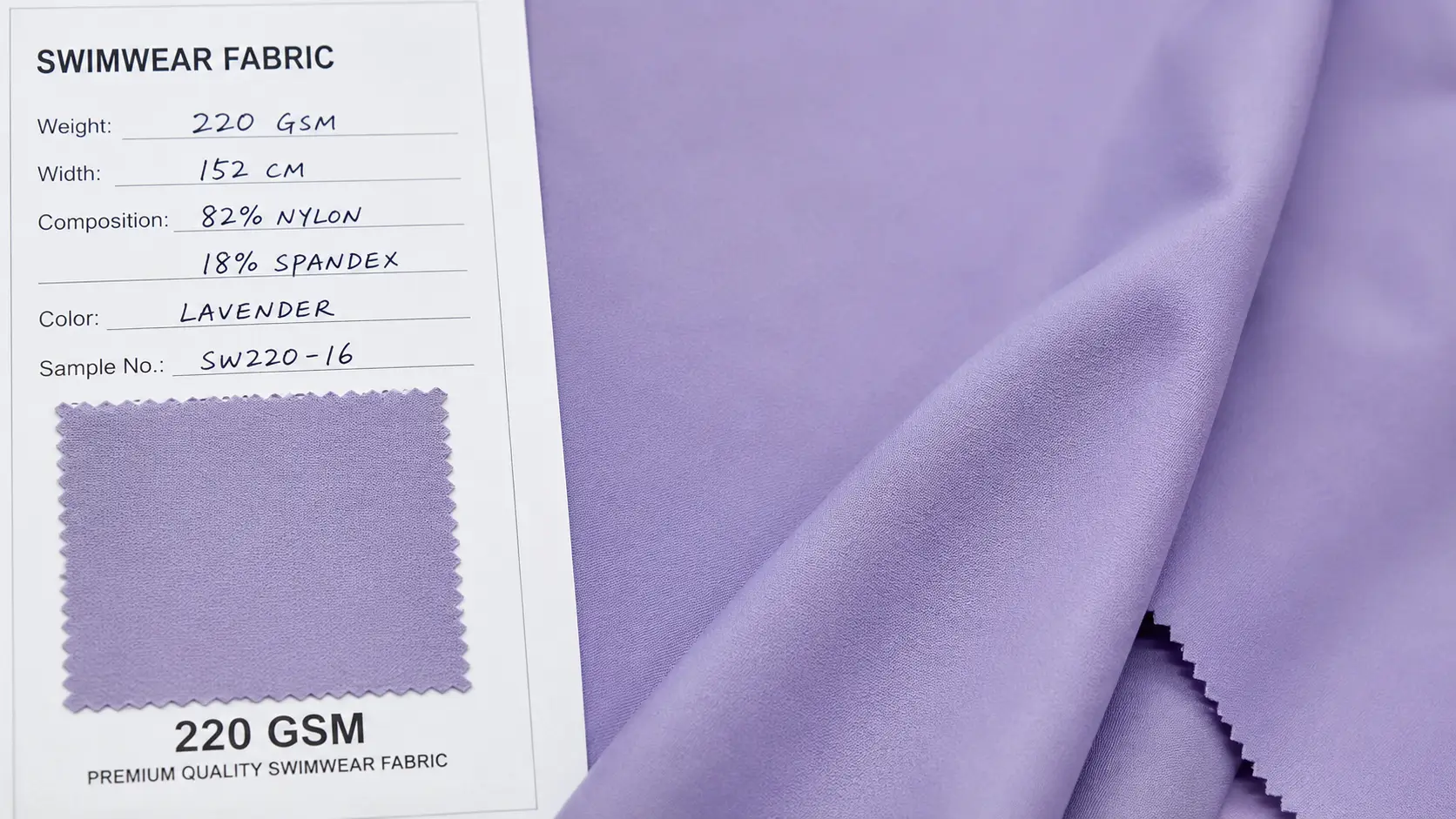
Fabric weight is commonly measured in grams per square meter (GSM).
Although GSM does not determine quality by itself, it significantly influences how a swimsuit feels and performs.
160–180 GSM
Lightweight
Fashion bikinis
Thin summer styles
Fast drying
180–200 GSM
Standard premium swimwear
Good balance between comfort and coverage
Suitable for most brands
200–220 GSM
Premium compression swimwear
Sports collections
Better opacityImproved support
Above 220 GSM
High-compression garments
Performance swimwear
Specialized athletic applications
Selecting the appropriate GSM depends on the intended use of the product rather than assuming that heavier fabric is always better.
Sustainable Swimwear Fabrics
Sustainability has become an essential consideration for many brands and consumers.
Today’s buyers increasingly value transparency, responsible sourcing, and environmentally conscious production.
When selecting sustainable fabrics, consider:
- Recycled nylon
- Recycled polyester
- Certified dyeing processes
- Low-impact printing
- Eco-friendly packaging
- Responsible supply chains
Working with a manufacturer experienced in sustainable production can also help ensure compliance with international environmental standards.
How to Choose the Right Fabric for Your Brand
Every swimwear brand has unique goals, so there is no single “best” fabric for every project.
When making your decision, consider the following factors:
Target Customer
Who will wear your products?
- Fashion-conscious consumers
- Competitive swimmers
- Families
- Luxury travelers
- Fitness enthusiasts
Product Positioning
Will your collection focus on:
- Luxury
- Performance
- Sustainability
- Affordability
- Trend-driven fashion
Budget
Premium fabrics generally cost more but often reduce returns and improve customer satisfaction.
Balance your material investment with your target retail price and profit margin.
Manufacturing Partner
An experienced swimwear manufacturer can recommend fabrics that align with your product goals and production requirements.
Request fabric swatches and sample garments before finalizing your decision.
Conclusion
Selecting the best fabric for swimwear manufacturing is one of the most important decisions in the product development process. The right material influences comfort, fit, durability, appearance, and the overall success of your swimwear collection.
While nylon-spandex remains the preferred choice for luxury fashion swimwear because of its softness and vibrant color reproduction, polyester-spandex offers outstanding durability, chlorine resistance, and UV stability, making it ideal for performance-focused collections.
Recycled nylon and recycled polyester provide sustainable alternatives that allow brands to meet growing consumer demand for environmentally responsible products without compromising quality.
Rather than searching for a single “perfect” fabric, evaluate your target market, product positioning, performance requirements, and sustainability goals. Working closely with an experienced swimwear manufacturer and testing fabrics through the sampling process will help ensure that your final products meet both your expectations and those of your customers.
Ready to Choose the Right Fabric for Your Swimwear Collection?
At Senvyn, we help brands select the most suitable fabrics based on their product positioning, target market, and performance requirements.
From premium nylon-spandex and high-performance polyester to certified recycled materials, our team supports every stage of product development—including fabric sourcing, sampling, testing, manufacturing, and quality control.
Whether you’re creating a luxury bikini collection, launching a sustainable swimwear brand, or developing performance swimwear, we’re here to help you make informed material choices.
Contact us today to request fabric swatches, discuss your project, or receive expert recommendations tailored to your next swimwear collection.
FAQ
1. What is the best fabric for swimwear manufacturing?
Nylon-spandex and polyester-spandex blends are the most widely used swimwear fabrics due to their stretch, durability, comfort, and resistance to water and chlorine.
2. Is nylon or polyester better for swimsuits?
Nylon offers a softer feel and vibrant colors, while polyester provides superior chlorine resistance, UV stability, and long-term durability.
3. What percentage of spandex is ideal for swimwear?
Most high-quality swimwear fabrics contain 18–22% spandex (elastane) blended with nylon or polyester for optimal stretch and recovery.
4. What is recycled swimwear fabric?
Recycled swimwear fabric is made from reclaimed materials such as post-consumer plastic bottles or regenerated nylon waste, helping reduce environmental impact without sacrificing performance.
5. Which fabric is best for competitive swimwear?
High-performance polyester-spandex blends are commonly used because they maintain their shape and resist chlorine exposure over extended periods.
6. What fabric weight is recommended for swimwear?
Most premium swimwear fabrics range from 180–220 GSM, balancing coverage, durability, comfort, and stretch.
7. How do manufacturers test swimwear fabrics?
Manufacturers evaluate stretch recovery, color fastness, chlorine resistance, UV protection, pilling resistance, seam strength, and shrinkage before approving fabrics for production.
8. Is recycled swimwear fabric as durable as virgin fabric?
High-quality recycled nylon and recycled polyester can achieve performance comparable to virgin materials when sourced from reputable suppliers.
9. Can I choose different fabrics for different swimwear styles?
Yes. Fashion bikinis, active swimwear, surfwear, children’s swimwear, and maternity swimwear often require different fabric compositions based on performance and comfort needs.
10. How can I select the right fabric for my swimwear brand?
Consider your target market, intended use, desired performance, sustainability goals, budget, and manufacturing requirements. Testing samples before bulk production is strongly recommended.