
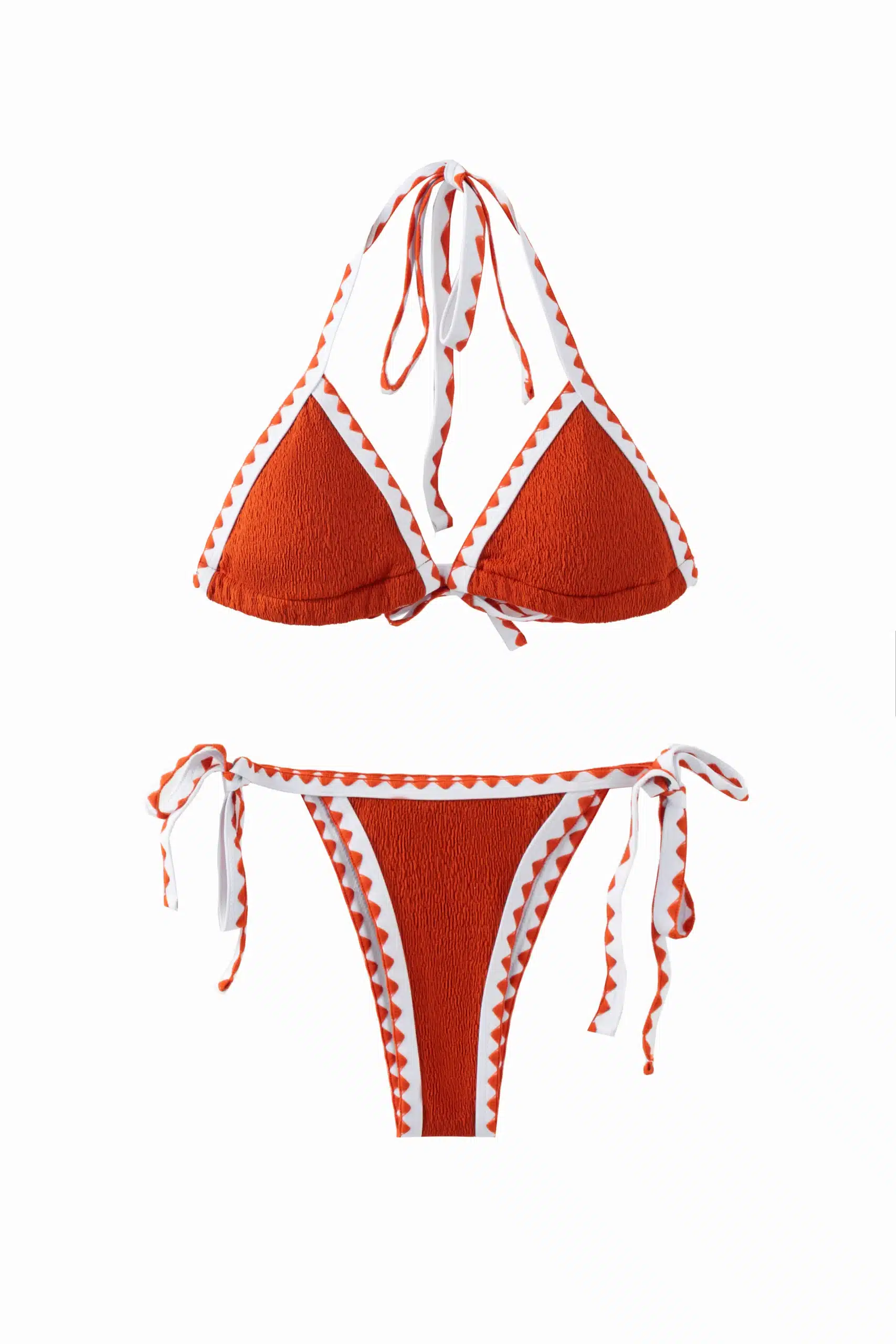
 Bikini
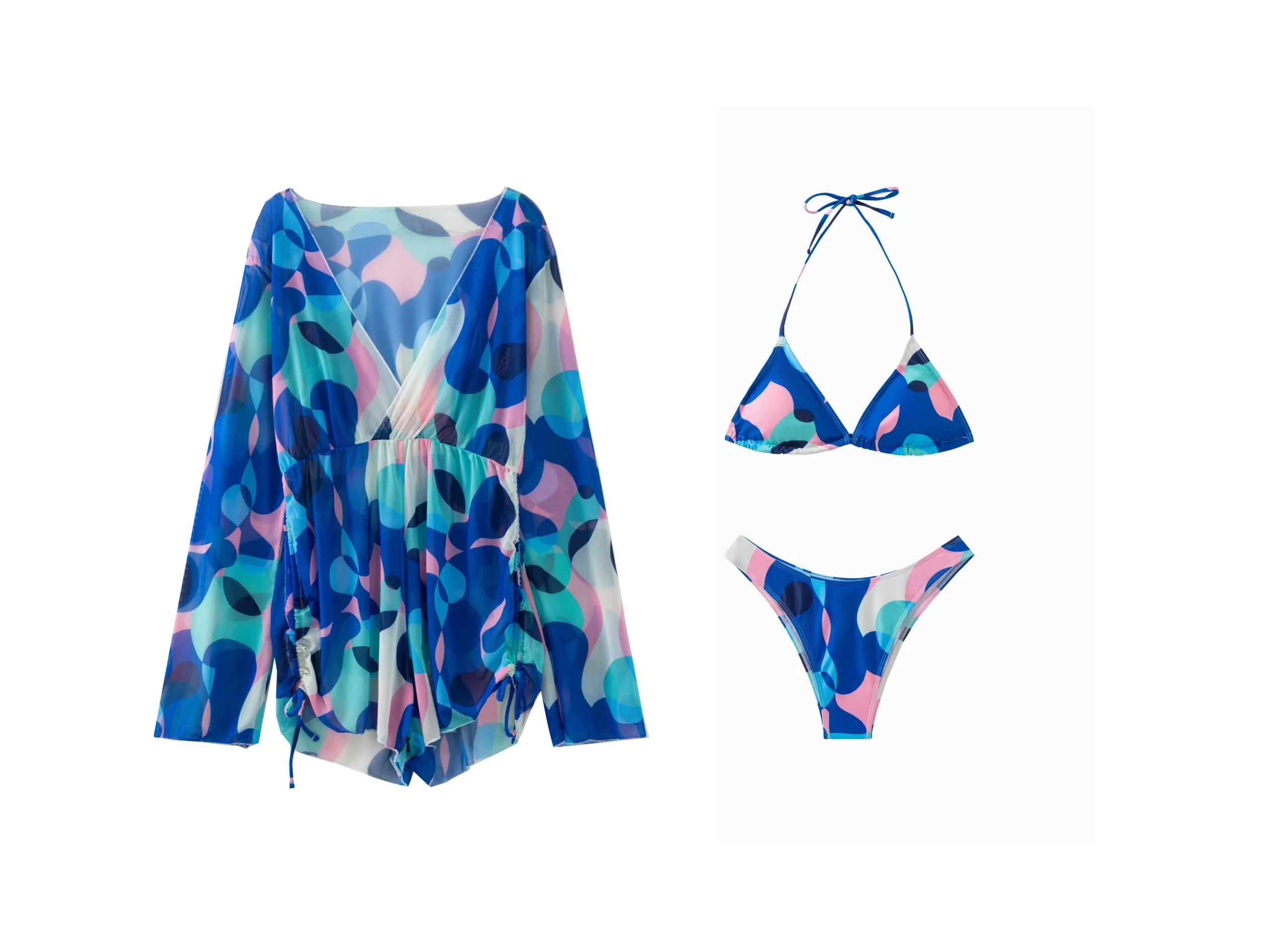 Bikini Cover-Up Set
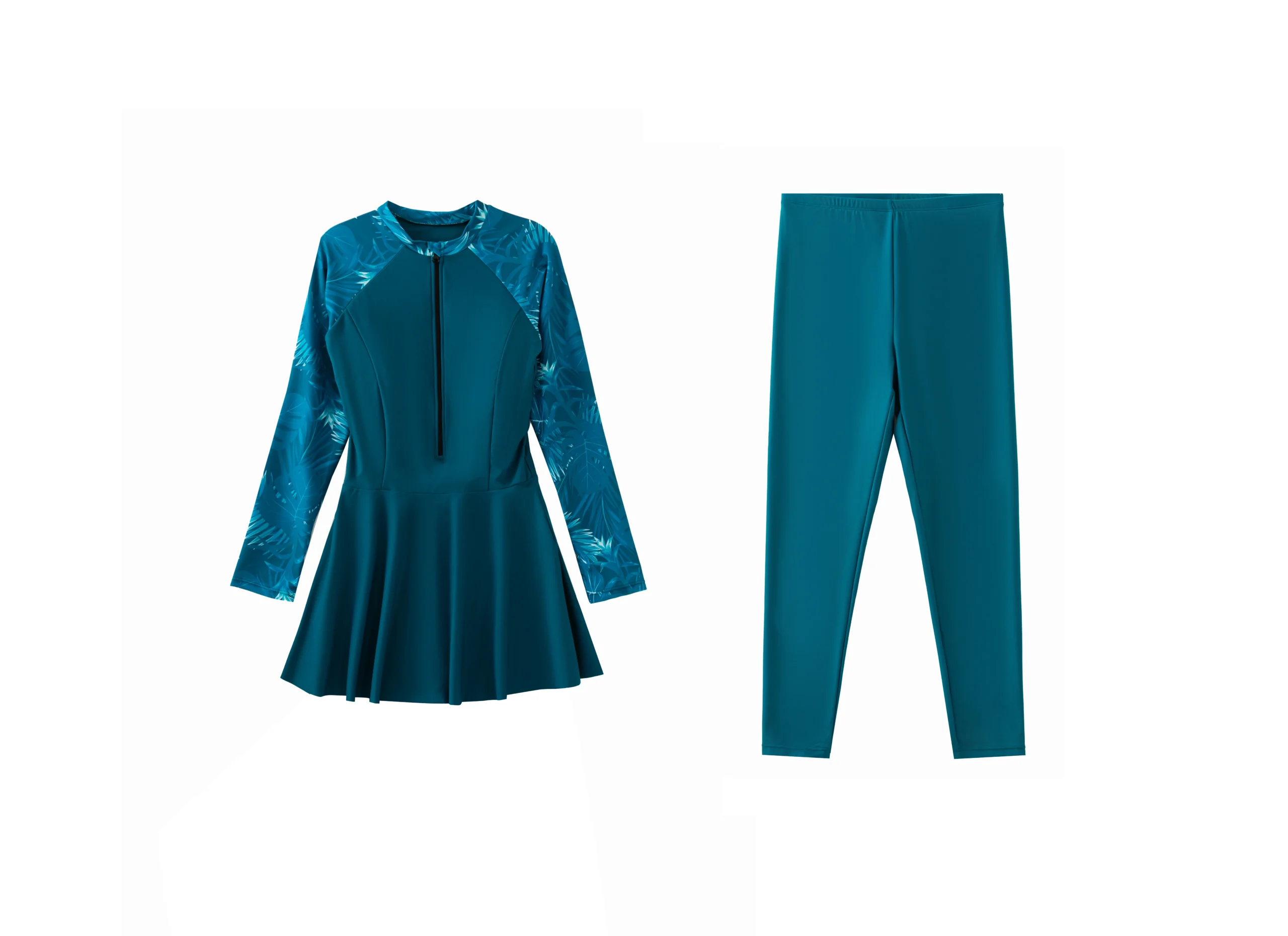 Burkini Swimwear
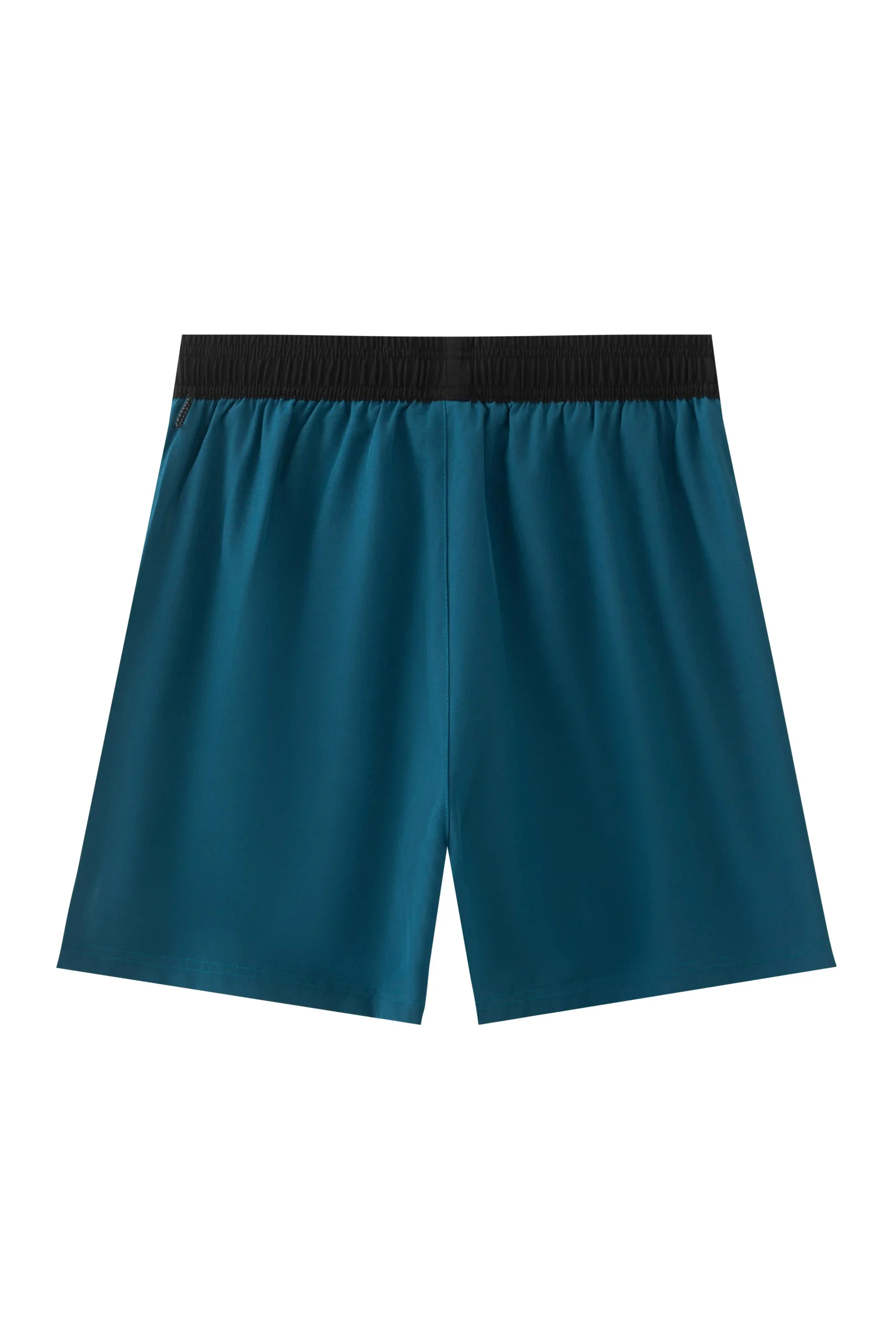 Men Swimwear
 One-Piece Swimsuits
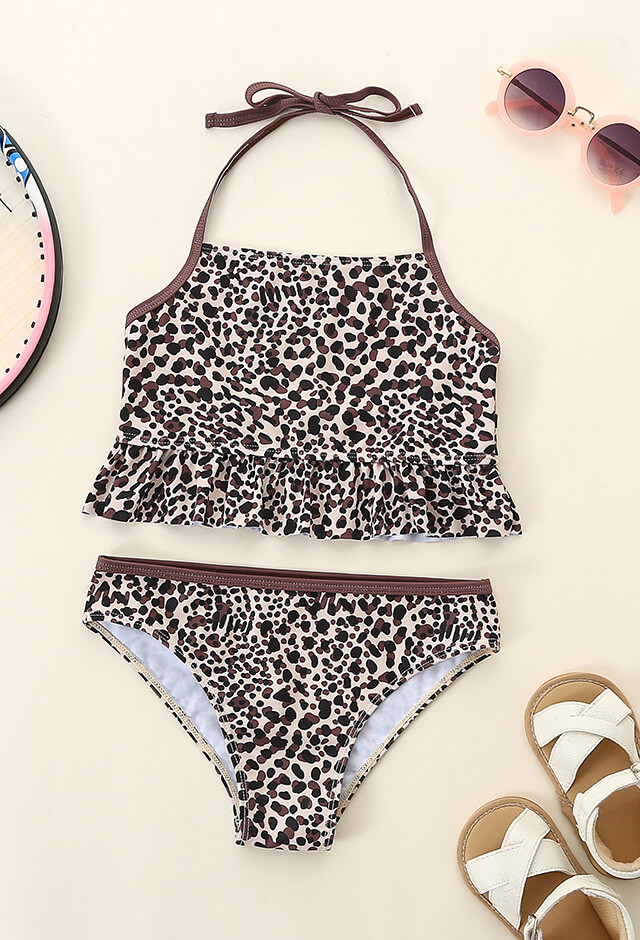 Two-Piece Swimsuits
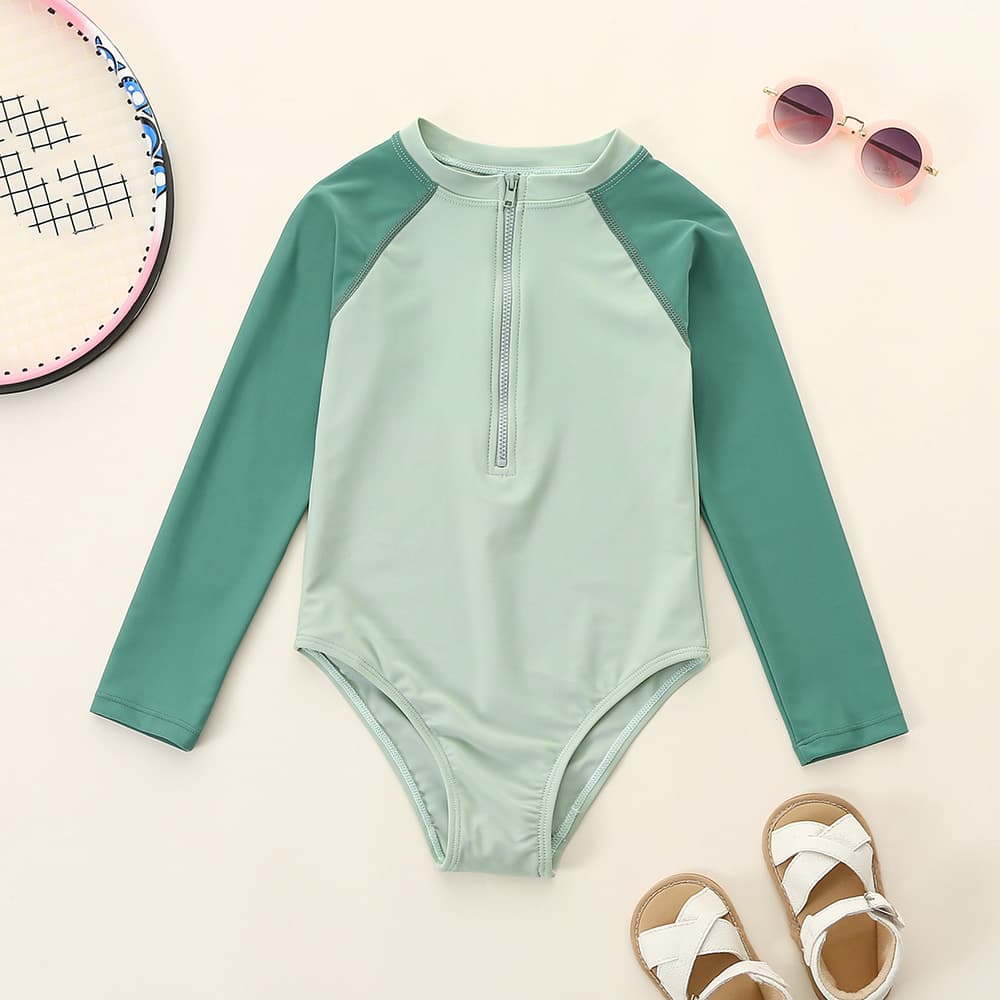 Rash Guards
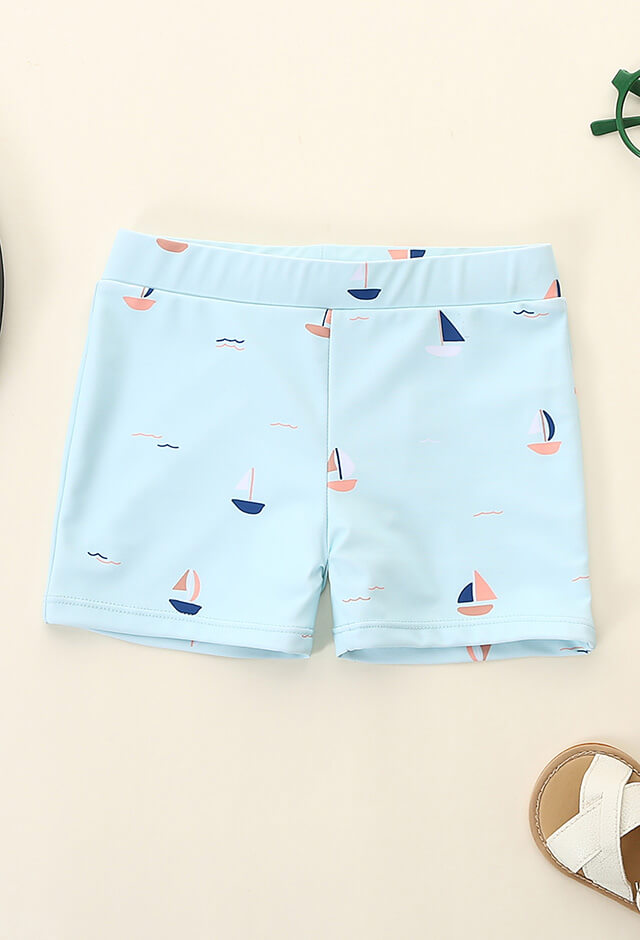 Swim Trunks
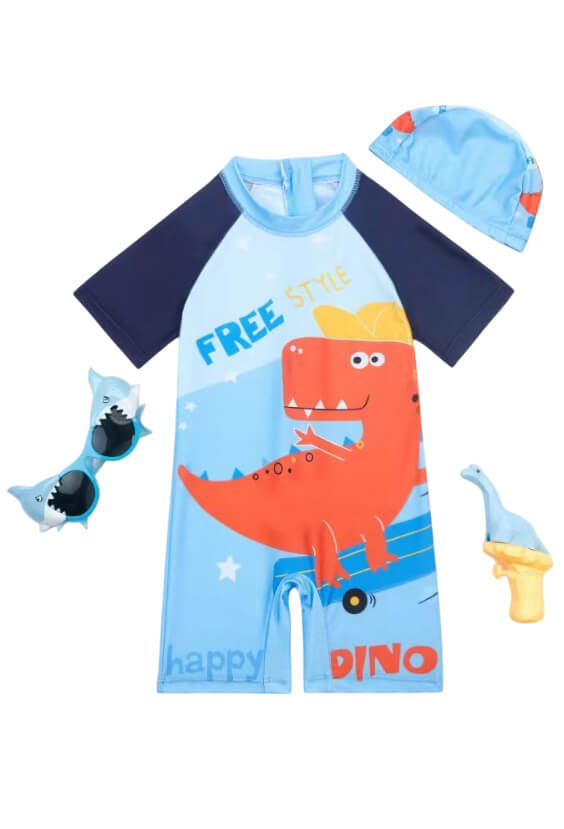 Boy Swimsuits
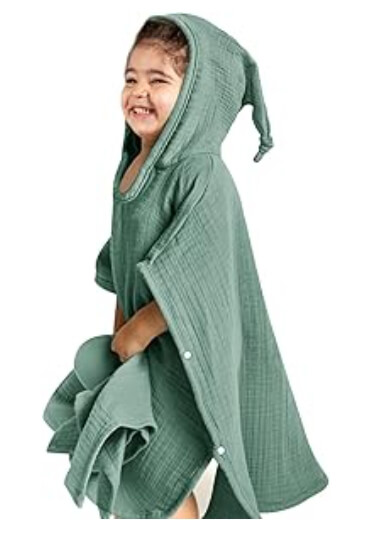 Poncho
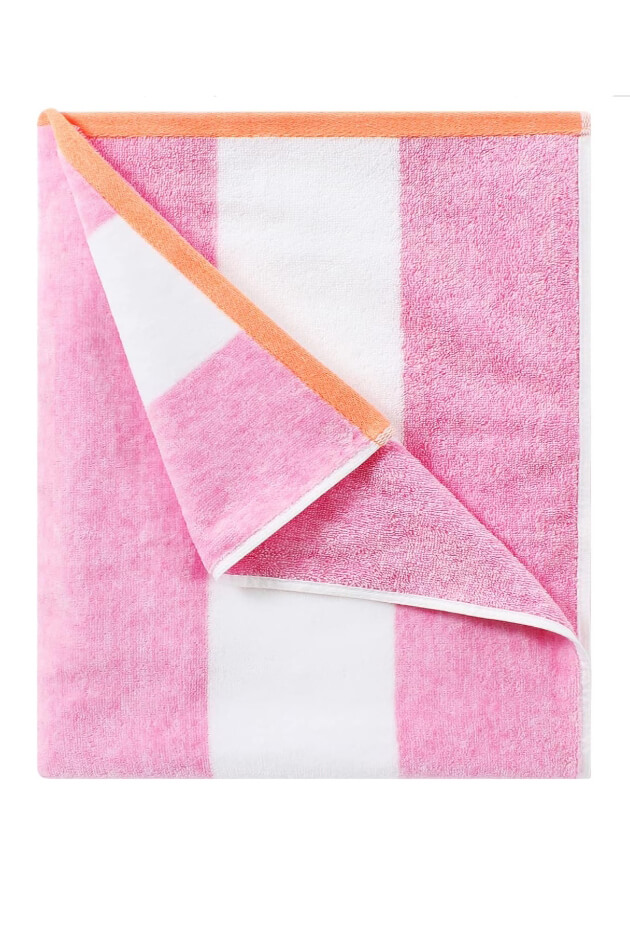 Beach Towel
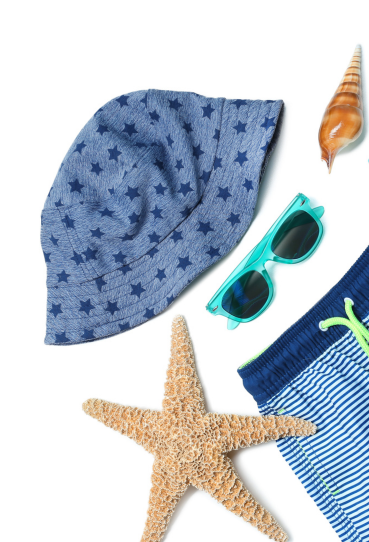 Sun Hat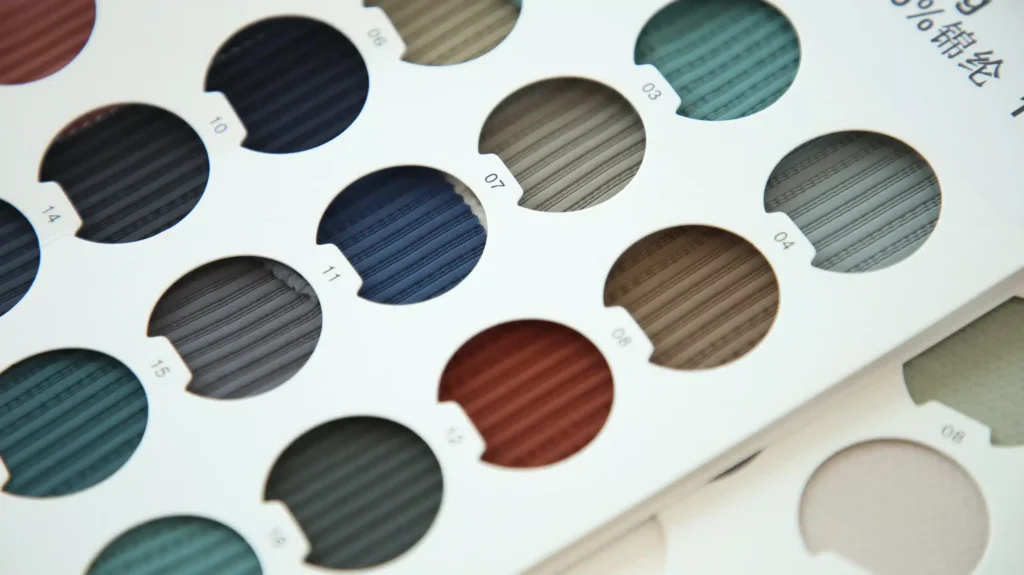
A Complete Guide for Eco-Friendly Swimwear Brands
As sustainability becomes a key focus in the global fashion industry, swimwear brands are under increasing pressure to adopt eco-friendly materials and responsible manufacturing practices. For B2B buyers, designers, and private label brands, understanding sustainable swimwear fabrics is no longer optional—it’s essential for staying competitive.
In this guide, we break down the most popular sustainable swimwear fabrics, their benefits, certifications, and how to choose the right material for your brand.
Why Sustainable Fabrics Matter in Swimwear
Swimwear is one of the most technically demanding apparel categories. Fabrics must withstand:
- Chlorine exposure
- Saltwater corrosion
- UV radiation
- Stretch and recovery
Traditional swimwear materials like virgin polyester and nylon are derived from petroleum and contribute significantly to environmental pollution.
Sustainable fabrics help reduce:
- Plastic waste
- Carbon footprint
- Water consumption
At the same time, they meet performance standards required for modern swimwear.
Key Sustainable Swimwear Fabrics
Recycled Nylon (ECONYL® and Similar Fibers)

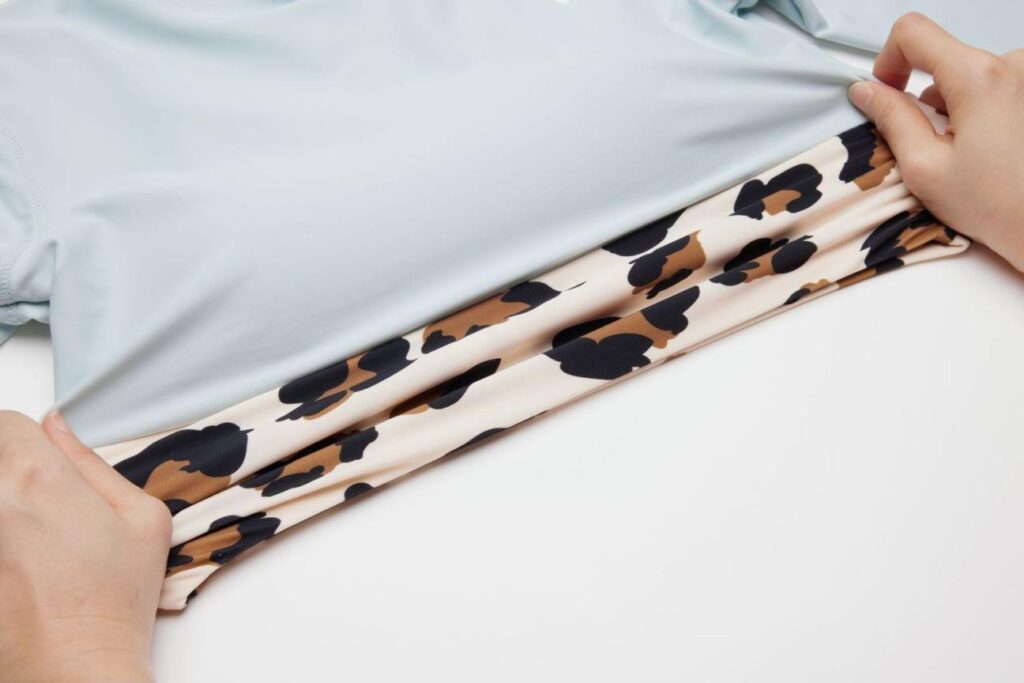
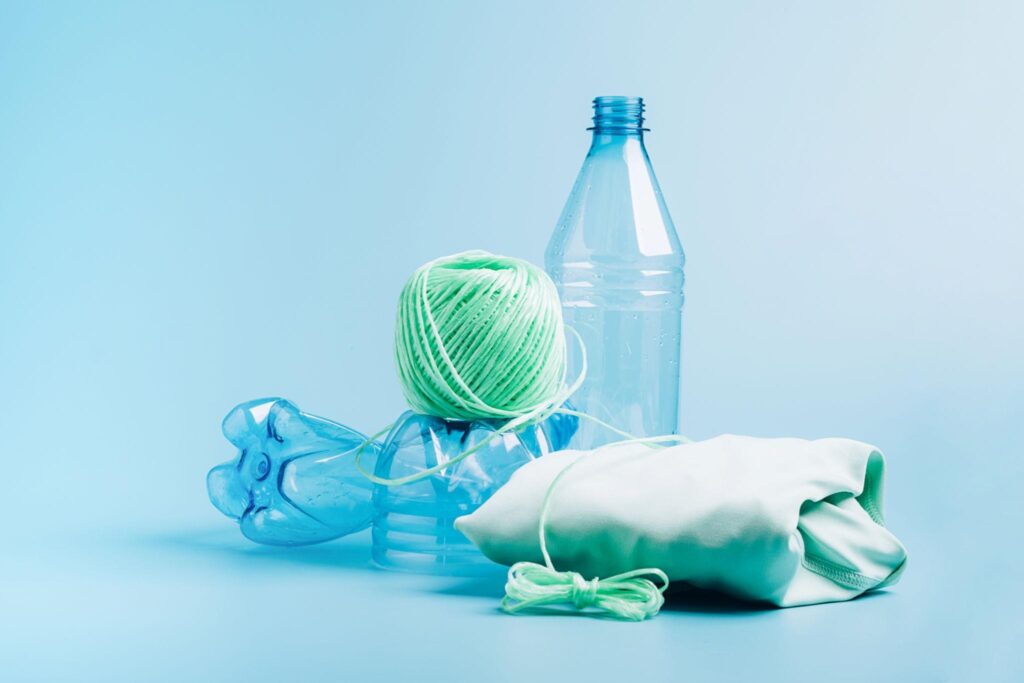
Recycled nylon is one of the most widely used sustainable fabrics in swimwear manufacturing.
It is made from regenerated waste materials such as:
- Fishing nets
- Fabric scraps
- Industrial plastic waste
Key advantages:
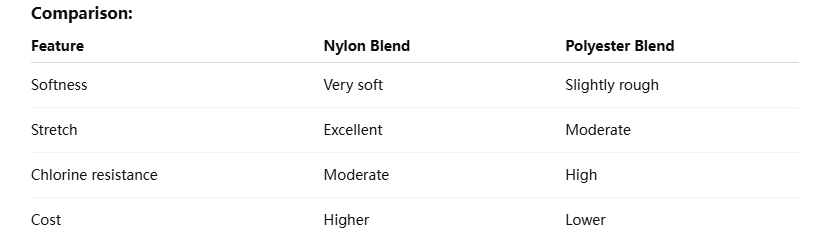
- Excellent elasticity and shape retention
- Soft hand feel (similar to virgin nylon)
- Strong resistance to chlorine and abrasion
- Premium look and feel
Best for:
- Premium swimwear brands
- Performance swimwear
- Luxury private label collections
Recycled Polyester (rPET)
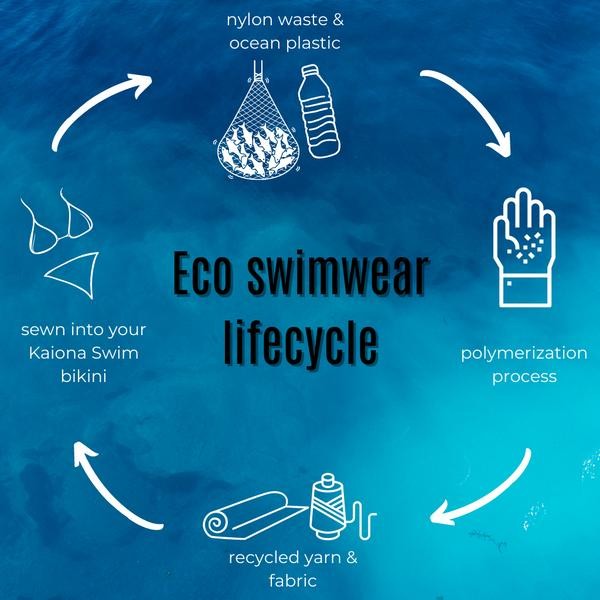
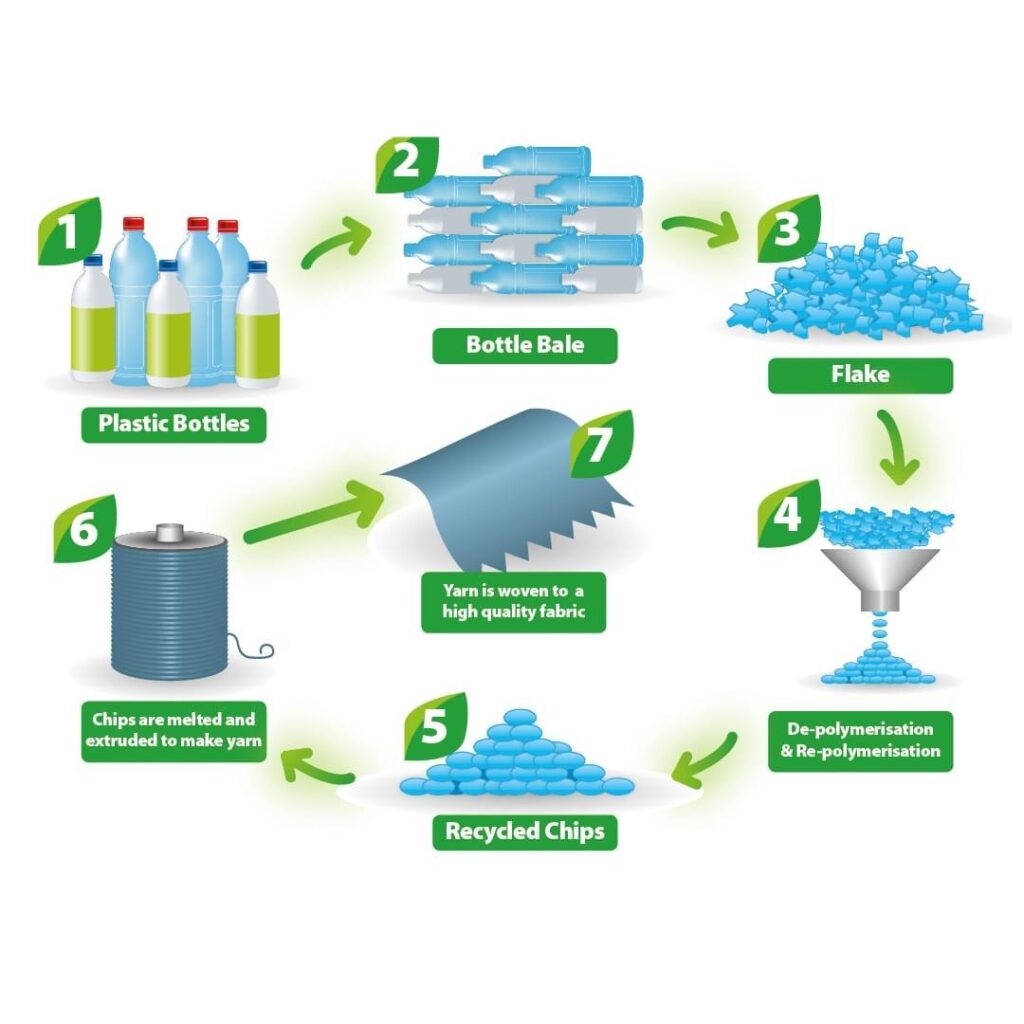
Recycled polyester is made from post-consumer plastic bottles.
Key advantages:
- Lower environmental impact than virgin polyester
- High durability
- Good color retention
- Cost-effective compared to recycled nylon
Limitations:
- Slightly less soft than nylon
- Lower elasticity unless blended with spandex
Best for:
- Entry to mid-range swimwear brands
- Large-volume production
- Cost-sensitive B2B buyers
Nylon-Spandex vs Polyester-Spandex Blends
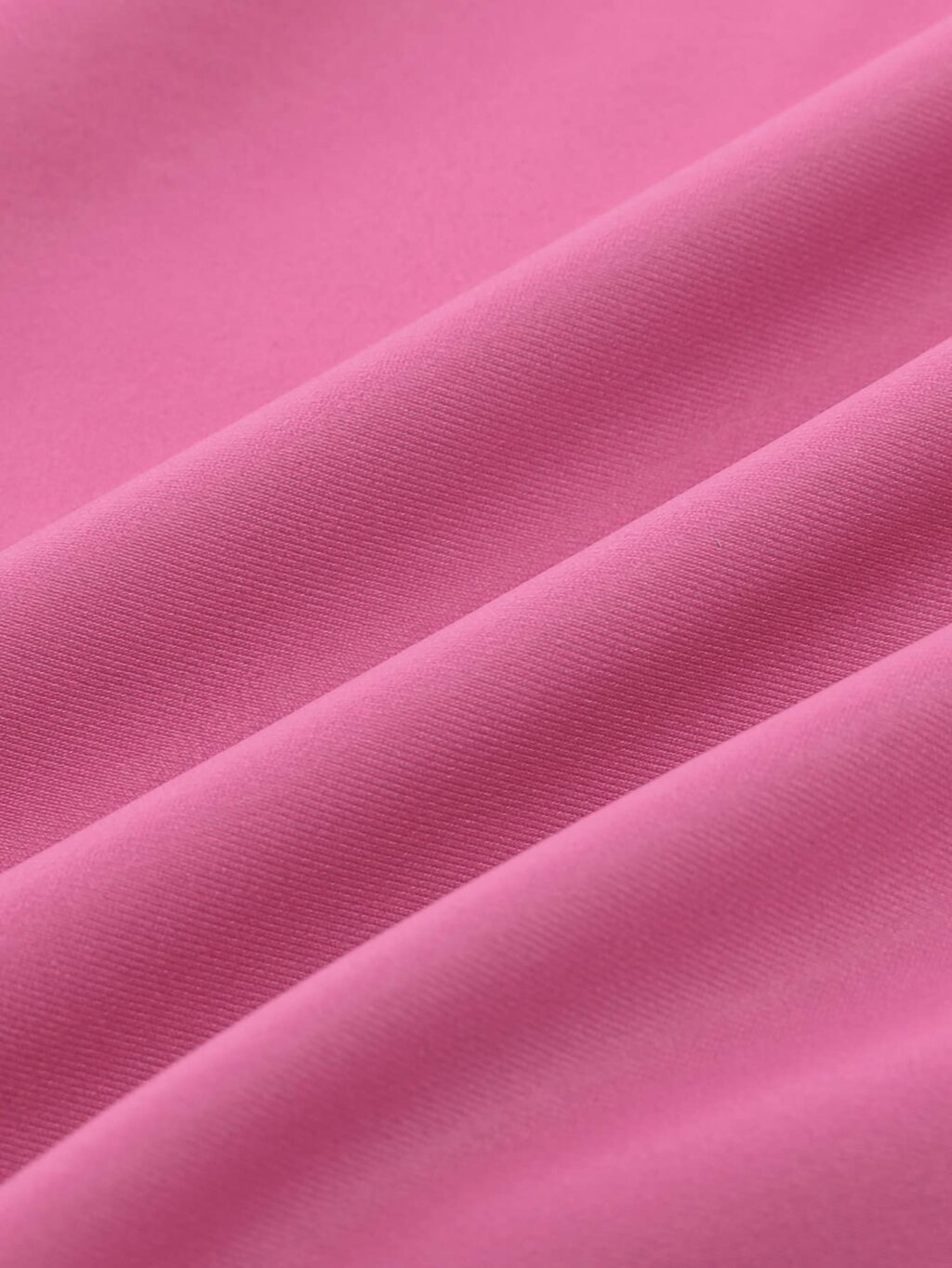
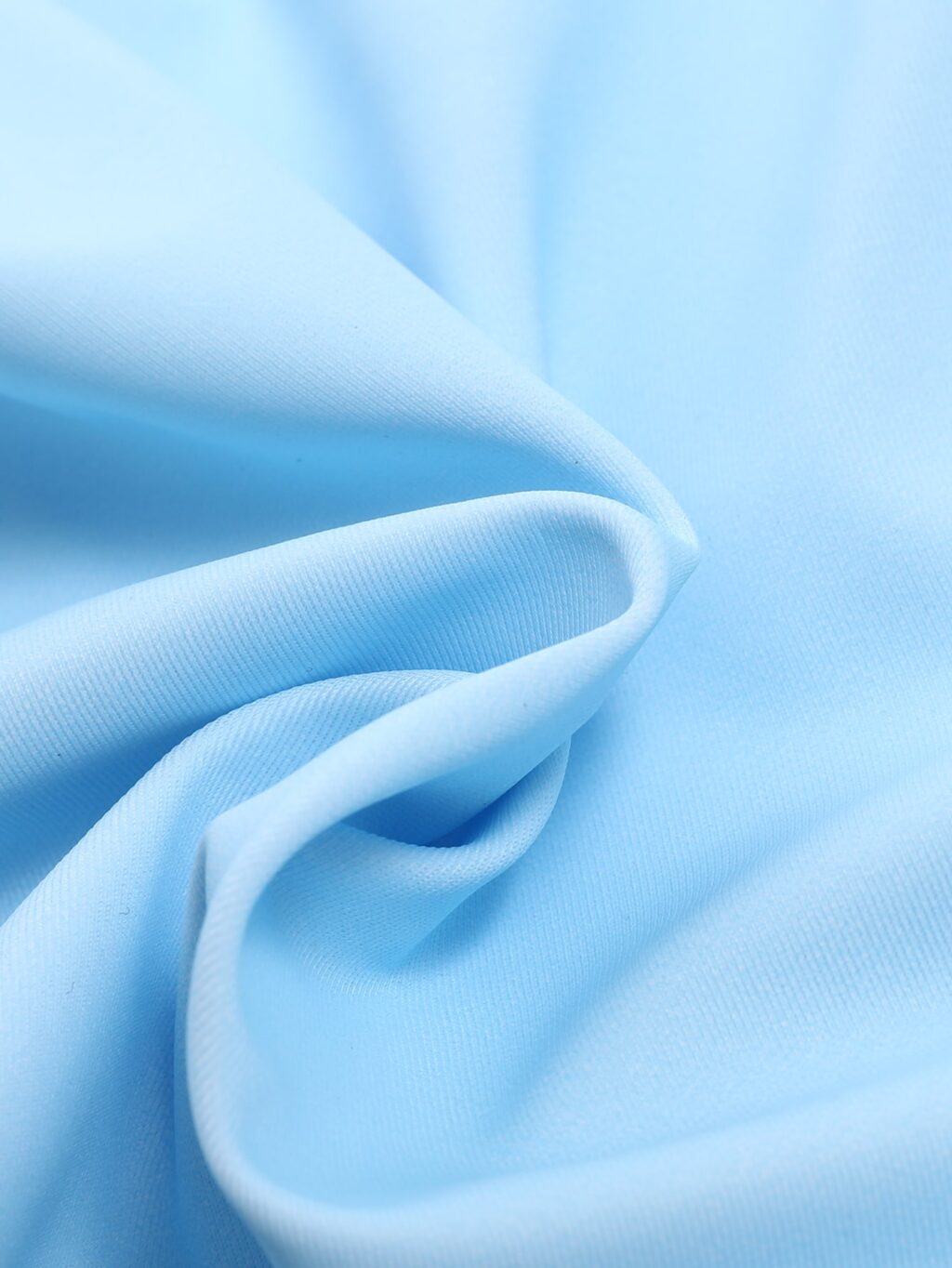
Most swimwear fabrics are blends, typically:
- Nylon + Spandex (Lycra/Elastane)
- Polyester + Spandex
Sustainable option:
Recycled nylon + recycled spandex (emerging)
Recycled polyester + elastane
Bio-Based Fabrics (Emerging Trend)

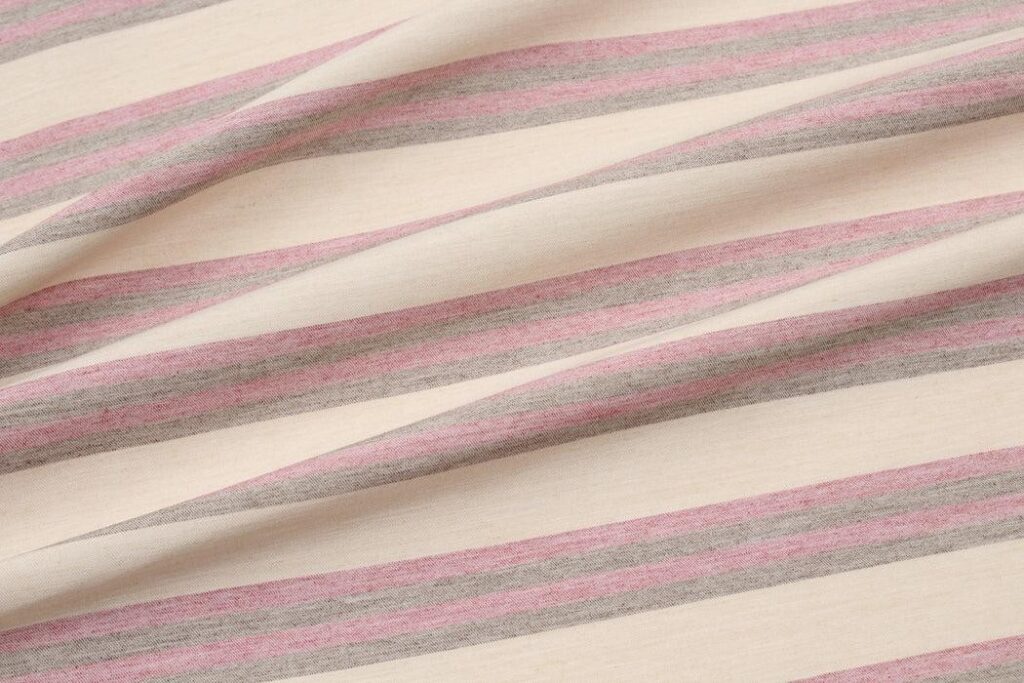
Bio-based swimwear fabrics are made from renewable resources such as:
Castor oil plants
Corn-based polymers
Advantages:
- Reduced reliance on fossil fuels
- Lower carbon emissions
Challenges:
- Higher cost
- Limited scalability
- Performance still improving
Best for:
- Innovative brands
- Sustainability-focused startups
Certifications You Should Know
For B2B buyers, certifications are critical to building trust and meeting regulatory requirements.
OEKO-TEX® Standard 100
Ensures fabrics are free from harmful substances.
GRS (Global Recycled Standard)
Verifies recycled content and responsible production.
REACH Compliance (EU)
Ensures chemical safety for European markets.
Bluesign® (Optional Premium Standard)
Focuses on sustainable chemical and resource use.
How to Choose the Right Sustainable Fabric
Choosing the right fabric depends on your brand positioning and market.
Step 1: Define Your Market
- Europe → Strong focus on sustainability & compliance
- USA → Balance of performance and price
- Australia → High demand for UV protection
Step 2: Define Product Type
- Kids swimwear → Soft, safe, certified materials
- Performance swimwear → High elasticity, chlorine resistance
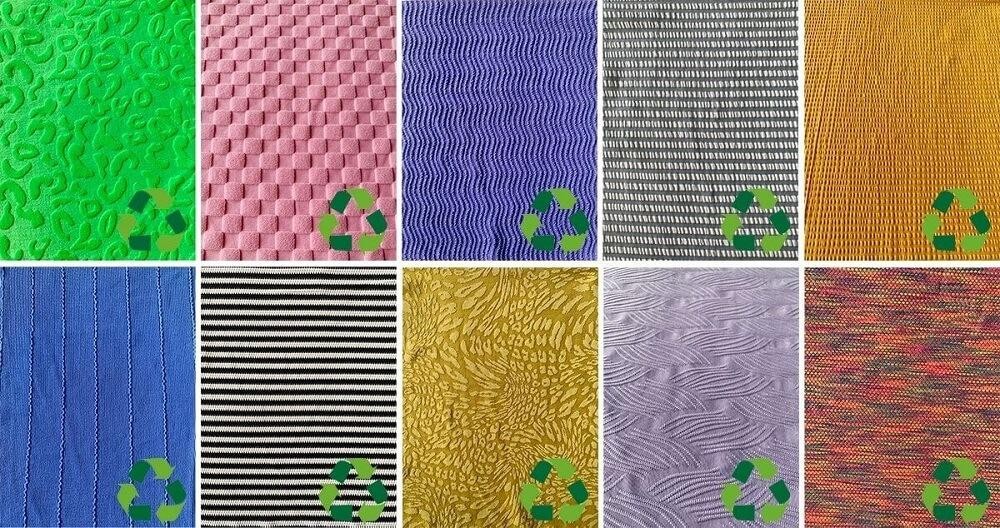
- Fashion swimwear → Texture, color, and design flexibility
- Step 3: Balance Cost vs Sustainability
Performance vs Sustainability: Finding the Balance
One of the biggest challenges in swimwear development is balancing sustainability with performance.
Key considerations:
- Stretch recovery
- Colorfastness
- UV protection (UPF 50+)
- Chlorine resistance
A good sustainable fabric should not compromise wearability.
Manufacturing Considerations for Brands
When working with a swimwear manufacturer, ask:
- Do you offer GRS-certified fabrics?
- Can you provide fabric traceability?
- What is your MOQ for sustainable materials?
- How do you ensure color consistency?
Reliable manufacturers often combine:
- Automated precision cutting
- Strict quality control
- Sample approval before production
Future Trends in Sustainable Swimwear
The industry is evolving rapidly. Key trends include:
- Recycled elastane development
- Biodegradable swimwear fabrics
- Digital printing to reduce water waste
- Circular fashion (recycling old swimwear into new products)
Brands that adopt these innovations early will gain a competitive advantage.
Conclusion
Sustainable swimwear fabrics are no longer a niche—they are becoming the industry standard.
For B2B swimwear brands, choosing the right material means balancing:
- Sustainability
- Performance
- Cost
- Market expectations
Recycled nylon and recycled polyester remain the most practical choices today, while bio-based materials represent the future.
By working with experienced swimwear manufacturers and selecting certified materials, brands can build eco-friendly swimwear collections that meet both consumer expectations and regulatory requirements.
Looking to develop your sustainable swimwear line?
We offer:
Recycled fabrics (GRS certified)
Low MOQ from 100 pieces
Fast sampling (3–5 days)
Full customization (design, printing, private label)