
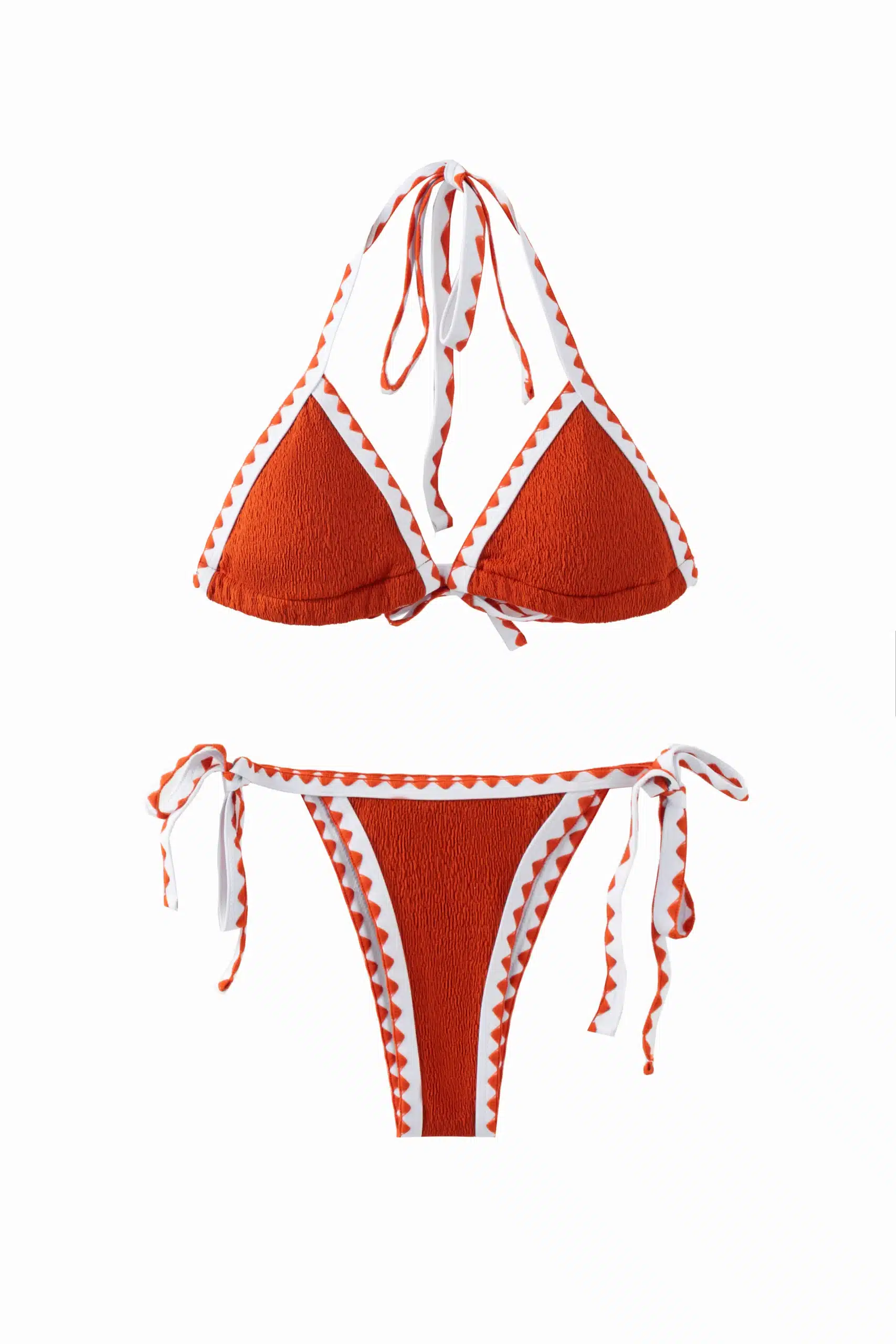
 Bikini
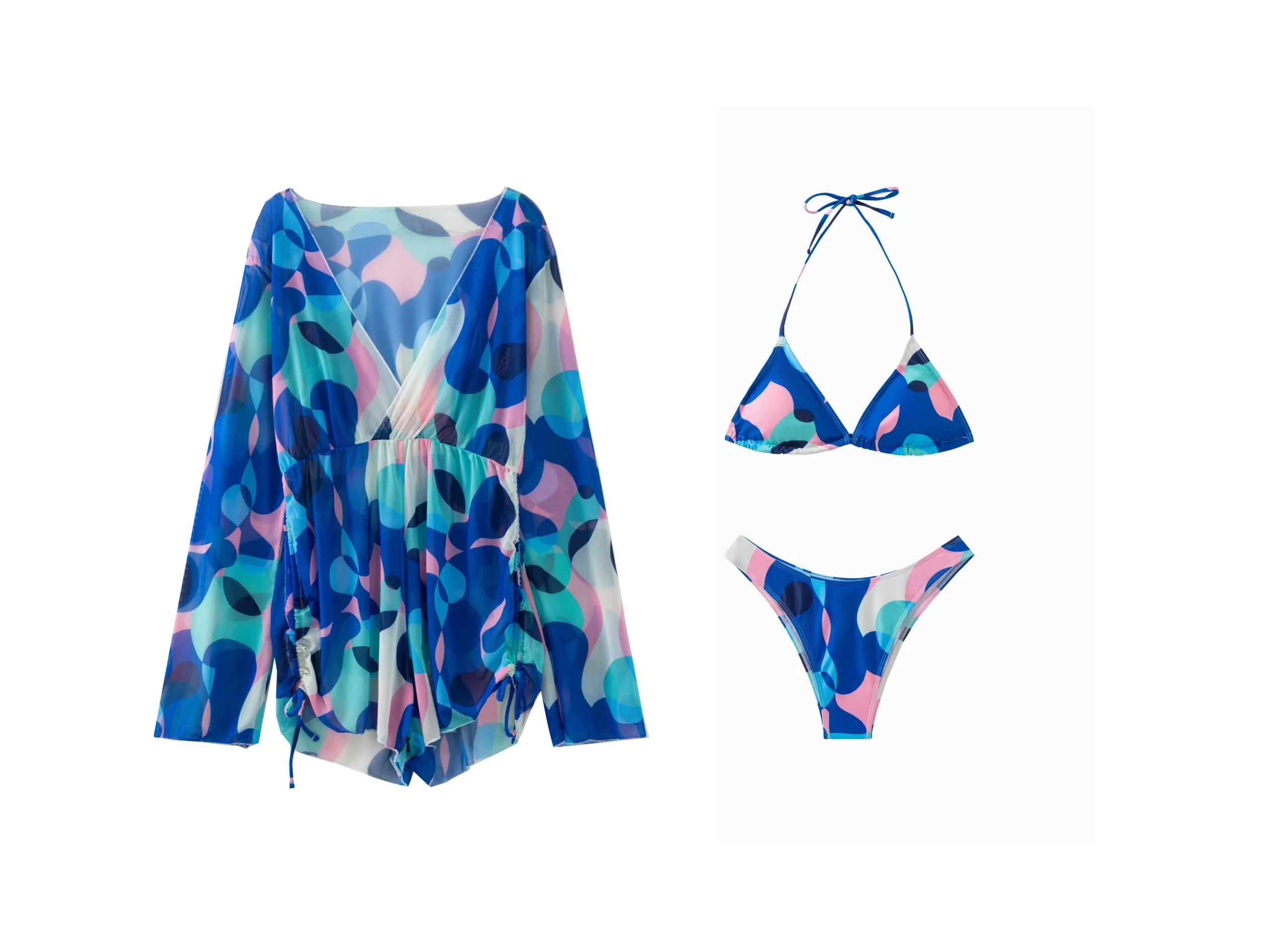 Bikini Cover-Up Set
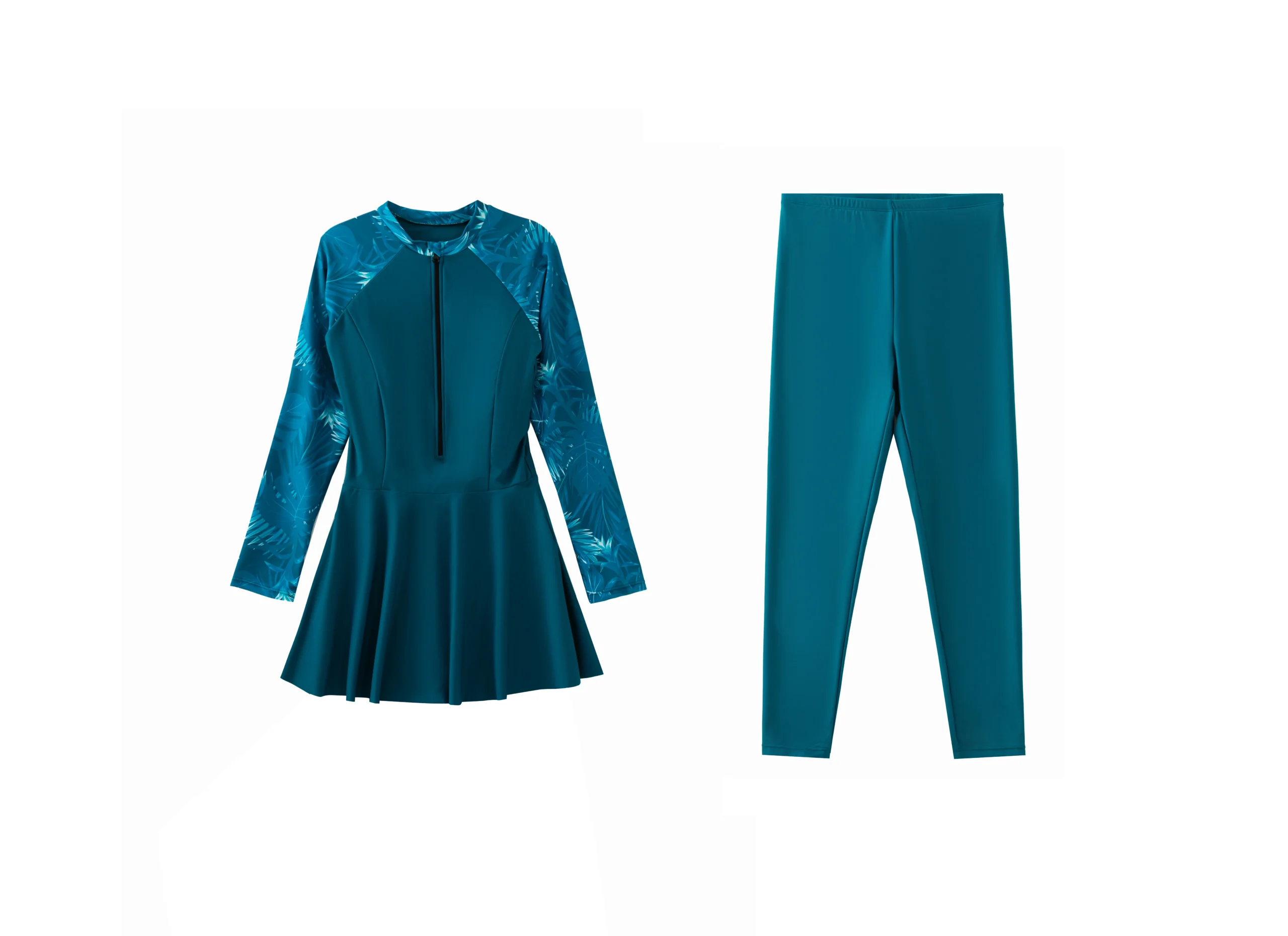 Burkini Swimwear
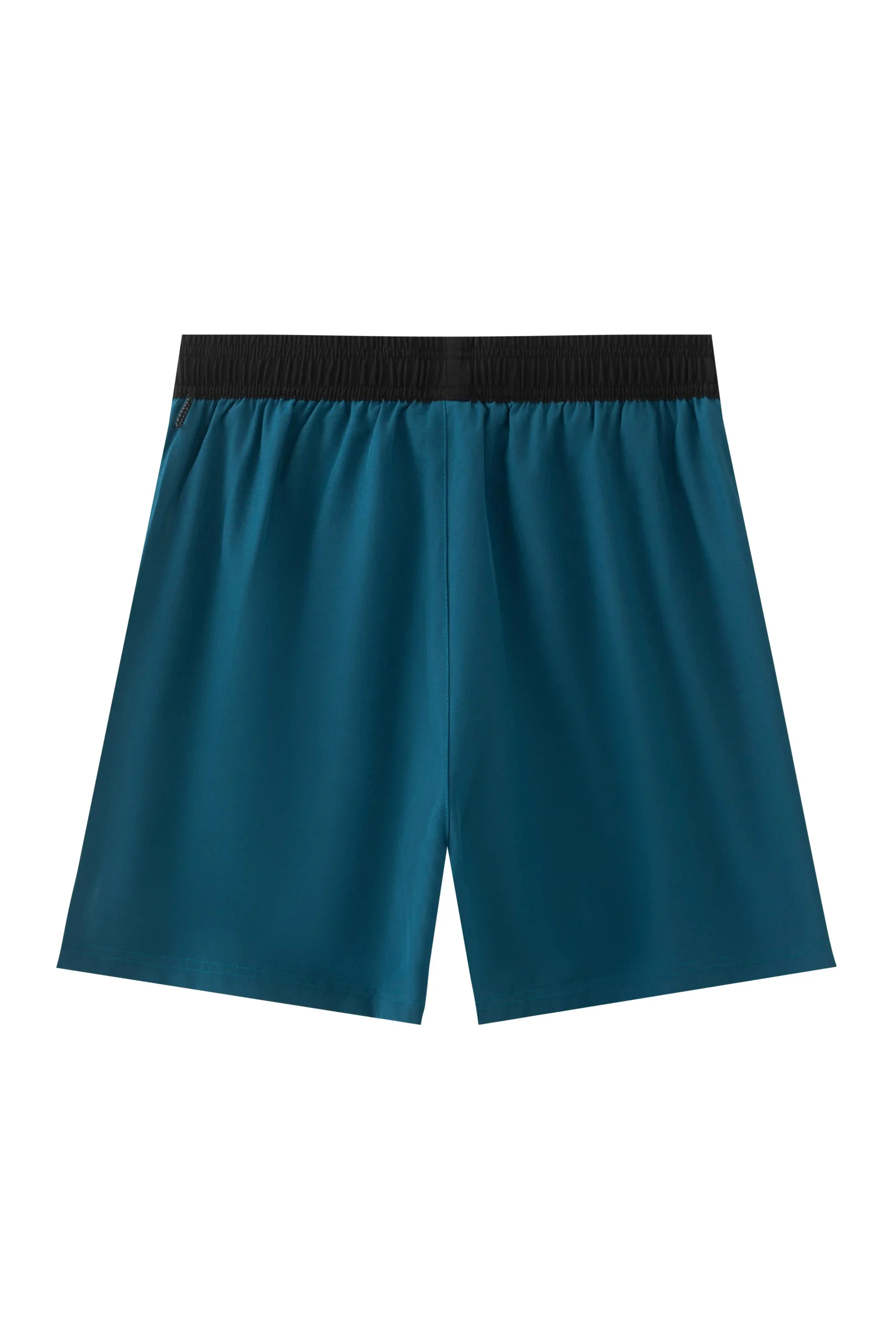 Men Swimwear
 One-Piece Swimsuits
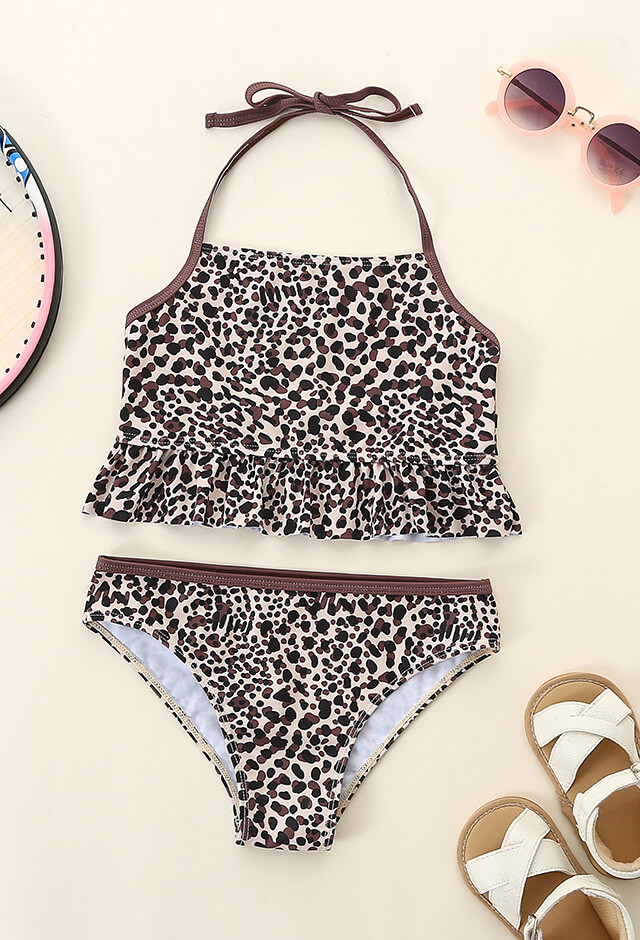 Two-Piece Swimsuits
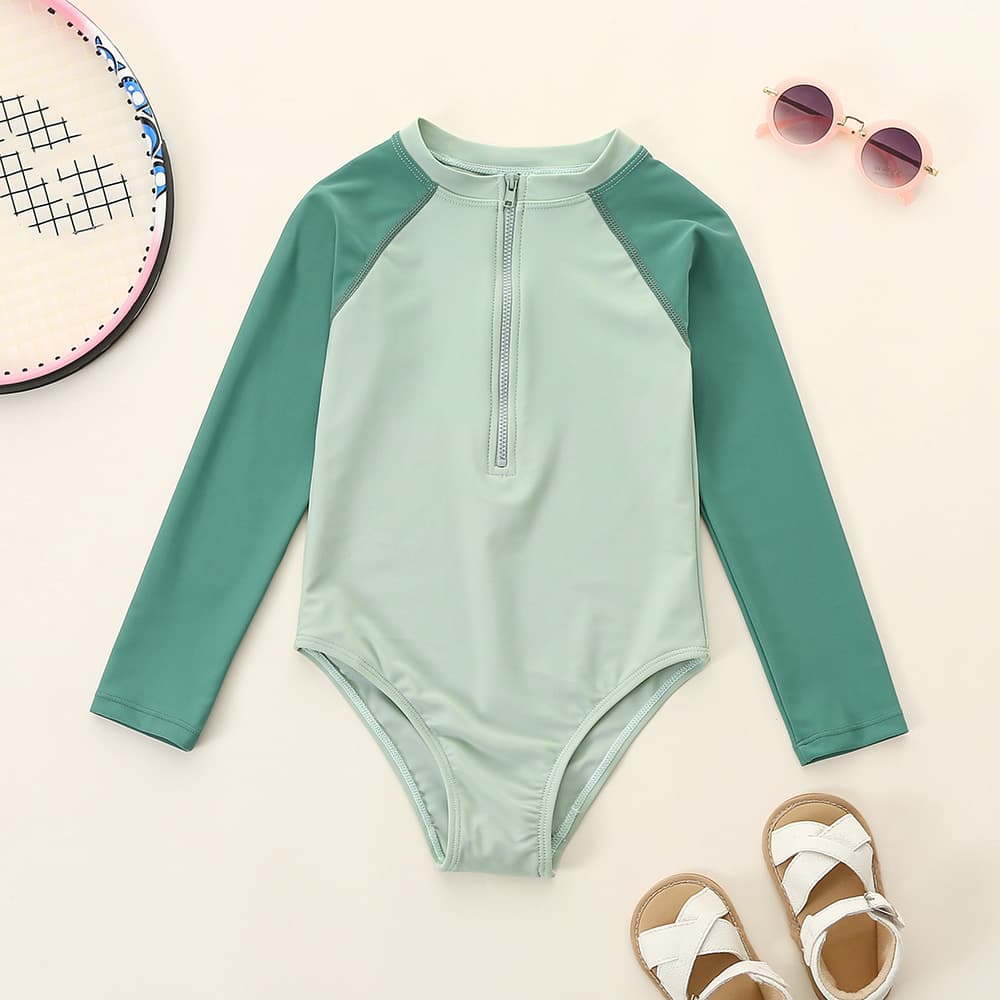 Rash Guards
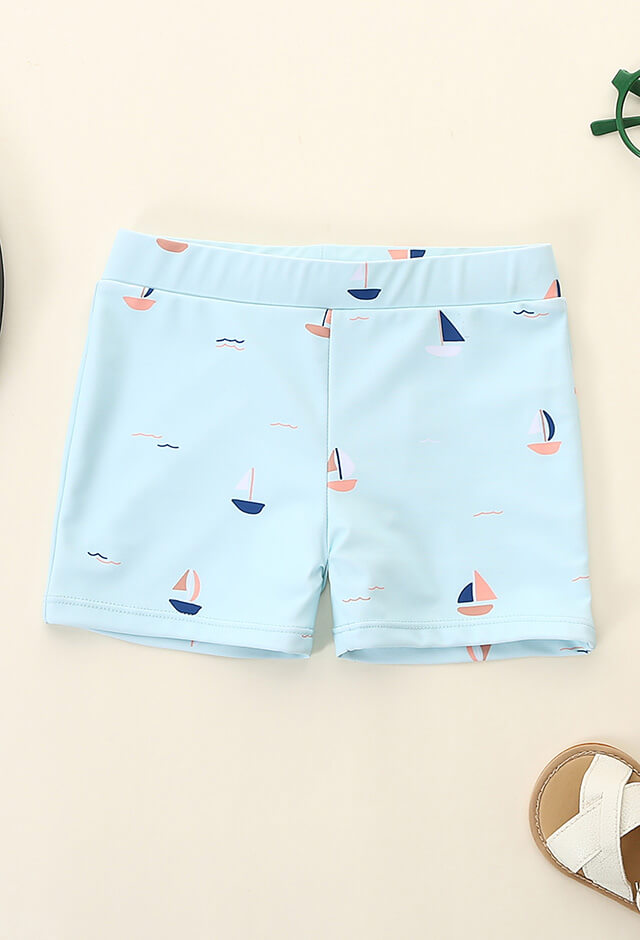 Swim Trunks
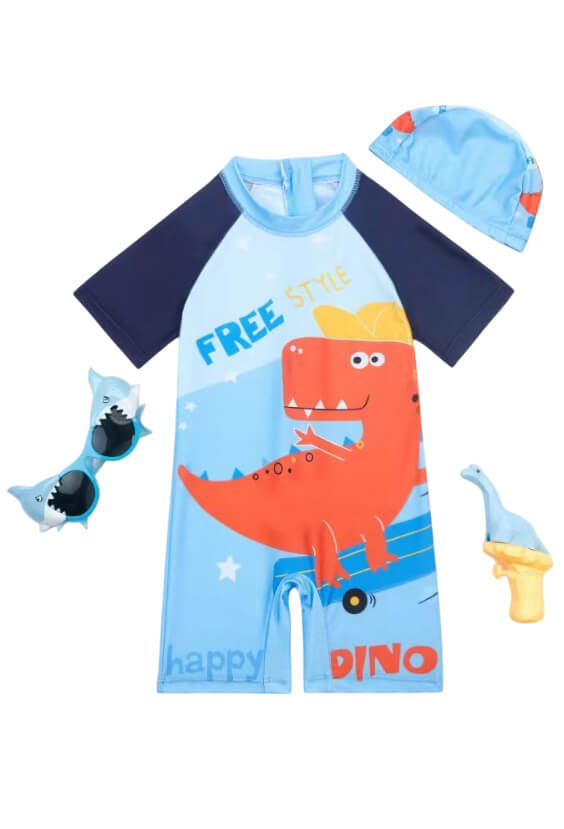 Boy Swimsuits
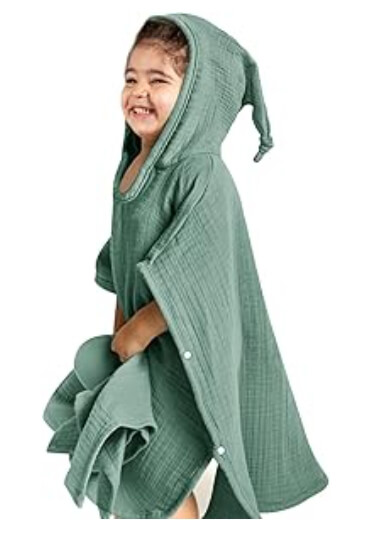 Poncho
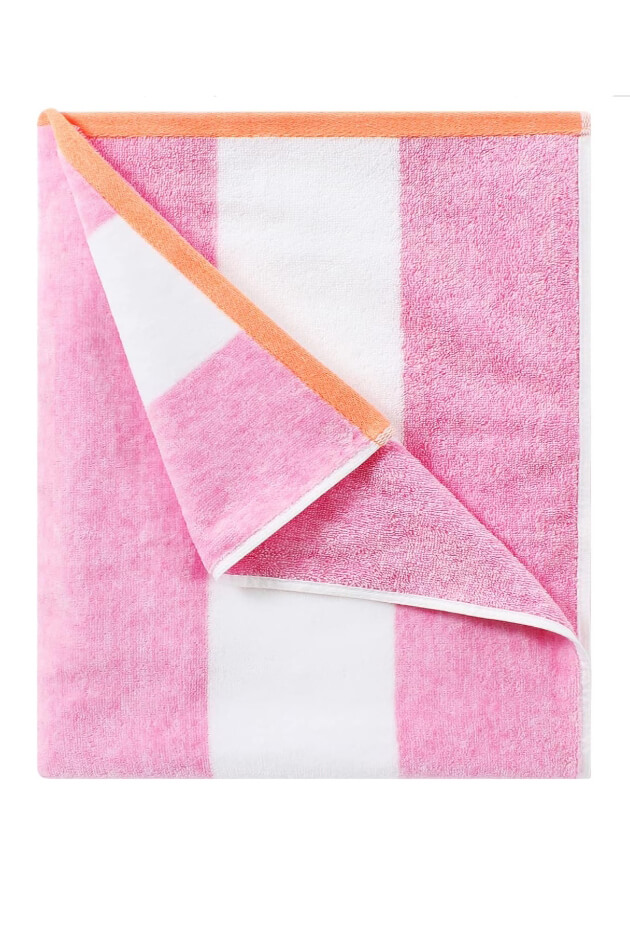 Beach Towel
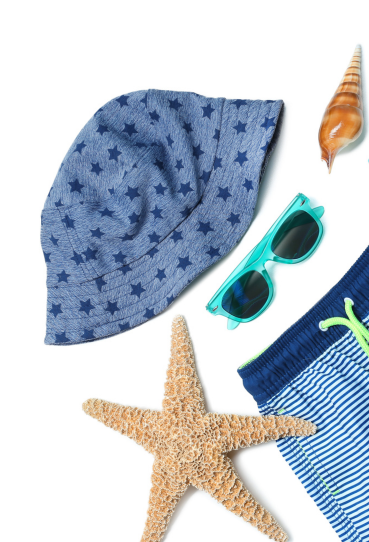 Sun Hat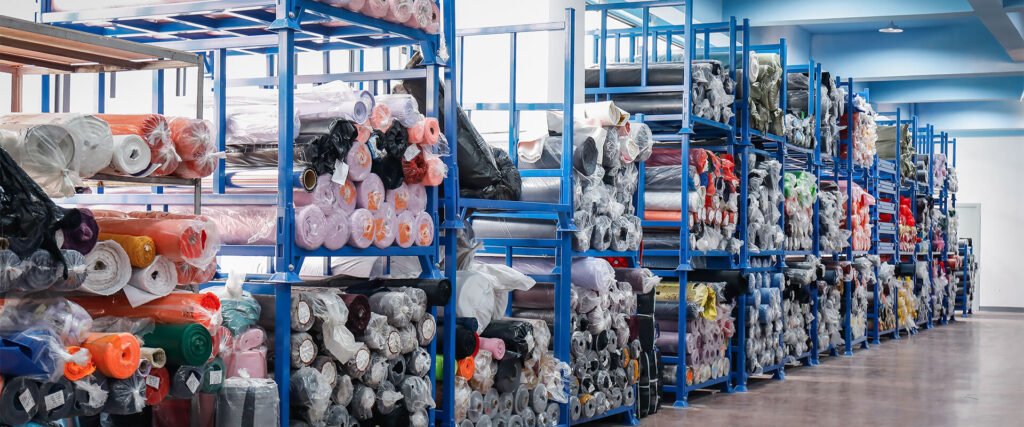
When building a successful swimwear collection, fabric selection is not just a technical decision—it’s a strategic one.
Among all available materials, nylon and polyester dominate the global swimwear industry. Yet, many brands—especially emerging labels and private label buyers—struggle to choose between them.
Should you prioritize softness and stretch?
Or durability and long-term performance?
In this comprehensive guide, we’ll break down everything you need to know about nylon vs polyester for swimwear, from performance and comfort to sustainability and cost—so you can confidently choose the right fabric for your brand.
Understanding Swimwear Fabric Basics
Before comparing nylon and polyester, it’s important to understand how swimwear fabrics are actually constructed.
Most swimwear fabrics are not pure fibers—they are blends.
Typical Composition:
Nylon / Polyester → Base fiber (structure, feel, durability)
Spandex (Elastane / Lycra) → Stretch (usually 10–25%)
This means:
Nylon = soft + flexible base
Polyester = strong + stable base
So when comparing nylon vs polyester, you’re really comparing fabric behavior, not just fiber names.
What Is Nylon in Swimwear?
Nylon (polyamide) is widely used in fashion-oriented swimwear because of its premium feel and flexibility.
Key Characteristics of Nylon:
- Ultra-soft and smooth texture
- High elasticity when blended with spandex
- Lightweight and breathable
- Excellent body-contouring ability
- Fast drying
Because of these features, nylon is often used in:
High-end bikini collections
Luxury swimwear brands
Sculpting or shaping swimsuits
Instagram-focused designs
Why Designers Love Nylon
Nylon has a “second-skin” effect, making it ideal for:
Curve-enhancing silhouettes
Minimalist designs
Fashion-forward collections
If your brand focuses on aesthetic appeal and premium positioning, nylon is often the preferred choice.
What Is Polyester in Swimwear?
Polyester is engineered for performance, durability, and resistance.
It has become increasingly popular in both kids swimwear and professional swimwear markets.
Key Characteristics of Polyester:
- High resistance to chlorine
- Strong UV resistance
- Excellent color retention
- Long-lasting shape stability
- More structured feel
Polyester is commonly used in:
Competitive swimwear
Kids swimwear
School uniforms
Water park and rental swimwear
Why Manufacturers Prefer Polyester
From a factory perspective, polyester offers:
Lower defect rates
Better long-term performance
More stable production outcomes
If your focus is functionality, durability, and repeat use, polyester is the stronger choice.
Nylon vs Polyester: Detailed Comparison
Let’s break down the key differences in a structured way.
Comfort & Hand Feel
Nylon: Silky, soft, luxurious
Polyester: Slightly firmer, less smooth
Winner: Nylon
This is why nylon dominates premium and fashion swimwear.
Stretch & Fit
Nylon: Superior elasticity and recovery
Polyester: Less stretch unless blended heavily
Winner: Nylon
Nylon creates a tighter, more flattering fit—important for branding.
Durability
Nylon: Good, but degrades faster over time
Polyester: Extremely durable
Winner: Polyester
Chlorine Resistance
Nylon: Sensitive to chlorine
Polyester: Highly resistant
Winner: Polyester
Critical for:
Kids swimwear
Swim schools
Competitive training
Color Retention
Nylon: Fades faster
Polyester: Holds color longer
Winner: Polyester
UV Resistance
Nylon: Moderate
Polyester: Strong
Winner: Polyester
Important for:
Beachwear
Outdoor brands
UPF 50+ collections
4.7 Drying Speed
Both dry quickly, but polyester retains less moisture
Slight advantage: Polyester
Which Fabric Is Better for Kids Swimwear?
For your business (children’s swimwear), this is one of the most important questions.
Recommended: Polyester or Polyester-Spandex
Why?
✔ Kids use swimwear frequently
✔ Exposure to chlorine is high
✔ Parents prioritize durability
✔ Bright colors must last
Polyester provides:
Longer product lifespan
Better resistance to damage
Higher customer satisfaction
Business insight:
Using polyester reduces:
Returns
Complaints
Quality disputes
Which Fabric Is Better for Fashion Swimwear Brands?
Recommended: Nylon-Spandex
Why?
✔ Softer touch
✔ Better body shaping
✔ Premium perception
✔ More photogenic
Ideal for:
Boutique brands
Influencer brands
Private label fashion lines
Nylon helps brands sell visually, not just functionally.
Sustainability: Nylon vs Polyester
Sustainability is now a key buying factor, especially in Europe.
Polyester (Eco Advantage)
Recycled polyester (RPET) widely available
Lower cost sustainable option
Made from recycled plastic bottles
Best for:
Mass market eco lines
Nylon (Premium Eco Option)
Recycled nylon (e.g., ECONYL®)
More expensive
Strong premium branding
Best for:
High-end sustainable brands
Affordable eco Recycled polyester
Premium eco Recycled nylon
Strategic positioning:
Strategy
Affordable eco
Premium eco
Fabric
Recycled polyester
Recycled nylon
Cost Considerations for B2B Buyers
From a manufacturing perspective:
Nylon: Higher raw material cost
Polyester: More cost-efficient
What This Means for You:
Polyester:
✔ Better margins
✔ Stable production
✔ Lower risk
Nylon:
✔ Higher perceived value
✔ Better branding potential
Smart brands don’t choose one—they segment product lines.
Smart Product Strategy for Swimwear Brands
Instead of choosing nylon or polyester, leading brands use both.
Recommended Strategy:
1. Core Line (Volume Products)
→ Polyester
Kids swimwear
Basic styles
Repeat purchases
2. Premium Line
→ Nylon
Fashion pieces
Higher pricing
Branding focus
3. Eco Line
→ Recycled fabrics
EU market
Sustainability positioning
This allows you to:
Maximize profit
Serve multiple customer segments
Build a stronger brand structure
Common Mistakes Brands Make
❌ Mistake 1: Choosing fabric based only on price
→ Leads to poor product experience
❌ Mistake 2: Using nylon for heavy-use swimwear
→ Results in faster wear and complaints
❌ Mistake 3: Ignoring target market
→ Fabric must match usage
The correct approach:
Fabric = Market + Usage + Brand Positioning
Nylon vs Polyester: Quick Decision Guide
Scenario Best Choice
Kids swimwear Polyester
Competitive swimwear Polyester
High-frequency us Polyester
Fashion swimwear Nylon
Boutique brand Nylon
Eco-friendly line Recycled Polyester / Nylon
Final Thoughts
There is no universal “best fabric.”
The real question is:
What is the purpose of your swimwear?
If you want softness and visual appeal → Nylon
If you want durability and performance → Polyester
For most successful brands, the answer is not either/or—
it’s a combination of both.
Work With the Right Swimwear Manufacturer
Choosing fabric is only the beginning.
A professional manufacturer will help you:
- Select the right fabric for your market
- Customize materials (nylon, polyester, recycled)
- Ensure quality and compliance
- Optimize cost and production
At Senvyn, we support:
✔ Private label swimwear development
✔ Low MOQ from 100 pieces
✔ Fast sampling (3–5 days)
✔ Production in 20–25 days
Ask for a sample. Decide with confidence.