
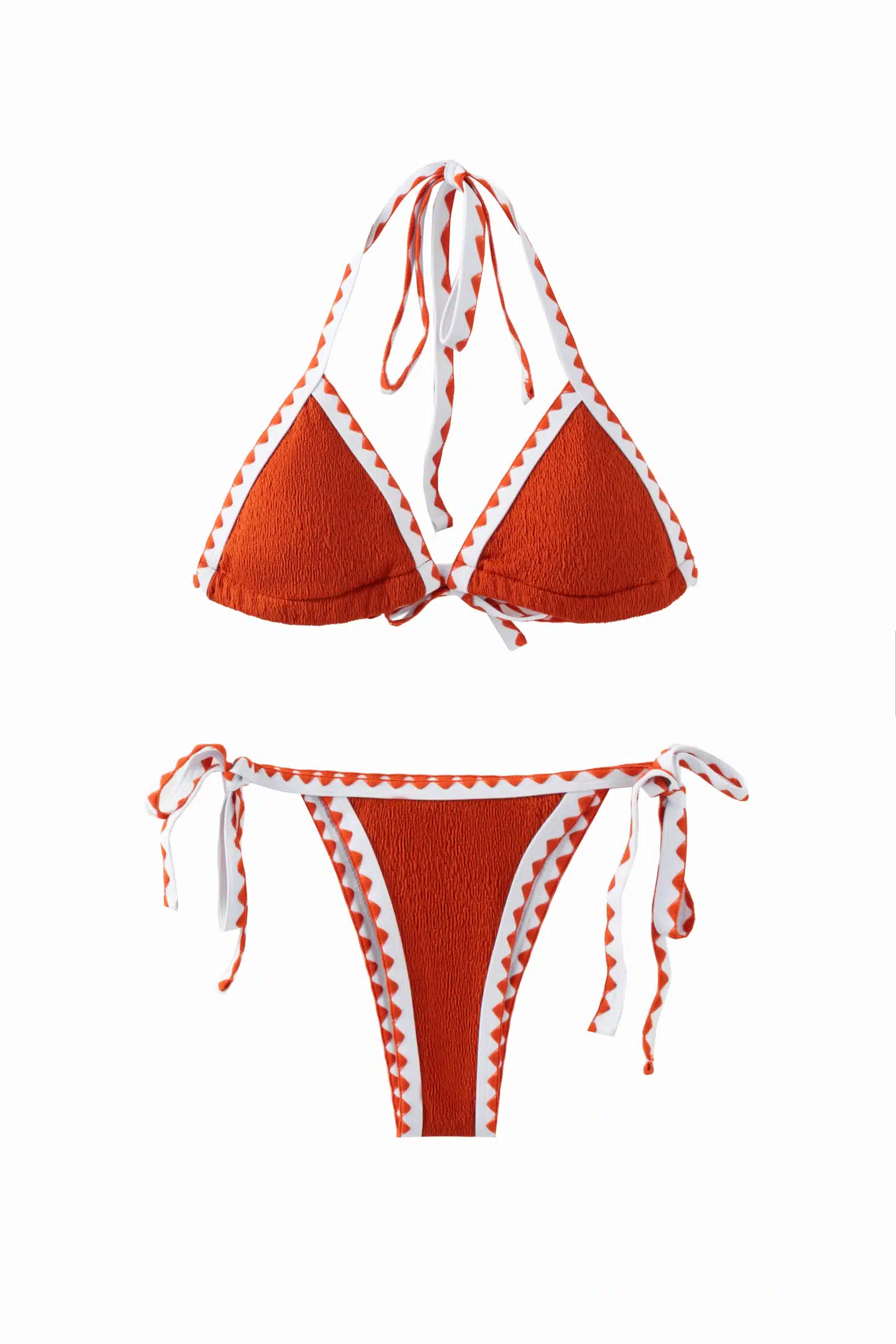
 Bikini
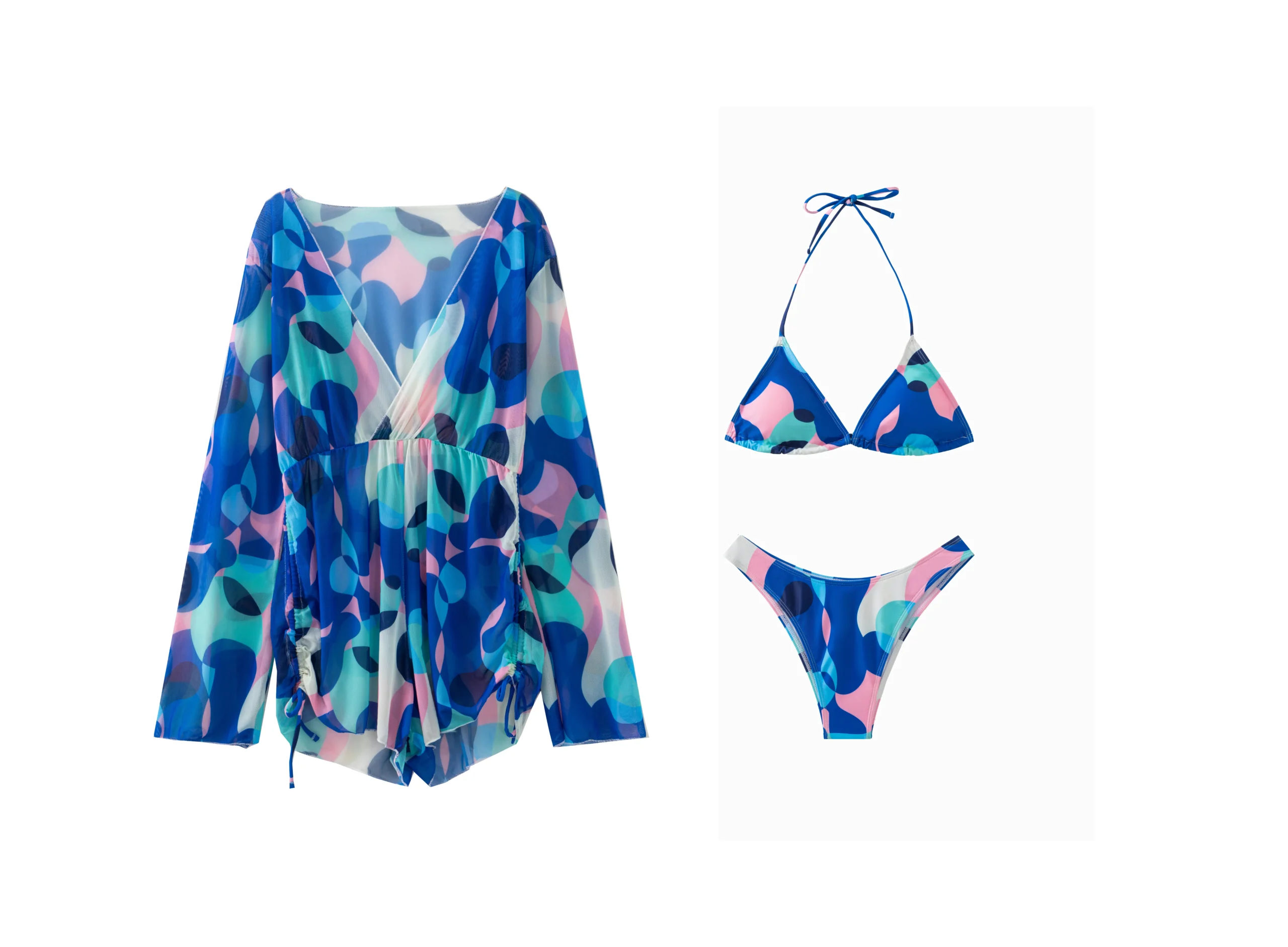 Bikini Cover-Up Set
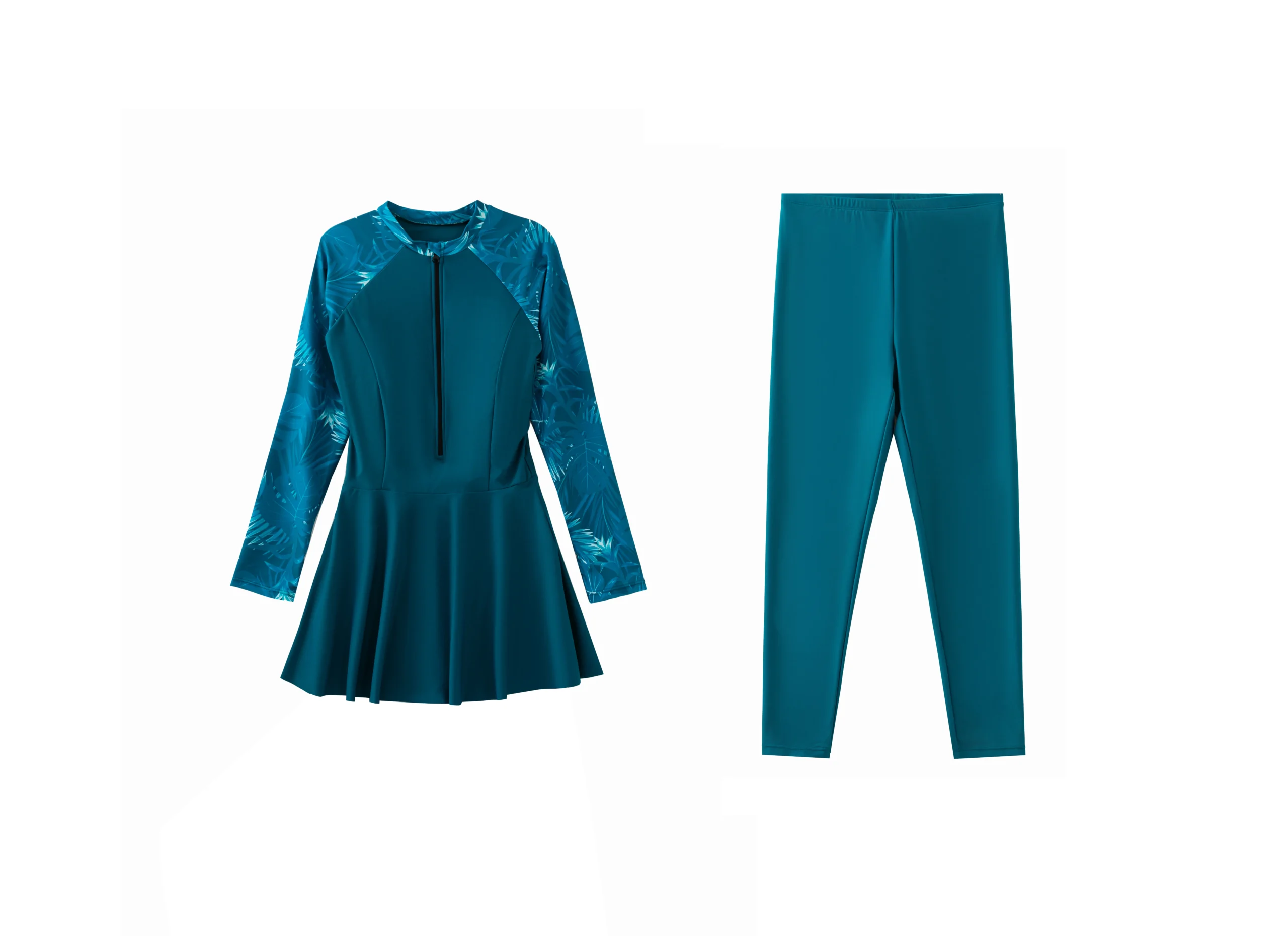 Burkini Swimwear
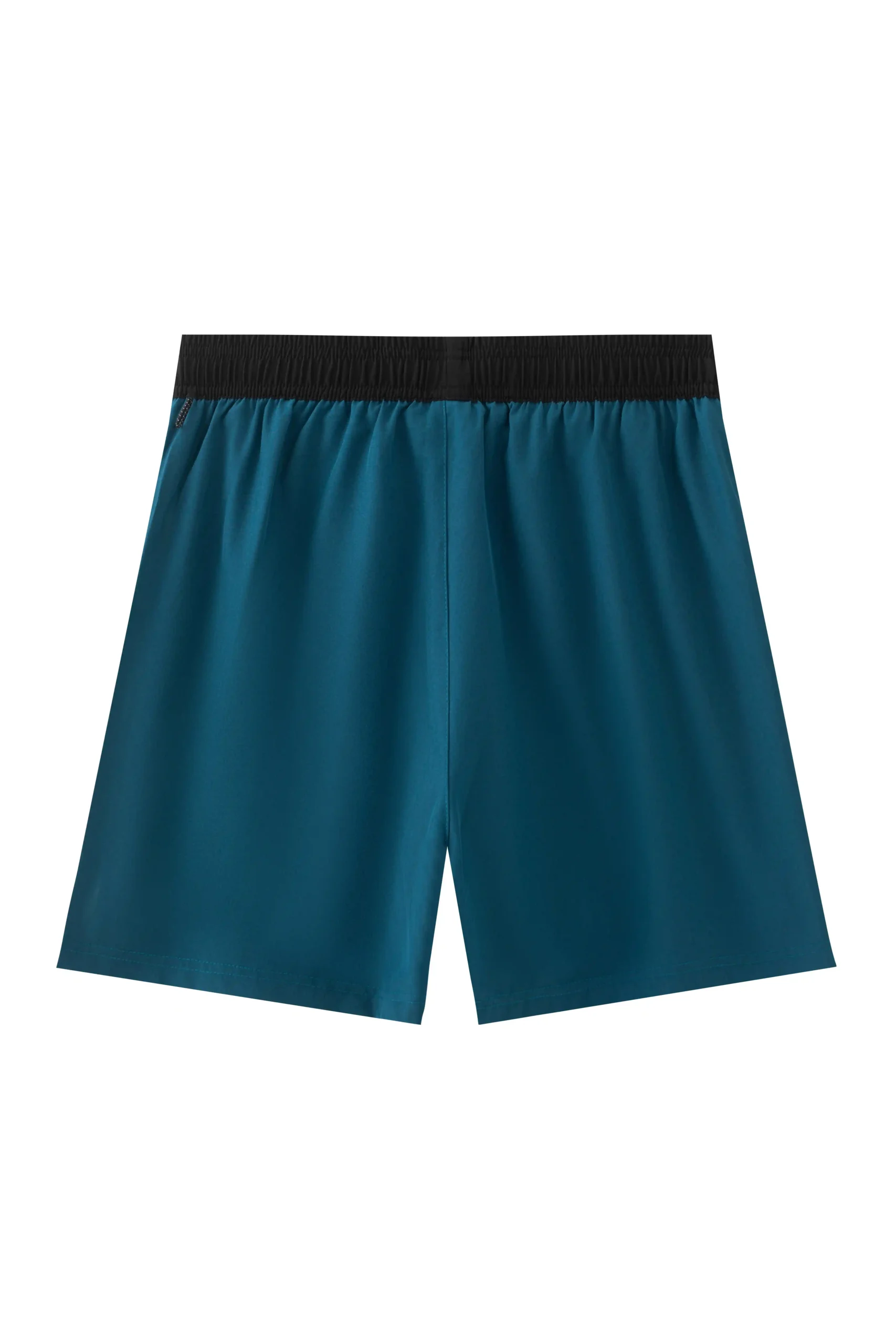 Men Swimwear
 One-Piece Swimsuits
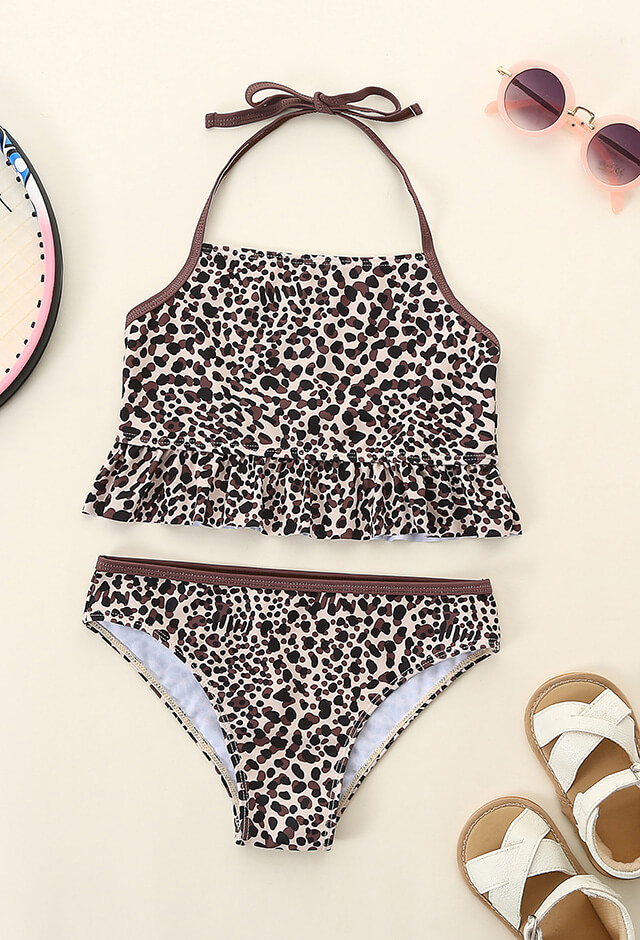 Two-Piece Swimsuits
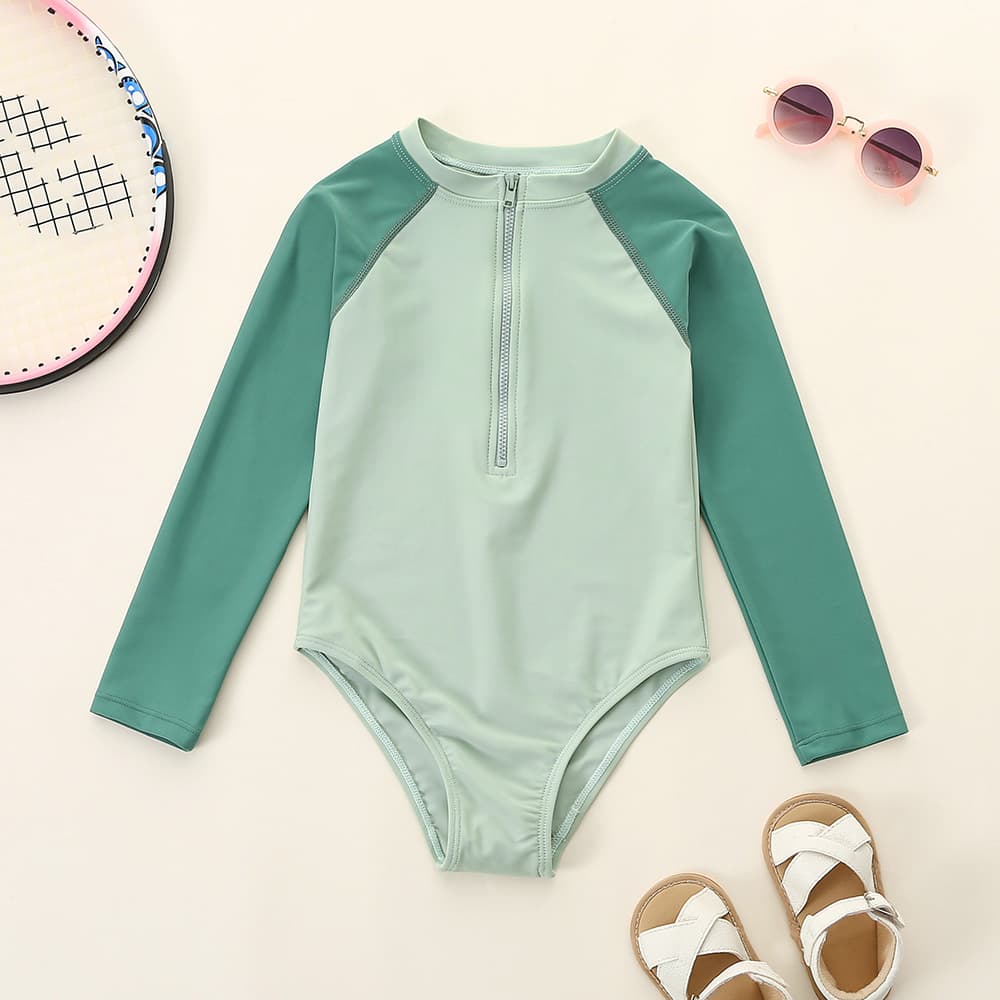 Rash Guards
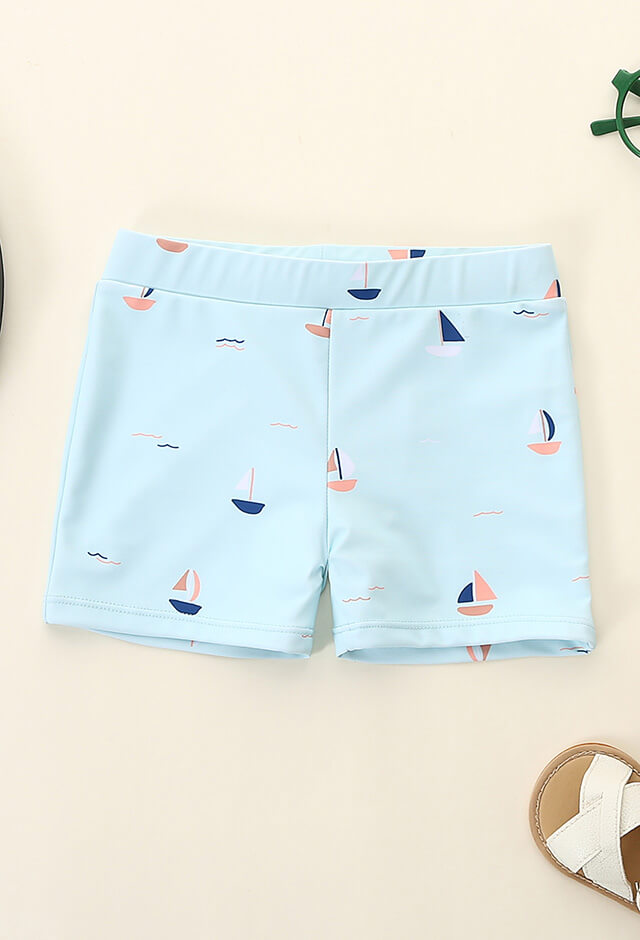 Swim Trunks
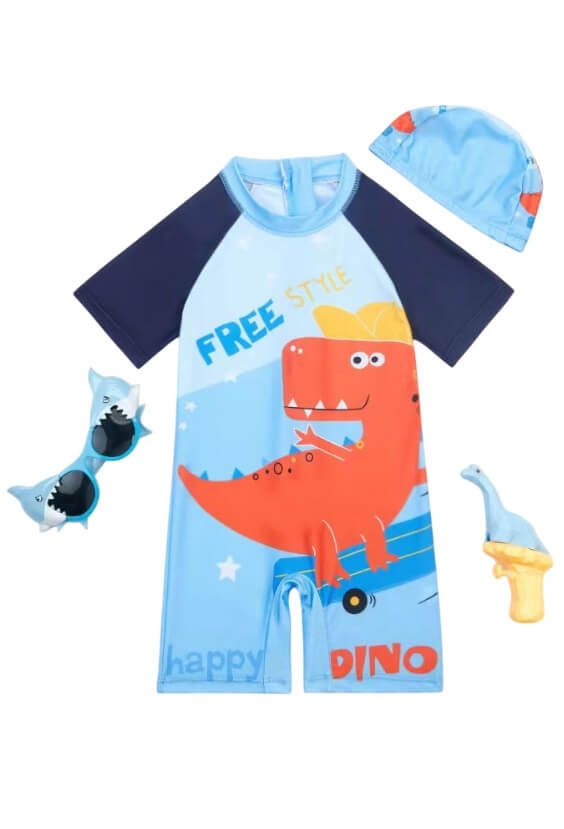 Boy Swimsuits
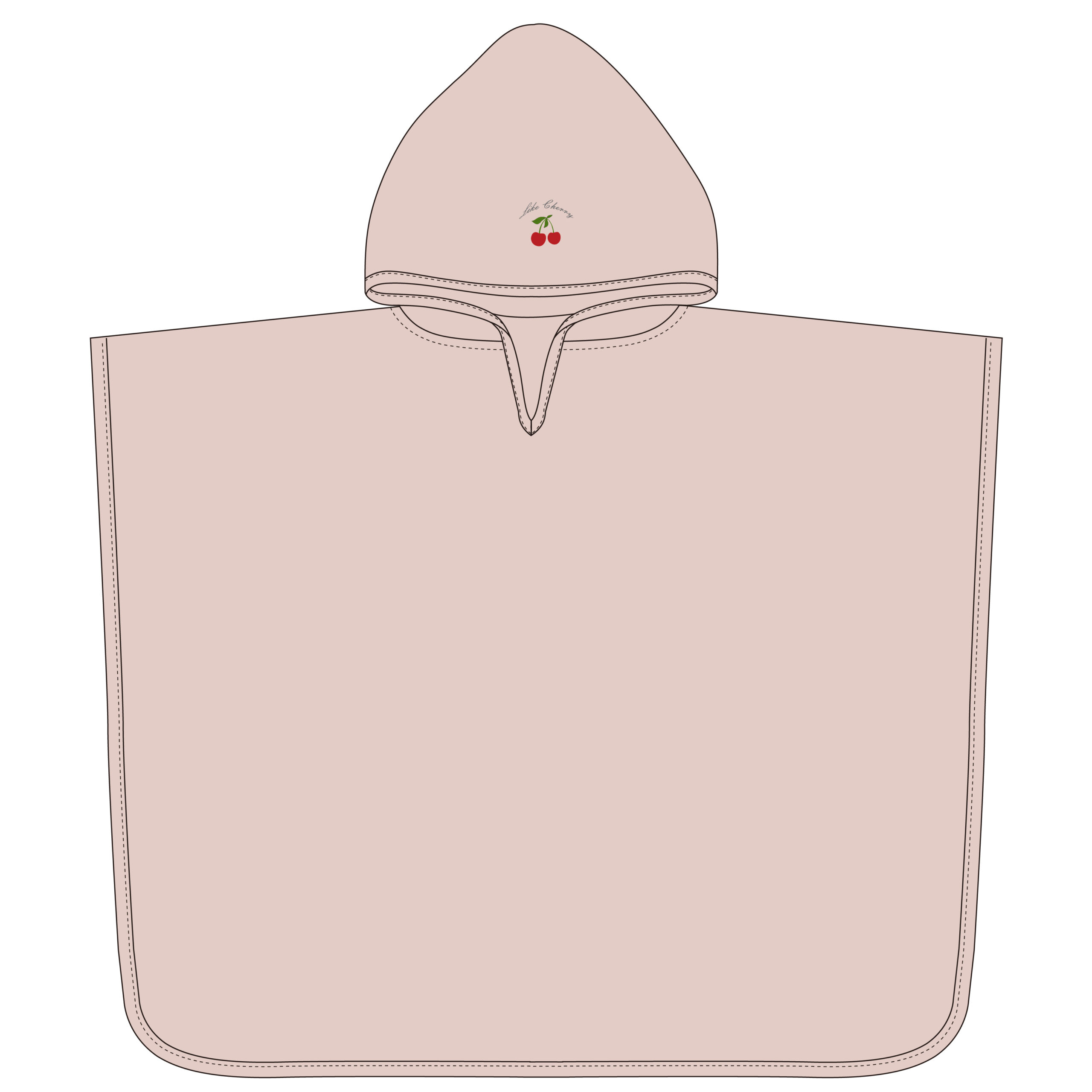 Poncho
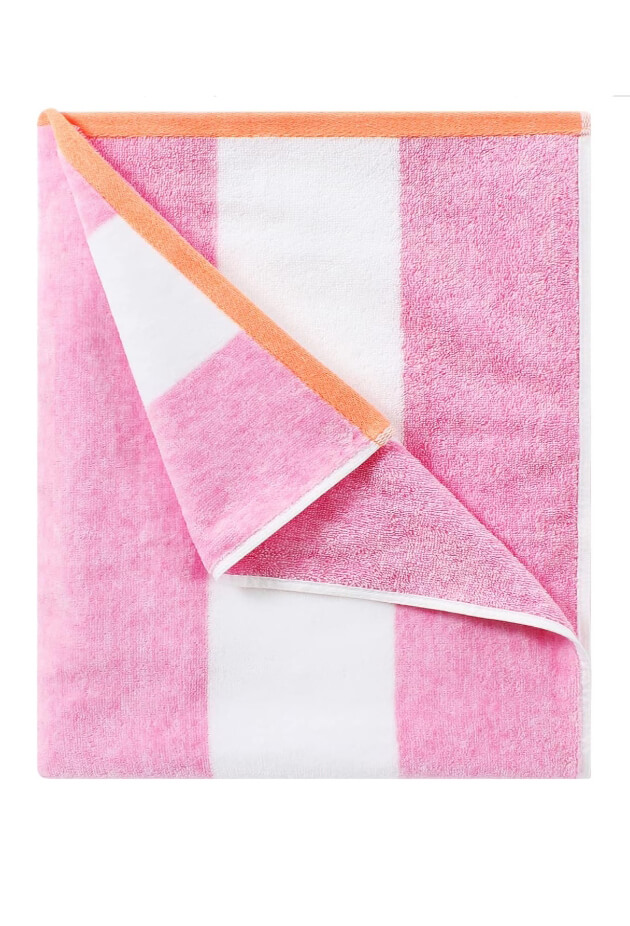 Beach Towel
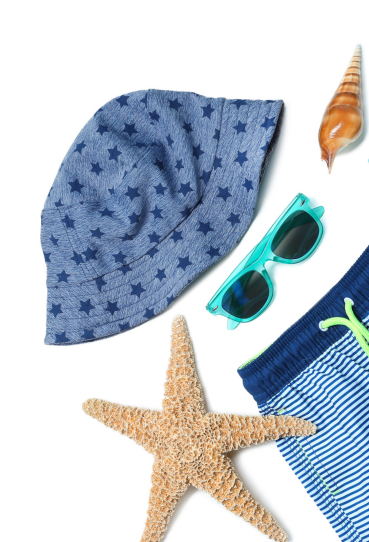 Sun Hat

Swimwear design sampling turns sketches and specifications into physical garments that can be assessed before bulk production. It gives designers and brands a way to review fit, coverage, materials, construction, and appearance while changes are still possible. The goal is not simply an attractive prototype: it is a documented design that a manufacturer can reproduce against agreed specifications.
What is swimwear design sampling?
Swimwear design sampling is the development process used to translate a swimwear concept into an approved physical garment. It brings together pattern development, material selection, sample construction, fitting, and revisions. Each round should resolve specific questions about how the garment looks, feels, and functions rather than produce another version without a clear purpose.
A sketch communicates an idea, but it cannot confirm whether a neckline stays secure or a leg opening feels comfortable. Those details depend on the relationship between the pattern, fabric, lining, elastic, and construction. Evaluating them together is essential to meaningful sample development.
Before requesting swimwear samples, define what each one needs to prove. You might prioritize silhouette in an early prototype, then review fit and construction before checking final colors and trims. Ask your manufacturer to explain its sample stages so both sides understand what approval means.
Start with a focused design brief
Give your sampling partner a decision-ready brief rather than a mood board alone. Include visual references, but explain which elements matter: perhaps the strap placement, coverage, or finish—not every feature of the reference garment. A technical pack should communicate the specifications that need to become a physical product.
Use this checklist to organize your handover:
- Customer and activity: Describe the intended wearer and whether the style is for swimming, beach lounging, or another defined use.
- Design drawings: Show front and back views, with close-ups of distinctive details.
- Fit expectations: Specify intended coverage, support, adjustability, and the base sample size.
- Materials: Identify proposed outer fabric, lining, elastic, cups, hardware, and labels.
- Measurements: Define measurement points and show how each should be taken.
- Open decisions: Flag anything that needs the manufacturer’s recommendation rather than leaving it ambiguous.
For a swimwear collection, separate shared details from style-specific instructions. Keep common label placement or hardware finishes in a collection reference, then document each garment’s differences. This gives reviewers a straightforward way to distinguish deliberate variation from an inconsistency.
Choose materials for the intended experience
Fabric selection should account for stretch, recovery, weight, coverage, and hand feel—not composition alone. Stretch describes how a material extends; recovery describes its ability to return after stretching. Both matter when evaluating whether a swim design delivers the intended fit.
Review the outer fabric and lining as a combination. A lining contributes to coverage, comfort, and the garment’s overall feel, so it should be part of development rather than a finishing decision. Ask for the proposed pairing in the sample instead of approving the outer material in isolation.
Request fabric specifications and available performance evidence from the supplier. Chlorine resistance, resistance to sun care products, and UV protection are material-specific characteristics; verify them against the selected fabric’s documentation rather than assuming every swimwear textile performs alike.
Where substitutes are necessary, label them clearly in the sample record. Write down which decisions remain provisional, and schedule another review using the intended materials. Treat that review as a separate approval step, not an administrative formality.
How should you evaluate swimwear samples?
Evaluate swimwear samples against the brief, measurement specifications, and intended use, then assess them on the body during movement. Review appearance, coverage, support, comfort, and workmanship together. A garment that looks convincing on a hanger still needs fitting and functional checks before approval.
Create a repeatable fitting routine so successive versions are comparable:
- Identify the sample. Record the style code, size, version, fabric, and fitting date before reviewing it.
- Check measurements. Compare the garment with the specification and note exactly where differences occur.
- Review stationary fit. Photograph front, side, and back views, with the wearer’s permission.
- Add relevant movement. Ask the wearer to reach, sit, bend, and move in ways that reflect the intended use.
- Record specific observations. Describe what shifts, presses, gaps, or feels restrictive, and where it happens.
- Separate problems from solutions. Document the issue before agreeing on the pattern or construction change.
Avoid comments such as “make it more flattering.” Prefer an observable note like “the back waist edge shifts downward when sitting.” Specific feedback gives the pattern maker a clearer problem to investigate and makes the next review easier to compare.
Keep fitting observations separate from performance claims. A successful try-on is useful evidence about that sample’s fit, but it does not replace appropriate testing of properties such as stretch and recovery.
Give construction the same attention as silhouette
Swimwear seams need to accommodate the garment’s stretch without overstressing the sewing thread. Thread choice, stitch construction, and the amount of thread incorporated into a seam all contribute to its behavior. Coats emphasizes that sewing recommendations are starting points and must suit the particular fabric and garment construction.
During review, ask the sample maker to examine seam stretch alongside appearance. Include elastic application, bulky joins, strap attachments, and areas where hardware meets fabric in the discussion. Record close-up photographs of concerns rather than relying on a general instruction to improve workmanship.
For each issue, request a proposed correction and identify what will be checked next time. If an edge feels restrictive, for example, ask the developer to investigate the construction rather than prescribing a longer elastic immediately. Keep the diagnosis open until the relevant components have been reviewed.
Use swimwear trends as a filter, not the brief
When considering swimwear trends, translate inspiration into a customer need before adding it to development. Instead of requesting a feature simply because it appears in reference images, explain its intended role. A decorative strap might support the visual concept, while adjustability might be a separate functional requirement.
Choose which swimwear styles deserve sampling first by giving each a clear job within the range. You could prioritize a core silhouette, a more expressive design, and a coordinating separate. Treat this as a planning exercise rather than a requirement to develop every idea at once.
Before commissioning another sample, ask:
- Does this style serve a distinct wearer preference or occasion?
- Is the difference meaningful beyond a new color?
- Which design feature needs physical testing?
- What result would justify keeping the style in the collection?
When is a sample ready for production?
A sample is ready for production approval when the agreed fit, materials, construction, appearance, and specifications have been confirmed and documented. The approved garment becomes a reference for manufacturing, but it must be supported by clear written requirements. Approval should identify what has been accepted, not leave unresolved substitutions or changes implicit.
Check the planned size range before treating one successful fitting as sufficient. Grading—the changes in dimensions between sizes—needs its own review, and a satisfactory base-size sample does not demonstrate equivalent coverage or support across the range. Agree on which additional sizes require physical fitting.
Assemble an approval file containing the final specification, material references, dated photographs, revision history, and outstanding actions. Ask the manufacturer to confirm how the approved reference will be retained and used. If anything changes after sign-off, reopen the affected decision rather than assuming the earlier approval still applies.
Make every sampling round answer a question
Approach design sampling as a sequence of deliberate decisions: define the requirement, inspect the result, document the issue, and verify the correction. Give each round a short list of objectives and carry unresolved points forward visibly. That discipline keeps creative intent connected to the practical work of developing the garment.
Before sending your next brief, identify the most important uncertainty your sample must resolve. Start there, agree on how it will be assessed, and make approval an explicit decision.