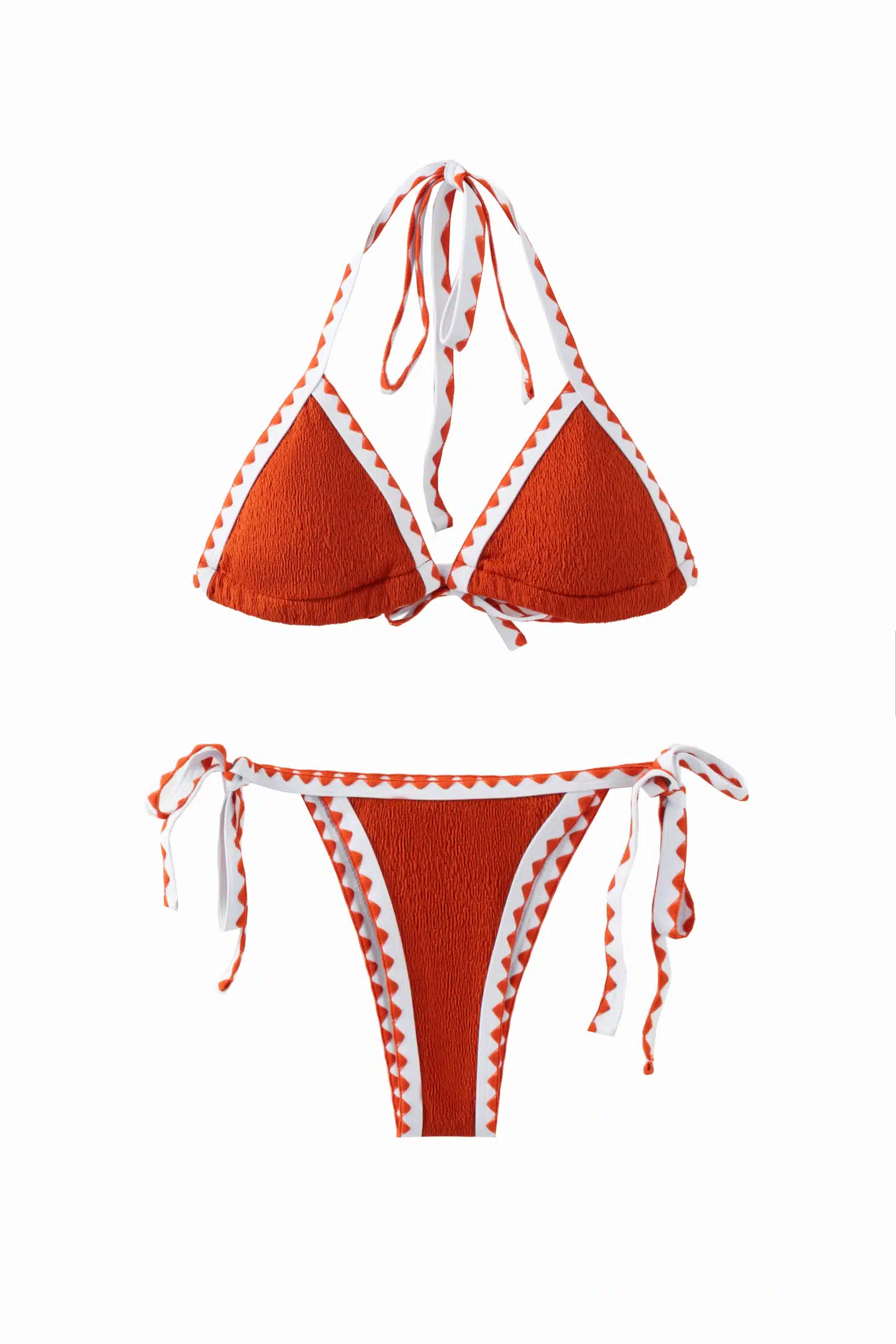
 Bikini
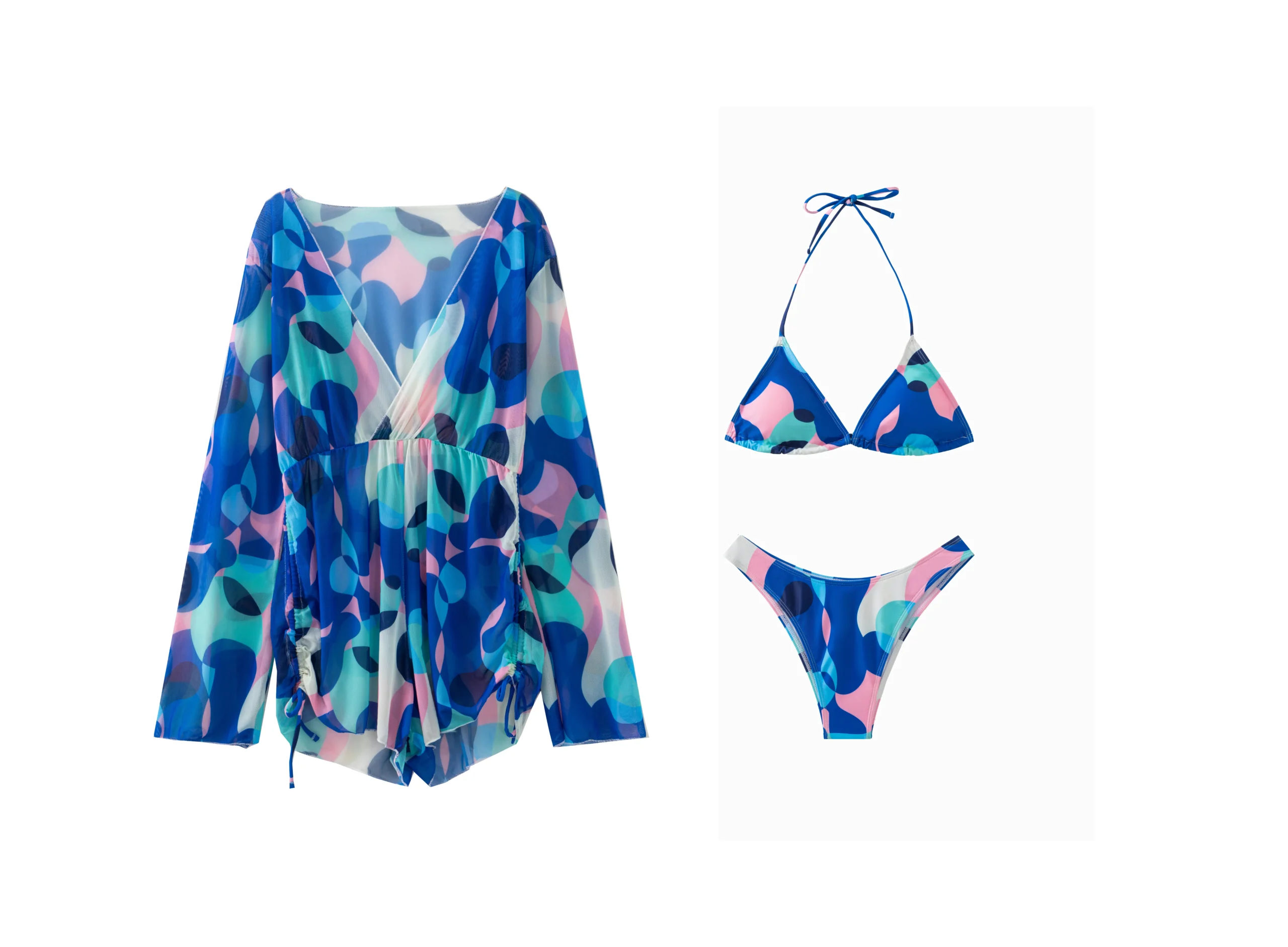 Bikini Cover-Up Set
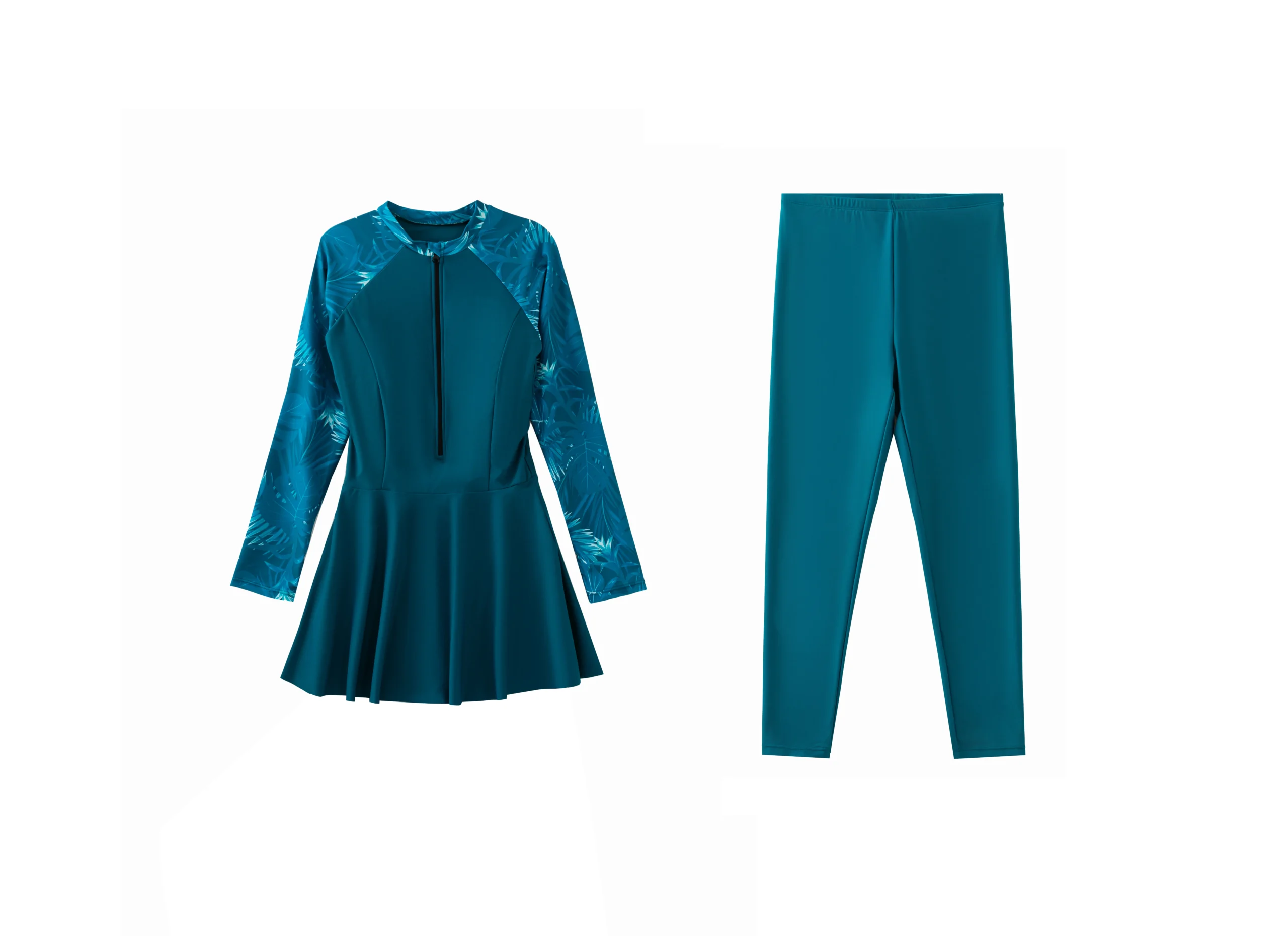 Burkini Swimwear
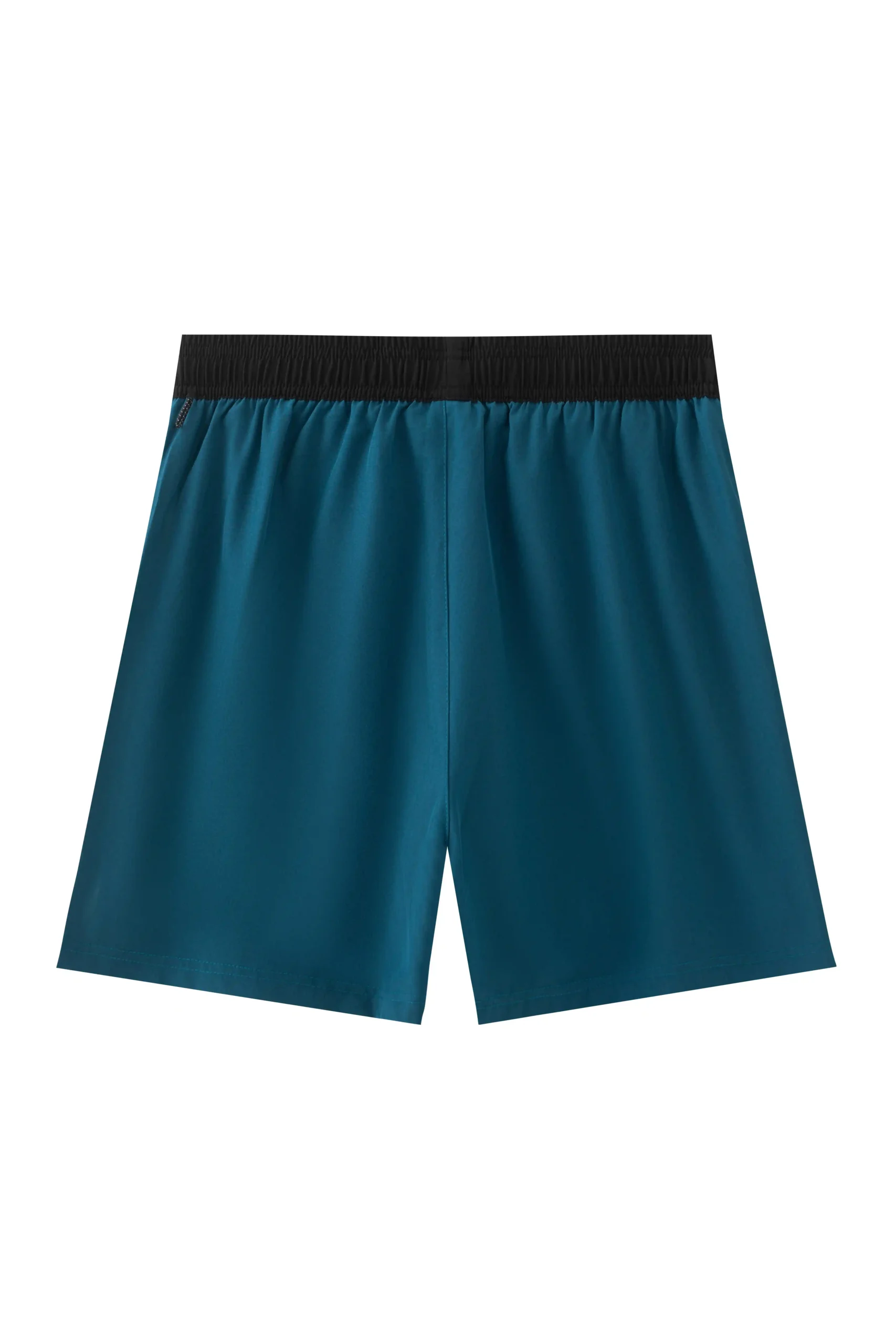 Men Swimwear
 One-Piece Swimsuits
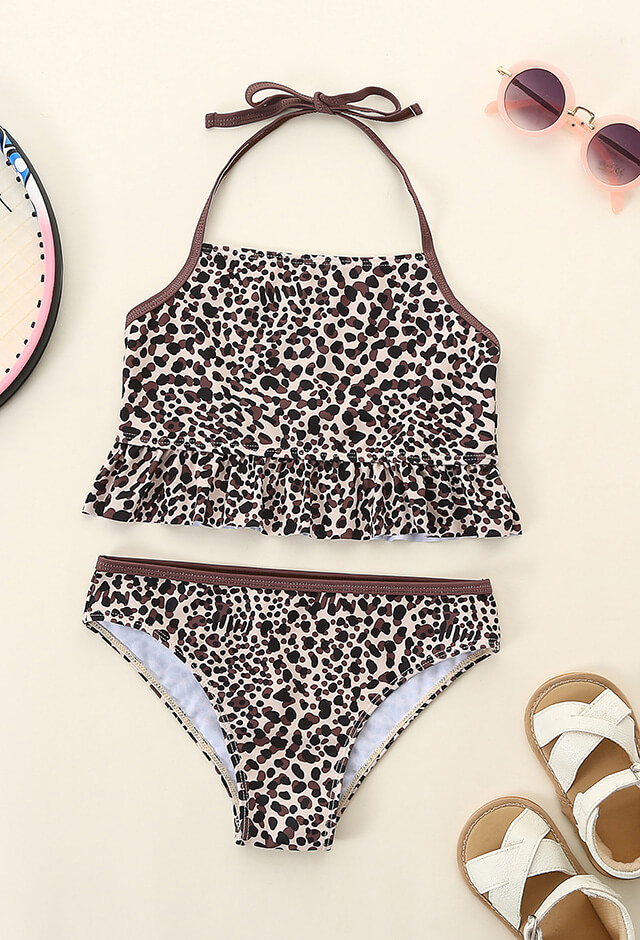 Two-Piece Swimsuits
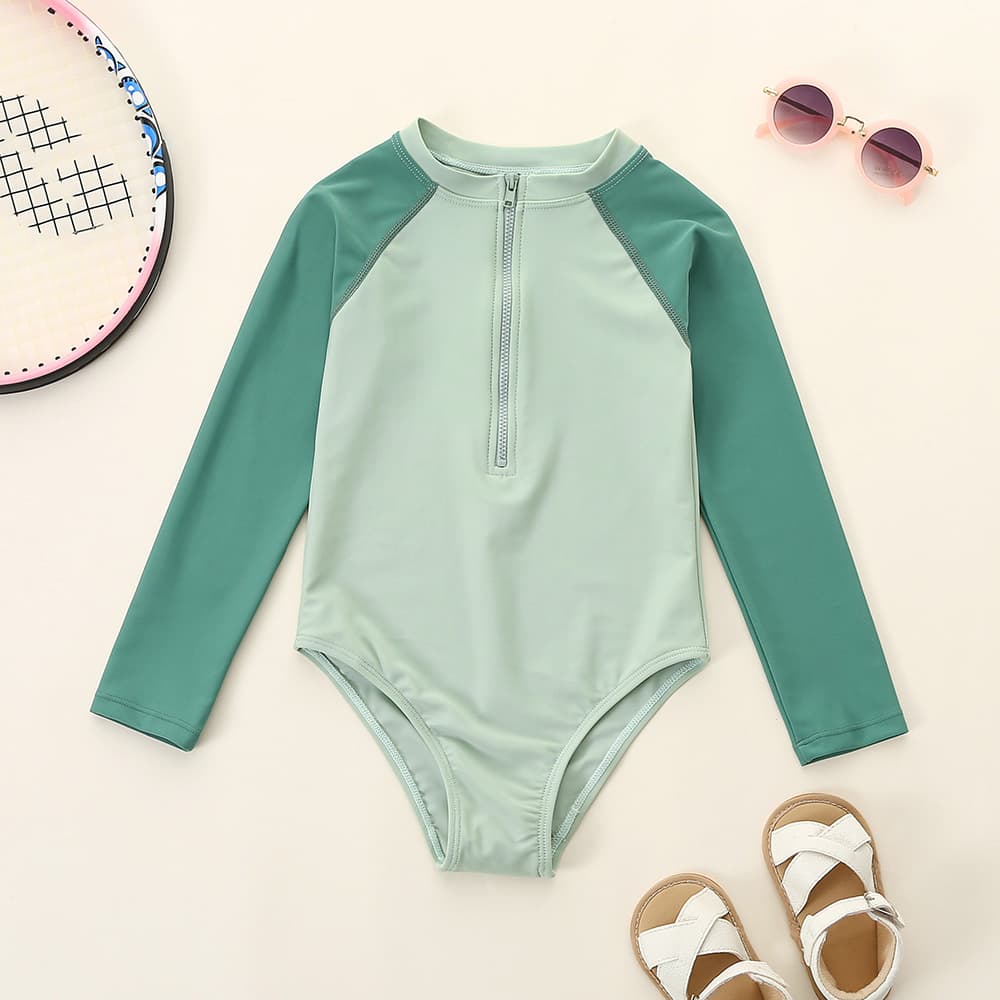 Rash Guards
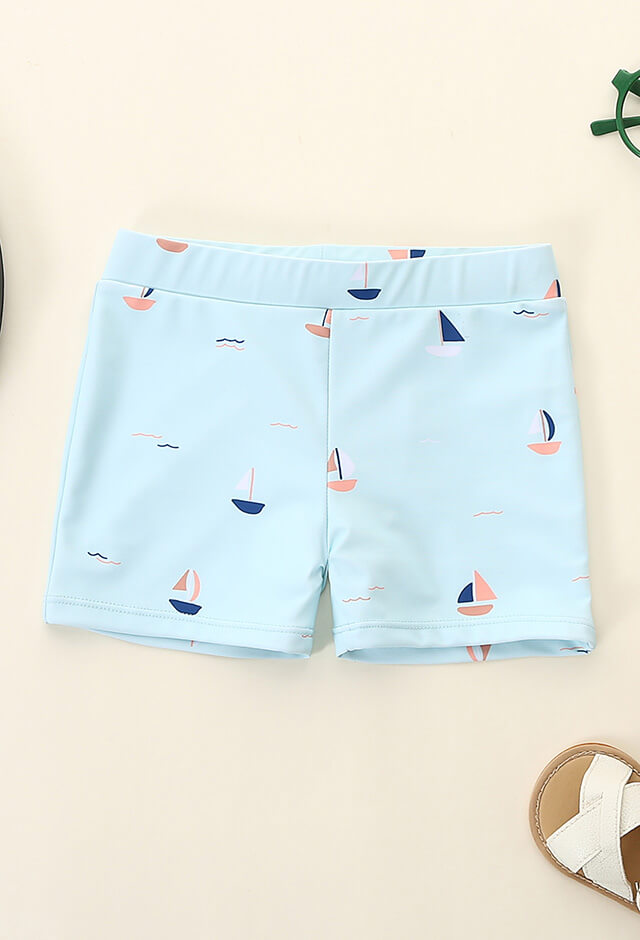 Swim Trunks
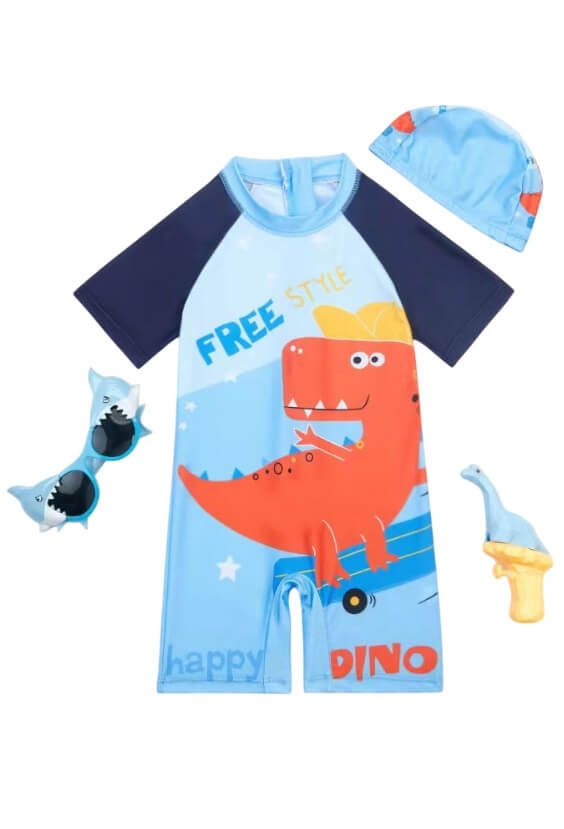 Boy Swimsuits
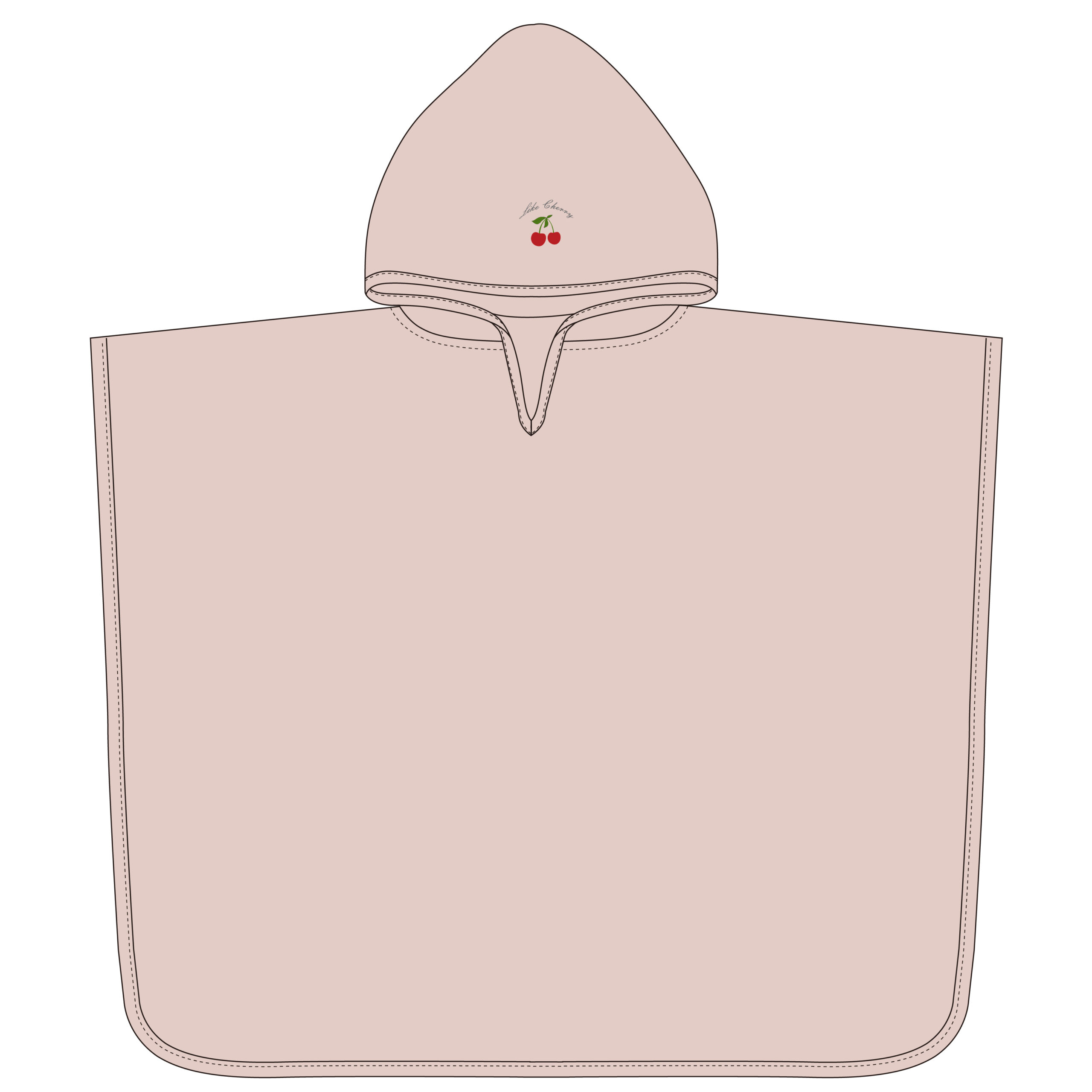 Poncho
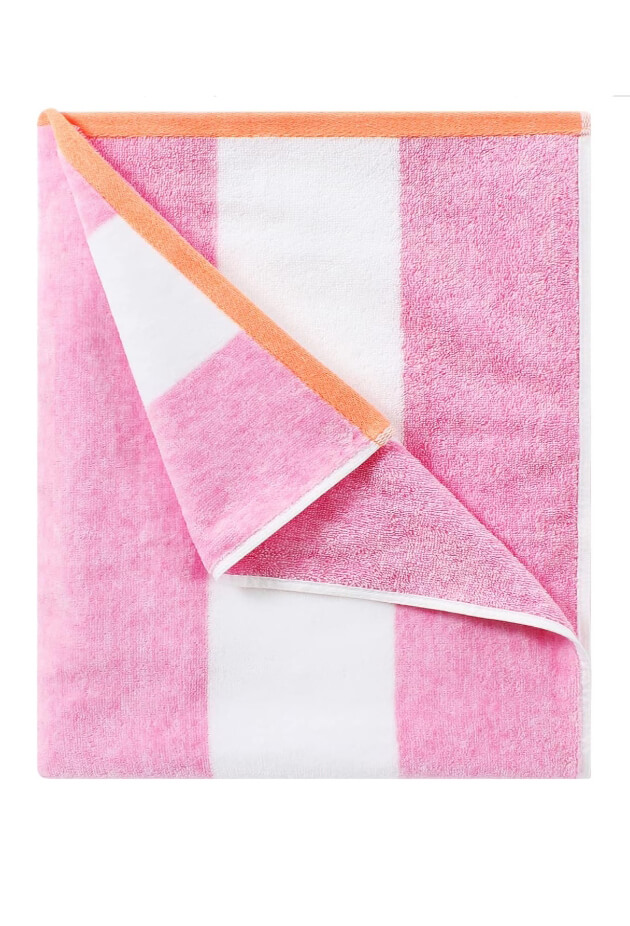 Beach Towel
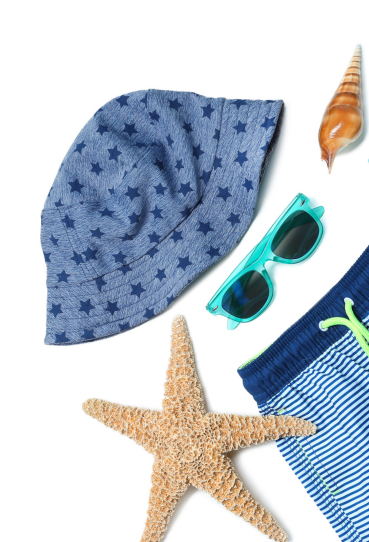 Sun Hat

Launching a baby swimwear collection is an exciting opportunity for swimwear brands, children’s clothing retailers, and entrepreneurs. Parents want swimsuits that feel comfortable, fit well, and look adorable. For brands, the challenge is finding the right balance between design, functionality, quality, and production cost.
That’s where custom baby swimsuits make a difference.
Instead of relying on ready-made styles, brands can develop their own collections with unique prints, carefully selected fabrics, and thoughtful details. Working with an experienced baby swimwear manufacturer also makes it easier to manage sampling, production, and quality control.
In this guide, we’ll walk through the key steps of developing custom baby swimwear, from choosing suitable materials to finding a reliable manufacturing partner.
1. Why Custom Baby Swimsuits Are Worth Considering
Baby swimwear may look simple, but there’s more to a good swimsuit than a cute print.
Parents pay attention to how a swimsuit feels against their baby’s skin, whether it’s easy to put on and remove, and how well it stays in place during water activities.
For brands, customization creates opportunities to address these needs while developing a recognizable product range.
With custom baby swimsuits, you can:
- Create original colors, prints, and seasonal collections.
- Choose fabrics that match your brand’s quality expectations.
- Develop comfortable fits for different baby age groups.
- Add your own woven labels, care labels, and packaging.
- Coordinate baby swimwear with children’s or family collections.
- Maintain consistent designs across future production orders.
Customization is particularly useful for boutiques, online swimwear brands, and retailers that want something different from standard wholesale products.
It also gives you more control over product details instead of being limited to a supplier’s existing catalog.
2. Popular Types of Custom Baby Swimwear
Before contacting a manufacturer, it’s helpful to decide which styles belong in your first collection.
Different designs serve different purposes, and each comes with its own construction requirements.
Baby One-Piece
One-piece swimsuits are a popular choice for baby girls. They can feature simple silhouettes, playful prints, soft ruffles, or coordinated color combinations.
For younger babies, brands may consider designs with carefully constructed closures that make changing easier.
Comfortable leg openings and suitable stretch are especially important.
Baby Rash Guard Sets
Rash guard sets usually combine a swim top with matching bottoms.
Long-sleeve versions provide additional skin coverage, making them attractive to parents looking for practical beach and pool clothing.
Brands can customize sleeve lengths, necklines, prints, and coordinating bottoms.
Where UV protection claims are made, appropriate fabric and finished-garment testing should support them.
Baby Swim Trunks
Baby swim trunks are another versatile product for swimwear collections.
They can be developed with soft waistbands, adjustable details where appropriate, and custom prints that match the rest of your range.
Avoid uncomfortable trims or components that could create safety concerns.
Baby Swim Sets
Matching two-piece swim sets give brands room to experiment with different shapes and color combinations.
They can also form part of larger sibling or family matching collections.
When planning your assortment, start with a few strong styles rather than too many variations. This makes sampling, inventory planning, and quality control more manageable.
3. Choosing the Right Fabrics for Baby Swimsuits
Fabric selection plays an important role in comfort, fit, and durability.
Babies have sensitive skin, so materials should feel smooth and allow comfortable movement. Swimwear also needs to perform well when exposed to water, stretching, and repeated washing.
Common fabric options include:
Nylon and Spandex Blends
Nylon-spandex fabrics are widely used in swimwear because they offer elasticity and a smooth hand feel.
They work well for fitted one-piece swimsuits, rash guards, and stretchy swim bottoms.
Polyester and Spandex Blends
Polyester blends are another common choice, particularly for printed swimwear.
Depending on the fabric construction and finishing, they can offer good color retention and durability.
Recycled Swimwear Fabrics
For brands developing more environmentally conscious collections, recycled nylon or recycled polyester may be worth exploring.
Ask your supplier about available certifications, recycled content documentation, and traceability before making sustainability claims.
Fabric Details That Matter
When choosing fabrics for custom baby swimsuits, consider:
- Softness and comfort against the skin
- Stretch and recovery
- Colorfastness to washing and pool water
- Opacity when wet
- Resistance to pilling
- Appropriate fabric weight
- Performance after repeated use
Request fabric swatches before selecting materials for your collection.
An experienced infant swimwear manufacturer can help you compare fabric options based on your designs, target price, and intended market.
4. How to Develop Custom Baby Swimsuits Step by Step
Turning an idea into a finished baby swimsuit involves several stages.
Understanding the process helps brands prepare the right information and avoid unnecessary changes during production.
Step 1: Share Your Design Ideas
Start with sketches, reference photos, mood boards, or a technical design file.
Explain the styles you want, your target age range, preferred fabrics, colors, and expected quantities.
You don’t necessarily need a complete tech pack to begin a discussion, although detailed specifications will make development more efficient.
Step 2: Select Fabrics and Trims
Your manufacturer can help source suitable fabrics, linings, labels, and other components.
This is also the stage to confirm print methods and color references.
Step 3: Develop Patterns and Sizes
Baby swimsuit patterns require careful consideration of body proportions, movement, and intended fit.
A good pattern should account for fabric stretch and the construction of each style.
Clear size charts help keep the collection consistent.
Step 4: Create Samples
Sampling allows you to review the actual garment before committing to bulk production.
Check the fit, stitching, fabric feel, appearance, and ease of dressing.
Request adjustments where necessary.
Step 5: Approve the Pre-Production Sample
Once the design has been refined, confirm the final sample, materials, measurements, artwork, and packaging requirements.
Documenting these details helps establish a consistent production standard.
Step 6: Begin Bulk Production
After approval, the factory can arrange material preparation, cutting, sewing, finishing, inspection, and packing.
This structured approach is common in OEM baby swimwear production, where garments are manufactured according to the buyer’s approved specifications.
5. Private Label Baby Swimwear: Build Your Own Brand
For businesses that want to sell baby swimsuits under their own name, private label baby swimwear offers a practical route to market.
Private labeling allows you to create a coordinated collection with your brand identity represented throughout the product.
Depending on the manufacturer’s capabilities, customization may include:
- Brand logo placement
- Custom woven labels
- Printed care and size labels
- Hangtags
- Branded packaging bags
- Custom packaging boxes
- Exclusive prints and color combinations
For new brands, it’s often helpful to begin with a focused collection of a few styles and carefully selected colors.
Established brands may prefer fully customized patterns, prints, and packaging to maintain a distinctive identity.
Before production, clarify which designs are exclusive to your brand and what rights apply to artwork, patterns, and other development materials.
This helps avoid misunderstandings as your business grows.
6. Wholesale Baby Swimsuits vs. Custom Manufacturing
Buying ready-made wholesale baby swimsuits and producing custom designs are two different sourcing approaches.
Ready-made wholesale products are generally suitable for retailers that want to stock existing styles without going through product development.
Custom manufacturing is better suited to brands that want greater control over their collections.
With custom production, you can select specific fabrics, adjust fits, develop your own prints, and create branded packaging.
However, customization also requires time for sampling, material sourcing, and approvals.
Order quantity is another consideration.
A small initial order may be possible for some styles, while custom printing, specialized fabrics, or unique trims can require higher minimum quantities.
When comparing suppliers, ask for a quotation that clearly separates sampling charges, garment prices, labeling, packaging, and shipping.
The lowest unit price isn’t always the best overall value. Product consistency, communication, and reliable delivery are equally important.
7. Baby Swimwear Safety and Quality Control
Quality control deserves particular attention when manufacturing clothing for babies.
A swimsuit should not only look attractive but also be constructed with safety, comfort, and durability in mind.
Important checks include seam strength, garment measurements, fabric performance, secure attachment of trims, and the absence of hazardous small decorative components.
Drawstrings, cords, and loose accessories should be carefully assessed because they may create avoidable risks.
For baby swimwear sold in the United States, brands should review applicable children’s product requirements, including relevant flammability, chemical, labeling, testing, and certification obligations.
Requirements can differ depending on the garment design, materials, product classification, and destination market.
A manufacturer may assist with testing coordination and documentation, but the brand should also confirm its own compliance responsibilities.
Some buyers may require additional testing for colorfastness, durability, or claimed UV protection.
Clear quality standards established before bulk production can reduce disputes and help protect customer confidence.
8. How to Choose a Reliable Baby Swimwear Manufacturer
Choosing the right production partner can make a significant difference to your product development experience.
Not every clothing factory has the same experience with baby swimwear.
Look for a baby swimwear manufacturer that understands stretch fabrics, swimwear construction, fit development, and private label production.
Before making a decision, consider asking:
Does the factory have experience with baby and children’s swimwear?
Relevant manufacturing experience is important because infant sizing, comfort, and construction details differ from adult swimwear.
Can the factory support sampling and design adjustments?
Sampling should allow you to review and refine your garments before bulk production.
What is the minimum order quantity?
Ask whether the MOQ applies per style, color, print, or total order.
How does the factory manage quality control?
Understand how materials, workmanship, measurements, and finished garments are inspected.
Can the factory provide custom branding?
Confirm which labels, hangtags, packaging options, and printing techniques are available.
How are production schedules communicated?
Regular updates help brands plan inventory, launches, and deliveries.
A reliable infant swimwear manufacturer should be able to explain its process clearly and discuss potential production challenges before they become costly problems.
9. OEM Baby Swimwear Manufacturing with SENVYN
At SENVYN, we help swimwear brands develop custom baby and children’s swimwear collections.
Our manufacturing services cover the main stages of product development, from initial design discussions and fabric sourcing to sampling, production, and packaging.
Whether you’re developing a small private label collection or expanding an established swimwear range, we work with you to turn your ideas into finished garments.
Our custom swimwear services include:
- OEM and ODM product development
- Custom fabrics, colors, and prints
- Pattern making and sample development
- Private label and branding options
- Flexible order quantities based on product requirements
- Bulk manufacturing and quality inspection
- Custom packaging and export support
We understand that every brand has different design goals, target customers, and pricing requirements.
Our team works with buyers to find practical manufacturing solutions while keeping quality and consistency in focus.
10. Start Your Custom Baby Swimwear Collection
Creating a successful baby swimwear collection starts with good planning.
Choose styles that suit your target customers, select comfortable and suitable materials, and leave enough time for proper sampling and product testing.
Most importantly, work with a manufacturer that understands your expectations and can support your collection as it develops.
Whether you need private label baby swimwear, custom-designed swimsuits, or an OEM production partner, SENVYN can help you explore your manufacturing options.
Ready to Create Your Own Baby Swimwear Collection?
Let’s bring your baby swimwear ideas to life.
Contact SENVYN to discuss your designs, fabric options, sampling requirements, and production quantities.