
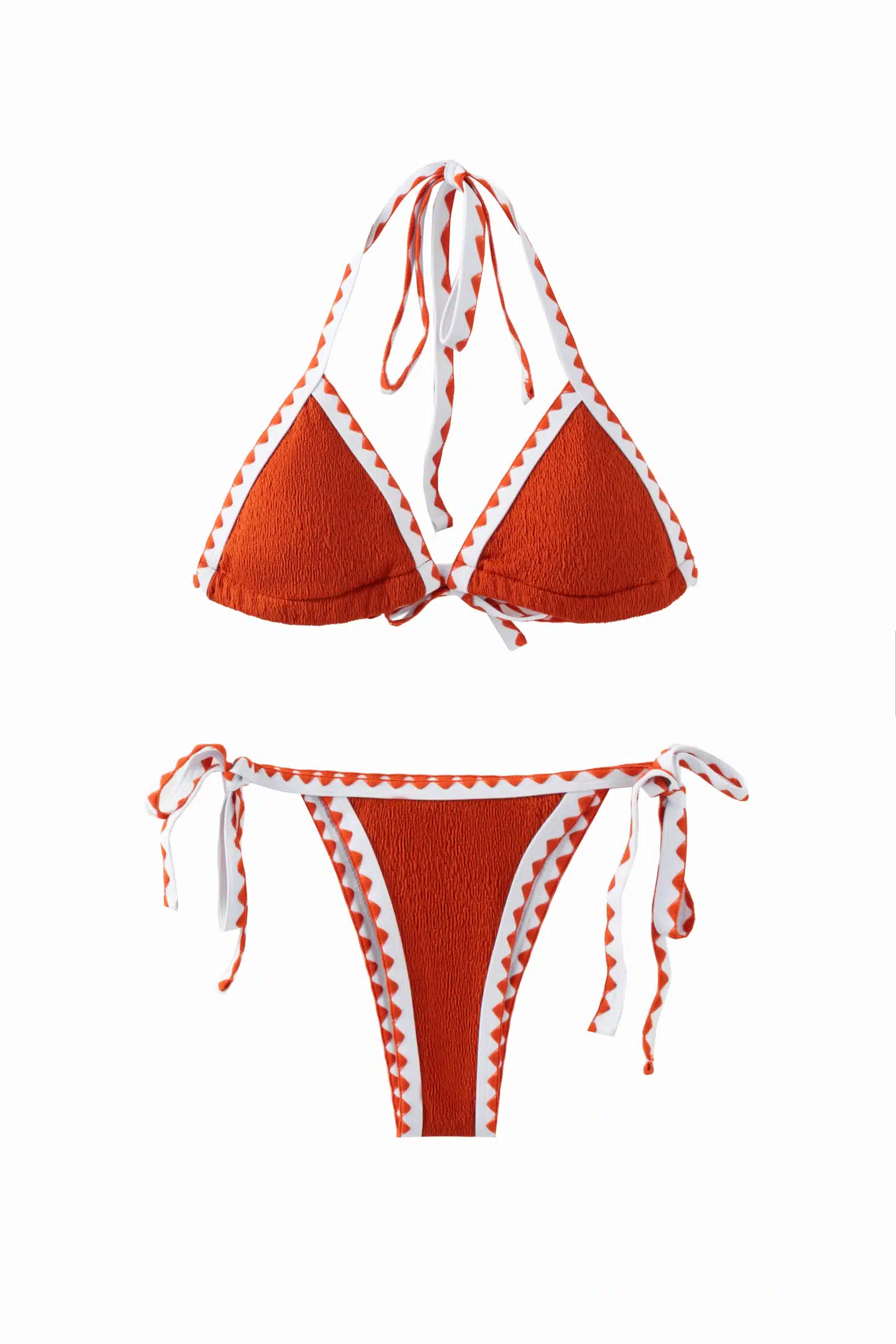
 Bikini
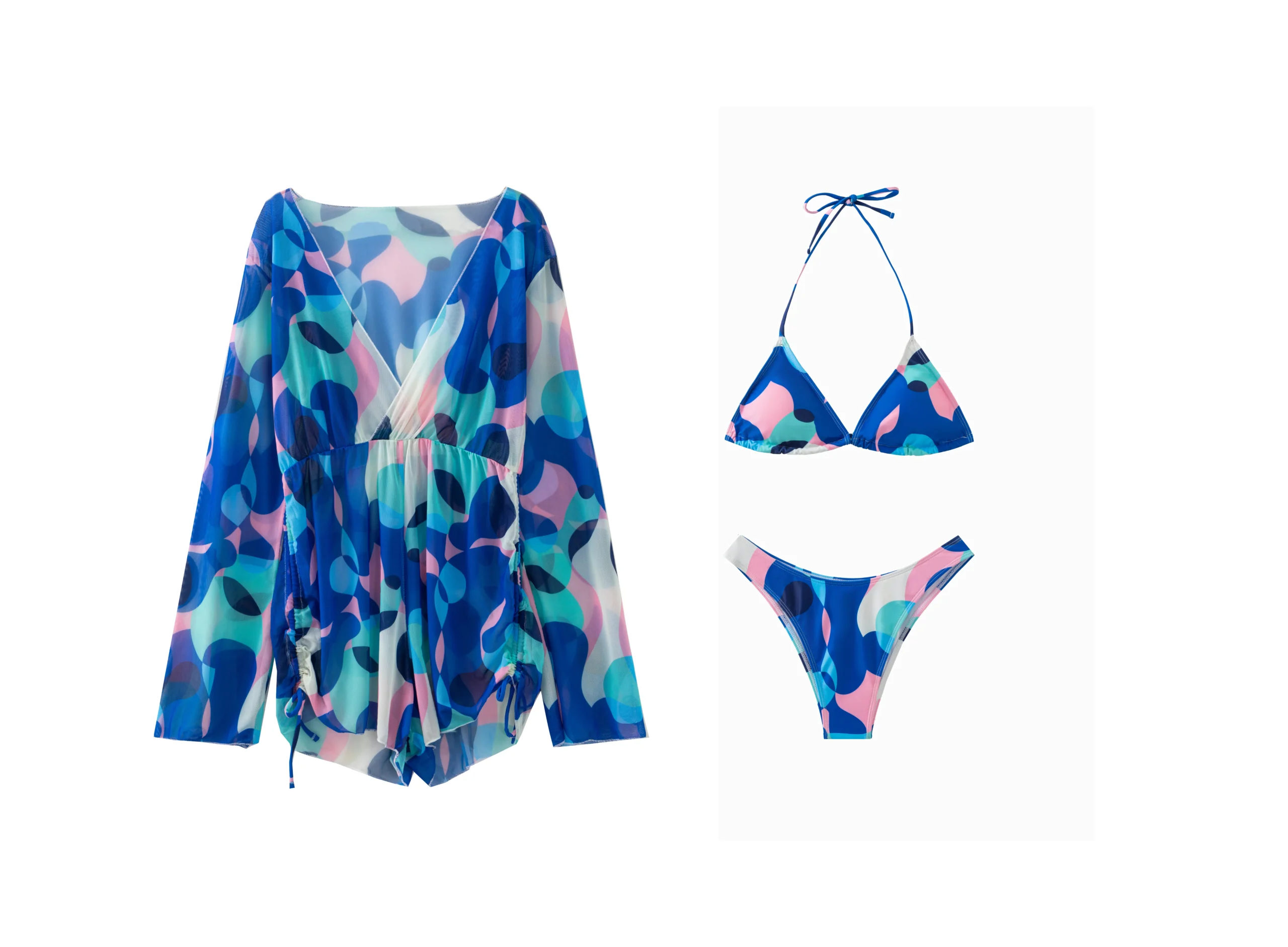 Bikini Cover-Up Set
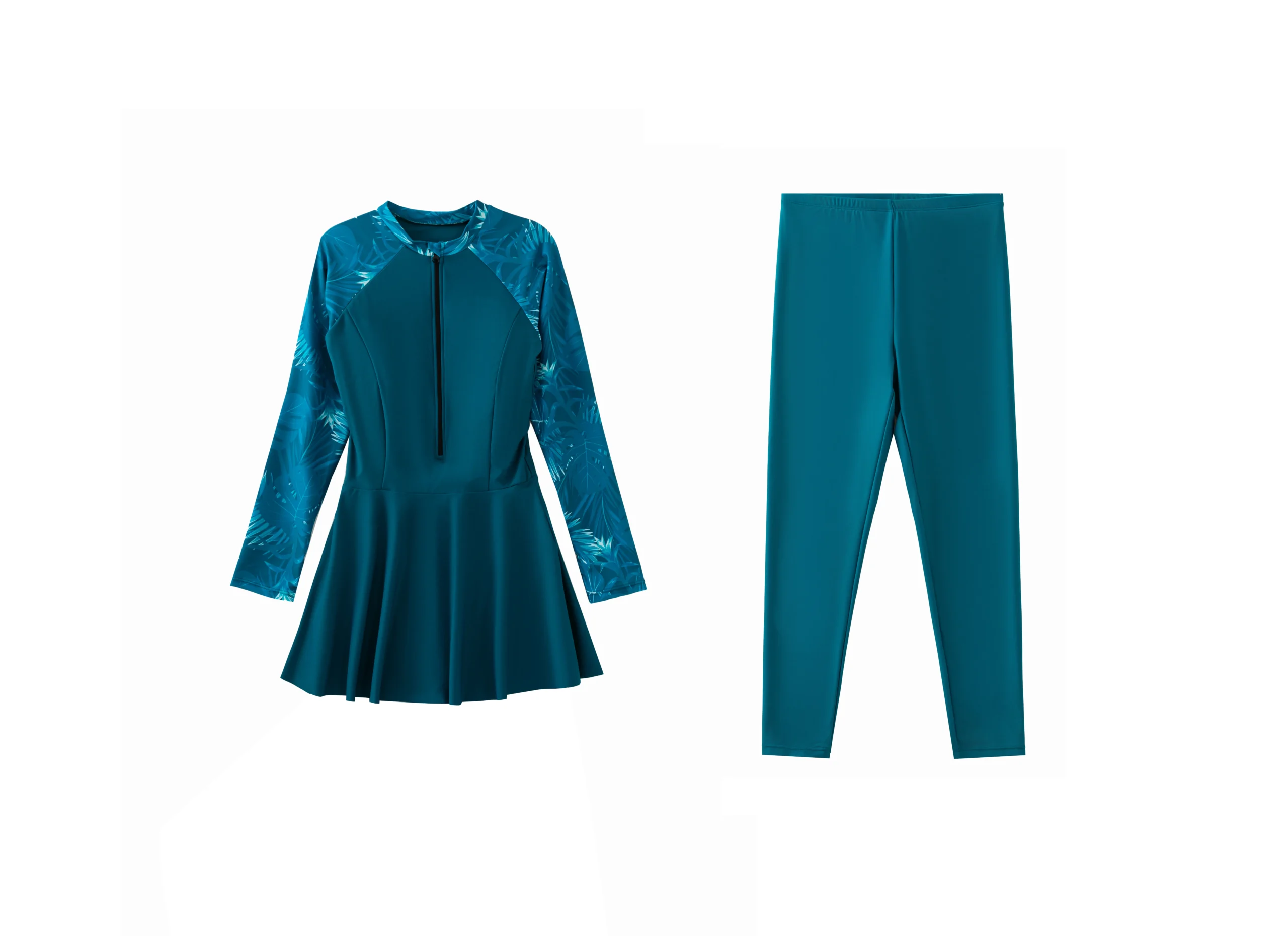 Burkini Swimwear
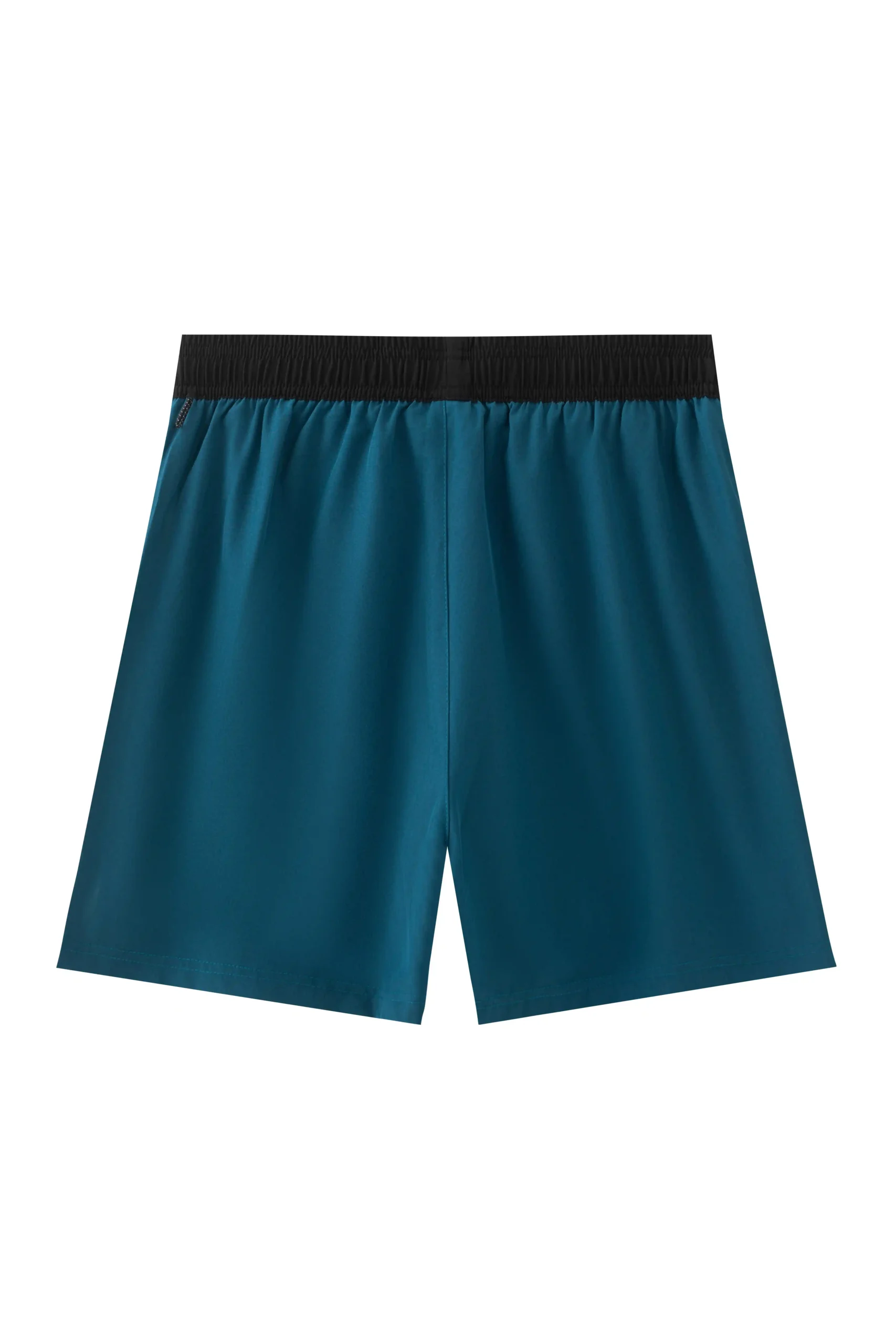 Men Swimwear
 One-Piece Swimsuits
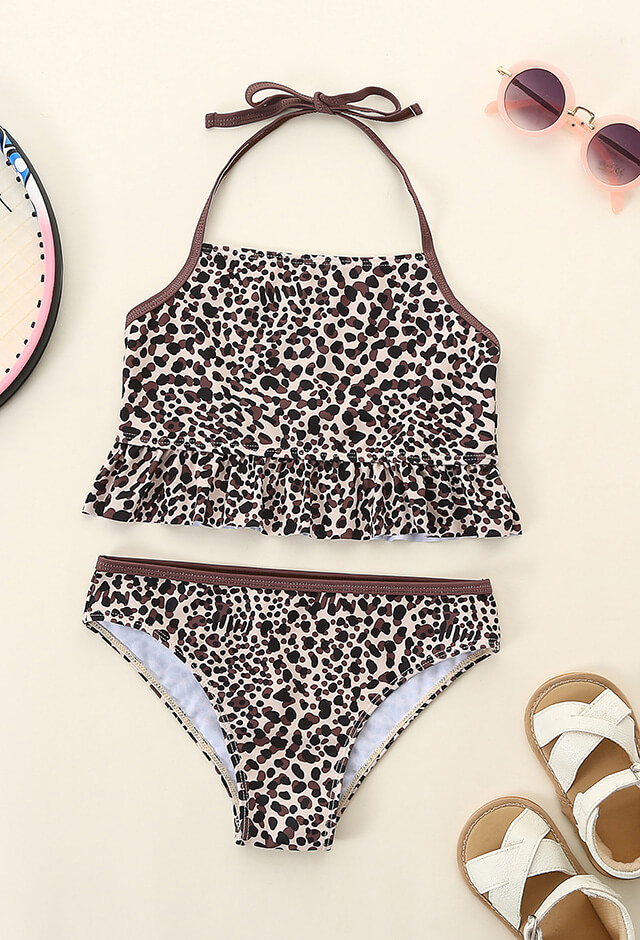 Two-Piece Swimsuits
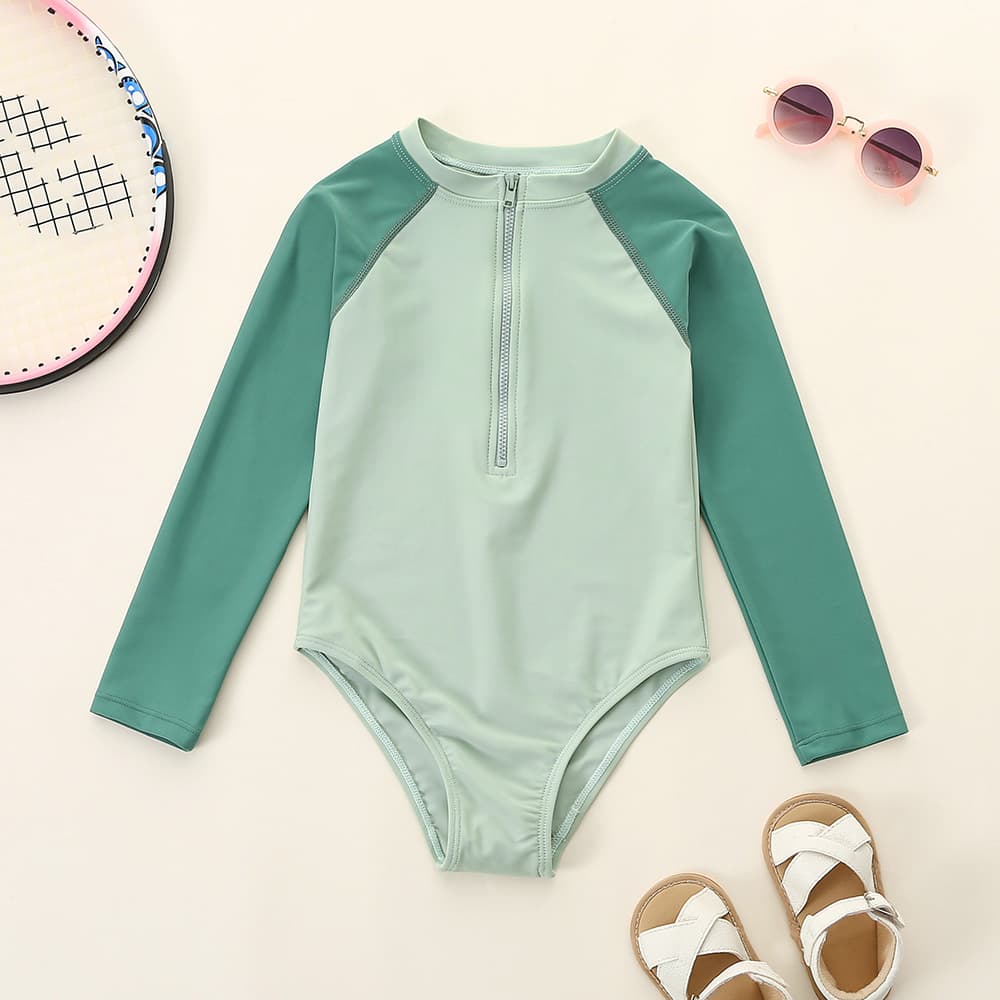 Rash Guards
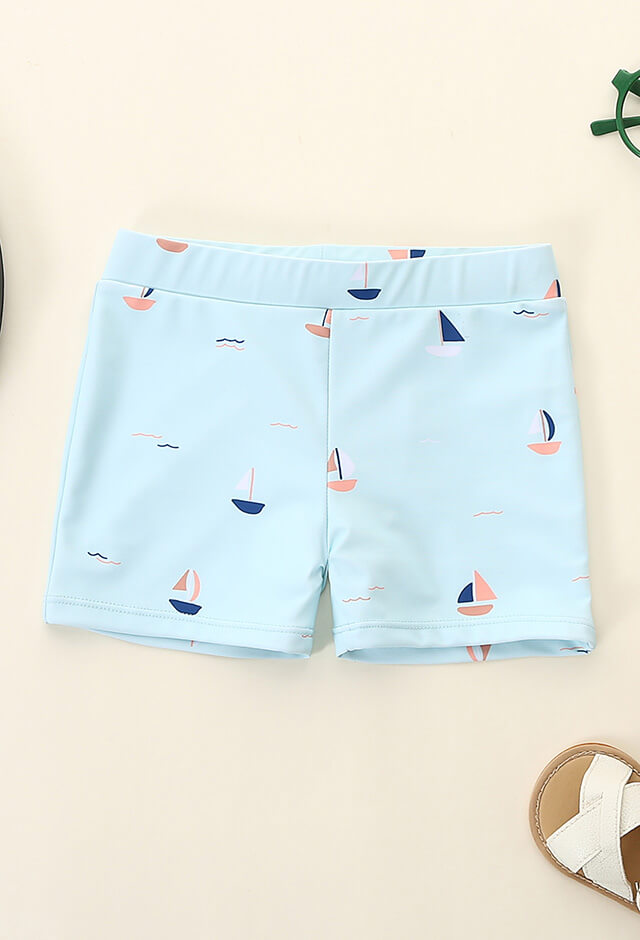 Swim Trunks
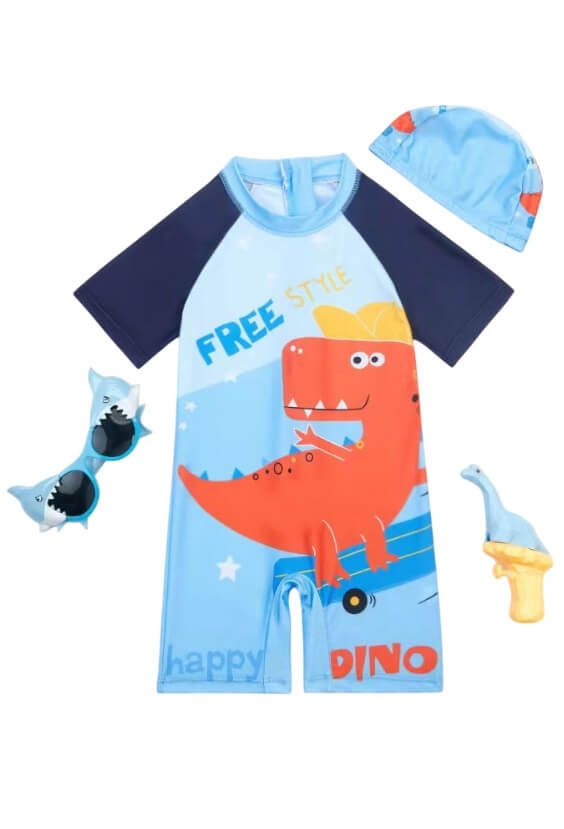 Boy Swimsuits
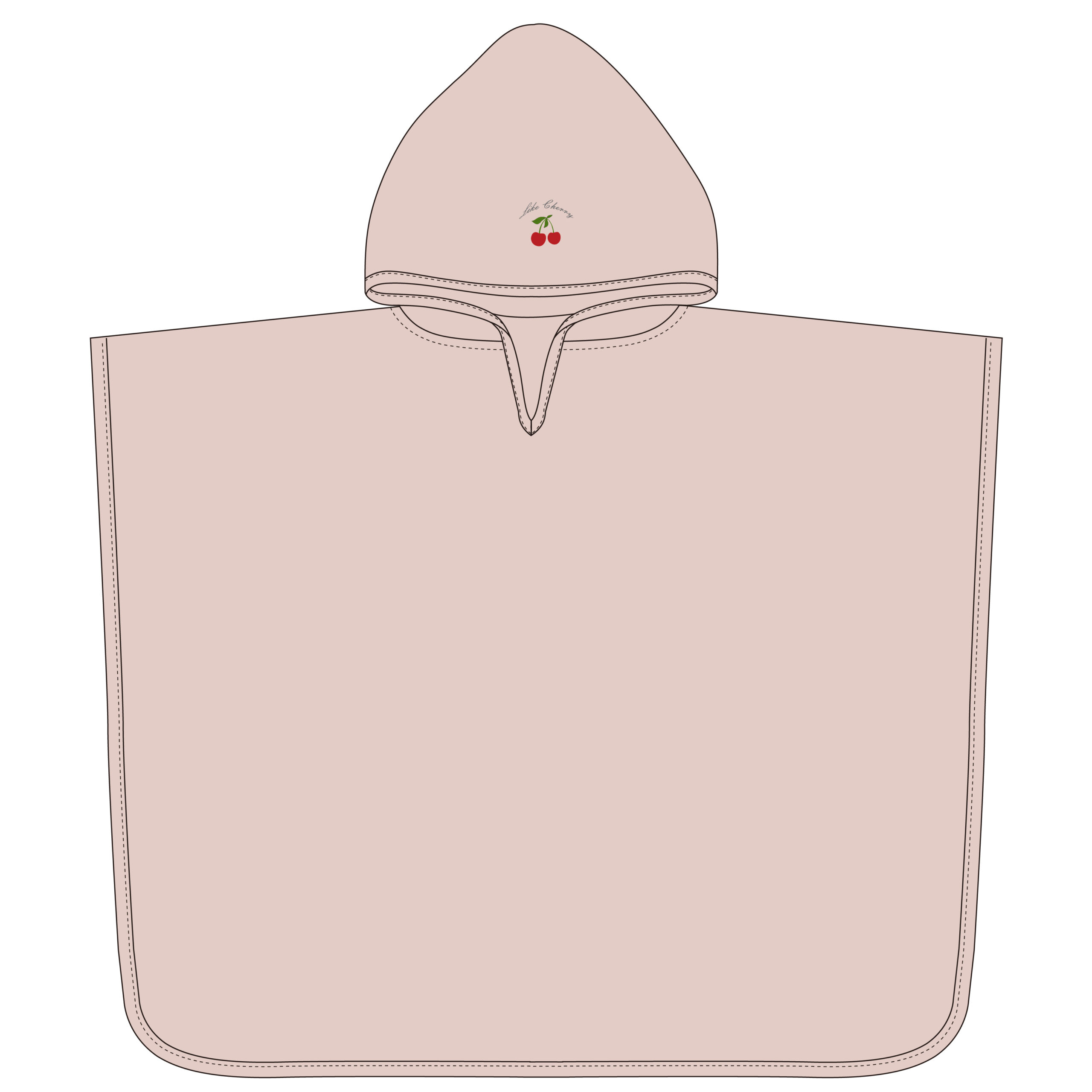 Poncho
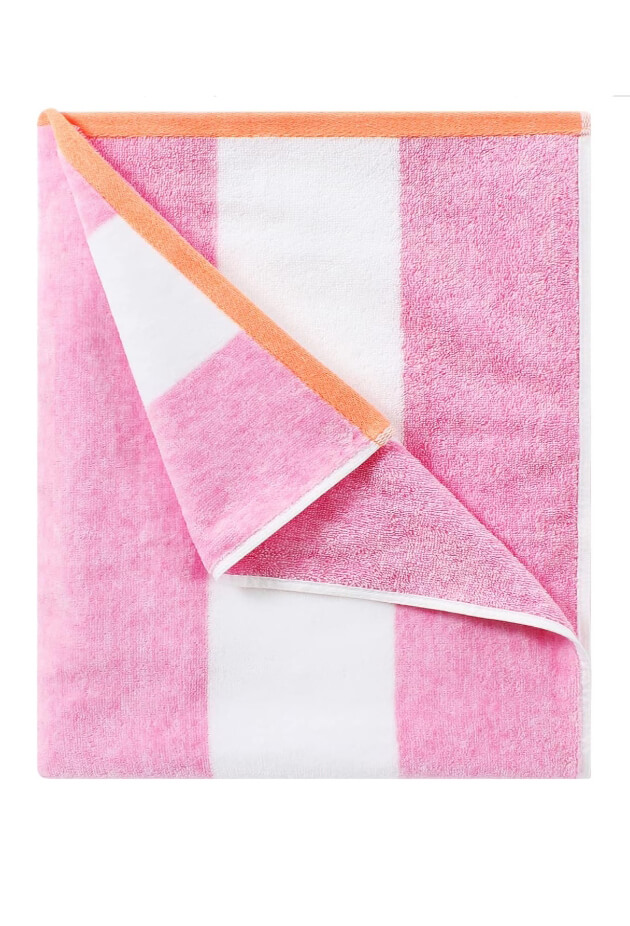 Beach Towel
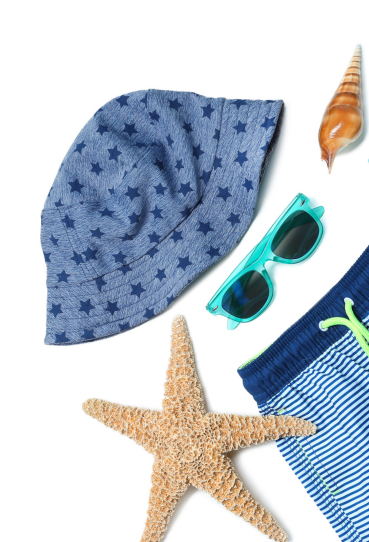 Sun Hat

What Is Sublimation Printing on Swimwear
Sublimation printing on swimwear is a process that uses heat to transfer dye into polyester-based fabric, creating designs that become part of the material rather than sitting on its surface. It supports detailed patterns, gradients, and all-over artwork while preserving the fabric’s feel. Understanding how it works—and where its limits lie—helps you choose personalized swimwear or prepare a custom collection with realistic expectations.
How does sublimation printing on swimwear work?
Sublimation printing swimwear uses specialized dye, transfer paper, and heat to color compatible fabric. A printer produces the artwork on paper, then a heat press transfers it into polyester fibers. During heating, the dye turns into gas and penetrates the material, leaving the design embedded in the fabric instead of creating a separate decorative layer.
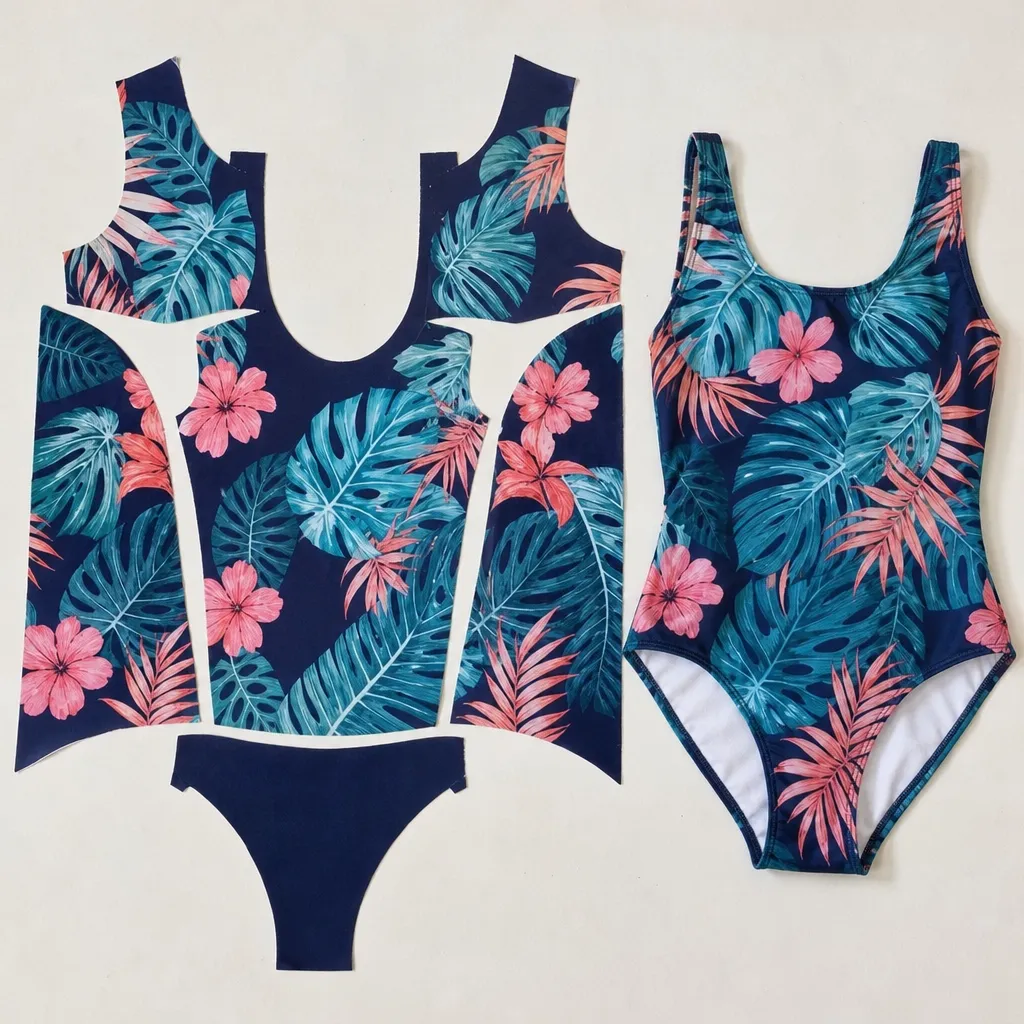
For all-over swimwear, production commonly follows a print-first, sew-later workflow:
- Prepare the artwork. Arrange the design within the manufacturer’s garment templates.
- Print the transfer. Produce the artwork on specialist sublimation paper.
- Apply heat and pressure. Transfer the design onto compatible fabric.
- Cut the pieces. Shape the printed fabric into garment panels.
- Sew the swimsuit. Assemble the panels into the finished product.
Printing flat fabric before assembly helps achieve broad coverage without seams and folds blocking the transfer. Printing an already-sewn garment is different: areas tucked into folds may remain unprinted. When discussing custom swimwear printing, ask whether the supplier prints fabric before sewing or decorates an existing swimsuit. That distinction matters when you want a pattern to cover the entire garment.
Which fabrics work best for sublimation swimwear?
White or light-colored polyester and polyester-rich blends are the standard choices for sublimation swimwear. Polyester accepts the dye, while the base color influences the finished appearance. A white starting fabric gives the artwork a neutral background; a colored base can change how the printed colors look.
Swimwear also needs stretch, so a suitable fabric may combine polyester with elastane, also called spandex. Technical textile suppliers offer polyester-elastane fabrics for sublimated swimsuits, but there is no single blend that suits every design. Fabric selection should account for the intended garment rather than polyester content alone.
Before approving a material, request a sample and ask about:
- Stretch and recovery: Does the fabric return to shape after being stretched?
- Wet coverage: Is the finished swimsuit adequately opaque when wet?
- Lining: Which areas are lined, and how does that affect coverage?
- Intended use: Is the material designed for occasional beachwear or repeated pool sessions?
- Print compatibility: Has the supplier tested the exact fabric with its printing process?
Treat these as separate approval checks. A fabric that prints beautifully is not automatically the right choice for your preferred fit, support, or swimming routine. Ask the supplier to explain both its print suitability and its garment performance.
Design freedom without a raised print layer
The appeal of dye-sublimation swimwear is the combination of detailed artwork and a print that does not add a raised surface layer. Because the process dyes compatible fibers, it can reproduce fine lines, photographic detail, and smooth color transitions without changing the fabric’s feel. This makes it useful for designs that extend beyond a small chest logo or isolated motif.
Think of a tropical repeat across a one-piece, an abstract gradient on bikini panels, or coordinated artwork across several swimsuit styles. These are design directions to discuss with a printer, not promises that every image will translate equally well. Start by deciding which visual elements matter most: overall color, recognizable motifs, readable lettering, or precise placement.
For personalized swimwear, you might explore names, initials, original illustrations, or coordinated group designs. Keep the personalization purposeful. A small name can be the focal point on an otherwise simple suit, while a busy background may call for larger lettering and stronger contrast.
The practical advantage is creative flexibility. You can build the artwork around the garment rather than treating the swimsuit as a blank space for a single graphic.
Limitations that matter before you order
Sublimation does not print white ink, and it cannot cover a dark base with lighter colors in the way an opaque surface print can. White areas generally come from leaving the underlying white fabric unprinted. A dark-looking sublimated swimsuit can therefore begin as white fabric that is printed with a dark design.
Stretch introduces another consideration. Dark prints can appear lighter when the fabric stretches, and small amounts of white may become visible around seams or folds. Exact pattern alignment between adjoining panels also cannot always be guaranteed. These are reasons to inspect a physical sample rather than approve a design solely from a digital mockup.
Avoid building a design around a thin line that must cross a side seam perfectly. Consider repeats, organic shapes, or layouts that remain attractive if adjacent panels shift slightly. Keep names and essential logos away from edges, and check the supplier’s safe-area guidance before submitting artwork.
Finally, separate printing claims from performance claims. Request product-specific evidence for any promised chlorine resistance, sun protection, or durability rather than assuming those qualities follow from the word “sublimation.” Your purchasing decision should cover the finished swimsuit, not just its decoration method.
How do you prepare artwork for custom swimwear printing?
Prepare artwork using the supplier’s exact product template, then check image quality, coverage, and placement before ordering a sample. Keep essential elements inside the designated safe area and extend backgrounds across the required print area. The manufacturer’s file requirements should guide your setup; there is no reason to assume every printer uses identical specifications. (help.printful.com)
Use this approval checklist to keep the process focused:
- Choose the garment first. Get the template for the specific swimsuit style you intend to order.
- Check artwork at its final size. Ask the printer whether the supplied file has sufficient resolution.
- Review every panel. Confirm the front, back, and any separate straps or inserts shown in the template.
- Prioritize essential details. Make names and logos readable without relying on exact seam alignment.
- Confirm color expectations. Identify any brand colors that need particular attention during sampling.
- Approve a physical sample. Review the actual printed and sewn item before committing to a larger order.
During sample review, inspect more than the swimsuit laid flat. Try it on, move naturally, and examine the design where the fabric stretches most. Check coverage under the conditions in which you expect to wear it, including when wet where appropriate.
Record feedback specifically: “move the name inward” is more actionable than “the placement feels wrong.” For a collection, ask how artwork placement is handled across sizes. Approve the design and garment together rather than treating them as unrelated decisions.
Caring for printed swimwear
Follow the finished garment’s care label first. For its all-over printed swimwear, Printful specifies cold washing with similar colors and avoiding bleach or dry cleaning. Its swimsuit guidance also recommends rinsing after use to remove chlorine and salt residue. Your supplier’s instructions take priority if they differ.
Physical abrasion deserves attention too. Rough pool edges and hook-and-loop fasteners can snag fibers and affect a swimsuit’s appearance, even when the design itself has no film to peel away. Treat the printed fabric with the same care you would give any stretch swimsuit.
If you are ordering for resale or a group, request the care instructions before distribution. Include them with each garment so recipients know how to wash and handle it. Clear care guidance belongs alongside sizing and fit information, not as an afterthought once the order arrives.
The takeaway
Approach swimwear fabric printing as a combination of artwork, material, and garment construction—not simply a choice of pattern. Ask for the exact fabric details, understand placement limitations, and approve a finished sample before scaling up. That gives you a practical basis for choosing sublimation printing and a clearer path from an appealing digital design to swimwear you actually want to wear.