
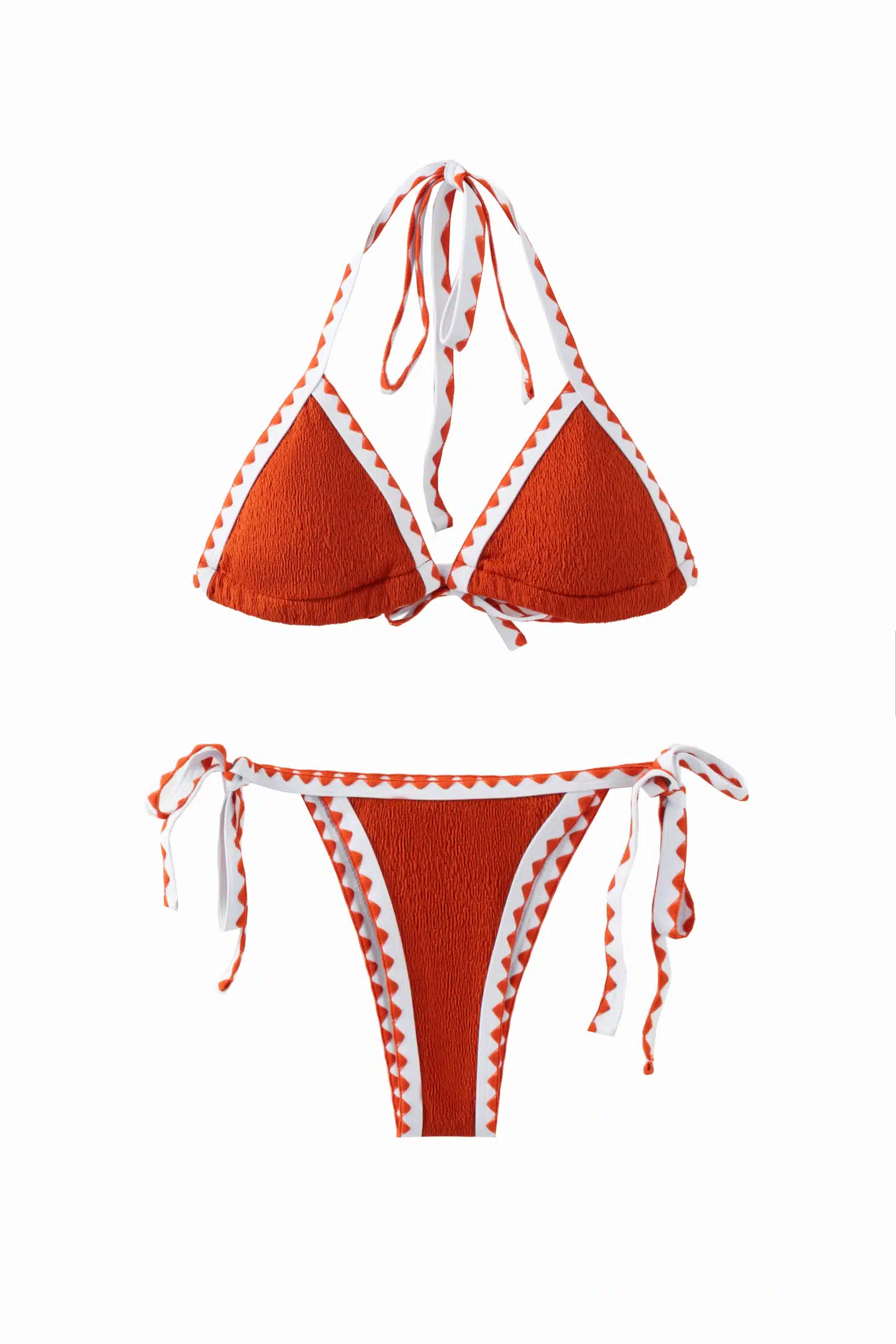
 Bikini
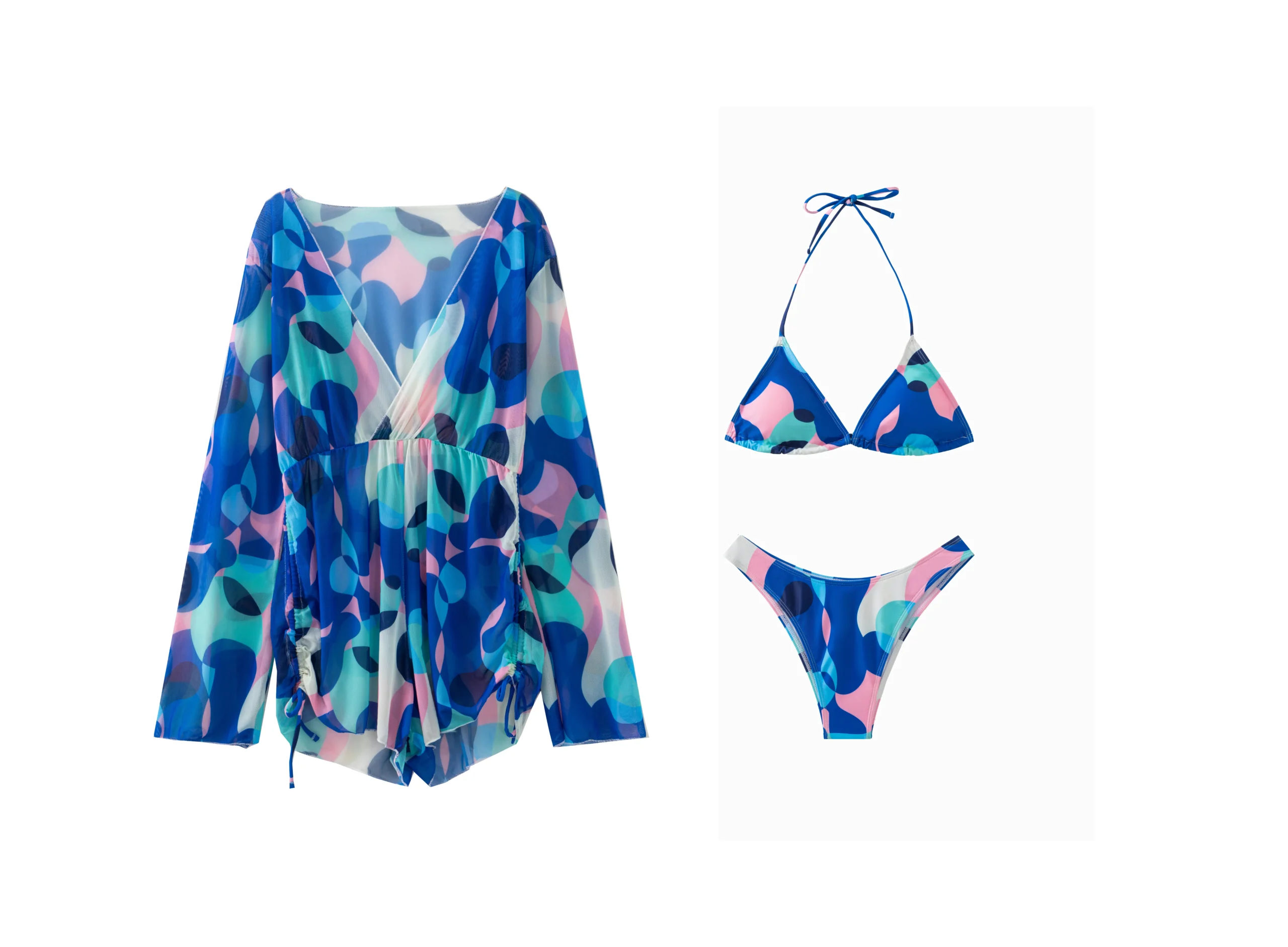 Bikini Cover-Up Set
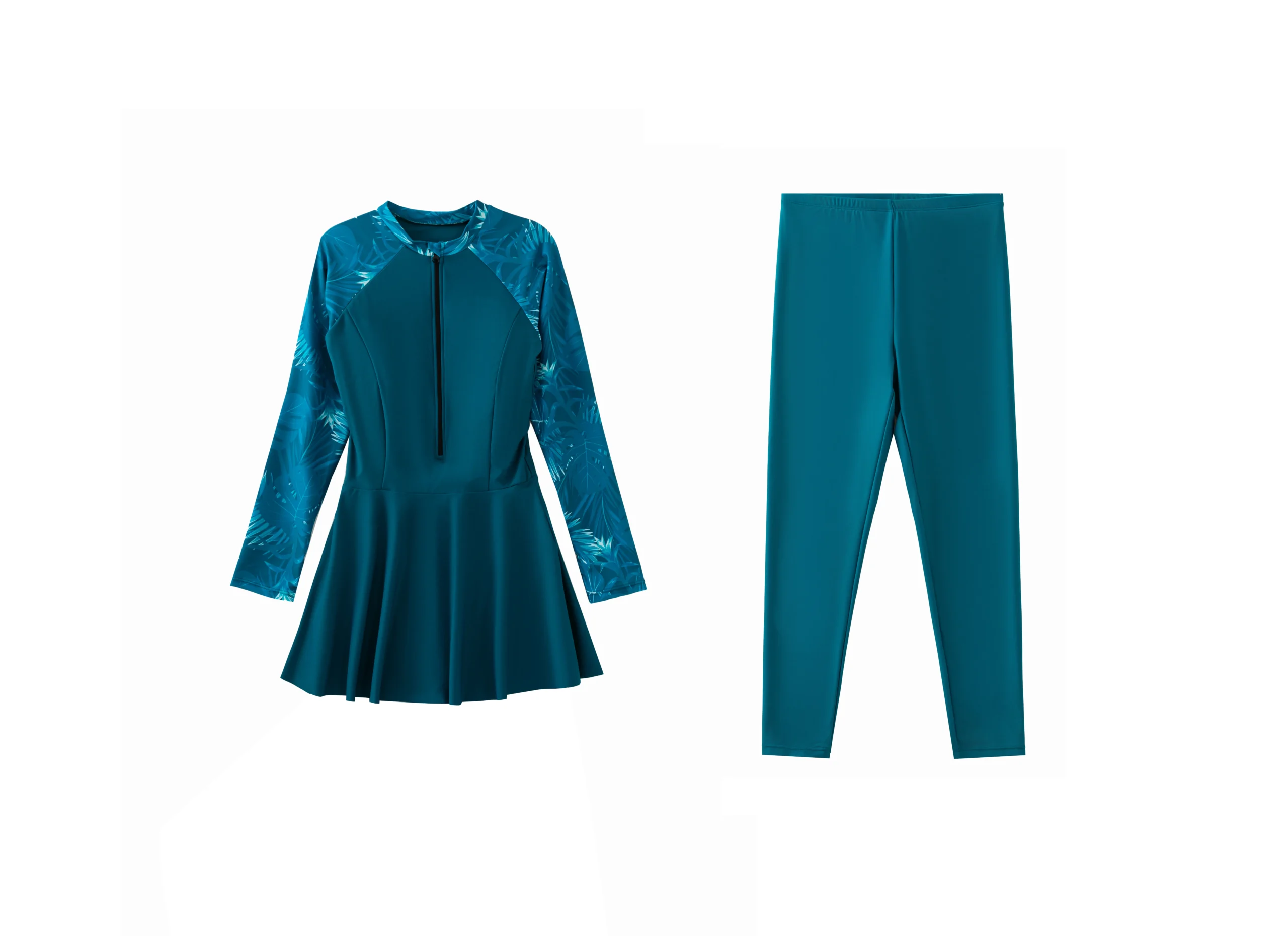 Burkini Swimwear
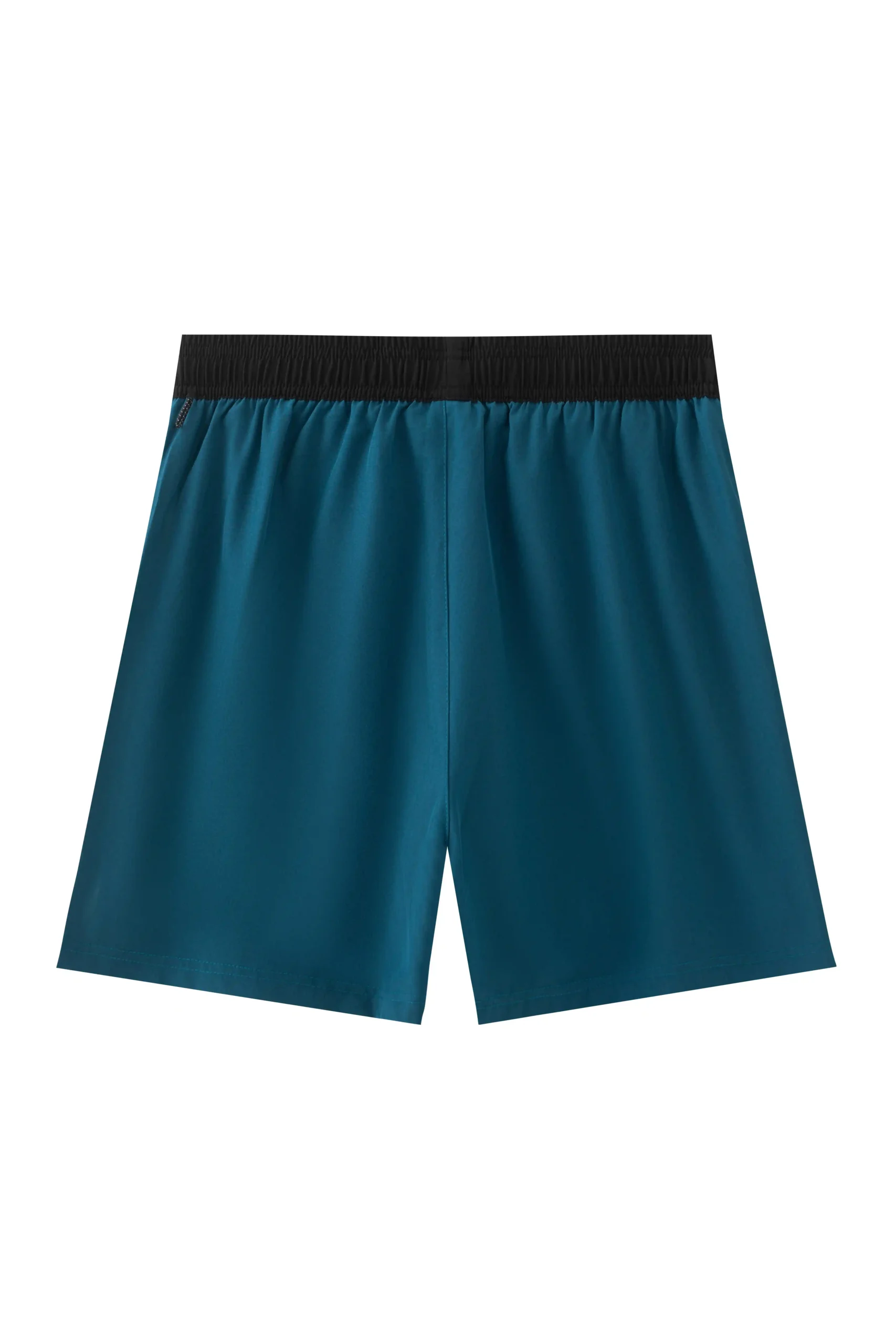 Men Swimwear
 One-Piece Swimsuits
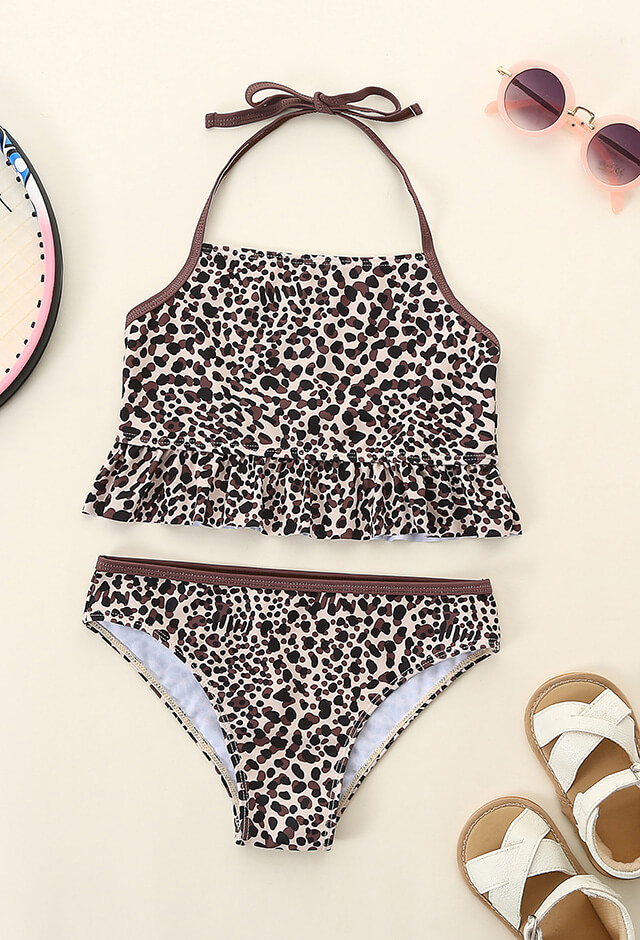 Two-Piece Swimsuits
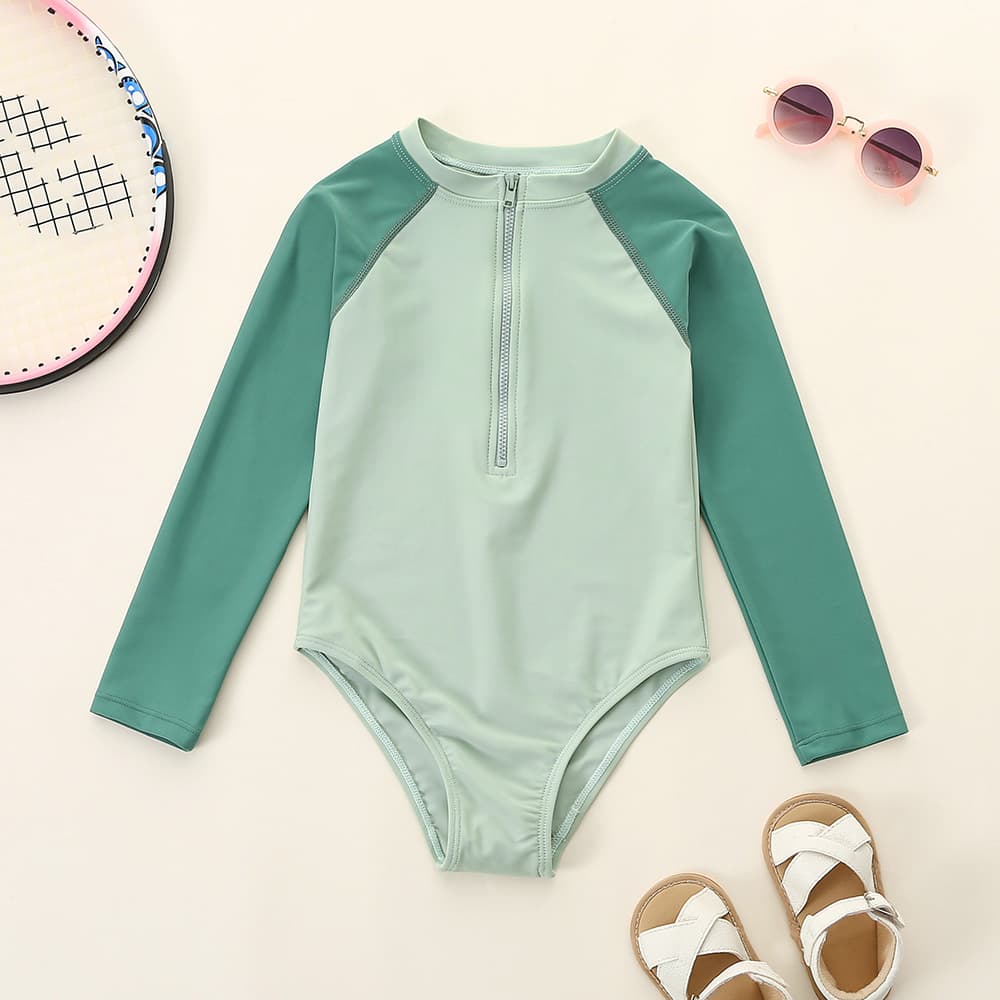 Rash Guards
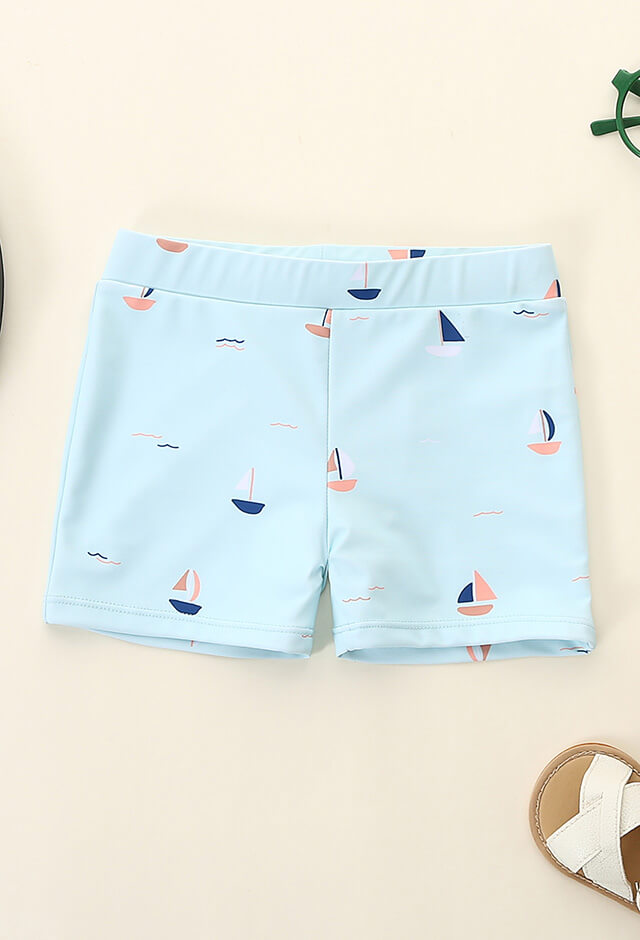 Swim Trunks
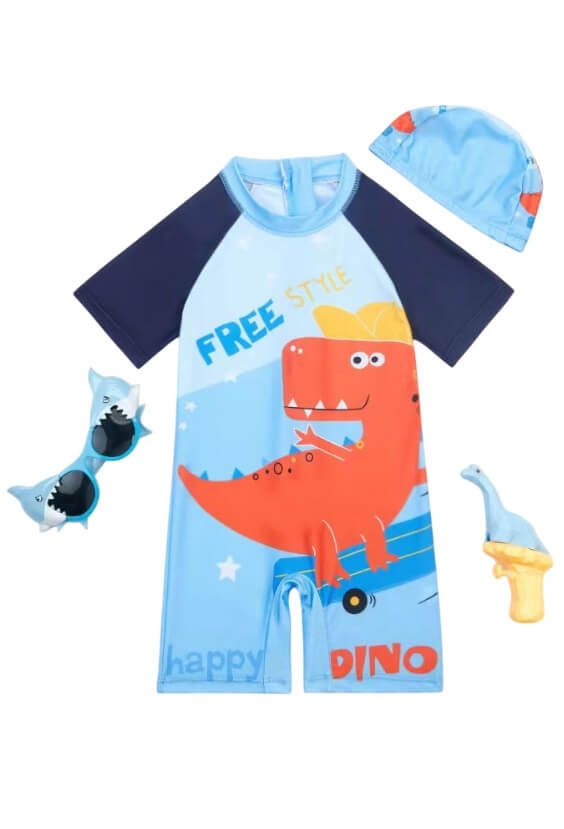 Boy Swimsuits
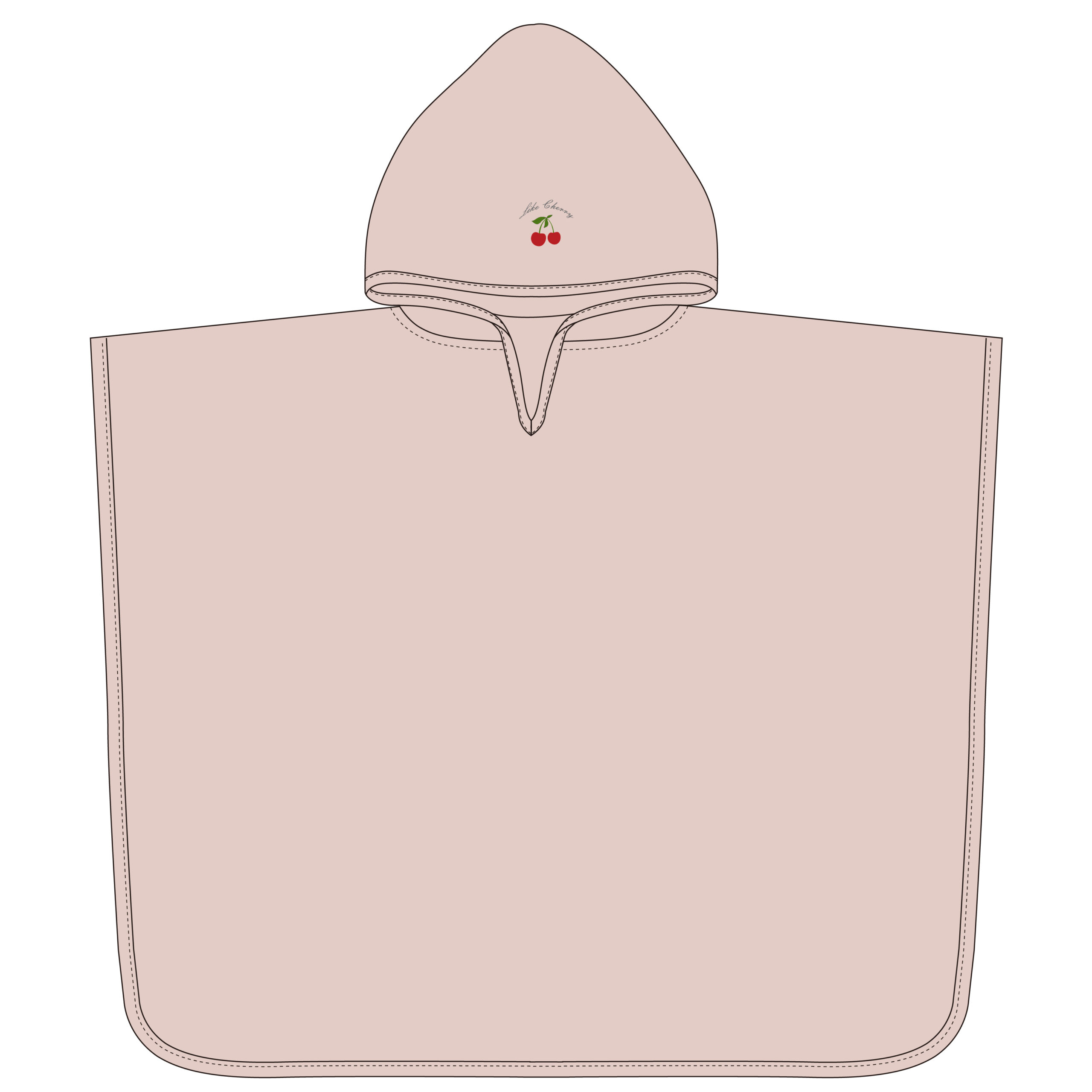 Poncho
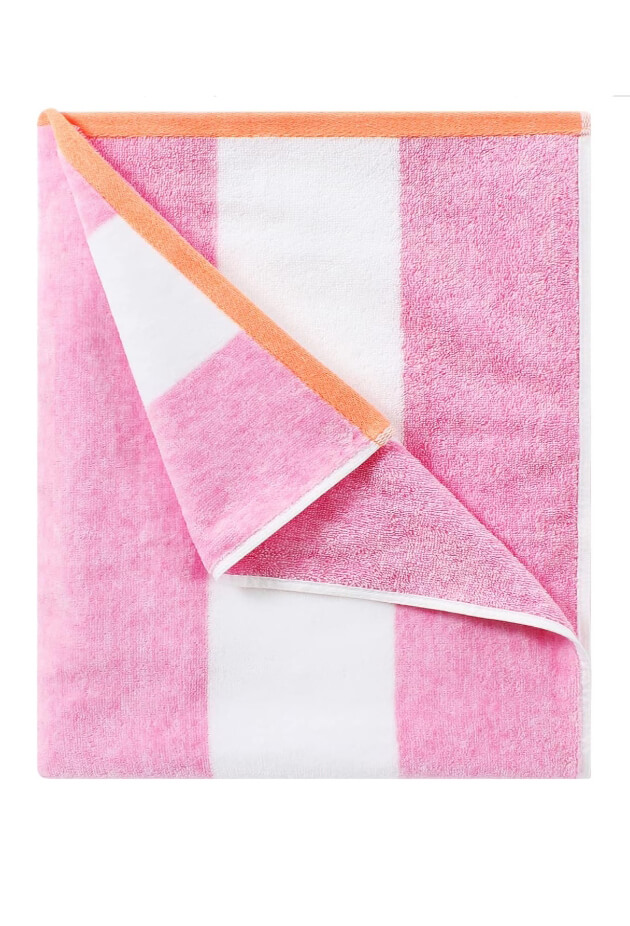 Beach Towel
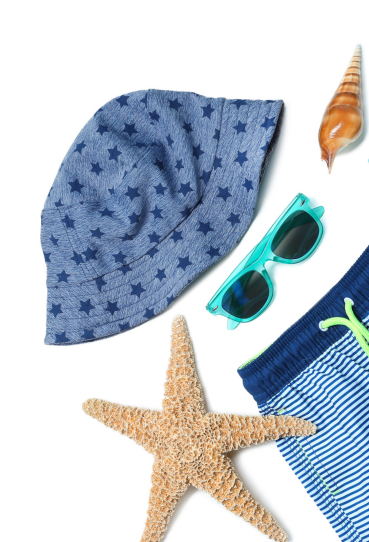 Sun Hat

Discover the advantages of partnering with private label swimwear manufacturers to create a unique brand collection. Learn how custom swimwear options and strategic partnerships can help you build a distinctive product line without the need for your own factory setup.
What is private label swimwear, and how does it work?
Private label swimwear is swimwear produced by a third-party manufacturer and sold under your brand name. The arrangement can cover existing designs customized for your label, original designs developed from your specifications, or a combination of both. Manufacturers use terms differently, so confirm exactly what their service includes rather than relying on the label alone.
For example, one supplier may let you select a bikini shape from its collection and choose fabrics, colors, and labels. Another may develop a new pattern from your sketch or reference garment. Both approaches can support a branded range, but they involve different development decisions.
Before comparing private label swimwear manufacturers, write down which elements must be unique and which can use an existing option. A signature print might matter more to your first collection than an entirely new silhouette. That distinction gives suppliers a clearer brief and helps you avoid paying for development that adds little customer value.
Build a brand beyond the logo
Private labeling can extend beyond attaching a brand tag. Depending on the program, you may specify the cut, color palette, fabric, lining, labels, hangtags, and packaging. Those choices let you shape a coordinated product rather than simply select unrelated items for resale.
Start with the customer experience you want to create. A collection intended for active beach days needs a different brief from one centered on poolside styling. Translate that positioning into practical requirements, such as adjustable straps, preferred coverage, or a consistent mix-and-match palette.
Keep the first collection focused. A few complementary pieces can communicate your brand direction without requiring every possible shape and color. Ask whether other brands can buy the same base design and whether any exclusivity applies; do not assume your branding makes the underlying style exclusive.
Start with less development from scratch
An existing design library can provide a starting point when you do not need an original pattern for every garment. Some swimwear manufacturers offer ready designs that buyers can sample in selected fabrics and colors before placing a production order. This creates an alternative to developing every style from the beginning.
Treat that starting point as a development shortcut, not a reason to skip approval. Request samples that reflect your intended fabric, lining, and finishing wherever possible. Review the garment against your customer brief before committing to bulk quantities.
For launch planning, ask the supplier to separate the schedule into sampling, revisions, material sourcing, production, and shipping. Build your marketing calendar around confirmed milestones rather than the earliest estimated factory completion date. A simpler design route is useful only if the finished product still meets your expectations.
Access specialist production without running a factory
Private label programs can bring pattern development, fabric sourcing, sampling, production, and finishing into one supplier relationship. Custom swimwear manufacturers may also handle printing, labels, and packing, although the precise scope varies. This allows you to source production expertise rather than establish each manufacturing function yourself.
Use that expertise actively. Describe how customers will wear the product and ask the supplier to explain suitable construction options. Request clear answers about lining, elastic, strap adjustment, and the support available in each style.
Make sample review specific rather than relying on “it looks good.” A useful approval checklist includes:
- Fit and movement: Check coverage and comfort while sitting, reaching, and bending.
- Fabric and lining: Review the intended combination, including its appearance when wet.
- Construction: Inspect seams, strap attachments, closures, and visible finishing.
- Size consistency: Agree on measurements and tolerances instead of relying only on size names.
- Bulk reference: Keep an approved sample and written specifications for production checks.

Can private labeling improve your margins?
Private labeling can support your pricing strategy, but it does not guarantee better margins. Evaluate the full cost of getting a saleable swimsuit to your customer, then compare that cost with a realistic selling price. Treat any projected margin as a planning calculation, not proof that the collection will be profitable.
Build your estimate from written quotations and include:
- Development: Patterns, samples, revisions, and artwork preparation.
- Production: Garments, labels, trims, packaging, and any setup charges.
- Delivery: Freight, insurance, customs-related costs where applicable, and receiving.
- Selling: Payment processing, fulfillment, promotions, and an allowance for returns.
Use the same assumptions when comparing suppliers. A lower garment price is not automatically the better offer if it excludes items another quotation includes. Ask each manufacturer to identify exclusions and explain which costs change with order size.
Keep your pricing tied to the product you can demonstrate. Strong photography, clear fit information, and thoughtful packaging should support the offer, not compensate for a garment that misses the brief.
Match order quantities to your launch plan
Minimum order quantities are supplier-specific and may apply by style, color, or another production grouping. Published manufacturing programs show different structures, including minimums per design and per style-and-color combination. Confirm how sizes, colors, and separate bikini pieces count before calculating your commitment.
Plan your opening assortment around the stock you are prepared to hold. Instead of requesting many variations immediately, prioritize the combinations that best express the collection. Ask whether tops and bottoms can be ordered separately if your merchandising plan depends on mix-and-match sizing.
Discuss reorders before approving the initial run. Request information about fabric availability, repeat-order minimums, and how changes will be communicated. Treat expansion as a separate purchasing decision informed by actual sales, size demand, and customer feedback—not simply by an attractive volume discount.
Choose manufacturing location with clear priorities
When comparing private label swimwear manufacturers in the USA or private label swimwear manufacturers in Australia, evaluate the actual production arrangement rather than the business address alone. Ask where sampling, cutting, sewing, and finishing take place. Then assess the proposed workflow against your communication needs, delivery destination, and approval process.
Use the same comparison criteria for domestic and overseas options. Request a complete delivery quotation, clarify who handles shipping documentation, and establish how you will inspect samples and production. Location should answer an operational need rather than serve as a substitute for checking quality.
For products sold in the United States, most textile products require labeling that identifies fiber content, country of origin, and the manufacturer or another responsible business. Covered apparel also requires care instructions under the FTC’s Care Labeling Rule. Confirm applicable requirements before approving label artwork, and do not assume a supplier’s office location determines the correct origin statement.
Compare partners with a practical brief
Use one brief when approaching suppliers so you can compare responses meaningfully. Include your intended customer, product references, size range, preferred materials, branding requirements, target quantities, and desired delivery window. Identify which requirements are essential and where you are open to suggestions.
Before making a production commitment, get written answers to these questions:
- What does the quotation cover? Identify included development, trims, labels, packaging, and delivery services.
- What must you approve? Establish sample stages, revision procedures, and the final production reference.
- Who owns the development? Clarify rights to patterns, artwork, and any agreed exclusivity.
- How are problems handled? Define inspection arrangements, defect reporting, and remedies.
- What can change on a reorder? Ask about substitutions, pricing, minimums, and material availability.
Keep private label apparel expansion separate from the initial swimwear decision. If you later want cover-ups or resort pieces, assess those products on their own samples and specifications rather than assuming one successful category proves another.