
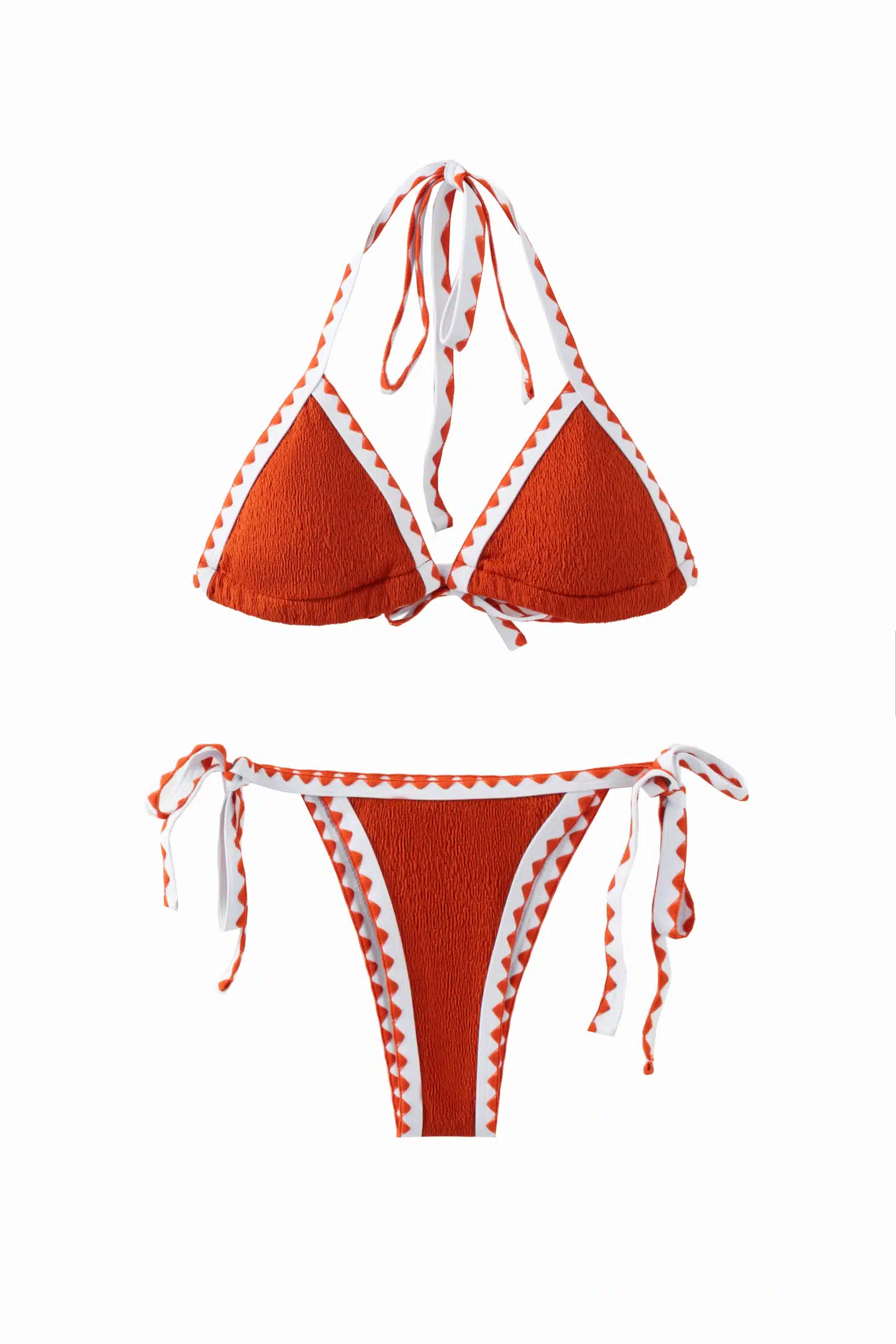
 Bikini
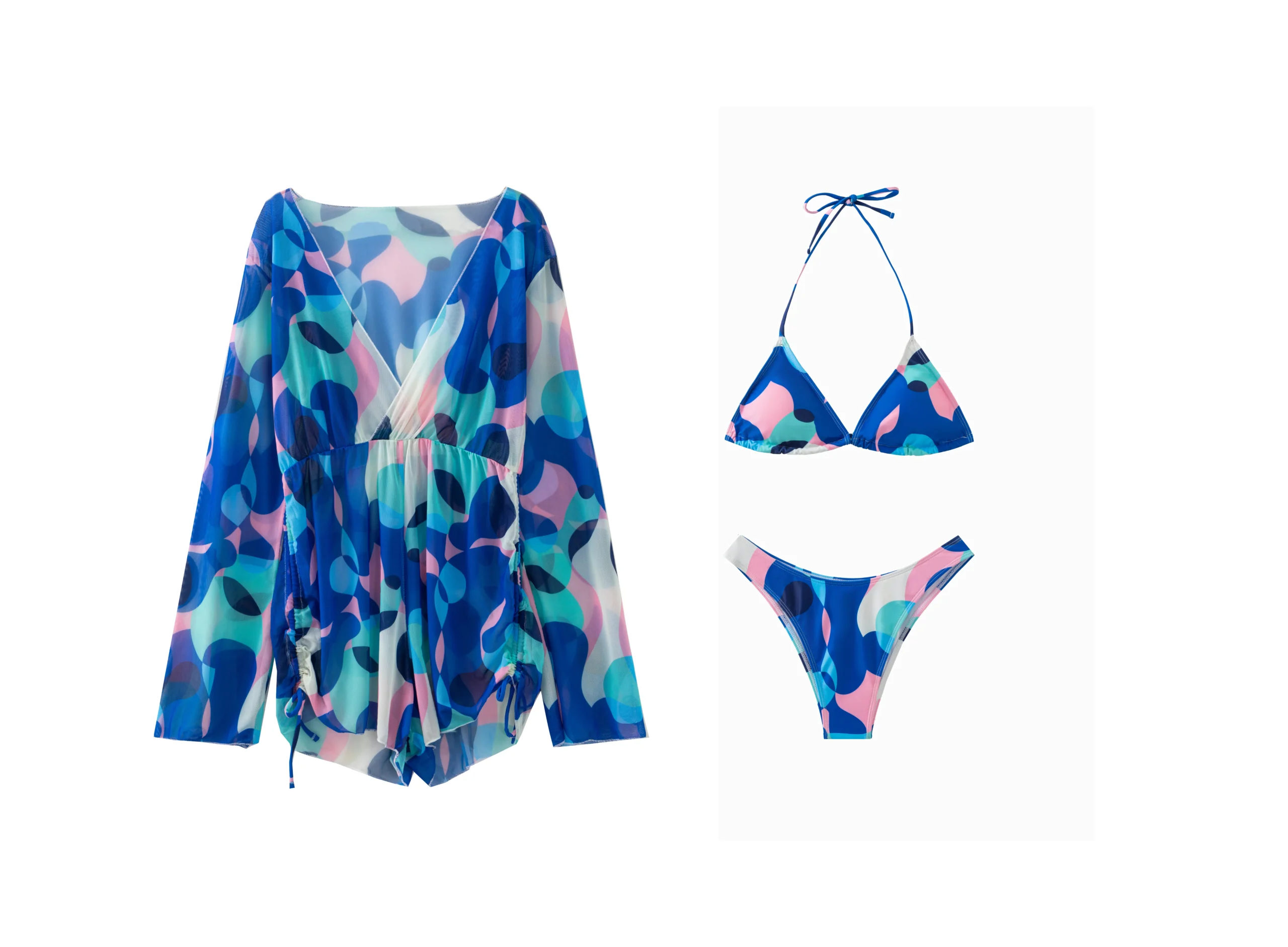 Bikini Cover-Up Set
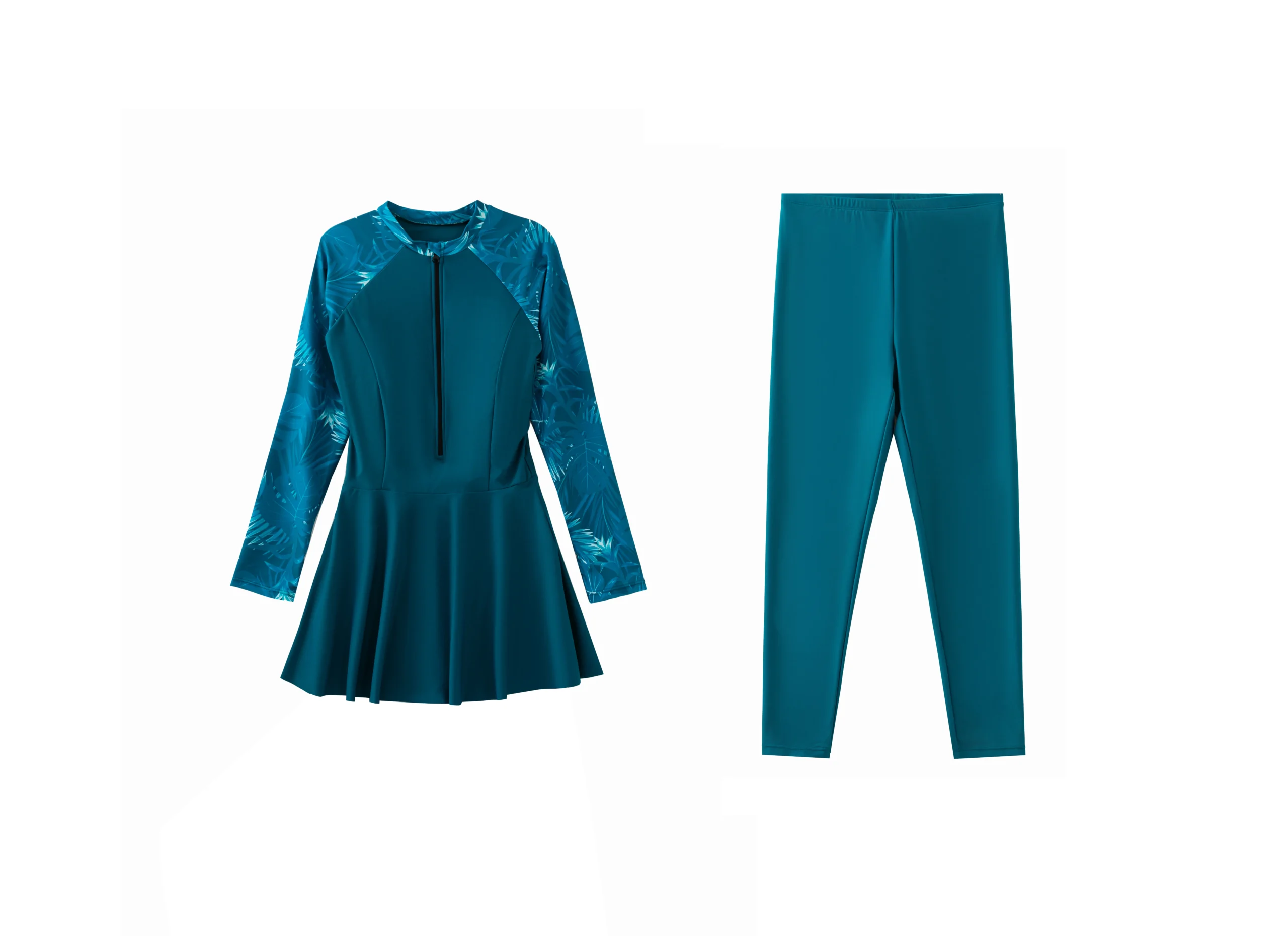 Burkini Swimwear
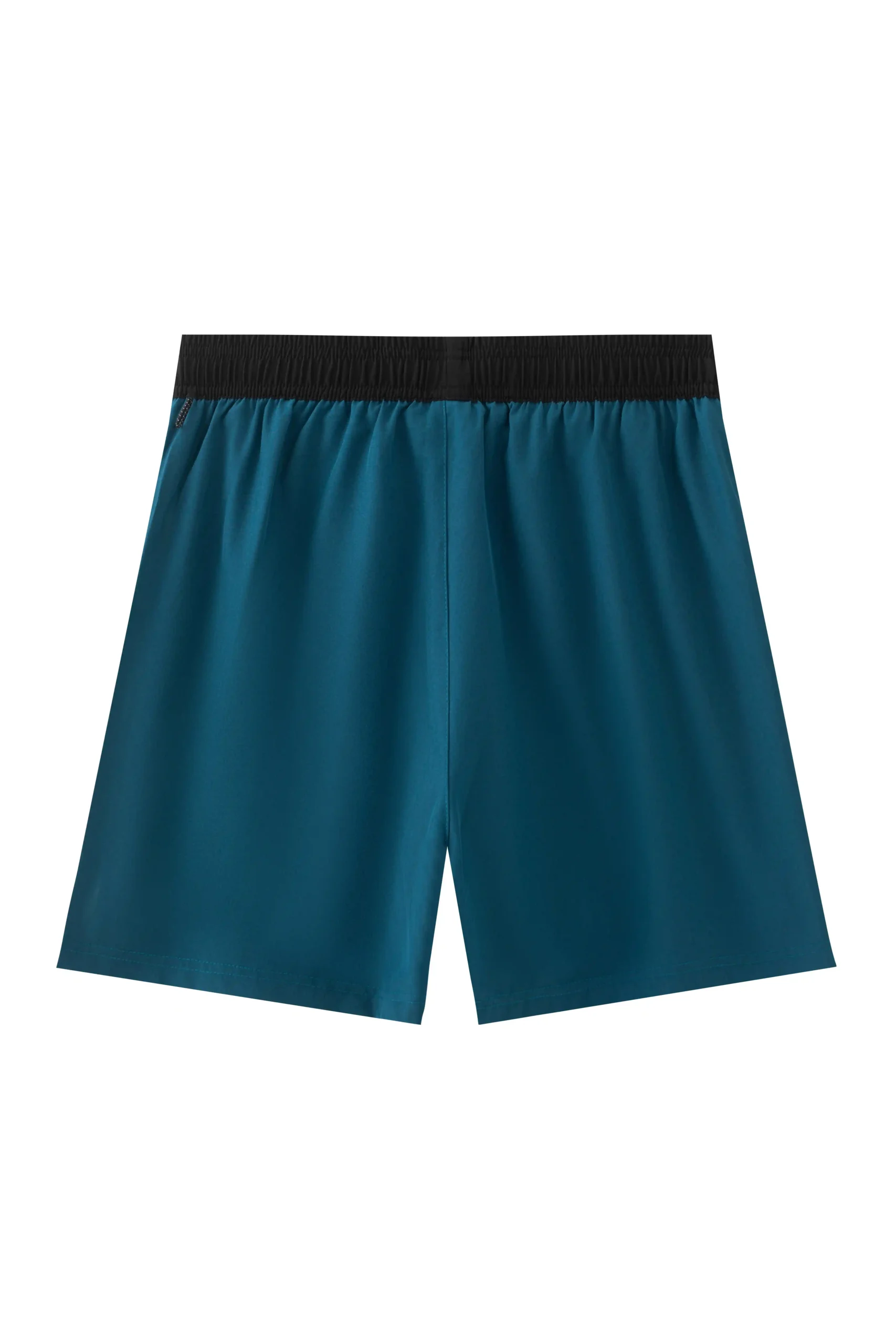 Men Swimwear
 One-Piece Swimsuits
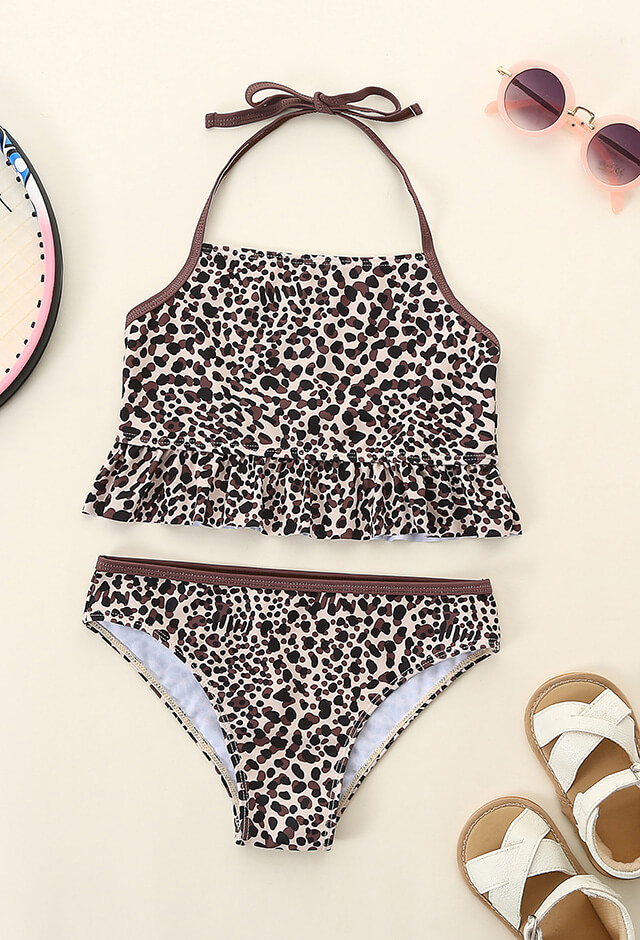 Two-Piece Swimsuits
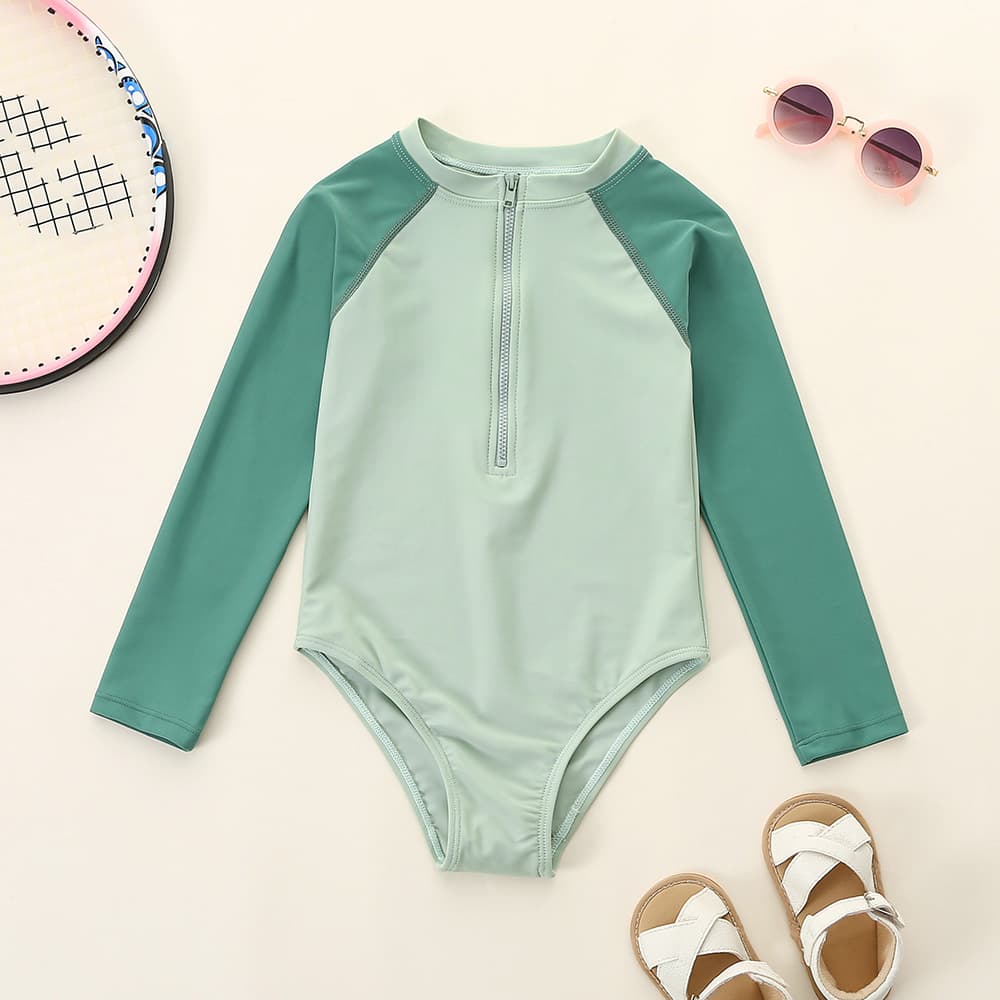 Rash Guards
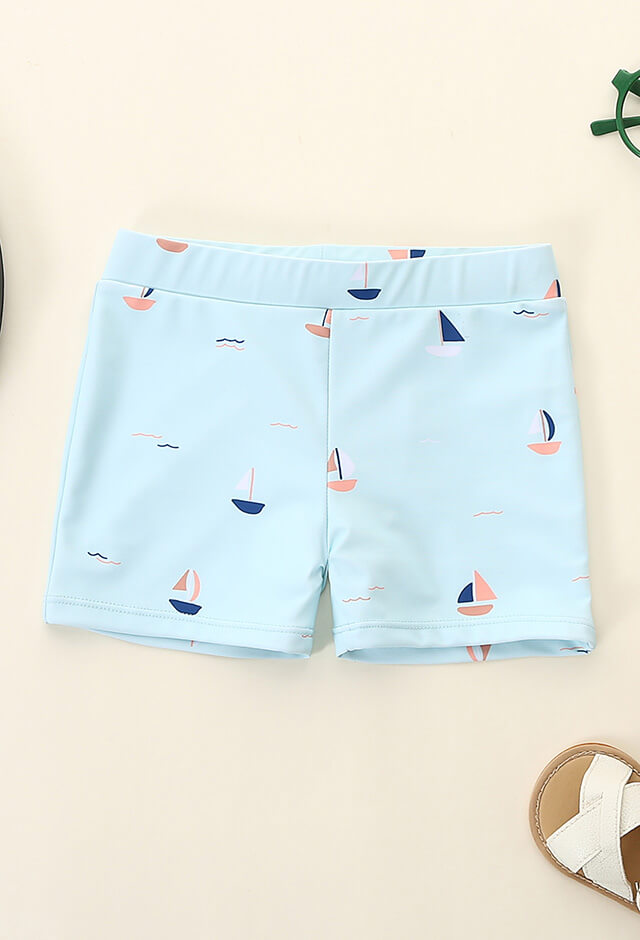 Swim Trunks
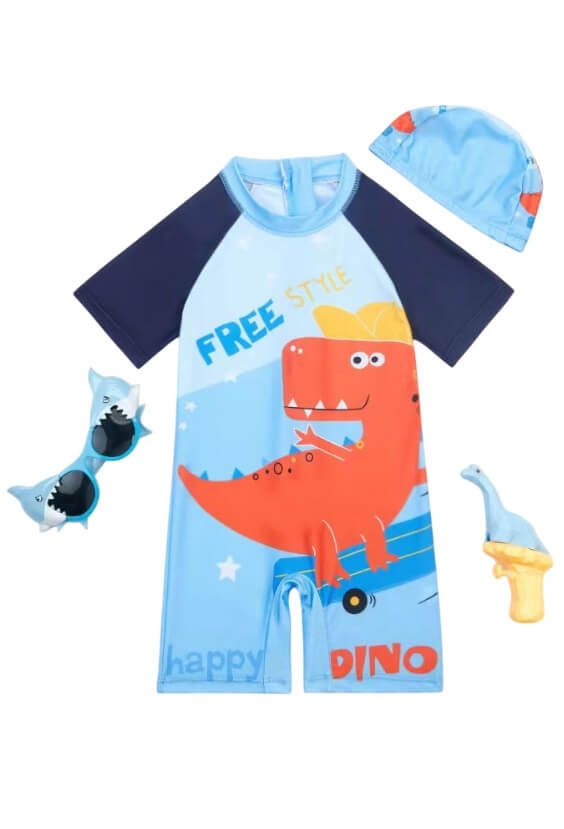 Boy Swimsuits
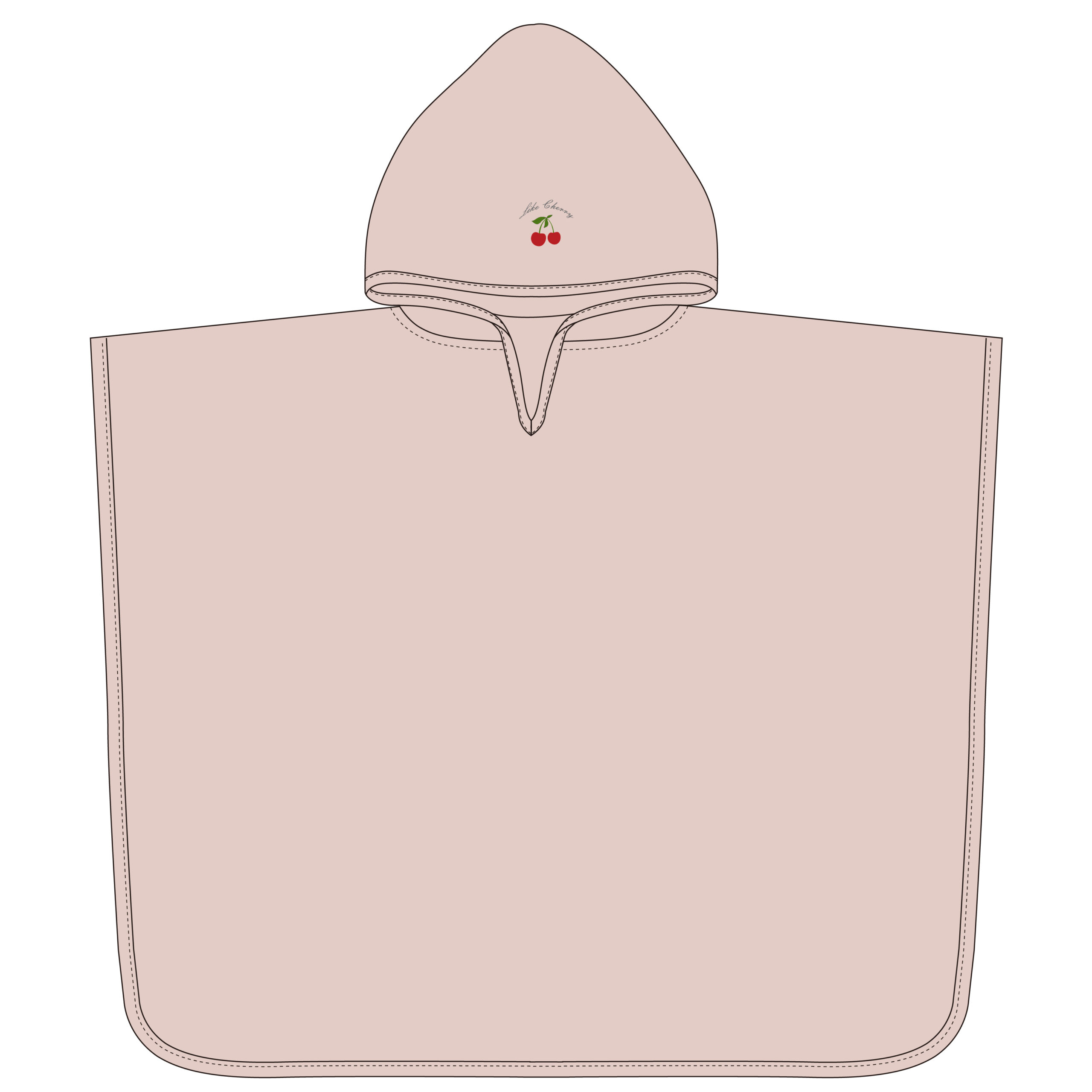 Poncho
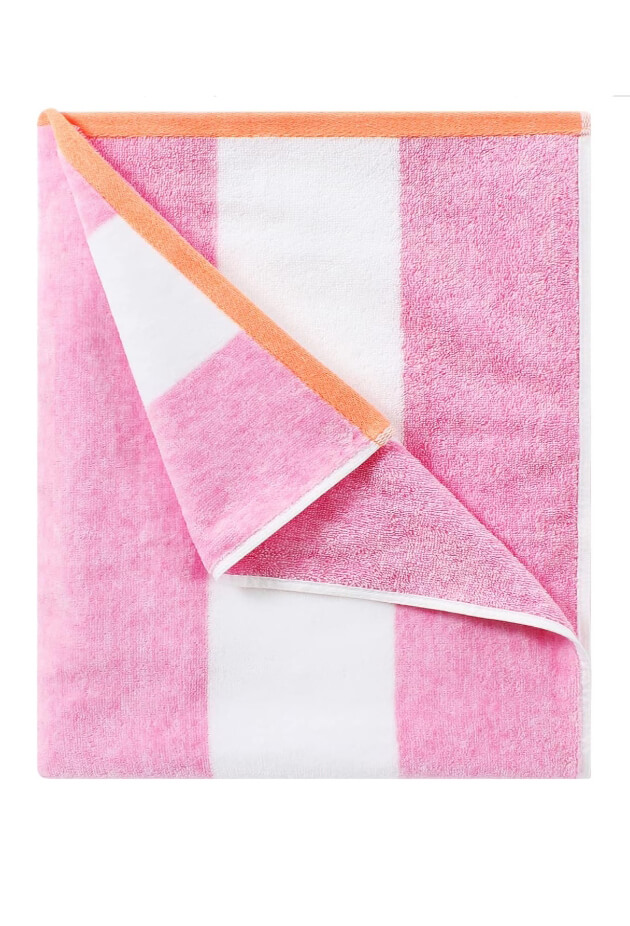 Beach Towel
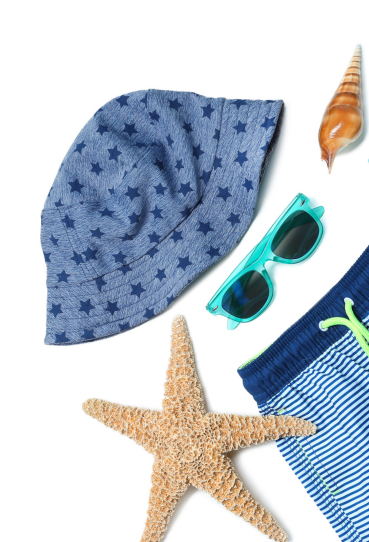 Sun Hat

The Future of Swimwear Manufacturing Trends
Swimwear manufacturing is being shaped by recycled-material development, digital design tools, and closer attention to fit and durability. For brands choosing a swimwear manufacturer, the opportunity is not simply to launch new styles faster, but to make better decisions before committing to production. This article explores the developments worth watching and the practical questions that can turn innovation into a stronger collection.
What is shaping the future of swimwear manufacturing?
The most useful developments connect material traceability, digital product development, and performance testing. Textile Exchange identifies textile-to-textile recycling as an important direction for synthetics, while Browzwear offers digital swimwear tools that represent fabric stretch and garment fit. Together, these developments suggest a future in which sourcing and design decisions become more closely connected. (textileexchange.org)
For a brand, the practical lesson is to evaluate systems rather than isolated features. A recycled fabric still needs suitable performance, and a convincing digital sample still needs physical approval. Ask prospective partners to explain how a design moves from material selection through sampling, testing, and production sign-off. Look for clear responsibilities at each stage, not just an impressive list of technologies.
Recycled materials need a more precise story
Recycled polyester and nylon deserve attention, but their origins matter. Textile Exchange notes that recycled polyester can come from several waste streams and identifies scaling textile-to-textile recycling as a priority. Its 2026 Materials Market Report also shows that plastic bottles remain the dominant feedstock for recycled polyester. A bottle-derived fabric should therefore not be presented as proof of a closed-loop clothing system. (textileexchange.org)
When comparing custom swimwear manufacturers, request a material specification that identifies the fiber blend, recycled percentage, feedstock source, and supporting documentation. Clarify whether a claim applies to the outer fabric, lining, or finished garment. That distinction gives your team a more accurate basis for product descriptions.
Circularity also requires caution. Research on blended textile recycling identifies elastane separation as a significant challenge, so recycled content does not automatically make a stretch swimsuit easy to recycle after use. (mdpi.com)
Treat recyclability as a question to investigate. Ask which actual recycling route could accept the finished product, including its lining, elastic, hardware, and labels, before making an end-of-life promise.
Digital sampling brings decisions forward
Three-dimensional design tools offer a way to examine a garment before cutting every proposed variation. Browzwear’s swimwear workflow uses digitized fabrics to represent characteristics such as stretch, bend, drape, and fit. This makes digital development relevant to more than choosing colors on a screen. (browzwear.com)
Ask swimsuit manufacturers to demonstrate the process using a comparable garment rather than a generic presentation. Review where the software informs pattern changes, how fabric properties are entered, and who approves revisions. A useful demonstration should make the decision-making process clearer.
Keep physical sampling as an approval stage. Require an actual garment for checking wet opacity, seam comfort, hardware placement, and movement. Use the digital stage to narrow options and document changes, then use physical samples to challenge the assumptions that remain. Set a shared naming system for files and samples so an approved revision cannot be confused with an earlier version.

Inclusive fit belongs in the development brief
A future-ready collection should begin with a defined customer, not an undefined promise to fit everyone. Specify the intended size range, coverage, support level, and activities before asking a factory to develop patterns. Give a bikini manufacturer separate requirements for tops and bottoms rather than treating the set as one fit problem.
Build your fitting process around observable checks:
- Support: Assess the underband, straps, cups, and closures during movement, not only while standing still.
- Coverage: Check neckline security, seat coverage, and leg openings in positions relevant to the intended activity.
- Size consistency: Review selected sizes across the proposed range rather than approving every size from one sample.
- Adjustability: Test whether straps and ties offer useful adjustment without creating uncomfortable pressure points.
Record feedback as specific changes. “The underband rises when the arms lift” gives a development team something to investigate; “the fit feels wrong” does not. Agree on who confirms that each correction has been resolved.
Performance fabrics still need garment-level scrutiny
Material innovation should answer a use case. The LYCRA Company lists chlorine resistance, UV resistance, sunscreen-oil resistance, shape retention, and recovery among the key performance criteria for swimwear stretch fibers. Those properties provide a starting point for technical discussions, rather than a reason to accept broad claims about superior fabric. (lycra.com.cn)
For a pool-focused collection, prioritize evidence relevant to repeated pool exposure. For fashion-led resort pieces, include detailed checks for opacity, lining behavior, and the comfort of decorative components. Ask bathing suit manufacturers what has been tested, which method was used, and whether the results concern a fiber, a fabric, or a finished garment.
Put agreed acceptance criteria in writing before bulk production. Request approval samples using the intended fabric, lining, elastic, and trims, and establish how substitutions will be reviewed. Evaluate the complete product you plan to sell, not merely its most marketable ingredient.
Can you create your own swimwear without overcomplicating production?
Yes. You can create your own swimwear collection by defining a focused product brief and matching the level of customization to your priorities. Instead of requesting original patterns, exclusive prints, unusual hardware, and numerous colorways at once, decide which features genuinely distinguish the collection.
Ask potential partners to quote two development routes: adapting an existing approved style and developing a new pattern. Compare the scope of work, sample stages, ownership terms, and production commitments for each. Neither route is automatically better; the right choice depends on how much control your concept requires.
For a manageable first collection:
- Define the customer and activity. Explain who will wear the product and what it must do.
- Choose a focused assortment. Give each style a clear role rather than adding near-duplicates.
- Limit unproven variables. Consider shared fabrics or trims where they do not weaken the design.
- Approve before expanding. Resolve fit and construction before introducing additional versions.
Request minimum quantities by style, color, and fabric, plus separate reorder terms. Use those answers to test whether the proposed range matches your budget and inventory plan.
Production location needs a full comparison
If you are searching for swimwear manufacturers in the USA, look beyond location as a headline benefit. Ask where pattern development, fabric sourcing, cutting, sewing, and finishing take place. Also confirm which business is responsible for communication and quality approval when work involves multiple facilities.
Compare domestic and overseas proposals using the same product specification. Request separate information on sampling, materials, production, inspection, freight, and delivery responsibilities. A quotation is easier to evaluate when you can see what it includes and which assumptions could change it.
Do not assume that a nearby factory offers a smaller minimum order or that an overseas partner cannot support development. Ask each supplier to document its actual capabilities. If domestic origin is important to your positioning, establish the production facts before deciding how to describe the product.
How should you evaluate a manufacturing partner?
Evaluate a manufacturing partner through relevant samples, documented processes, clear commercial terms, and evidence supporting material claims. Ask every shortlisted supplier the same questions so the comparison reflects capabilities rather than presentation quality.
For recycled materials, Textile Exchange’s Recycled Claim Standard and Global Recycled Standard provide frameworks for recycled-content verification and chain of custody. Ask which certification applies and how the supporting records connect to your order. (textileexchange.org)
Use a shortlist checklist:
- Development: Who owns the patterns, and what happens when sampling requires further revisions?
- Quality: What checkpoints apply, and how are defects documented and resolved?
- Materials: Who approves substitutions, and can the supplier provide relevant specifications and records?
- Delivery: Which milestones trigger approvals, payments, and shipment?
Before using certification logos or related product claims, verify the applicable requirements and approvals. Textile Exchange distinguishes receiving certified materials from having the chain of custody and authorization needed for certified product labeling. (hub.textileexchange.org)
Build for evidence, not novelty
The strongest approach to swimwear innovation is selective: investigate new materials, use digital tools where they improve decisions, and keep fit and performance central to approval. Start with a precise brief, compare partners against the same requirements, and validate the finished garment. A manufacturing trend becomes valuable only when it helps you deliver a product your customer can trust.
Materials for Swimwear – FAQs
Can SENVYN manufacture custom swim team suits based on our designs?
Yes. SENVYN provides OEM and ODM swimwear manufacturing services. You can share your own designs, sketches, or reference samples, and our team will help develop custom swim team suits that match your requirements.
Can we customize team logos, colors, and patterns?
Absolutely. We can customize team logos, colors, prints, patterns, and other design details to create swim team suits that represent your team’s identity.
What fabrics are suitable for competitive swim team suits?
We offer different swimwear fabrics, including polyester blends, nylon-spandex, and chlorine-resistant materials. The best option depends on your team’s training frequency, performance needs, and budget.
Can you produce matching swimwear for an entire swim team?
Yes. We can manufacture coordinated swimwear collections for swim teams, including different sizes and styles for men, women, and children.
Do you offer custom sizing for different age groups?
Yes. We can develop size ranges for children, teenagers, and adults. Custom measurements and size specifications can also be discussed during the sample development stage.
Can we add individual names or numbers to swim team suits?
Yes. Custom names, numbers, team logos, and other identifying details can be discussed during the design and customization process.
Do you provide samples before bulk production?
Yes. We recommend developing samples before mass production. This allows you to check the fabric, fit, colors, logo placement, and overall quality before confirming your bulk order.
How long does it take to manufacture custom swim team suits?
Production time depends on order quantity, fabric availability, design complexity, and customization requirements. We will provide an estimated sampling and bulk production schedule after reviewing your project.
Can SENVYN provide private label swim team suits?
Yes. We offer private label services, including custom labels, branded packaging, logo application, and other branding details to help you build your own swimwear collection.