
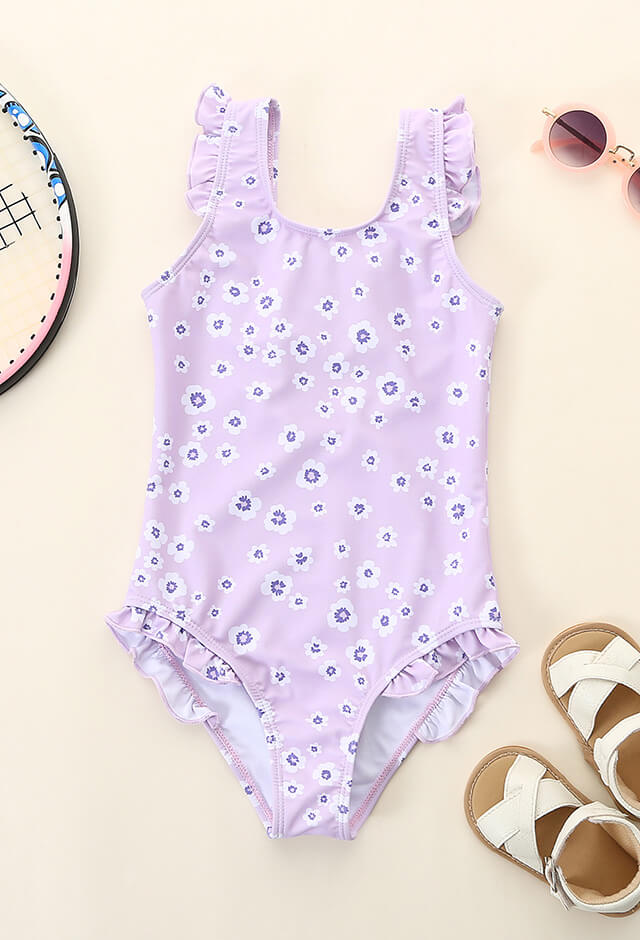
 One-Piece Swimsuits
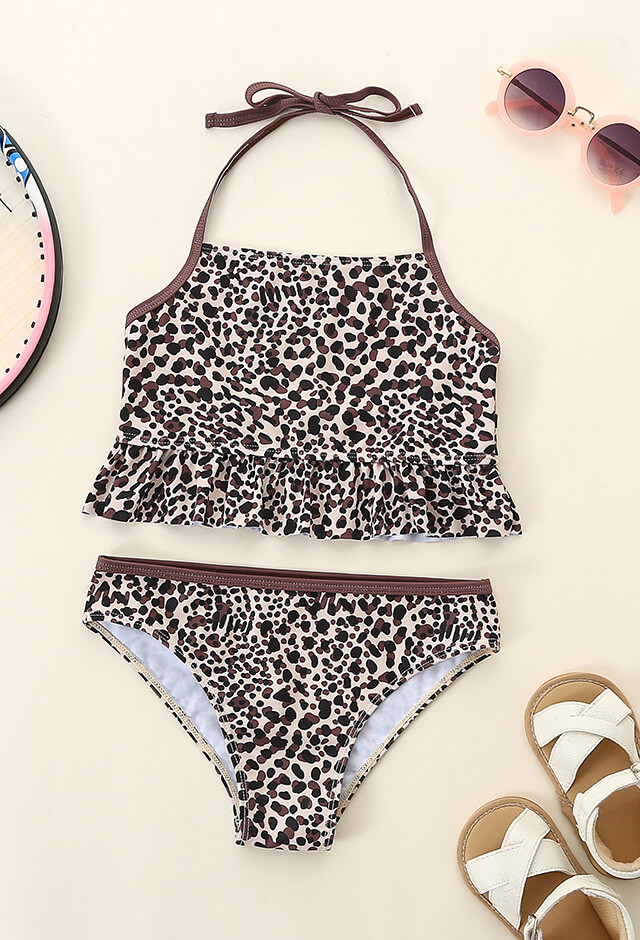 Two-Piece Swimsuits
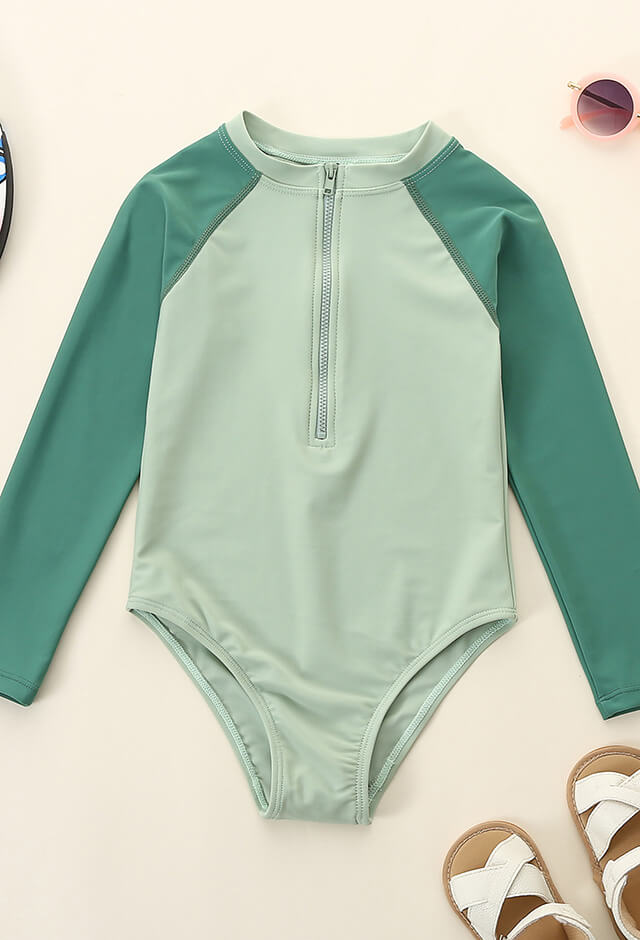 Rash Guards
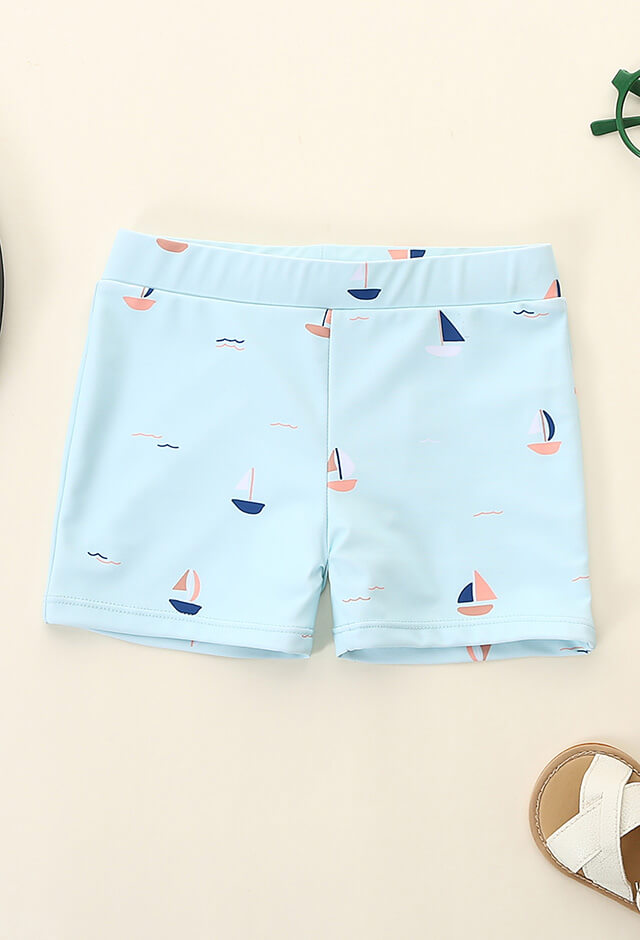 Swim Trunks
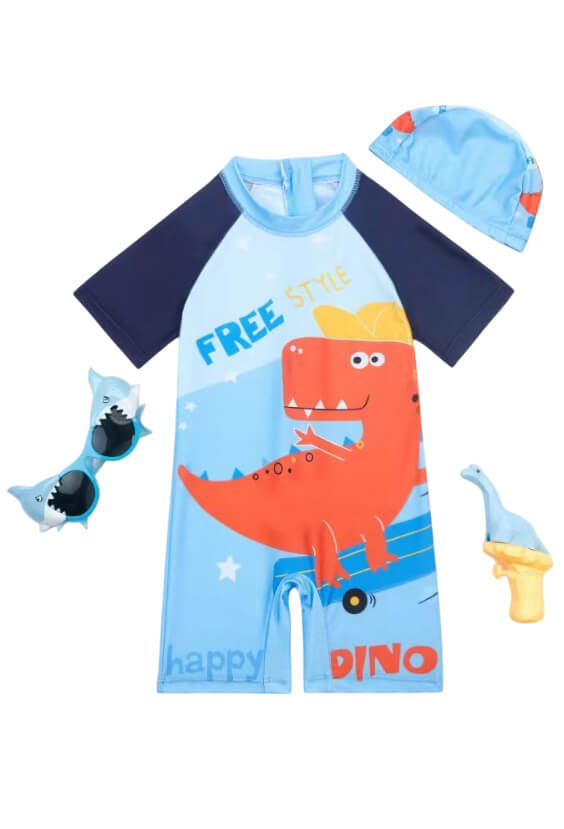 Boy Swimsuits
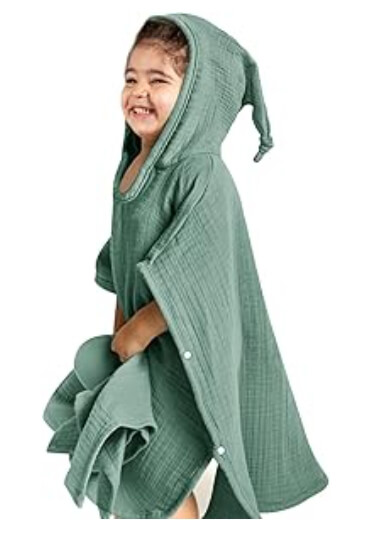 Poncho
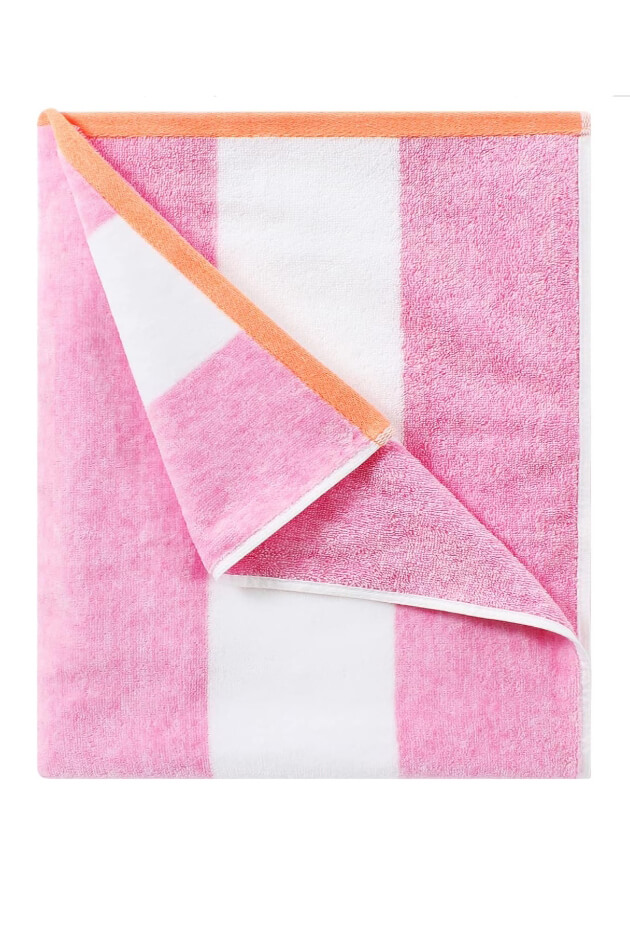 Beach Towel
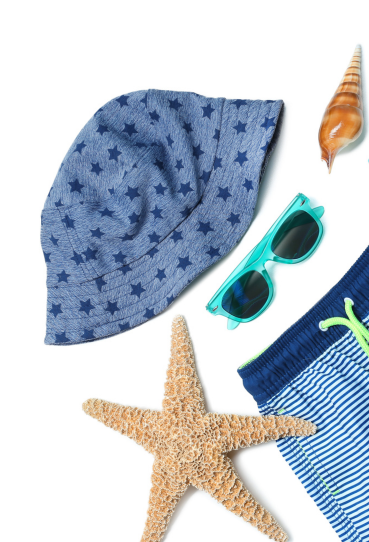 Sun Hat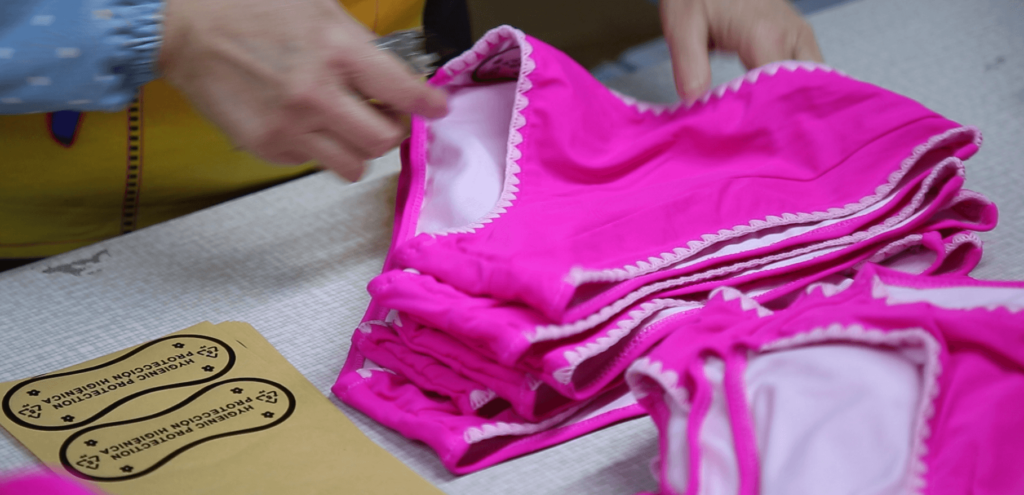
In the competitive swimwear industry, product quality is not just a requirement—it is a key factor that determines brand reputation, customer satisfaction, and long-term business success. Whether you are a swimwear brand, importer, or manufacturer, understanding and implementing strict swimwear inspection standards is essential.
From fabric selection to final packaging, each stage of production must be carefully inspected to ensure consistency, safety, and durability. This guide will walk you through the complete swimwear inspection process, including fabric inspection, in-line production checks, and final quality control.
1. Why Swimwear Inspection Standards Matter
Swimwear products are exposed to harsh conditions such as chlorine, saltwater, UV rays, and repeated stretching. Without strict quality control, defects can easily occur, leading to:
- Fabric deformation
- Color fading or bleeding
- Poor elasticity and recovery
- Skin irritation due to unsafe materials
- Customer complaints and returns
For brands buyers, especially in Europe and Australia, compliance with international standards such as REACH, OEKO-TEX, and CPSIA (for kids swimwear) is also critical.
A reliable swimwear inspection process ensures:
- Consistent product quality across batches
- Compliance with international regulations
- Reduced defect rate and returns
- Stronger trust with buyers
2. Fabric & Material Check
(The Foundation of Quality)
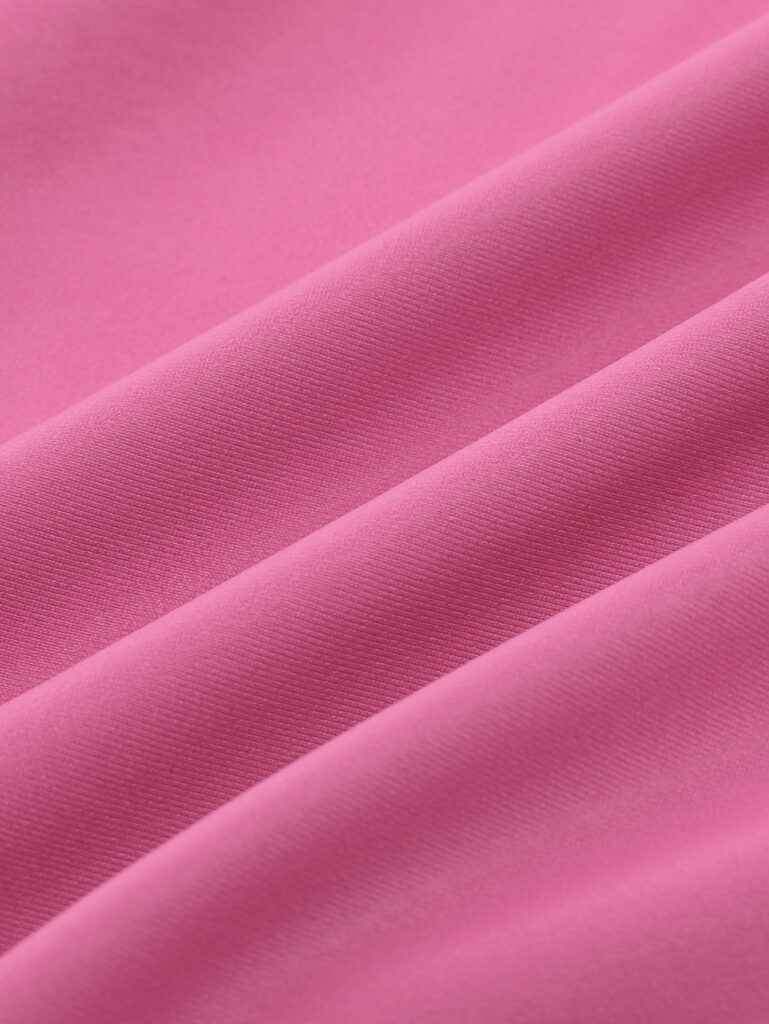
Fabric quality is the most important factor in swimwear production. A defective fabric cannot be corrected later in the process.
Key Fabric Inspection Points
Inspection Item
What to Check
How to Check
Approved
Fabric Type
Match with specification (Nylon/Spandex, Polyester/Spandex, RPET Nylon)
Compare with tech pack & material label
Must be 100% consistent
Fabric Weight & Thickness
GSM and thickness meet requirements
Use GSM cutter & thickness gauge
Within ±5% tolerance
Color Consistency
Same dye lot across all pieces
Visual comparison under standard light (D65)
2%-3% color difference
Elasticity & Recovery
Stretch performance and rebound
Manual stretch test or tensile test
Returns to original shape without deformation
Fabric Defects
Holes, pilling, snagging, uneven texture
Visual inspection (AQL standard)
No critical defects allowed
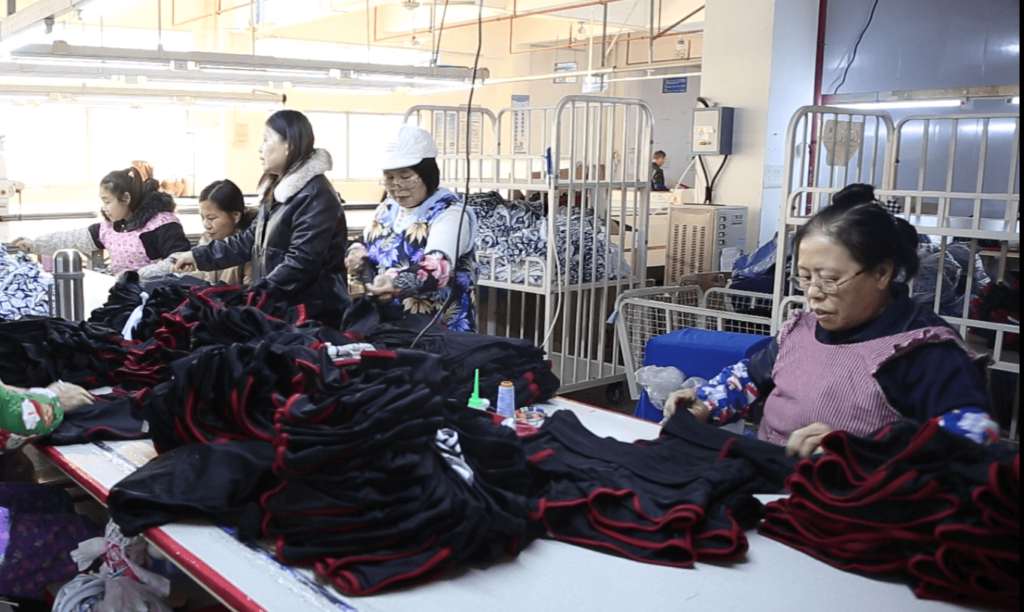
3. In-Line Production Inspection (During Manufacturing)
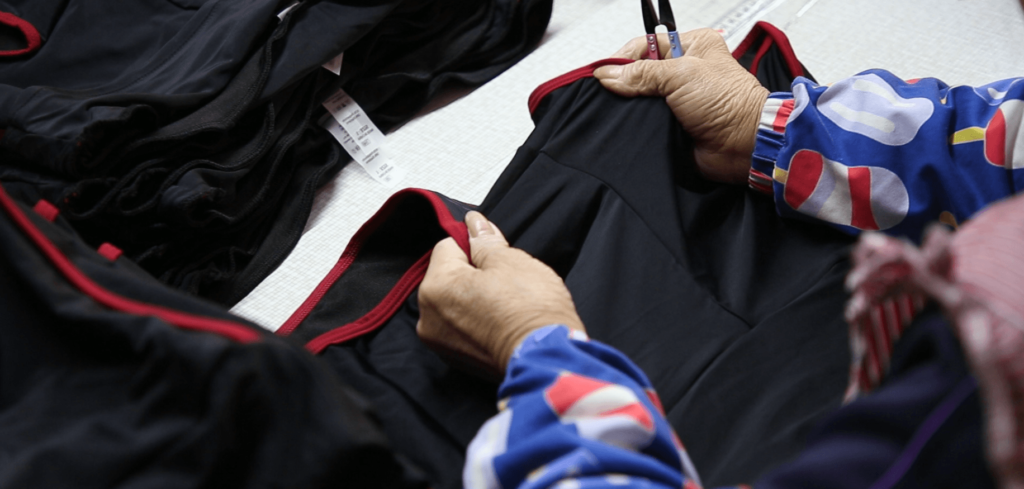
In-line inspection is conducted during production to identify and correct problems early.
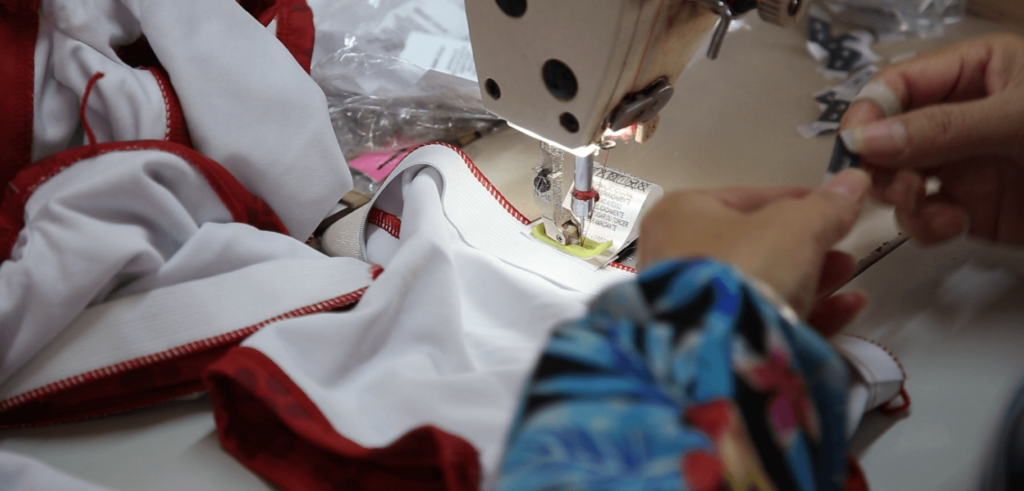
Stitching & Construction Check
Seams
Straight and even, no skipped stitches.
Thread Tension
Balanced, no loose or tight stitches.
Edges
Properly finished (overlock/coverstitch), no fraying.
Elastic Bands
Firmly stitched, correct width and tension.
4. Size & Fit
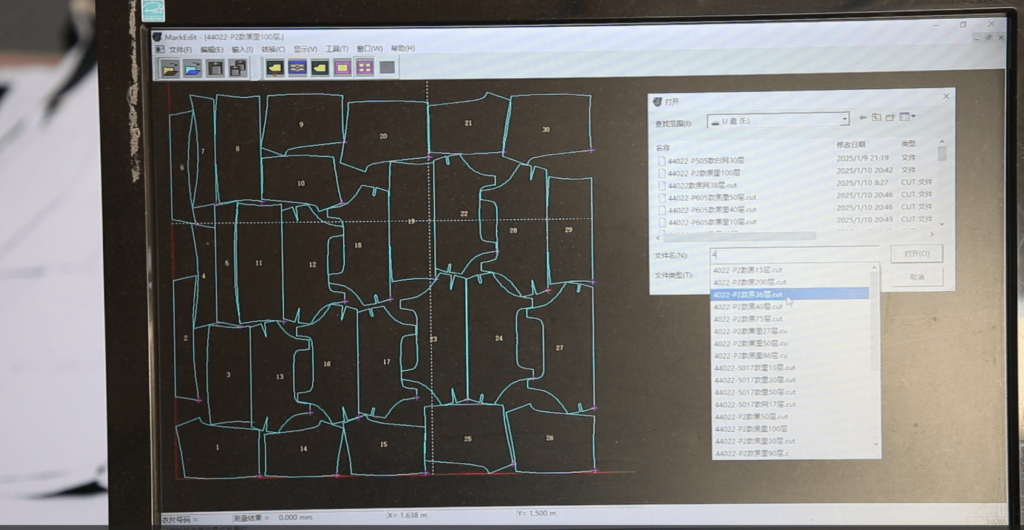
All sizes need to produce according to the approved size chart with strict tolerance control.
Each piece is checked to ensure a consistent fit, comfort, and flexibility.
Measurement
Compare each garment to approved size chart (chest, waist, hip, length, straps).
Tolerance
Usually ±1 cm for key measurements.
Fit Test
Check how garment sits on mannequin or model if needed.
5. Functional & Performance Test
Each product undergoes strict testing to ensure durability, color stability, and performance in water conditions.
Chlorine Resistance
Swimwear should withstand pool water for intended use.
UV Protection
If specified, check UPF rating.
Elastic Recovery
After stretching, straps and waistbands return to shape.
Comfort
No scratchy seams or rough areas.
6. Labels & Accessories
All labels and accessories are verified for accuracy, durability, and compliance with brand and regulatory requirements.
Care Labels
Correct language, instructions, and placement.
Brand Labels / Hangtags
Properly attached, accurate logo.
Zippers / Closures
Smooth operation, no snagging.
7. Packaging
All products are packed according to requirements to ensure protection, cleanliness, and correct labeling during shipment.
Folding & Bagging
Each piece folded neatly, placed in polybag or packaging as required.
Carton Labeling
Accurate SKU, size, quantity, style info.
Quantity Per Carton
Match order specification.
Shipping Marks
Clear and correct.
8. Acceptance Criteria
AQL standard: Commonly AQL 2.5 / 4.0 for major defects / minor defects.
Defect classification:
Critical
Major
Minor
Product unusable or unsafe → 0 defects allowed
Visible issues affecting function/appearance → very limited
Slight imperfections → allowed within AQL
Swimwear inspection standards are not just a technical requirement—they are a critical part of delivering high-quality products to the market. From fabric inspection to final shipment checks, every step plays a vital role in ensuring durability, comfort, and safety.
For brands and importers, choosing a manufacturer with a strong quality control system is the key to long-term success.